Buzz-Worthy 15 Best Nectar-Rich Plants for Bees and Pollinators
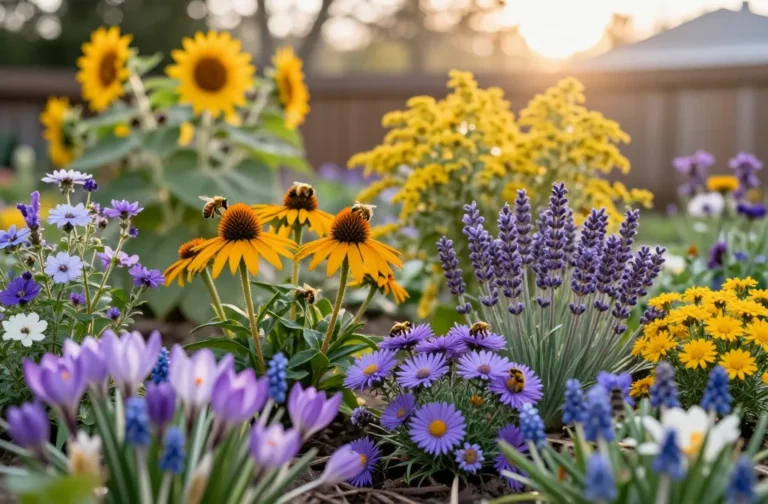
Want a buzzing, thriving garden that basically pollinates itself? Plant these nectar powerhouses and watch bees, butterflies, and hummingbirds throw a daily garden party. These plants bloom for ages, serve up high-octane nectar, and look gorgeous while doing it. Ready to turn your yard into a pollinator hotspot? Let’s dig in.
1. Lavender That Bees Can’t Resist
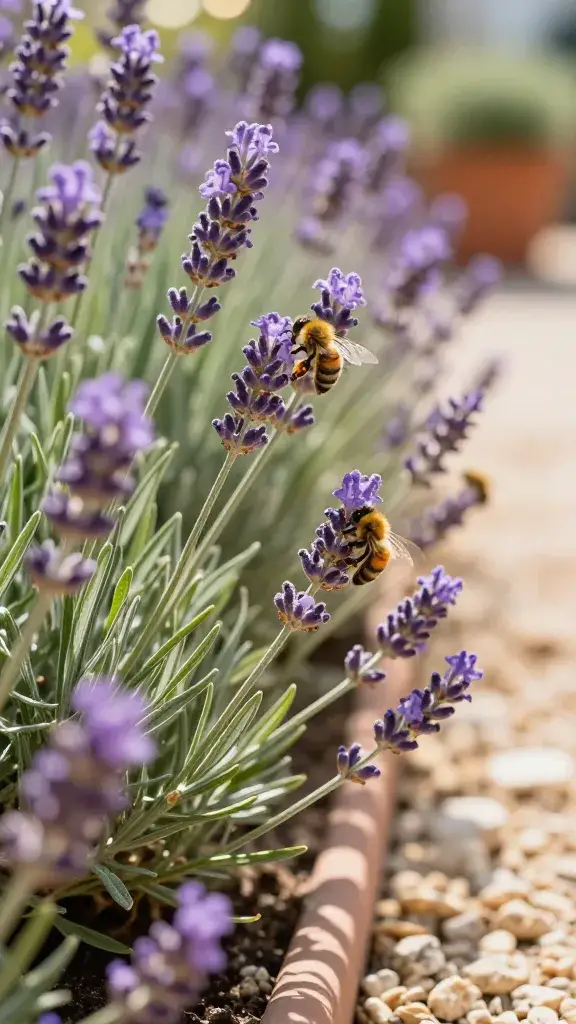
Lavender smells incredible and serves as a nectar buffet that bees adore. It blooms for weeks, looks dreamy in drifts, and handles heat like a champ.
Tips
- Plant in full sun with well-drained soil.
- Choose English or hybrid lavenders for strong bloom and fragrance.
- Shear lightly after the first flush to encourage more flowers.
Use it to border paths or fill containers—hello, low-maintenance pollinator magnet.
2. Coneflower With Superstar Stamina
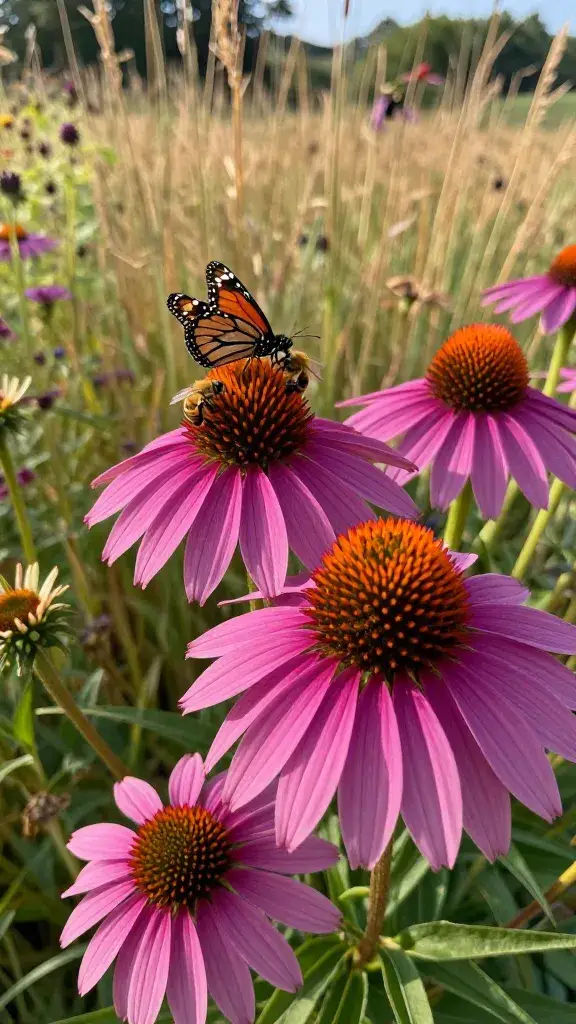
Native coneflowers (Echinacea) pump out nectar and keep the color coming from summer into fall. Bees love the central cones, and butterflies land like it’s an airport runway.
Key Points
- Full sun and average soil—don’t overwater.
- Skip the overly fancy doubles; single blooms offer easier access to nectar.
- Leave seed heads for winter bird snacks.
Great for prairie-style beds or any spot that needs bold, wildlife-friendly color.
3. Bee Balm That Lives Up To Its Name
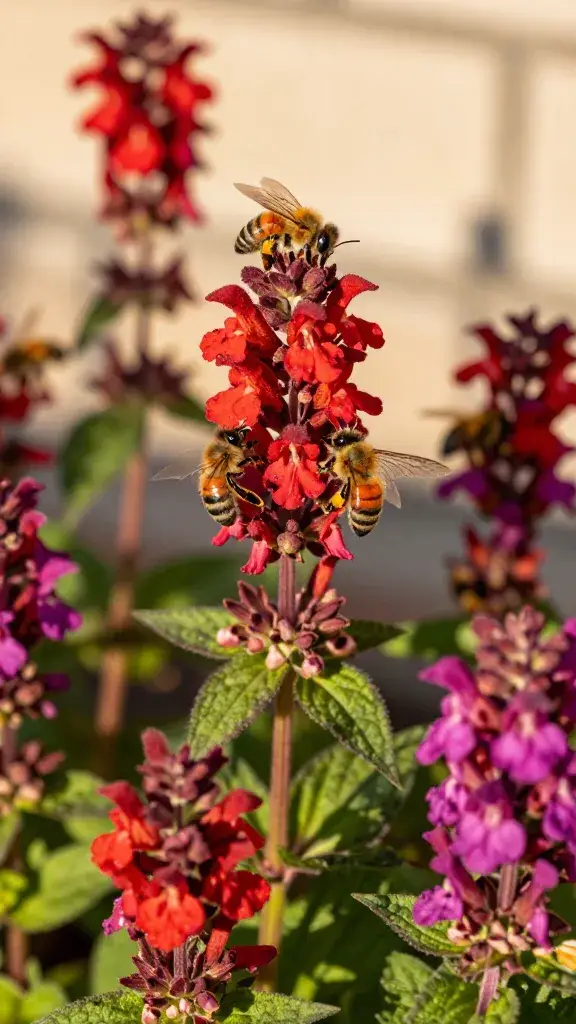
Bee balm (Monarda) throws wild, shaggy blooms that hummingbirds and bees can’t ignore. It adds drama, color, and serious nectar density to any summer border.
Tips
- Give it sun and airflow to reduce powdery mildew.
- Choose mildew-resistant varieties like ‘Jacob Cline’ or ‘Raspberry Wine.’
- Divide every few years to keep clumps vigorous.
Perfect near patios where you want hummingbirds swooping in for a show.
4. Salvia That Blooms And Blooms (And Blooms)
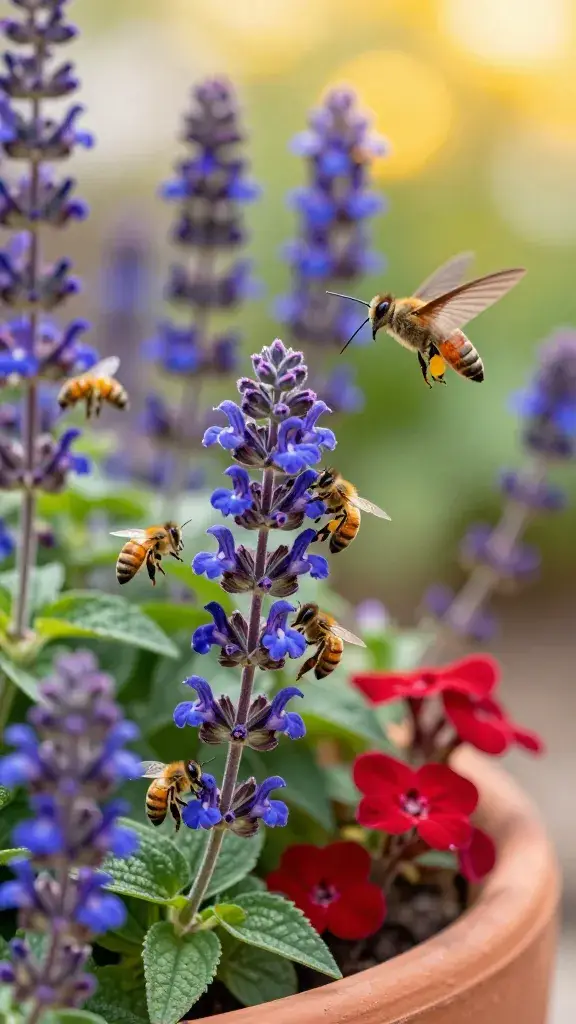
Salvias serve nectar on tap from late spring to frost, especially when you deadhead them. Bees and hummingbirds line up for those tubular flowers.
Good Choices
- Salvia nemorosa for hardy perennials.
- Salvia guaranitica for taller, hummingbird-approved spikes.
- Annual salvias if you want constant color in pots.
Ideal for sunny borders and containers where you want nonstop pollinator traffic.
5. Borage, The Self-Seeding Snack Bar
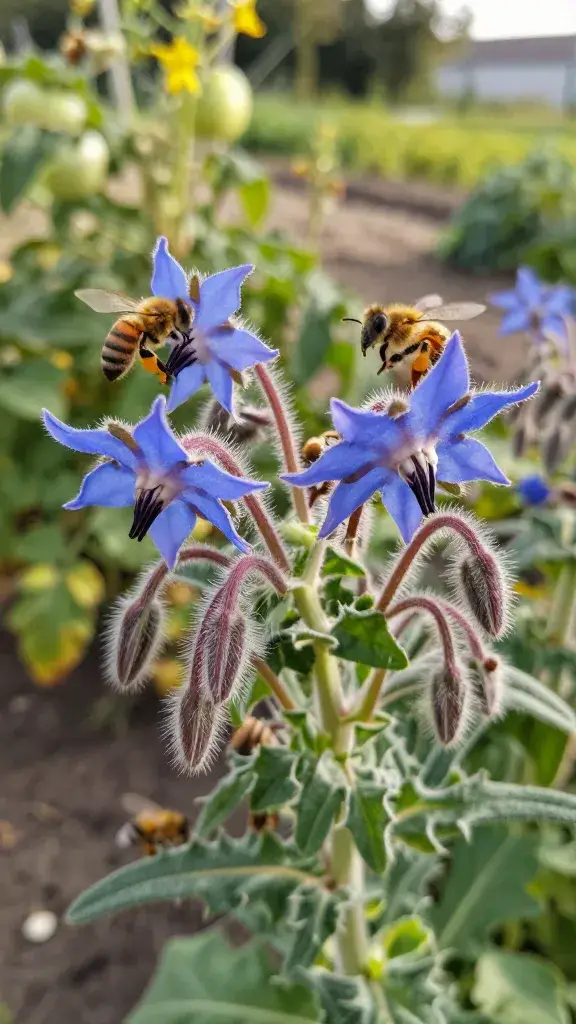
Borage churns out starry blue flowers that replenish nectar throughout the day. Bees go wild for it, and it politely reseeds so you never run out.
Why It’s Awesome
- Edible flowers taste like cucumber—cute garnish moment.
- Attracts pollinators to nearby veggies (tomatoes say thanks).
- Low-fuss and drought tolerant once established.
Tuck it into veggie beds for a functional and pretty companion plant.
6. Catmint That’s Tough And Totally Bee-Friendly
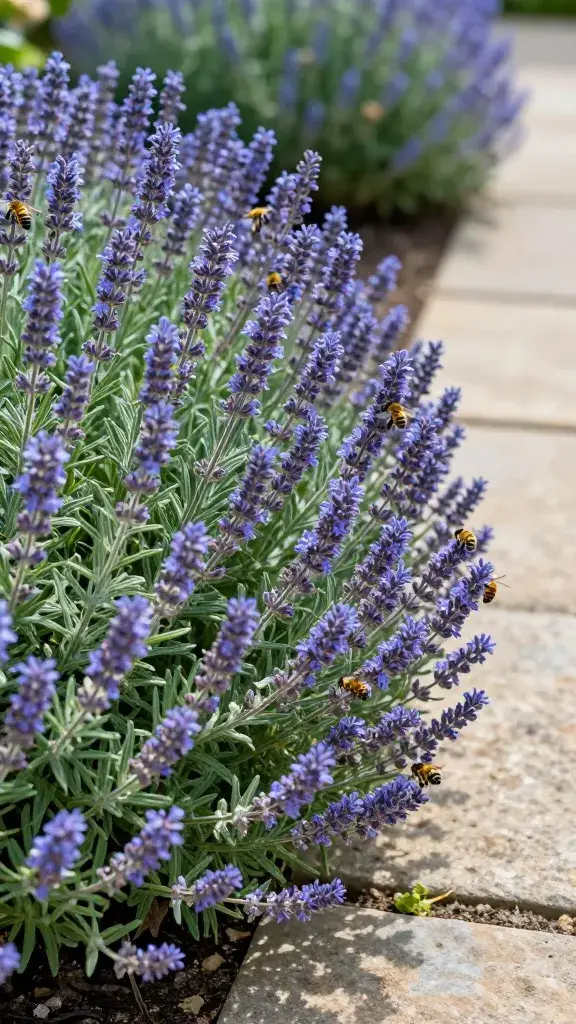
Catmint (Nepeta) gives you clouds of lavender-blue blooms that bees adore. It thrives in rough soil and still looks like you hired a landscaper.
Tips
- Full sun and lean soil keep it compact.
- Shear after first bloom for a tidy second flush.
- ‘Walker’s Low’ is a classic, but dwarf types fit small spaces.
Great along edges where its soft mounds can spill gracefully onto paths.
7. Sunflowers For The Ultimate Summer Buzz
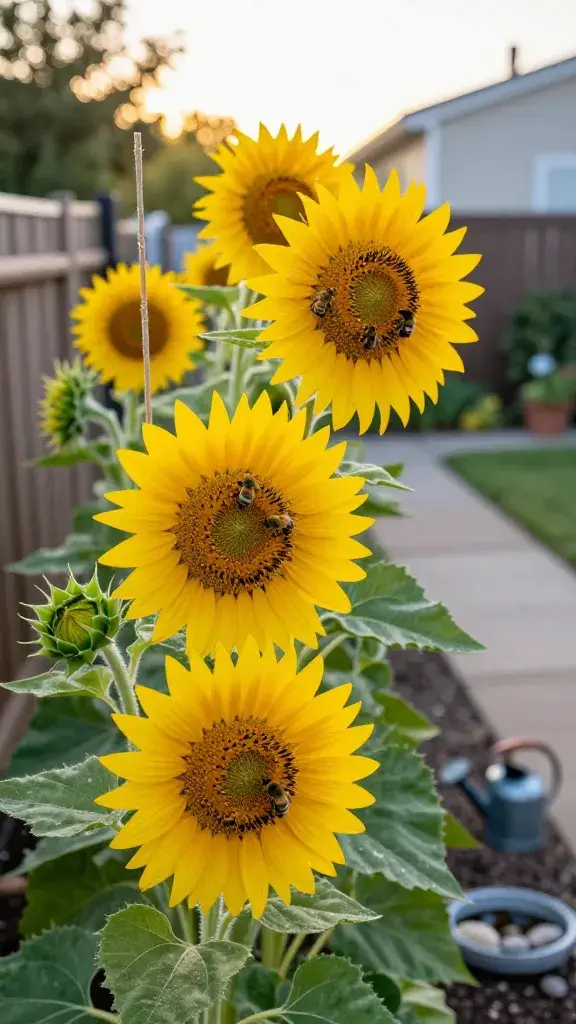
Sunflowers deliver huge nectar-rich blooms and later, seed heads for birds. They’re basically a pollinator billboard you can see from the street.
Grower Notes
- Pick single-flowered, pollen-rich types (avoid pollen-free florist varieties).
- Full sun, steady water, and support for tall cultivars.
- Stagger sowings for months of bloom.
Plant as a seasonal backdrop or a fun kid-friendly pollinator project.
8. Asters That Close Out The Season Strong
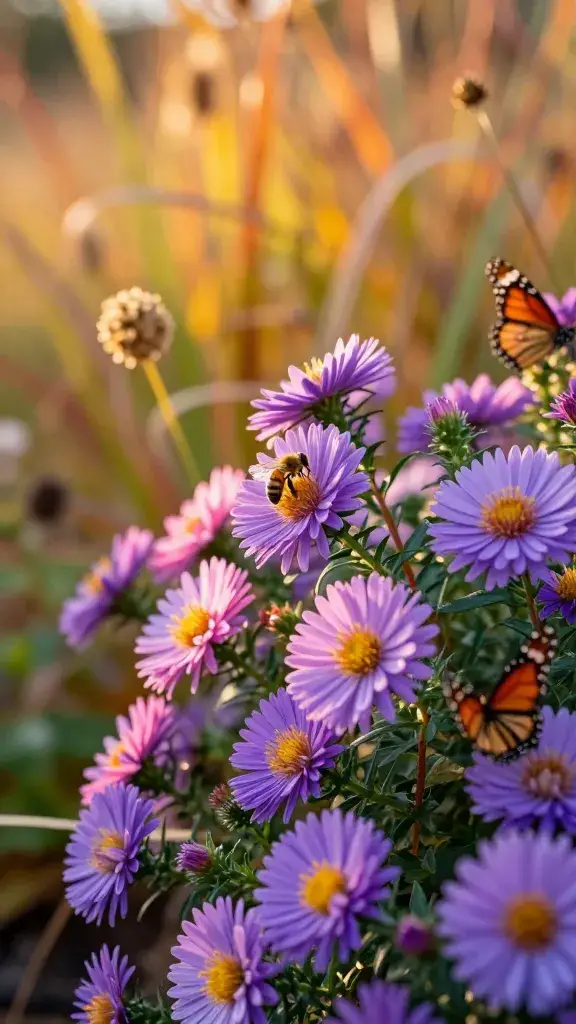
Asters bloom when other flowers call it quits, feeding late-season bees and migrating butterflies. Their daisy-like flowers light up fall borders.
Best Bets
- New England and New York asters for hardy color.
- Compact cultivars if you hate staking.
- Full sun and good air circulation to keep foliage clean.
Use them to extend nectar availability right up to frost—clutch for pollinator survival.
9. Milkweed: Monarch Magnet With Major Nectar
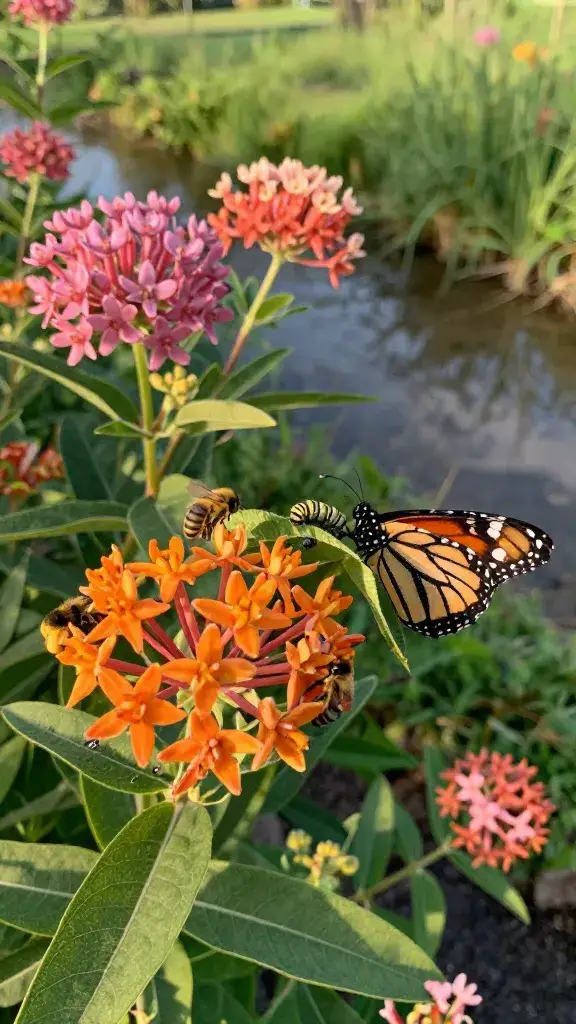
Milkweed offers nectar for bees and butterflies, plus host leaves for monarch caterpillars. It’s beautiful, beneficial, and way easier to grow than people think.
Choose Wisely
- Asclepias tuberosa (butterfly weed) for dry, sunny spots.
- Asclepias syriaca for wild, meadowy spaces.
- Asclepias incarnata (swamp milkweed) for wetter soils.
Great in native plantings or sunny borders where you want big ecological impact.
10. Zinnias That Butterflies Treat Like a Runway
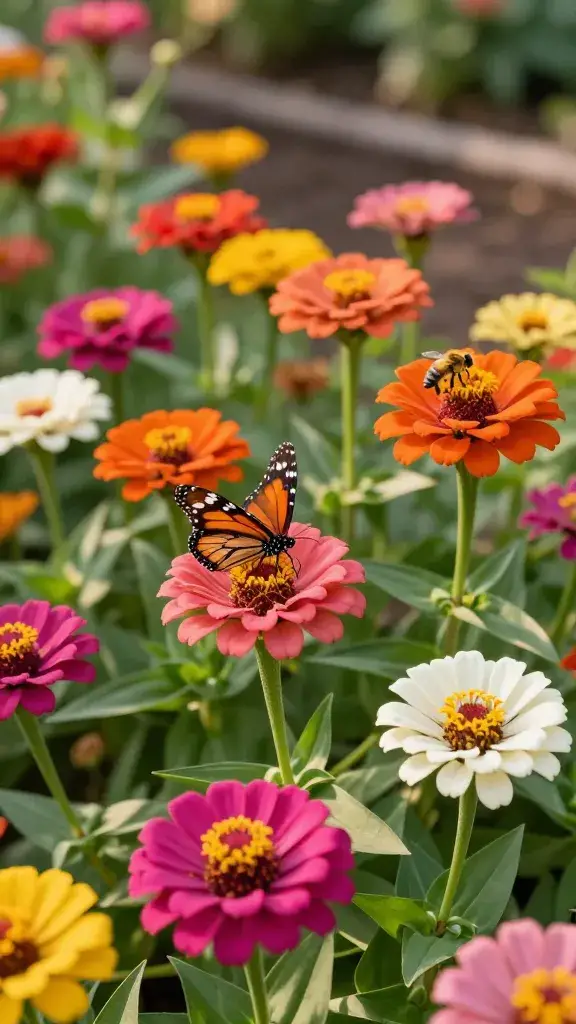
Zinnias crank out nectar-packed blooms for ages, especially single-flowered types. Butterflies and bees treat them like an all-you-can-eat buffet.
Planting Pointers
- Direct sow after frost for fast color.
- Choose singles or open doubles for better nectar access.
- Cut-and-come-again habit keeps blooms coming.
Ideal for cutting gardens and sunny borders where you want instant payoff.
11. Black-Eyed Susan With Bold, Bee-Attracting Color
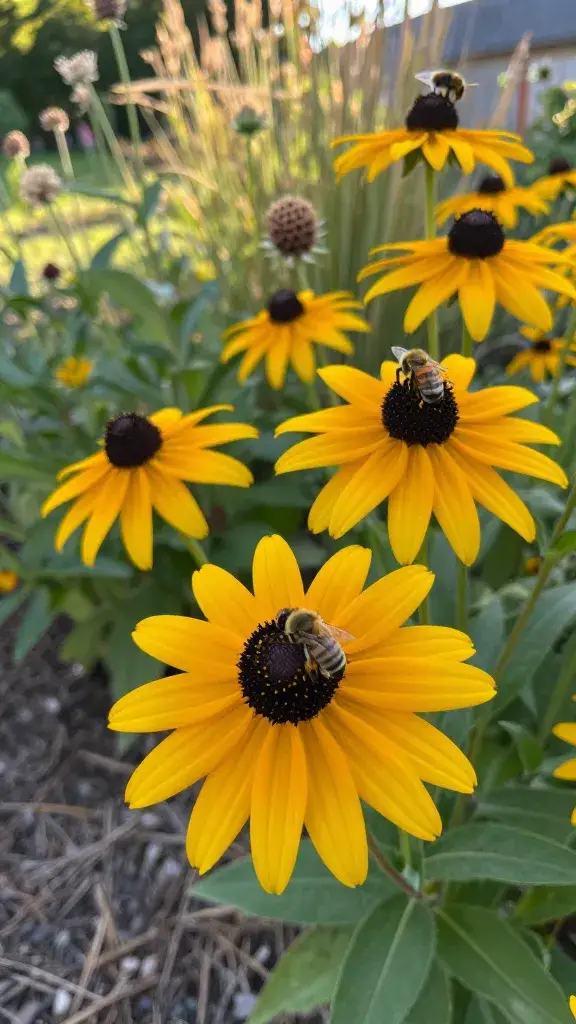
Rudbeckia brings long-lasting yellow daisy faces that stand up to heat and drought. Bees love the central disks, and the color makes your garden pop.
Care Basics
- Full sun, average soil, very forgiving.
- Divide clumps every few years for vigor.
- Leave seed heads for winter birds (and cozy structure).
Use as a backbone plant in cottage gardens and naturalized borders.
12. Hummingbird Mint That Smells Like Summer
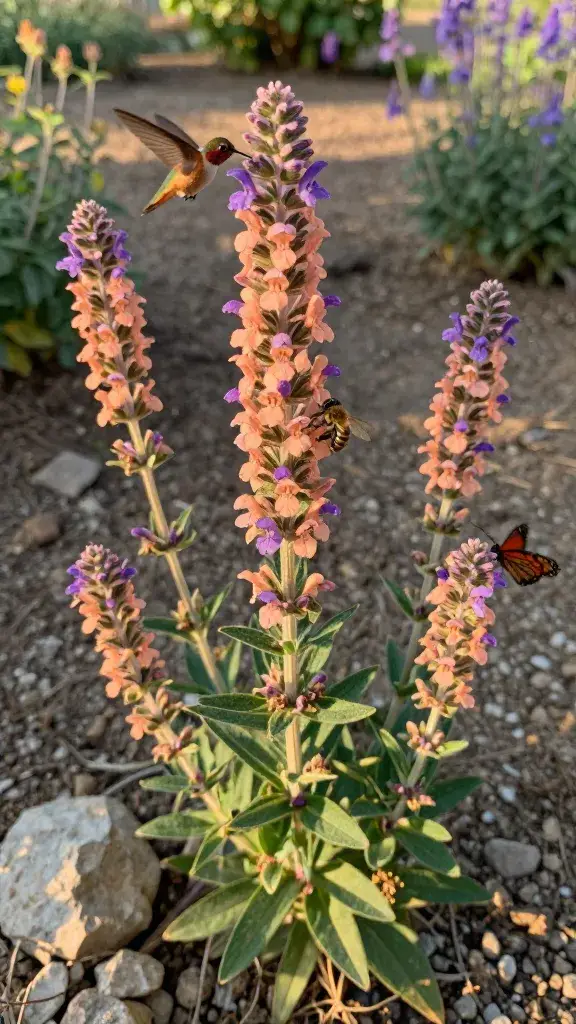
Agastache (hummingbird mint) throws spires of nectar-rich blooms with a minty-licorice scent. Bees, butterflies, and hummingbirds will show up daily, FYI.
Good To Know
- Needs full sun and sharp drainage—no soggy feet.
- Colors range from peach to violet; pick a palette and go wild.
- Reseeds lightly for friendly repeats.
Plant in hot, dry spots where other perennials sulk. It thrives and perfumes the air.
13. Joe Pye Weed: The Pollinator Party Tower
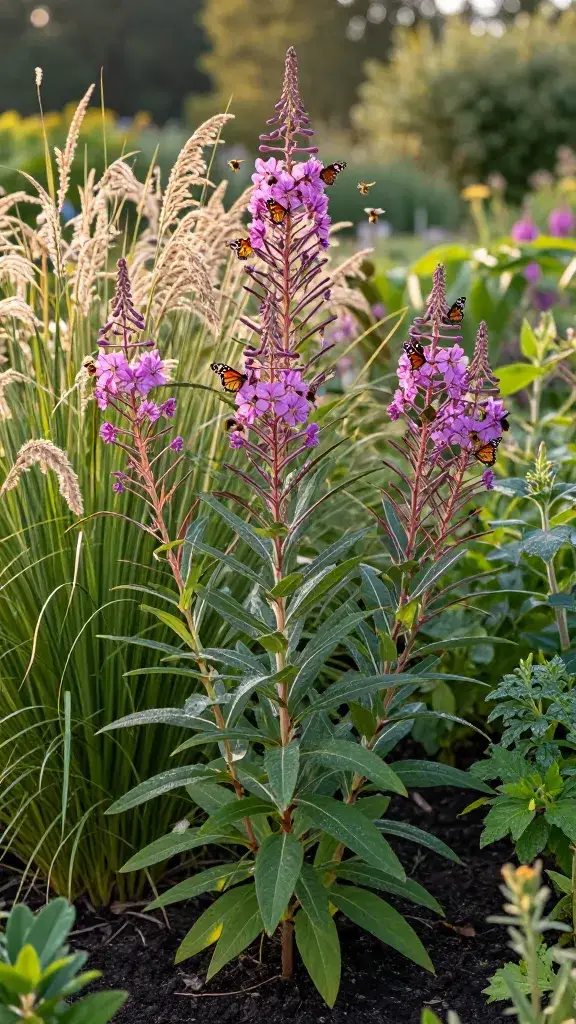
Joe Pye Weed (Eutrochium) grows tall and crowns itself with mauve flower domes buzzing with life. Butterflies crowd it like it’s a VIP lounge.
Growing Tips
- Full sun to part shade; loves moisture but tolerates average soil.
- Pinch early for shorter, bushier plants if height scares you.
- Pair with grasses for movement and support.
Perfect for the back of a border or rain garden where you want drama and biodiversity.
14. Thyme That Feeds Bees Between Meals
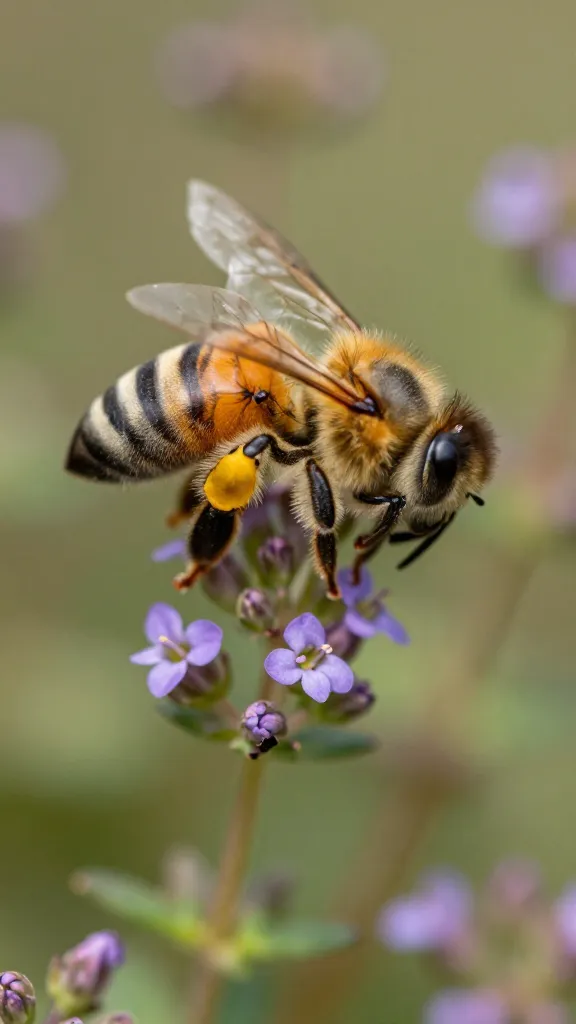
Creeping thyme looks adorable between pavers and surprises you with nectar-rich blooms. It’s a groundcover that quietly does the most.
How To Use It
- Full sun, well-drained soil, light foot traffic only.
- Let it flower before trimming to feed pollinators.
- Choose woolly or creeping types for tight carpets.
Use in rock gardens, pathway edges, and herb beds for low-key pollinator support.
15. Phacelia, The Secret Weapon For Serious Pollinator Traffic
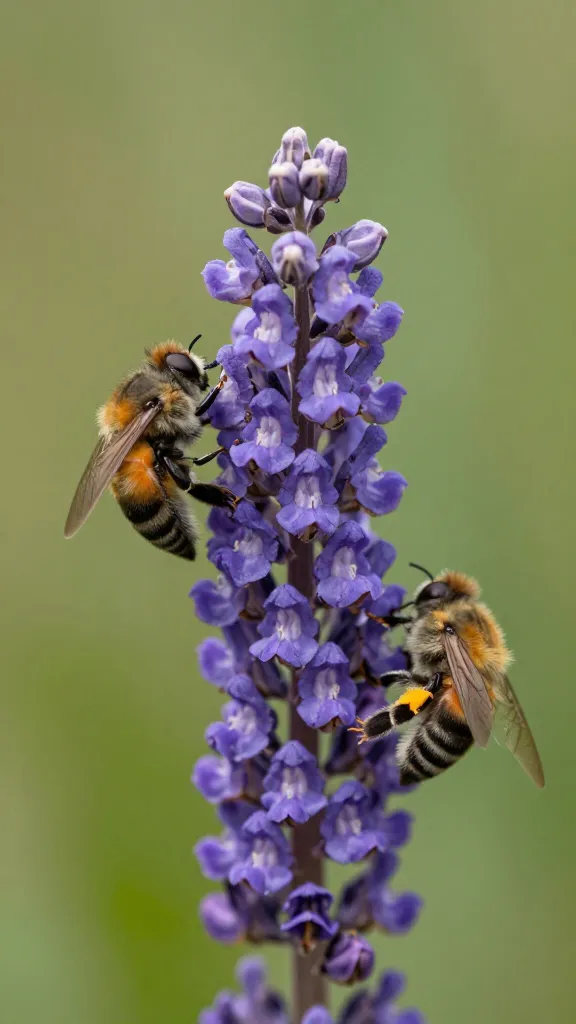
Phacelia (lacy phacelia) packs spiraled purple blooms that bees swarm like clockwork. Gardeners use it as a cover crop and a nectar dynamo—efficient, right?
Why You’ll Love It
- Fast-growing annual that flowers in weeks.
- Improves soil while feeding beneficials.
- Self-sows lightly without taking over.
Sow in open spaces or around veggies to skyrocket pollination and soil health, seriously.
There you have it—15 nectar-rich legends that turn any plot into a pollinator paradise. Mix early, mid, and late bloomers and you’ll serve nectar nonstop. Plant a few this weekend and prepare for the happiest kind of garden chaos. Your bees (and your tomatoes) will thank you, IMO.
Share this content: