15 Plants That Bloom All Season and Support Honey Bees Now
Want a garden that buzzes with life and color from spring to frost? These plants feed honey bees nonstop while making your yard look magazine-level gorgeous. No fussy divas here—just hardworking bloom machines. Ready to turn your space into a pollinator buffet with serious curb appeal?
1. Sun-Drenched Superhero: Black-Eyed Susan
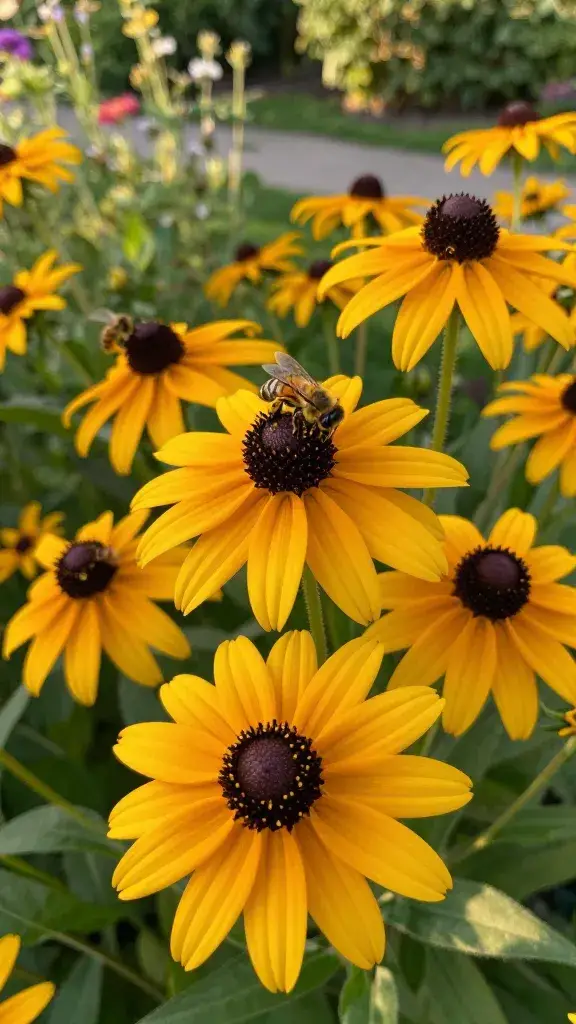
Black-eyed susans pump out golden daisy-like blooms for months, and bees treat them like an all-you-can-eat buffet. They handle heat, poor soil, and your busy schedule.
Why Bees Love It
- Long bloom window: Midsummer to frost
- Easy landing pads: Wide, open faces for foraging
- Pollinator magnet: Attracts bees, butterflies, and beneficial bugs
Plant in full sun and deadhead spent blooms for even more flowers. Great for borders and wildflower-style beds.
2. Classic Workhorse: Lavender
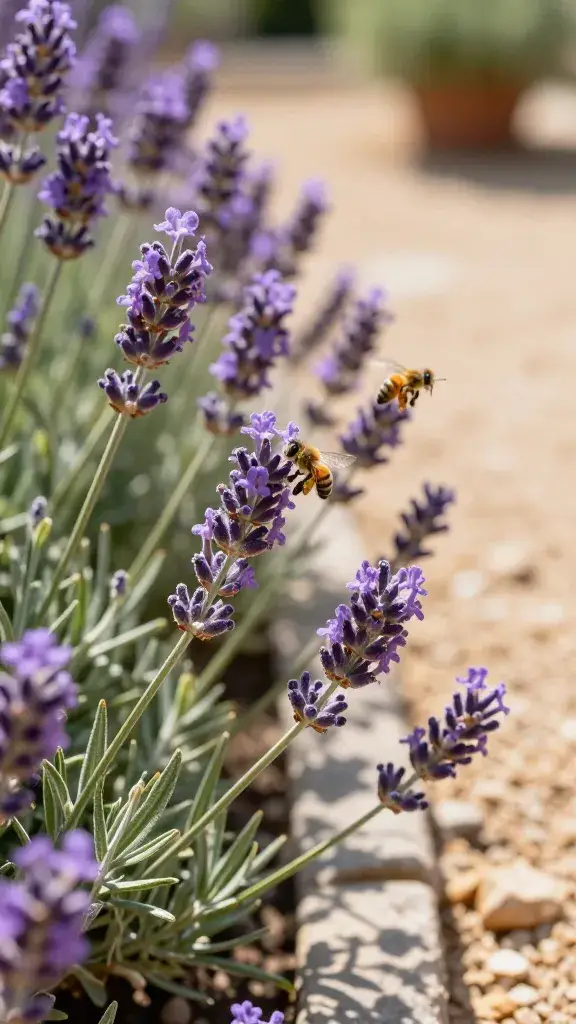
Lavender brings nonstop fragrance, dreamy purple spikes, and a never-ending line of honey bees. It hates wet feet but thrives in lean, sunny spots.
Tips
- Soil: Well-draining, even sandy or rocky
- Pruning: Light trim after the first flush to encourage rebloom
- Varieties: English lavender (Lavandula angustifolia) reblooms well
Use it in borders, containers, and along paths for scent and bee traffic. FYI, it also deters some pests—win-win.
3. Cheerful Powerhouse: Zinnias
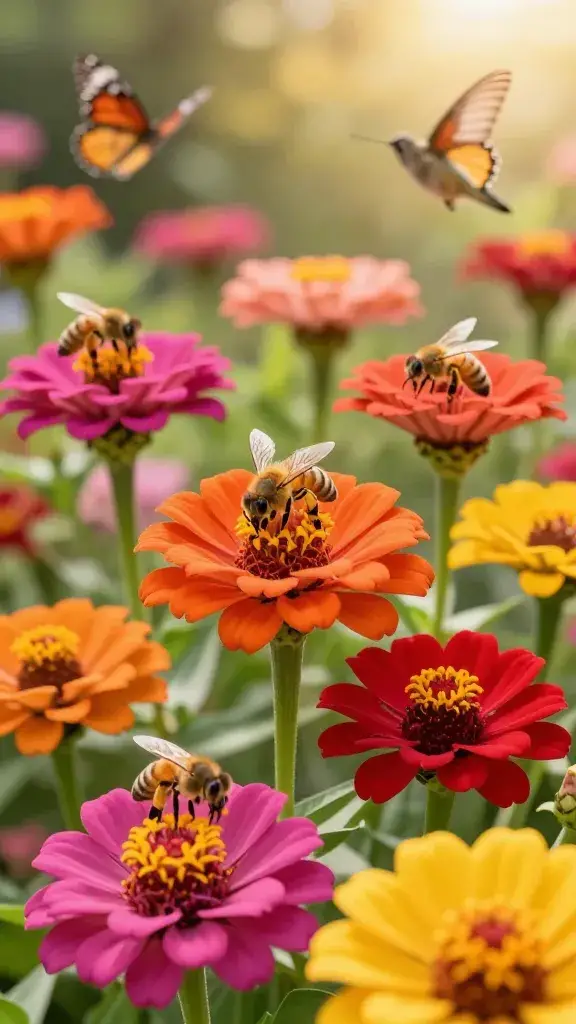
Zinnias bloom like they’re being paid per flower. Bees, butterflies, and even hummingbirds crowd these bright disks all season long.
Key Points
- From seed, fast: Quick germination and nonstop color
- Open centers: Choose single or semi-double types for bee access
- Cut-and-come-again: Snip bouquets, get more blooms
Great in cutting gardens and sunny beds. Deadhead to keep the show rolling.
4. Cottage Garden Icon: Catmint (Nepeta)
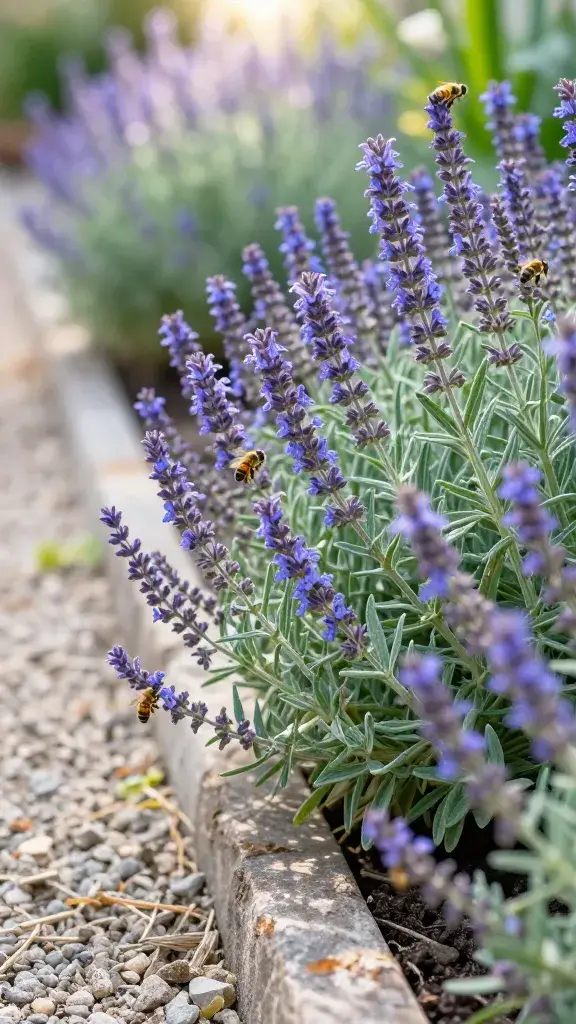
Catmint throws out waves of soft purple-blue flowers from spring into fall. It laughs at drought and keeps bees blissfully busy.
Why It’s Awesome
- Rebloom champ: Shear after first flush for repeat flowers
- Low maintenance: Minimal fuss, maximum color
- Pollinator party: Constant nectar source
Line pathways or mass in drifts for a haze of color and happy pollinators. Also deer resistant, which feels like cheating.
5. Sunshine Scatter: Coreopsis (Tickseed)
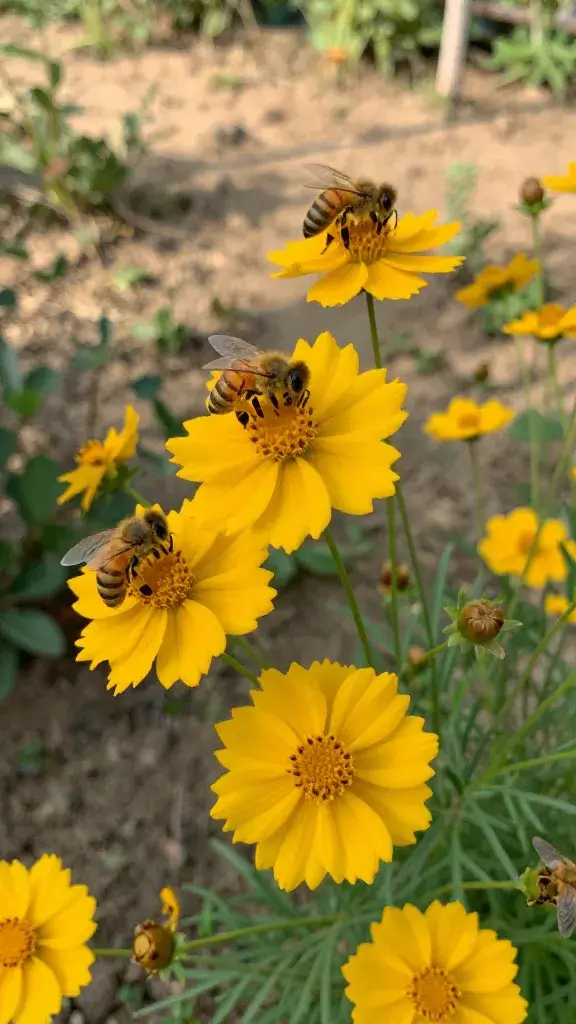
Coreopsis is like sprinkling confetti in your garden for months. Its simple, daisy-like blooms give bees easy access to nectar and pollen.
Tips
- Choose perennial types: C. verticillata and C. grandiflora are reliable
- Deadhead lightly: Encourages waves of new flowers
- Soil-flexible: Tolerates poor, sandy soils
Brighten borders, meadows, and low-maintenance spots with cheery, bee-friendly color.
6. Season-Long Buffet: Cat’s Pajamas Nepeta
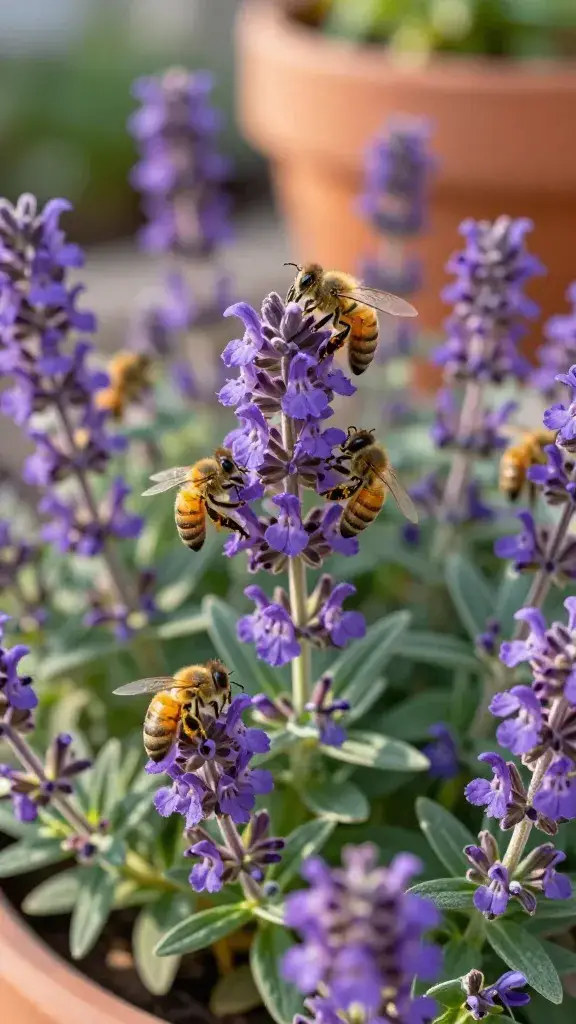
This newer dwarf nepeta variety blooms like it has something to prove. It kicks off early and keeps going with minimal cleanup.
Why Bees Approve
- Prolonged flowering: Spring through fall with a midsummer trim
- Compact habit: Perfect for small spaces and containers
- High nectar: Constant fuel for foragers
Use it at the front of beds where you want reliable purple pops and buzzing visitors.
7. Wildflower Royalty: Purple Coneflower (Echinacea)
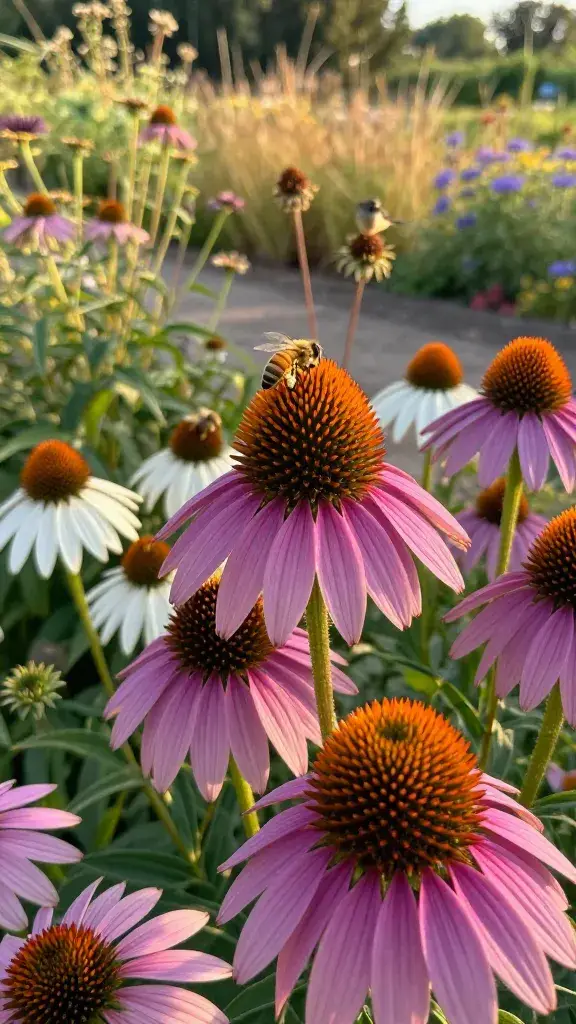
Sturdy, sculptural, and beloved—echinacea draws honey bees from across the block. The big central cones offer rich pollen, and the petals keep coming.
Key Points
- Go classic: Choose single purple or white types for best bee access
- Leave seed heads: Birds love them in fall
- Drought-hardy: Thrives in hot, dry spells
Plant in sunny, naturalistic beds for four-season interest and constant pollinator traffic.
8. Heat-Loving Nectar Bar: Lantana
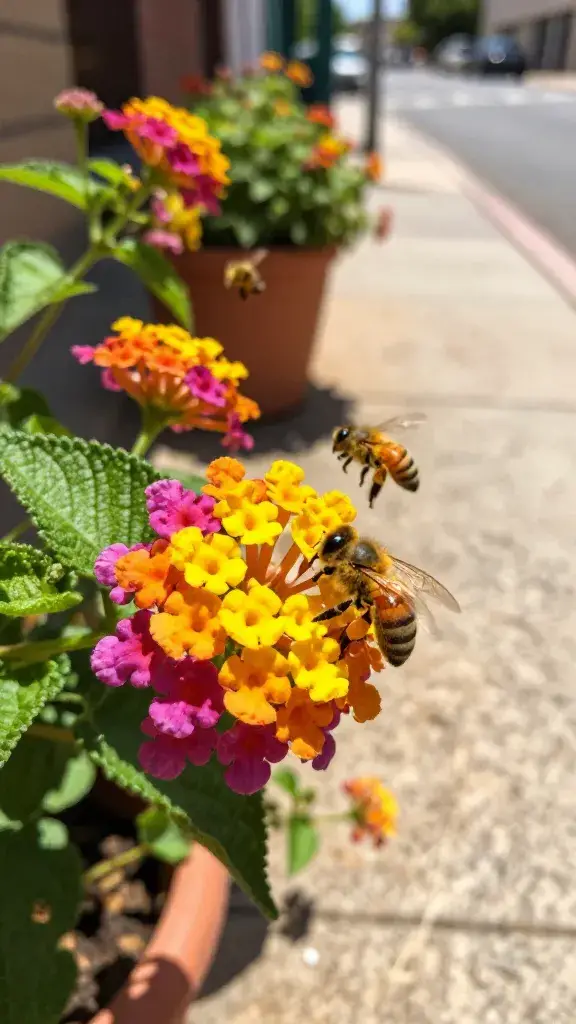
Lantana serves up tiny clustered blooms that change color as they age—basically a bee rave. It thrives in heat and humidity that wilt other plants.
Tips
- Full sun needed: More sun, more blooms
- Container-friendly: Perfect for patios and balconies
- Reblooming machine: Minimal deadheading required
Use lantana in hot spots, curb strips, and pots where color and pollinators are a must.
9. Early-To-Late Stunner: Salvia (Sage)
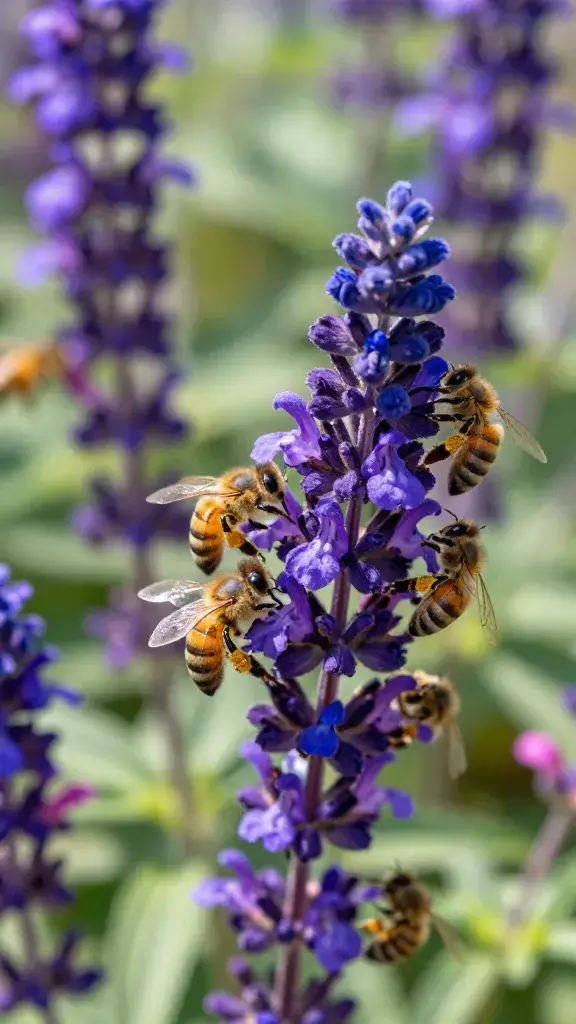
Ornamental salvias fire off vertical spikes that bees can’t resist. Many varieties cycle bloom after bloom with simple deadheading.
Great Choices
- Salvia nemorosa: Early season and reblooms after a cutback
- Salvia guaranitica: Later-season powerhouse with deep blue
- Salvia microphylla: Long performer in warm climates
Plant in sunny beds for color layers and steady nectar. Cut back after the first flush for a second show, seriously.
10. Cottage Charmer: Veronica (Speedwell)
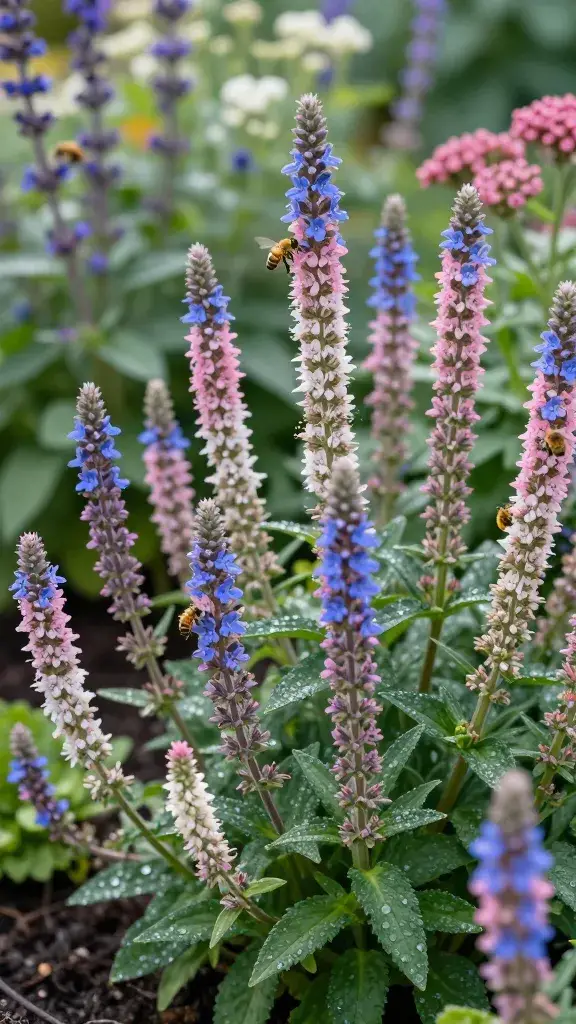
Veronica’s spiky blooms add texture and serve up pollen like a pro. Bees zero in on the dense flower wands for quick foraging.
Key Points
- Cut back spent spikes: Encourages continuous flowering
- Mix heights: Short types for edges, taller for mid-border
- Color variety: Blues, pinks, and whites suit any palette
Use in mixed borders where you want vertical lines and a steady bee presence.
11. Low-Grow Glow: Creeping Thyme
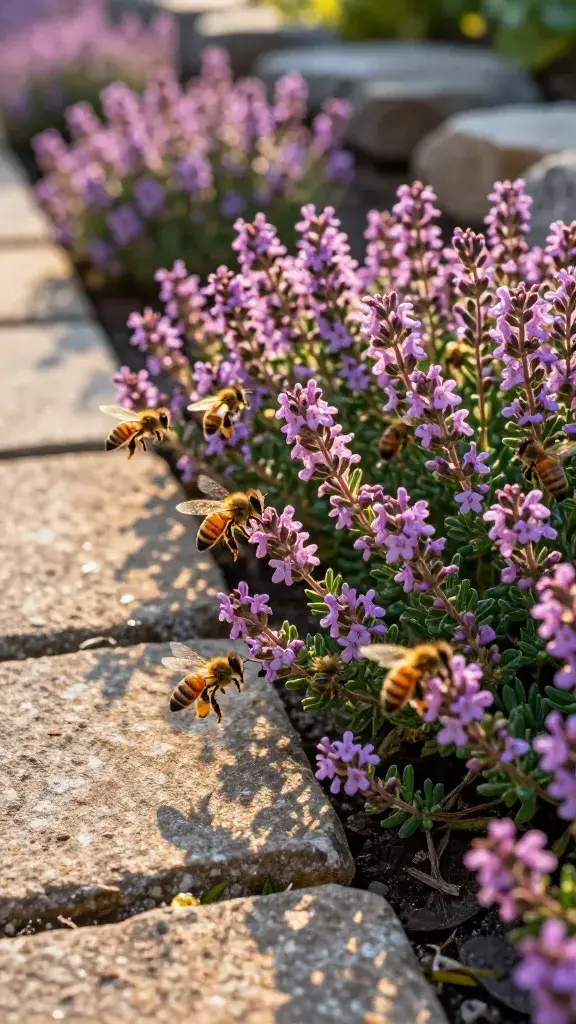
Creeping thyme doubles as a groundcover and a bee diner that never closes. When it carpets over with tiny blooms, bees show up in droves.
Why It Works
- Full sun, lean soil: Thrives in tough spots and cracks
- Step-tolerant: Great between pavers
- Extended bloom: Shear lightly to refresh flowers
Perfect for edging, rock gardens, and pathways that hum with life and smell amazing.
12. Bold And Bee-Loved: Heliotrope
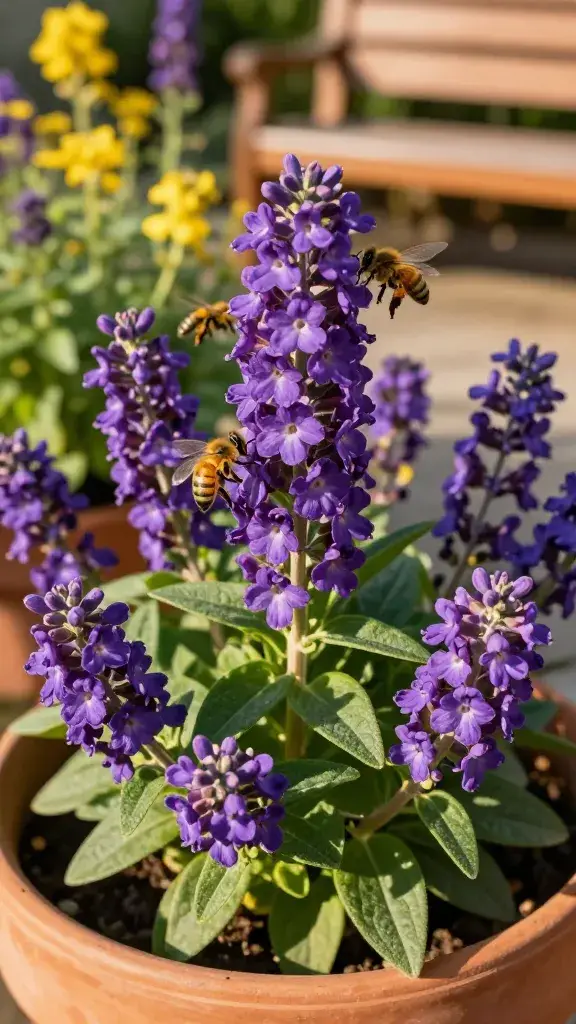
Heliotrope brings clusters of vanilla-scented blooms that bees adore. It performs all season in containers and sunny beds if you keep it watered.
Tips
- Consistent moisture: Don’t let it bone-dry
- Deadhead clusters: Sparks more blooms
- Fragrance factor: Plant near seating for scent and bee-watching
Use as a scented focal point in pots or front borders for season-long color and sweet aromas.
13. The Overachiever: Gaillardia (Blanket Flower)
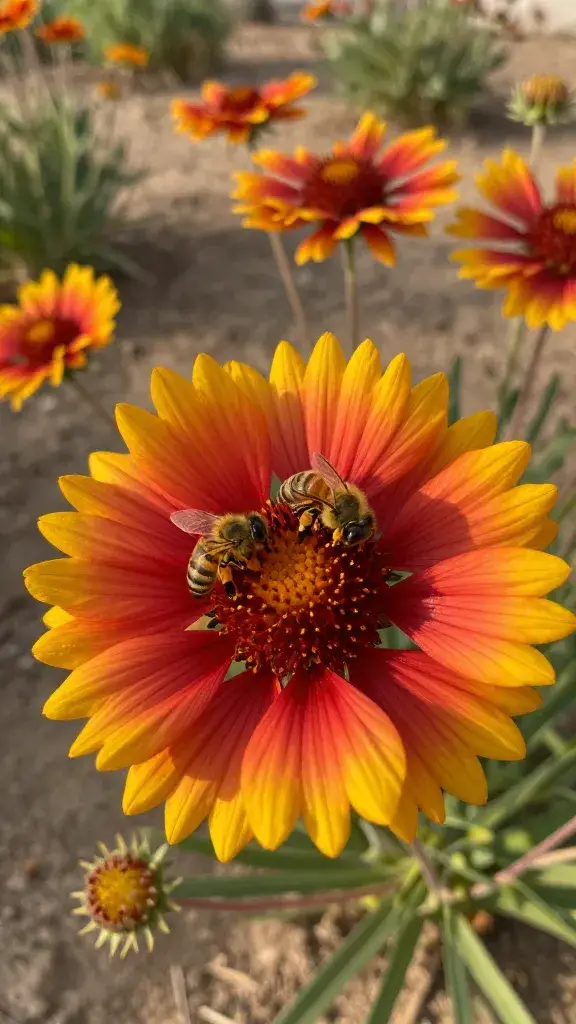
Gaillardia slings out hot, sunset colors for what feels like forever. Bees love the open centers, and you’ll love how unfussy it acts.
Why Bees Benefit
- Nectar and pollen: Abundant during hot stretches
- Deadhead or not: Keeps going either way, but deadheading helps
- Drought-tolerant: Great for low-water gardens
Stick it in sunny, dry spots for color blasts and rock-solid pollinator support.
14. Cottage Candy: Scabiosa (Pincushion Flower)
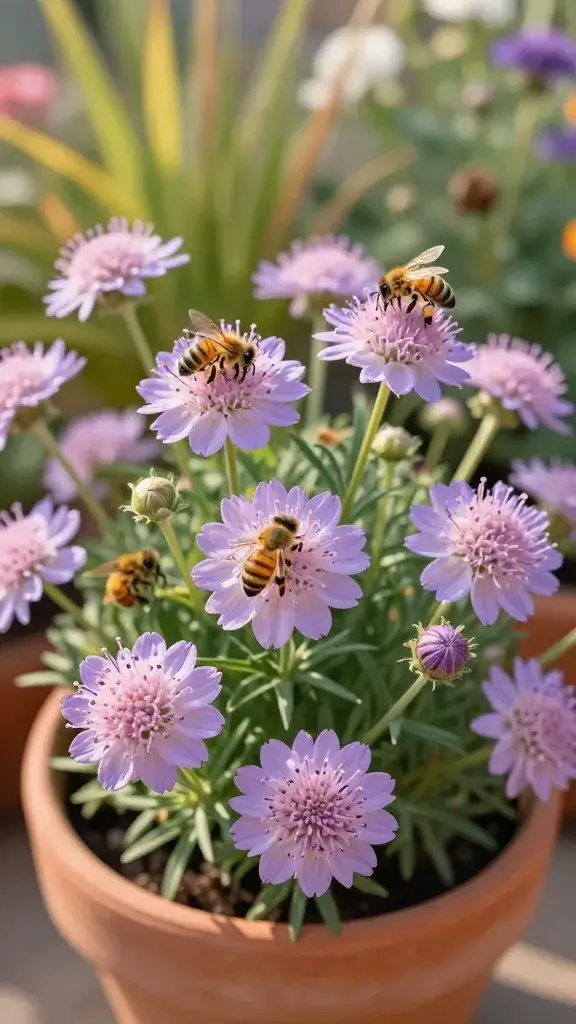
Scabiosa pumps out adorable pincushion blooms that bees treat like snack stations. It flowers for ages with steady deadheading.
Key Points
- Continuous flowers: Snip spent blooms to keep it rolling
- Compact habit: Perfect for containers and small beds
- Bee-friendly form: Open, accessible nectar
Use it where you want soft texture and steady pollinator visits—front borders, patio pots, or cutting beds.
15. Late-Season Lifesaver: Sedum (Stonecrop ‘Autumn Joy’ And Friends)
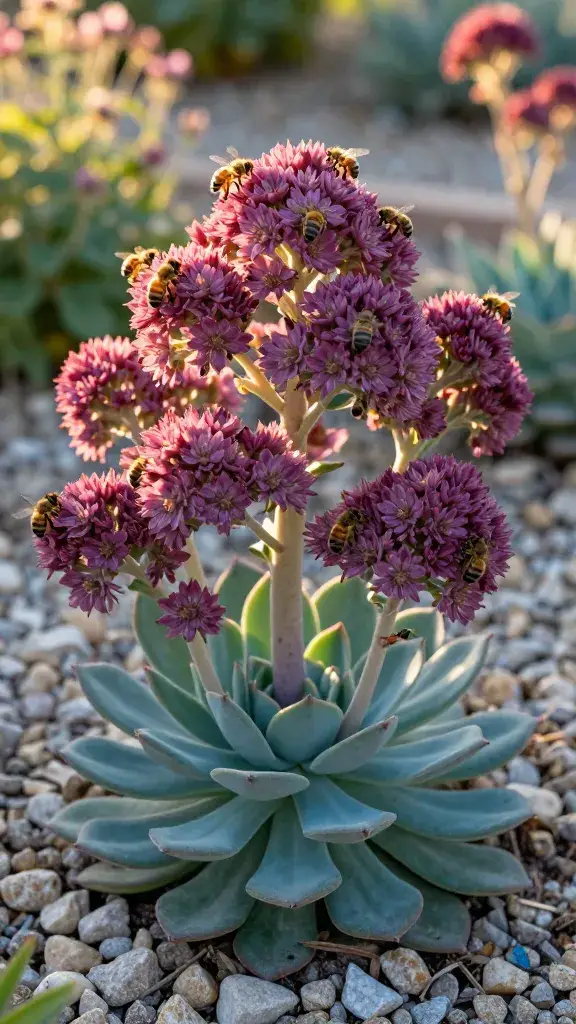
When other plants tap out, sedum clocks in. Its late-summer-to-fall blooms offer critical nectar when bees need pre-winter fuel.
Why It Matters
- Succulent leaves: Drought-proof and architectural
- Late nectar: Supports bees when resources dip
- Minimal care: Just sun and decent drainage
Plant in sunny borders or gravel gardens to anchor the season and keep bees fed to the finish line. IMO, every garden needs at least one clump.
Bonus Strategy: Make Your Garden A Bee Buffet
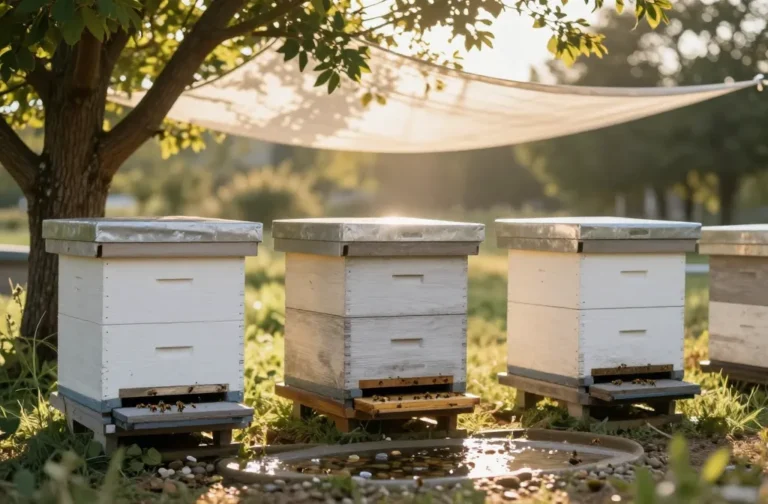
Want nonstop buzz from spring to frost? Mix early, mid, and late bloomers so bees always find a snack. Add water—shallow saucer with pebbles—and skip pesticides.
Quick Checklist
- Staggered bloom times: Layer plants that cover the full season
- Cluster plantings: Group 3–5 of the same plant for easier foraging
- Native-first mindset: Local varieties often deliver better forage
Do this, and your garden becomes the neighborhood’s bee HQ. Trust me, you’ll hear the difference.
Planting And Care Tips For Season-Long Bloom
Good soil prep keeps blooms coming. Add compost, ensure drainage, and mulch to hold moisture. Then water deeply, less often, to build resilient roots.
Maintenance Moves
- Deadhead smartly: Keeps annuals and many perennials blooming
- Shear midseason: Nepeta, salvia, and veronica rebound fast
- Feed lightly: Overfertilizing grows leaves, not flowers
With a few simple habits, your plants deliver color and nectar without drama. Your bees—and your schedule—will thank you.
Designing For Bees (And Your Eyes)
Color-block for drama and easy bee access. Mix heights, textures, and bloom shapes so your garden looks lush and stays useful.
Design Ideas
- Front: Creeping thyme, dwarf nepeta, scabiosa
- Middle: Coreopsis, zinnias, veronica, lavender
- Back: Echinacea, gaillardia, salvia, black-eyed susan, sedum
Layered plantings create a constant nectar highway and a photo-ready yard. Bees navigate better, and you get a garden that pops.
Containers That Buzz
No yard? Containers still bring bees to the party. Choose sun-loving combos and refresh spent blooms often.
Winning Combos
- Lantana + Scabiosa + Creeping Thyme
- Lavender + Catmint + Veronica
- Zinnia (single) + Coreopsis + Heliotrope
Use high-quality potting mix and water consistently. Your balcony becomes a bee-friendly hotspot, zero lawn required.
Bee-Safe Practices You’ll Actually Keep
Skip systemic pesticides—those linger in nectar and pollen. Instead, hand-pick pests or use targeted, bee-safe treatments in the evening when bees rest.
Simple Swaps
- Neem or insecticidal soap: Spot-treat only
- Plant diversity: More variety, fewer pest explosions
- Leave some “mess”: Hollow stems for nesting and overwintering
These easy choices keep your garden thriving and your bees healthy. Low effort, big impact.
Water Stations That Don’t Drown Bees
Bees need water for cooling hives and diluting honey. Offer a shallow saucer with pebbles or marbles so they can land safely.
Setup
- Shallow dish: 1–2 inches deep
- Rough stones: Landing pads
- Fresh water: Refill every 1–2 days
Place it near flowers but out of blasting sun. You’ll see tiny sips all season.
Native Add-Ons For Extra Credit
Want to level up? Add regional natives that flower long and feed local pollinators alongside honey bees.
Ideas To Explore
- Bee balm (Monarda): Long bloom, vibrant colors
- Asters: Late-season lifeline
- Goldenrod: Autumn nectar surge (no, it doesn’t cause allergies)
Mix natives with the plants above for a resilient, biodiverse garden. Your bees won’t stop talking about it—figuratively, of course.
When To Plant For Maximum Payoff
Plant perennials in spring or fall so roots establish before extreme heat or cold. Sow annuals after frost or start indoors for a jumpstart.
Quick Timeline
- Early spring: Lavender, nepeta, veronica, thyme
- Late spring: Echinacea, coreopsis, sedum
- After frost: Zinnias, lantana, heliotrope, gaillardia
Time it right, and you’ll have blooms from the first warm days to the last leaf drop.
Small Space, Big Buzz
No sprawling yard needed. A strip of sunny sidewalk or a few pots can still feed bees all season.
Micro-Garden Plan
- Pot 1: Lavender + dwarf nepeta
- Pot 2: Zinnia (single) + coreopsis
- Pot 3: Lantana + creeping thyme spiller
Rotate in a fall aster or sedum to extend nectar late. Small footprint, huge payoff.
High-Impact, Low-Maintenance Routine
Set reminders for a midseason shear and occasional deadheading. Water deeply once or twice a week depending on heat.
Five-Minute Fixes
- Snip spent blooms: More flowers, fast
- Top up mulch: Keeps roots cool and weeds down
- Check water dish: Refill and rinse
Keep it simple and consistent, and your garden basically runs itself—while bees cash in.
Color That Signals “Open For Business”
Bees notice blues, purples, and yellows best. Plant in clusters so they can fuel up without wasting energy.
Palette To Try
- Purples: Lavender, nepeta, salvia, veronica
- Yellows: Coreopsis, black-eyed susan
- Accents: Zinnia and gaillardia for contrast
Smart color choices make your garden both stunning and efficient for foragers. That’s strategic pretty.
Night-And-Weather Proofing Your Bloom Show
Wind? Heat wave? Sudden storm? Choose sturdy stems and drought-tolerant picks so blooms don’t bail on you.
Reliable Trio
- Sedum: Late-season anchor
- Nepeta: Rebounds after rough weather
- Echinacea: Stands tall through it all
With these anchors, your garden keeps serving bees even when the weather throws shade. Resilience looks good on you.
Seed-To-Bloom Budget Wins
Want champagne blooms on a seltzer budget? Start zinnias, coreopsis, and gaillardia from seed for serious savings.
Starter Tips
- Direct sow after frost: Less fuss, strong plants
- Thin seedlings: Airflow prevents disease
- Stagger sowing: Seed again midseason for extended color
Seeds stretch your budget and still feed bees all summer. Garden math that adds up.
Keep The Bloom Train Rolling
Cycle in late-season stars like sedum and aster as early annuals fade. A quick shearing on nepeta and salvia buys another round of flowers.
Maintenance Mini-Schedule
- Early summer: Deadhead zinnias weekly
- Midsummer: Shear nepeta/salvia by one-third
- Late summer: Add or highlight sedum; let echinacea set seed
Do this, and your garden stays in fifth gear until frost. Bees won’t need to relocate.
Final Buzz
You don’t need a farm to fuel honey bees—just the right plants and a tiny bit of strategy. Pick a few from this list, cluster them up, and keep the water dish filled. Your garden will glow, your bees will feast, and you’ll wonder why you didn’t start sooner.
Share this content: