Buzz-Worthy: 12 Simple Ways to Make Your Yard More Bee-Friendly
You want more flowers, better harvests, and a yard that quietly saves the planet? Bees are your tiny, winged MVPs. Give them what they need, and they’ll repay you with pollination and color all season. These simple, low-effort tweaks will turn your yard into a bee hotspot—no beekeeper suit required.
Let’s make your outdoor space irresistible to pollinators, one smart move at a time. Ready to plant, water, and chill while the bees do their thing? Let’s go.
1. Plant A Four-Season Flower Buffet
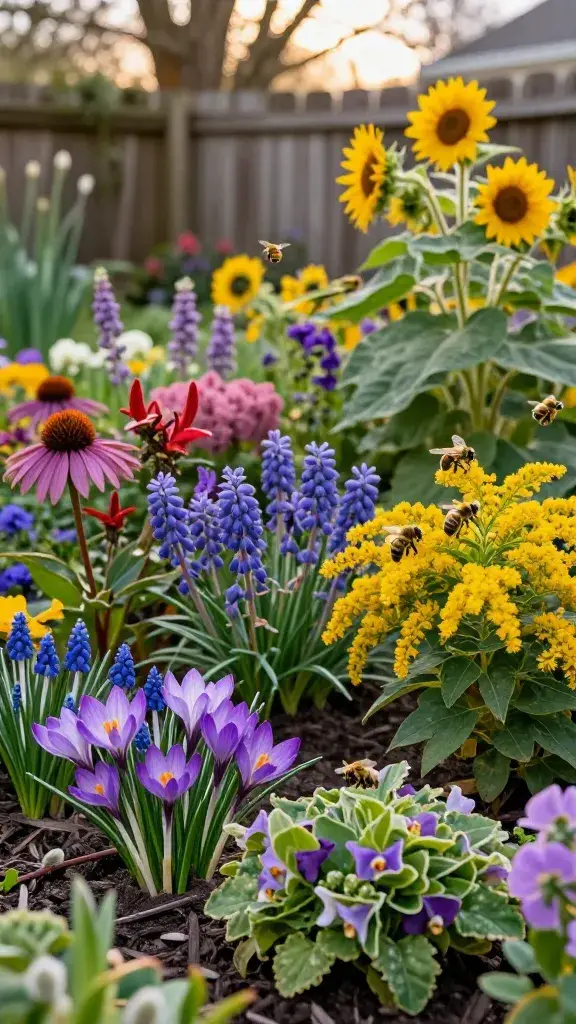
Bees need nectar and pollen from early spring through late fall. If your yard only pops in June, you’ll starve early risers and the late crowd. A rotating bloom schedule keeps the buffet open all year.
Key Picks By Season
- Early: crocus, willow, hellebore, grape hyacinth
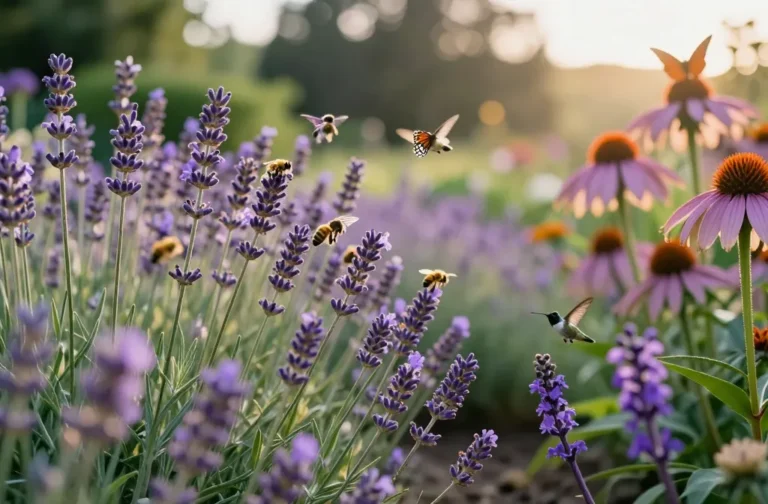
- Mid: coneflower, bee balm, lavender, catmint
- Late: goldenrod, asters, sedum, native sunflowers
Plant in clumps of 3–5 so bees can forage efficiently. The benefit? More visitors, more pollination, and a yard that never looks “between seasons.”
2. Go Heavy On Native Plants (Bees Speak Local)
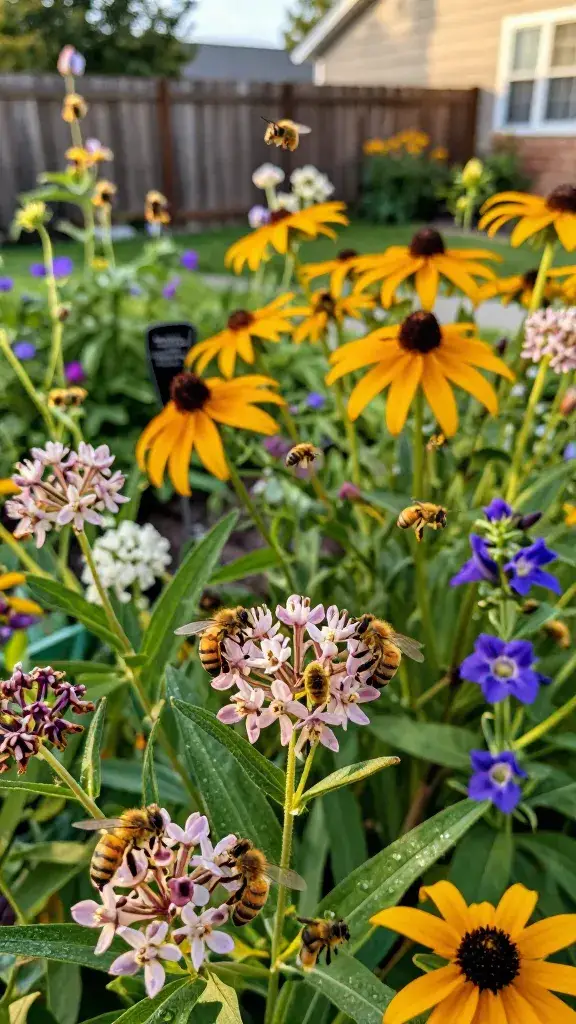
Native bees evolved with native plants, which means better nutrition and easier access to nectar and pollen. Exotic ornamentals often look pretty but serve up empty calories—like floral junk food.
Tips
- Check a native plant list for your region (FYI, local extension websites are gold).
- Mix perennials like milkweed, black-eyed Susan, and penstemon.
- Avoid double-petal varieties that block nectar access.
Natives thrive with less fuss and more impact. You’ll spend less money on maintenance and more time admiring happy bees.
3. Skip Pesticides (Yes, Even “Just A Little”)
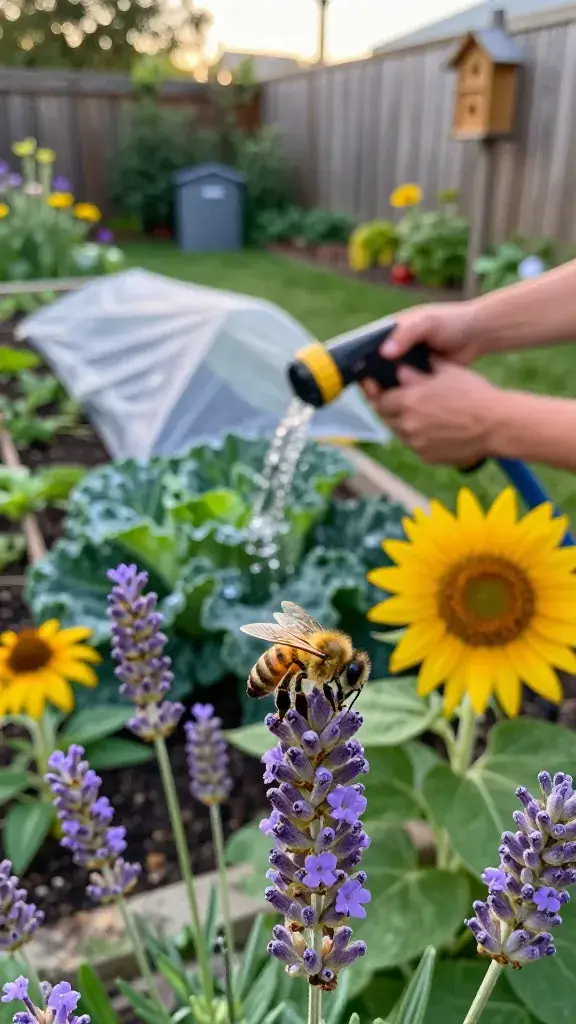
Pesticides don’t read labels—“target pest” means nothing to a bee. Even so-called “bee-safe” sprays can linger on petals and dust up pollen. If you must treat, you need timing and care.
Safer Strategies
- Hand-pick pests or blast them off with water.
- Use barriers like row covers on veggies.
- If using a product, apply at dusk when bees aren’t flying and avoid blooms.
Cleaner yards equal healthier hives and more pollinators over time. Less chemical drama, more garden karma—seriously.
4. Create A Bee Bar: Water, But Make It Shallow
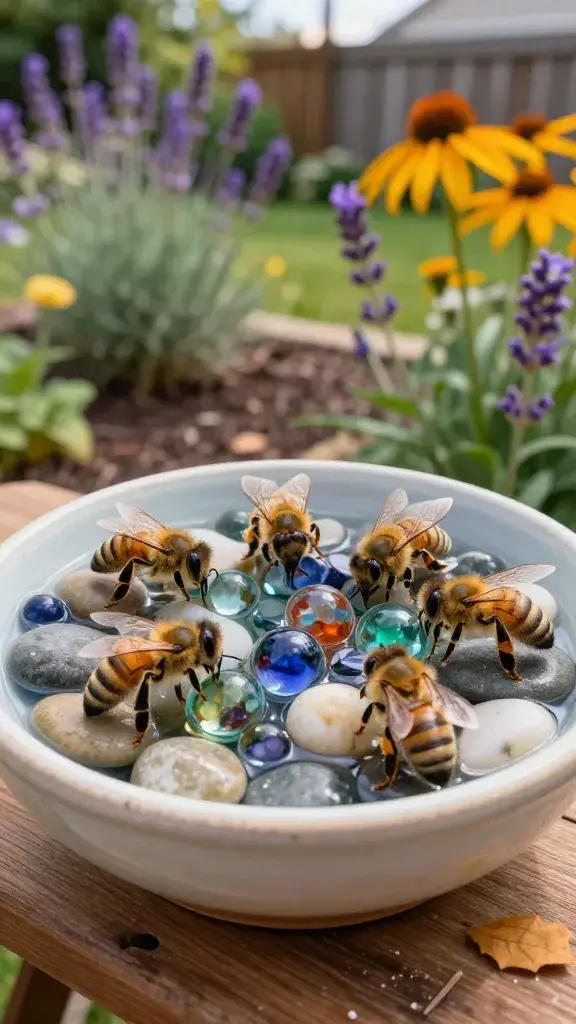
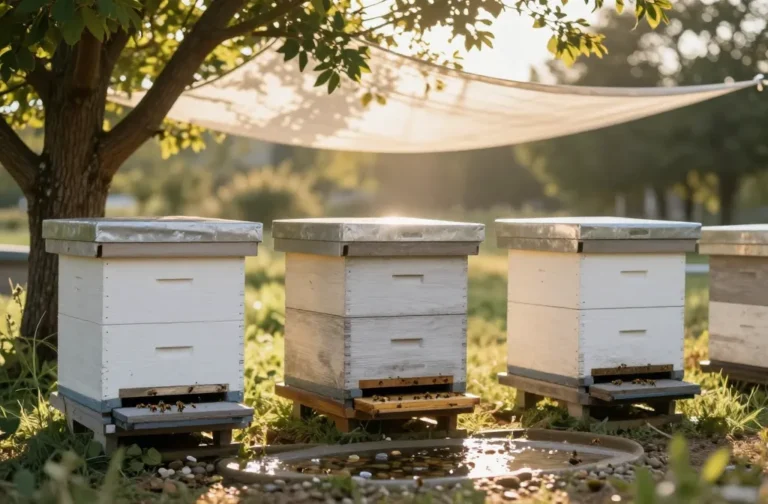
Bees need water for drinking and cooling their hives, but they can’t swim. Deep bowls or birdbaths become bee traps.
How To Set It Up
- Use a shallow dish with pebbles or marbles.
- Keep water just below the stone level so bees can stand and sip.
- Refresh every few days to prevent algae and mosquito drama.
This tiny setup keeps bees hydrated and coming back. Think of it as your pollinator happy hour station.
5. Ditch The Perfect Lawn (Bees Love “Imperfect”)
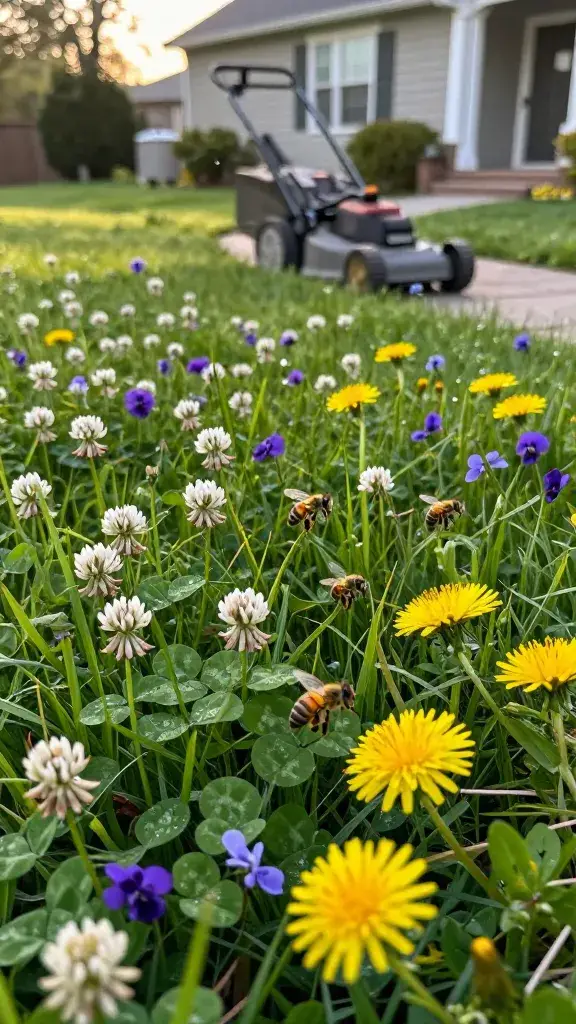
That golf-course lawn? It’s basically a green desert. Loosen up your standards and let some clover, violets, and dandelions stick around.
Low-Mow, High-Reward Moves
- Raise your mower blade to 3–4 inches.
- Let early spring blooms flower before the first mow.
- Overseed with microclover for green vibes and steady nectar.
You’ll water less, feed fewer fertilizers, and host more bees. IMO, that’s a win-win-win.
6. Plant In Color Blocks (Like A Neon Sign For Bees)
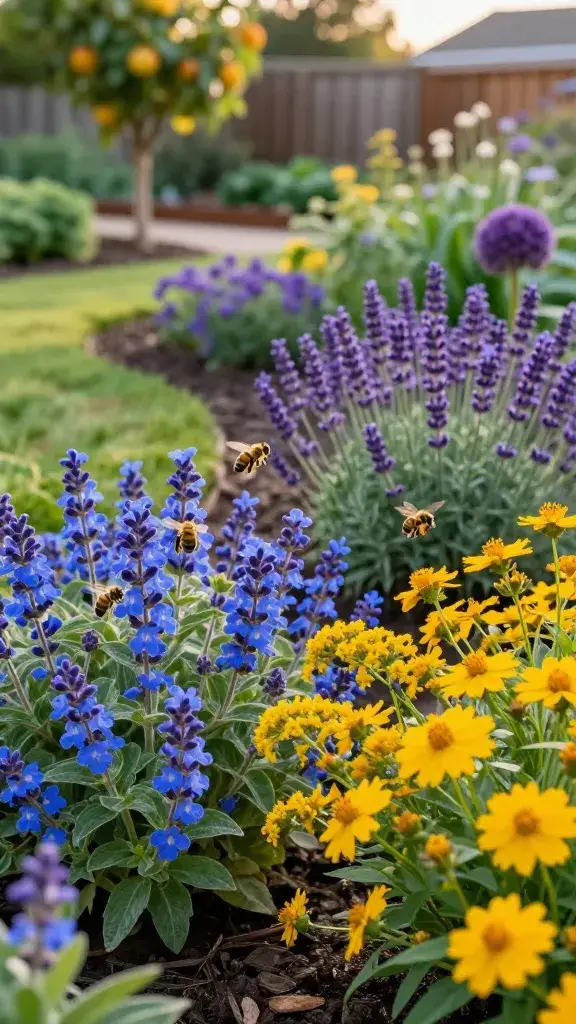
Bees spot color clusters more easily than scattered singles. Grouping flowers also reduces their energy spent hopping around.
Color Cues Bees Love
- Blue: salvia, borage, bluebells
- Purple: lavender, verbena, alliums
- Yellow: coreopsis, goldenrod, prairie coneflower
Think “mini meadows,” not singletons. More efficient foraging means more bee traffic and better pollination for your edibles.
7. Build A Mini Meadow (No Acreage Required)
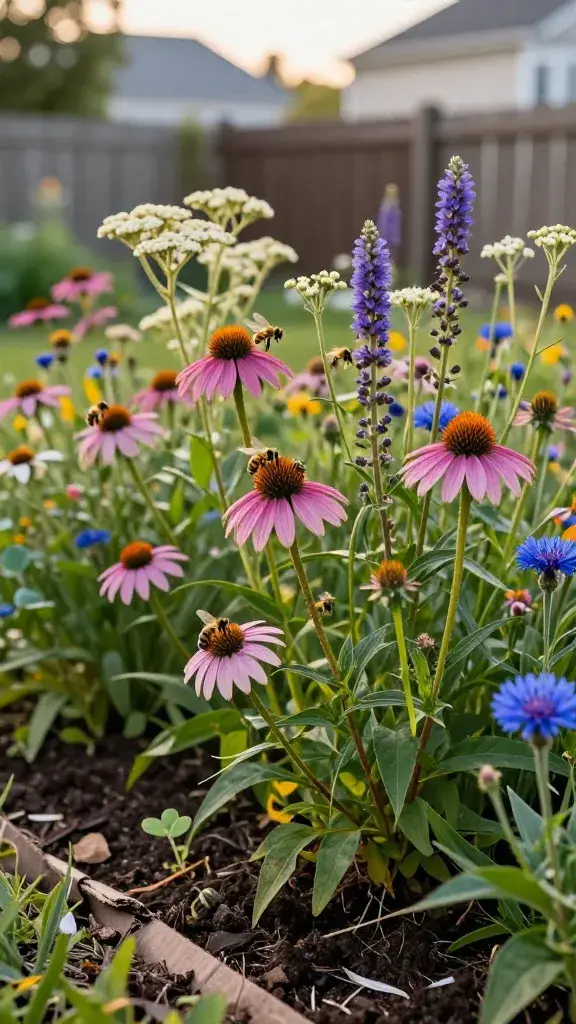
A pocket meadow gives bees a dense, diverse habitat. Even a 4×6-foot patch beats a strip of mulch any day.
How To Start
- Smother grass with cardboard for 6–8 weeks, then top with compost.
- Broadcast a native wildflower mix suited to your zone.
- Add a few sturdy anchors like yarrow, echinacea, and liatris.
Low maintenance, high payoff. You’ll get waves of bloom and a front-row seat to pollinator action.
8. Offer Nesting Spots (Because Not All Bees Live In Hives)
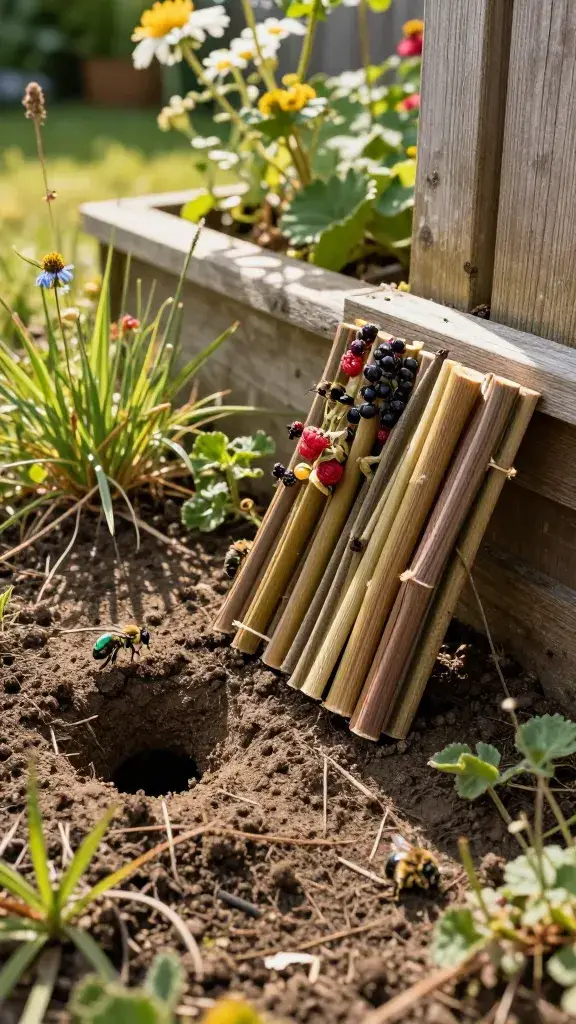
About 70% of native bees nest in the ground, and many others use hollow stems. If your yard is too tidy, they’ve got nowhere to crash.
Easy Habitat Adds
- Leave a sunny patch of bare, undisturbed soil.
- Bundle hollow stems (raspberry, bee balm, elderberry) and mount them horizontally, slightly tilted down to shed rain.
- If you buy a bee house, choose one with removable, cleanable tubes.
Give them safe real estate and they’ll repay you with steady garden patrols.
9. Choose Single Blooms Over Frilly Doubles
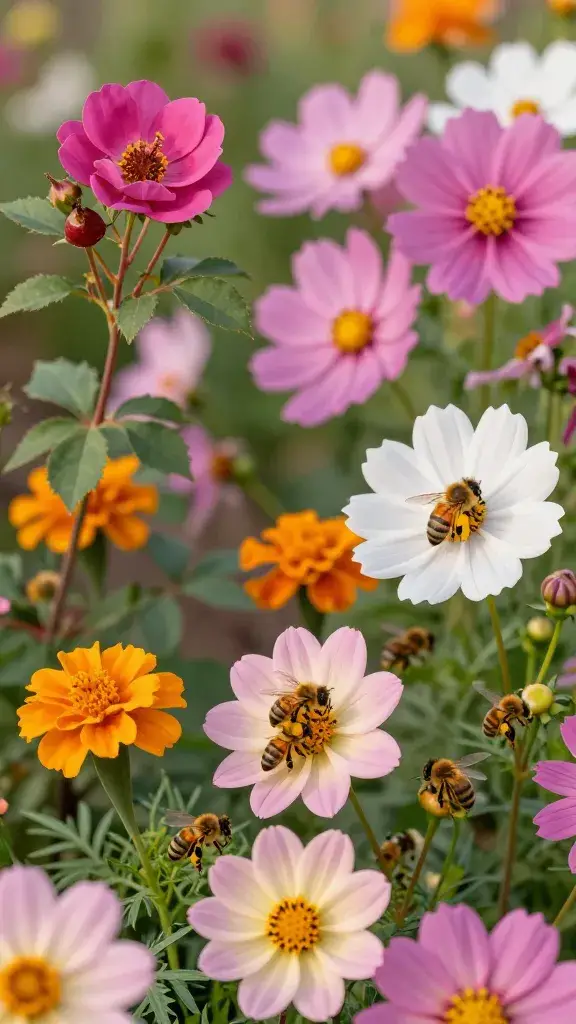
Double flowers look lush but often hide or replace the pollen/nectar parts. Bees need access, not extra petals.
Swap These
- Double roses → single or shrub roses (e.g., Rosa rugosa)
- Double dahlias → open-centered dahlias (simple or collarette types)
- Fluffy marigolds → single marigolds and cosmos
You’ll still get gorgeous color with way better bee traffic. Fashion and function can totally coexist.
10. Time Your Yard Work With Bee Schedules
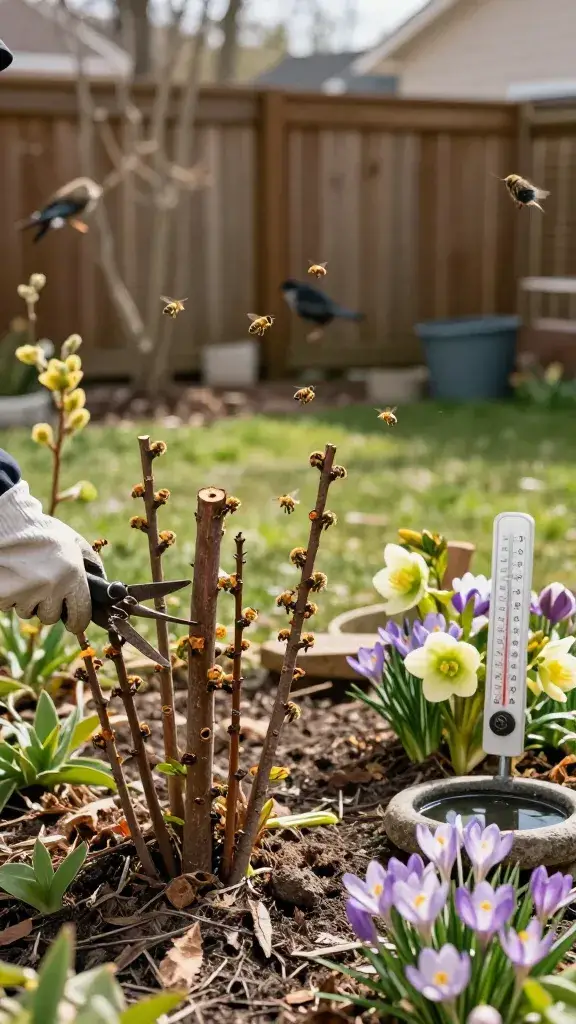
Well-timed pruning and cleanup can protect nests and food sources. A little patience keeps you from evicting future pollinators.
Smart Timing
- Delay heavy spring cleanup until temps consistently hit 50°F so overwintering bees can emerge.
- Prune flowering shrubs after they bloom, not before.
- Leave some stems 8–12 inches tall over winter for cavity nesters.
Work with nature’s calendar and you’ll see more bees, butterflies, and bonus birds. Trust me, your yard will thank you.
11. Feed The Night Shift And The Weirdos
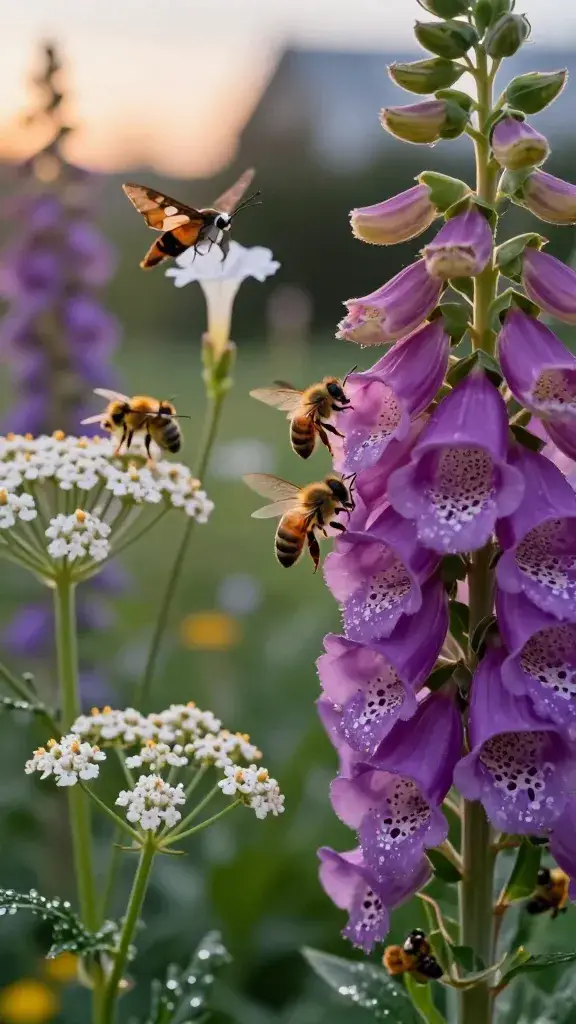
Not all pollinators work 9–5 or look like honeybees. Moths, beetles, and tiny native bees need love too, and they often prefer different plants or bloom times.
Plant Picks For Diversity
- Night bloomers: evening primrose, nicotiana, moonflower
- Tubulars for long-tongued bees: penstemon, foxglove (check non-toxic options if pets roam)
- Umbels for small bees: yarrow, dill, fennel, Queen Anne’s lace (contain as needed)
Broaden your plant palette and you’ll cover every shift, day and night. More variety equals a more resilient mini-ecosystem.
12. Share The Shade: Plant For Dappled And Dry Spots
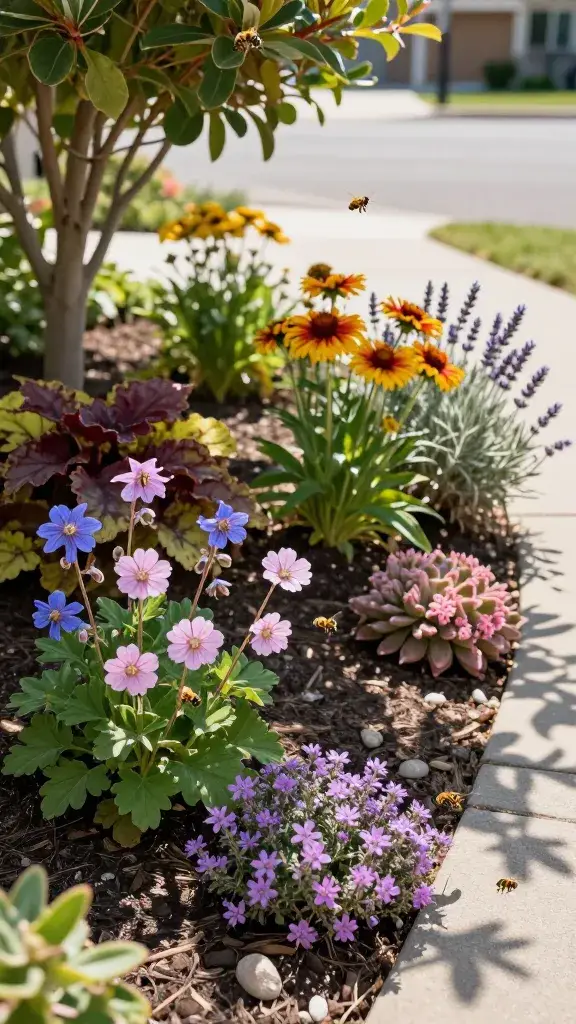
Bees forage in sunny spots, but they still pass through shade and dry corners. If those areas offer blooms, you’ve extended your yard’s usefulness.
Shade And Tough-Spot All-Stars
- Part shade: pulmonaria, heuchera, wild geranium
- Dry sun: gaillardia, Russian sage, blanketflower
- Hellstrip heroes: thyme, sedum, hardy oregano
Fill the “meh” zones with winners and you’ll create a continuous corridor of resources. More blooms, fewer dead zones, happier bees—done.
Ready to turn your yard into a buzzing, bloom-filled hangout? Start with one or two ideas this weekend, then layer in more as you go. Your flowers, veggies, and the entire neighborhood bee squad will notice—fast.
Share this content: