17 Common Beekeeping Mistakes and How to Avoid Them Exposed
Beekeeping looks dreamy until your bees bounce, your queen vanishes, and honey turns into a sticky disaster. The good news? Most beginner headaches come from a few avoidable missteps. Learn these common mistakes now, so your bees thrive and your future self does a victory dance. Ready to level up your hive game?
1. Treating Bees Like Pets, Not Livestock
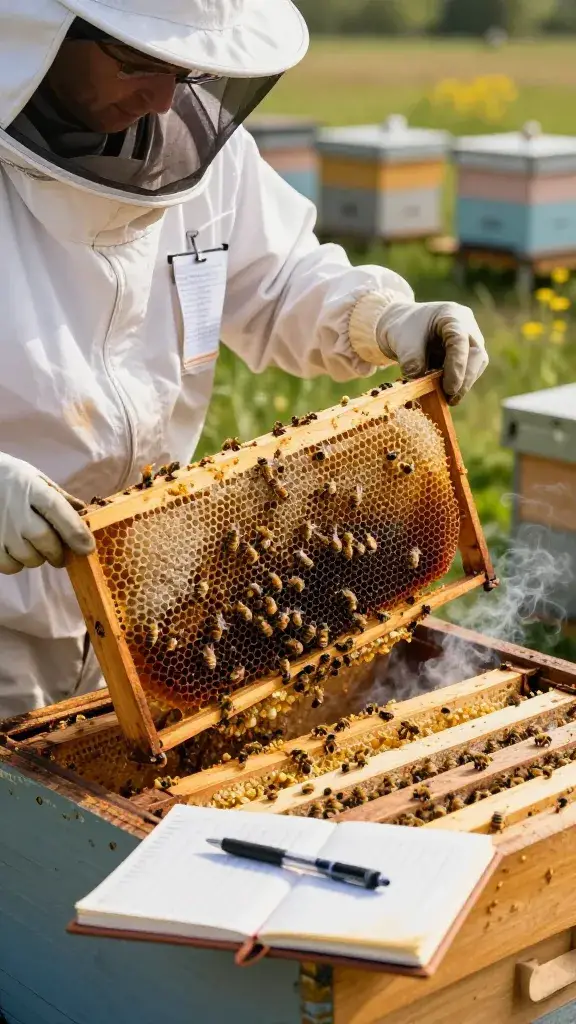
Bees aren’t dogs. They don’t want cuddles, and they definitely don’t want you poking around daily. You need calm, purposeful checks and a plan, not vibes.
Tips
- Use a checklist for inspections: queen status, brood pattern, food stores, space, pests.
- Work quickly and gently; no marathon hive hangs.
- Log every visit so you see trends, not just moments.
Respect their rhythms and you’ll reduce stress, boost productivity, and keep stings to a minimum.
2. Skipping a Varroa Management Plan
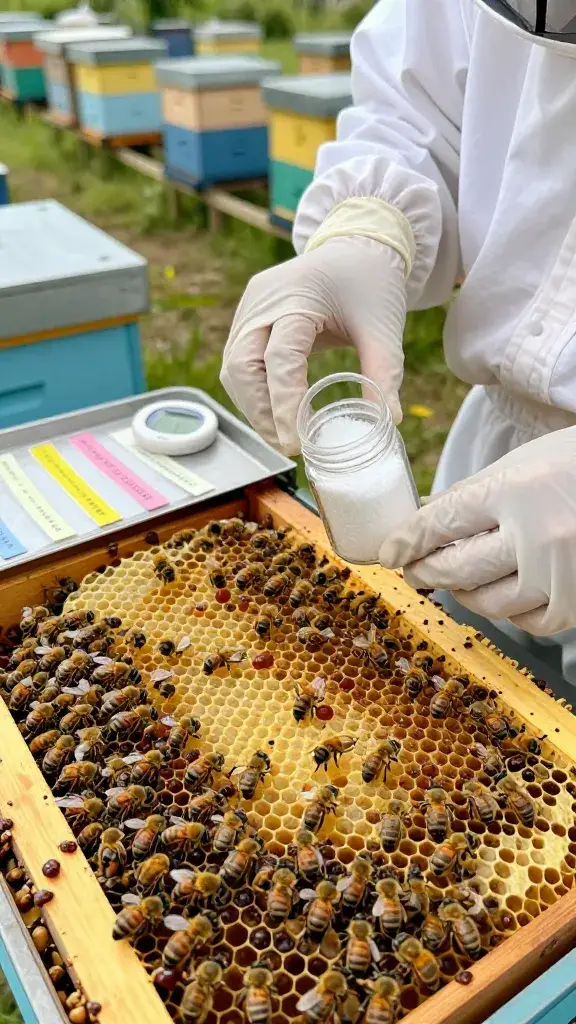
Varroa mites sink colonies, full stop. Hoping they “won’t be bad this year” counts as denial, not strategy.
Key Points
- Monitor monthly during the season with sugar rolls or alcohol washes.
- Treat based on thresholds, not feelings. Rotate methods to prevent resistance.
- Follow label directions for timing and temperature ranges.
Control mites and you control most virus issues. Your winter survival rates will thank you.
3. Starting With One Hive Instead Of Two
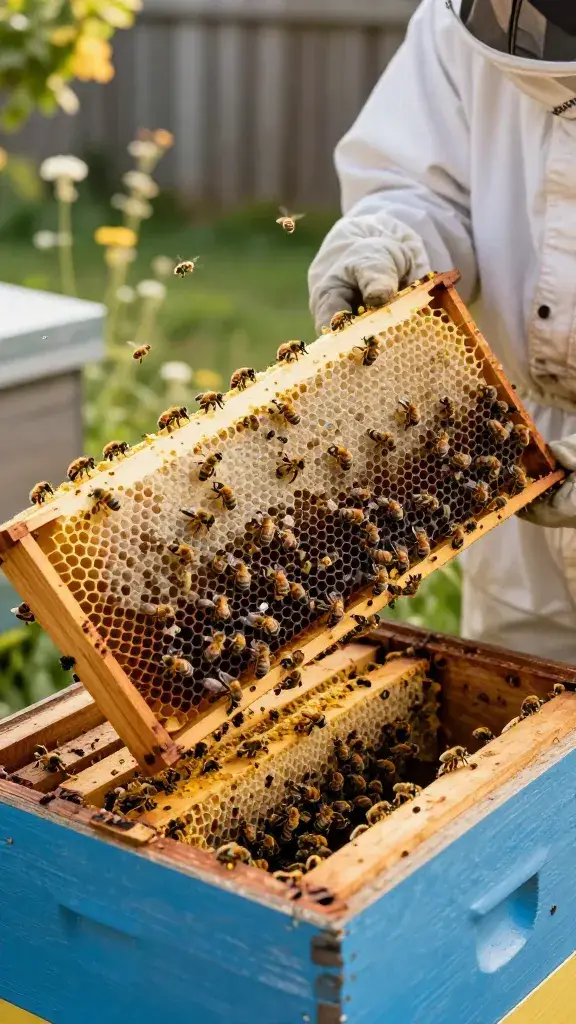
One hive means zero backup. If the queen fails, you scramble. Two lets you share brood, bees, and resources when things go sideways.
Why Two Wins
- Balance populations by swapping frames.
- Compare health and behavior to spot problems early.
- Split strong colonies to prevent swarms.
Two hives give you resilience and options—like having a spare tire instead of hoping for smooth roads.
4. Overfeeding Or Underfeeding At The Wrong Times
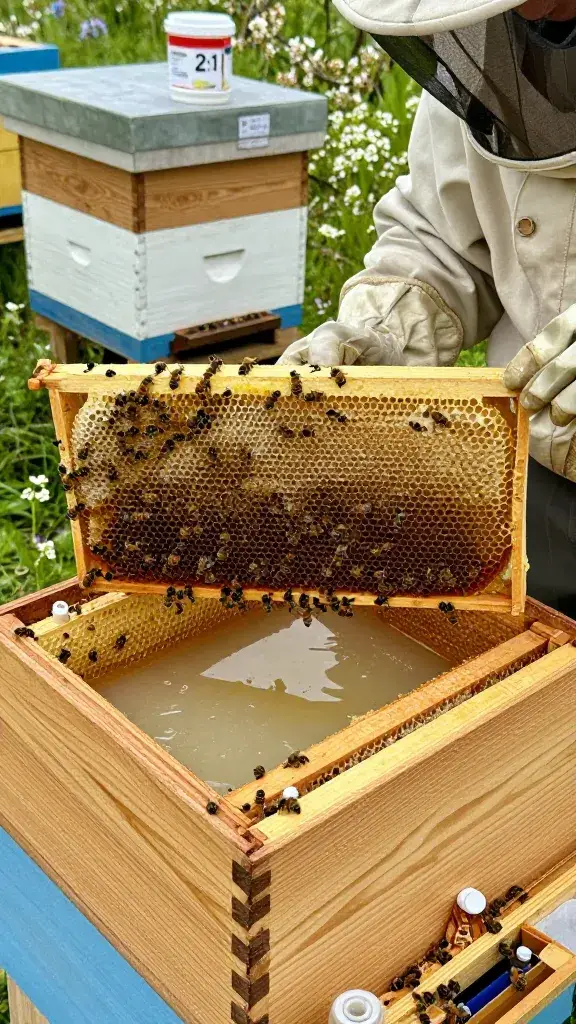
Bees starve when flows crash, and they drown in syrup if you feed sloppy. Timing and delivery matter more than enthusiasm.
Feeding Smarts
- Feed light colonies in early spring and during dearth with 1:1 syrup; use 2:1 in late fall if needed.
- Use internal feeders to reduce robbing.
- Stop syrup before adding honey supers you plan to harvest.
Dialed-in feeding helps colonies build up without contaminating your honey crop. Win-win.
5. Neglecting Queen Quality And Age
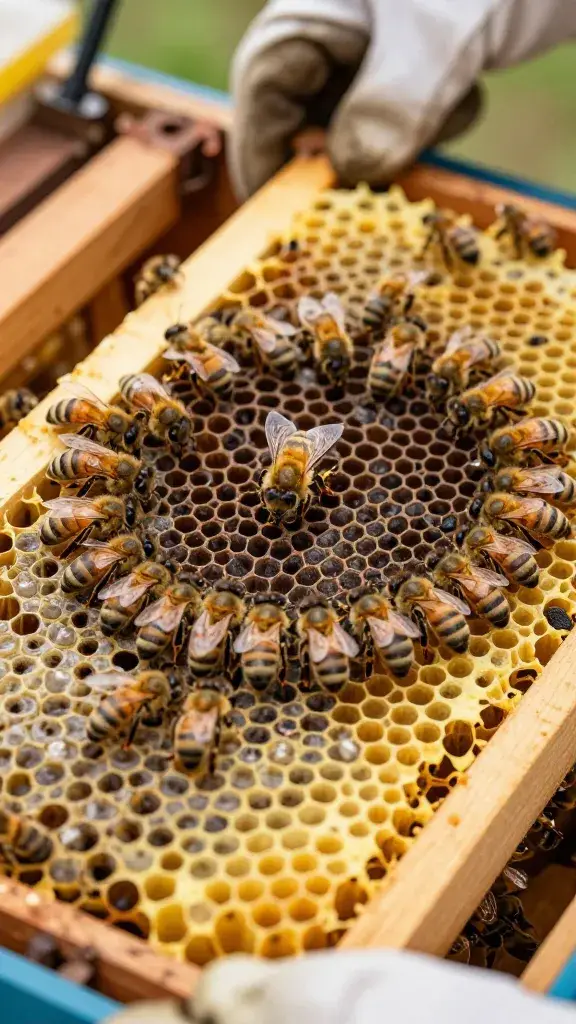
A weak queen tanks a great colony. Spotty brood, frequent supersedures, and cranky bees usually scream “queen problem.”
What To Watch
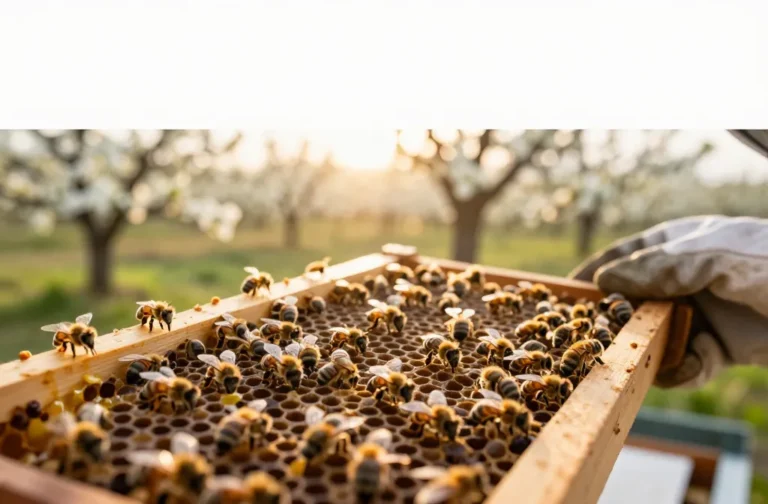
- Brood pattern: Tight football-shaped patches beat scattered eggs every time.
- Temperament: Gentle bees and steady laying signal a keeper.
- Age: Replace queens annually or biannually for consistency.
Proactively requeen and you’ll stabilize population, reduce swarms, and boost honey yield.
6. Cracking Hives Too Often (Or Not Enough)
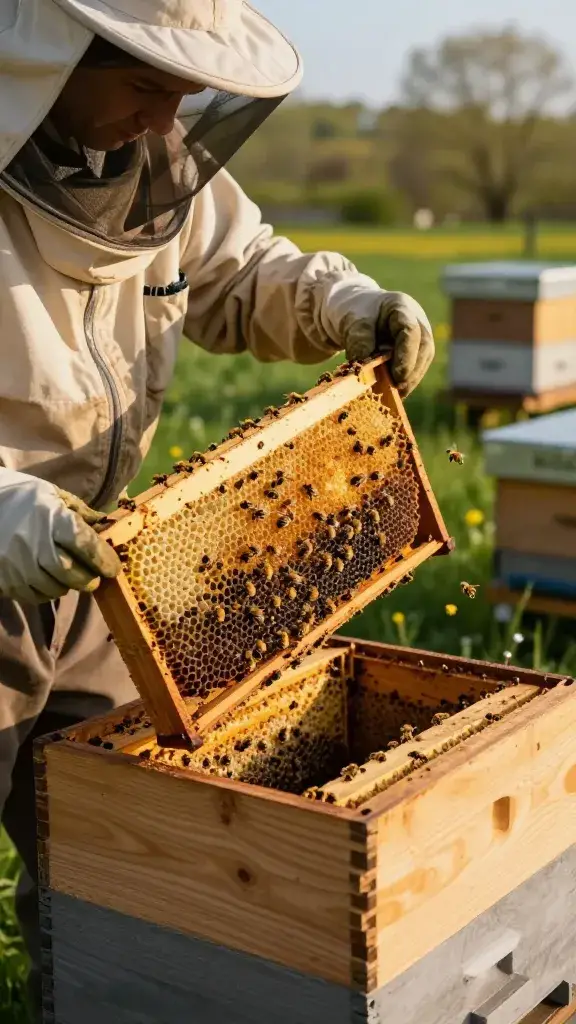
Every inspection costs the colony heat and time. But ignoring them for months invites disasters to fester.
Balanced Cadence
- Inspect every 2–3 weeks in spring; monthly in stable summer flows.
- Open only as far as needed. Start at the edges, not the brood nest.
- Use observation: flight patterns, pollen loads, and weight tell stories.
Right-sized checkups keep bees calm and you informed. Minimal drama, maximum insight.
7. Poor Hive Placement And Ventilation
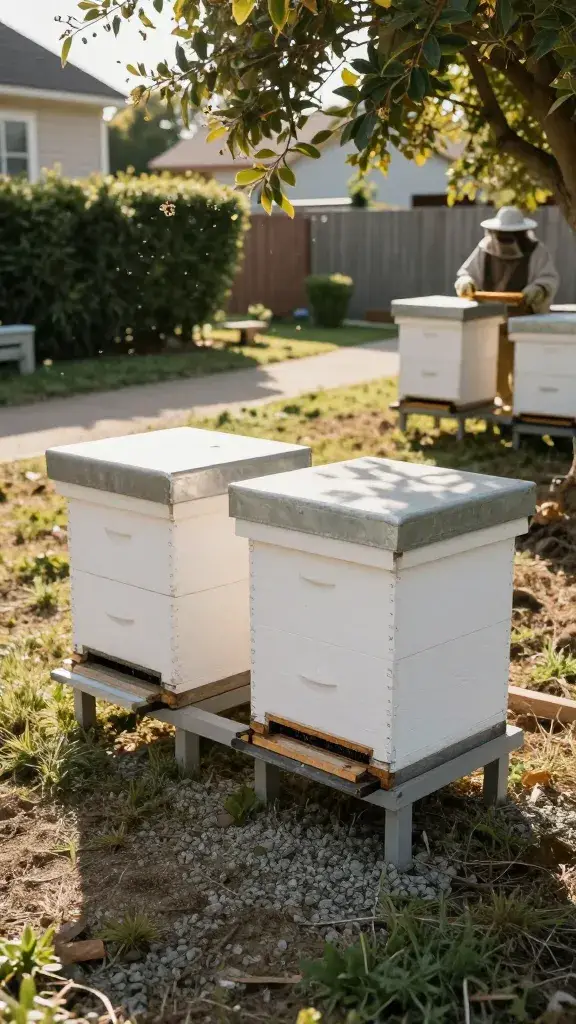
Bees hate damp, dark, and windy spots. You hate standing in mud with angry bees. Location isn’t cosmetic—it’s survival.
Placement Essentials
- Morning sun, afternoon shade in hot climates; more sun up north.
- Elevate hives 6–12 inches to avoid moisture and skunks.
- Face entrances away from foot traffic and neighbors.
Good airflow and sun exposure reduce moisture, mold, and chalkbrood. Your bees breathe easier, literally.
8. Ignoring Swarm Prevention Until It’s Too Late
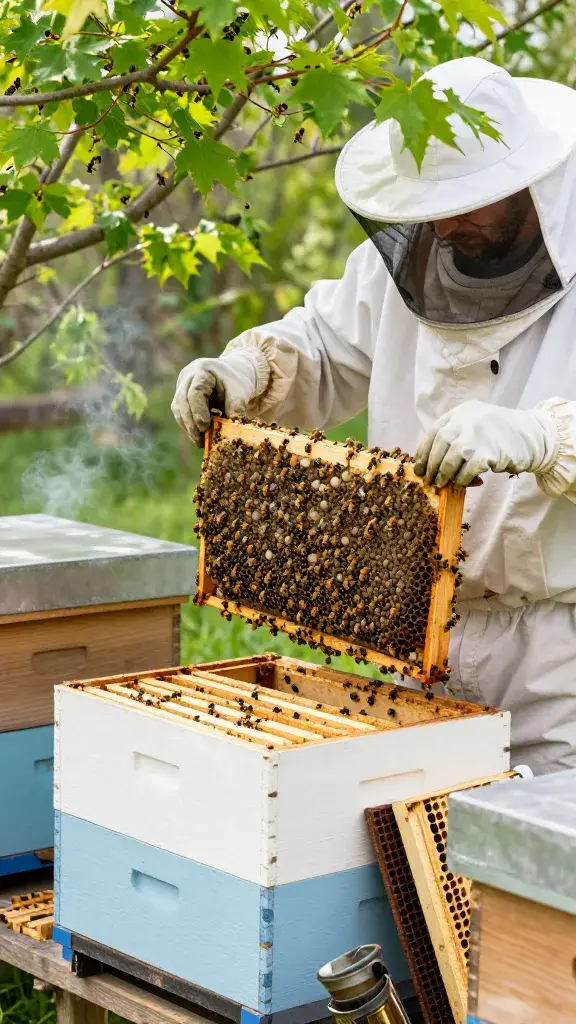
Strong colonies want to swarm—nature’s way of multiplying. You either guide that energy or watch half your workforce peace out.
Pro Moves
- Provide space before they need it; add supers early.
- Split booming hives or remove brood frames to relieve congestion.
- Destroy capped swarm cells only if you fix the root cause: overcrowding and queen age.
Manage growth and you’ll keep bees home and honey flowing. FYI, prevention beats chasing swarms up a maple.
9. Harvesting Honey Too Early (Or Too Greedy)
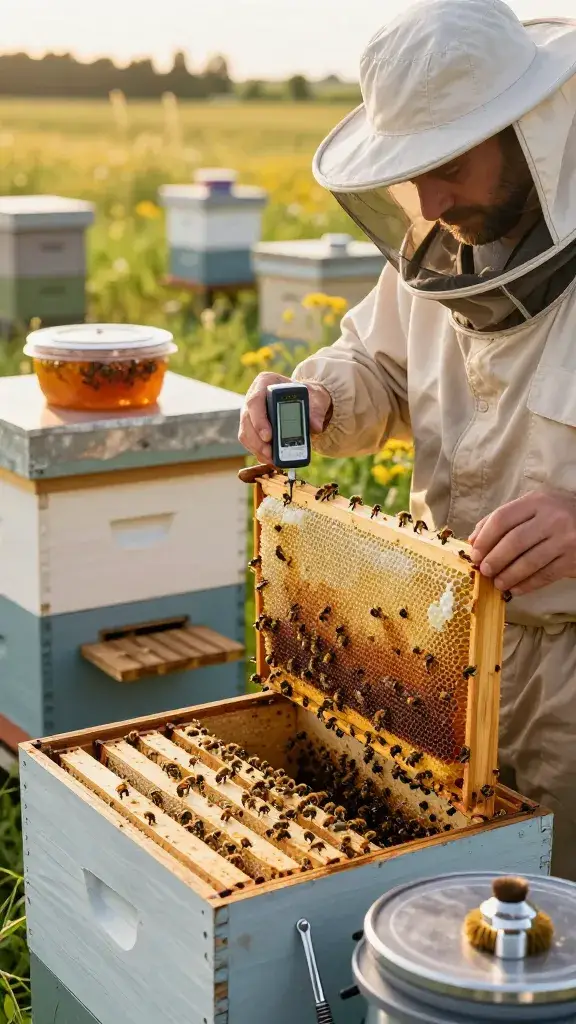
Uncapped honey ferments. Empty pantries kill colonies. Patience and restraint pay off in both flavor and survival.
Rules To Live By
- Pull frames at least 80–90% capped, or confirm moisture under 18.6% with a refractometer.
- Always leave adequate stores: 60–90 lbs for winter in cold climates, less in mild areas.
- Use escape boards or gentle bee clearing methods—don’t blowtorch your relationships with the bees.
Harvest right and your honey tastes better and your bees don’t file eviction notices in winter.
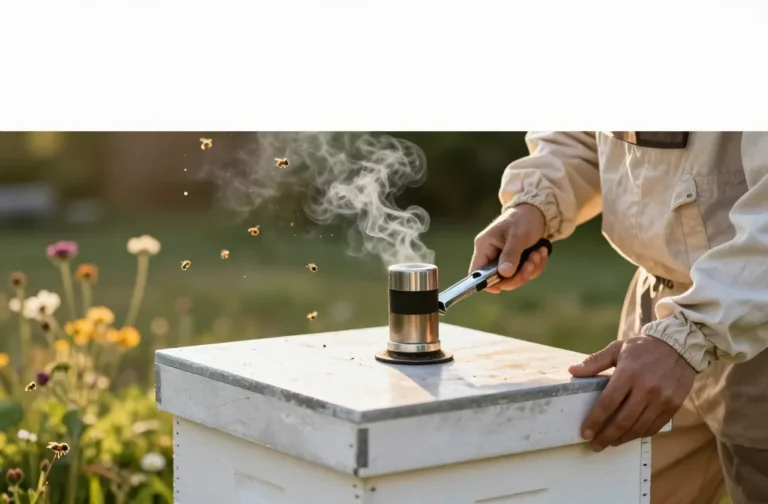
10. Using Smoke Wrong (Too Little, Too Much, Or Too Hot)
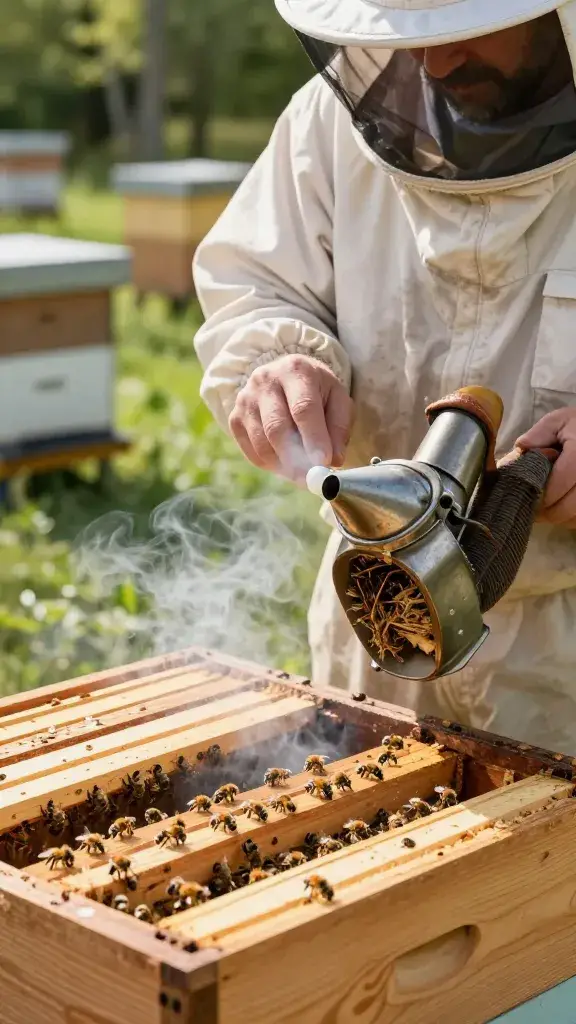
Smoke calms bees when used correctly. Hot smoke or constant billowing turns them into a tiny riot squad.
Best Practices
- Cool white smoke only; test on your wrist like a baby bottle.
- Puff at the entrance and under the lid; wait 30 seconds before diving in.
- Use clean fuel: pine needles, burlap, untreated wood chips.
Controlled smoke reduces alarm pheromones and makes inspections civilized. Your future jacket sleeves will appreciate it.
11. Cross-Contaminating Gear And Spreading Disease
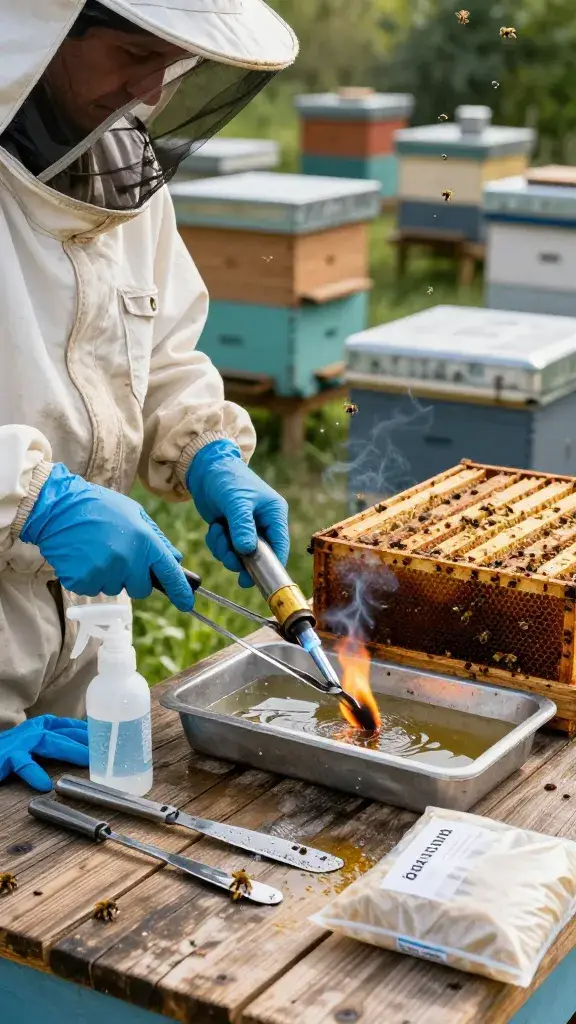
Shared tools can spread nasty stuff like American foulbrood. One sloppy session can create a season-long mess.
Sanitation Habits
- Flame or bleach tools between yards; at least wipe with alcohol.
- Keep deadouts separate until you diagnose cause.
- Freeze combs before reuse when unsure about pests.
Clean gear equals healthier bees and fewer heartbreaking quarantines. Seriously, it’s easy insurance.
12. Neglecting Winter Prep Until The First Snowflake
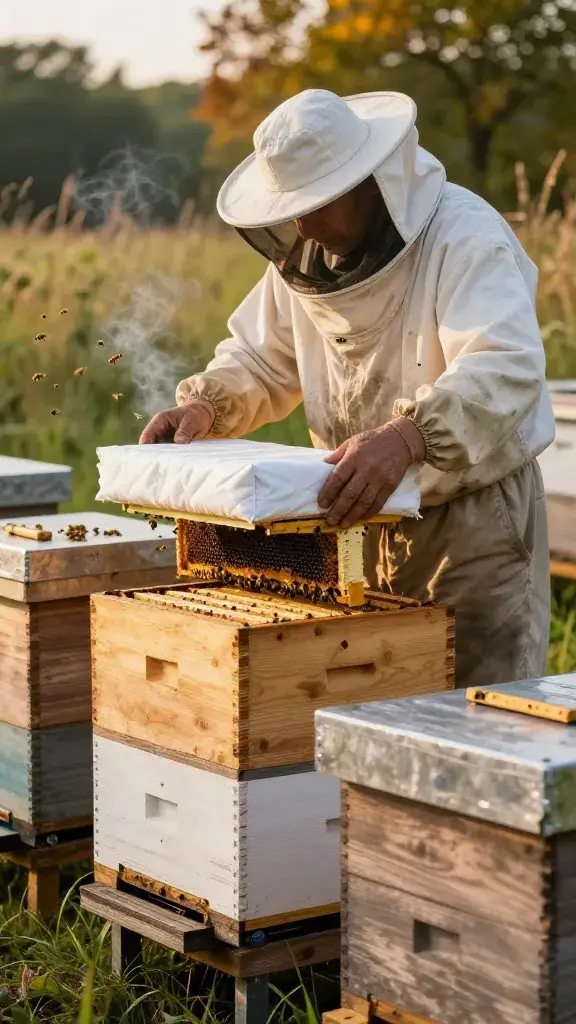
Winter success starts in late summer. Strong bees raised on good nutrition outlive drafts and dearth.
Winterizing Checklist
- Ensure low mite loads by late summer.
- Consolidate brood and honey, reduce entrances, and add a moisture quilt or insulation if needed.
- Tip hives slightly forward to drain condensation.
Prep early and you’ll open thriving colonies in spring, not sad boxes of regret.
13. Bad Timing With New Packages Or Nucs
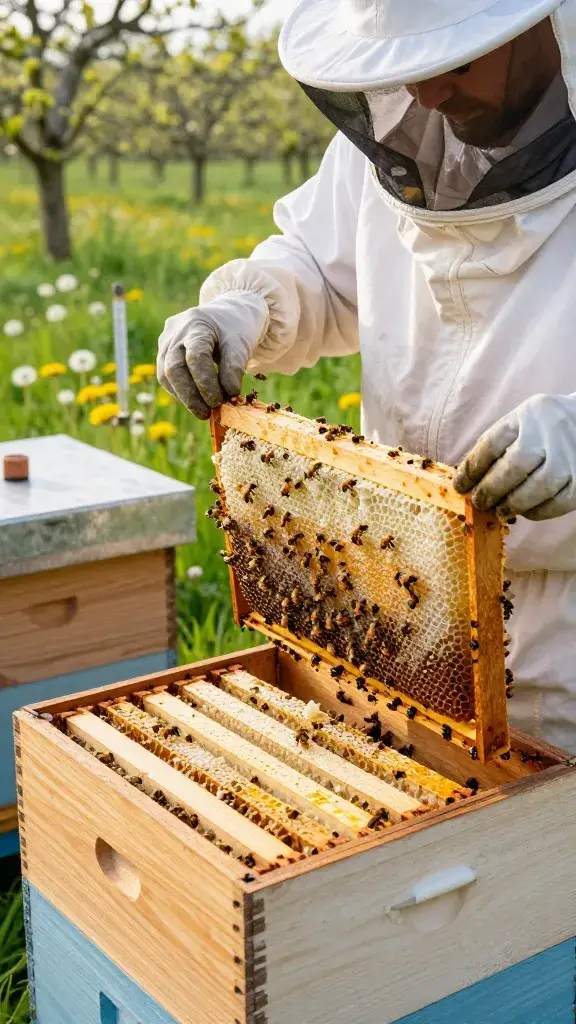
Installing bees during cold snaps or nectar dearth stresses them. They need warmth, feed, and a slow ramp-up.
Do It Right
- Install on a mild day with little wind.
- Feed consistently until they draw several frames of comb.
- Check for a laying queen within 7–10 days for nucs, 10–14 for packages.
Good timing boosts survival and helps your new colony hit the ground running.
14. Forgetting Legalities And Neighbors
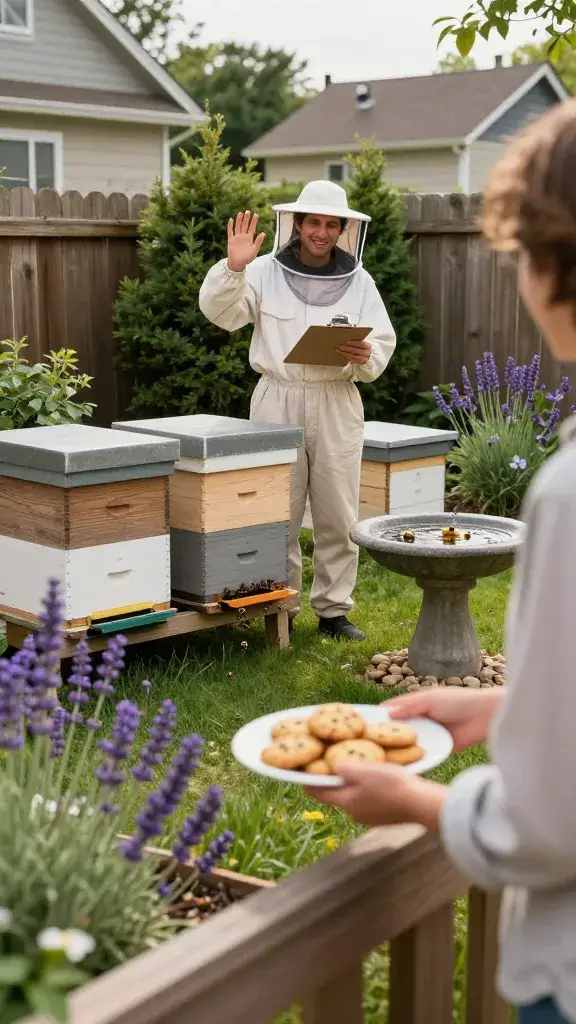
Great beekeepers keep the peace. You want permits in order and neighbors who bring cookies, not complaints.
Smart Outreach
- Know local ordinances on setbacks, water sources, and hive counts.
- Provide a constant water source so bees don’t crash pool parties.
- Plant a windbreak and face entrances into your yard, not theirs.
Handle logistics and you get fewer headaches and more honey trading opportunities. IMO, that’s a win.
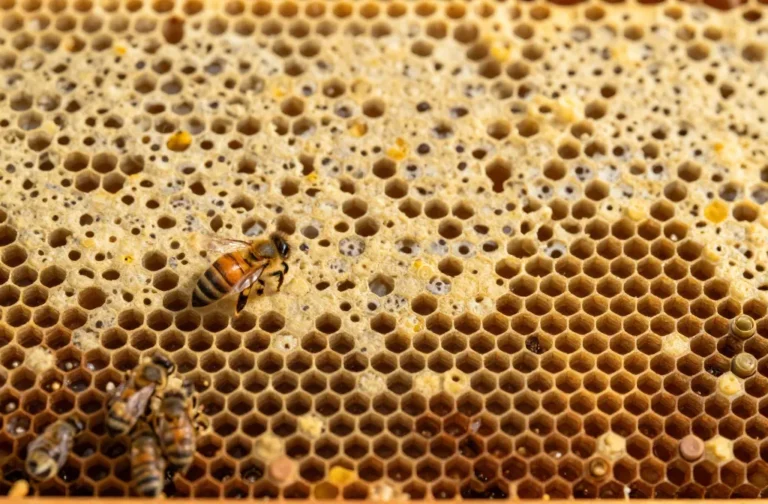
15. Letting Old, Dark Comb Rule The Brood Nest
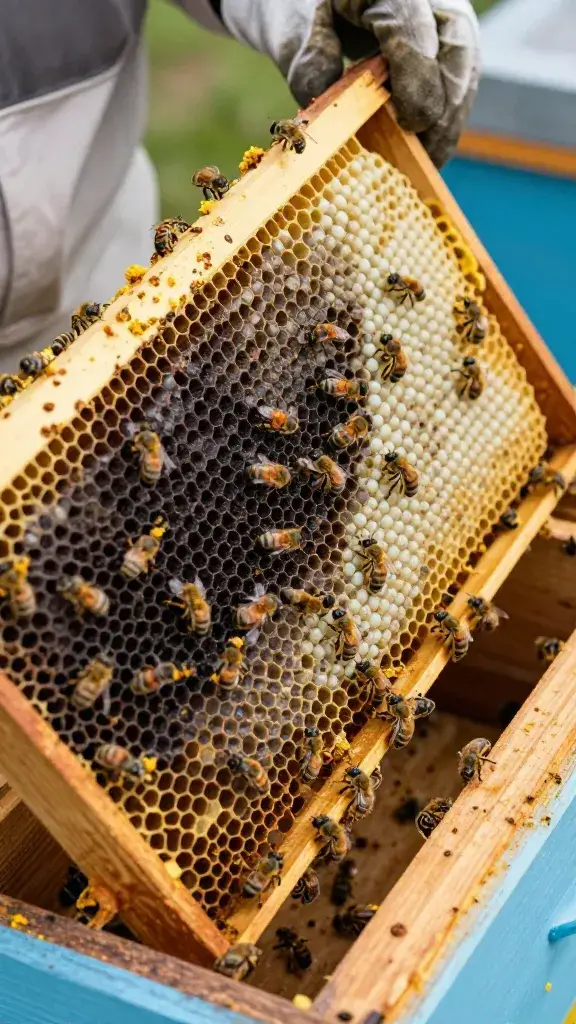
Old comb accumulates pesticides and pathogens. It also shrinks cell size and invites issues you don’t want.
Comb Management
- Rotate out 20–30% of brood comb yearly.
- Mark frames by year so you know what to retire.
- Use drawn comb strategically during build-up to turbocharge growth.
Fresh comb improves colony health and queen laying patterns. Think of it as spring cleaning for bees.
16. Wearing The Wrong Gear And Rushing Setup
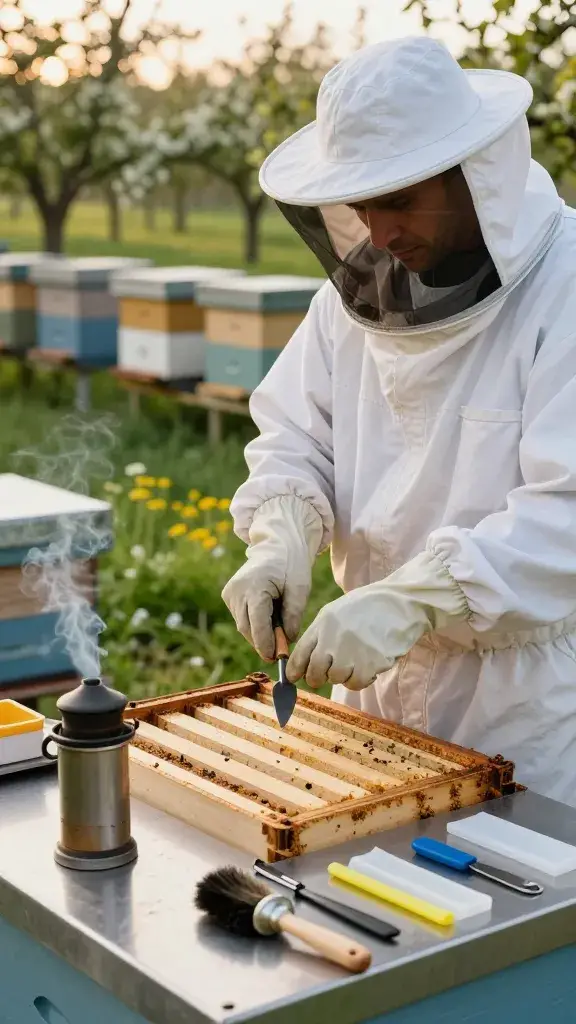
Panic and poor prep cause most stings and broken frames. Set the stage before you suit up like a hero.
Before You Open A Hive
- Light your smoker properly and stage extra fuel.
- Lay out tools in order: hive tool, brush, queen cage clip, feeder parts.
- Wear snug cuffs and tuck veils; baggy gaps equal bee highways.
Prepared beekeepers move smoothly, stress bees less, and keep their dignity. Mostly.
17. Learning Only From Social Media And Not From Local Mentors
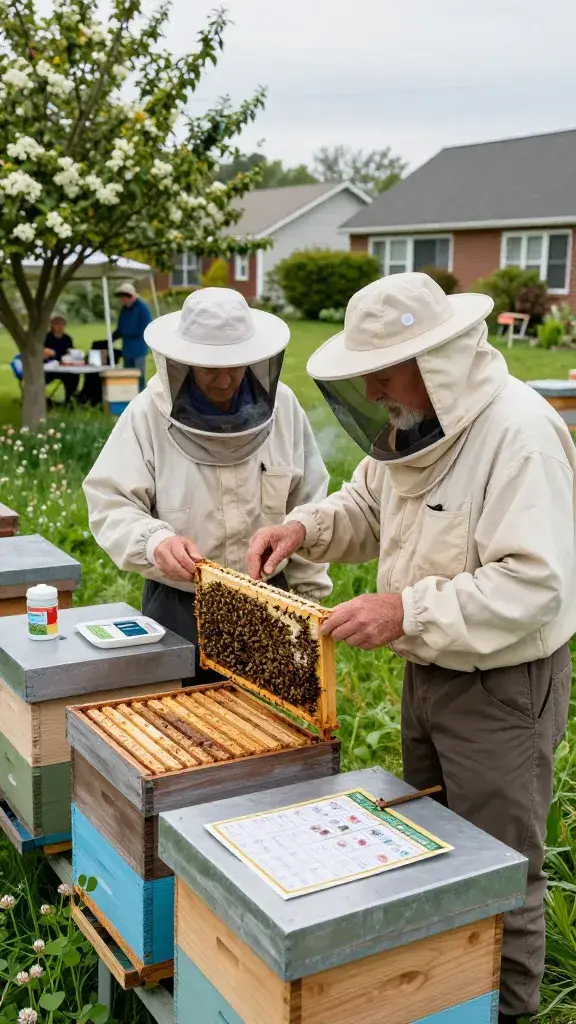
Algorithms don’t know your weather, forage, or mite pressure. Local mentors do. One backyard over can mean different timing and tactics.
Build Your Bee Brain
- Join your local beekeeping club and find a mentor.
- Read extension service guides tailored to your region.
- Keep a seasonal calendar based on your local bloom times.
Ground your learning in local knowledge and your beekeeping gets easier, faster. Trust me, real-world advice beats viral hacks.
You don’t need decades of experience to keep thriving bees—you just need good habits and the right timing. Take these 17 pitfalls off your plate and watch your colonies surge. You’ve got this, beekeeper—now go make some liquid gold.
Share this content: