12 Differences Between Honey Bees and Bumble Bees You’Ll Love
Think all fuzzy, buzzing pollinators are the same? Hard nope. Honey bees and bumble bees live wildly different lives, and once you know the tells, you’ll spot them instantly. This quick guide breaks down the coolest, most useful differences so you can ID them in your garden like a pro and appreciate what each brings to the party.
We’ll talk looks, homes, personalities, and even favorite weather. Ready to become that friend who casually drops bee facts at brunch? Let’s buzz in.
1. The Glow-Up: Body Shape And Size
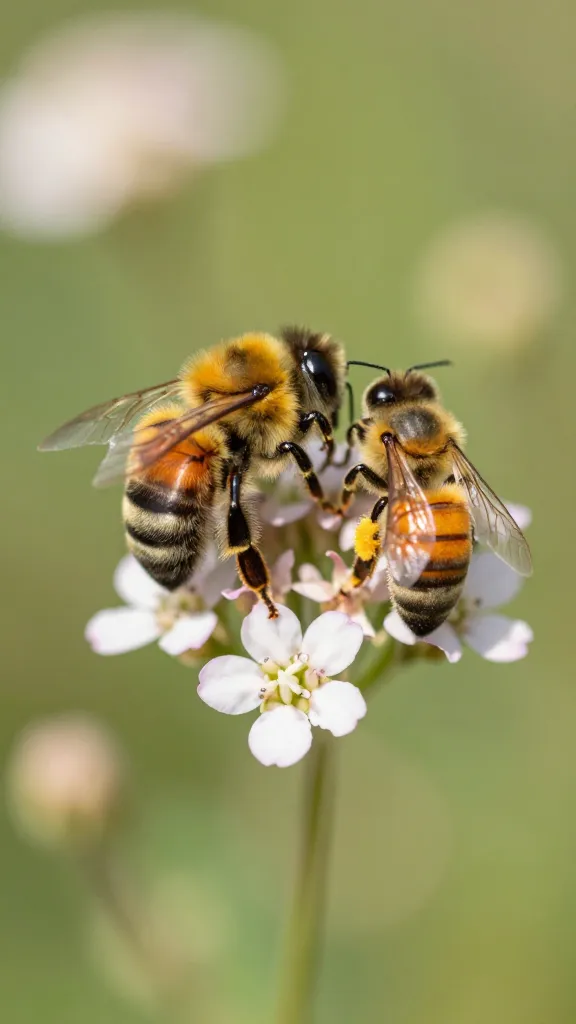
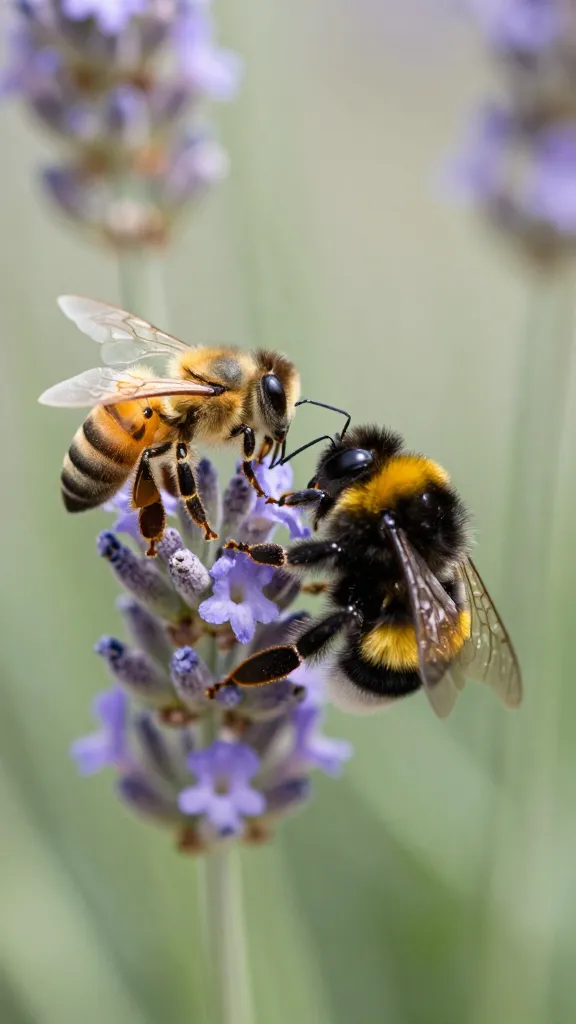
First glance matters. Bumble bees look like flying marshmallows—big, round, and extra fuzzy. Honey bees? Sleeker, more streamlined, and a bit smaller on average.
Key Points
- Bumble bees: Chonky, round abdomen, thick “fur” (setae).
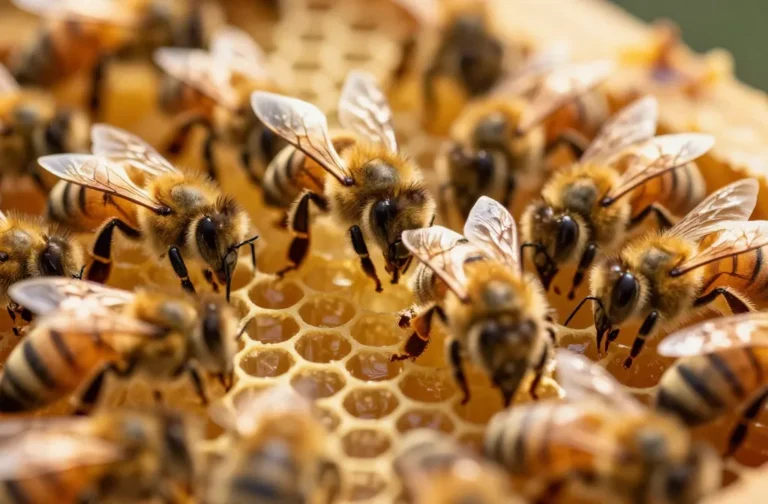
- Honey bees: Slender, torpedo-shaped body with a smoother appearance.
- Color patterns vary by species, but bumbles usually have bold yellow-black banding and sometimes orange; honey bees skew amber to golden-brown with subtle stripes.
Use this when ID’ing on flowers—size and fluff are your quickest giveaways.
2. Wardrobe Details: Hair, Pollen Baskets, And Shine
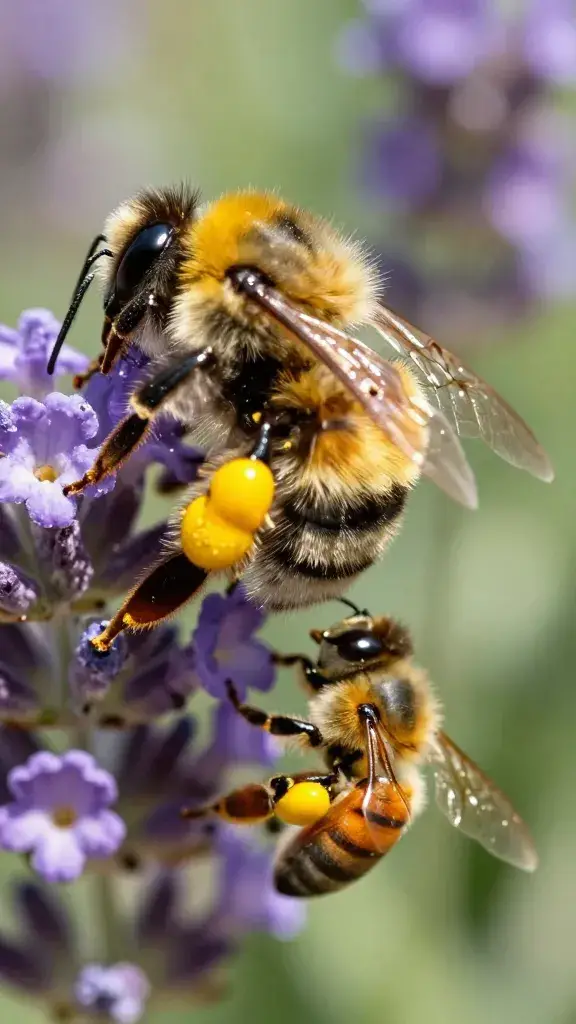
Both carry pollen but style it differently. Bumble bees wear it like oversized cargo pants; honey bees keep it tidy and compact.
Spot-The-Difference Tips
- Bumble bees: Dense hair across the body; females have big, shiny corbiculae (pollen baskets) on hind legs that look like bright yellow saddlebags.
- Honey bees: Less fuzzy on the abdomen with visible segment lines; still have corbiculae, but the body looks glossier and less plush.
Great for gardeners: fat, fluffy forager carrying huge yellow blobs? Likely a bumble.
3. Home Sweet Home: Where They Nest
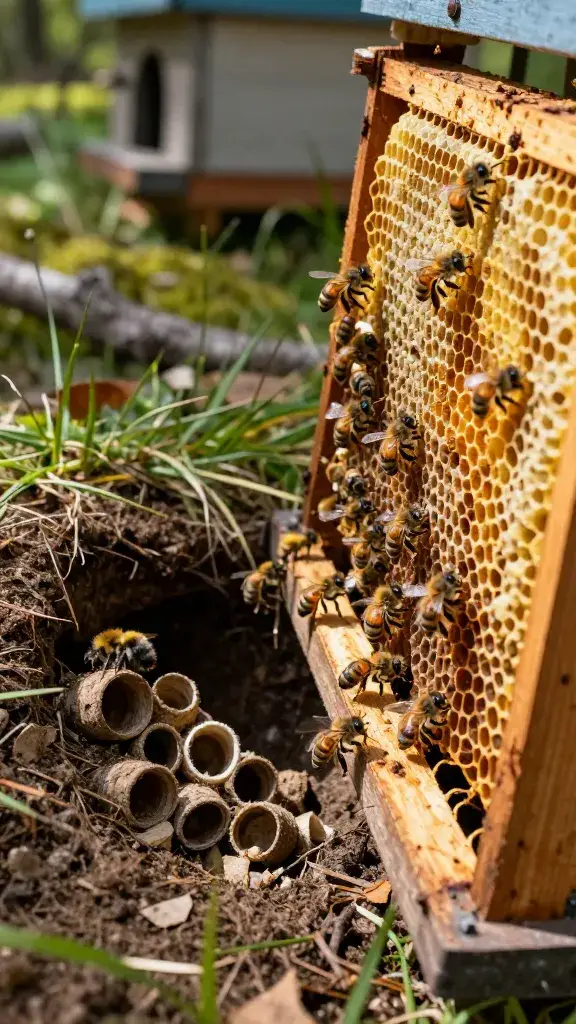
They don’t just look different—they rent different real estate. Bumble bees keep it cozy underground or in messy little cavities. Honey bees go full architect mode with organized wax palaces.
Nesting Habits
- Bumble bees: Small annual nests in rodent holes, grass tussocks, compost heaps, or bird boxes. Soft, chaotic, thimble-like wax pots.
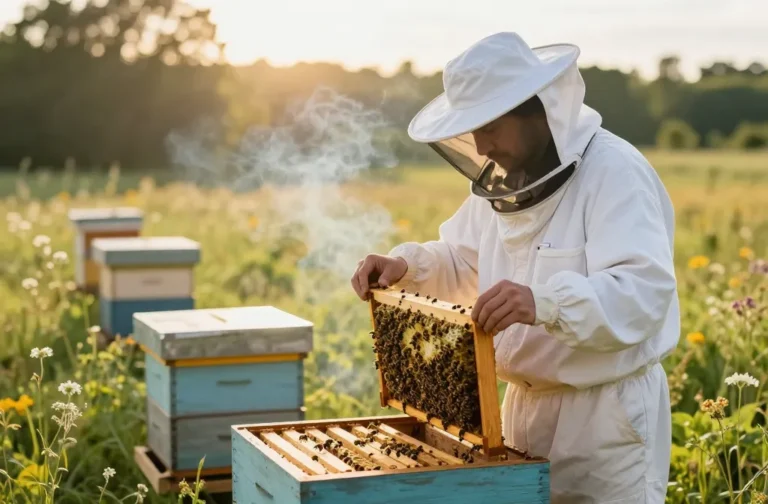
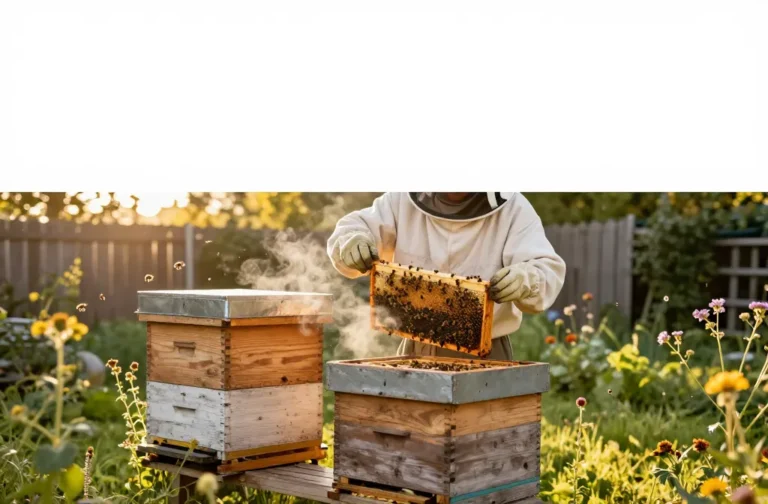
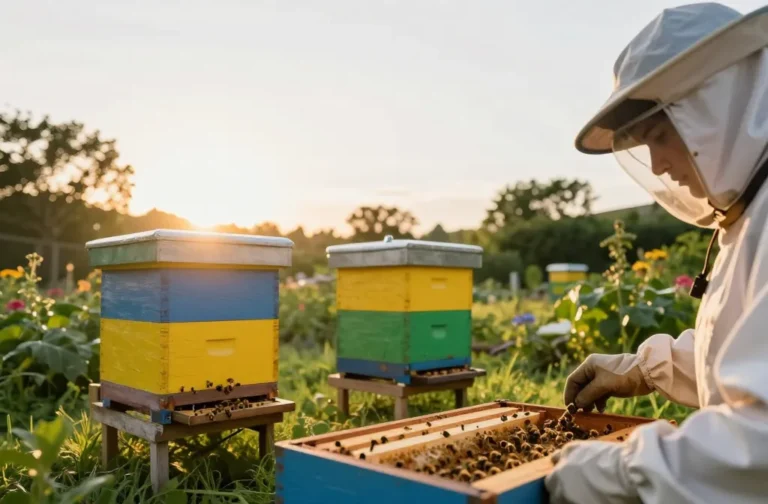
- Honey bees: Large perennial colonies in tree cavities or man-made hives with neat vertical combs. Think open-plan living, but hexagonal.
If you spot a tidy wall of hexagons, that’s honey bee territory. A scruffy puffball nest? Bumble squad.
4. Family Size: Colony Population And Season Length
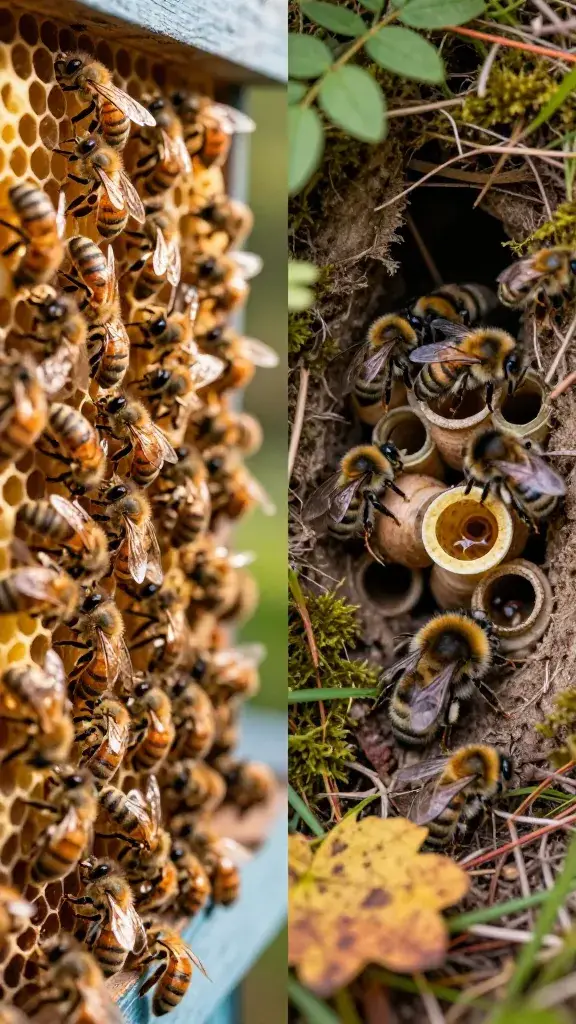
Honey bees go for scale; bumbles keep it intimate. This changes everything from behavior to how they handle resources.
- Honey bees: Tens of thousands per colony, active year-round in warm climates; overwinter as a colony by clustering and eating stored honey.
- Bumble bees: Dozens to a few hundred per nest; colonies die off in fall except for new queens that hibernate and start fresh in spring.
Translation: honey bees = mega-city; bumble bees = charming seasonal village. Plan your garden support accordingly.
5. Personality Check: Foraging Style And Flower Preferences
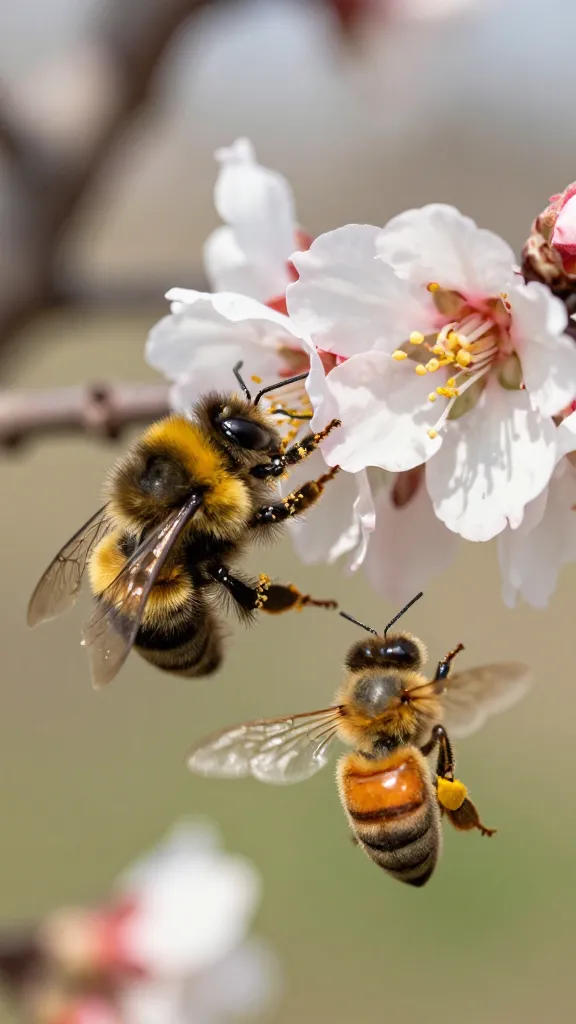
Both pollinate like champs, but they don’t shop the floral aisle the same way. Bumble bees bring brute force; honey bees optimize routes.
Foraging Highlights
- Bumble bees: Can perform buzz pollination (sonication) by vibrating flowers—critical for tomatoes, blueberries, and peppers.
- Honey bees: Recruit with the waggle dance and hit mass-flowering plants efficiently, perfect for crops like almonds and clover.
Need better fruit set on tomatoes? Encourage bumble bees. Planting acres of one bloom? Honey bees shine.
6. Weather Warriors: Temperature And Time Of Day
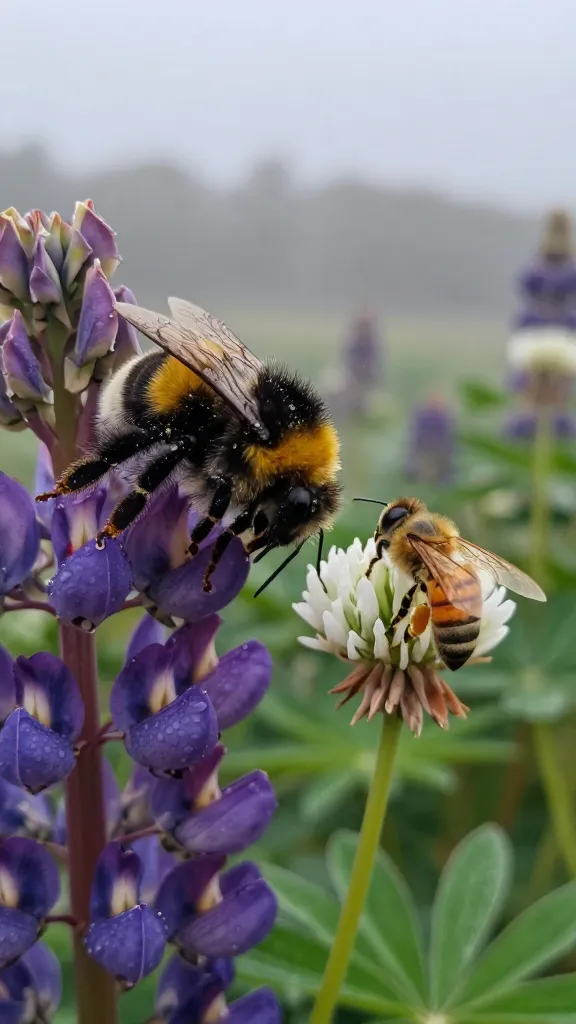
Not all bees love perfect weather. Bumble bees are the early-bird, cold-morning champs.
- Bumble bees: Fly in cooler temps, wind, and light rain thanks to fuzzy insulation and strong flight muscles. You’ll see them at dawn.
- Honey bees: Prefer warmer, calmer conditions and typically start later in the morning when the sun’s up.
Expect bumble bees to keep your garden pollinated on gloomy days when honey bees stay in.
7. The Honey Situation: Production And Storage
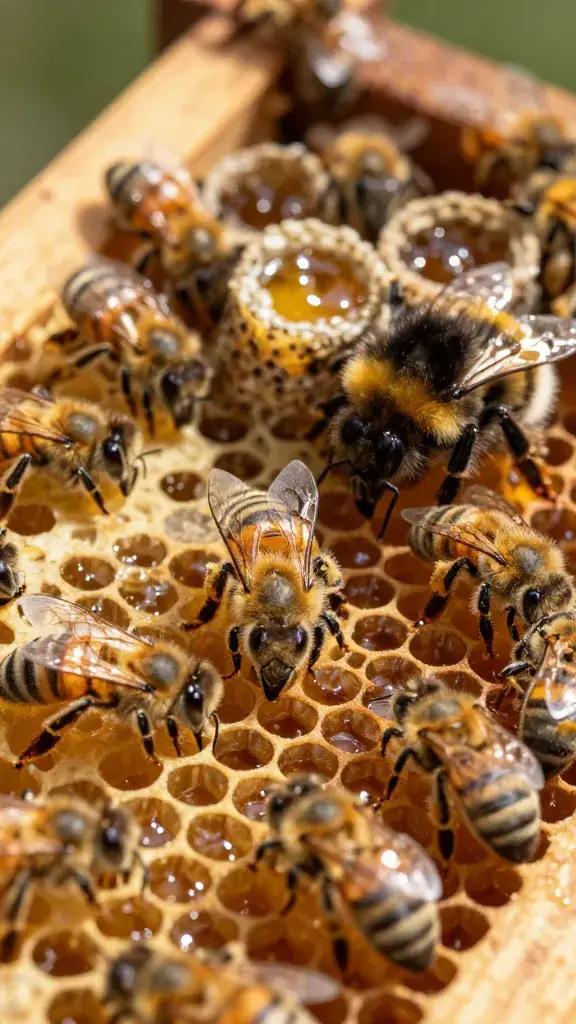
Let’s talk sweet stuff. Only one of these bees stocks a pantry like a prepper.
- Honey bees: Make and store large quantities of honey in wax combs for winter survival. This fuels the whole colony.
- Bumble bees: Make tiny amounts of nectar concentrate stored in small wax pots for short-term use. No big surplus, no jars for you.
If your mental image of bees equals honey jars, you’re thinking honey bees, not their bumbly cousins.
8. Sting Ops: Defense And Temperament
Everyone asks about stings. Short version: don’t panic—both prefer flowers to fighting.
FYI On Stingers
- Honey bee workers: Barbed stinger that usually lodges in mammal skin, so they die after stinging. Defensive near the hive, chill at flowers.
- Bumble bee workers: Smooth stinger that can sting multiple times, but they rarely do unless you squeeze or disturb the nest.
Benefit to you: give nests space, move slowly around flowers, and you’ll stay sting-free, seriously.
9. Social Life: Communication And Roles
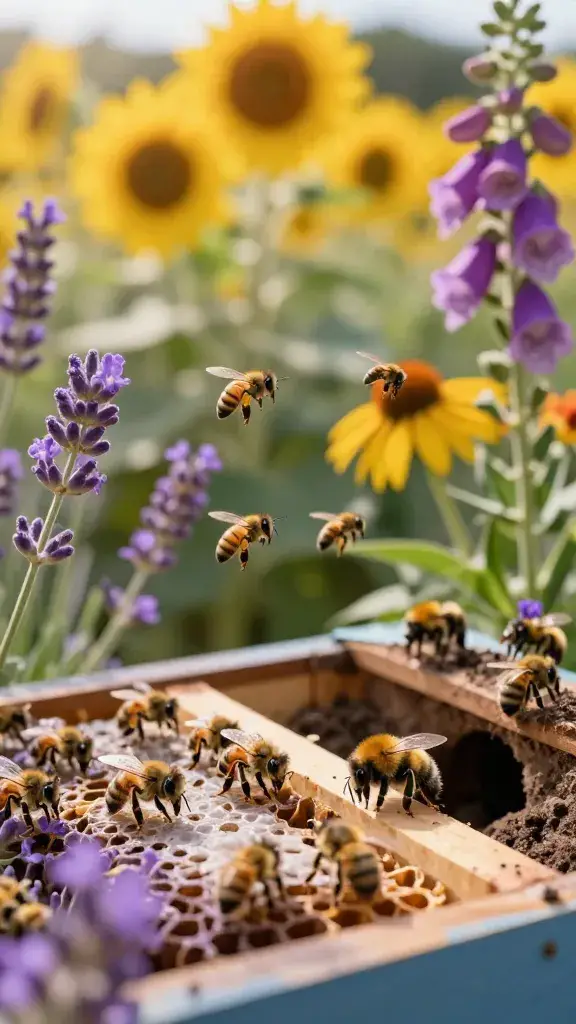
Both species run a queen–worker system, but their social dynamics feel different. Honey bees lean corporate; bumbles feel like a start-up.
- Honey bees: Complex division of labor, waggle dances for precise nectar directions, strong pheromone control by the queen.
- Bumble bees: Smaller teams, more flexible roles, less formal recruitment—workers often forage independently based on local cues.
Implication: honey bees mobilize fast for big floral hits; bumbles adapt nimbly to patchy gardens.
10. Faces And Mustaches: Facial Features And Antennae
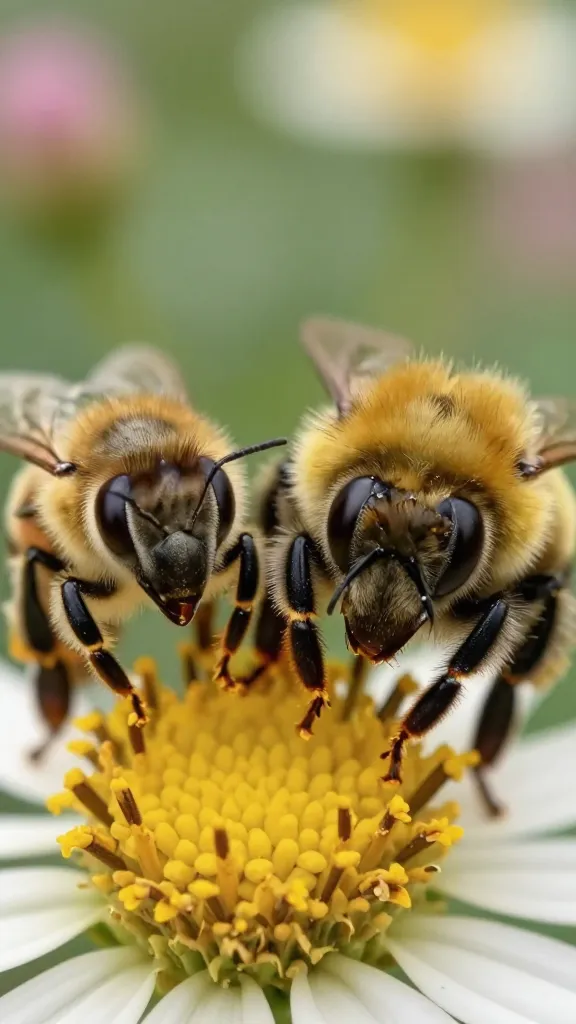
Yes, bee faces have vibes. If you look closely (macro photo, anyone?), you can spot telling traits.
- Honey bees: Longer, more tapered faces; antennae with a consistent, slim look; eyes slightly more almond-shaped.
- Bumble bees: Broader “cute” faces; dense facial fuzz gives that teddy-bear look; some species show distinctive cheek patches.
This helps with close-up IDs and makes you sound wildly observant at garden parties, IMO.
11. Conservation Status: What Threatens Each
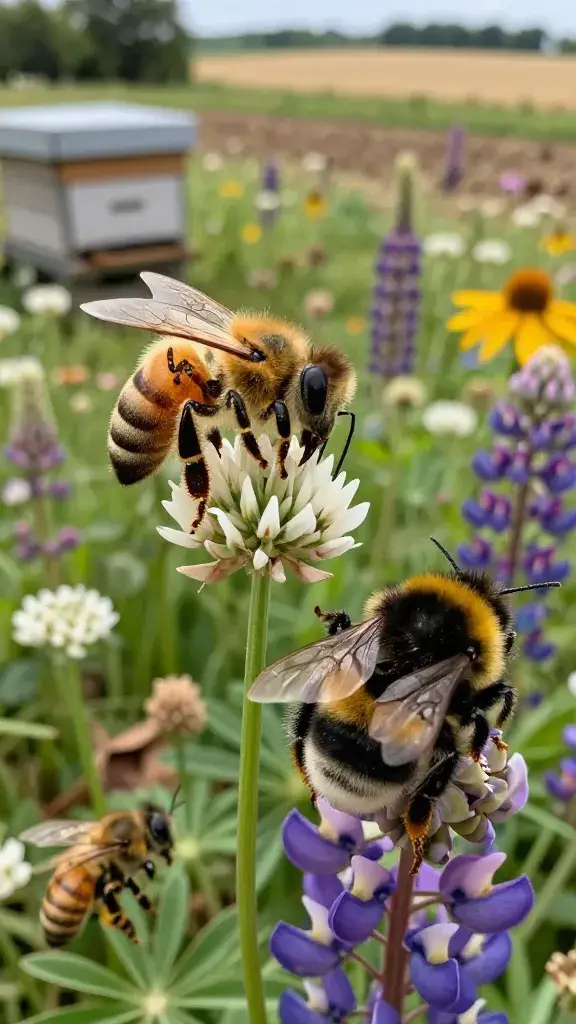
Both face pressure, but bumble bees take harder hits in many regions. Habitat loss and pesticides don’t discriminate, though.
Top Stressors
- Bumble bees: Sensitive to habitat fragmentation; some species are declining fast. Climate shifts disrupt their cool-weather niche.
- Honey bees: Managed worldwide, but deal with Varroa mites, diseases, pesticides, and poor forage. Beekeepers can intervene; wild bumbles can’t phone a friend.
Action item: plant diverse, pesticide-free flowers and leave some messy corners for nesting. It helps everyone.
12. Garden Strategy: How To Support Each Bee Best
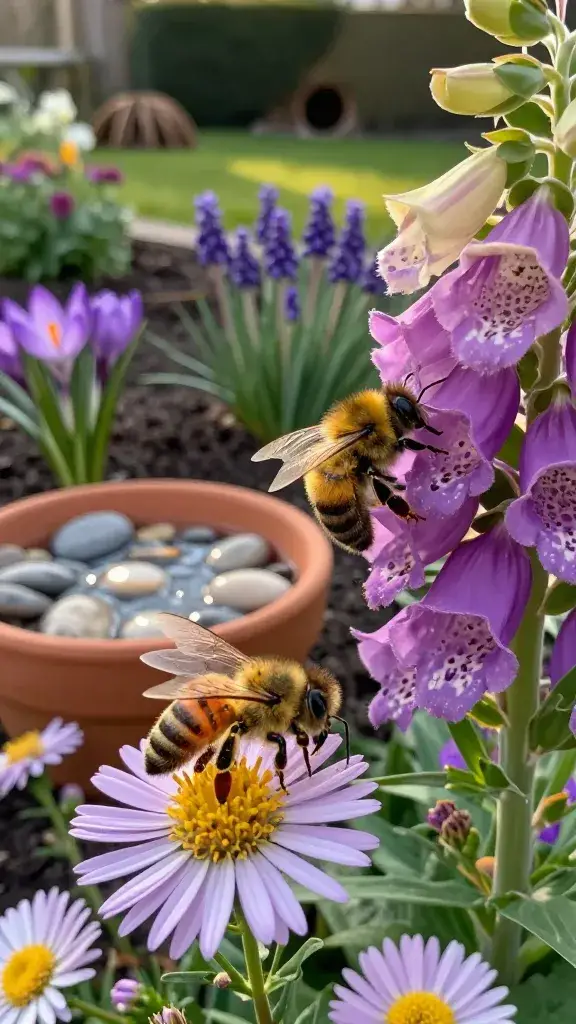
Want maximum pollination? Cater to both crews. They complement each other like coffee and pastries—separately good, together unbeatable.
Practical Tips
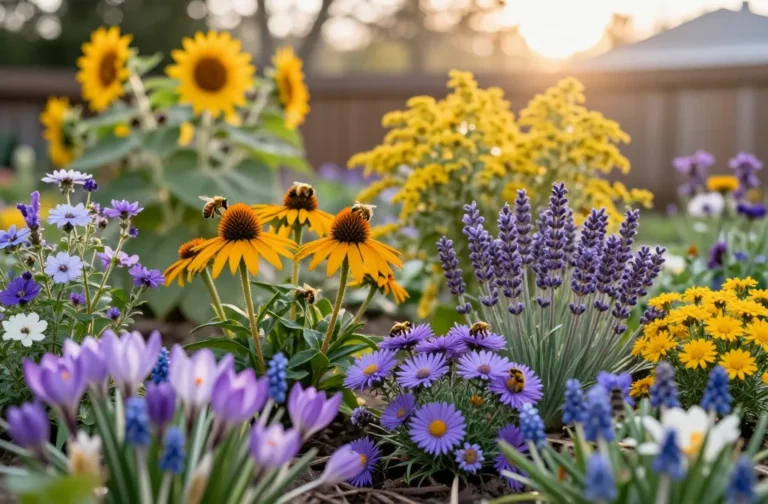
- Provide continuous bloom from early spring to late fall (think crocus to aster).
- Mix flower shapes: tubular, open, bell-shaped. Bumble bees handle deep corollas; honey bees love accessible clusters.
- Leave some undisturbed ground, brush piles, and old rodent holes for bumble nesting.
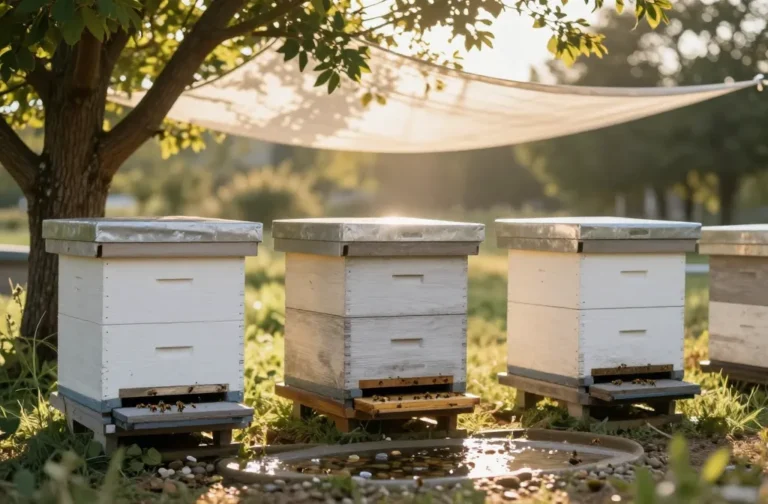
- Offer clean water: shallow dish with pebbles for safe landing.
- Avoid pesticides; if you must, spray at night and skip blooming plants.
End result: more fruit set, happier bees, and a garden that buzzes in the best way. Trust me, you’ll notice.
Ready to spot the differences IRL? Next time you see a fuzzy giant at dawn, give a nod to the bumble brigade. And when a golden fleet works a lavender hedge in neat formation, say hey to the honey bees. Plant a little variety, skip the chemicals, and you’ll host the best pollinator block party on the block.
Share this content: