Viral 18 Beekeeping Facts Every Backyard Beekeeper Should Know
Bees are tiny, opinionated roommates with wings—and they reward rent in liquid gold. If you’re thinking about backyard beekeeping, a few clutch facts will save your wallet, your weekends, and your bees. These 18 insights cut fluff, dodge disasters, and help you enjoy the buzz without the drama. Ready to make honey and feel like a wizard in a veil?
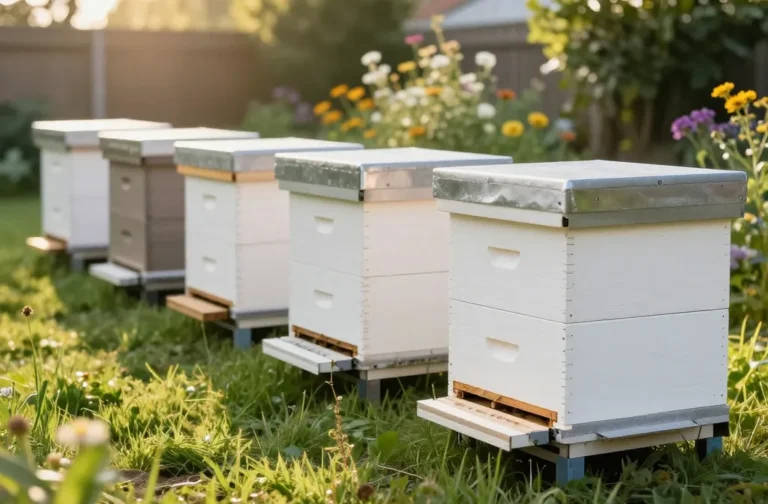
1. Start With Two Hives, Not One
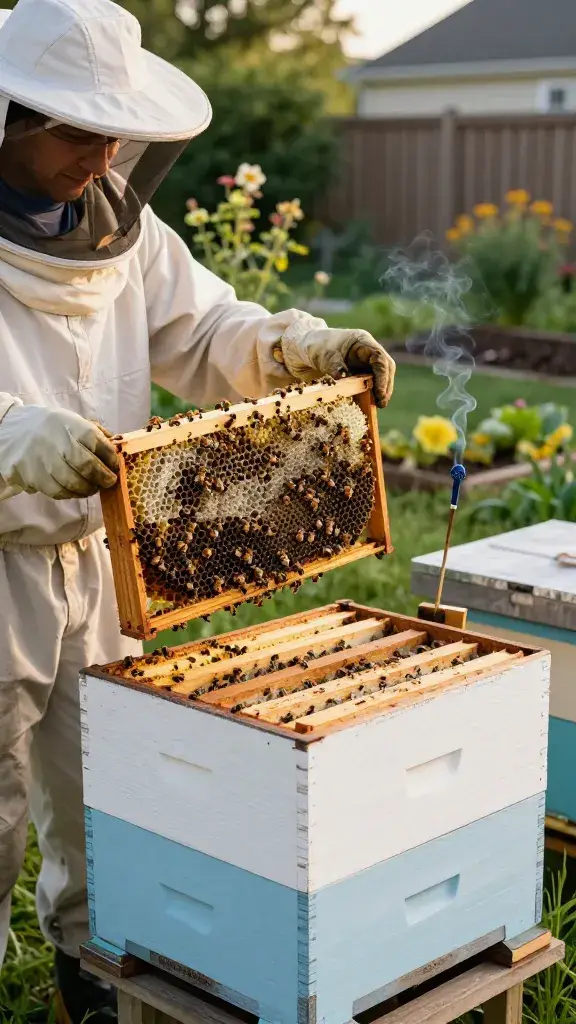
Sounds extra, but two hives give you options. You can swap frames, borrow brood, and compare progress when one colony lags.
Why It Rocks
- Balances populations by moving frames of brood or bees
- Lets you diagnose issues by comparison
- Boosts survival odds your first year
Two hives create a safety net. If one goes sideways, the other can bail it out—fewer panic buys, more calm beekeeping.
2. Location Isn’t Everything—It’s Every Sting
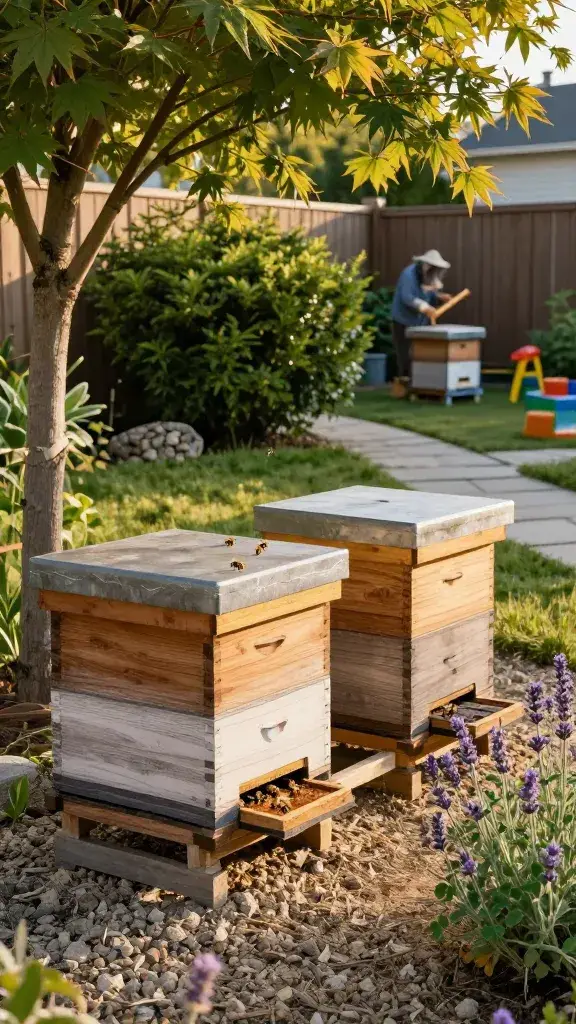
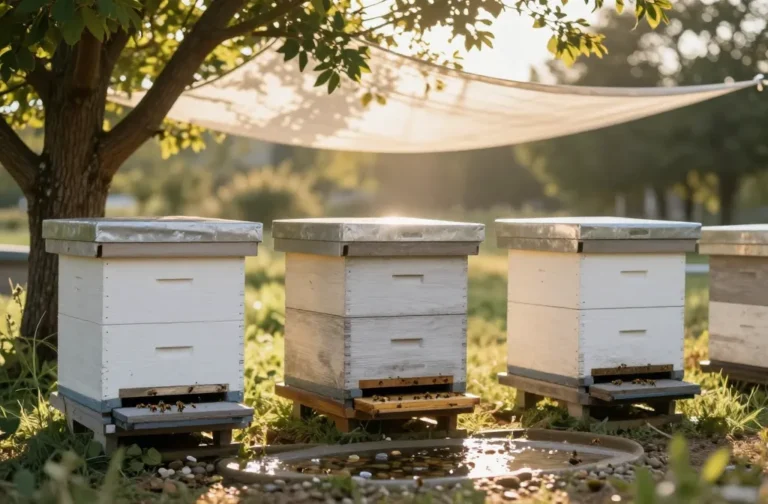
Placement can make or break your season. Bees love morning sun and afternoon shade, and your neighbors love not getting dive-bombed at the grill.
Quick Tips
- Face hive entrances southeast for early foraging
- Keep 10–15 feet from walkways and play areas
- Provide windbreaks and elevate off damp ground
Solid placement means healthier bees, less aggression, and happier humans. Win-win-win.
3. Equipment You Actually Need (And What You Don’t)
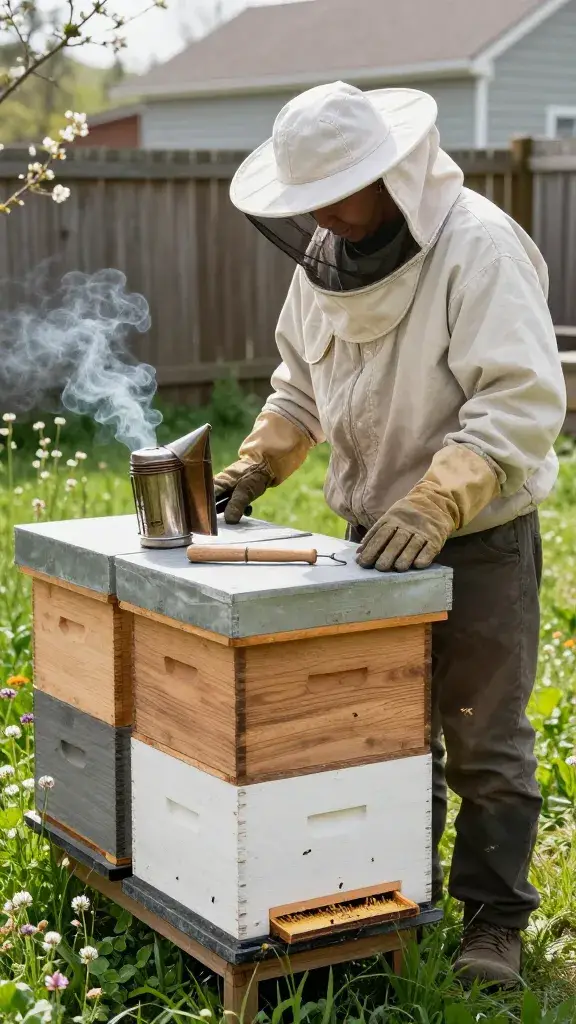
You don’t need a boutique beekeeping closet. Get the basics right and skip the gimmicks.
Essentials
- Protective gear: veil/jacket with gloves
- Smoker and hive tool
- Two deep boxes + frames and foundation
- Feeder for spring installs
Everything else can wait. Start simple and upgrade once you know your style—your bees don’t care about Instagram gear.
4. Timing Your Install Changes Everything
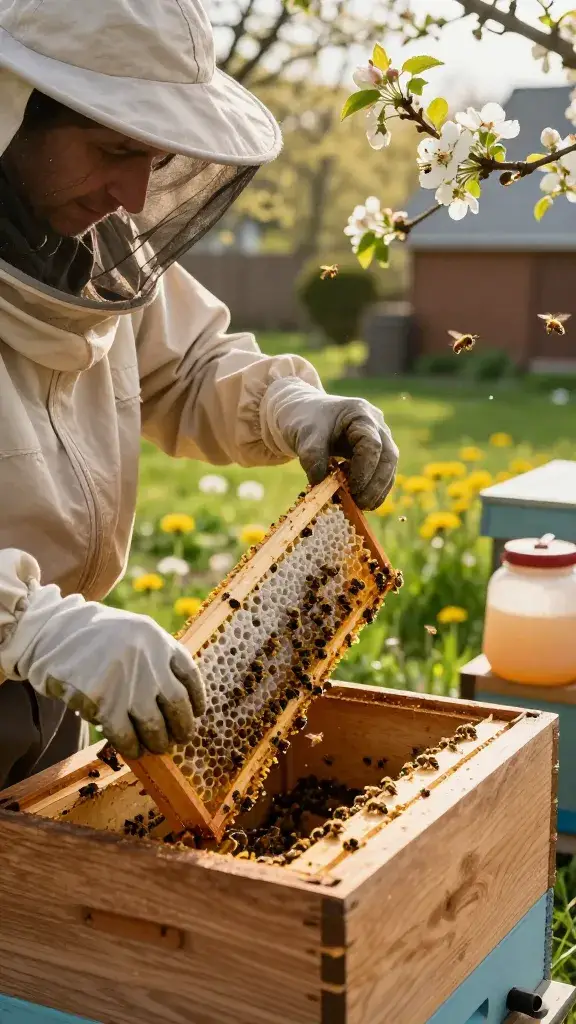
Install packages or nucs when nectar flows ramp up. Warm days and blooming plants mean faster build-up and fewer feed bills.
Best Window
- Early to mid-spring in most climates
- After consistent nights above 50°F (10°C)
- When local maples, dandelions, or fruit trees bloom
Great timing reduces stress, boosts success, and makes your first season way less chaotic.
5. Feed With Purpose, Not Forever
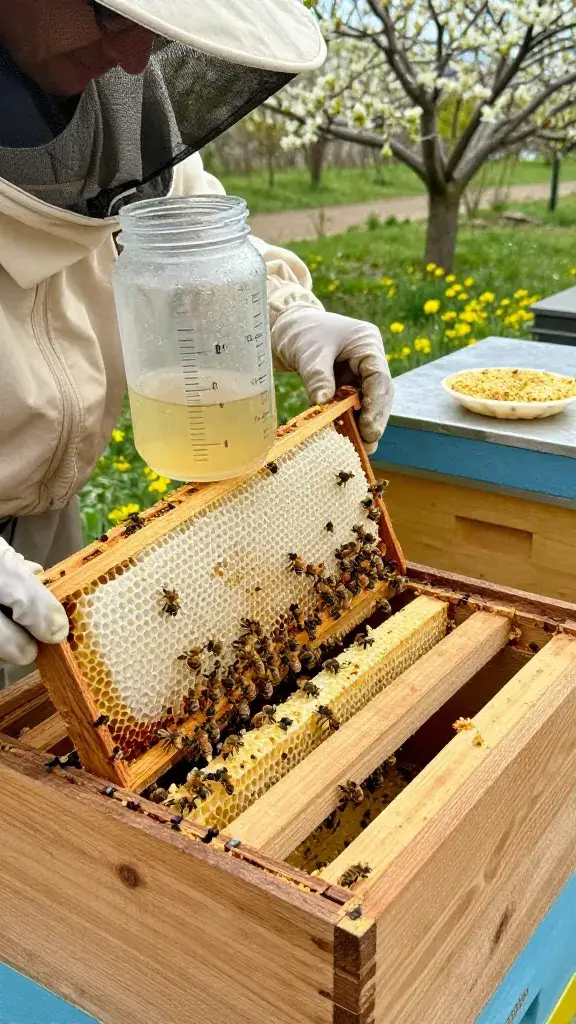
New colonies need help. But long-term sugar syrup can crowd out real nectar and delay good habits.
Smart Feeding
- Use 1:1 syrup for building comb in spring
- Stop when nectar flow is strong and comb is drawn
- Use pollen substitute only if natural pollen is scarce
Targeted feeding kickstarts growth without creating syrup-addicted bees. Balance = healthy hives.
6. Varroa Mites: The Villain You Can’t Ignore
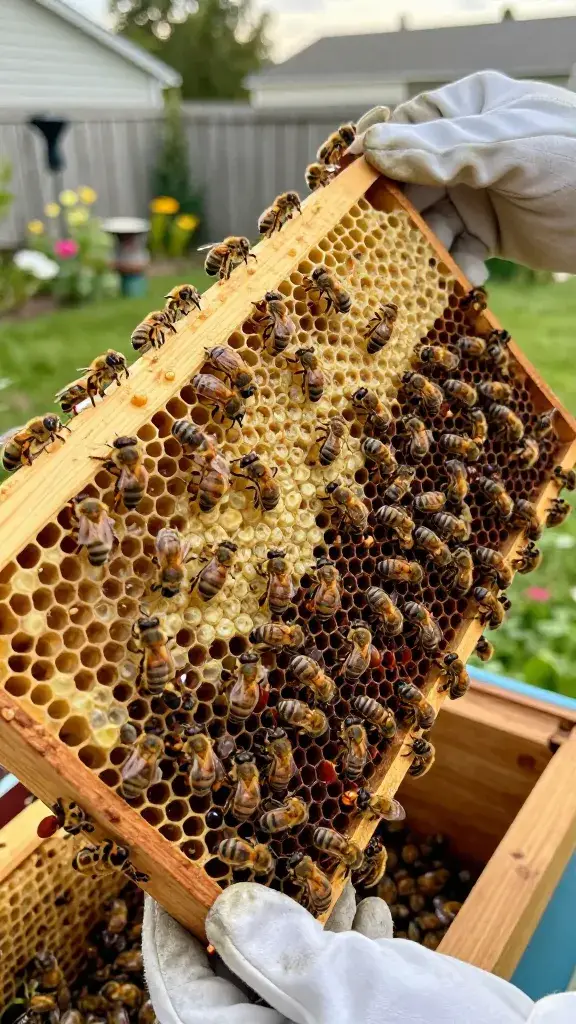
Varroa destructor wipes out more hives than winter. “Hope” is not a treatment plan—monitor and act.
Control Plan
- Do monthly alcohol washes or sugar rolls in season
- Treat based on thresholds (typically ~2–3% mites)
- Rotate approved treatments to avoid resistance
Consistent mite management keeps colonies strong, brood healthy, and queens laying. Ignore mites, lose colonies. Simple.
7. Queens Rule—And They Tell You Everything
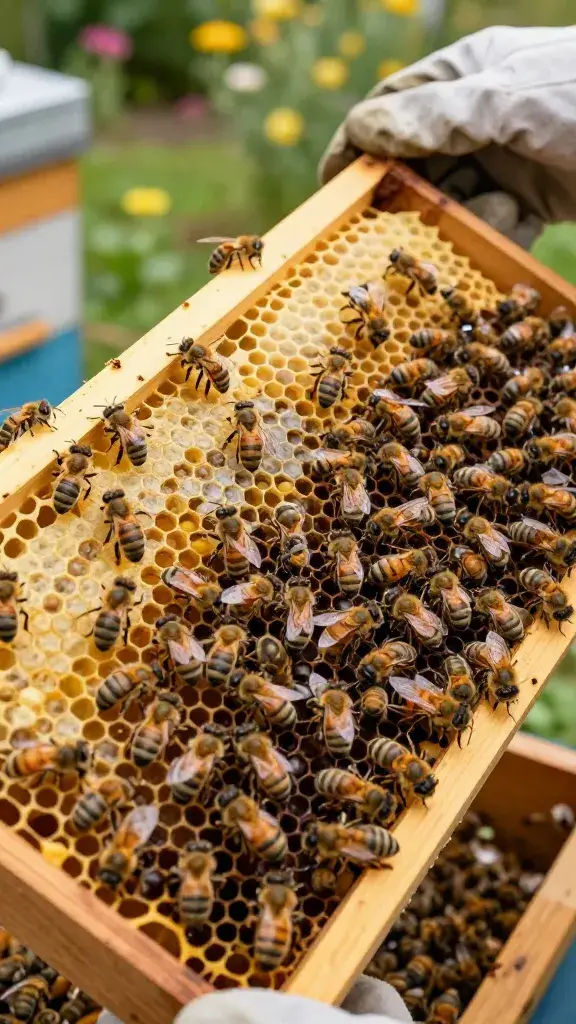
A good queen = calm bees, solid brood pattern, consistent growth. You don’t need to see her to know she’s winning.
Queen Clues
- Brood pattern: tight, few empty cells
- Temperament: gentle equals productive
- Eggs and larvae: steady, in all stages
Track queen quality and replace duds early. Strong queens carry your season.
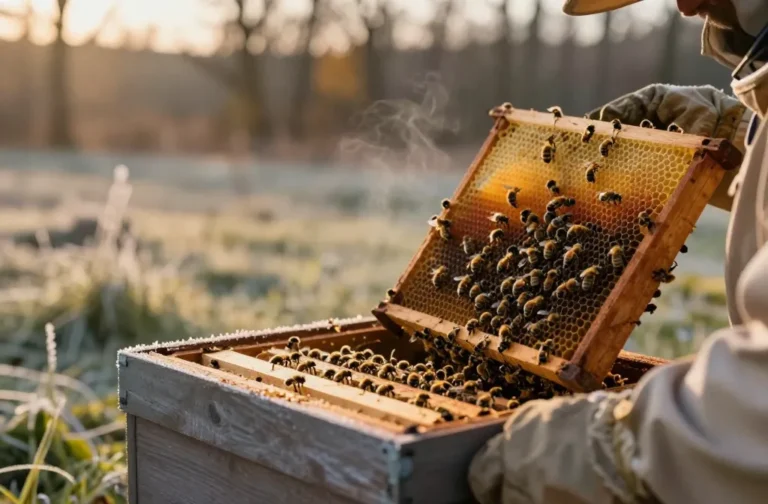
8. Inspections: Short, Sweet, and On Purpose
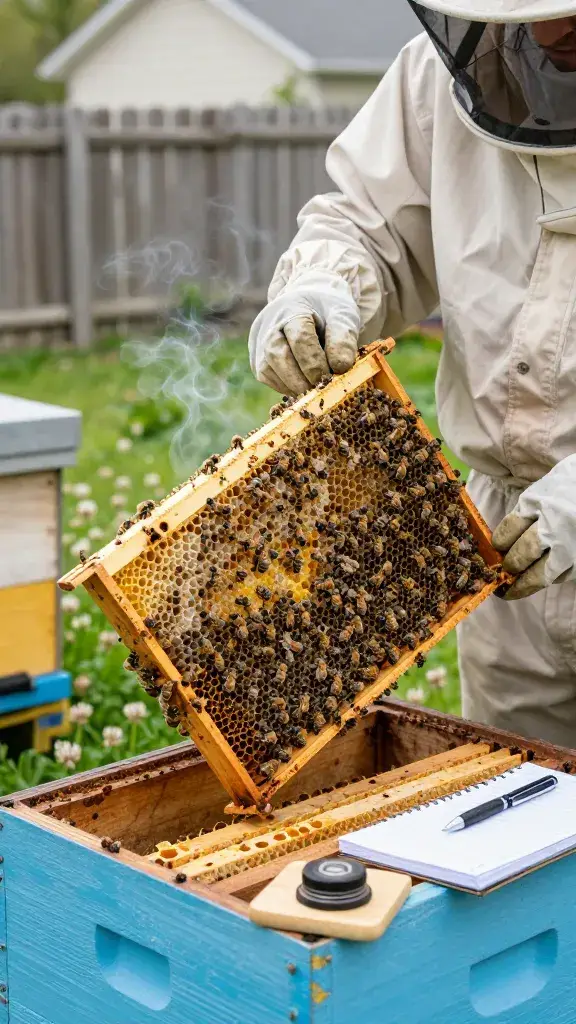
Stop doing marathon inspections “for fun.” Bees hate drafts and disruptions, so make your visits count.
Inspection Goals
- Verify queen-right status
- Check food stores and brood pattern
- Look for swarm signs (queen cups/cells)
Plan each inspection, take notes, and close up. The less you crush, the more they trust. IMO, efficiency is the real flex.
9. Swarm Prevention Is Cheaper Than Retrieval
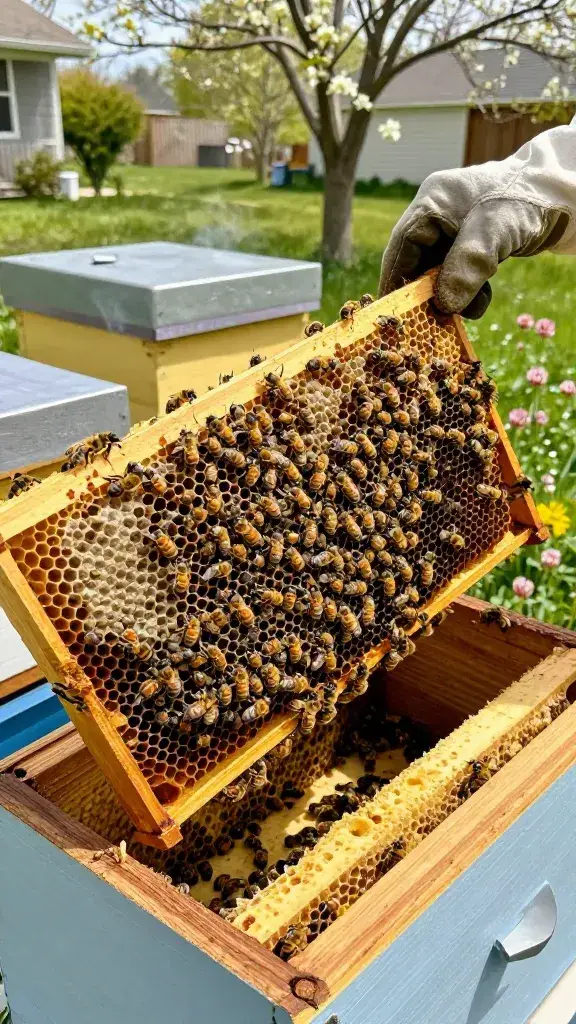
Swarming is natural, but it halves your workforce right before the honey flow. Annoying, right?
Prevention Moves
- Add space before bees feel crowded
- Rotate or remove old brood frames to open the nest
- Make splits if you see charged queen cells
Stay ahead of the urge and you’ll keep your honey-makers at home where they belong.
10. Comb Management Keeps Everything Clean
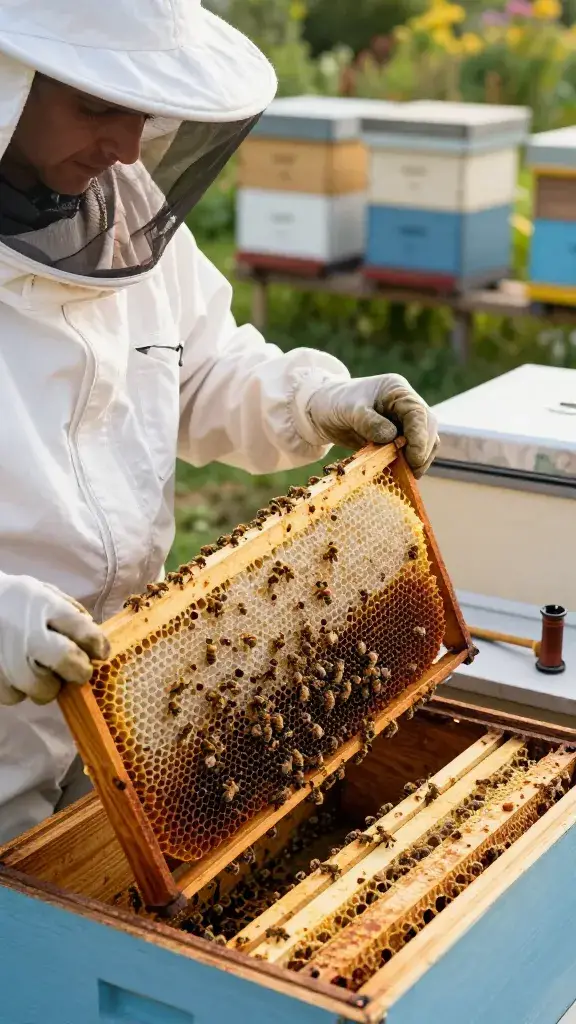
Old comb traps pesticides, pathogens, and general funk. Fresh comb helps brood health and honey quality.
Best Practices
- Rotate out the darkest frames every 3–5 years
- Keep brood comb in the brood nest, honey comb in supers
- Freeze suspect comb to kill pests
Clean comb equals fewer problems and prettier honey. Your bees notice, trust me.
11. Water Source = Chill Bees
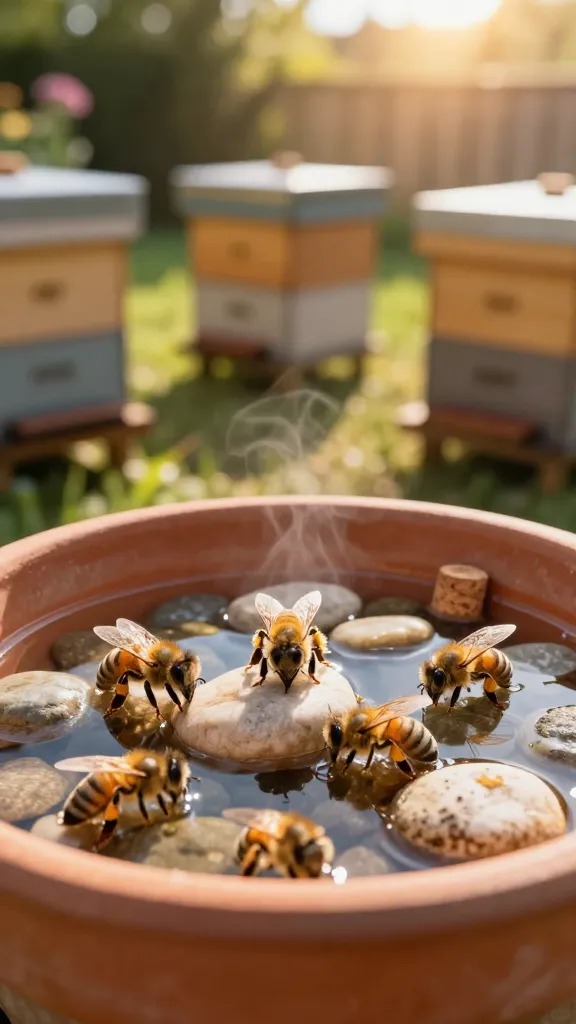
Bees need water to cool brood and thin honey. If you don’t provide it, they’ll visit your neighbor’s pool like uninvited guests.
How To Set It Up
- Shallow container with stones or corks for landing
- Place near the hives, sunny spot preferred
- Keep it consistent—bees get loyal
Reliable water reduces yard drama and keeps colonies comfortable during heat waves.
12. Know Your Flow (Nectar, That Is)
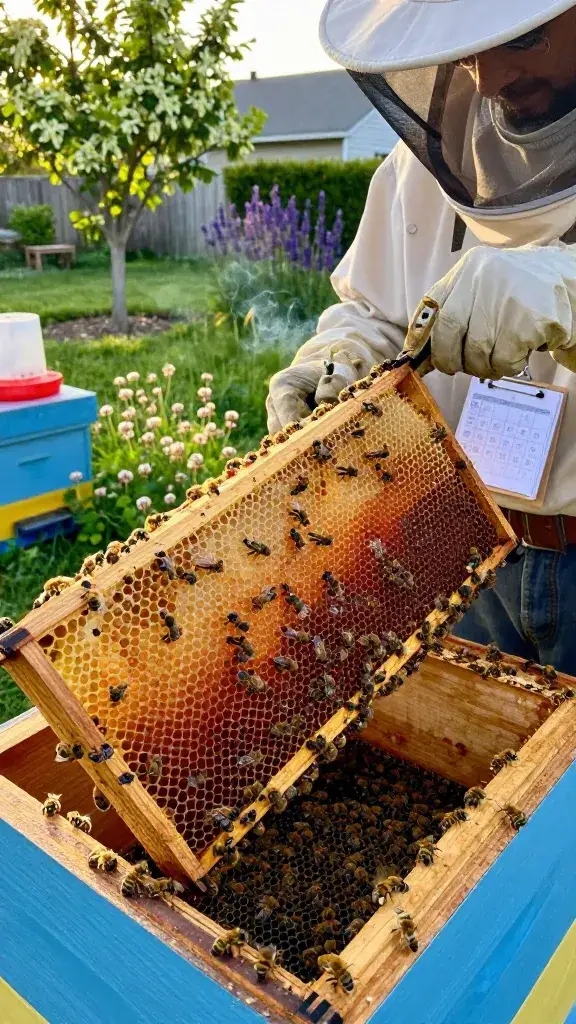
Every region has a nectar calendar. Learn it and you’ll know when to add supers, feed, or split.
Action Steps
- Track local bloom times and flows
- Add honey supers just before a major flow
- Expect dearths and feed strategically if needed
Understanding local forage turns guesswork into timing mastery—more honey, fewer hassles.
13. Harvest Honey Without Ruining Goodwill
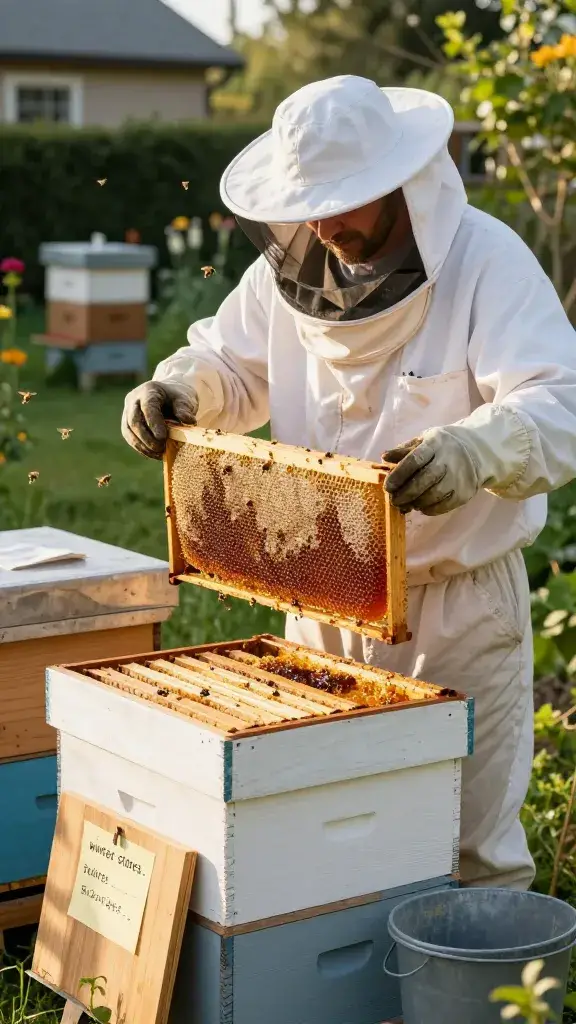
Take honey with restraint, especially your first year. Bees need stores to survive winter more than you need another jar on the shelf.
Rules Of Thumb
- Only harvest fully capped frames
- Leave 60–100 lbs for winter in cold climates (adjust locally)
- Use a fume board or gentle shaking—skip the chaos
Responsible harvesting keeps colonies strong and you in honey for years, not just one flashy season.
14. Winter Prep Starts In Late Summer
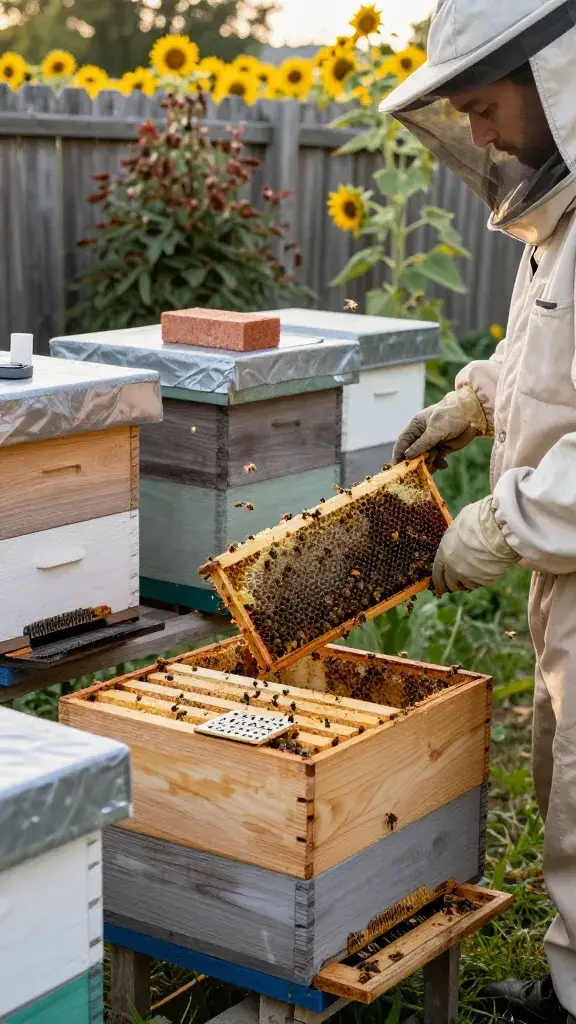
Strong winter bees are made in August and September. Prep early so you’re not duct-taping lids in a snowstorm.
Checklist
- Confirm a low mite load
- Ensure a young, vigorous queen
- Consolidate boxes and reduce entrances
- Add windbreaks, insulation, and emergency feed if needed
Dial in fall management and winter becomes a non-event instead of a survival saga.
15. Bees Don’t Read Your Calendar
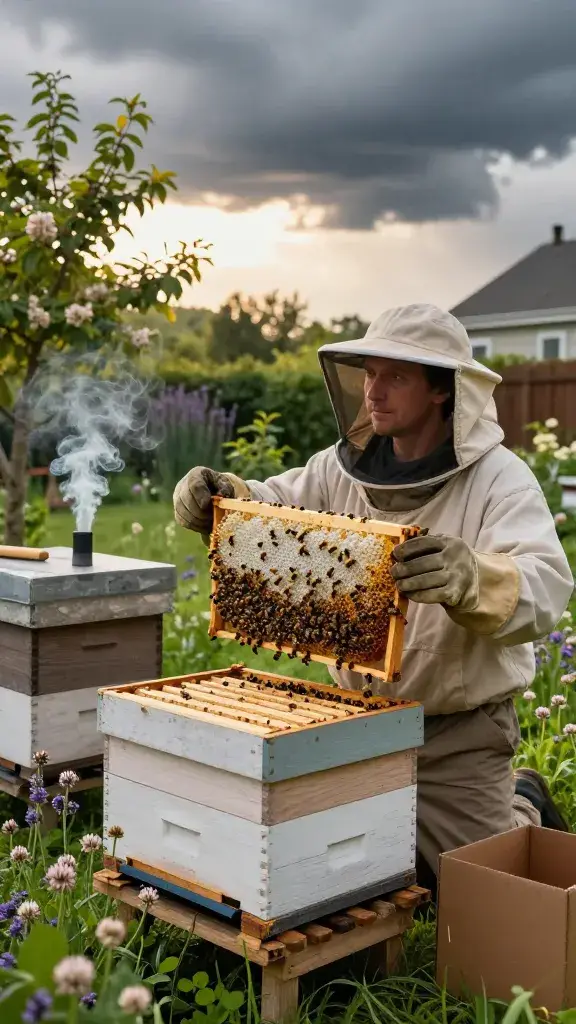
Hive decisions beat human schedules every time. Weather swings, surprise flows, and queen drama happen.
Stay Flexible
- Adjust inspections around weather and bloom
- Keep spare equipment ready for sudden growth
- Re-queen or split when the bees say so
Adaptability makes you a beekeeper, not just a bee owner. Seriously, it’s the whole game.
16. Records Turn You From Lucky To Skilled
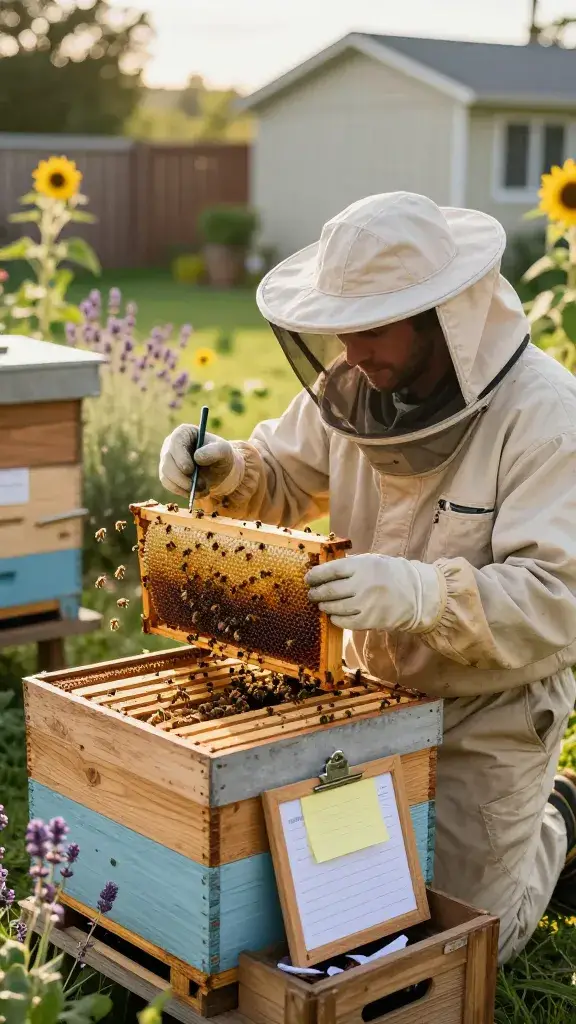
Your memory will betray you. Short notes build long-term instincts.
What To Track
- Date, weather, nectar flow notes
- Queen status, brood pattern, temperament
- Mite counts and treatments
- Honey supers added/removed
Good records turn chaos into patterns—and patterns into better decisions next season.
17. Plant For The Bees You Keep
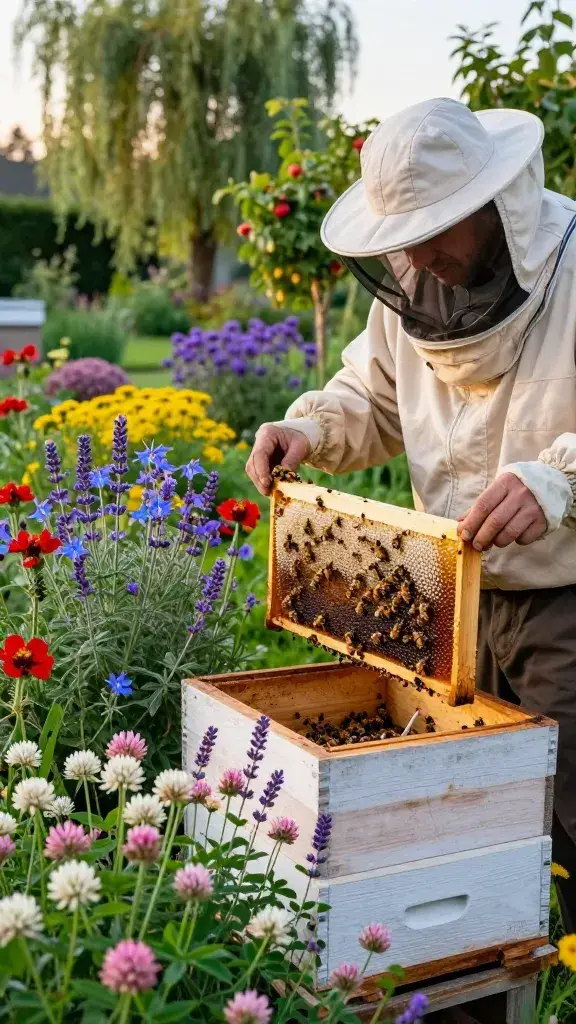
Forage in your yard matters. Plant nectar and pollen sources and your bees will thank you with fat frames and calm vibes.
Bee-Friendly MVPs
- Spring: willow, maple, fruit trees
- Summer: clover, bee balm, lavender, borage
- Fall: goldenrod, asters, sedum
More forage means healthier colonies and less feeding. Your garden becomes a buffet instead of a desert.
18. Safety, Neighbors, And Local Rules Matter
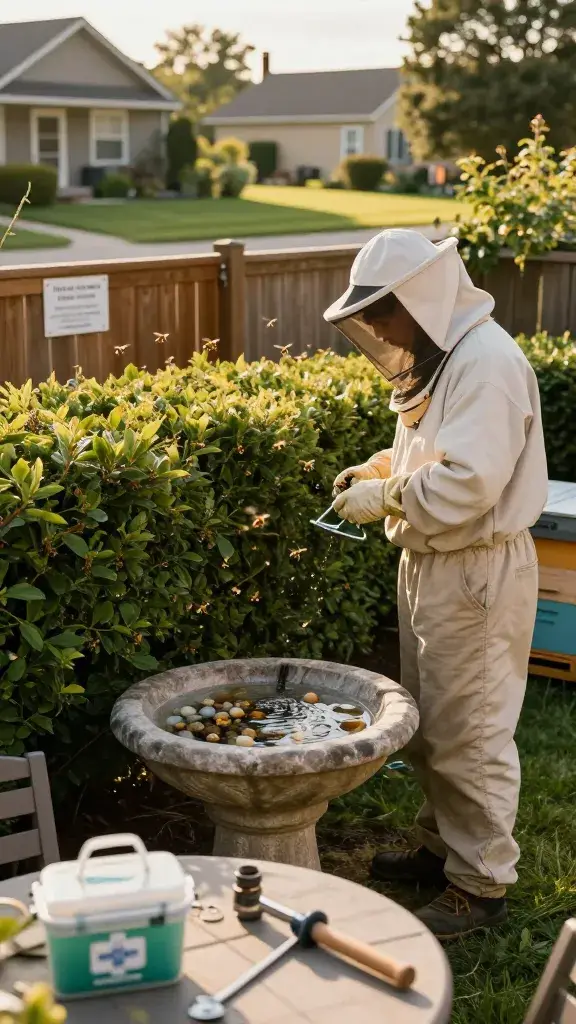
Keep peace with people while you keep bees. A little planning prevents a lot of drama.
Smart Moves
- Check local ordinances and register if required
- Use fences or hedges to raise bee flight paths
- Provide water so they skip the neighbor’s birdbath
- Keep an EpiPen handy if you or family have allergies
Respect goes both ways. Thoughtful setup keeps everyone happy—and your hives welcome.
You’ve got this. With these 18 facts, you’ll skip rookie mistakes, impress your bee club, and actually enjoy the hum in your yard. Suit up, light the smoker, and go make some sweet backyard magic.
Share this content: