Stop Bee Bailouts 13 Reasons Bees Leave the Hive and What You Can Do
Bees don’t bail for no reason—they’re sending you signals. Catch those early and you’ll save your colony, your honey harvest, and your sanity. We’re diving into the exact reasons bees peace out and the easy, practical fixes you can use today. Ready to keep more bees where they belong?
1. Swarm Fever: The Colony’s Natural Expansion Plan
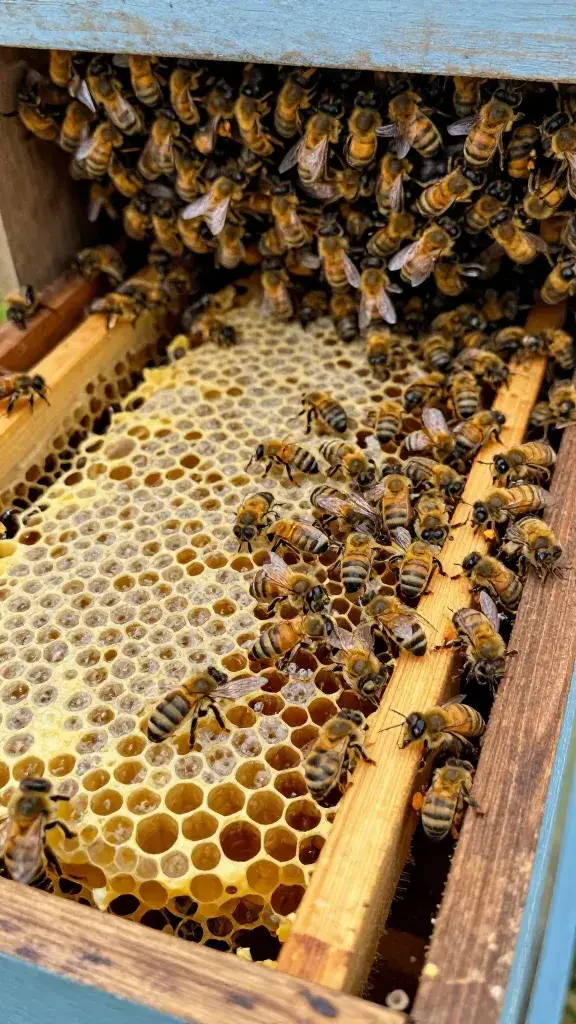
When a hive thrives, it grows fast—sometimes too fast. The queen runs out of laying space, nurse bees feel overcrowded, and boom: swarm cells appear. Swarming isn’t failure; it’s reproduction for superorganisms.
What To Watch For
- Queen cups along frame bottoms turning into charged swarm cells
- Bees hanging in a bearded clump at the entrance
- Backfilling brood nest with nectar
Split before they split themselves. Create a controlled split with the old queen and a few brood frames, or add more drawn comb to open the brood nest. You’ll keep your workforce and still grow your apiary—win-win.
2. Queen Problems: Missing, Failing, Or Just Meh
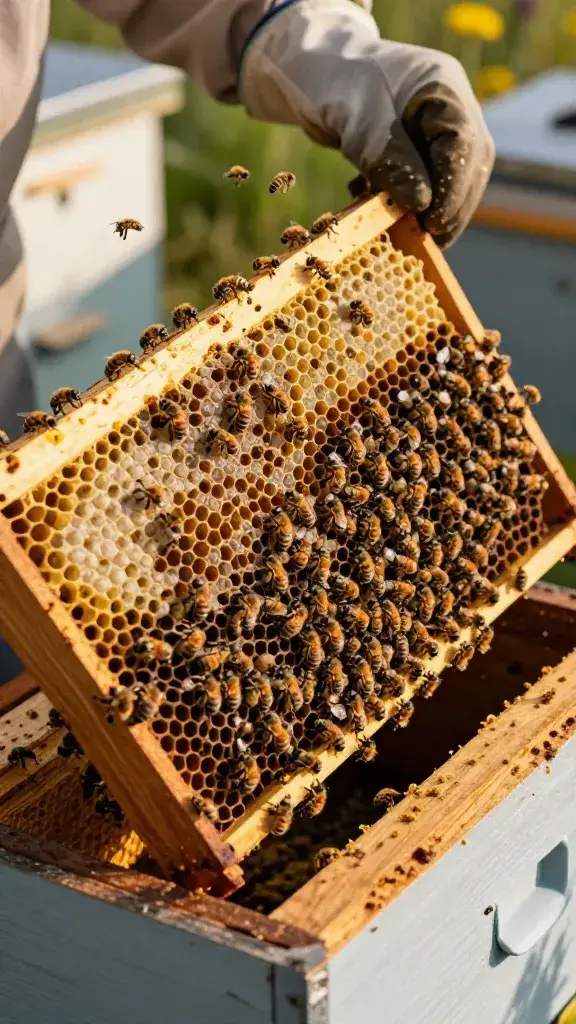
A weak or lost queen can send bees searching for greener pastures. If she lays spotty brood or dies during a mating flight, the colony loses cohesion fast. Bees may drift or abscond entirely if instability drags on.
Quick Fixes
- Check for solid brood patterns and fresh eggs
- If queenless, introduce a mated queen or a frame with eggs to let them raise one
- Reduce hive volume with follower boards to help a small population regulate temperature
Healthy queens glue a colony together. Solve queen issues early and the hive settles down nicely.
3. Overheating: When The Hive Turns Into A Sauna
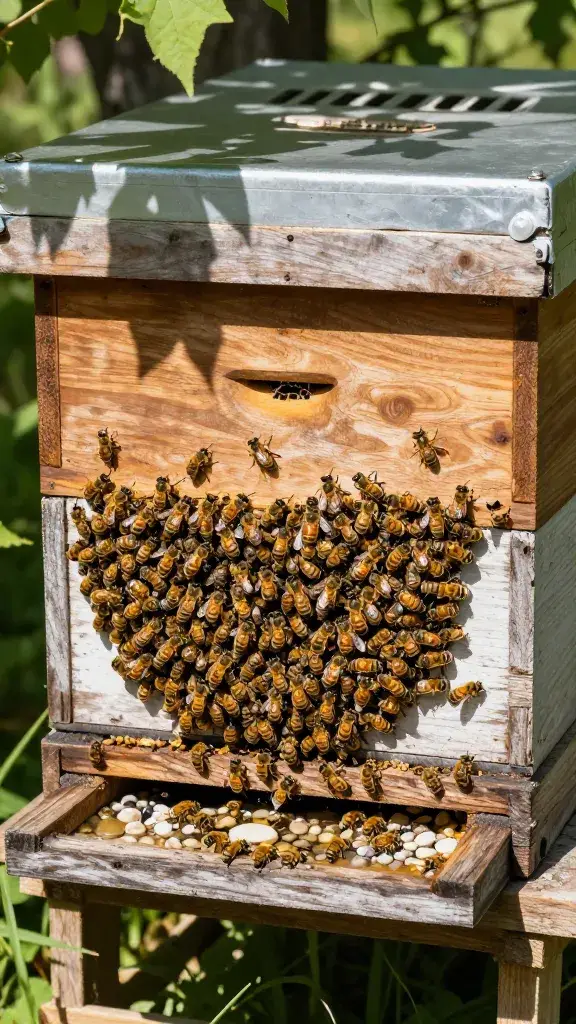
Bees regulate temperature like HVAC pros, but even they have limits. Hot boxes with poor ventilation push bees to beard outside or leave entirely. Hot, crowded hives also trigger swarming urges.
Cooling Options
- Shift the hive into partial shade during peak afternoon heat
- Add a vented inner cover or a small upper entrance
- Use a slatted rack to give bees space below the brood nest
- Provide a shallow water source nearby
Keep them cool and you keep them home. Simple airflow tweaks work wonders.
4. Starvation Risk: Not Enough Nectar Or Stored Honey
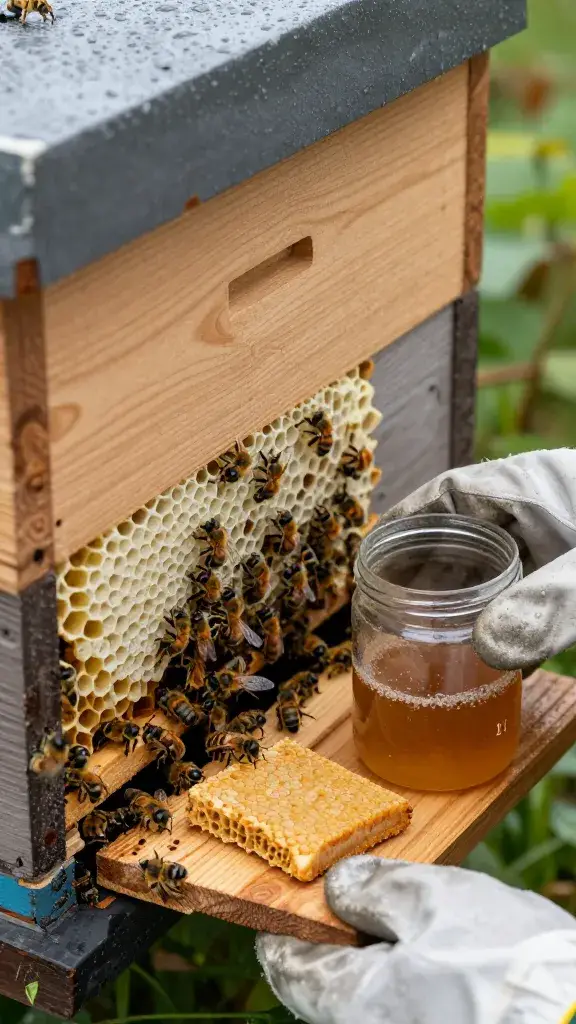
Bees bolt when they face empty cupboards. A dearth, new packages on bare foundation, or relentless rain can drain food reserves fast. Hungry bees make desperate choices.
Feed Smart
- Check weight by tilting the back of the hive
- Use 1:1 syrup for build-up, 2:1 for fall stores
- Provide pollen substitute if natural pollen is scarce
Keep resources flowing and bees will happily stay put, build comb, and raise brood.
5. Pest Pressure: Varroa, Small Hive Beetles, And Wax Moths
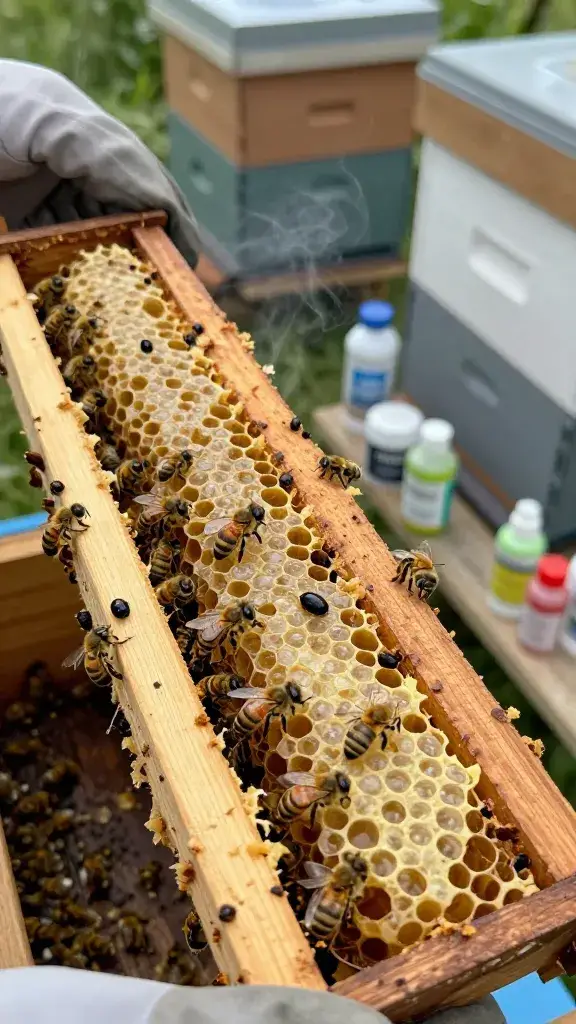
High varroa loads stress colonies and spread viruses. Small hive beetles slime comb, and weak hives get wrecked by wax moths. Under siege, some colonies abscond to escape the mess.
Action Plan
- Monitor varroa with alcohol washes or sugar rolls
- Treat with timely, label-appropriate methods (oxalic, formic, thymol, etc.)
- Keep hives strong and crowded relative to space to deter SHB and moths
- Freeze infested frames to kill larvae and eggs
Stay ahead of pests and your bees won’t feel the need to skip town, seriously.
6. Sick House Syndrome: Contaminated Or Funky Equipment
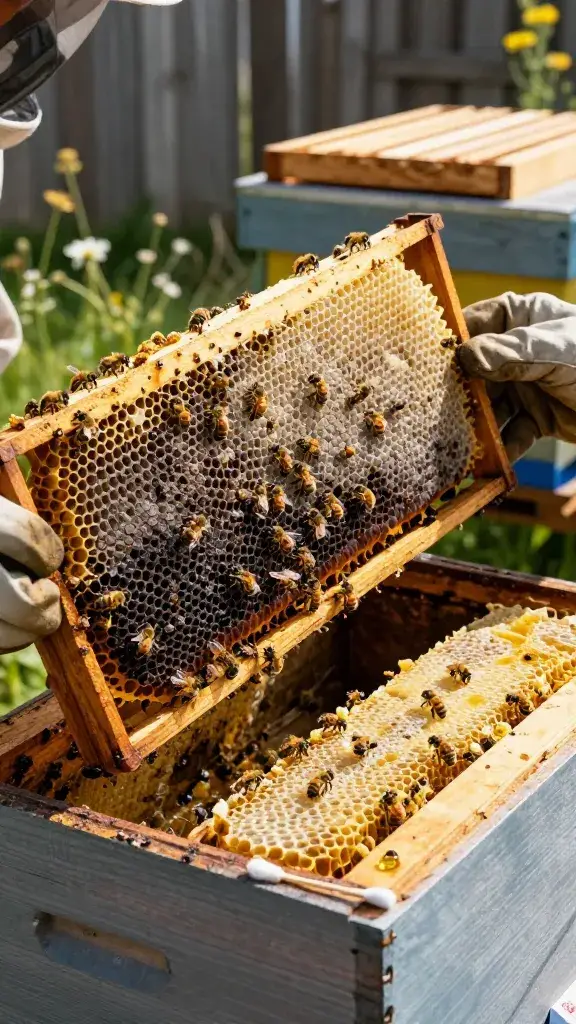
Some boxes just smell wrong to bees. Old pesticide-laden comb, rancid wax, moldy frames, or lingering disease odors can push colonies to leave. Bees love clean, lightly used gear.
Make It Inviting
- Cycle out dark, old comb every 3–5 years
- Scrape and scorch propolis-heavy boxes
- Air out equipment in sunlight—UV helps sanitize
- Use a smidge of lemongrass oil as an attractant (don’t overdo it)
Freshen the real estate and bees will commit. Think of it as staging a home, but with propolis.
7. Space Squeeze: Nowhere To Build, Store, Or Roam
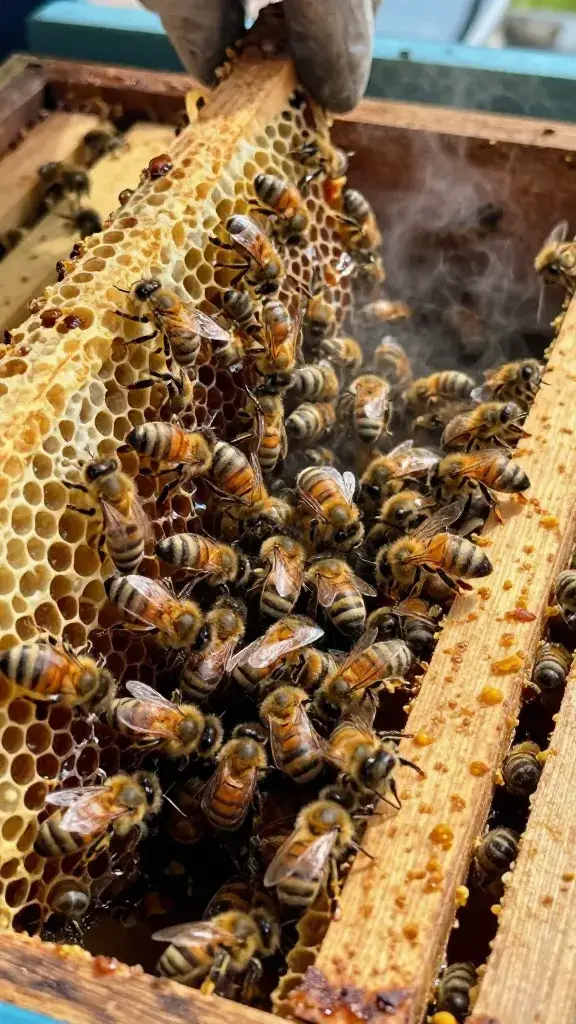
When nectar pours in and every cell gets plugged, the queen can’t lay. Crowded brood nests scream “time to swarm.” Even in dearths, tight quarters make temp control tough.
Open The Brood Nest
- Add drawn comb adjacent to brood frames
- Super early during flows—don’t wait for capped honey
- Rotate out frames that got backfilled with nectar
Give bees elbow room and you reduce swarming, improve brood production, and keep your workforce stable.
8. Robbing Chaos: Neighbors Steal, Residents Flee
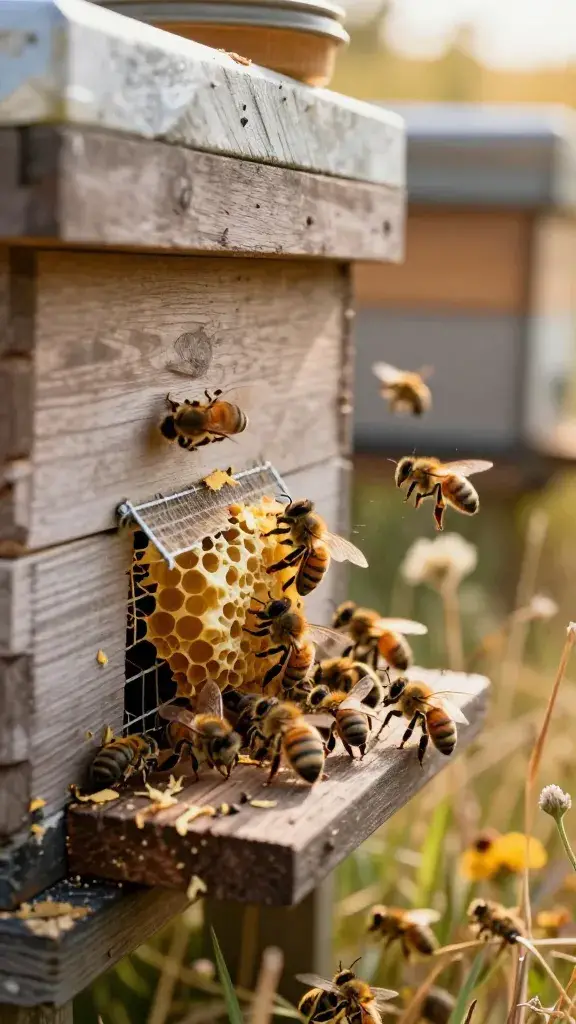
When stronger colonies rob a weaker one, the target hive spirals. Torn cappings, frantic flights, and dead bees pile up. That kind of stress can force a colony to abscond.
Clamp Down Fast
- Reduce entrances to one-bee width
- Use a robber screen
- Stop open feeding and clean spills
- Feed internally with jar or top feeders
Control access and you protect your stores—and your bees’ nerves. Robbing prevented equals absconding avoided.
9. Predator Drama: Skunks, Wasps, Ants, Or Bears
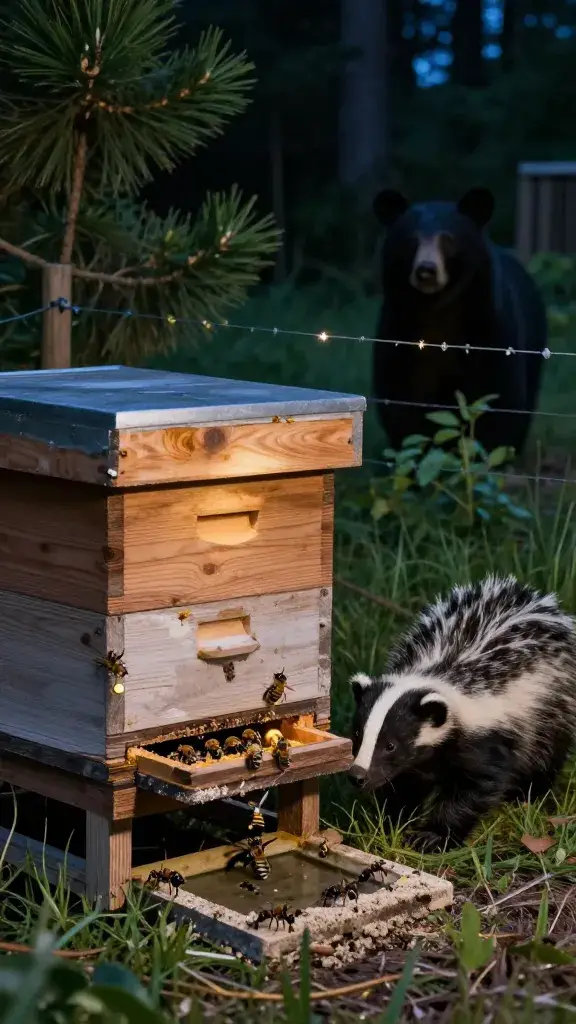
Nightly skunk raids, wasp harassment, or ant invasions can turn a hive into a war zone. Bears need no explanation. Constant attacks convince bees the neighborhood stinks.
Defensive Upgrades
- Raise hives 12–16 inches on stands to deter skunks
- Install electric fencing for bears
- Use moats or diatomaceous earth stands for ants
- Trap or reduce wasp nests nearby and keep entrances small
Cut the harassment and your bees chill out, regroup, and keep building.
10. Bad Real Estate: Wind, Damp, Or Constant Shade
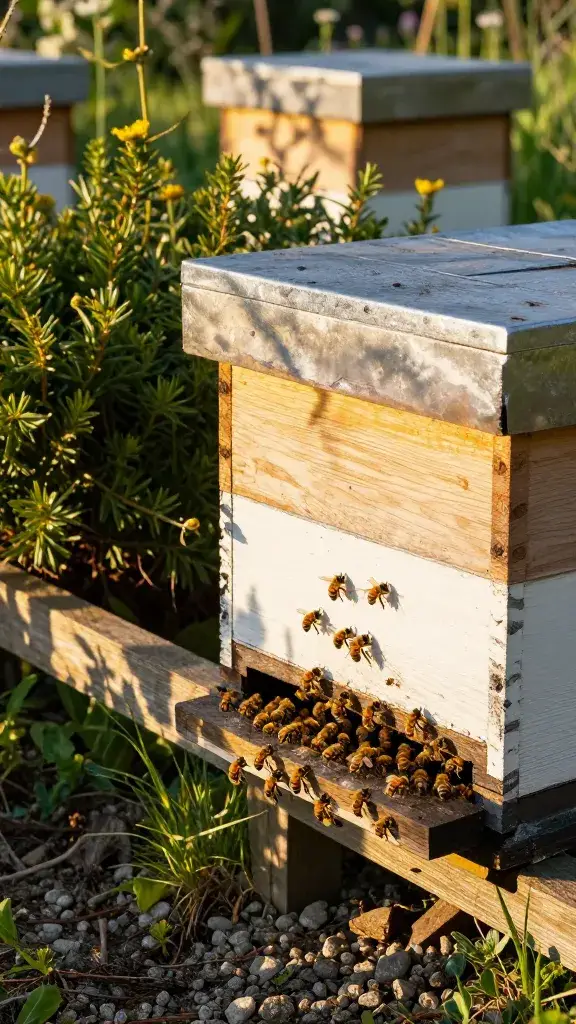
Bees want dry, stable, sunny homes with morning light and afternoon relief. Constant shade keeps hives clammy and moldy. Wind tunnels blow away heat and scent cues.
Site Tweaks
- Face entrances to morning sun
- Use windbreaks like shrubs or fencing
- Ensure drainage and raise boxes off wet ground
- Level side-to-side for straight comb; tilt slightly forward for rain runoff
Dial in the location and bees settle. Good vibes start with good siting, IMO.
11. Human Nuisance: Too Much Tinkering, Smoke, Or Scent
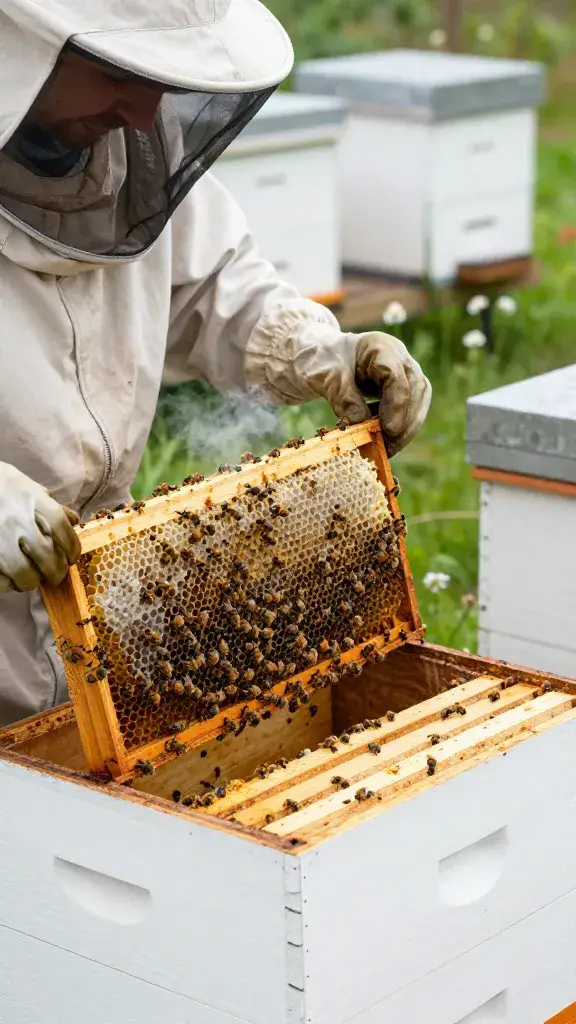
Constant inspections, heavy-handed smoke, or strong perfumes can stress colonies. Bees tolerate you—until they don’t. Overhandling brood in cool weather also chills them.
Handle Like A Pro
- Keep inspections purposeful and under 10 minutes when possible
- Use gentle puffs of smoke, not bonfires
- Avoid banana-scented products (mimics alarm pheromone)
- Reassemble hives snugly to avoid drafts
Low-drama beekeeping keeps colonies calm and rooted. Your future self will thank you.
12. Genetic Temperament: Some Bees Just Love To Wander
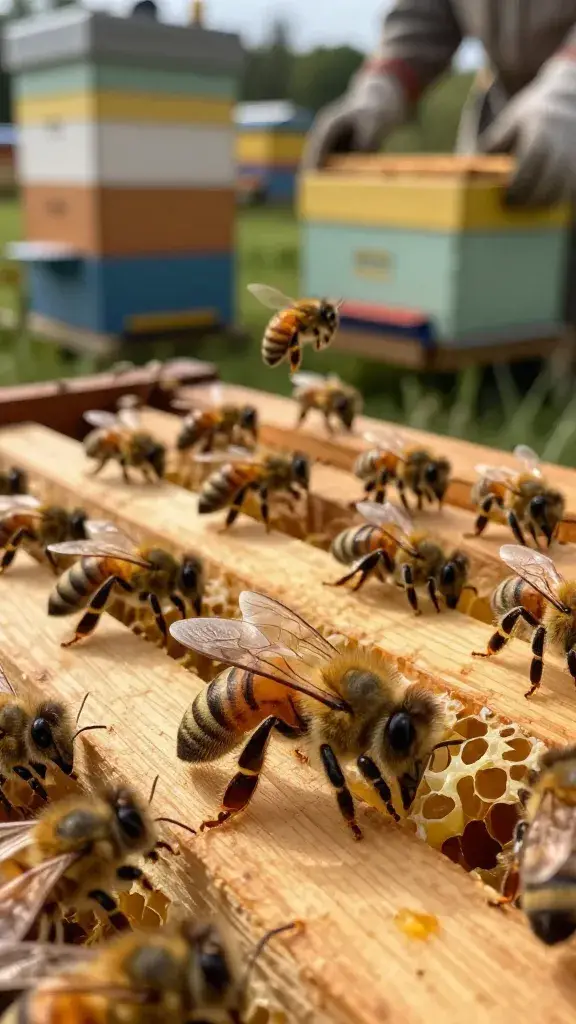
Different lineages swarm more or less. Some genetic stocks build fast and split often, even when conditions seem perfect. You can’t out-negotiate instinct—but you can plan around it.
Stack The Deck
- Choose queens bred for low-swarm tendencies and hygienic behavior
- Mark and track colonies that swarm repeatedly
- Use preemptive splits during heavy flows
Right genetics reduce drama. Breed from keepers, not quitters—simple as that.
13. Full-On Absconding: The Emergency Exit Scenario
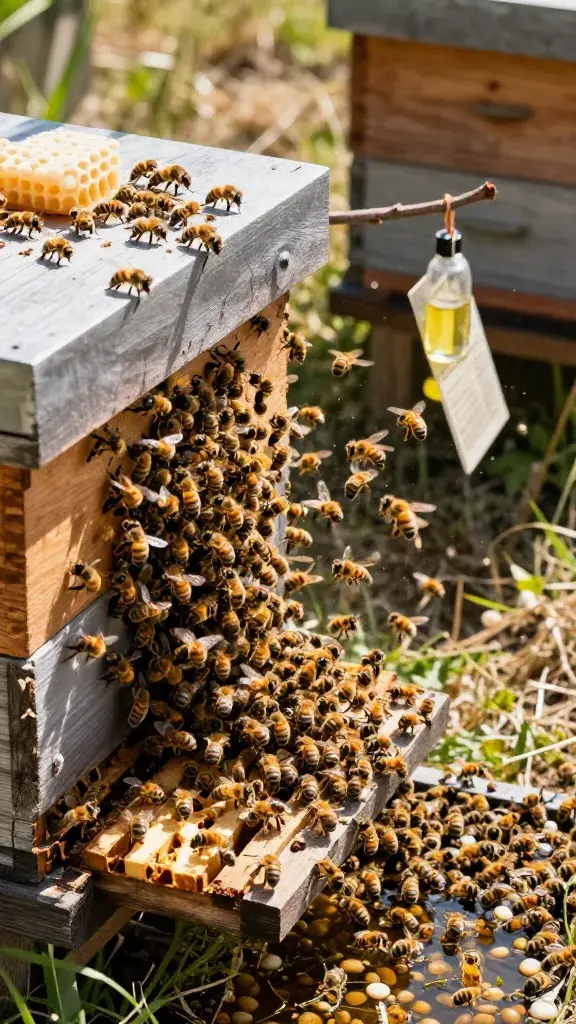
Absconding means the entire colony leaves, brood and all. It usually follows severe stress: overheating, pests, repeated disturbance, or a traumatic move. You’ll see frantic, swirling flight and then… silence.
Prevention And Triage
- Avoid installing packages into overheated or exposed equipment
- Provide immediate feed and water for new colonies
- Secure comb and reduce space to what bees can cover
- If they leave, set up a swarm trap nearby with a drop of lemongrass oil
Prevent the meltdown and you keep your season on track. If they go, catch them fast and start fresh.
1. Nectar Flow Whiplash: From Buffet To Famine Overnight
Rapid shifts from heavy flow to dearth can confuse colonies. They expand brood like crazy, then slam into empty fields. Stress rises, and some foragers drift or disappear.
Your Move
- Track local blooms and seasonal flows
- Super early, then remove extras when bloom ends
- Bridge gaps with light feeding to stabilize brood rearing
Stay one step ahead of the calendar and bees ride the waves without bailing.
2. Drift And Orientation Issues: Bees Join The Wrong Club
In dense apiaries, bees can drift to neighboring hives by accident. Stronger hives get stronger, weaker ones get weaker, and the underdogs sometimes collapse. From your perspective, that looks like bees “leaving.”
Reduce Drift
- Stagger stands and offset entrances
- Paint unique patterns or colors on boxes
- Rotate entrance directions so hives don’t all face the same way
Help bees find home and you keep populations balanced and stable.
3. Transport Trauma: Moves That Rattle The Colony
Moving hives without planning can overheat, suffocate, or disorient bees. They may pour out at the new site and never truly settle. Stress a colony hard enough and they’ll choose a fresh cavity.
Move Right
- Transport at night when foragers are home
- Use ventilated screens and ratchet straps
- Place at the new site, level, and open entrances at dawn
- Offer water immediately and reduce entrances for a few days
Gentle moves keep morale high. Treat them like precious cargo—because they are.
4. Scent Confusion: Too Many Lures, Too Close
Swarm traps baited with lemongrass oil or old brood comb can out-compete your actual hive if placed nearby. Bees chase the stronger lure, then you wonder where everyone went. Oops.
Smart Lure Use
- Keep swarm traps 50–300 yards from your apiary
- Use attractants sparingly around active hives
- Remove or close traps once your colonies establish
Control the scent landscape and you control where bees stay. Easy fix, big payoff.
5. Chronic Vibration Or Noise: Annoyance Level: Max
Constant mechanical vibration from HVAC units, generators, or traffic can irritate colonies. Bees rely on low-vibration comb to communicate. Shake their floorboards and they’ll look for peace and quiet.
Quiet The Zone
- Relocate hives away from heavy equipment
- Use rubber pads under stands
- Plant a living soundbreak like shrubs or bamboo
Less shake, fewer headaches. Your bees will thank you with steady brood and calm temperament.
6. Chronic Moisture: Drips, Mold, And Gloom
Wet hives chill brood, breed mold, and wreck comb. Bees can’t dry nectar or regulate temps when condensation rains inside. Many will simply move out.
Dry It Out
- Ensure top ventilation and a slight forward tilt
- Use insulated or moisture-absorbing inner covers in cold climates
- Fix leaky lids and warped boxes
Dry bees are happy bees. Honey cures better and brood thrives.
7. Overmedicating Or Chemical Overload
Even approved treatments can stress bees if misused. Stack chemical residues with agricultural sprays and you create a toxic vibe. The colony may dwindle or bounce.
Clean Management
- Rotate treatments and follow labels to the letter
- Pull treatments during nectar flows unless allowed
- Use integrated pest management to reduce chemical reliance
Keep residues low and bees stay focused on what matters: foraging, not fleeing.
8. Brood Nest Disruption: Constant Rearranging
Shuffling brood frames every visit breaks pheromone patterns and heat balance. Bees need stability to keep brood warm and fed. Overdisruption can push them to look for calmer digs.
Hands-Off Policy
- Only rearrange to relieve congestion or fix cross-comb
- Keep brood frames together and centered
- Work quickly, then close up
Respect the nursery and the colony returns the favor with growth and loyalty.
9. Queen Excluder Misuse: Honey Bound Brood Nest
An excluder without drawn comb above it can bottleneck nectar below. Bees plug the brood area, the queen loses space, and swarming follows. People call it a “honey excluder” for a reason.
Use Excluders Wisely
- Place excluders only once supers have drawn comb
- Checkerboard drawn frames to entice bees up
- Monitor for backfilling and adjust fast
Give them a path upward and the queen keeps laying right where you want her.
10. Late-Season Weakness: Winter Panic
Small, underfed colonies in fall sometimes drift or merge with neighbors. They sense they can’t overwinter. You’ll see population drop as they “vote with their wings.”
Autumn Rescue
- Combine weak colonies using the newspaper method
- Feed heavy syrup and add a feeder rim
- Reduce space and improve insulation
Stronger clusters survive winter—and they won’t abandon ship when cold bites.
11. Poor Comb Foundation: Nothing To Build On
New packages dumped on bare plastic without wax coating often hesitate. No comb equals no brood equals no anchor. Some colonies decide to seek a better cavity.
Kickstart Comb
- Use wax-dipped foundation or smear extra wax on plastic
- Start with at least a couple frames of drawn comb
- Feed 1:1 syrup to fuel wax production
Once they draw comb, they commit. That first week matters a lot, FYI.
12. Wrong Box Size For The Population
Too much empty space feels drafty and dangerous. Too little space crowds bees and heats them up. Both extremes make leaving seem logical.
Right-Size The Cavity
- Match box count to bee coverage on frames
- Use follower boards to reduce volume
- Expand only when 70–80% of frames are worked
Comfort equals commitment. Size the house to the family and they’ll stay.
13. Fire, Smoke, Or Environmental Disaster
Wildfire smoke, pesticide drift, or extreme storms can drive bees out. Toxic air crushes foraging and orientation. Colonies sometimes evacuate to survive.
Emergency Steps
- Close entrances with screening during spray events
- Provide clean water and supplemental feed
- Relocate if conditions persist and notify neighbors/farmers about spray schedules
Protect them during crises and they rebound faster afterward. Prepared beekeepers save hives and honey crops.
You don’t need magic to keep bees from bailing—just timing, observation, and a little empathy for their tiny superorganism brains. Tackle the root cause, make a few strategic tweaks, and you’ll keep your bees thriving at home. Go suit up and turn those flight risks into honey-making legends!
Share this content: