Survive Spring: 15 Problems Beekeepers Face in Spring and How to Fix Them
Spring can feel like bee season on hard mode. Colonies explode, weather yo-yos, and your to-do list breeds faster than drones. The good news? Most spring headaches have simple, proven fixes. Let’s nip the chaos now so your hives crush nectar flows later.
1. Winter Starvation Hangover
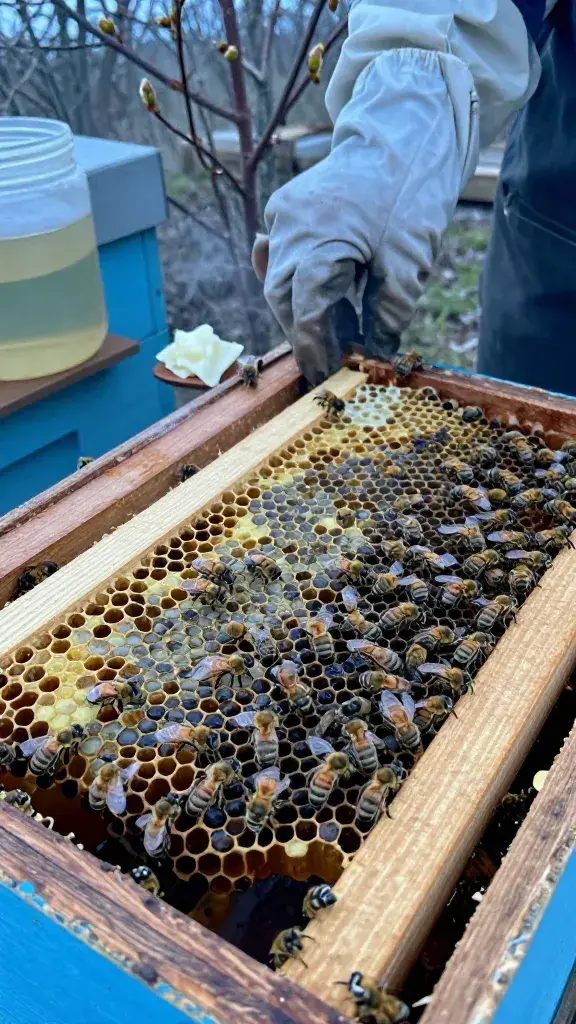
Bees limp into spring with low stores and big appetites. Cold snaps trap them inside right when brood rearing spikes. Result: a colony that looks fine on Monday can crash by Friday.
What To Do
- Assess stores fast: Pop the lid, lift a frame—see honey or just shiny empties?
- Feed light syrup (1:1) when daytime temps hit 55°F/13°C+ and bees can fly.
- Use fondant or dry sugar during cold snaps—no chilling from wet syrup.
Stabilize calories now and you’ll protect brood growth and spring build-up.
2. Queenless After Winter
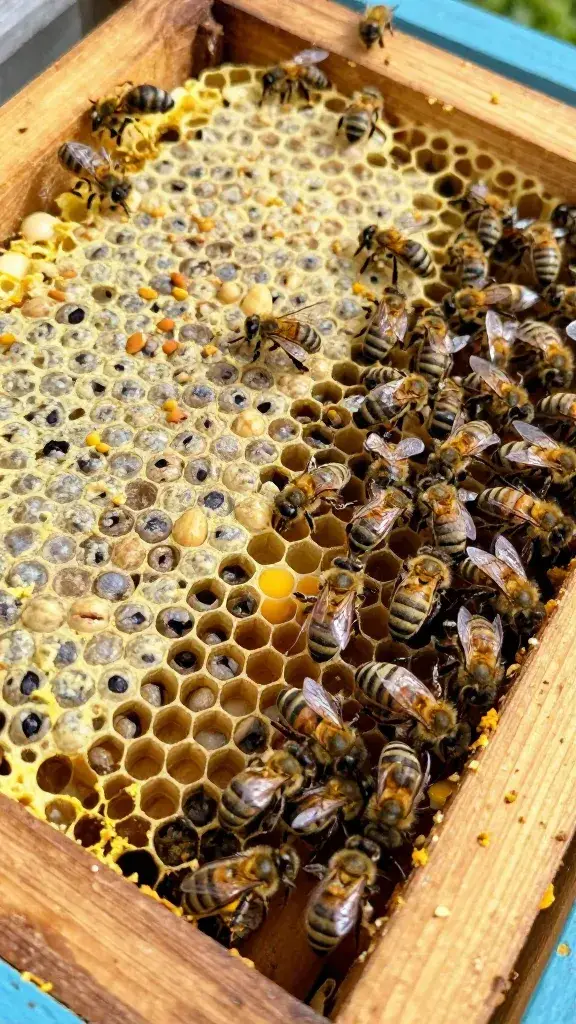
A queen can fail late winter, leaving scattered brood and cranky bees. You’ll see drone layers or zero eggs right when you need population growth.
Quick Diagnostics
- No eggs or young larvae for 7+ days
- Roaring sound, disorganized vibe, laying workers (multiple eggs per cell)
- Spotty brood pattern
Give them a test frame of eggs from a healthy colony. They’ll start queen cells if they’re queenless. If they don’t, you likely have a poor queen—requeen ASAP for a fast spring rebound.
3. Explosive Swarm Urge
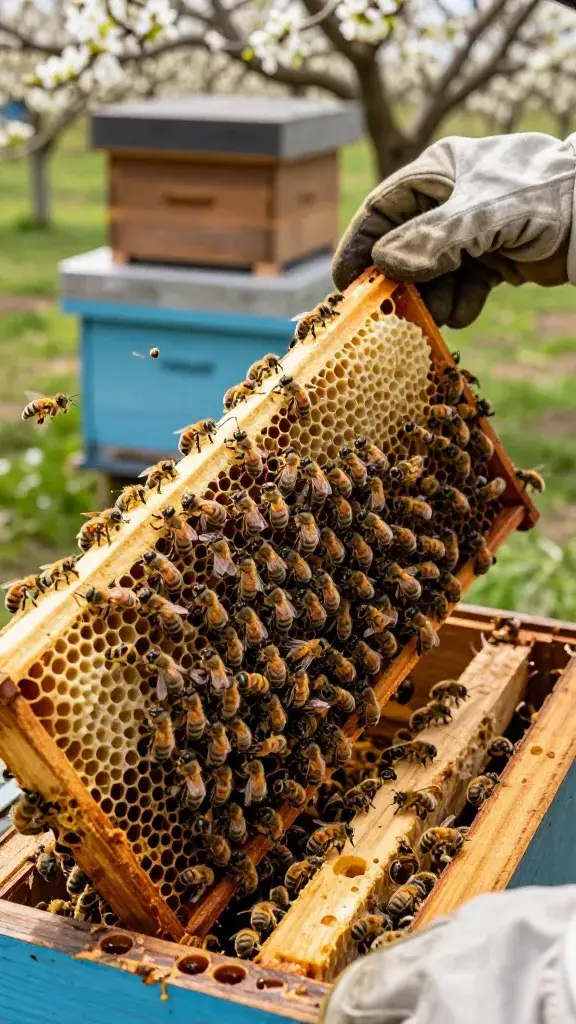
Spring nectar + crowded brood nest = bees plotting a jailbreak. Swarms feel dramatic, but they kneecap your honey crop and colony strength.
Prevention Moves
- Add supers early to relieve congestion
- Rotate or remove honey-bound frames blocking the brood nest
- Perform splits once drones fly—equalize resources, give space
Manage space and you’ll channel that swarm energy into drawn comb and honey instead.
4. Chilled Brood From Spring Cold Snaps
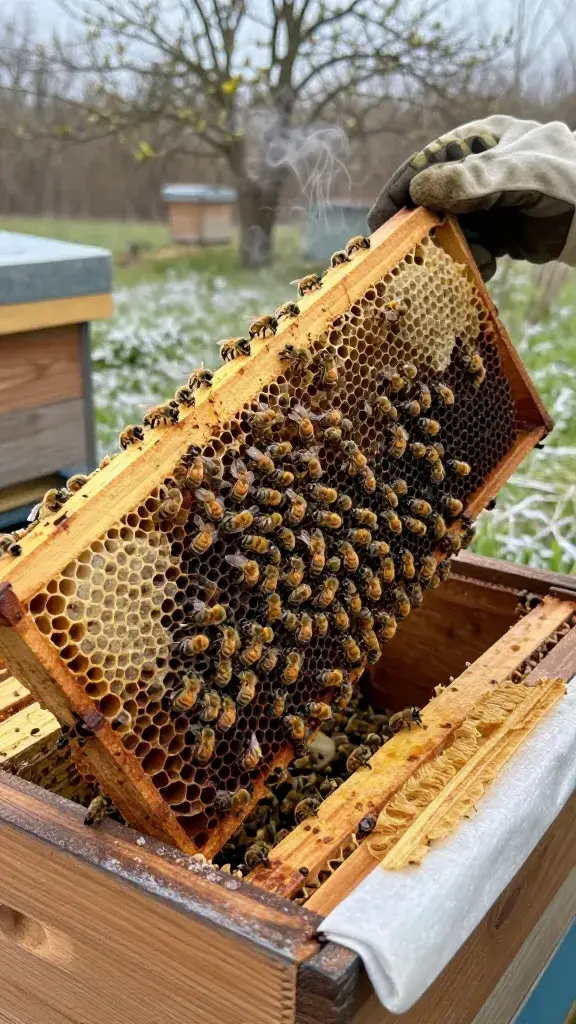
Warm day, you expand the brood nest. Then a cold front slaps you. Now you’ve got chilled brood and a set-back colony.
Protect The Cluster
- Avoid over-inspecting on cold, windy days
- Keep brood tight: don’t spread brood frames too far apart
- Use insulation boards or a pillow over the inner cover if temps swing
Keep the nursery warm and you’ll save pupae and momentum, especially during fickle springs.
5. Honey-Bound Brood Nest
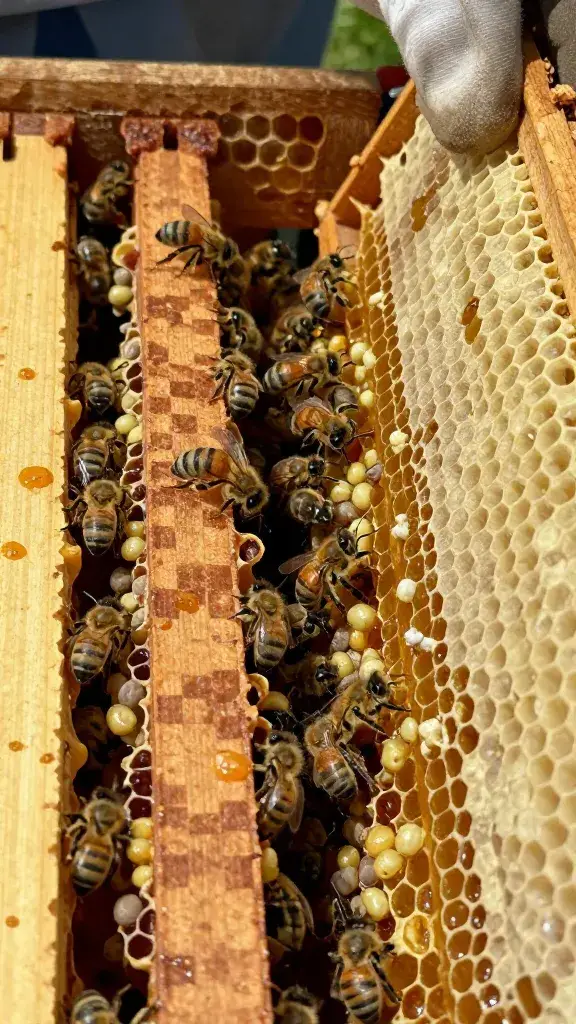
Bees stuff nectar everywhere, including the brood chamber. The queen runs out of laying space and the colony hits the brakes.
Fix The Traffic Jam
- Checkerboard frames of empty drawn comb between nectar-heavy frames
- Move capped honey up into supers
- Add fresh frames with foundation or drawn comb right above/beside brood
Open laying space and watch the queen lay like she means it. More bees = bigger spring flows.
6. Varroa Bounce-Back
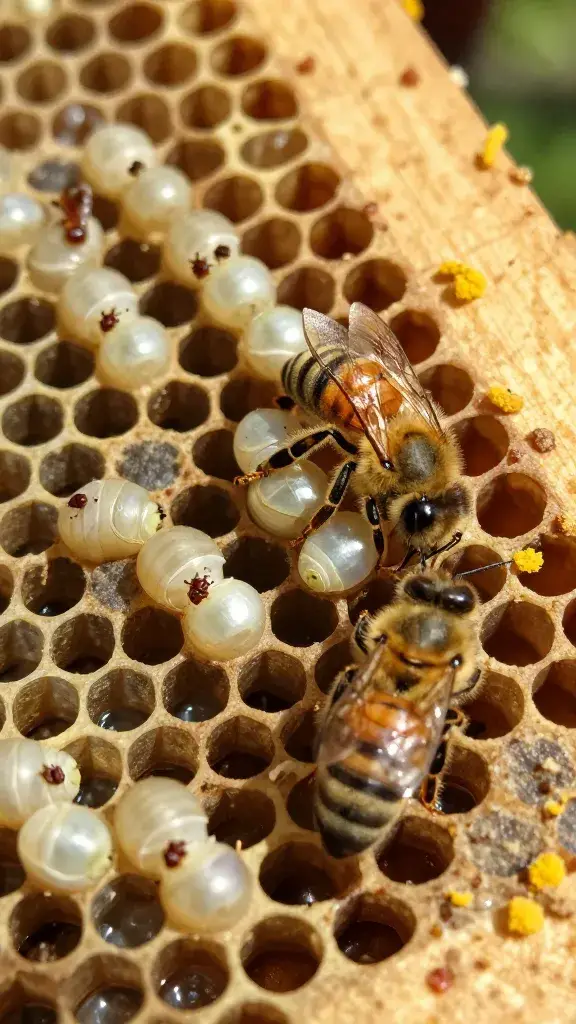
Winter might hide mites, but spring brood gives Varroa a nursery. Mite loads can skyrocket quietly while bees look busy and fine—until they aren’t.
Control Plan
- Monitor with alcohol wash or sugar roll—data or it didn’t happen
- Treat early with appropriate options (e.g., oxalic acid during brood breaks, formic or thymol with caution)
- Rotate treatments to avoid resistance
Keep spring mites low and you’ll dodge viral blowups right before the main flow. FYI: guesswork isn’t a plan.
7. Nosema And Dysentery Drama
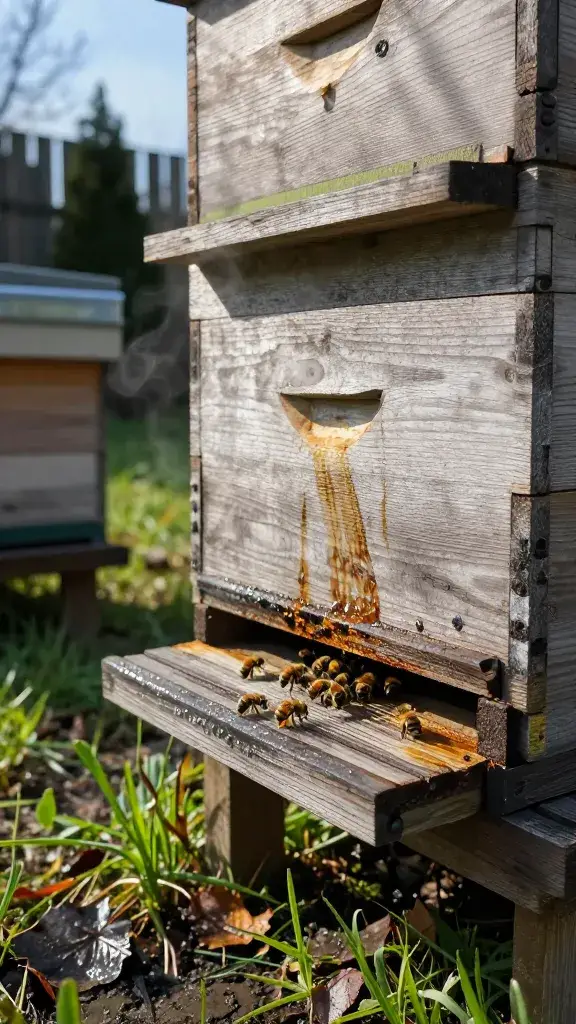
Streaks on the front of the hive? Bees pooping on frames? That’s stress talking. Nosema flares when damp, chilly weather traps bees inside.
Reduce Stressors
- Improve ventilation and reduce excess moisture
- Ensure cleansing flights by placing hives in sunny, wind-sheltered spots
- Keep feed clean and avoid contamination
Clean conditions and flight time help colonies rebound fast, no theatrics needed.
8. Queen Laying Like It’s January
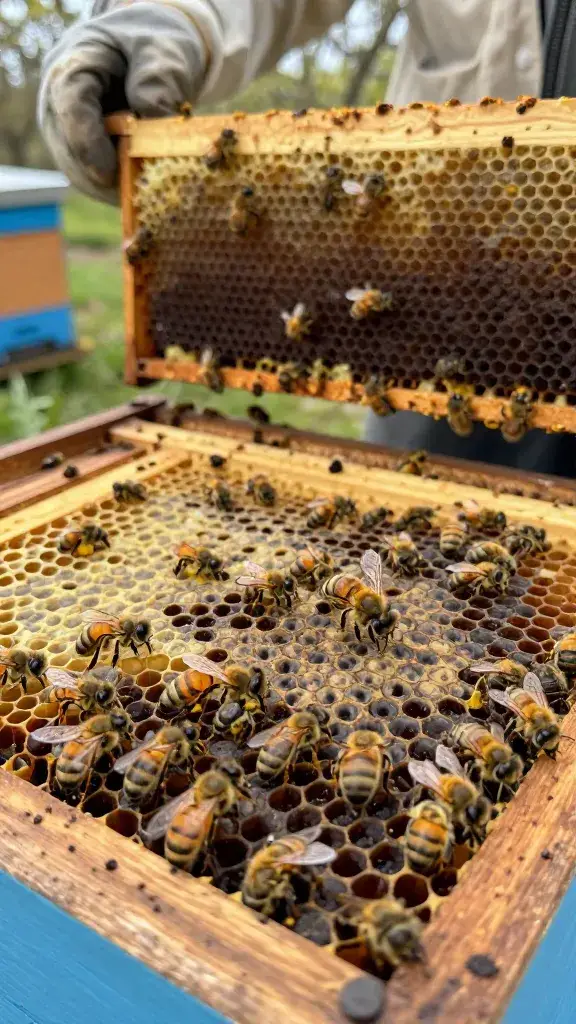
Some queens just lag. Spotty pattern, slow expansion, or weak vigor means you’ll miss early flows.
Upgrade Strategy
- Evaluate pattern over two inspections—not just a bad day
- Boost with a brood frame from a strong hive while you decide
- Requeen with proven genetics for spring build-up
Strong queens pay dividends all season. Waiting rarely fixes a dud queen, IMO.
9. Comb Too Old, Too Funky
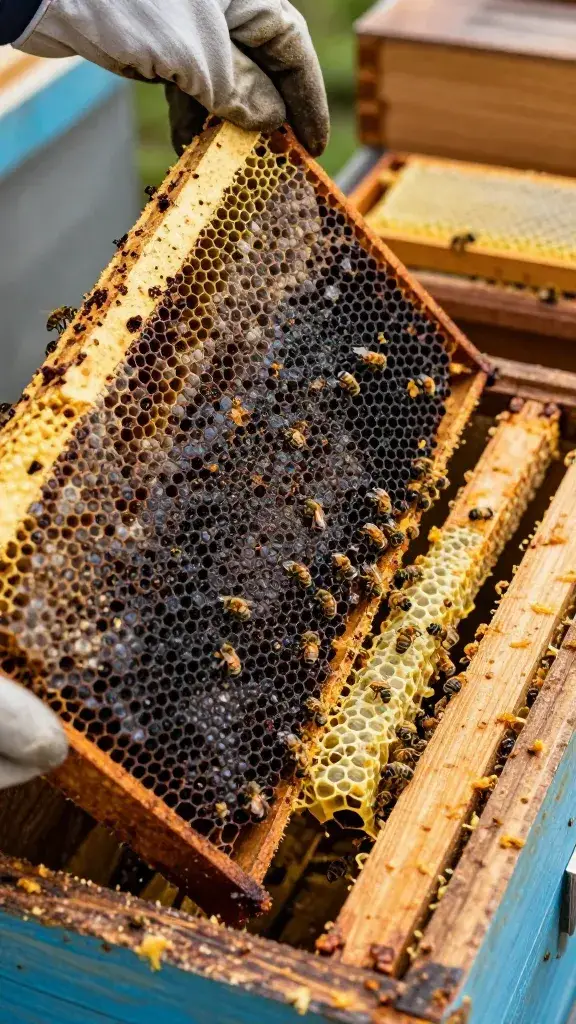
Black, heavy comb harbors pathogens, pesticides, and mites. Queens avoid it and brood health suffers.
Refresh The Real Estate
- Cycle out 20–30% of darkest frames each spring
- Place new foundation or drawn comb at the edge of brood nest
- Save good drawn comb for nectar flows—production gold
Fresh comb boosts brood viability and overall productivity. New season, new vibe.
10. Dearth Between Bloom Waves
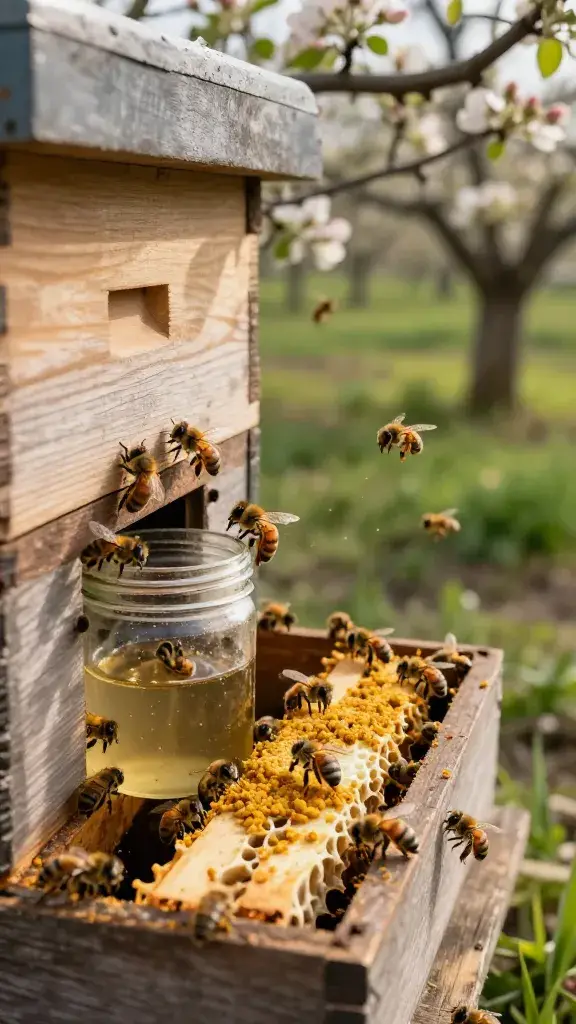
Apple blossom ends and… crickets. Bees burn energy rearing brood, but nectar dries up. That’s when colonies stall or get feisty.
Bridge The Gap
- Feed 1:1 syrup to simulate flow and keep wax builders busy
- Provide pollen patties if natural pollen drops
- Time splits right after strong bloom, not before a dearth
Keep momentum through the lull so you hit the next flow like a freight train.
11. Robbing And Chaotic Drift
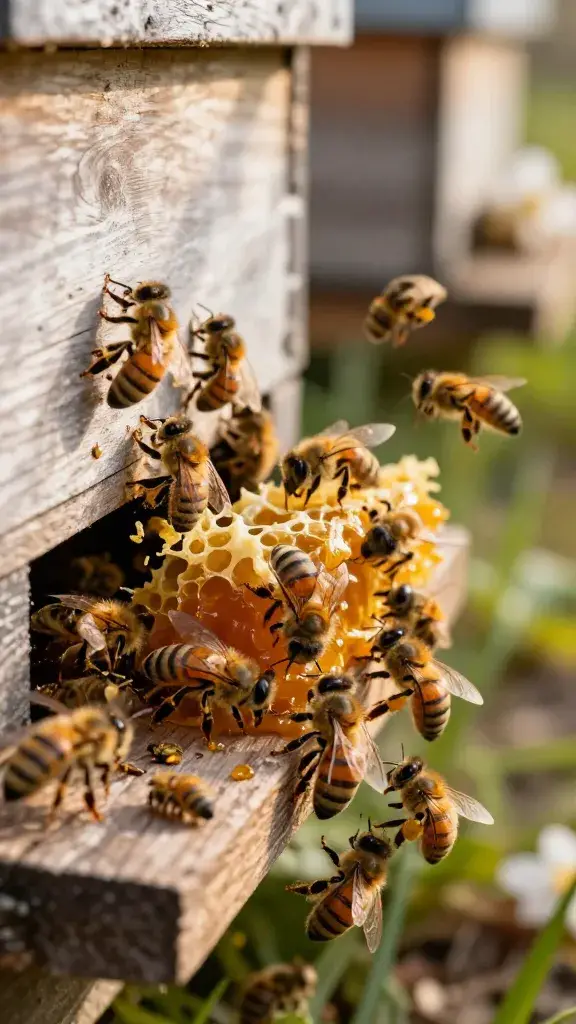
Spring scent trails plus hungry hives equals robbing frenzies. Once it starts, it’s a mess—fights, ripped comb, and spread of disease.
Shut It Down
- Use reduced entrances on weak colonies
- Stop open feeding during pressure
- Work sticky frames late day and seal them up quickly
Prevent robbing and your weaker colonies actually get a chance to recover.
12. Moisture And Mold Mayhem
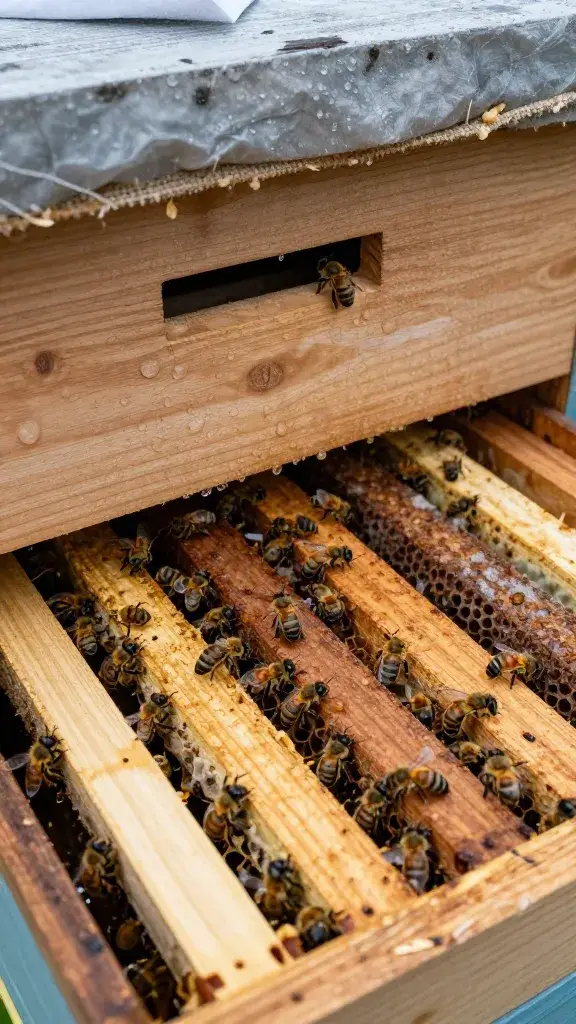
Spring condensation rains on the cluster. Wet frames grow mold, and brood chills easier. Bees hate a damp bedroom, same as us.
Dry The House
- Use an upper vent or notch in the inner cover
- Add a moisture quilt or absorbent pillow above the cluster
- Tip hives slightly forward so water drains
Dry hives rear healthier brood and stay cleaner. Simple tweaks, big gains.
13. Pests: Small Hive Beetles And Ants
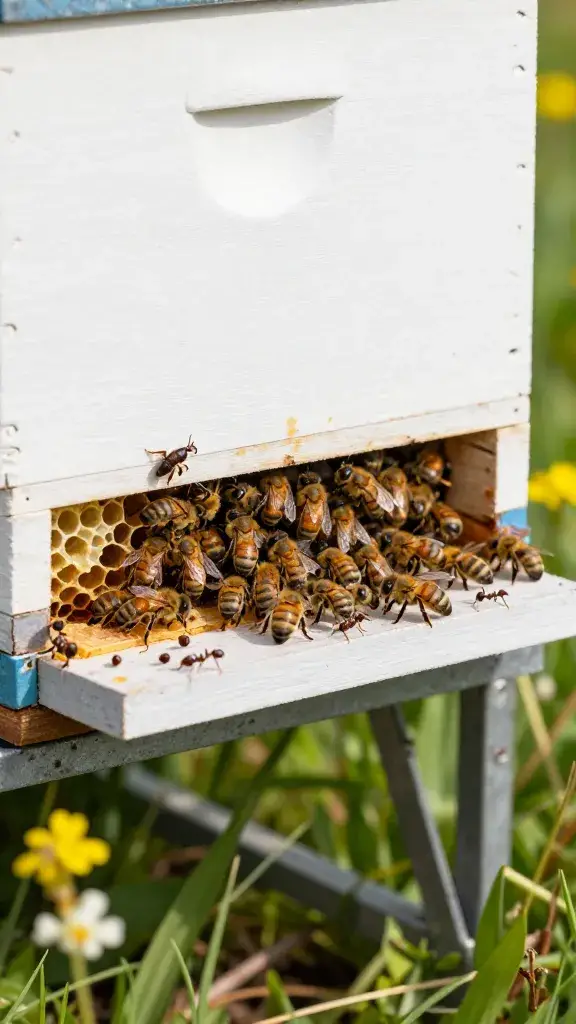
Warmth brings freeloaders. Beetles slime comb, ants steal feed, and both stress bees when they need focus.
Control Tactics
- Keep strong populations and avoid excess empty space
- Use beetle traps between frames; clean debris from the floor
- Elevate stands and apply ant barriers to legs
Lower pest pressure means bees channel energy into brood and nectar, not turf wars.
14. Spray Drift And Toxic Blooms
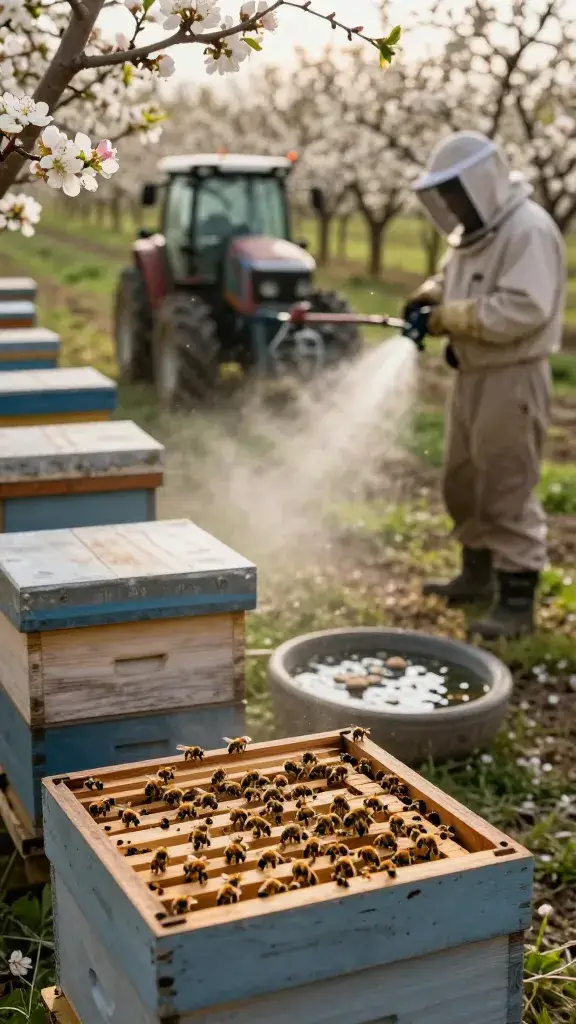
Spring agriculture means sprays and treated blossoms. One bad drift event can nail foragers and devastate brood.
Reduce Exposure
- Network with growers for spray schedules; request evening applications
- Provide water sources so bees don’t hit contaminated puddles
- Close entrances briefly during known spray windows if necessary
Proactive communication saves bees and avoids those heartbreaking piles at the landing board, seriously.
15. New Beekeeper Over-Helping Syndrome
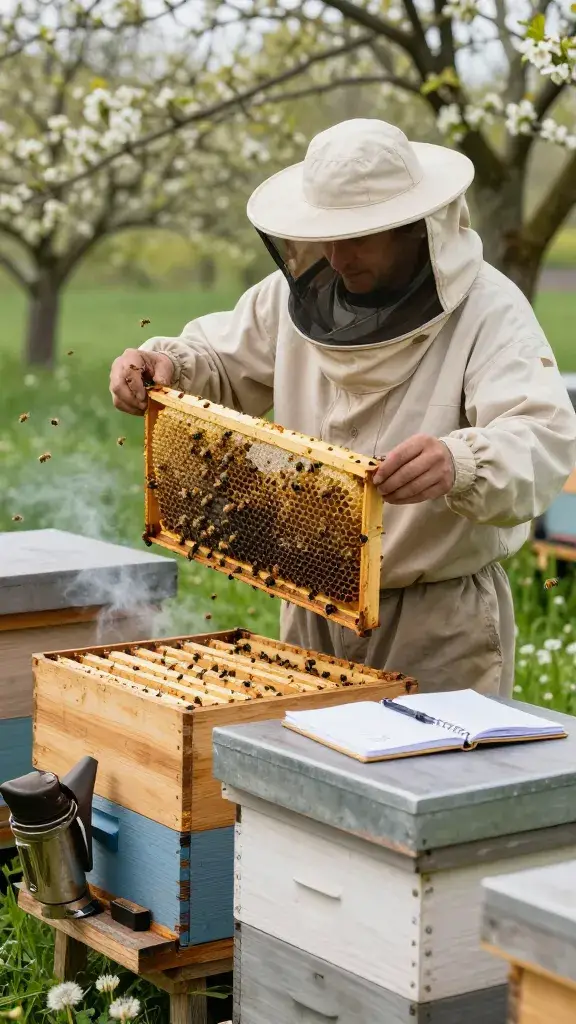
We’ve all done it—too many inspections, rearranging frames like Tetris, and constant feeding tweaks. Bees want stability, not helicopter beekeeping.
Chill And Set A Rhythm
- Inspect every 7–10 days in spring, with a purpose each time
- Minimize open time: move with intent, close fast
- Track notes so you act on trends, not vibes
Give bees consistent support and they’ll do the heavy lifting. Trust the process—and your queens.
Spring throws curveballs, but you’ve got the playbook now. Pick three fixes to start this week, then layer in the rest as your colonies grow. You’ll roll into the main flow confident, prepped, and ready to pull some ridiculous honey.
Share this content: