Buzz-Worthy 10 Best Flowers to Plant for Bees in Your Backyard
Want a backyard that hums with life? Plant flowers bees crave, and you’ll turn your space into a pollinator paradise—plus your veggies and fruit trees will thank you. These blooms offer nectar, pollen, and nonstop color without fussy care. Ready to roll out the yellow carpet for your new fuzzy friends?
Below are the 10 best flowers to plant for bees in your backyard, with easy tips so you can plant once and enjoy the buzz all season long.
1. Lavender: The Low-Maintenance Bee Magnet
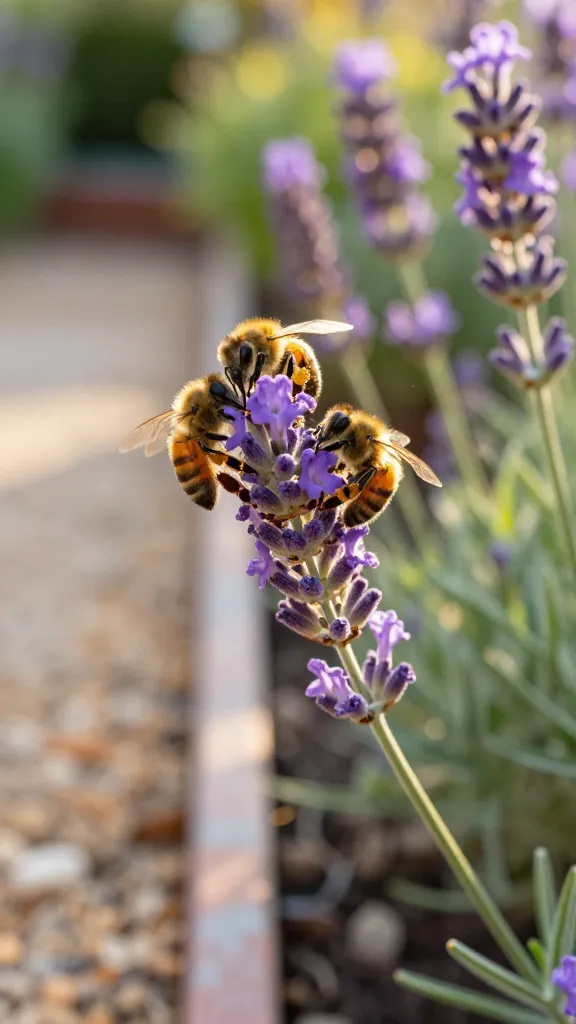
Lavender brings a cloud of fragrance and a steady stream of bees—no invite required. It thrives in full sun and drains like a champ, which makes it perfect for neglectful waterers (same). The long bloom window means a reliable food source from late spring into summer.
Why Bees Love It
- Nectar-rich spikes that bloom for weeks
- Easy landing pads for honeybees and bumbles
- High oil content means scent carries—bees find it fast
Plant in a raised bed or along paths to brush past that scent daily. Bonus: You get sachets and bees get dinner—win-win.
2. Coneflower (Echinacea): Sturdy Color With Serious Pollen
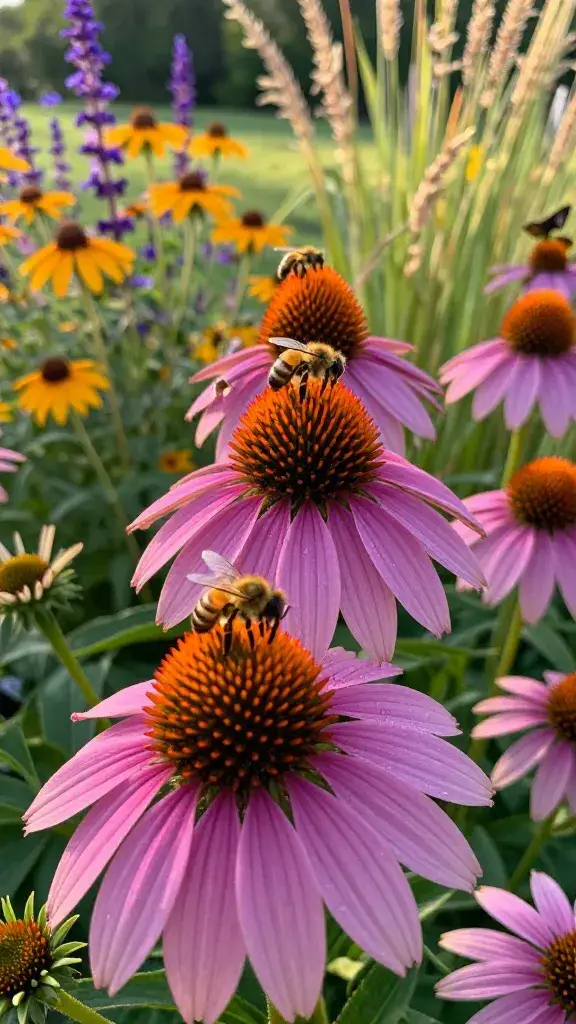
Coneflowers bring big daisy-like faces that bees can’t resist. They handle heat, drought, and your vacation schedule like pros. Expect repeat visits from bees, butterflies, and later, seed-hungry birds.
Growing Tips
- Full sun for strongest blooms
- Deadhead lightly for continuous flowers
- Leave fall seed heads for goldfinches
Use coneflowers as a backbone in mixed borders. You’ll support bees mid-to-late summer when nectar dips elsewhere.
3. Bee Balm (Monarda): Fireworks for Pollinators
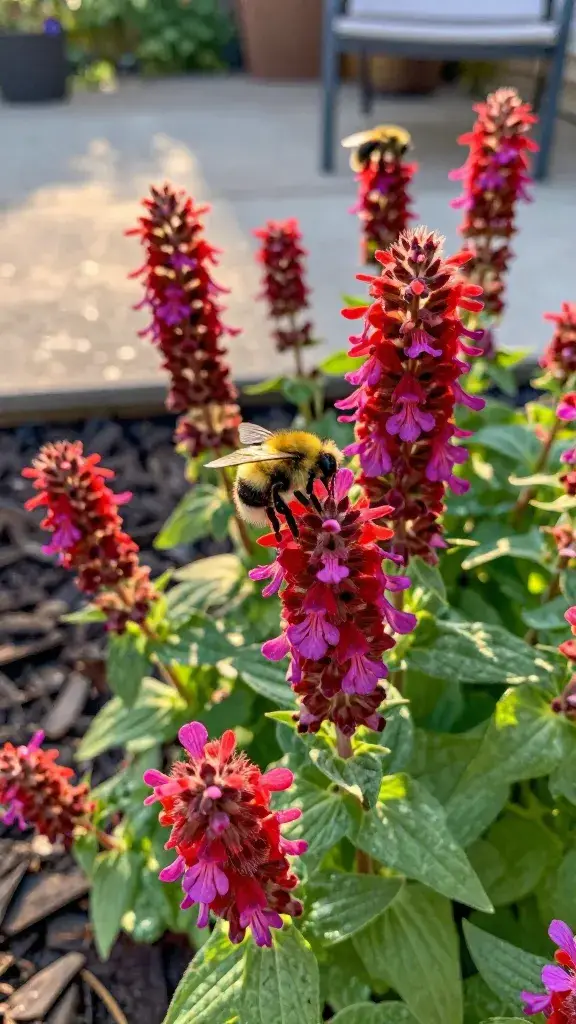
Bee balm shoots up shaggy pom-poms packed with nectar. Those tubular petals make bumblebees and long-tongued natives swoon. It spreads into generous clumps, so your bee buffet grows every year.
Key Points
- Moist, well-drained soil and morning sun are ideal
- Airflow matters—space plants to prevent mildew
- Choose varieties like ‘Jacob Cline’ for disease resistance
Plant near patios to watch close-up bee action. IMO, few plants deliver better pollinator drama.
4. Borage: The Self-Seeding MVP
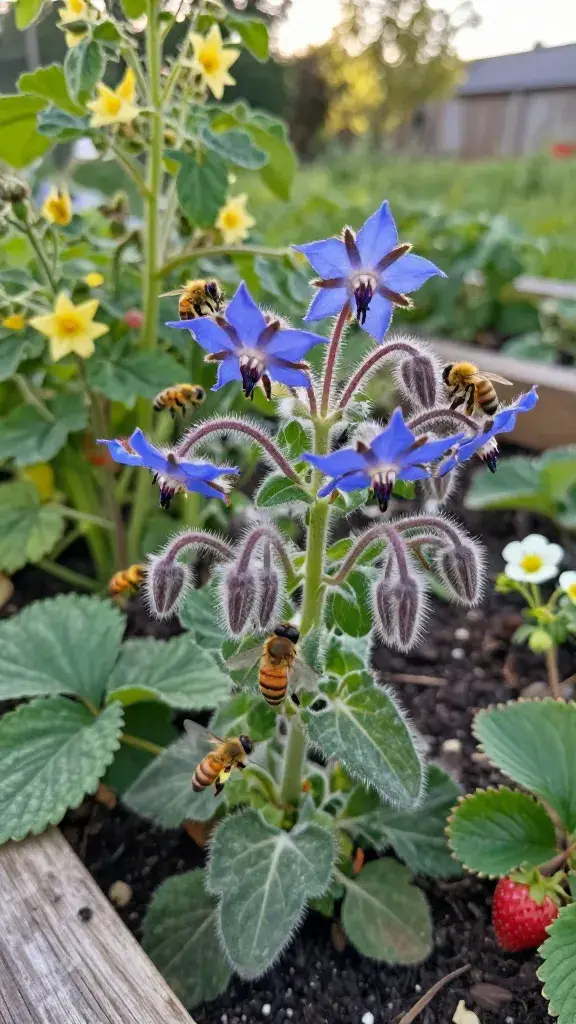
Borage blooms in electric blue stars that bees visit on repeat. It self-seeds politely, so one pack of seeds can fuel your garden for years. The flowers taste mildly cucumber-y—gorgeous in drinks, FYI.
Why It Works
- Blooms early and keeps going
- High nectar replenishment rate (bees circle back quickly)
- Edible flowers and leaves for you
Tuck borage among tomatoes, squash, and strawberries to boost pollination. It looks cottage-y and feels wild in the best way.
5. Sunflowers: Big Faces, Bigger Smiles
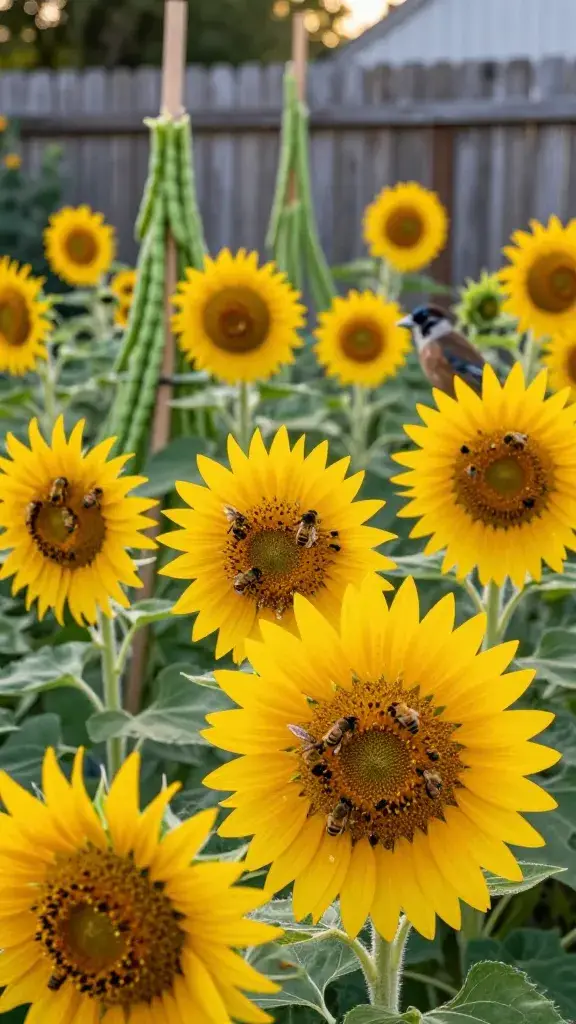
Sunflowers serve as pollinator billboards—impossible to miss. Wild-type or pollen-rich varieties give bees both nectar and pollen, while later the seed heads feed birds. They also act as living trellises for climbers like pole beans.
Tips
- Pick pollen-producing varieties (avoid “pollenless” cuts)
- Stagger sowing every 2-3 weeks for a longer season
- Stake tall types to ride out summer storms
Use them as a cheerful backdrop or privacy screen. Your yard will look like sunshine made it its home—because it did.
6. Black-Eyed Susan (Rudbeckia): Long Blooming and Tough
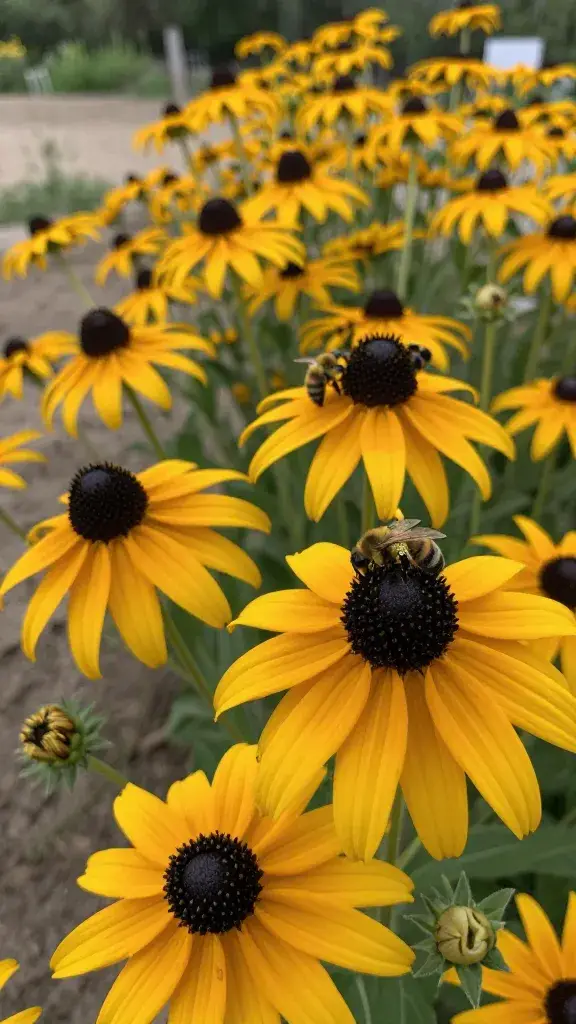
These golden daisies pump out color from midsummer into fall. Bees relish the central disk florets, then birds clean up seeds once frost hits. They shrug off poor soil and still look fabulous.
Key Points
- Full sun for best flowering
- Divide every few years to keep clumps vigorous
- Native-friendly vibes that support local pollinators
Use as a mass planting for a late-season nectar blanket. It keeps the party going when other flowers tap out.
7. Catmint (Nepeta): Drought-Tolerant and Constantly Blooming
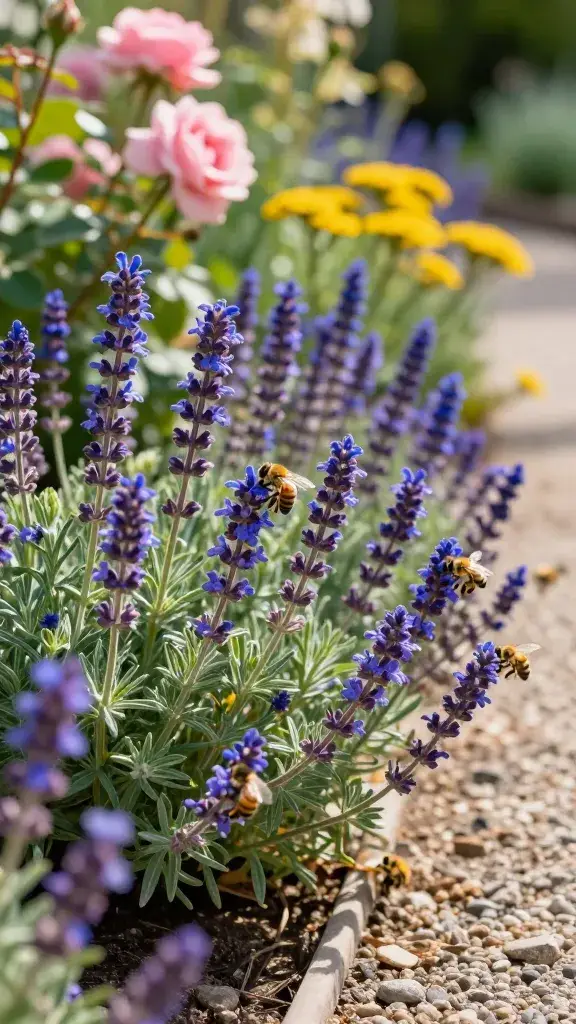
Catmint brings a haze of purple-blue that bees treat like an all-you-can-eat buffet. It thrives in hot, dry spots and bounces back fast after trimming. If you want effortless bloom cycles, this is your plant.
Growing Tips
- Full sun, lean soil, excellent drainage
- Shear back by one-third after the first flush to rebloom
- Pair with roses, yarrow, or salvia for layered nectar
Plant along borders and paths for months of color. It’s basically a nectar fountain with leaves.
8. Goldenrod (Solidago): Fall Feast, Zero Ragweed Drama
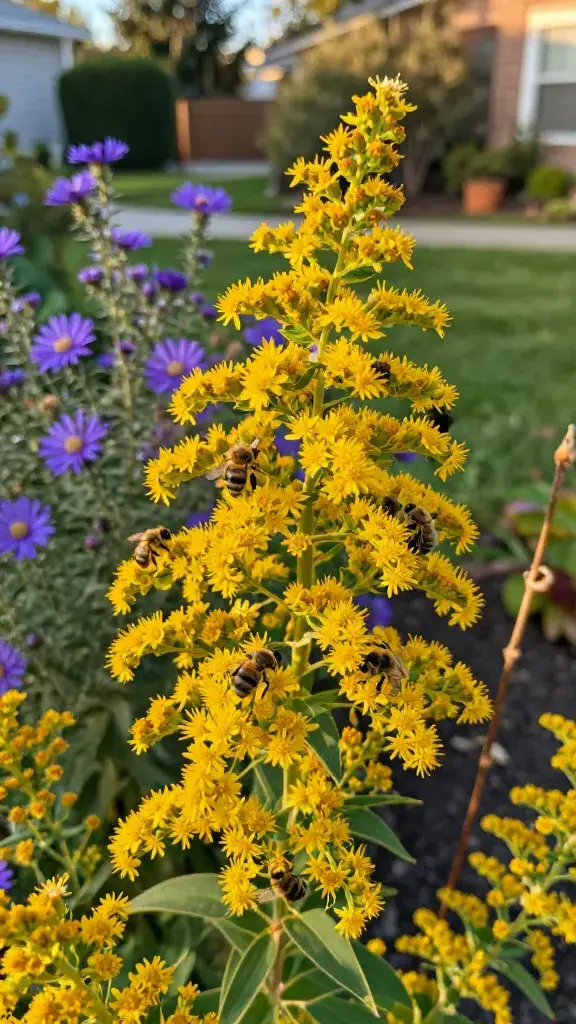
Goldenrod often gets blamed for allergies, but that’s ragweed’s mess. Bees rely on goldenrod late in the season when few flowers remain. Its golden plumes offer nectar and pollen that fuel winter prep for colonies.
Best Uses
- Choose clumping types (like S. rugosa ‘Fireworks’) to avoid spread-happy varieties
- Plant with asters for a powerhouse fall duo
- Leave stems over winter for native bee nesting
Add goldenrod to the back of borders for September sparkle. You’ll carry bees through the finish line of the growing season—seriously crucial.
9. Asters: The Last Call Heroes
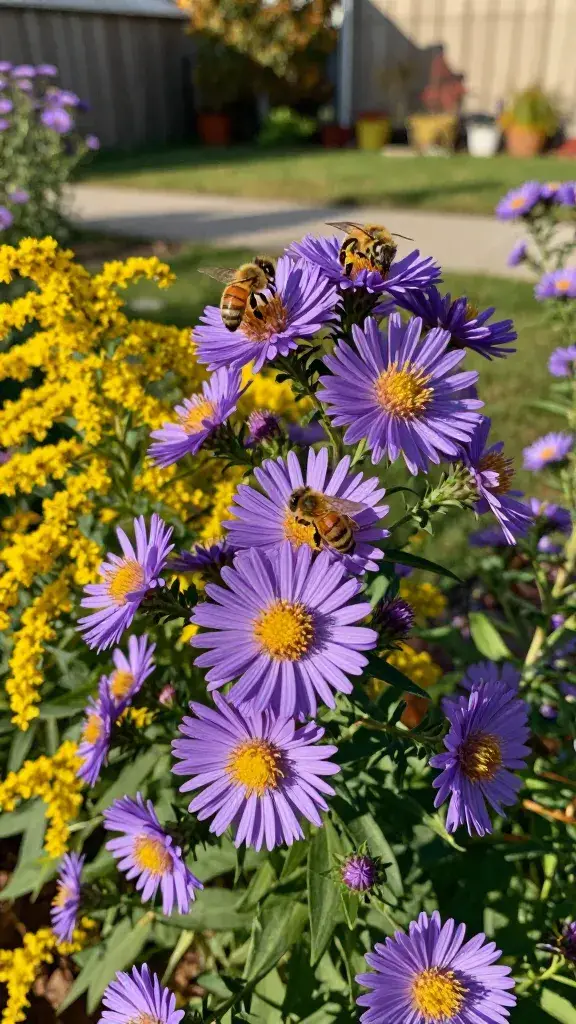
Asters step in when summer fades, serving nectar right through chilly evenings. They pair perfectly with goldenrod to create a fall pollinator magnet. Native asters host beneficial insects and look fresh when everything else looks tired.
Tips
- Full sun to part sun; don’t over-fertilize or they flop
- Pinch stems in early summer for bushier plants
- Look for natives like New England aster (Symphyotrichum novae-angliae)
Use asters to extend your bee season by weeks. They’re that last, generous buffet before winter hits.
10. Wild Bergamot and Native Salvias: The Native Nectar Dream Team
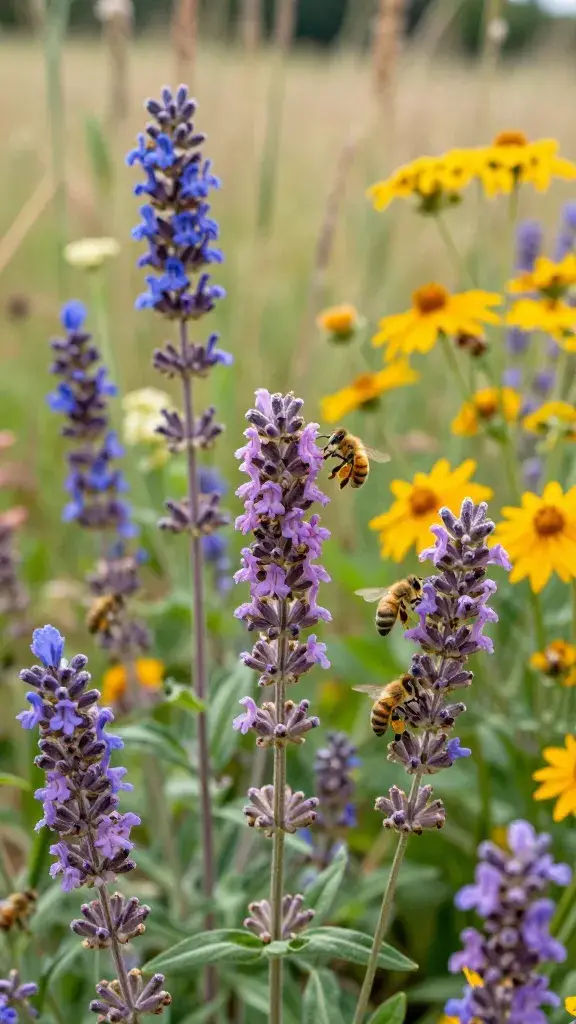
Wild bergamot (Monarda fistulosa) and native salvias bring tubular, nectar-loaded blooms that fit local bees perfectly. They handle heat, attract a variety of pollinators, and look natural in meadow or prairie-style plantings. Plant them together for a nonstop hum.
What to Plant
- Wild bergamot: lavender-pink blooms, drought tolerant once established
- Salvia azurea or Salvia nemorosa: spikes that rebloom with a quick shear
- Mix in yarrow or coreopsis for more pollen diversity
Use these natives to anchor a pollinator patch that basically runs itself. You’ll boost biodiversity and cut down on fuss—trust me, your future self will approve.
How to Build a Bee-First Backyard (Without Overthinking It)
Plant in drifts of 3–5 so bees can forage efficiently. Mix bloom times—spring, summer, fall—so you never leave them hungry. Skip pesticides, or use targeted, bee-safe options if you must.
Quick Checklist
- Full sun for most bee favorites (6+ hours)
- Layer heights: tall sunflowers in back, mid-height coneflowers, low catmint up front
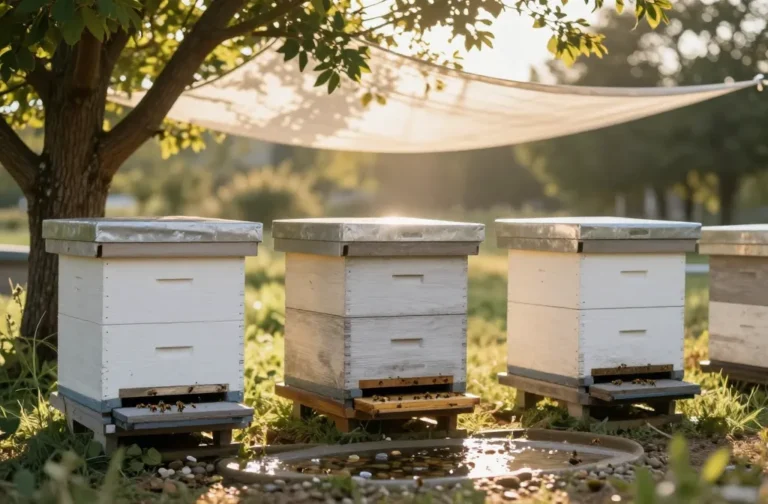
- Provide shallow water: a saucer with pebbles makes a safe bee sipper
- Leave some bare soil and hollow stems for native bee nesting
Think of your garden as an airport: clear signals, varied gates, and constant service. The result? More bees, better harvests, and a yard that feels alive.
Seed or Start? Make It Easy on Yourself
Want instant gratification? Grab nursery starts for lavender, catmint, and coneflowers. Prefer budget-friendly? Direct sow borage, sunflowers, and many salvias.
Starter Pack Ideas
- Sun-worshipper bundle: Lavender, catmint, coneflower
- Fall finisher pack: Asters, goldenrod
- Cut-flower + bee mix: Sunflowers, black-eyed susans, bee balm
Blend starts and seeds for cost savings and fast impact. You’ll get color now and abundance later.
Watering, Soil, and “Do I Need Fertilizer?”
Most bee-friendly perennials prefer average to lean soil. Over-fertilizing pushes leaves over flowers—aka fewer snacks for bees. Water deeply but less often to encourage strong roots.
Simple Care Rules
- Compost top-dress in spring instead of heavy fertilizer
- Mulch lightly, but leave some open ground for ground-nesting bees
- Cut back in late winter, not fall, to protect overwintering insects
Keep it simple and consistent. Healthy soil equals healthy blooms equals happy bees.
Design for Humans Too (You Live Here!)
Cluster flowers near seating areas so you can actually enjoy the show. Mix textures—spikes, domes, and daisies—so the bed looks dynamic from the porch. Add paths so you can weed and snip without trampling.
Easy Pairings
- Spikes: Salvias, lavender, catmint
- Domes: Bee balm, yarrow
- Daisies: Coneflower, black-eyed susan
Design for joy and function. The prettier your garden, the more time you’ll spend in it—bees included.
Common Mistakes to Dodge (Learn From My Oops)
Don’t plant one of everything—bees need clumps to forage efficiently. Avoid double-flowered cultivars; they often hide or reduce nectar and pollen. And yeah, pesticides and broad-spectrum sprays? Hard pass.
Fix-It Moves
- Group each species in patches at least 18–24 inches wide
- Read plant tags: choose single or open-centered flowers
- Use physical barriers or spot treatments instead of spraying the whole yard
A few smart choices massively increase bee traffic. Your garden will thank you with better bloom and productivity.
When to Plant for Maximum Buzz
Spring and early fall are your sweet spots. Cooler temps help roots settle before heat or frost. Start with a core set now, then add seasonal color as you learn what thrives.
Seasonal Plan
- Spring: Plant lavender, catmint, coneflower
- Early Summer: Direct sow sunflowers and borage
- Late Summer: Add asters and goldenrod for fall fuel
Staggering plant times spreads out your workload and your blooms. The bees get year-round service; you get a calmer to-do list.
Go Native for the Win
Native plants evolved with local bees, which means better fit and often less maintenance. Look for region-specific salvias, asters, and monardas at native plant sales. You’ll attract specialist bees that non-natives might miss.
Why It Matters
- Stronger wildlife support beyond honeybees
- Better drought or cold tolerance in your climate
- Resilient gardens that bounce back after weird weather
Mix natives with garden classics for the best of both worlds. You get beauty and biodiversity—chef’s kiss.
Kid- and Pet-Friendly Pollinator Zones
Worried about stings? Plant the busiest bee hotspots slightly away from play areas. Provide shallow water and shady rest zones, and everyone coexists happily.
Pro Moves
- Place high-traffic nectar plants 6–10 feet from doors and patios
- Add bee “rest stops” with stones and water
- Teach kiddos: look, don’t swat
Bees want flowers, not you. Set smart zones and enjoy the show without drama.
Quick Reference: The 10 Best Flowers
- Lavender
- Coneflower (Echinacea)
- Bee Balm (Monarda)
- Borage
- Sunflowers
- Black-Eyed Susan (Rudbeckia)
- Catmint (Nepeta)
- Goldenrod (Solidago)
- Asters
- Wild Bergamot and Native Salvias
Plant a few from each season and watch your garden transform. You’ll hear the difference before you see it.
Final Buzz: You’ve Got This
Pick three plants, group them in sunny patches, and skip the sprays. That’s the whole starter kit, no gatekeeping. Soon you’ll have a garden that’s colorful, lively, and quietly saving the world—one nectar sip at a time.
Ready to make your backyard the hottest bee brunch spot in town? Grab a trowel and let’s get buzzing.
Share this content: