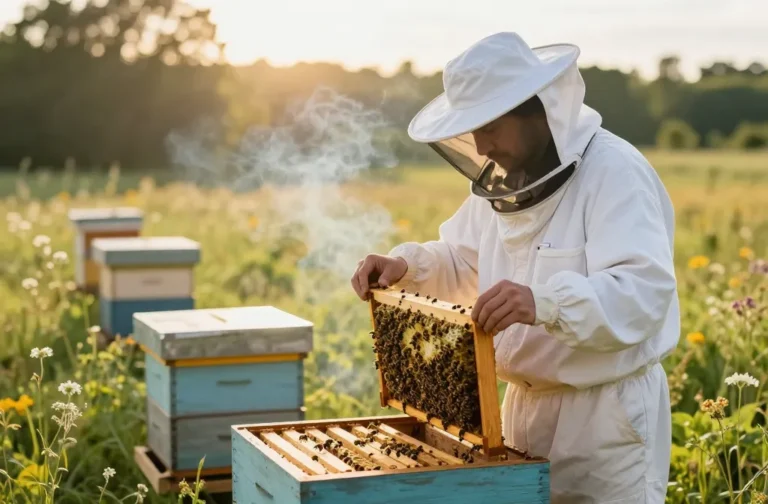
14 Signs Your Beehive Is Healthy and Thriving Revealed
Your bees don’t send status updates, so you’ve got to read the vibes. The good news? A thriving hive gives you a bunch of obvious tells when you know what to look for. From that happy “air traffic control” entrance to frames dripping with resources, these signs make inspections fast and stress-free. Let’s spot the wins so you can celebrate—and fix small hiccups before they turn into drama.
1. A Calm, Focused Entrance—Not A Bee Rave
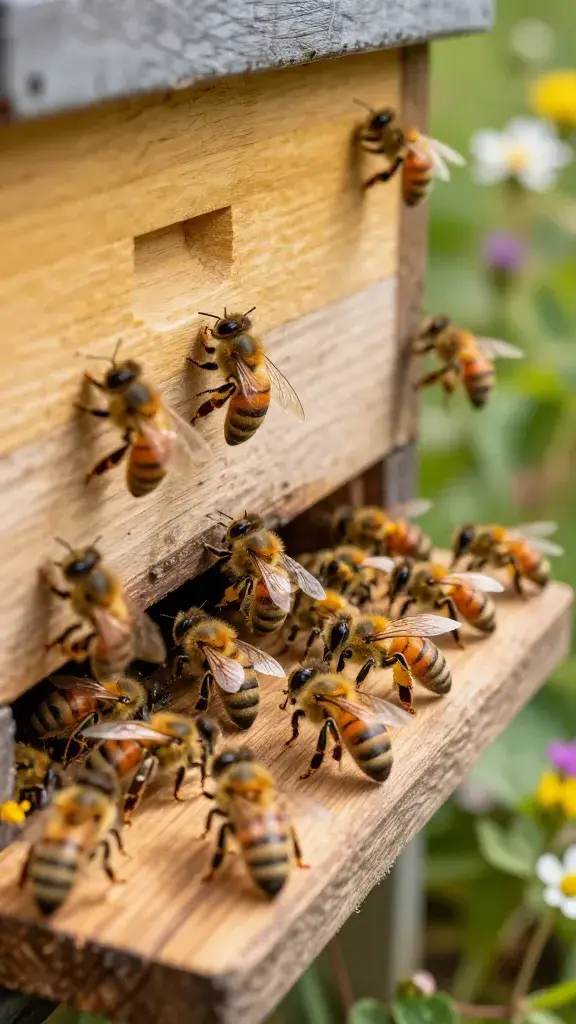
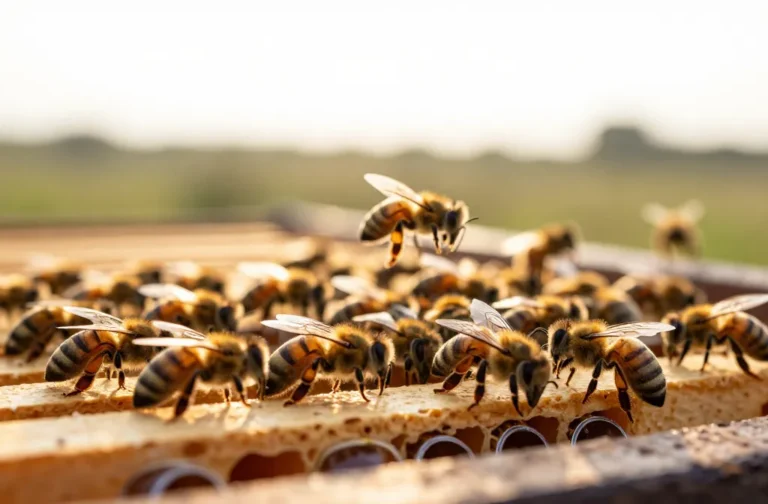
Start at the front door. A healthy hive shows steady traffic: foragers landing and taking off, pollen panties on full display, and guard bees politely checking IDs. Chaos or total silence usually means trouble.
What To Look For:
- Bees coming and going in waves, not frantic clumps
- Minimal head-bumping at the entrance (that’s guards doing their job)
- Foragers carrying pollen in different colors
Use this check before you even crack the lid. Smooth, purposeful flight equals a colony that’s organized and thriving.
2. Pollen Pants Everywhere (Colorful Is Better)
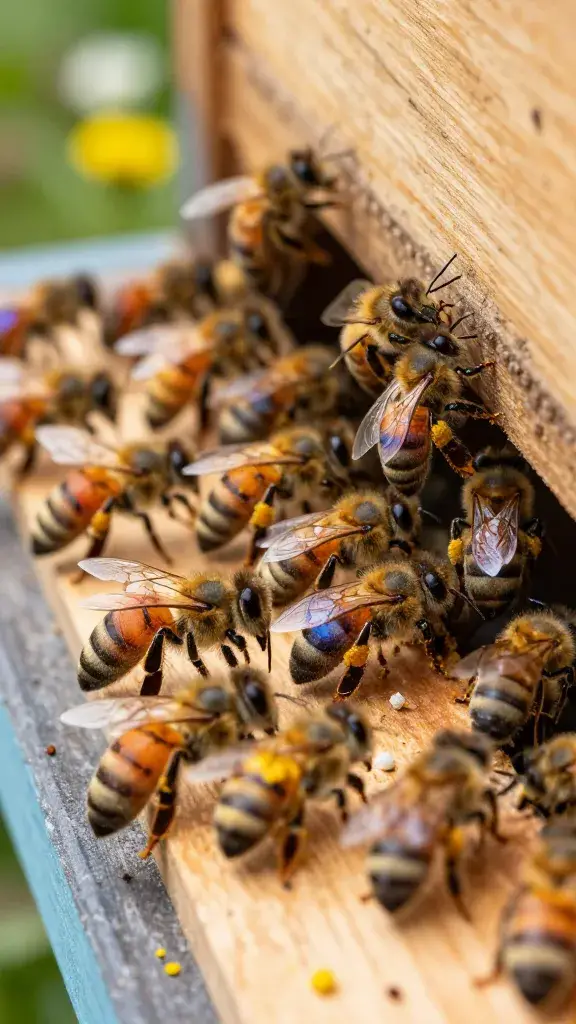
Pollen = protein = baby bee fuel. When you spot yellow, orange, red, or even blue pollen baskets on legs, your foragers found diverse forage and the nurse bees can feed brood like champs.
Tips:
- Different colors suggest diverse nutrition
- No pollen on a warm day might point to dearth or queen issues
- Heavy pollen flow usually lines up with brood expansion
Lots of pollen means strong brood rearing and a colony ready to grow—not just survive.
3. A Laying Pattern That Looks Like a Checkerboard Win
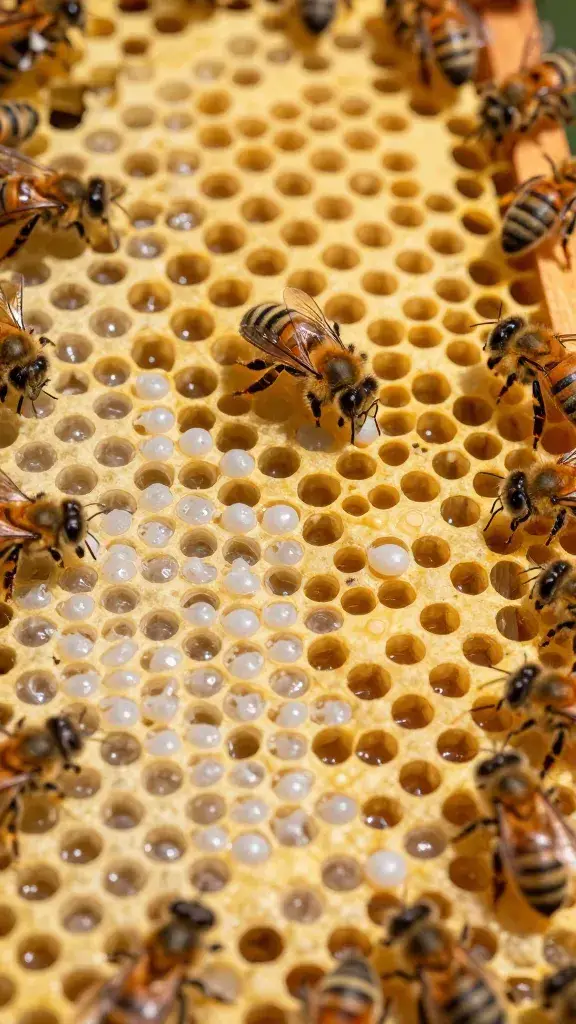
Pop a brood frame and look for a tight, solid pattern. You want minimal skips and plenty of same-age brood. Spotty brood often flags a failing queen, disease, or chilled brood.
Key Points:
- Solid sheets of capped brood with few empty cells
- Larvae in pearly white C-shapes, glistening with royal jelly
- Eggs placed dead-center in cells, one per cell
A queen who lays like a sewing machine sets your hive up for population booms and smooth nectar flows. That’s your honey engine right there.
4. Brood in All Stages—Eggs, Larvae, Capped
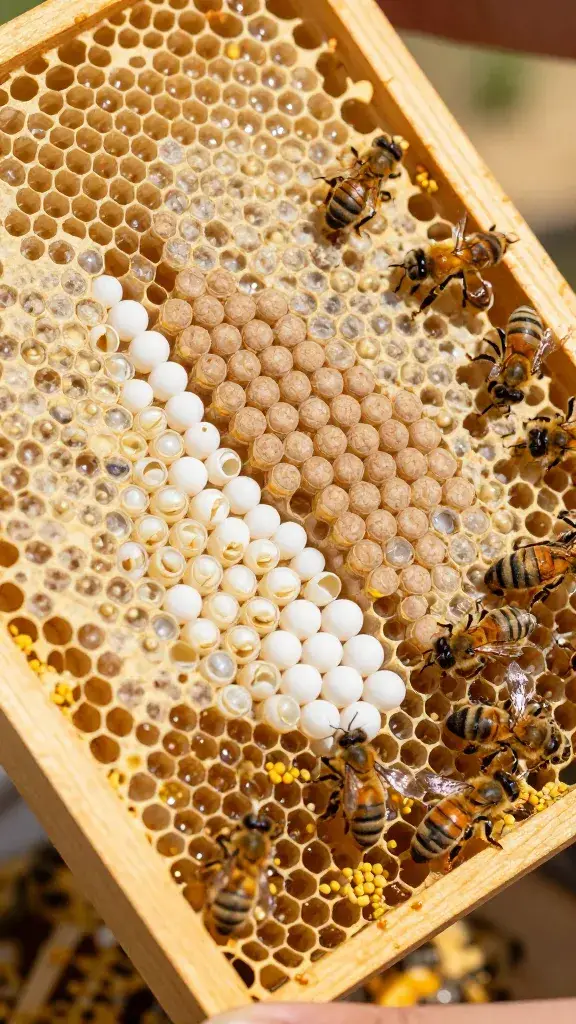
A thriving hive shows a smooth progression of baby bees. You want to see eggs, open larvae, and capped brood on the same frame zone. That’s proof your queen lays consistently and nurses can keep up.
When This Matters:
- After splits or swarms—verifies new queen success
- In early spring—confirms buildup
- Mid-season—predicts workforce strength in 3–4 weeks
Balanced brood stages mean reliable population turnover and a colony ready for whatever the season throws at them.
5. Fat, Glossy Cappings and Plenty of Nurse Bees
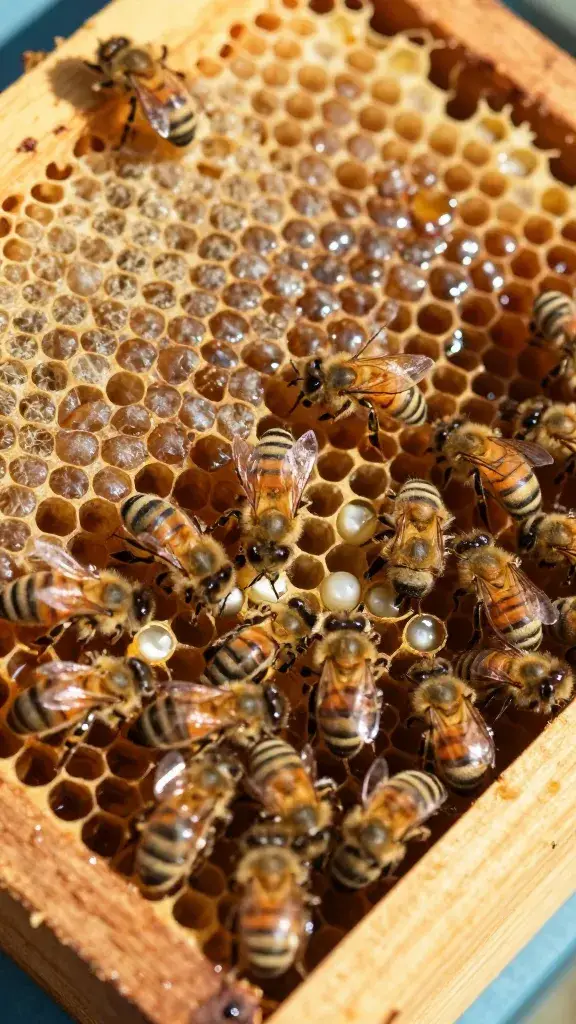
Healthy capped brood looks slightly domed and uniform, like golden-brown velvet. Pair that with clouds of nurse bees shimmering over frames and you’ve got excellent brood care.
Watch For:
- Dry, even cappings (not sunken or perforated)
- Lots of fuzzy thoraxes—those are young workers
- Royal jelly shine around larvae
Great care translates to low brood mortality and strong emerging workers. Translation: your hive can hustle.
6. Fresh White Wax Being Drawn Like Crazy
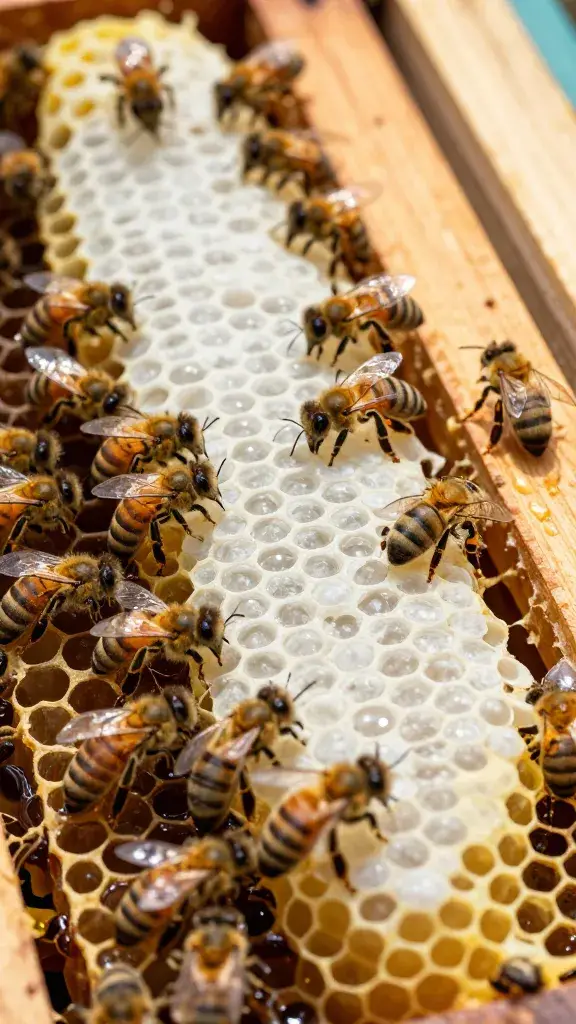
Bees only draw new comb when resources and population allow it. That bright, white, soft wax screams abundance and enthusiasm. It also means they trust the real estate market.
Pro Moves:
- Give a frame of foundation during flows to channel building energy
- Use drawn comb to accelerate brood rearing
- Replace old, dark comb gradually for healthier brood cells
New comb equals expansion, clean brood rooms, and faster nectar storage. It’s the sign of a colony thinking big.
7. Honey Arcs and Bee Bread Rainbows Around Brood
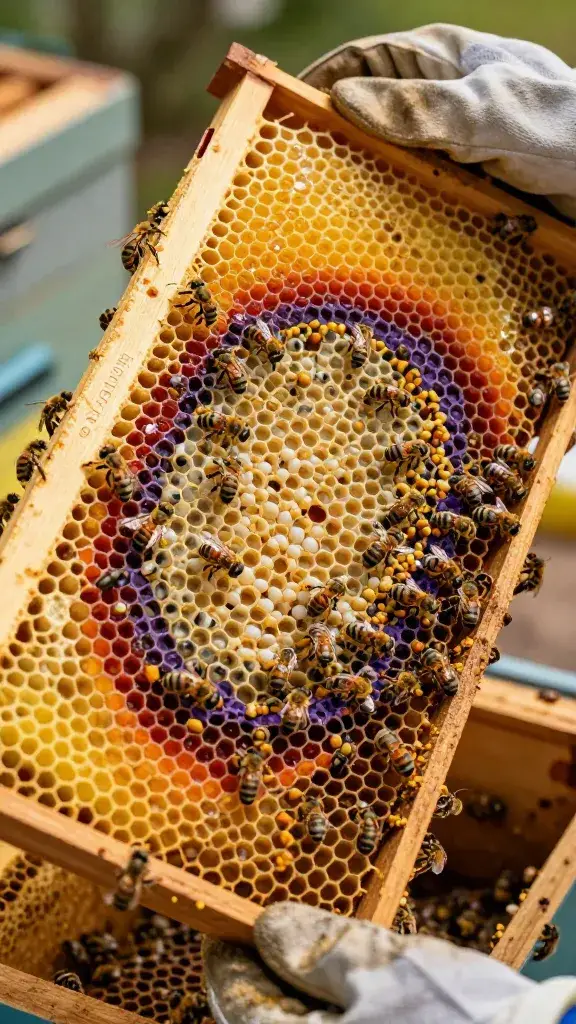
Healthy frames show textbook zoning: brood in the center, a crescent of pollen (bee bread), then nectar and honey above. That tidy architecture means the colony manages resources like pros.
Frame Anatomy 101:
- Center: eggs, larvae, capped brood
- Mid-band: multicolored bee bread
- Top/edges: nectar and capped honey
Efficient layout reduces nurse travel time and boosts brood survival. Think of it as the hive’s meal-prep station—optimized.
8. That Warm, Bready Honey Smell (Not Gym Socks)
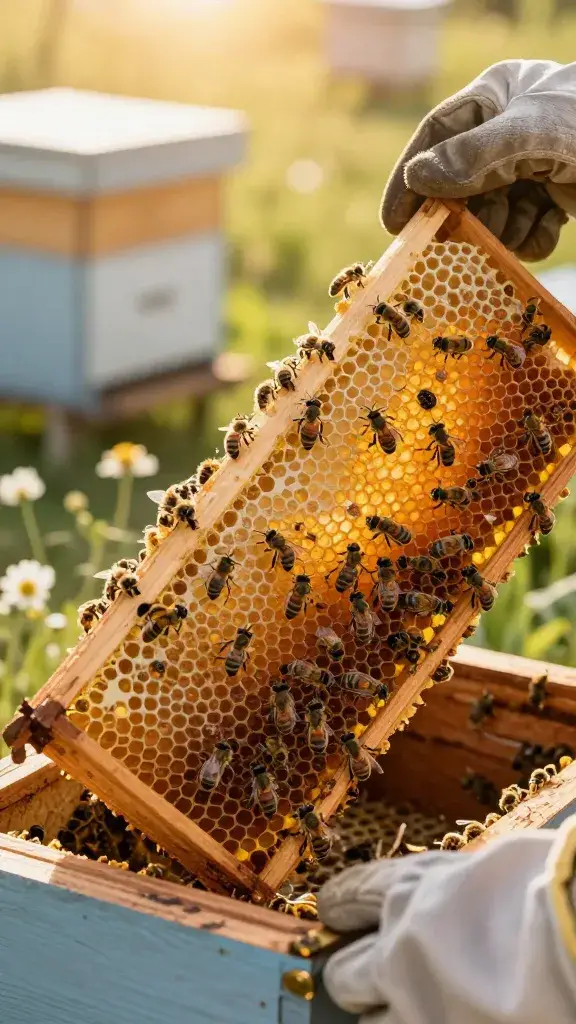
Use your nose. A good hive smells slightly sweet, warm, and a bit yeasty during nectar flow. Funky odors—sour, fishy, or dirty gym bag—warrant a closer look.
FYI Smell Guide:
- Sweet, floral, warm: all good
- Sour/fermented: excess moisture or fermenting nectar
- Rotten/fishy: check for brood disease
Trust your senses. Pleasant aroma usually signals sound microbiome health and clean combs.
9. Managed Temperament: Chill Bees, Minimal Ping-Ponging Your Veil
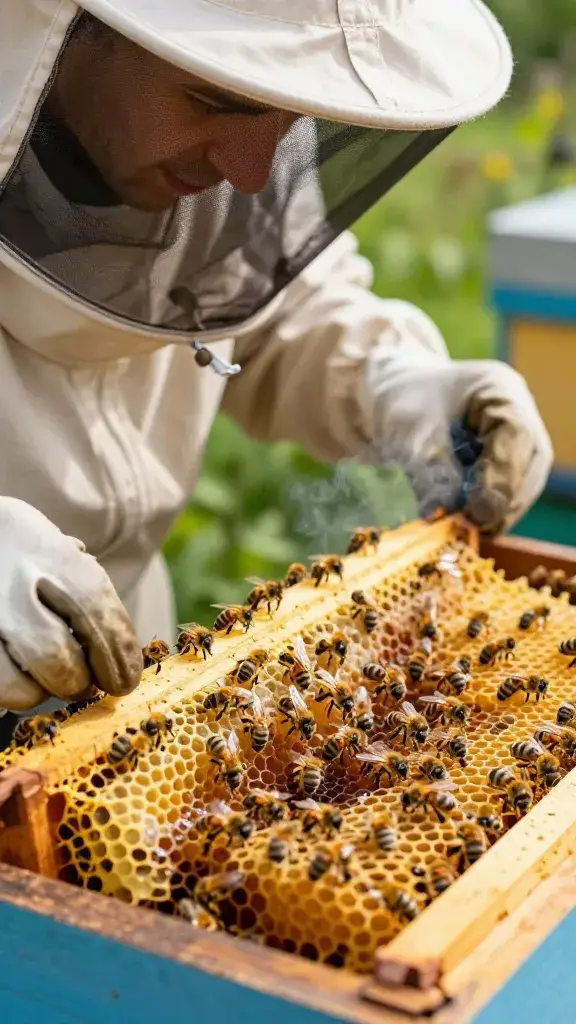
Temperament reflects genetics, queen age, and environment. Healthy colonies defend themselves, but they don’t rage at every inspection. Calm bees make beekeeping way more fun, IMO.
Temperament Tweaks:
- Requeen hot colonies with gentle genetics
- Work midday on warm, sunny days when foragers are out
- Use cool smoke sparingly and smooth movements
Gentle bees keep inspections efficient, reduce stings, and help you spot actual problems instead of dodging headbutts.
10. Mite Levels Low And Under Control
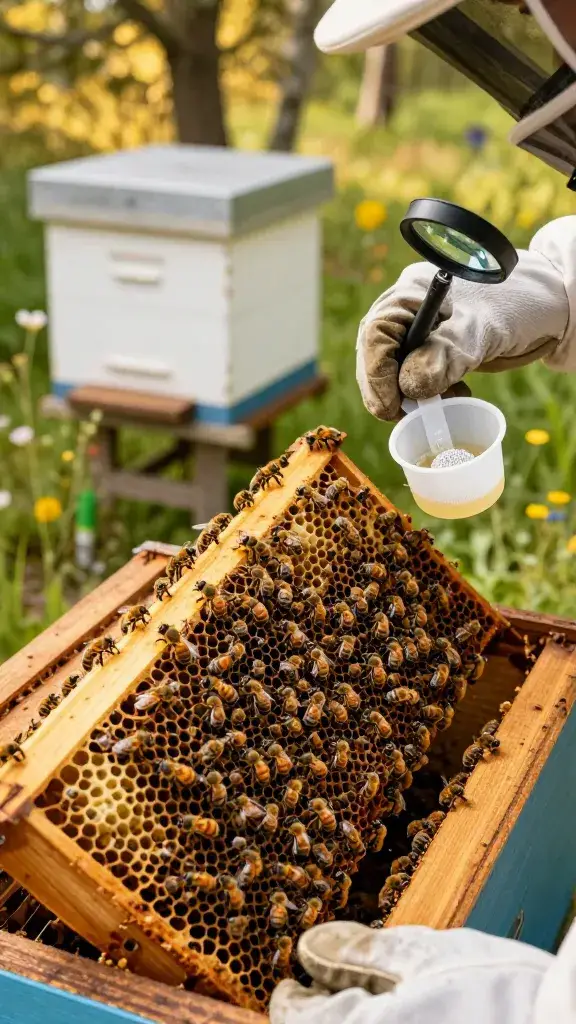
You can’t see “healthy” mites because that’s not a thing. But a thriving hive shows low varroa counts when you test. Regular monitoring plus strategic treatment keeps viruses in check.
Do This, Seriously:
- Perform alcohol washes or sugar rolls every 4–6 weeks in season
- Treat based on thresholds and season with appropriate products
- Rotate methods to avoid resistance
Low mites equal healthier bees, fatter winter clusters, and fewer heartbreaking crashes. Prevention beats emergency care every time.
11. Adequate Food Stores—And Bees Actually Capping Them
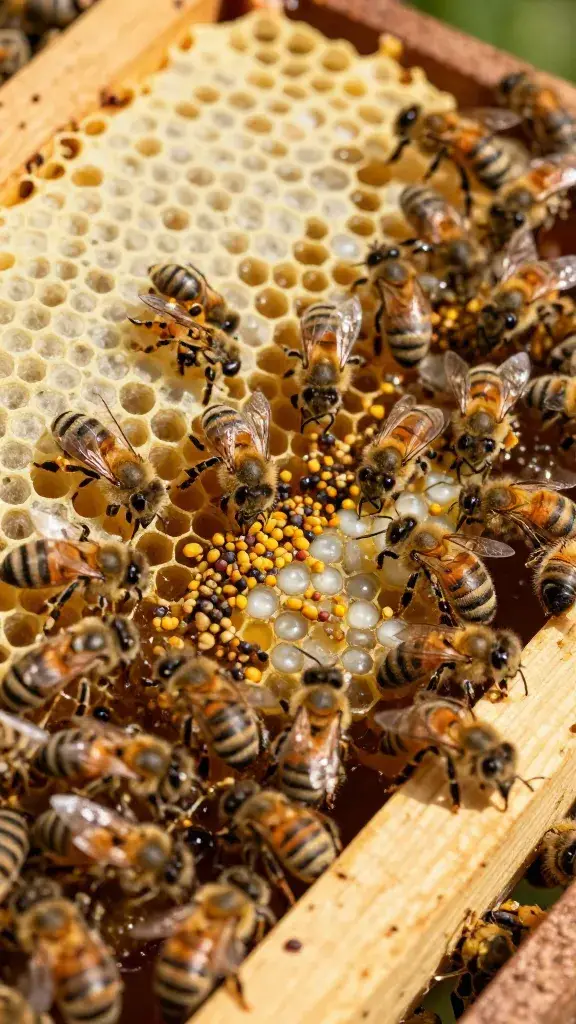
A thriving colony doesn’t just collect nectar—it cures and caps it. Capped honey glows pale and tidy, and open nectar glistens while it dries. You also want pockets of bee bread near brood.
Quick Checks:
- Weight test: lift the back—heavy means comfort
- At least 2–3 frames of food in dearths; much more for winter
- Capping progress during flows = strong processing
Plentiful, well-placed stores reduce stress and prevent absconding or starvation. It’s their savings account—and your honey dreams.
12. Queenright Signs Even If You Don’t See Her Majesty
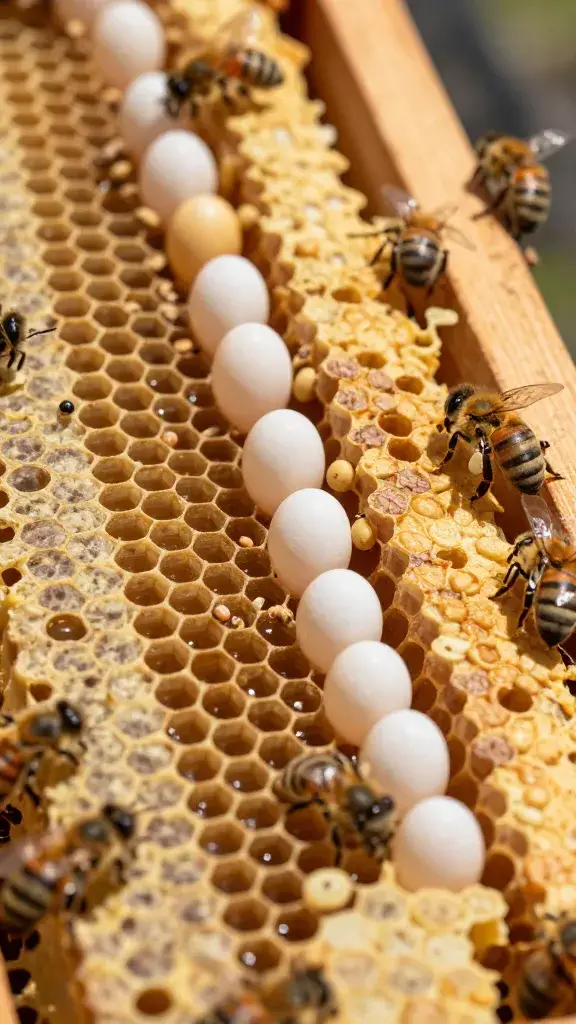
Can’t spot the queen? No panic. A healthy hive tells you she’s there with fresh eggs, calm demeanor, and zero emergency queen cells.
Queen Clues:
- Single eggs per cell, standing upright to slightly angled
- Young larvae in a tight pattern
- No frantic emergency queen cells on random comb edges
Queenright status stabilizes behavior and brood cycles, which means consistent growth and fewer surprises.
13. Smart Ventilation And Dry, Mold-Free Equipment
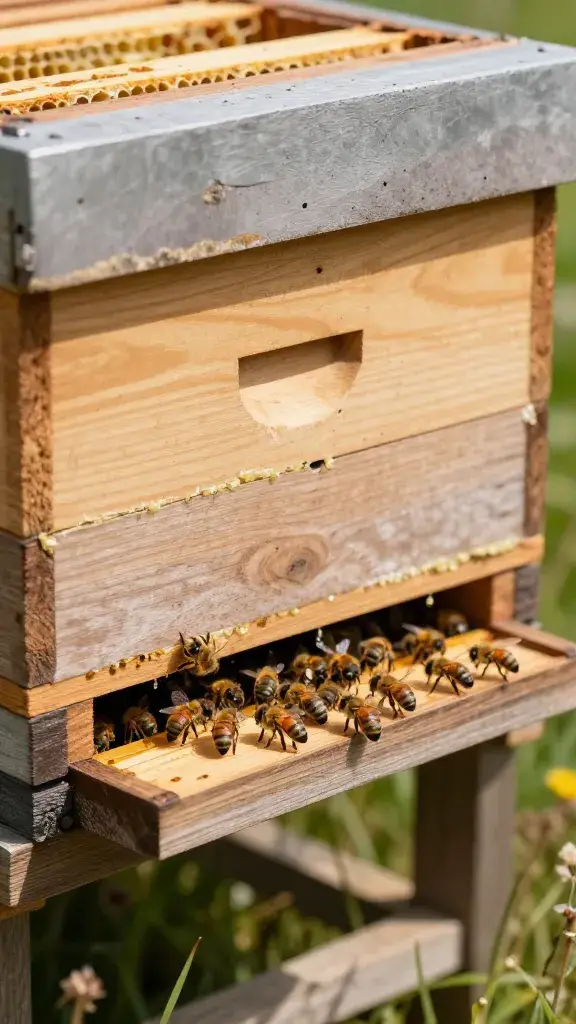
Healthy colonies manage moisture like champs. You’ll see dry inner covers, no black mold patches, and propolis used strategically to seal drafts without suffocating the box.
How To Help:
- Ensure upper ventilation in humid seasons
- Keep entrances clear but reduce in winter to block drafts
- Use screened bottoms or shims as your climate dictates
Good airflow prevents chalkbrood and fermentation, keeps bees comfortable, and protects comb integrity long-term.
14. Growth That Matches The Season (Not A Drama Spike)
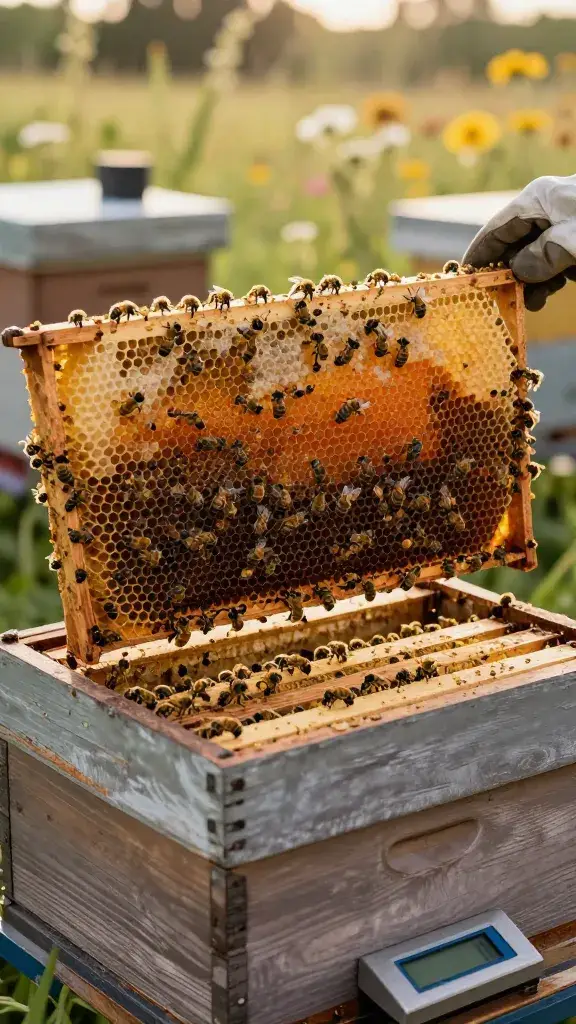
A thriving hive expands predictably in spring, hits peak for the main flow, then consolidates for winter. You want strong populations—not overcrowding that screams “swarm incoming.”
Seasonal Sanity Check:
- Spring: increasing brood and drawn comb
- Flow: honey supers filling, steady temperament
- Late season: drones taper, queen slows laying, weight climbs
Right-sized growth means easier management, fewer swarms, and plenty of honey without burnout—for you and the bees.
Spot several of these signs at once? Congrats—you’ve got a buzzing success story on your hands. Keep doing thoughtful inspections, adjust with the seasons, and enjoy the sweet payoff. Your bees will thrive, and your beekeeping confidence will skyrocket—trust me.
Share this content: