Smart Picks: 14 Beekeeping Supplies Worth Buying and What to Skip
Thinking about keeping bees without turning your backyard into chaos? The right gear makes all the difference. Some tools save you time, sweat, and stings; others just collect dust and guilt. Here’s the no-fluff guide to what’s actually worth your cash—and what to skip—so your bees thrive and you still enjoy your weekends.
We’ll hit the must-haves, the smart upgrades, and a few “nice idea, but nah” items. Ready to gear up like a calm, confident beekeeper? Let’s go.
1. Buy: A Quality Hive Tool You Won’t Misplace
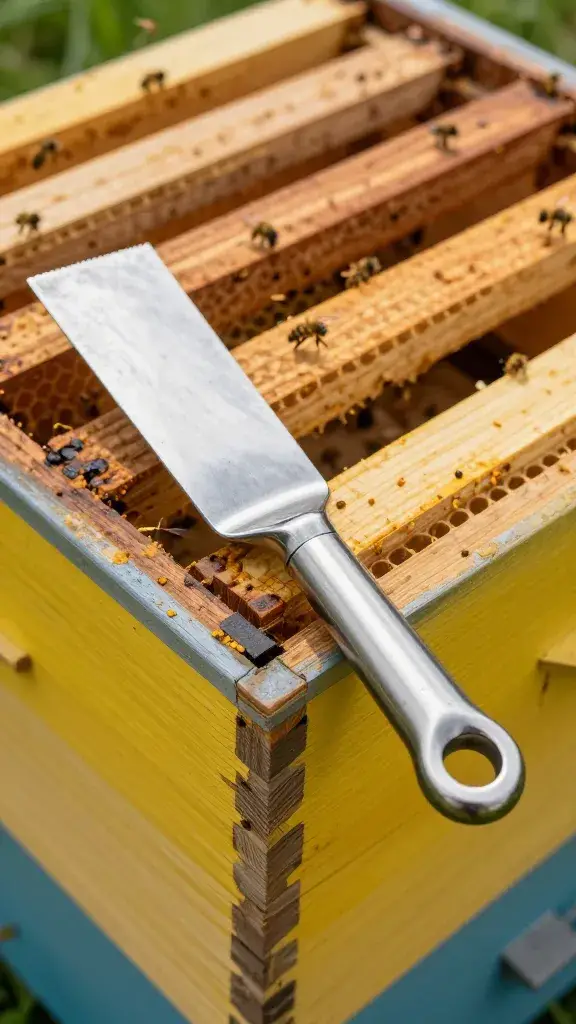
Bees glue everything together with propolis, and a great hive tool is your pry bar, scraper, and multi-tool in one. Go for a sturdy stainless or spring-steel version with a flat scraper edge and a hooked end.
Key Points
- Choose a bright color so you don’t lose it in the grass.
- Look for a comfortable bevel and a solid hook for frame leverage.
- Avoid ultra-cheap, bendy tools. They’ll make inspections miserable.
Use it every visit for cracking boxes, lifting frames, and scraping burr comb. It’s the one tool you’ll reach for constantly—worth every penny.
2. Buy: A Smoker That Stays Lit (And Doesn’t Burn You)
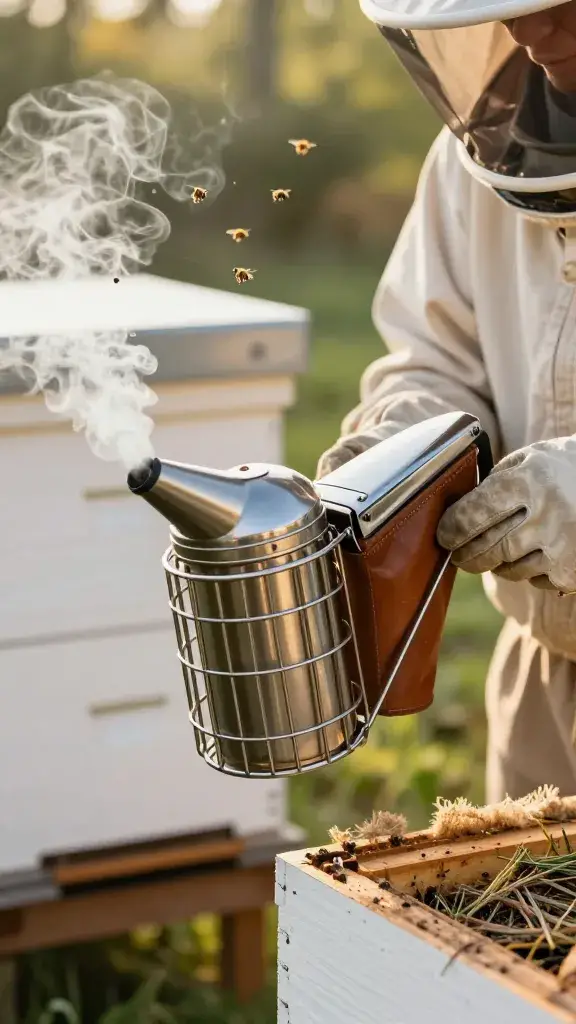
A reliable smoker calms bees and makes inspections smoother. You need one with a good bellows, heat guard, and enough capacity to last a full check.
Tips
- Pick models with a sturdy cage and hinged lid.
- Fuel: untreated burlap, pine needles, or hardwood pellets burn cool and long.
- Practice lighting technique—consistency beats brute smoke clouds.
A good smoker reduces defensive behavior and your stress. Your future self will thank you every time you crack a hive open.
3. Buy: A Ventilated Bee Suit Or Jacket With Veil

Yes, you’ll see seasoned beekeepers in T-shirts. You’re not there yet, and IMO comfort breeds confidence. A ventilated suit or jacket with a fencing-style veil keeps you cool and sting-safe.
What To Look For
- Triple-layer mesh for airflow and sting distance.
- Heavy-duty zippers and elastic cuffs with thumb loops.
- Detachable veil for easy washing and less gunk.
Choose a full suit if you want max coverage; a jacket works for light inspections. Either way, staying relaxed helps you move slow and gentle—bees notice.
4. Buy: Nitrile-Dipped Beekeeping Gloves (Or Goat Leather)
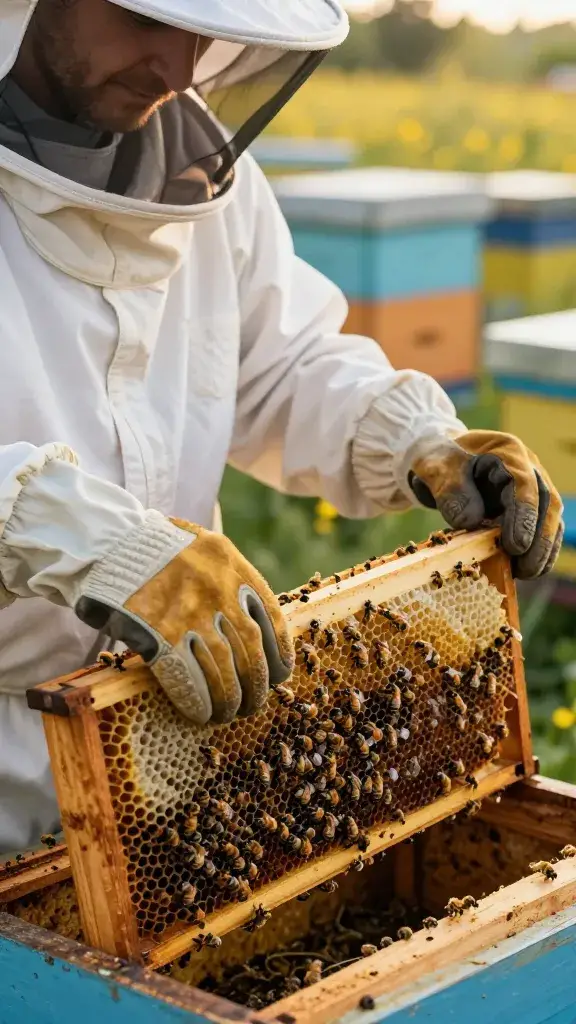
Gloves protect your hands and help your nerves early on. Thick clunky gloves crush bees; thin, well-fitted options give you dexterity for frame work.
Options
- Nitrile-dipped fabric gloves: great grip, good feel, easy to wash.
- Goat leather with long cuffs: classic choice with solid protection.
- Consider going gloveless later for delicate queen work—if you dare.
Pick a pair that fits snugly without squeezing. Less bee squish, fewer stings, better vibes.
5. Buy: A Solid Bottom Board And Migratory Or Telescoping Cover
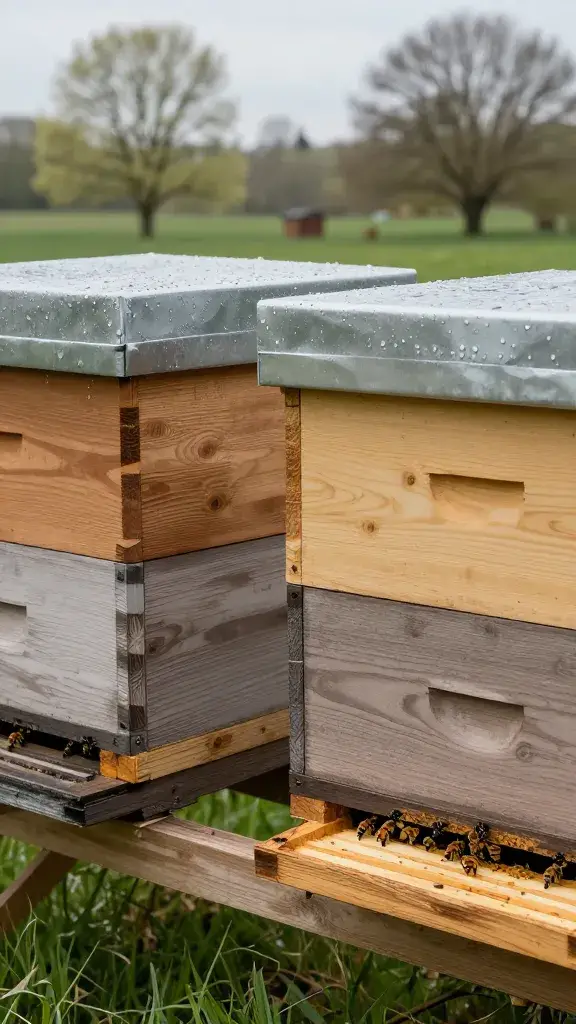
Your hive is only as good as its base and roof. A solid bottom board helps with spring warmth and simplifies setup, while a quality cover sheds rain and keeps gear aligned.
Why It Matters
- Solid bottom boards help small colonies retain heat.
- Telescoping covers with an inner cover provide insulation and bee space.
- Migratory covers save space and stack easily if you run multiple hives.
Start simple. You can always switch to screened boards later as you refine your management style.
6. Buy: Two Deep Brood Boxes (Or Single Deep + Mediums) With Frames
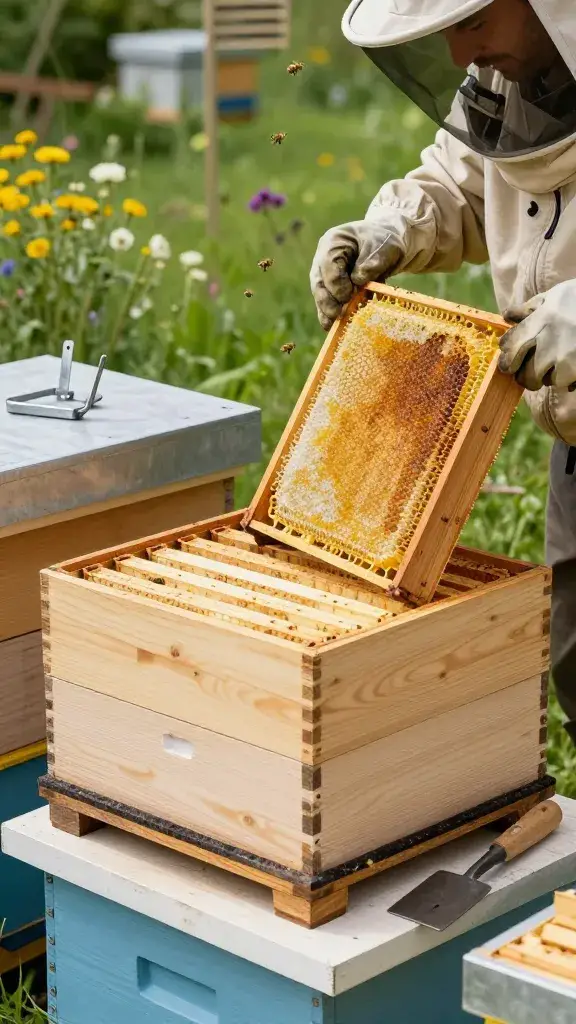
Bees need room to build brood and store food. Standard Langstroth deeps or a deep-plus-medium combo keeps things compatible and manageable.
Setup Basics
- Start with 10 frames per box—or 8-frame if you want lighter lifts.
- Use wax-coated plastic or wired wax foundation for straight comb.
- Square, tight joints matter more than fancy finishes.
Solid woodenware gives your colony a stable home. Consistency across boxes keeps your workflow smooth.
7. Buy: At Least One Honey Super (Medium) Before The Flow
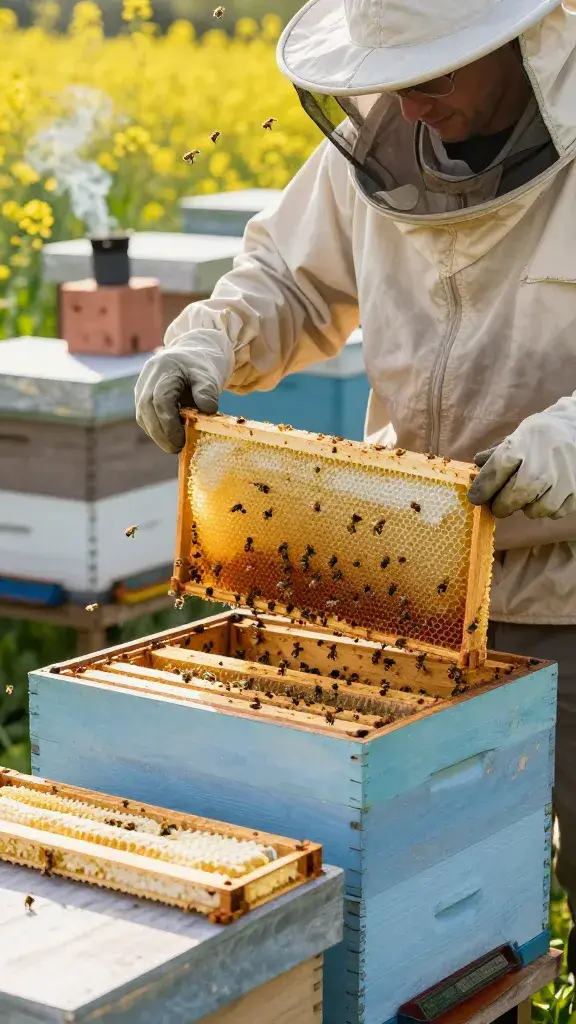
When nectar hits, storage space becomes urgent fast. Have a super ready so bees don’t backfill the brood nest or swarm out of frustration.
Pro Moves
- Use medium supers for easier lifting when full.
- Keep a spare set of frames on hand—bees work faster than you think.
- Add supers ahead of the flow, not after.
Proper timing here equals more honey and a calmer colony. It’s the beekeeping version of showing up early.
8. Buy: An Entrance Reducer And A Simple Robbing Screen
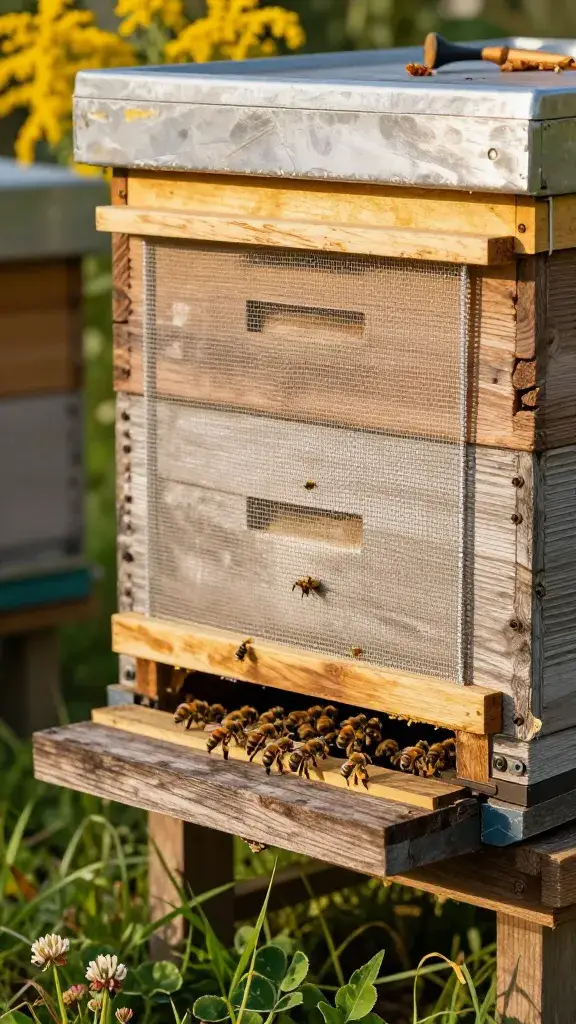
Weak colonies can’t defend a big front door. Entrance reducers and robbing screens keep wasps, robbers, and mice out when the nectar dries up.
When To Use
- Spring: small opening for chilly nights and small populations.
- Late summer/fall: robbing pressure rises—install a screen early.
- Winter: reduce to deter mice; FYI, add a mouse guard if needed.
Cheap upgrades, huge peace of mind. Think of them as hive home security.
9. Buy: A Feeder That Doesn’t Drown Bees
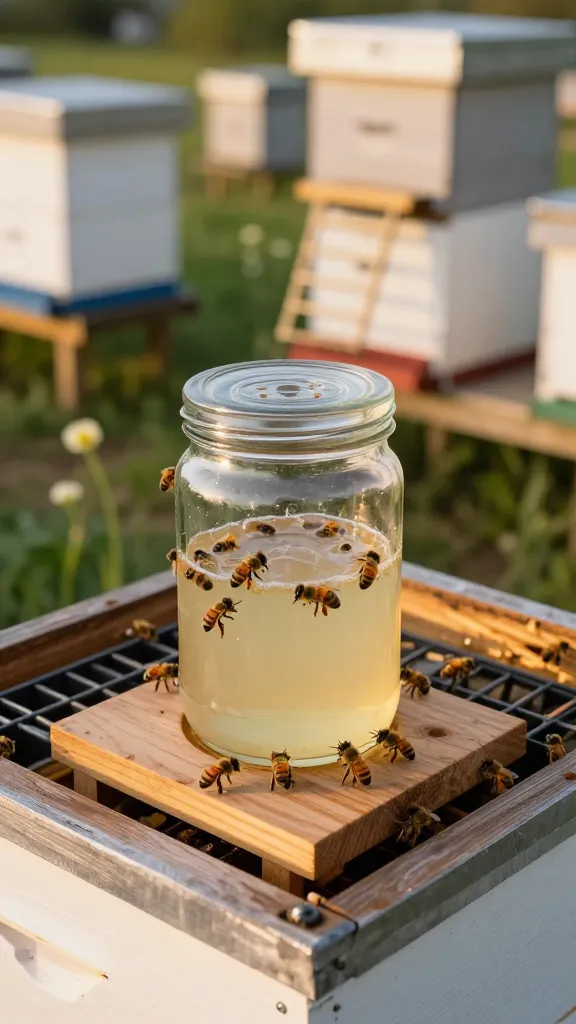
Feeding saves colonies during build-up or dearth. Get a feeder that’s easy to refill and safe for bees.
Good Options
- Top feeders with float ladders: fast and convenient.
- Jar feeders over the inner cover hole with a spacer: simple, cheap, effective.
- Frame feeders with ladders: great in windy spots, but more intrusive.
Use 1:1 syrup for spring build-up and 2:1 in fall. Feed smart so your bees can focus on drawing comb and raising brood.
10. Buy: A Queen Excluder (But Use It Strategically)
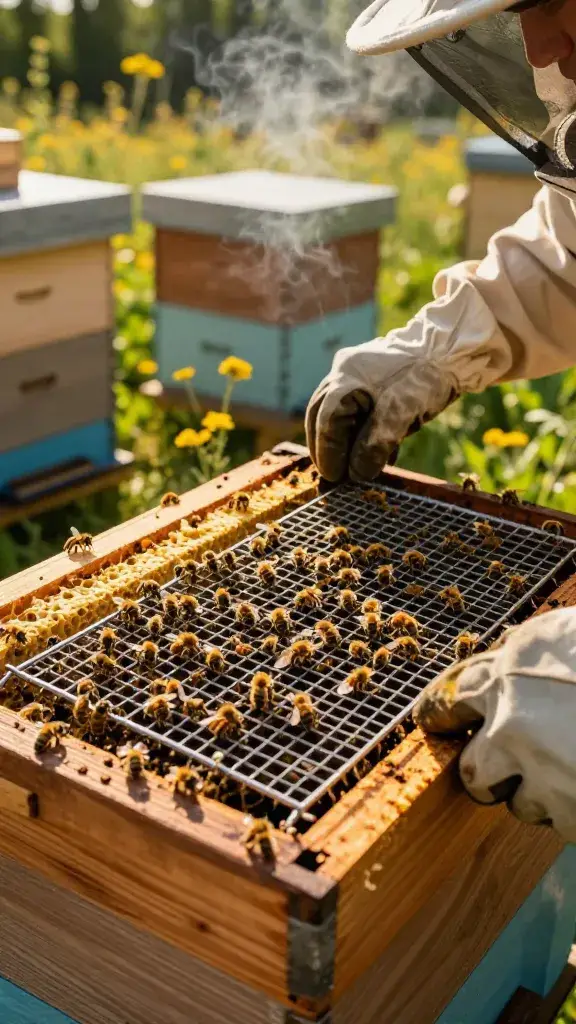
Excluders keep brood out of honey supers, which makes harvest cleaner. They can also slow bees if you add them too early.
How To Win With Excluders
- Wait until bees work the super before adding it.
- Use metal excluders for durability and easy cleaning.
- Remove after the main flow if bees abandon the space.
Used right, it’s a tidy-honey cheat code. Used wrong, it’s a traffic jam. Timing is everything.
11. Buy: A Varroa Monitoring Kit (Alcohol Wash Or Sugar Roll)
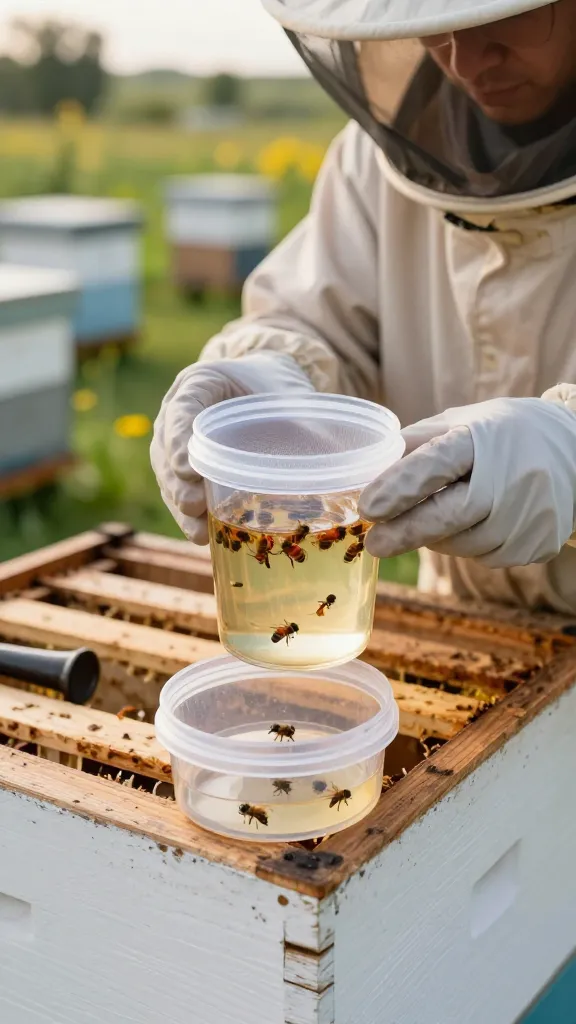
Varroa mites wreck colonies—period. Monitoring tells you when to act, not just guess and hope.
Kit Essentials
- Sampling cup with a mesh lid.
- Rubbing alcohol or powdered sugar for dislodging mites.
- Clear container to count mites accurately.
Check monthly in season, more often during brood peaks. Data-driven decisions keep colonies alive—seriously.
12. Buy: A Decent Uncapping Knife And A Bucket With A Honey Gate
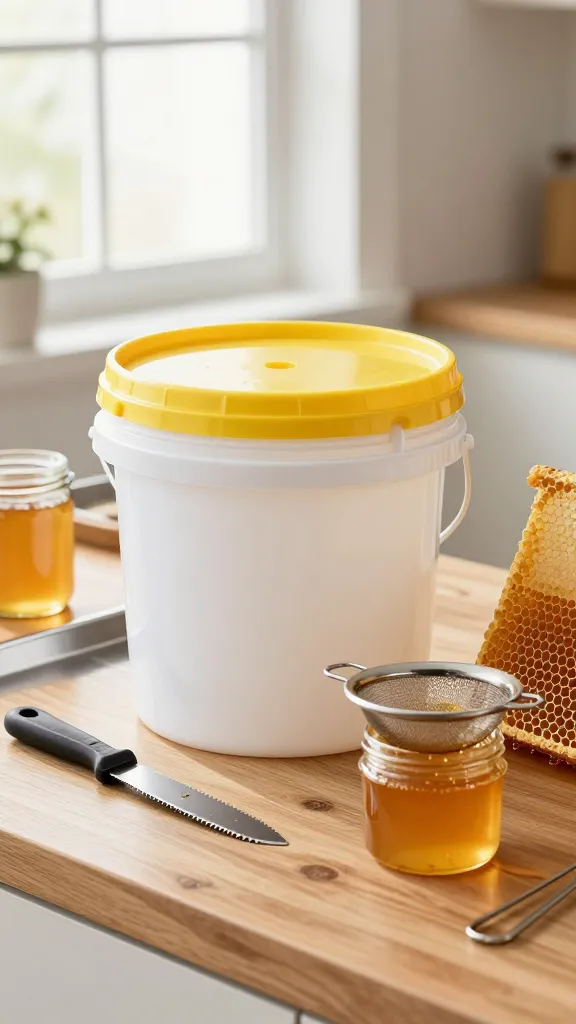
When harvest hits, you don’t need a commercial setup—but you do need to get cappings off and honey into jars without a sticky meltdown. A warmed serrated knife and a food-grade bucket with a gate do the trick.
Simple Harvest Setup
- Uncapping knife or capping scratcher for low spots.
- Double sieve to strain wax bits.
- Food-safe 5–8 gallon bucket with a leak-free honey gate.
Keep it minimal and clean. You’ll bottle beautiful honey without turning your kitchen into a sugar swamp.
13. Skip: Gimmicky Bee Gadgets You’ll Use Once
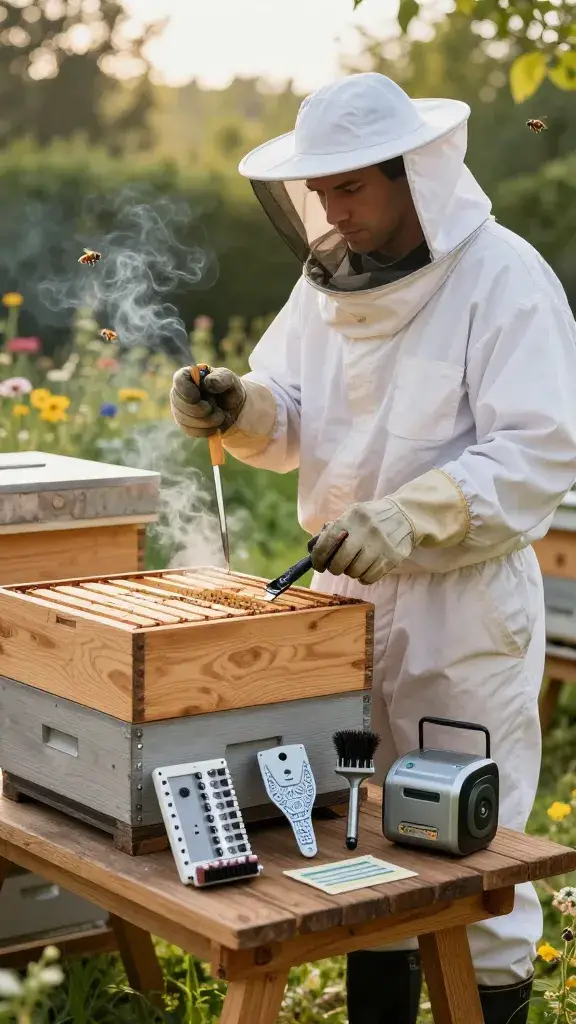
Every year someone invents a “must-have” that solves a problem you don’t actually have. Auto-flow miracle frames? Queen clip-on carriers with LED lights? Hard pass for beginners.
What To Question
- Anything that promises “no-maintenance beekeeping.”
- One-trick tools that duplicate tasks your hive tool handles.
- Expensive hive add-ons that complicate inspections.
Keep your wallet for real needs—woodenware, feed, and mite control. Fancy doesn’t equal effective.
14. Skip: Oversized Extractors And Full Lab Gear (At First)
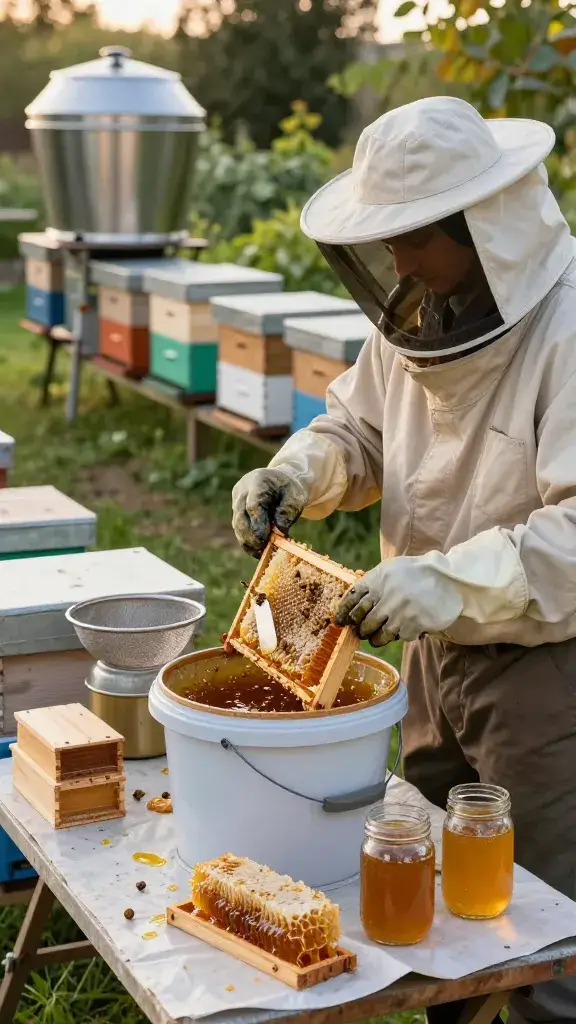
You don’t need a four-frame extractor your first season, let alone a 20-frame stainless spaceship. Many beginners harvest crush-and-strain style or borrow from a club.
Smarter Alternatives
- Borrow or rent an extractor for a day during harvest.
- Start with crush-and-strain if you only have a few supers.
- Upgrade after you average multiple supers per hive annually.
Spend money when your harvest justifies it. Until then, keep it lean and enjoy the learning curve without debt.
Ready to suit up and meet your new favorite hobby? Start with the proven essentials, skip the shiny distractions, and let the bees teach you the rest. Keep it calm, keep it curious, and you’ll have sweet results—trust me.
Share this content: