Buzz-Worthy 13 Beginner Beekeeping Questions Answered Simply
Thinking about keeping bees but worried you’ll mess it up? You’re not alone—and you’re absolutely capable. These quick answers cut through the buzz and give you exactly what you need to start strong. Let’s get your first hive humming without the stress, the panic googling, or the stings to your ego.
1. Do I Really Need A Beekeeping Suit?
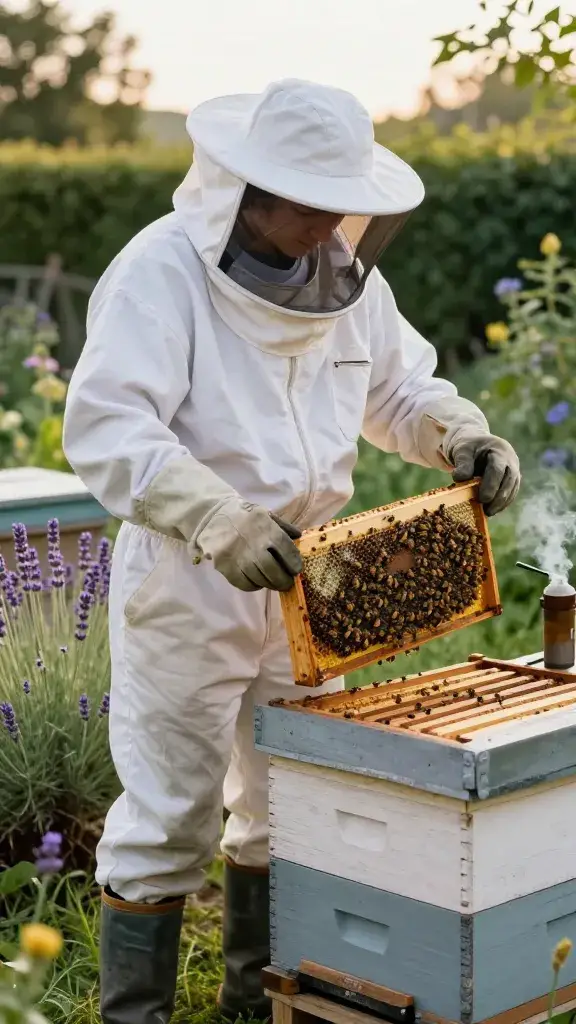
Short answer: yes, especially at the start. Bees read your fear like a gossip column, and a suit helps you relax and move smoothly.
What To Wear:
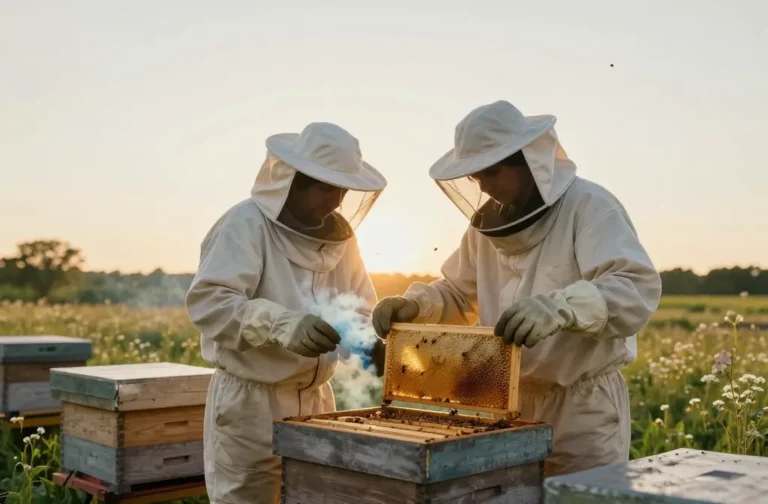
- Full suit or jacket with veil to protect face and neck
- Goatskin or nitrile gloves for dexterity and safety
- Boots with high socks and pant legs tucked in (bees love exploring openings)
As you gain confidence, you can lighten up your gear. But for your first season, play it safe and comfy.
2. How Many Hives Should I Start With?
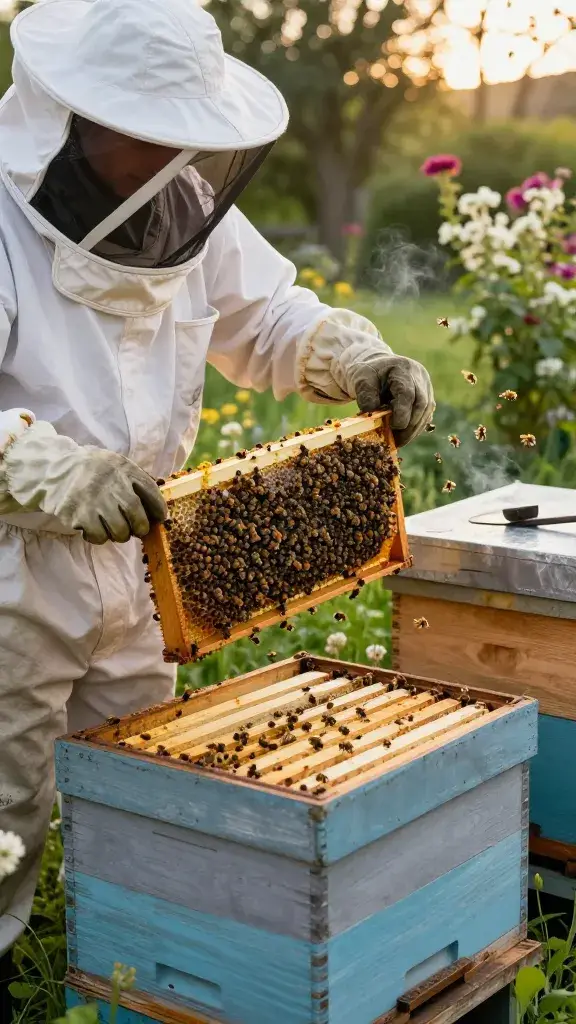
Two hives beat one every time. Why? You can compare health, swap resources, and learn faster with less guesswork.
Key Benefits:
- Resource balancing: Move brood or honey between hives to rescue a weak colony
- Diagnostics: If one struggles, the other acts as a control
- Honey insurance: If one fails, the other often still produces
One hive works, but two makes you a smarter beekeeper instantly. IMO, start with a pair if budget allows.
3. Where Should I Put My Hives?
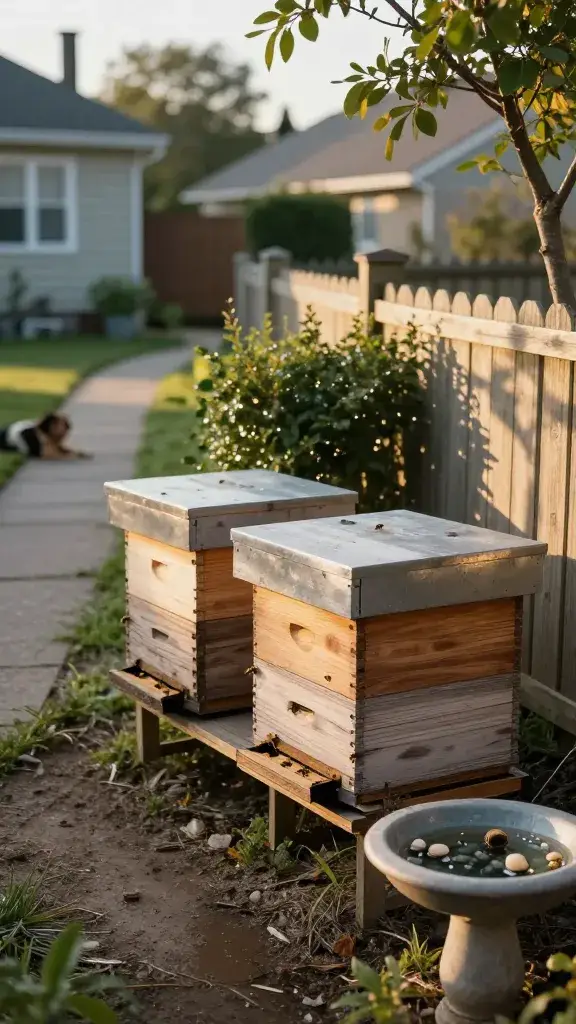
Bees don’t need a palace, but location matters. Think sun, wind, and neighbors.
Placement Tips:
- Morning sun to kickstart foraging; some afternoon shade in hot climates
- Face the entrance southeast if you can
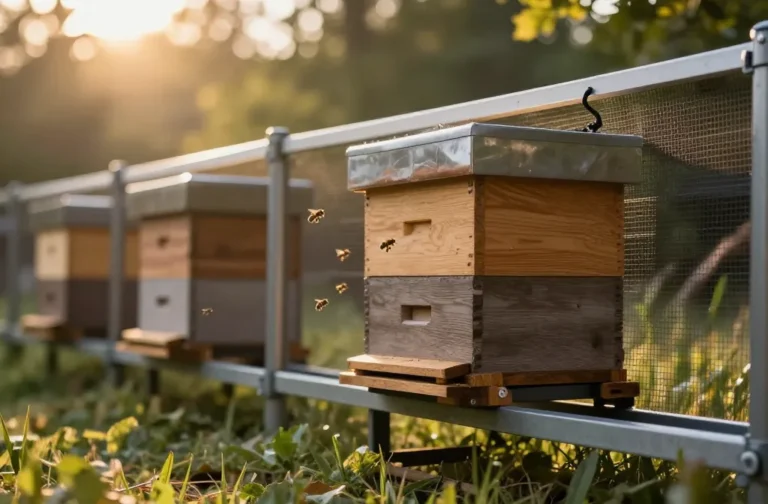
- Windbreak from fences or shrubs; avoid low, damp spots
- Clear flight path pointed away from foot traffic and pets
- Water source nearby so they don’t hit your neighbor’s pool
Good placement means calmer bees and easier inspections. Your future self will thank you.
4. What’s The Difference Between A Nuc And A Package?
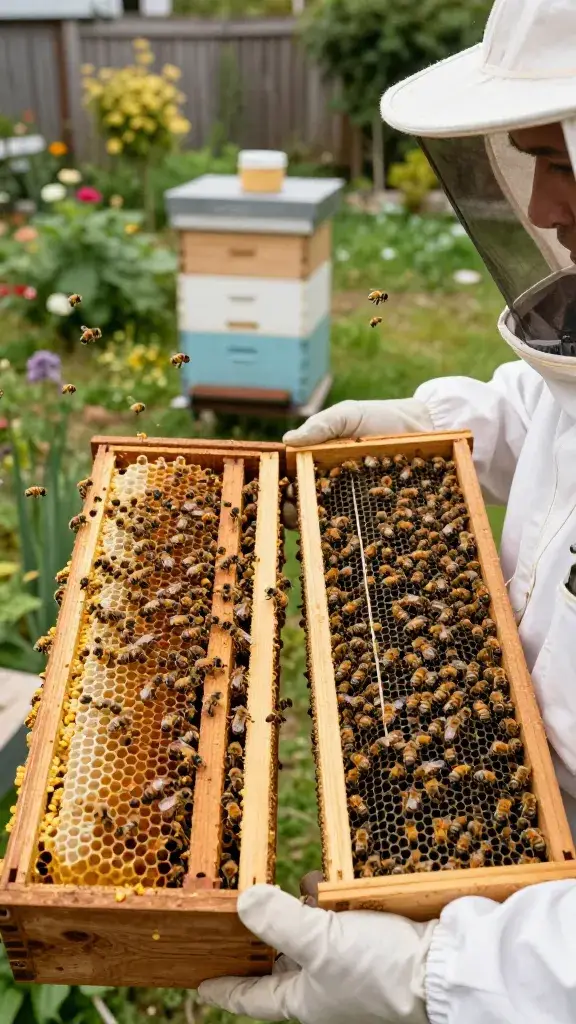
Both get you bees, but they aren’t created equal. A package is a box of loose bees plus a caged queen. A nuc (nucleus colony) is a mini-hive with frames, brood, food, and a laying queen.
Choose This If:
- Nuc: You want a faster start with better odds
- Package: You want a cheaper option and don’t mind a slower build
Nucs cost more but feel like dropping into a running car. For beginners, that smooth start is worth it.
5. What Equipment Do I Actually Need?
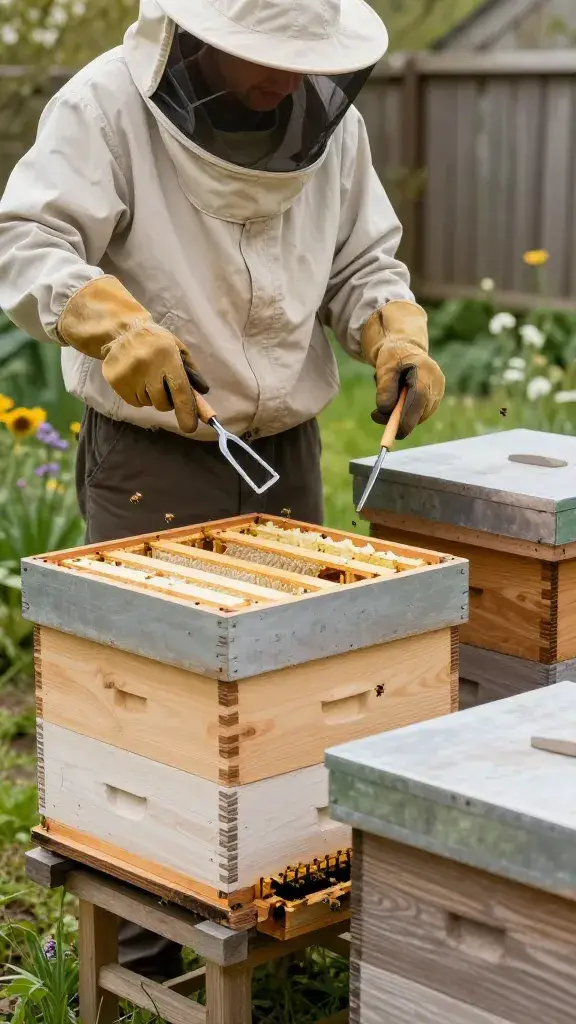
Skip the shiny extras and stick to the essentials. You can always upgrade once you know your style.
Starter Kit Essentials:
- Hive bodies (two deeps or three mediums)
- Bottom board, inner cover, outer cover
- Frames with foundation (10 per box)
- Smoker and hive tool
- Feeder (frame or top feeder)
- Protective gear (jacket with veil, gloves)
That’s it. Keep it simple, get comfortable, and avoid the gear rabbit hole—seriously.
6. When Should I Start My First Hive?
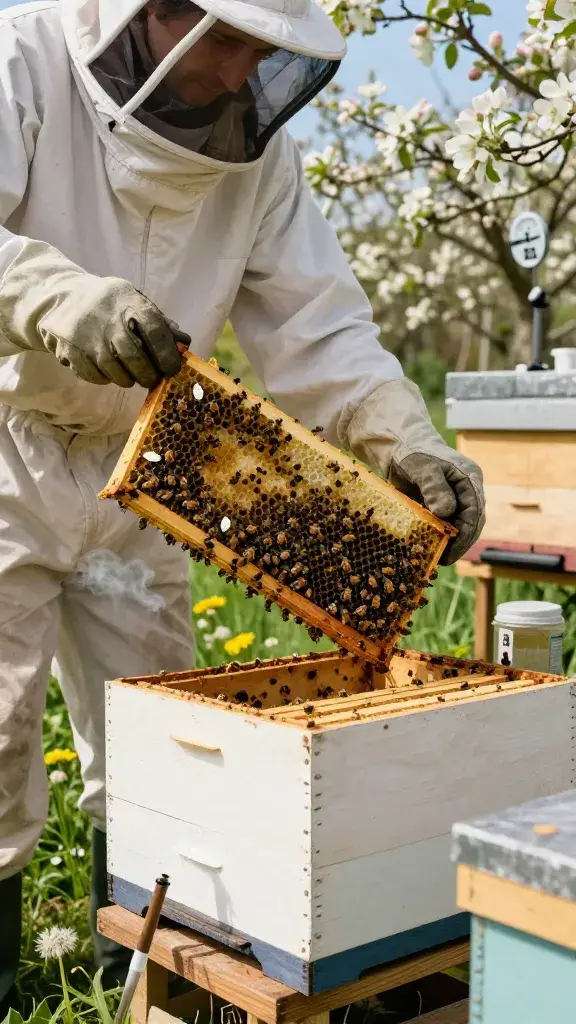
Spring rules. You want flowers blooming and warm days so your colony grows fast.
Timing Basics:
- Order bees in winter to secure spring pickup
- Install in early to mid-spring after consistent temps above ~55°F (13°C)
- Late spring works if you feed well and watch for heat
Good timing gives your bees months to build strength before winter. It’s your biggest early advantage.
7. How Often Should I Inspect My Hive?
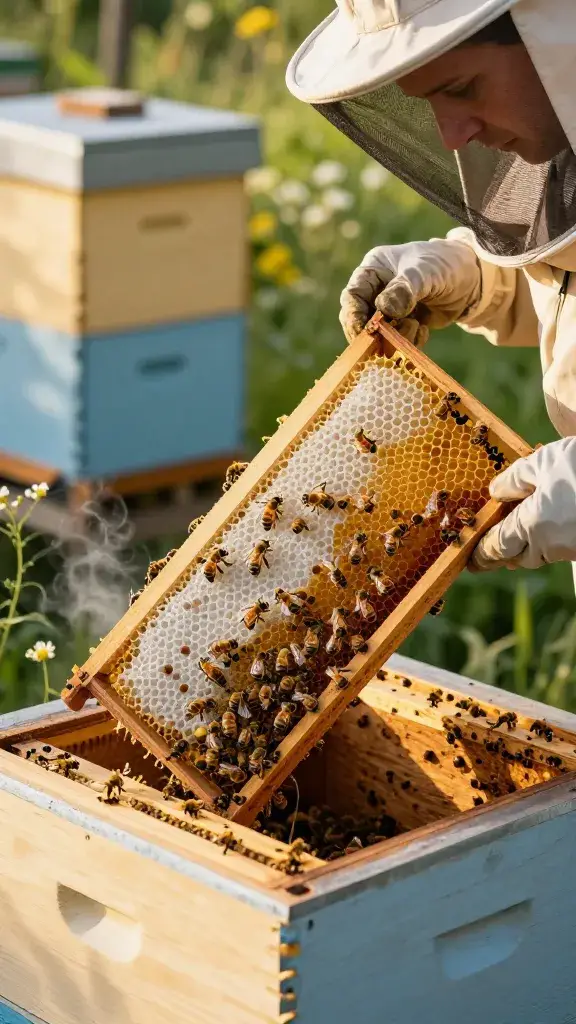
Peek enough to learn—but not so much you stress them out. New beekeepers love to over-visit. Don’t.
Inspection Rhythm:
- First month: Every 7–10 days to confirm queen laying and comb build
- Spring–summer: Every 2 weeks for space, brood pattern, pests
- Hot/cold extremes: Quick checks only (or skip)
Each visit should have a purpose. In, out, minimal drama, maximum info.
8. What Do Healthy Brood And Good Queens Look Like?
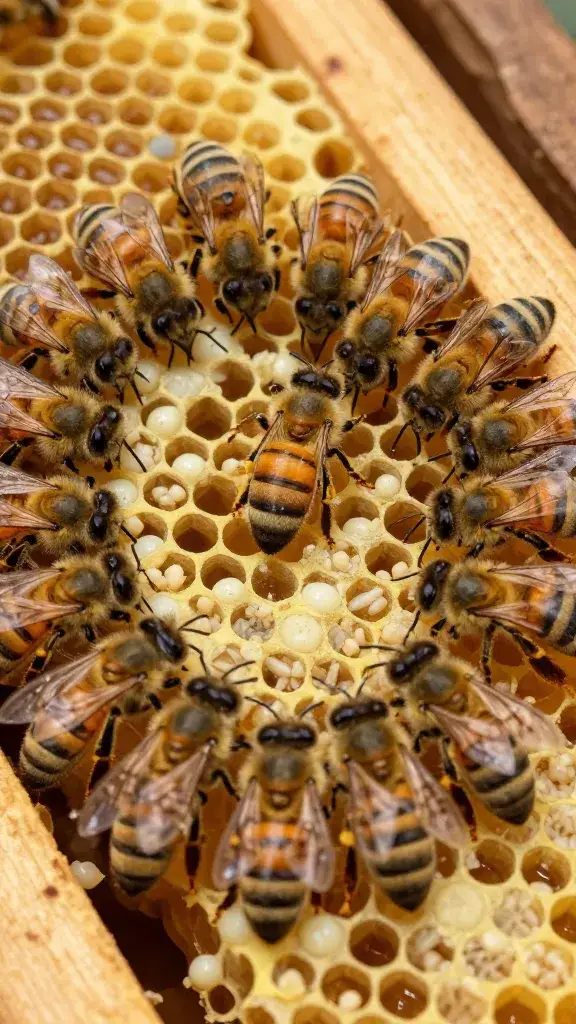
Your queen tells her story through the brood pattern. Learn this and you’ll spot issues fast.
Signs Of Health:
- Solid brood pattern: Few empty cells, like a tight blanket
- All stages visible: Eggs, larvae, capped brood
- Calm bees: Workers focused, not frantic
Red Flags:
- Scattered brood with lots of empties
- Multiple eggs per cell (laying workers)
- Sunken, perforated cappings (possible disease)
Healthy brood means a strong future workforce. Weak patterns? Act early and save the season.
9. Should I Feed My Bees—And What?
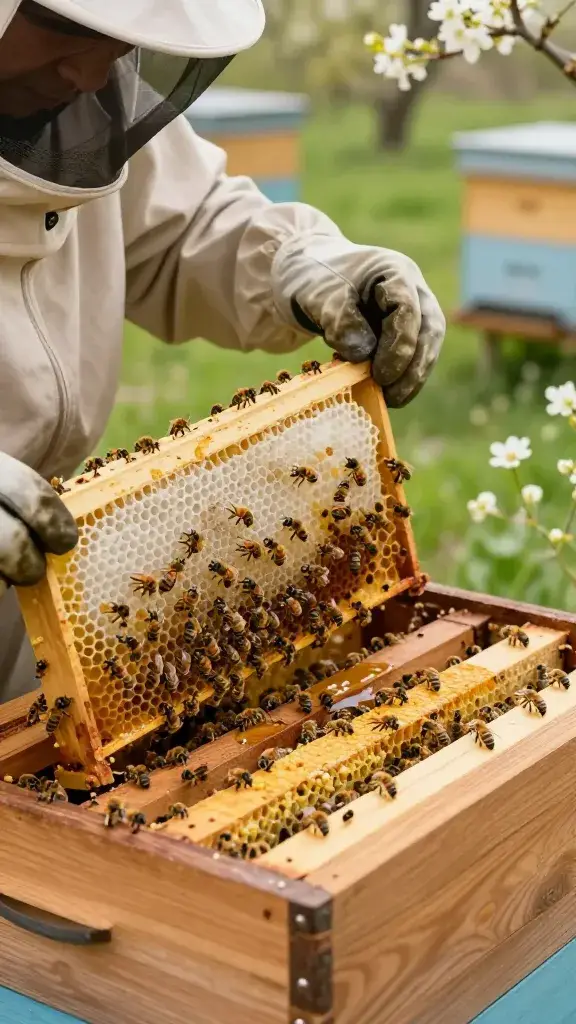
New colonies often need a snack while they build comb. No shame in feeding; it jump-starts growth.
Feed Options:
- 1:1 sugar syrup in spring for comb building
- Pollen patties if natural pollen runs low
- 2:1 sugar syrup in late season to build winter stores
Stop feeding when they ignore the syrup or heavy nectar flow kicks in. Feed smart, not forever.
10. How Do I Prevent Swarms?
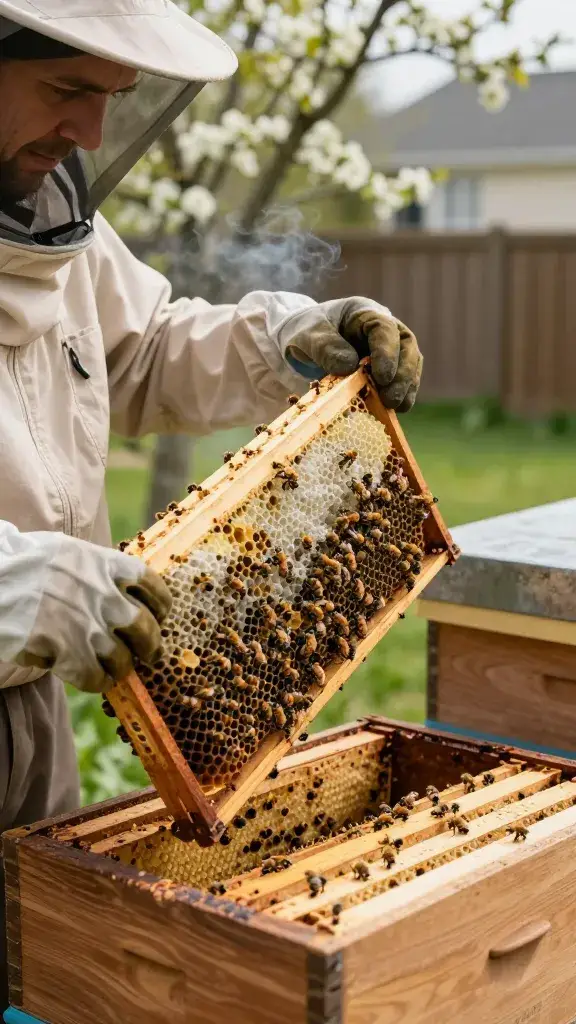
Swarms happen when bees feel crowded or the queen feels outdated. Prevention keeps your honey at home.
Anti-Swarm Moves:
- Add space early: Super before they need it
- Split booming colonies to relieve pressure
- Rotate out old comb and give fresh frames to draw
- Find queen cells during spring inspections and assess
Stay a step ahead and you’ll keep your bees happy and your neighbors unalarmed. FYI, swarms are natural—not failure—just a sign to tweak timing.
11. What About Varroa Mites—Do I Really Need To Treat?
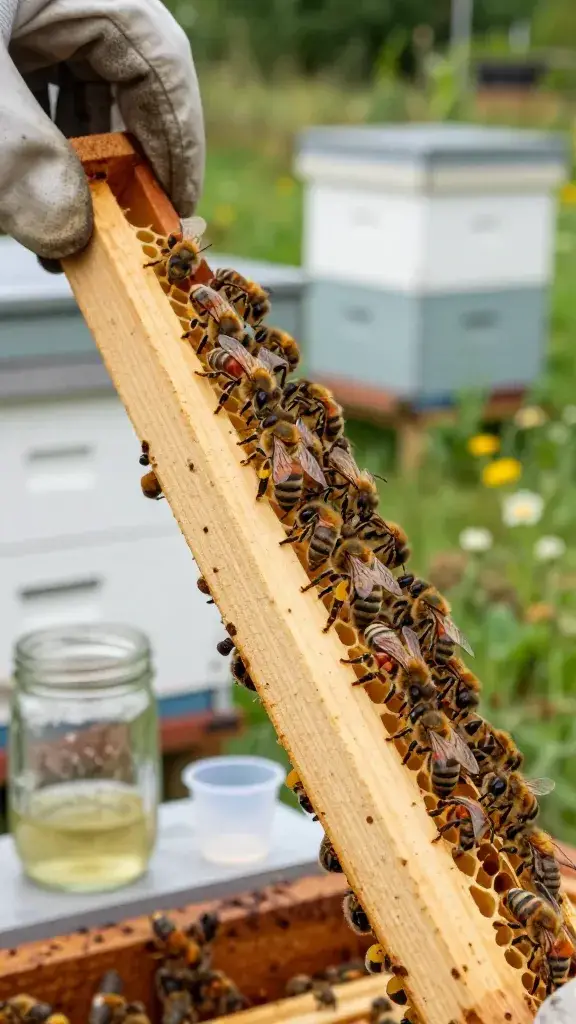
Varroa is the final boss of beekeeping. Ignore it and you’ll lose hives—no exaggeration.
Simple Plan:
- Test monthly in season with an alcohol wash or sugar roll
- Treat when thresholds hit (often 2–3% infestation)
- Rotate treatments like oxalic acid, formic acid, or thymol based on season and brood status
Control mites and everything else gets easier. It’s the single biggest factor in colony survival, trust me.
12. When Can I Harvest Honey?
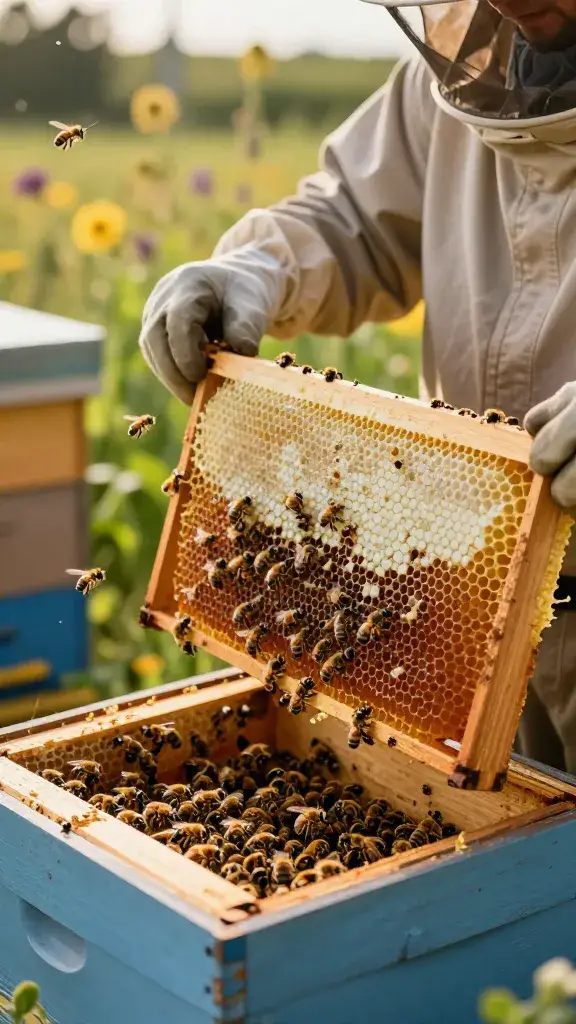
Patience pays—with honey. Your first year, plan to leave it all so the colony builds strength.
Harvest Rules:
- Only take capped honey (at least 80–90% capped)
- Leave enough stores for winter: 60–100 lbs depending on climate
- Use a bee escape board or gentle brushing to clear supers
Year two is usually your sweet payoff. Strong bees first, honey second—your future jars will taste better for it.
13. What Happens In Winter—And How Do I Keep Them Alive?
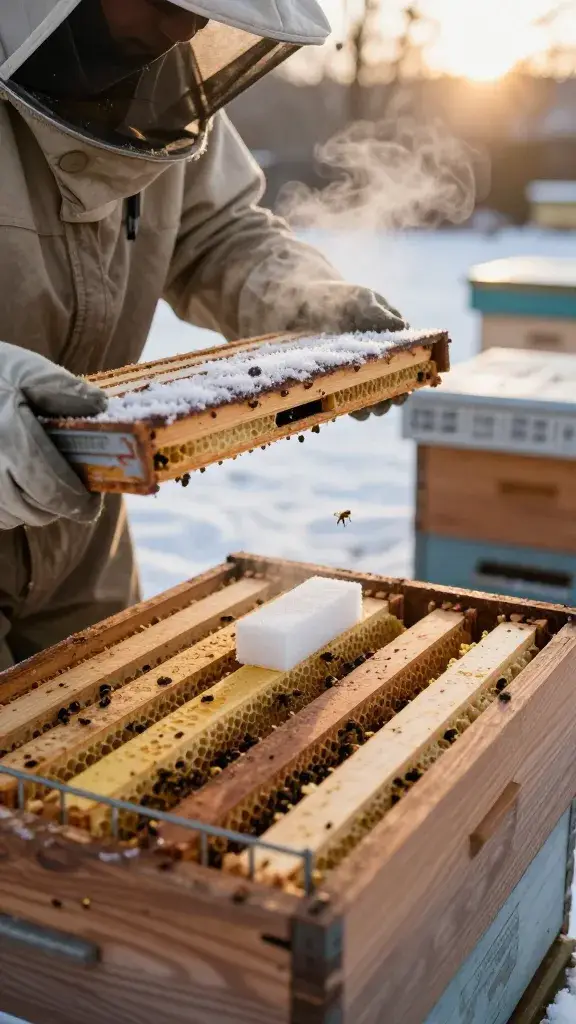
Winter success starts in late summer. Healthy bees with ample food and low mites stroll through cold like champs.
Winterizing Checklist:
- Treat varroa effectively before cold sets in
- Ensure heavy stores (heft the hive; it should feel solid)
- Reduce entrances with a mouse guard
- Add ventilation up top to reduce condensation
- Emergency feed options: sugar bricks or fondant if they feel light mid-winter
Go into winter strong, and spring will greet you with a roaring colony. Weak colonies? Combine in fall rather than watch them fade.
You’ve got the basics—and they’re not rocket science. Start simple, stay curious, and let your bees teach you the rest. You’ll make mistakes and still succeed, which is kind of the magic of beekeeping, seriously.
Share this content: