
10 Signs Your Queen Bee May Need Replacing Now
Your hive can only thrive if the queen’s crushing it. When she slows down, the entire colony sends SOS signals—subtle at first, then painfully obvious. Learn to spot the little red flags early so you can fix things fast, avoid a brood crash, and keep honey flowing. Ready to read your bees like a pro?
1. Spotty Brood Pattern That Looks Like Swiss Cheese
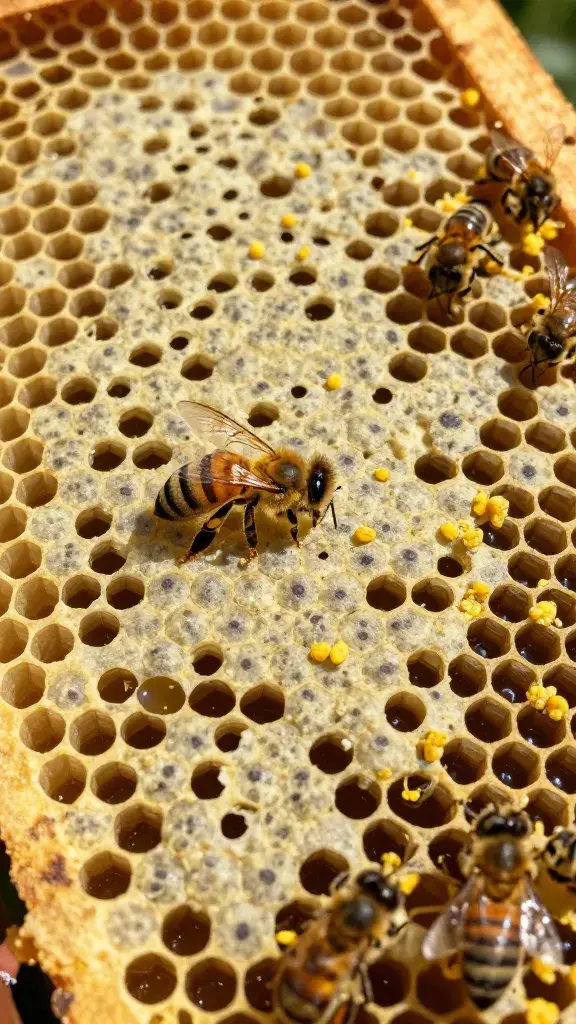
A strong queen lays in tight, beautiful circles with very few empty cells. When you see scattered brood with random gaps, it usually means the queen skips cells or workers yank larvae for a reason. That chaos costs population growth fast.
What To Look For
- Patchy brood with lots of missed cells
- Mixed ages all jumbled together instead of neat rings
- Sunken or perforated cappings alongside empties
Some gaps happen if nurse bees remove sick larvae, but consistent “Swiss cheese” screams queen decline. Replace her if it persists across inspections. Your colony will rebound faster with fresh, even laying.
2. Lots Of Drone Brood In Worker Cells
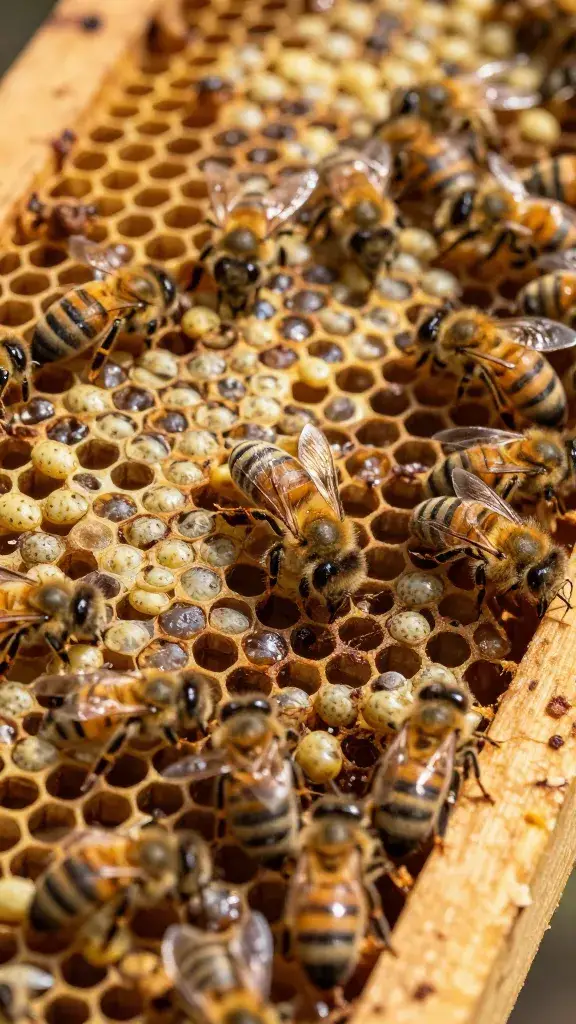
Drone brood in worker-sized cells hints the queen ran out of stored sperm or lost her mating mojo. Unfertilized eggs become drones, and too many drones means your workforce shrinks while mouths to feed increase. Not ideal when nectar flows hit.
Clues You Can’t Ignore
- Bullet-shaped cappings on worker-sized cells
- Drone brood scattered across the brood nest instead of at the edges
- Overall dip in young worker population
Too many drones drains resources without adding foragers. If this continues beyond a single frame or two, requeen to restore worker dominance and hive productivity.
3. Multiple Eggs Per Cell Or Eggs On Cell Walls
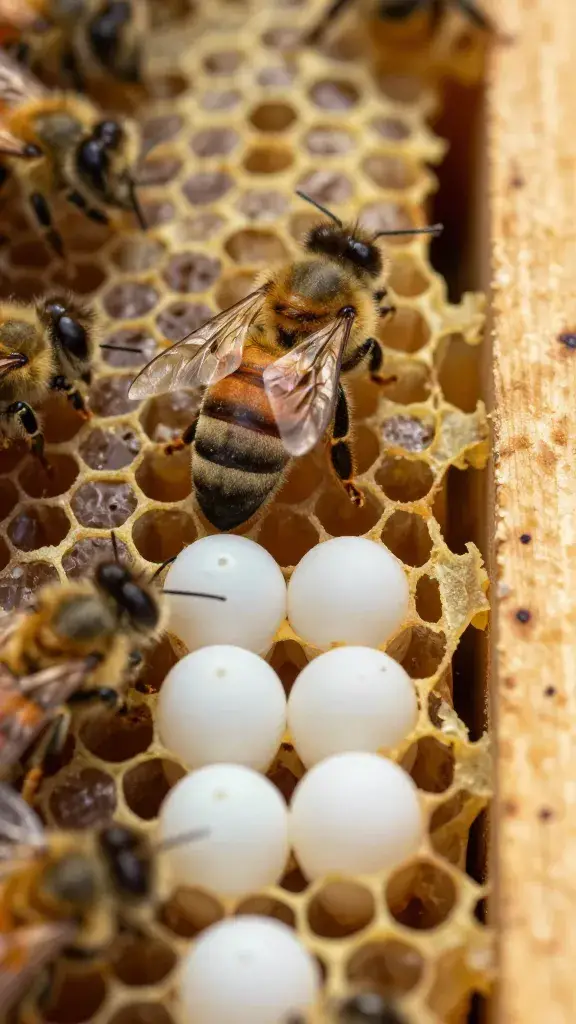
Good queens lay one egg dead-center at the bottom of each cell—clean and precise. Multiple eggs per cell or off-center, wall-stuck eggs usually mean laying workers or an inexperienced, failing queen. Either way, that spells trouble.
Diagnose The Situation
- Several eggs per cell: likely laying workers
- Occasional doubles but mostly normal: possibly a young queen finding her rhythm
- Eggs high on walls: short abdomens of laying workers can’t reach the bottom
If you confirm laying workers, requeening gets tricky—introduce brood frames first to reset pheromones. If it’s just a clumsy new queen, give her a week. Still messy? Replace her and save yourself headaches.
4. Very Little Open Brood Or Eggs During Nectar Flow
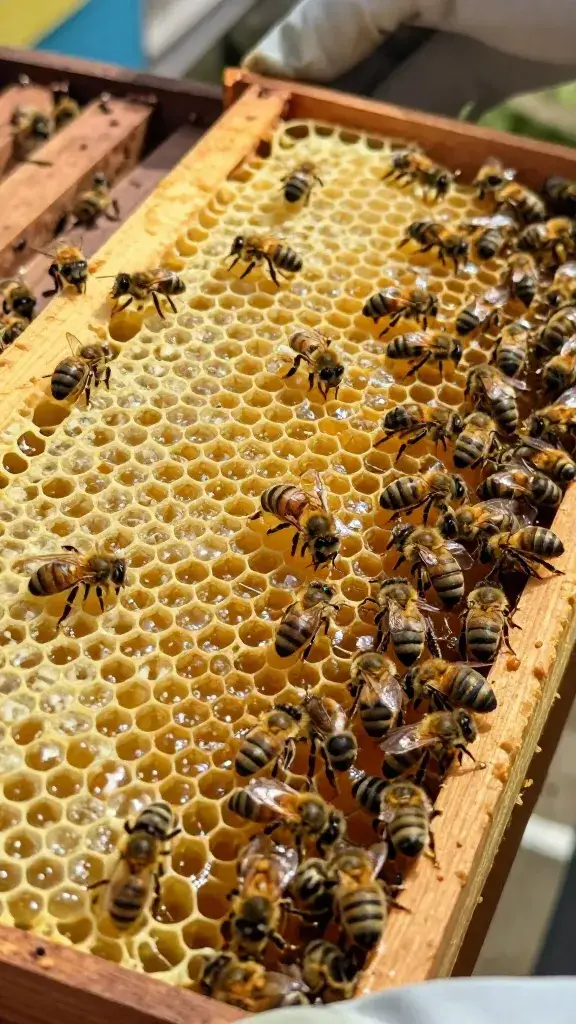
When conditions scream “Go time,” a great queen ramps up laying. If you crack the hive during peak flow and see barely any eggs or young larvae, your queen isn’t keeping pace. That slowdown snowballs into fewer foragers right when you need them most.
Quick Checks
- Few eggs or tiny larvae in spring or early summer
- Honey backfilling brood nest with no pushback from the queen
- Population stagnating despite great weather
Before you blame the queen, check space and congestion. Add frames or supers if the nest is honey-bound. If she still won’t lay heavily with room to spare, requeen to regain momentum.
5. Aggressive, Jittery Temperament Out Of Nowhere
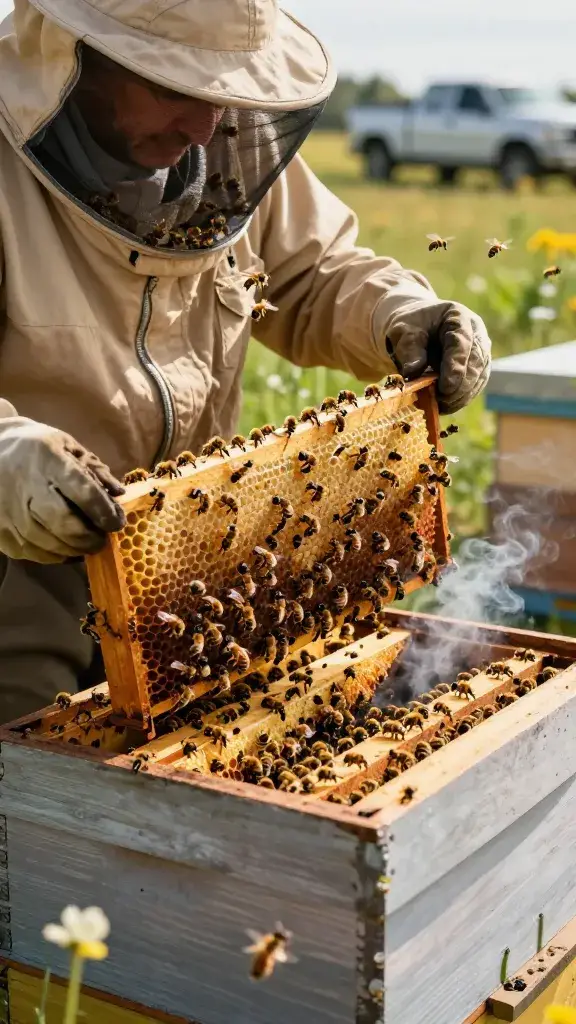
Some queens pass on spicy genetics. Others lose pheromone strength, and the hive mood flips—edgy, pinging your veil, and chasing you to the truck. If your once-chill bees turn into tiny bouncers overnight, pay attention.
Behavior Flags
- Guard bees hit fast even with careful smoke use
- Bees run on frames instead of staying calm and fanning
- Persistent head-butting and loud, high-pitched colony tone
Environmental stress can rile any colony, but bad genetics or a failing queen locks it in. Requeening with gentle stock can reset temperament, which makes every inspection safer and way more fun, IMO.
6. Queen Cells Everywhere—But Not Just Swarm Cells
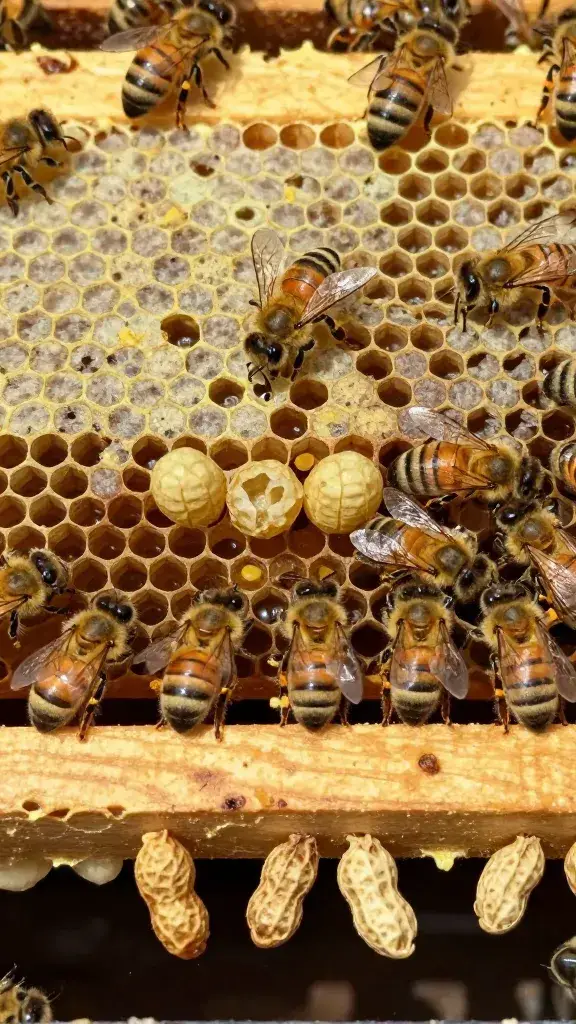
Bees make swarm cells when they feel strong and crowded, usually along the bottom bars. But you should worry when you find emergency or supersedure cells in the middle of frames—your bees want a new leader now. They’ve read the vibes, and the vibes say “Replace her.”
Cell Types 101
- Swarm cells: multiple cups along the bottom edge during boom times
- Supersedure cells: 1–3 big cells mid-frame on the face of brood comb
- Emergency cells: scattered, rough-built cells on opened worker cells after queen loss
Frequent supersedure or emergency cells show the colony doubts her pheromones or laying quality. Let them requeen or step in with a proven queen. You’ll stabilize brood fast and dodge a productivity slump.
7. Diminishing Queen Presence Or She’s Just… Missing
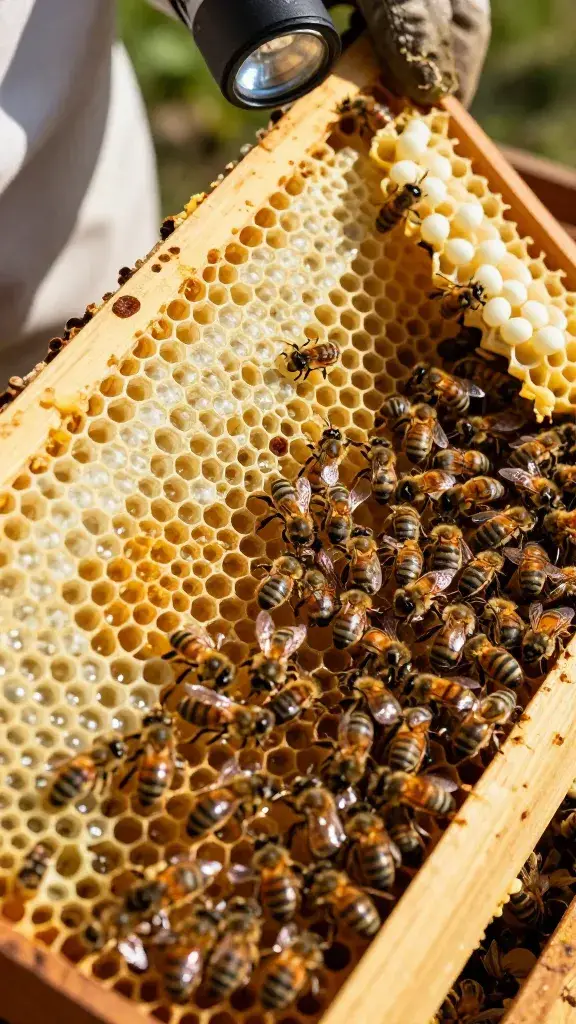
You don’t need to see the queen every visit, but you should “feel” her: fresh eggs, calm brood frames, organized patterns. If you inspect and find zero eggs, no young larvae, and the bees act unsettled, she may be gone—or failing hard.
Confirm Before You Panic
- Check for eggs under bright light—they’re easy to miss
- Look for polished cells where a queen intends to lay
- Note a queenless roar: a louder, urgent colony hum
If she’s truly gone, add a frame of open brood to keep morale and pheromones stable while you source a new queen. Replace quickly to prevent laying workers and a population cliff.
8. Chronic Chalkbrood, Sacbrood, Or Varroa Blowups Despite Good Management
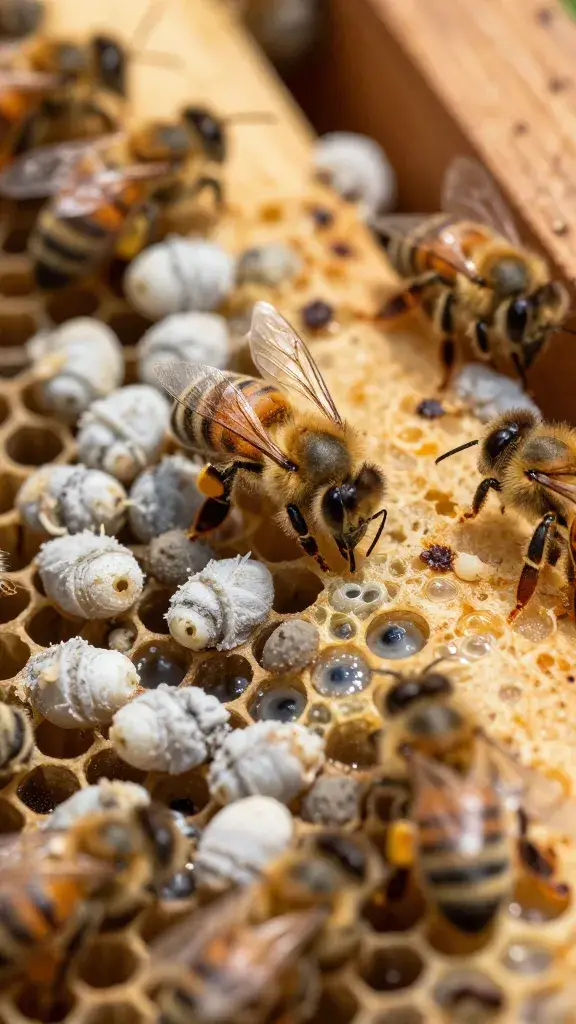
Some queens produce bees with weaker hygienic behavior, so diseases linger and mites explode. If you run solid management—good nutrition, space, and treatments—and still see chronic issues, genetics might be the culprit. Tough love: not every queen deserves a second season.
Signs Genetics Hold You Back
- Persistent chalkbrood mummies even in warm, dry weather
- Poor uncapping and removal of diseased brood
- Varroa counts rebound fast after proper treatment
Requeen with lines bred for hygienic traits. You’ll see cleaner brood, healthier bees, and lower mite pressure—seriously, it’s night and day.
9. Honey Production Tanks While Neighbors Crush It
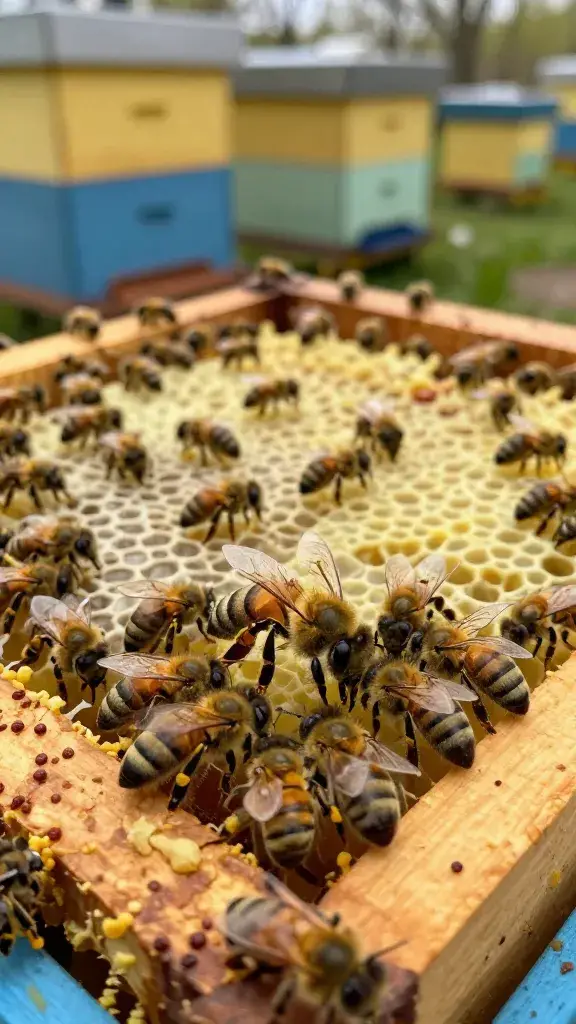
Every apiary has off years, but if only your hive lags while the yard pops, suspect the queen. Slow brood buildup means fewer foragers when nectar hits, and that means light supers. You can’t blame the flowers forever.
Compare Apples To Apples
- Same forage zone, similar equipment, comparable management
- But your hive shows thin forager traffic and light supers
- Population plateaus instead of building two brood boxes strong
Swap in a proven queen and watch the colony sync with the flow. More bees, more nectar, more capped honey. That’s the whole point, right?
10. Old Age: She’s Past Her Prime And It Shows
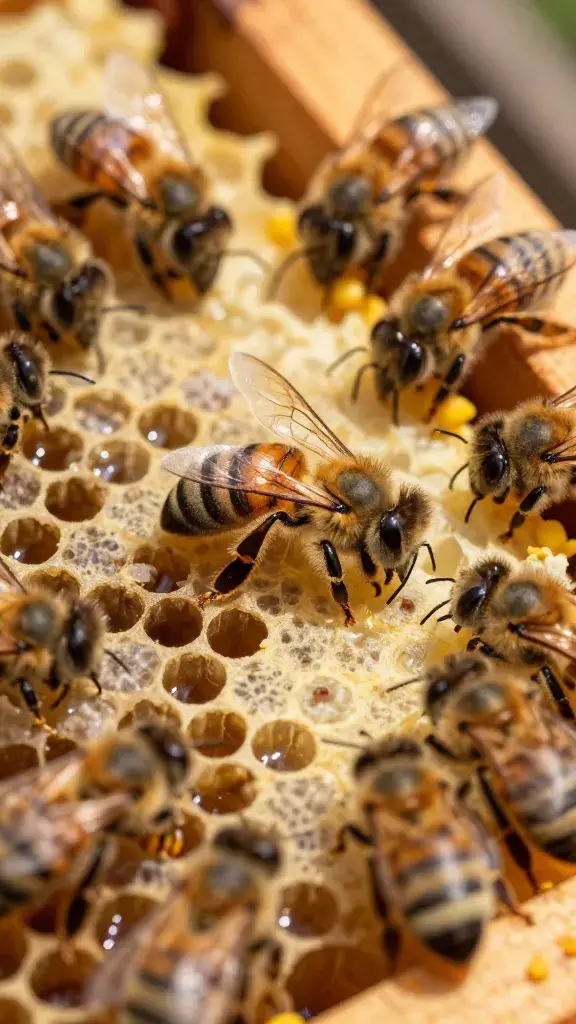
Even rockstar queens slow down after one or two seasons. Sperm stores dwindle, pheromones fade, and the brood pattern loosens. You’ll notice reduced egg-laying just when you need spring surge.
When To Schedule A Change
- Annual or biennial requeening keeps the engine tuned
- Mark queens so you track age without guessing
- Time requeens late summer or early fall or right after spring flow
Planned requeening beats emergency fixes every time. Keep queens young, and your colonies run smoother, gentler, and more productive—FYI, your future self will thank you.
Ready to read your brood frames with new eyes? Spotting these signs early turns crises into quick tune-ups. Requeen with confidence, and your bees will repay you in calm inspections, fat supers, and that addicting contented hive buzz.
Share this content: