Wild Bird Feeders Vs. Backyard Chickens: Can You Safely Keep Both?
You love watching goldfinches at the feeder. You also dream of fresh eggs from a flock of fluffy backyard hens. Can these two backyard hobbies actually coexist without turning your yard into a disease swap meet? Short answer: yes, with smart setup and a little daily discipline. Let’s break down the risks, the myths, and the setup tricks that keep both birds happy and healthy.
What’s the Real Risk Here?
Backyard chickens and wild birds share more than airspace. They can swap parasites, bacteria, and viruses if you let them mingle. That sounds dramatic, but you can manage it.
Main concerns you should care about:
- Avian influenza (bird flu): Wild waterfowl carry it, and songbirds occasionally do. Chickens can get very sick.
- Salmonella and campylobacter: Chickens and wild birds both spread these via droppings. People can get sick too. Wash those hands, friend.
- External parasites: Mites and lice hitchhike on wild birds and can jump to your flock.
- Coccidia and other gut nasties: Shared ground = shared poop = shared problems.
Do you need to rip out the bird feeders? No. You just need space, barriers, and good habits.
Distance Is Your Best Friend
You don’t need a measuring tape, but do aim for clear separation between chicken areas and wild bird magnets.
Smart layout tips:
- Keep feeders 30–50 feet from the coop and run. Further if your yard allows.
- Place feeders upwind from your chicken area when you can. Less dust and dander drifting around.
- Don’t hang feeders over walkways you or your chickens use. Bird poop falls… straight down. Gravity stays undefeated.
- Move birdbaths well away from coop/runs. Water attracts birds like a free buffet.
What if your yard is tiny?
If space feels tight, lean heavier on barriers (covered runs, fencing, and netting), time your activities (let chickens free-range when feeders are less active), and keep everything squeaky clean.
Separate the Snacks, Save the Flock
Wild birds adore chicken feed. Chickens will absolutely eat spilled sunflower chips. Cross-snacking invites disease, fights, and wasted money. Time for boundaries.
Rules that actually work:
- Use treadle or gravity chicken feeders that close tight. Close them at night and during peak wild bird activity if you see theft.
- Hang wild bird feeders with trays to catch spill. Less seed on the ground = fewer ground-feeding birds congregating.
- Stop feeding wild birds on the ground. No scatter feeding, ever. That’s like opening a nightclub for pigeons.
- Clean up daily: Sweep or rake spilled seed under feeders. Remove soggy seed ASAP.
High-risk seasons
During local avian flu spikes or migration surges, pause wild feeding for a few weeks and tighten your chicken biosecurity. Your future self will thank you.
Cover, Fence, Repeat
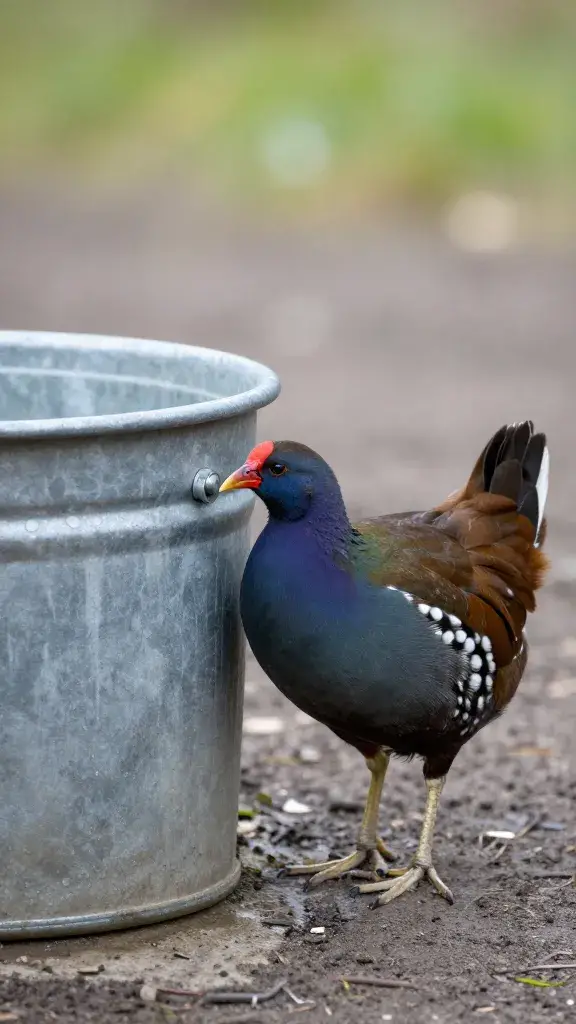
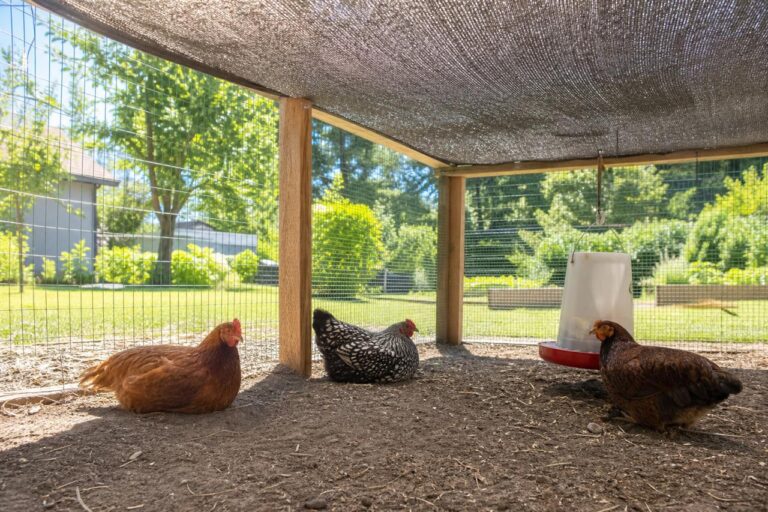
You can’t manage what you can’t control, so control the chicken zone. You want a coop and run that limit contact with wild birds.
Coop/run must-haves:
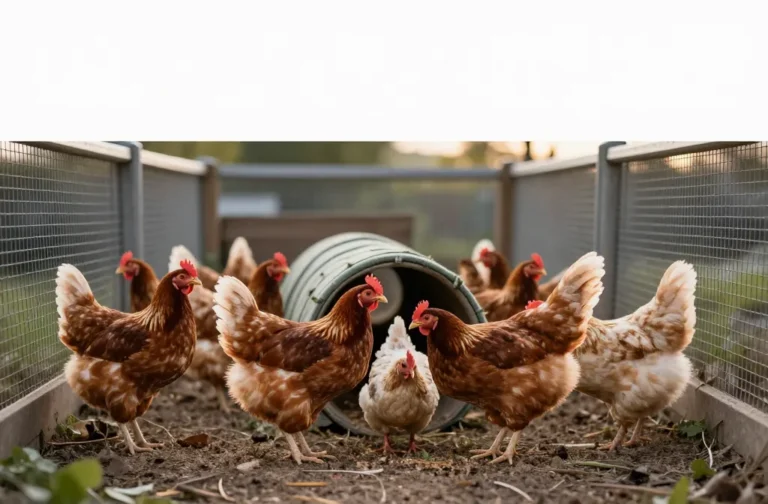
- Covered run with hardware cloth on sides and top. Keep sparrows and starlings out.
- Solid roof or fine netting so droppings from overhead birds don’t rain down on your flock or feeders.
- Feed and water inside the covered run only, not out in the yard where wild birds can sneak a sip.
- Rodent control (sealed feed bins, tidy storage). Rodents bring disease and attract more wild birds. Vicious cycle, IMO.
Free-ranging without chaos
If you free-range your chickens, do it when wild birds visit less—often mid-day. Keep them away from your wild feeders with temporary fencing or by confining free-range time to another section of the yard.
Clean Like You Mean It
Cleanliness kills the “shared poop, shared problems” pipeline. It doesn’t need to eat your life—just do small tasks often.
Simple, sustainable routine:
- Bird feeders: Dump old seed weekly. Wash with 1:10 bleach solution or hot soapy water, rinse, dry fully. Scrub ports and perches.
- Birdbaths: Refresh daily in summer, scrub 2–3 times a week. Algae isn’t just ugly—it grows germs.
- Coop and run: Pick droppings often. Replace damp bedding right away. Keep floors dry.
- Footwear and tools: Dedicate boots and a scoop for the chickens. Don’t use the same rake to tidy under your wild feeder, FYI.
When to hit pause
If you see sick or dead wild birds locally, take feeders down for two weeks, clean thoroughly, and monitor. If your chickens look off—lethargic, not eating, sudden drop in eggs—call your vet and suspend wild feeding.
Health Checks: Your Early Warning System
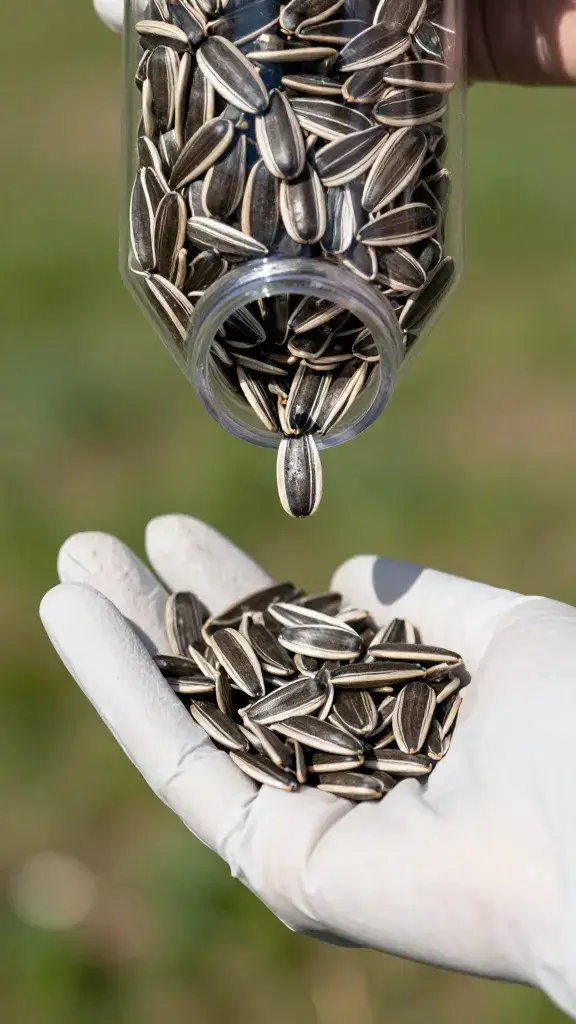
Healthy flocks and healthy songbirds both show it fast. You just need to look.
For chickens, watch for:
- Respiratory signs: Coughing, sneezing, nasal discharge, swollen eyes.
- Behavior changes: Lethargy, isolation, sudden egg drop, blue or pale combs.
- Poop problems: Bloody or watery droppings.
- External parasites: Itchy, restless birds, scabby vents, pale combs; check under wings at night.
For wild birds at feeders:
- Fluffed-up, lethargic birds that don’t fly off promptly.
- Swollen eyes or crusts (think finch eye disease).
- Unusual die-offs.
If you spot trouble, clean, space out feeders, and reduce crowding. Report die-offs to local wildlife agencies. Quick action matters, IMO.
Choosing Feeders and Feed Wisely
Some feeder styles encourage cleaner, safer bird traffic than others—especially when you also keep chickens.
Better choices:
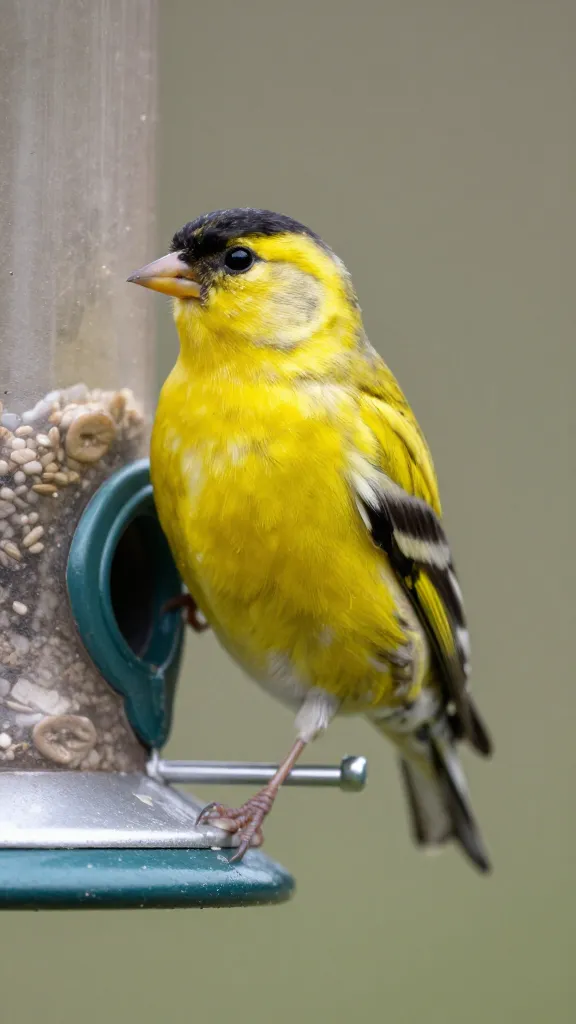
- Tube feeders with small ports for finches and chickadees. Less spill, fewer big messy birds.
- Suet in cages with trays to catch crumbs. Avoid soft suet in heat; it smears bacteria.
- Narrow-mesh peanut feeders that discourage large flocks from lingering.
Trickier choices:
- Platform feeders: Spills everywhere and invite pigeons and doves. If you love them, clean them constantly and keep them far from the coop.
- Mixed “wildlife buffets” (corn, cheap mixes): Attract more ground-feeders and rodents. Go quality over quantity.
Seed storage that doesn’t cause drama
Store seed and chicken feed in metal bins with tight lids. Keep bins off the ground on bricks or pallets. Label them so you don’t cross-contaminate scoops.
FAQ
Can wild birds give my chickens avian flu?
Yes, especially waterfowl, and occasionally songbirds. You lower the risk by separating spaces, covering runs, and keeping feed and water inaccessible to wild birds. During regional outbreaks, minimize chicken free-range time and pause wild feeding.
Should I stop feeding wild birds if I keep chickens?
Not automatically. Many chicken keepers safely feed wild birds. The key: distance, covered runs, tidy feeding, and regular cleaning. If you see local disease alerts or sick wild birds, take feeders down temporarily.
Can my chickens catch mites from wild birds?
They can. Wild birds carry several mite species that can jump hosts. Reduce overlap, block access to the coop roof and vents, and check your flock weekly. If you find mites, treat the birds and the housing, and deep-clean roosts and nest boxes.
Is chicken manure dangerous for wild birds?
It can be. Concentrated manure harbors bacteria and parasites. Don’t compost right next to your feeders, and don’t let runoff flow under feeder areas. Keep manure piles covered and contained.
What if my chickens keep raiding the wild bird area?
Use low garden fencing or temporary poultry netting around feeder zones. Adjust chicken free-range times to low feeder traffic hours. Offer your flock better entertainment—fresh greens, scratch in a dig box—so the “grass” doesn’t look greener under the niger feeder.
Can I disinfect without hurting wild birds?
Yes. Remove seed, wash parts with hot soapy water, then use a 1:10 bleach solution on hard surfaces. Rinse and dry completely before refilling. For wood, skip bleach and use vinegar or replace worn parts.
The Bottom Line
You can absolutely keep wild bird feeders and backyard chickens without turning your yard into a biohazard. Keep distance between zones, block access with covered runs and tight feeders, and clean regularly. Pause wild feeding during disease spikes, watch both groups for early signs of illness, and act fast if something looks off. Do that, and you’ll enjoy finches at breakfast and omelets at brunch—best of both worlds, no drama required.
Share this content: