Emergency Tips Egg-Bound Hen: Step-by-Step Rescue Guide (Warm Bath Method)
Your hen is acting weird—puffed up, waddling like a penguin, maybe straining in the nest? Don’t panic. She might be egg-bound, and you can often help her at home with a warm bath and a calm setup. Let’s walk through it step by step so you can get that egg moving and your girl back to scratching for snacks.
Spot the Signs: Is She Egg-Bound?
You need to figure this out fast. An egg-bound hen can go downhill quickly if you ignore it.
Common signs to watch for:
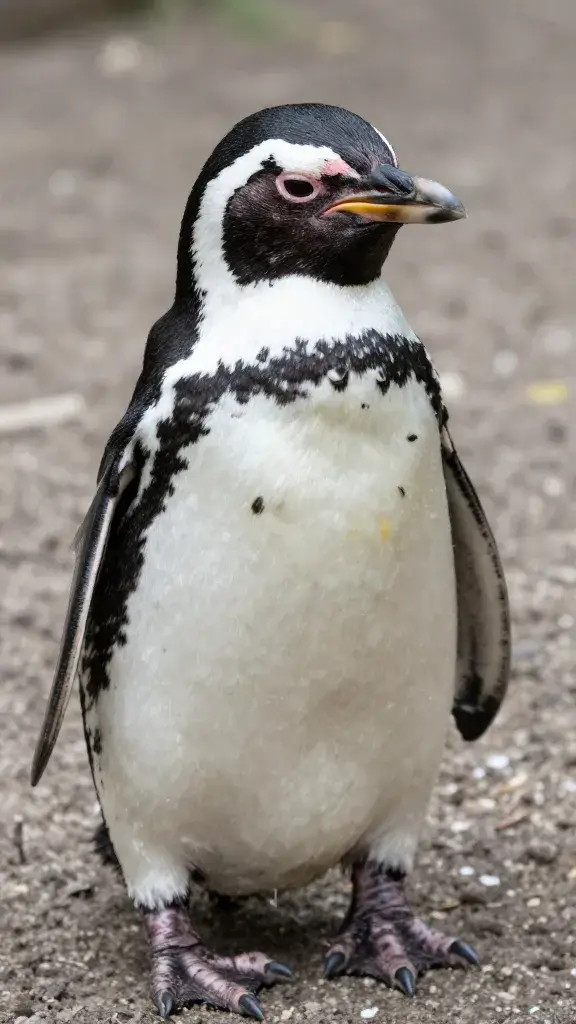
- Penguin stance (upright, awkward waddle)
- Frequent straining with no egg
- Fluffed feathers, lethargy, not eating
- Tail down, vent pulsing
- She sits in the nest for ages with no results
If she shows multiple signs for more than a couple of hours, assume egg-bound and move to action. FYI, the warm bath method works best when you start early.
Prep Zone: What You’ll Need
You don’t need a vet clinic. You need a calm setup and a few basics.
Gather these supplies:
- Large basin, sink, or tub
- Warm water (100–104°F / 38–40°C)
- Epsom salt (optional, 1–2 tablespoons per quart/liter)
- Water-soluble lubricant (KY-type), coconut oil, or olive oil
- Clean towel(s) and a blow dryer on low/warm
- Quiet recovery crate or small dog kennel
- Calcium supplement (liquid calcium gluconate preferred) or a crushed Tums
- Electrolytes for drinking water
- Gloves and a flashlight or headlamp
Set the Scene
Keep things calm and warm. Turn off loud music, move dogs away, and prep a dim, quiet area. Stress tightens muscles. Calm helps everything loosen—yes, including the oviduct.
The Warm Bath Method: Step-by-Step
This is the heart of the rescue. Follow these steps carefully.
- Secure and support her. Pick her up gently. Keep her chest upright so she can breathe easily. No squeezing the belly—she’s uncomfortable enough.
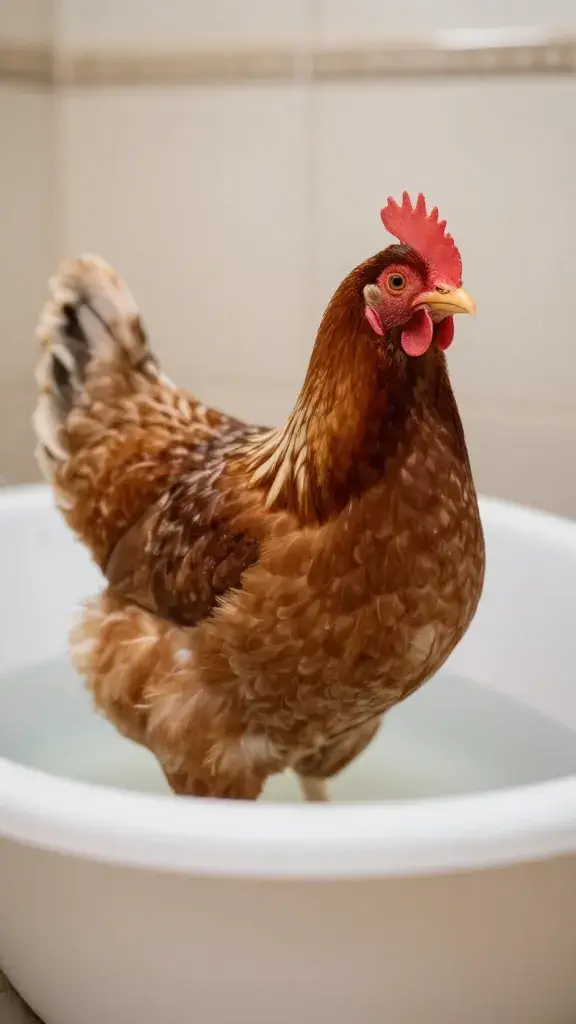
- Draw the bath. Use warm water at 100–104°F (38–40°C). Add Epsom salt if you have it. It relaxes muscles and reduces swelling.
- Soak her lower half for 15–20 minutes. Keep her vent and abdomen submerged. Support her body with your hands or a folded towel. Talk to her—yes, it helps keep everyone calm.
- Massage gently. With one hand under her abdomen, apply gentle upward and backward strokes toward the vent. Think “encourage,” not “knead bread.” If she strains, great—let her try.
- Dry and warm her. Wrap her in a towel and pat dry. Use a blow dryer on low/warm if she allows it. Keep her toasty; cold muscles won’t cooperate.
- Lubricate the vent. Apply a pea-sized amount of lubricant around and just inside the vent (about 1–2 cm). Be gentle and clean. Do not scratch or poke.
- Give calcium. Offer 200–400 mg of calcium (liquid works fastest). Calcium improves contractions and helps her pass the egg.
- Crate rest. Place her in a warm, dim crate with soft bedding. Add water with electrolytes. Keep temp around 75–85°F (24–29°C) if possible.
Timing the Repeat
If no egg within 1–2 hours, repeat the warm bath and lubrication. Many hens pass the egg after the second session. If you hit 6–8 hours with no progress—or she worsens—call a vet. IMO, that’s the line between “home fix” and “needs professional.”
Check the Egg Position—Carefully
If you feel comfortable, you can do a quick internal check with a gloved, lubricated finger.
How to check:
- Use a clean glove and plenty of lube.
- Insert the tip of your finger 1–2 cm into the vent.
- If you feel a hard, round surface close to the vent, the egg is low. That’s good news.
- If you feel nothing hard or she yelps in pain, stop. The egg may sit higher or be soft-shelled.
Important Cautions
- Never squeeze the abdomen hard. You can break the egg internally.
- Do not try to “pop” the egg. Broken shell + oviduct = infection city.
- Watch for prolapse. If tissue protrudes, keep it clean, moist with lube or sugar water, and get vet help ASAP.
Aftercare: Help Her Bounce Back
Once she passes the egg, she’ll usually perk up fast. Still, support her for 24–48 hours.
Do this next:
- Offer high-quality feed and fresh water with electrolytes.
- Continue calcium once daily for 2–3 days to stabilize laying.
- Keep her warm and quiet the rest of the day.
- Check the vent for irritation. Apply a thin layer of lube or plain petroleum jelly if chafed.
- Watch droppings and appetite. She should act normal within a day.
Prevent the Next Episode
Egg binding often results from a combo of factors. Tweak the basics:
- Nutrition: Layer feed with 16–18% protein and free-choice oyster shell.
- Hydration: Fresh water, always. Add electrolytes in heat waves.
- Lighting: Avoid pushing young pullets with long artificial light hours.
- Weight: Obesity can make laying harder—keep treats under 10% of diet.
- Breeds and age: Small-body or high-production hens bind more often.
When to Call the Vet (Don’t Wait on These)
Some cases need medical help, period. You won’t “tough love” your way out of a stuck egg if complications show up.
Seek urgent care if:
- She strains for 6–8 hours with no egg despite two warm baths
- You see bloody discharge, foul smell, or severe swelling
- She collapses, breathes open-mouthed, or seems shocky (pale comb, cold feet)
- Tissue prolapses from the vent
- Suspected soft-shelled or shell-less egg stuck higher up
FYI, vets can provide oxytocin-like meds, calcium injections, antibiotics if needed, and safe egg removal. Worth it when things get dicey.
Common Mistakes to Avoid
We’ve all been there—panic sets in, and mistakes happen. Skip these:
- Water too hot or too cold. Aim for “nice bath,” not “lobster pot.”
- Forcing the egg out. Leads to fractures and infection.
- Skipping calcium. Contractions need it to work well.
- Leaving her in a draft. Cold equals clenched muscles.
- Waiting days. Egg binding is not a “wait and see” situation.
FAQ
How long can a hen safely be egg-bound?
Usually not long—12–24 hours can turn dangerous. Start the warm bath method as soon as you notice signs. If you don’t see progress after 6–8 hours of trying, involve a vet.
Can I use just coconut or olive oil without the bath?
You can, but the bath relaxes muscles and often makes the difference. Lubrication alone helps a low egg, but warm water plus lube plus calcium gives you the best odds, IMO.
What if the egg breaks inside her?
This is an emergency risk. Do not intentionally break it. If it happens, keep the area as clean as possible, monitor for infection signs (foul smell, lethargy, feverish feel), and see a vet for antibiotics and proper flushing.
How do I know if it’s a soft-shelled egg?
You might not feel a hard surface during a gentle internal check, and she may strain with little progress. Soft eggs stick and fold. These cases often need vet help because they don’t move through cleanly.
Can stress or heat cause egg binding?
Yes. Heat, dehydration, and stress can mess with muscle function and laying rhythm. Keep water accessible, add electrolytes during hot spells, and provide shade and calm spaces.
Should I isolate her from the flock?
Yes, short-term. A quiet crate keeps her warm and safe from pecking while she works the egg out. Once she passes it and acts normal, reintroduce her the same day or next morning.
Conclusion
Egg binding looks scary, but you can often fix it at home with a warm bath, lube, and calcium—plus a big dose of calm. Move fast, keep her warm, and don’t force anything. If she doesn’t pass the egg after a couple of tries or her condition dips, call a vet without hesitation. Your hen will thank you by sprinting back to her favorite dust bath like nothing ever happened.
Share this content: