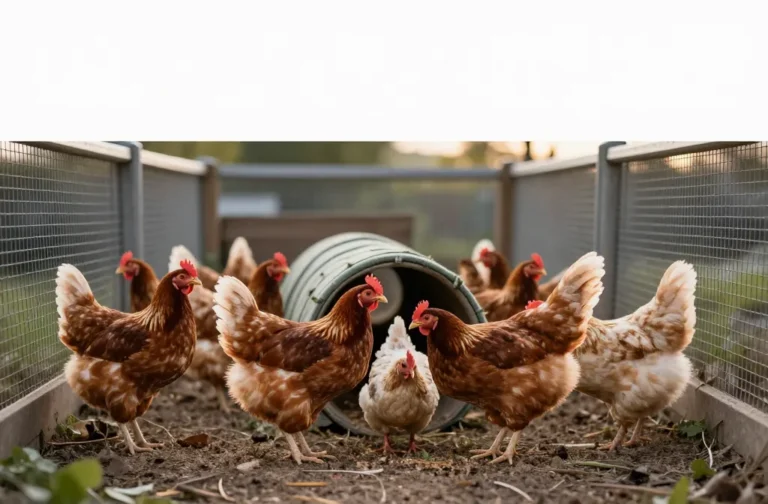
Bumblefoot in Chickens: Photos, Home Treatment, and When to Call a Vet Exposed
Your chicken’s limping, glaring at you with one suspicious eye, and refusing to scratch around like usual. That’s not “drama chicken” behavior—that’s a red flag. Odds are you’re looking at bumblefoot, the backyard flock’s least-favorite foot problem. The good news? You can spot it early, treat it at home in many cases, and know when it’s time to call the pros.
What Is Bumblefoot (And Why Should You Care)?
Bumblefoot is a bacterial infection in a chicken’s foot pad. It usually starts with a tiny cut or pressure sore that lets bacteria (often Staphylococcus) sneak in. Left alone, it can turn ugly, spread, and cause real pain.
Early treatment saves your chicken a ton of discomfort—and saves you money and stress. Plus, you’ll look like the barnyard hero. Win-win.
How to Spot Bumblefoot: Photos in Your Head (and What to Look For)
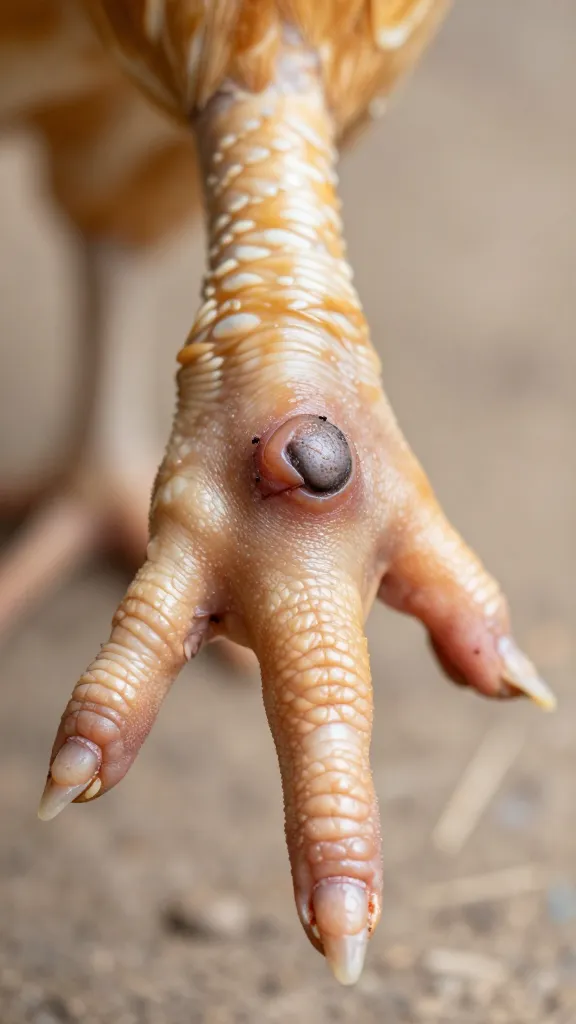
No camera roll required. Here’s what you’ll typically see:
- Limping or favoring one foot. They’ll perch weird or avoid walking.
- Swollen, warm foot pad. It might feel puffy.
- A dark scab (often black or brown) on the bottom of the foot. That’s the classic giveaway.
- Redness and heat. In advanced cases, you’ll see pus or a bulge.
Early vs. Advanced Signs
- Early: Slight limp, small scab, mild swelling. Bird still active.
- Advanced: Big scab, pronounced swelling, cheesy pus core, bird keeps sitting. You may even see swelling on top of the foot or up the leg.
FYI: Not every foot scab equals bumblefoot, but if you see swelling and heat, assume it’s game time.
Why Chickens Get Bumblefoot (And How to Prevent It)
Chickens don’t wear shoes (rude), so the environment matters a lot. Most cases come from small injuries that get infected.
Common Causes
- Rough or sharp surfaces: Hardware cloth floors, jagged rocks, splintery roosts.
- High roosts and hard landings: Heavy breeds hit the ground like bowling balls.
- Dirty, wet bedding: Bacteria party central.
- Obesity or heavy breeds: More pressure on foot pads = more risk.
Easy Prevention Wins
- Sand or soft bedding in runs; keep it dry and clean.
- Round, smooth roosts (2–4 inches wide) to spread weight.
- Lower roosts for heavy breeds—no cliff diving.
- Trim nails and spurs to reduce snags.
- Weekly foot checks, especially for big girls like Orpingtons and Brahmas.
Home Treatment: Step-by-Step (When It’s Mild to Moderate)
If your bird is still eating, alert, and only mildly lame, you can usually handle this at home. IMO, patience and cleanliness beat rushing any day.
What You’ll Need
- Epsom salts and warm water (for soaking)
- Clean towels and gloves
- Povidone-iodine or chlorhexidine (for disinfecting)
- Triple antibiotic ointment (no pain reliever) or medical-grade Manuka honey
- Cotton pads/gauze, vet wrap, and waterproof tape
- Optional: Drawing salve (ichthammol) if the core won’t budge
The Soak-and-Softening Method
- Soak the foot in warm Epsom salt water for 10–15 minutes. Repeat if needed. This softens the scab.
- Clean and disinfect the area with iodine or chlorhexidine. Pat dry.
- Gently lift the scab with a sterile cotton swab or tweezers if it’s already loose. Do not dig aggressively. If it resists, stop and try again tomorrow after another soak.
- Express any pus by gently pressing around the area. You’re looking for a cheesy “plug.” If it doesn’t come, don’t force it.
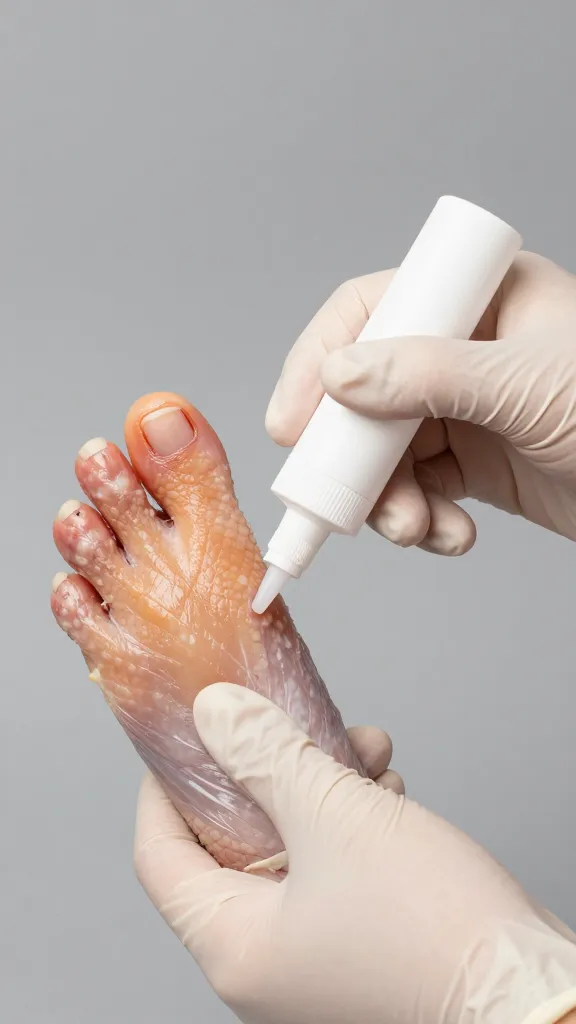
- Flush with antiseptic, apply a thin layer of antibiotic ointment or Manuka honey, then pad generously and wrap with vet wrap. Keep it snug, not tight.
Pro tip: Add a small donut pad (folded gauze with a hole) around the sore to reduce pressure when walking.
Aftercare
- Change the bandage daily for the first 3–5 days, then every other day as it improves.
- Limit activity for a few days—small crate with soft bedding works great.
- Watch for improvement within 48–72 hours: less swelling, less limping, cleaner scab.
FYI: Some birds heal beautifully without removing a core at all—consistent soaking, disinfecting, and pressure relief can do the trick.
When You Should Not DIY
Let’s talk boundaries. Sometimes home care won’t cut it, and that’s okay. Call a vet if you see any of the following:
- Severe swelling or redness spreading up the leg
- Open, oozing wound with a large pus pocket
- Significant lameness or the bird mostly sits/fluffs
- Foul odor from the foot, or necrotic tissue
- No improvement after 3–5 days of good home care
- Multiple feet affected or recurring cases
Antibiotics: A vet can prescribe targeted antibiotics when needed. Please skip the random “leftover antibiotics” experiment. Bacteria don’t respect vibes; they respect correct dosing.
Advanced Treatment Options (Vet Clinic Stuff)
If a case runs deep, your vet may:
- Perform a minor surgical debridement to remove the infected core under proper analgesia and sterile conditions.
- Culture the infection to choose the right antibiotic.
- Bandage professionally with padding that keeps pressure off the area.
What Recovery Looks Like
- Bandage changes every 1–3 days
- Soft, clean housing for 1–2 weeks
- Gradual return to the run once the pad closes and swelling resolves
IMO: Paying for one proper vet visit often costs less than dragging out a bad infection for weeks.
Daily Care Routine While Healing
You don’t need a med degree, just consistency.
- Morning: Quick check that the wrap stays dry and secure.
- Evening: Soak (if still swollen), disinfect, ointment/honey, fresh pad and wrap.
- Environment: Dry bedding, no muddy runs, easy access to food and water.
- Nutrition: Good protein (16–18%), vitamins, and hydration support healing.
Bandaging Basics That Matter
- Anchor the wrap around the foot—not up the shank where it can cut off circulation.
- Keep toes visible so you can check warmth and color.
- Use a small square of gauze under the pad to cushion.
FAQ
Can bumblefoot spread to other chickens?
Not directly like a cold, but the underlying bacteria exist in the environment. If one bird gets it, fix the environmental issues (wet bedding, rough perches) so others don’t follow suit. Cleanliness and good footing are your best defense.
Do I need to cut the core out?
Not always. Many mild cases respond to soaking, disinfecting, and diligent bandaging. Cutting risks more tissue damage if you don’t have experience. If a firm core doesn’t loosen after several days, or the foot worsens, see a vet.
Which ointment works best?
A plain triple antibiotic ointment (no added painkiller) or medical-grade Manuka honey both work well. Honey sticks to the wound, keeps it moist, and has antimicrobial properties. Don’t use hydrogen peroxide repeatedly—it can delay healing.
How long does healing take?
Mild cases: 1–2 weeks. Moderate to advanced: 3–6 weeks with proper care. You’ll see steady improvement after the first few days—less swelling, cleaner scab, better walking. If things stall, reassess or call your vet.
Should I isolate the chicken?
Short-term crate rest helps, especially for heavy or lame birds. Keep the crate near the flock so you don’t mess up the pecking order. Once the bird walks comfortably and the bandage stays clean, you can reintroduce gradually.
Is bumblefoot my fault?
Relax. It happens to great chicken keepers all the time. Use it as a nudge to smooth perches, tidy bedding, and check feet weekly. Prevention beats heroics, every time.
Conclusion
Bumblefoot looks scary, but you’ve got this. Spot it early, keep things clean, and treat consistently, and most birds bounce back fast. When a case goes deep or just won’t quit, tag in your vet and move on with your life. Your chickens will forgive you for the foot soaks—eventually.
Share this content: