When to Euthanize a Chicken Humanely (and the 2 Methods Backyard Keepers Use)
Some backyard chicken days feel like a sitcom. Others feel like a gut punch. Deciding when to end a chicken’s life lands squarely in the second category. It’s heavy, it’s emotional, but it’s also part of responsible flock-keeping. Let’s walk through how to know when it’s time—and how to do it as humanely as possible.
First, what does “humane” actually mean?
Humane means you minimize fear, pain, and distress. You act quickly and decisively. You don’t experiment or “see what happens.” You choose a method that reliably causes an immediate loss of consciousness followed by death.
Bottom line: Fast, calm, and certain beats slow, messy, and unsure every time.
How to know when it’s time
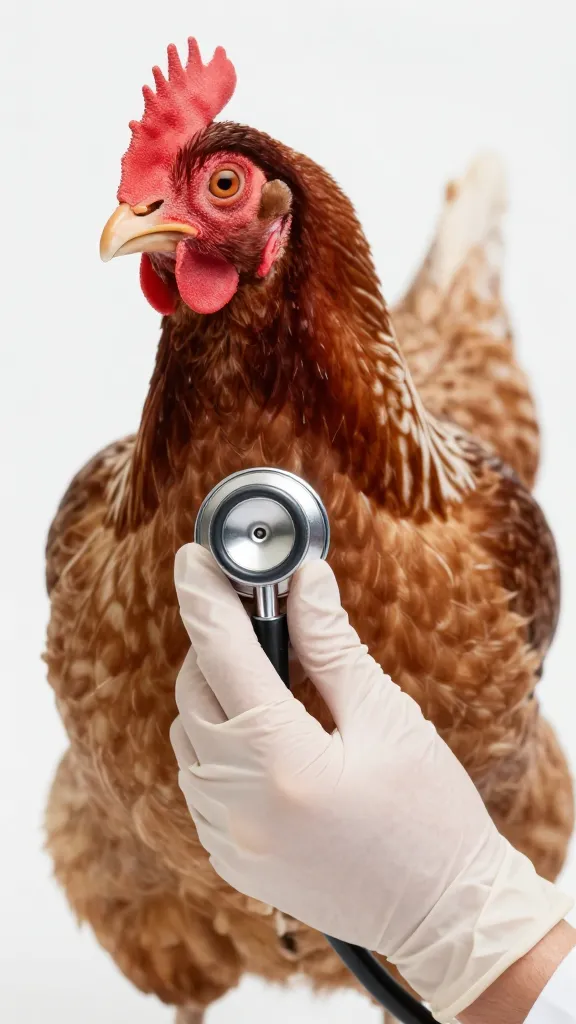
We all want a miracle rebound. Sometimes a hen rallies. Often, she doesn’t. Use clear criteria so you don’t drag things out because your heart can’t let go.
Signs that often justify euthanasia:
- Severe injury you can’t fix (open fractures, exposed organs, massive predator damage)
- Uncontrollable pain (screaming, gasping, constant distress despite care)
- End-stage illness (wasting, inability to stand or eat, persistent respiratory crisis)
- Irreversible paralysis or non-ambulatory for days with no improvement
- Egg binding complications that don’t resolve with prompt, proper treatment
What about old age?
If an elderly hen still eats, preens, dust-bathes, and waddles around complaining about the youngsters, she’s living. If she isolates, stops eating, struggles to breathe, or lies down most of the day, reassess daily. Quality of life beats the calendar, IMO.
Prepare before you ever need to do it
Decisions feel harder in a crisis. Set your line in the sand now.
- Pick your method (see below) and learn it well.
- Assemble tools and store them where you can grab them fast.
- Designate a quiet spot away from the flock and people.
- Practice with equipment (on inanimate objects) so you handle it confidently.
FYI: Your calm energy matters. Birds read our tension like a billboard.
The two humane methods backyard keepers actually use

Let’s be honest: lots of things get suggested online. Many of them either don’t work reliably or cause suffering. These two do the job when used correctly.
1) Cervical dislocation (manual or with a device)
This method separates the skull from the spinal cord to cause immediate loss of consciousness. Done right, it’s fast and effective.
Pros:
- Instant if performed correctly
- No blood, minimal equipment
- Widely accepted for small poultry
Cons:
- Requires skill, confidence, and correct positioning
- Harder with large, strong birds
Tips that matter:
- Use a dedicated device (broomstick, killing cone with neck dislocator, or a commercial tool) for consistency.
- Choose the right surface so nothing slips.
- Commit to the motion; hesitation causes suffering.
2) Decapitation with a sharp blade
Quick, decisive, and very final. Many keepers use a hatchet and a solid block or a heavy-duty poultry shears for small birds.
Pros:
- Immediate physical severance
- Works for any size bird
- Simple tools
Cons:
- More visually intense (blood, reflexive movements)
- Requires very sharp equipment and solid aim
Tips that matter:
- Contain the body (killing cone) to prevent flapping and reduce stress.
- Use a razor-sharp blade; dull equals cruel.
- Do it out of sight of the flock and household.
Methods to avoid (seriously)
- Household chemicals or CO2 “DIY” setups—unreliable, slow, and distressing
- Drowning, suffocation, or freezing—prolonged suffering
- “Let nature take its course” with clear suffering—not humane
Set up the moment to be calm (for you and the bird)
You control the environment. Make it gentle.
- Handle the bird quietly with a towel; keep wings close to the body.
- Choose a shaded, quiet area without spectators.
- Speak softly or not at all; your calm touch beats pep talks.
- Act without delays; decisiveness is kindness.
Expect reflexes
Even after immediate loss of consciousness, the body may twitch or kick. That’s nerve activity, not awareness. It looks dramatic, but it doesn’t mean the bird feels anything.
Aftercare: confirm, clean up, and honor
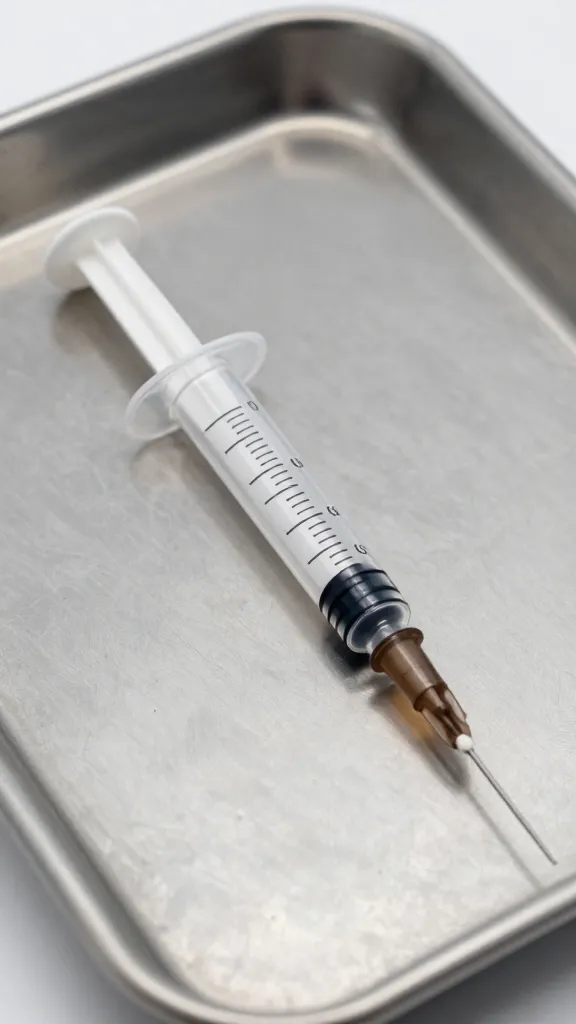
You still have a few responsibilities after the act.
Confirm death:
- No breathing or blinking
- No corneal reflex when you gently touch the eye
- No heartbeat after a minute of checking (press fingertips on the chest)
Disposal options (check local laws):
- Burial—go at least 2–3 feet deep and cover well to deter scavengers
- Rendering or landfill—bag securely and follow municipal rules
- Composting—possible in some areas with strict protocols
Clean and reset:
- Sanitize tools and the area
- Wash hands and change clothes if needed
- Give the flock a calm day; they pick up on vibes, IMO
Ritual helps. Take a breath. Say thanks. You showed up when it counted.
When to call a vet instead
If you feel unsure, a poultry-savvy vet can euthanize professionally, often with an injection. They can also help you evaluate gray-area cases and pain control. Not every area has a chicken vet, but it’s worth calling around—sometimes large-animal or exotics vets can help.
Pain management before the decision
If you’re still evaluating, ask a vet about safe pain relief for poultry. Don’t guess with human meds. Some common drugs can harm birds fast.
FAQ
How do I know it’s not just a bad day and they’ll bounce back?
Look for patterns over 24–48 hours. A bad day usually improves: the bird eats a little, stands, shows curiosity. Decline looks like persistent refusal to eat, labored breathing, inability to stand, or worsening injury. When in doubt, isolate, hydrate, and observe—then decide.
Is cervical dislocation painful?
When performed correctly, it causes immediate loss of consciousness, so the bird doesn’t experience ongoing pain. The key lies in proper technique and a committed motion. If that feels daunting, use a cone and blade or seek a vet.
What equipment should I keep on hand?
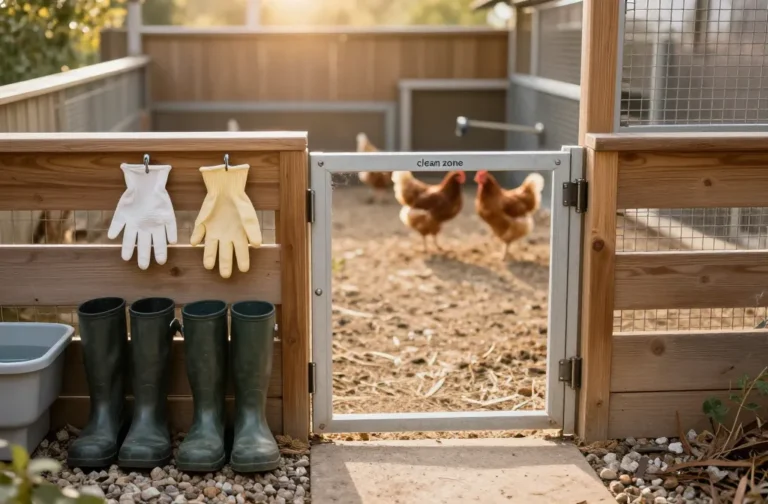
Keep a killing cone, a razor-sharp hatchet or heavy poultry shears, a neck dislocator or broomstick, towels, disinfectant, sturdy gloves, and contractor bags. Store them together so you don’t scramble mid-crisis. Preparation lowers stress for everyone.
Can I eat a bird I euthanize?
If you euthanize by decapitation and the bird wasn’t sick with something transmissible or medicated recently, some keepers do choose to process and eat. If you used drugs, had an unknown illness, or the bird suffered from a condition you wouldn’t want to ingest, skip it. When in doubt, don’t risk it.
What if I freeze up in the moment?
It happens. Step back, breathe, and either switch to a method you can perform confidently or call someone experienced. Don’t attempt a technique you can’t finish decisively. The bird deserves certainty.
Will the flock be upset?
They notice commotion more than absence. Do the process out of sight, clean up, and return to routine. Chickens handle change better than we do, FYI.
Conclusion
Humane euthanasia isn’t the part of chicken keeping anyone brags about, but it’s proof you care. Decide your criteria now, learn one reliable method well, and keep your gear ready. When the hard day comes, act calmly and quickly. Mercy takes courage—and you’ve got that.
Share this content: