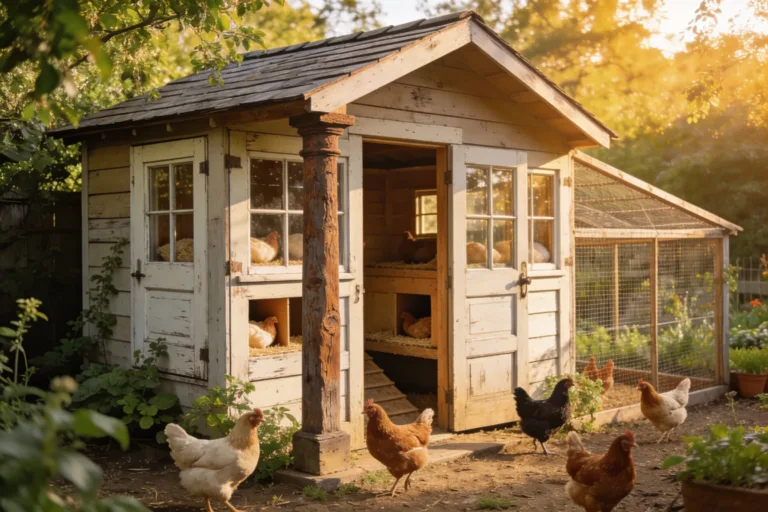
Gapeworm in Chickens: Why Your Hen Is Gasping and What to Do Fast
Your hen’s standing there, beak wide open, stretching her neck, and wheezing like she just ran a marathon she did not sign up for. Freaky? Yep. But before you spiral, let’s talk about one super common culprit: gapeworm. These tiny red parasites can literally choke a chicken, but you can catch it early and fix it fast. Let’s break down what you’re seeing, what it means, and exactly what to do next—without the panic.
Breathing emergencies are easier to handle when your supplies are ready, so build a chicken first aid kit before trouble starts.
What Is Gapeworm and Why Does It Make Chickens Gasp?
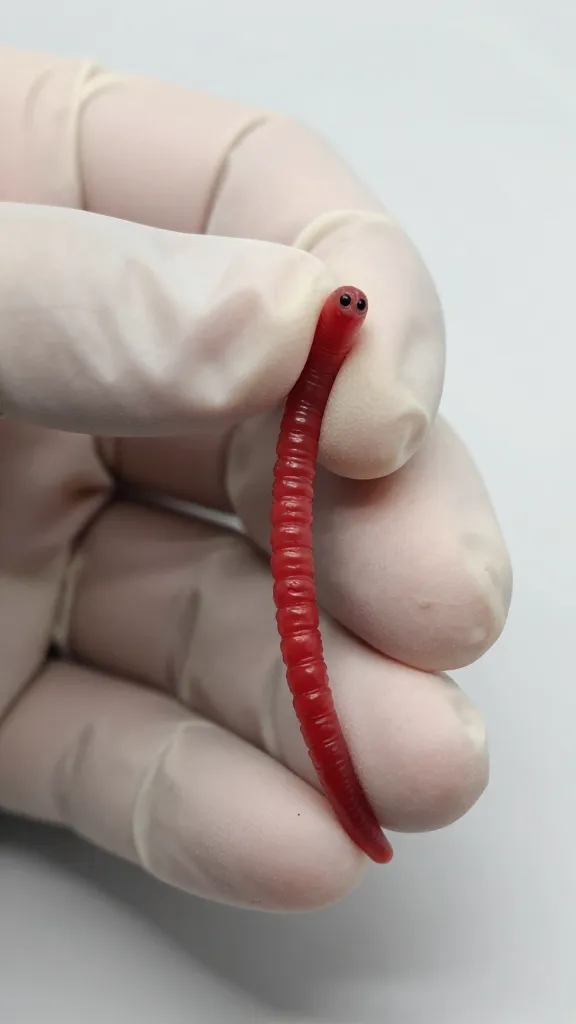
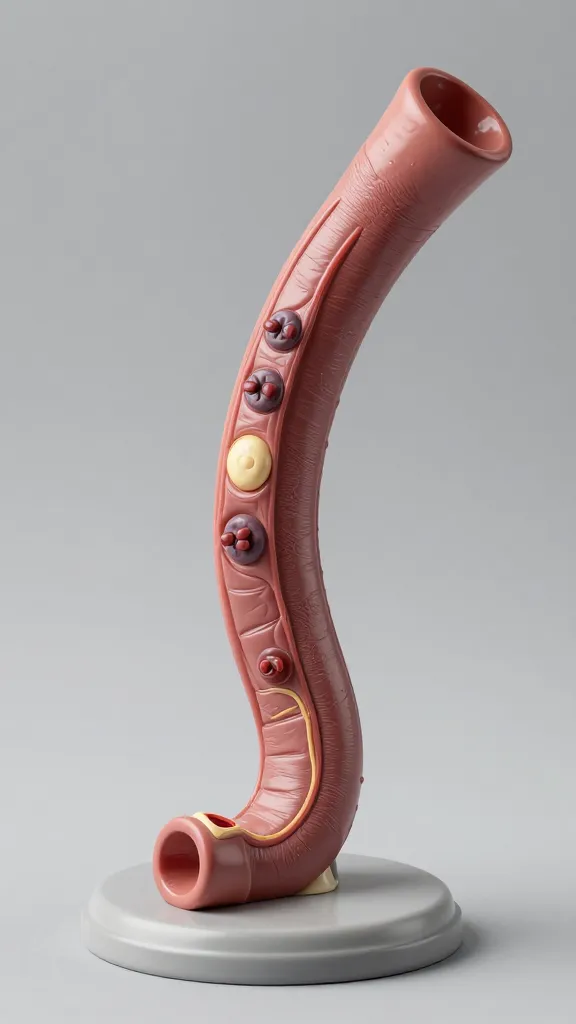
Gapeworm (Syngamus trachea) is a parasitic roundworm that lives in the trachea (windpipe) of birds. Romantic, right? The worms attach to the lining and block airflow, which causes that dramatic “gaping” behavior.
Key signs you’ll notice:
- Open-mouthed breathing and frequent neck stretching
- Gurgling, wheezing, or coughing sounds
- Head shaking like she’s trying to fling something out
- Lethargy and weight loss from the constant stress
FYI: Younger birds and free-rangers face higher risk. Why? Because the worm’s larvae hitch rides on earthworms, slugs, and snails—aka your flock’s favorite foraged snacks.
Wait—Is It Definitely Gapeworm?
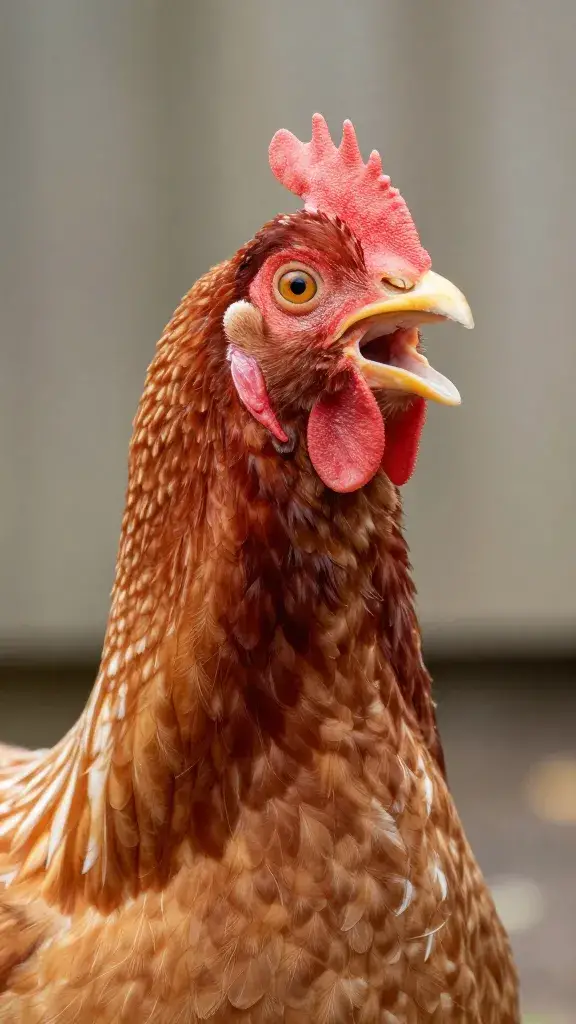
Not every gasp = gapeworm. Chickens also gape when they’re hot, stressed, or dealing with respiratory infections.
Rule out these look-alikes first:
- Overheating: Panting on a hot day, wings held out. Offer shade and cool water.
- Respiratory infections (like MG, ILT): Bubbly eyes, nasal discharge, sneezing. Often spreads flock-wide quickly.
- Something stuck: Choked on a big piece of grass or a treat? You might see frantic head shaking.
- Ammonia irritation: Poor ventilation in the coop causes raspy breathing and watery eyes.
Simple at-home checks
- Listen close: gurgly breathing + neck stretching = gapeworm vibes.
- Gently open the beak and use a flashlight. Sometimes you can spot tiny red, Y-shaped worms in the throat. Creepy, but helpful.
- If you can, get a fecal or tracheal swab done by a vet for confirmation. Best-case scenario for accuracy.
How Chickens Catch It (and Why Your Perfect Coop Didn’t Save You)
Gapeworm has a life cycle with several sneaky options. Eggs get pooped out by infected birds, hatch into larvae, and then:
- Chickens ingest larvae directly from contaminated ground, or
- They eat “transport hosts” like earthworms, slugs, snails, grasshoppers, or beetles that carry larvae.
IMO: Free-ranging birds live their best lives—and pick up the weirdest hitchhikers. It’s the trade-off.
Who’s most at risk?
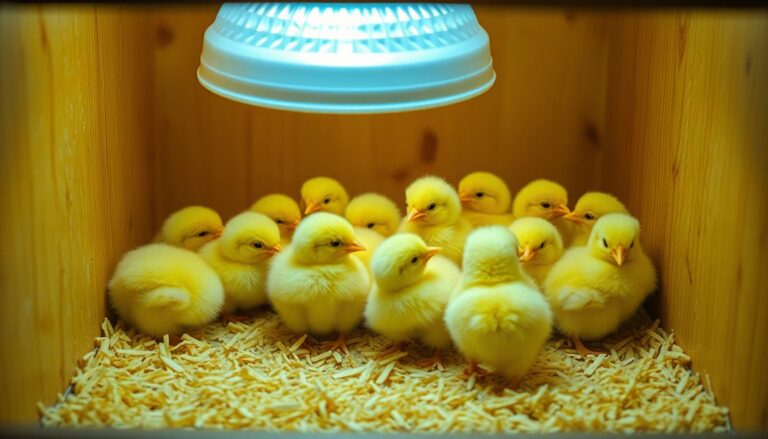
- Chicks and pullets under 6 months
- Game birds (turkeys, pheasants) kept near chickens
- Flocks on damp ground with lots of worms and slugs
Treatment That Actually Works (And What Doesn’t)
Good news: you can treat gapeworm effectively with common dewormers. Don’t waste time on garlic, ACV, or wishful thinking. Those won’t evict worms from a trachea.
Commonly used options:
- Fenbendazole (Safe-Guard/Panacur): Often used at 20 mg/kg once daily for 3–5 days. Many backyard keepers swear by it.
- Flubendazole: Mixed into feed for 7 days. Easy for larger flocks.
- Ivermectin: Some use it off-label, but check local guidelines and vet advice.
Always follow product labels and veterinary guidance for dose and egg withdrawal periods. Regulations vary by country, brand, and formulation.
Practical treatment tips
- Treat the entire flock. If one bird gapes, others likely carry larvae.
- Repeat in 10–14 days if advised, to catch newly hatched worms.
- Isolate severely affected birds so they can rest and eat without competition.
- Offer supportive care: electrolytes, high-protein feed, soft mash, and fresh water.
Heads-up: As worms die, symptoms can briefly worsen because of inflammation and debris. Keep birds calm and hydrated.
Coop and Pasture Clean-Up (So This Doesn’t Come Right Back)
You can’t sterilize soil (sadly), but you can make life harder for gapeworm.
Simple, high-impact steps:
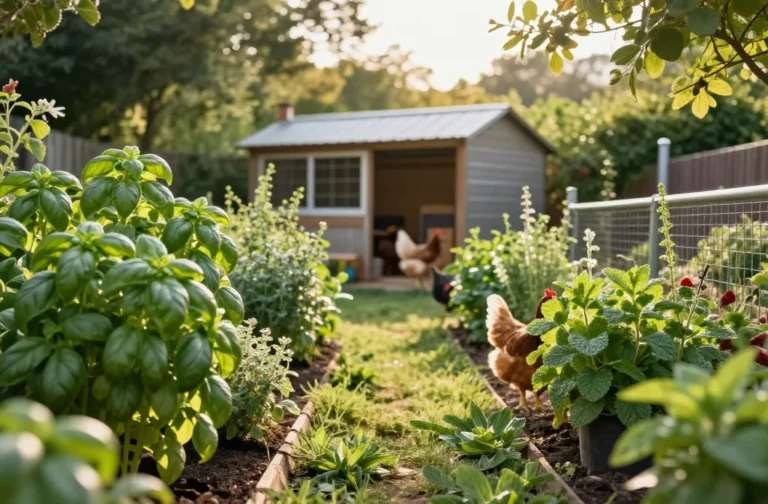
- Rotate pasture or fencing to break the cycle; give ground a rest.
- Rake and refresh high-traffic, damp areas with sand or gravel for better drainage.
- Deep-clean the coop: Remove litter, scrub perches, and replace bedding. Focus on dry, well-ventilated conditions.
- Elevate feeders and waterers to reduce poop contamination.
- Control slugs and snails around the run with physical barriers and habitat reduction.
Should you stop free-ranging?
Not necessarily. But if your ground stays wet or you see tons of earthworms and slugs, consider supervised range time, movable tractors, or rotating pens. Balance freedom with risk management—chicken parenting, basically.
Preventing Future Outbreaks
Prevention beats panic-gasping hens every time.
- Regular fecals 1–2 times a year, or anytime you notice weight loss or respiratory oddities.
- Strategic deworming based on risk and fecal results, not just the calendar (reduces resistance).
- Quarantine new birds for 2–3 weeks and deworm if needed before mixing.
- Keep it dry: Good drainage and airflow reduce parasite survival.
- Boost general health: Quality feed, clean water, and minimal stress help birds fight off parasites.
IMO: A little consistency with hygiene and monitoring goes further than throwing random meds at the flock.
When to Call a Vet
You can handle many cases at home, but don’t play hero if birds struggle.
Call a vet if:
- A bird can’t breathe well, collapses, or turns blue around the comb.
- Several birds show severe signs at once.
- Treatment fails after a full course, or symptoms come roaring back.
- You need exact dosing guidance and egg withdrawal times for your products.
A vet can confirm diagnosis, prescribe correct meds, and help rule out other respiratory diseases that masquerade as gapeworm.
FAQ
Can humans catch gapeworm from chickens?
No. Gapeworm targets birds, not humans. You can handle your flock safely with normal hygiene—wash hands after chores and you’re golden.
Is it safe to eat eggs during treatment?
Check the specific drug label and local regulations. Many dewormers require an egg withdrawal period. When in doubt, mark and discard eggs until the withdrawal window ends.
How long until my hen improves?
You may see improvement within 24–72 hours after starting treatment, but some birds take a week to fully settle. Keep supportive care going and complete the entire course.
Could this be something stuck in her throat instead?
Possibly. If symptoms started suddenly after eating long grass or big treats, and you see frantic head shaking with no other birds affected, consider obstruction. If you’re unsure or the bird worsens, call a vet—don’t attempt deep throat fishing with tools at home.
Do I need to treat the whole flock?
Yes. Gapeworm spreads via the environment, and subclinical birds can shed eggs. Treat everyone, then focus on coop hygiene and ground management.
Will gapeworm kill a chicken?
It can, especially in young birds, because worms physically block the airway. Early treatment saves lives, so jump on it as soon as you spot gaping and wheezing.
Bottom Line
Gapeworm looks scary because it literally steals your bird’s breath—but you’ve got this. Spot the signs, treat the whole flock with a proven dewormer, and tidy up your ground game. Keep things dry, rotate space, and monitor regularly. Your hens will go from gasping to gossiping at the feeder again in no time, FYI.
Share this content: