The Smart Way: How to Quarantine a New Chicken Before Adding Her to Your Flock
You found the perfect new hen. She’s cute, she’s sassy, and you just know she’ll lay eggs like a champ. But before you toss her into the coop like a feathery new roommate, pump the brakes. Quarantining new chickens saves your whole flock from diseases you can’t see yet. It’s not dramatic—it’s just smart chicken-keeping.
Why Quarantine Matters (Yes, Even If She “Looks Fine”)
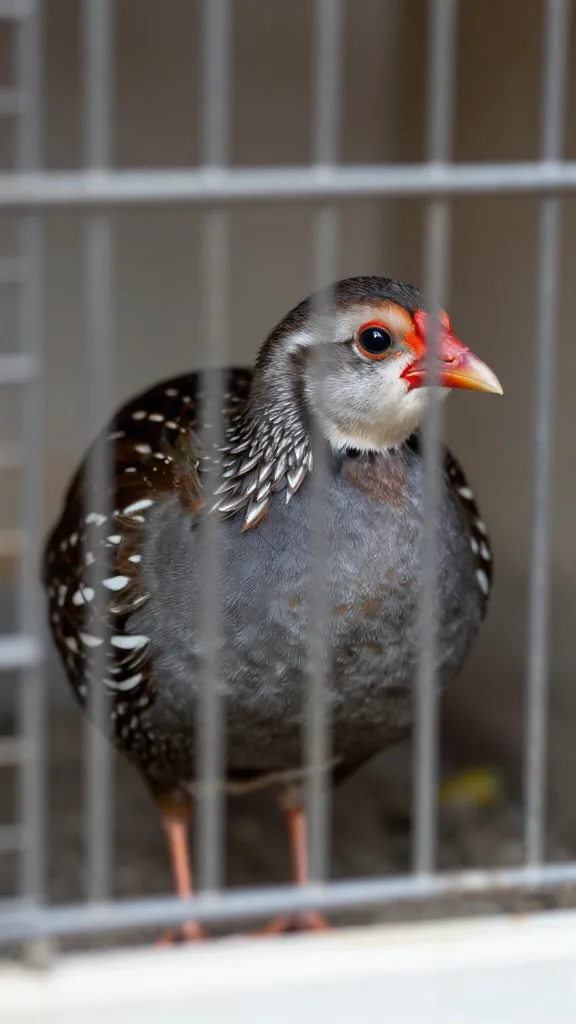
You can’t eyeball health. Chickens hide illness like tiny feathered spies. A hen might seem energetic and still carry respiratory infections, scaly leg mites, or worms that cause gasping.
Quarantine gives you time to observe, treat, and protect your existing flock. Think of it as a 30-day probation period—less HR paperwork, more clucking. IMO, skipping quarantine is the fastest way to turn a happy coop into a sneeze-filled soap opera.
How Long to Quarantine (And What “Separate” Really Means)
Quarantine for 30 days minimum. Not 10. Not 15. A full month. Some illnesses take weeks to show up, so you need patience.
“Separate” means:
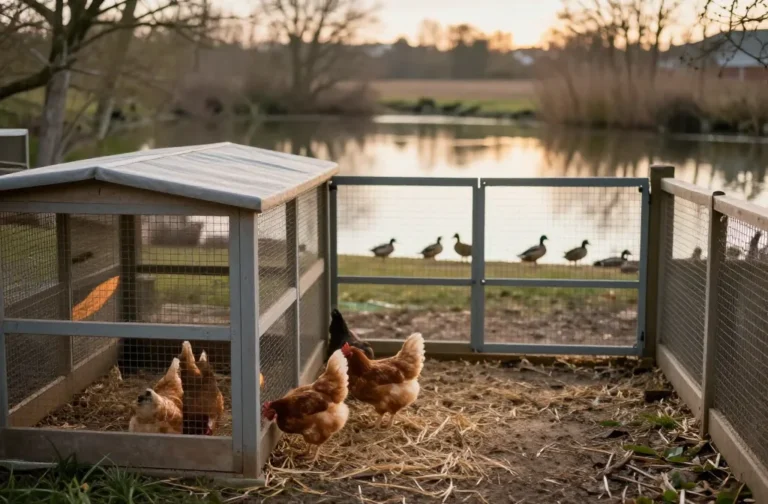
- Physical distance: Keep the new bird at least 30 feet away from your flock, ideally in another building.
- No shared air: Avoid enclosed spaces where air circulates between groups.
- No shared gear: Use separate feeders, waterers, scoops, and boots. Cross-contamination is sneaky.
- Separate handling: Care for your main flock first, then the newcomer. Wash hands and change shoes after.
FYI: If you only have one coop, set up a temporary pen in a garage, shed, or covered porch with good ventilation. Just don’t let feathers, dust, or droppings drift into your main coop.
Setting Up a Simple Quarantine Pen

You don’t need a fancy setup. You just need clean, secure, and easy-to-sanitize.
Essentials:
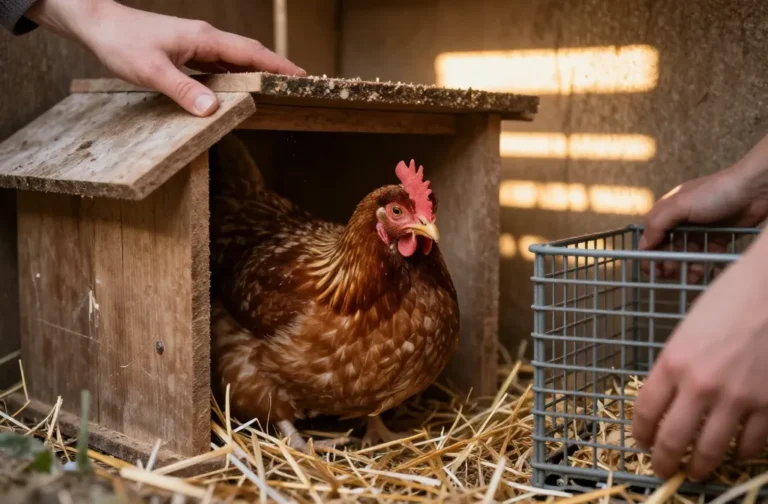
- Safe enclosure: A dog crate, rabbit hutch, or small coop with solid sides to block drafts and droplet spread.
- Perch and bedding: Pine shavings work great. Skip straw if you can—mites love it like a feathered Airbnb.
- Dedicated feeder and waterer: Label them so you never mix them up.
- Shade and airflow: Don’t cook your hen in a sunny corner.
- Predator-proofing: Raccoons read the “free snacks” sign faster than you think.
Temperature and Comfort
Adult hens don’t need heat lamps unless you’re in extreme cold. Focus on dry bedding, wind protection, and clean water. Cozy, not tropical.
Daily Health Checks: What to Look For
Give her a once-over every day. Two minutes now saves two months of drama later.
Watch for these signs:
- Respiratory issues: Sneezing, coughing, wheezing, bubbly eyes, swollen face, nasal discharge.
- Parasites: Itchy behavior, ragged feathers, scabs on legs, pale comb. Check under wings and around the vent for mites/lice.
- Poo patrol: Runny, bloody, or green droppings can signal coccidiosis, worms, or infection.
- Appetite and energy: A healthy hen eats like a tiny dinosaur and forages, scratches, and chatters.
- Weight and body condition: Feel her keel bone weekly. Sudden weight loss = red flag.
Hands-On Health Check Routine
Once a week, do a quick physical:
- Check eyes (bright and clear), nostrils (dry), and beak alignment.
- Inspect legs and feet for scaly leg mites or bumblefoot.
- Part feathers at the base for lice/mites and eggs (nits) stuck to feathers.
- Look at the vent for pasty buildup or irritation.
Gross? A little. Necessary? Absolutely.
Proactive Treatments and Testing (Play Offense)
You can wait to treat until you see something, or you can prevent problems early. IMO, a proactive plan saves time and heartbreak.
Consider this during quarantine:
- Deworming: Use an appropriate dewormer if you notice worms in droppings or your area has a known issue. Follow label directions carefully.
- Mite and lice treatment: Treat proactively if you spot any bugs, or dust with an approved poultry dust as preventive if she came from sketchy housing.
- Coccidiosis prevention: Monitor droppings; use a coccidiostat or treatment if symptoms appear (lethargy, bloody stools).
- Respiratory testing: If you can, send a swab or fecal sample to a poultry lab. Many states have affordable testing.
- Vaccination status: Ask the seller about Marek’s and other vaccines. If unknown, keep stress low and exposure minimal.
Nutrition Boosts That Actually Help
Skip miracle tonics. Instead:
- Offer a high-quality layer or grower feed (age-appropriate).
- Add a vitamin/electrolyte mix for the first few days after transport.
- Provide oyster shell on the side for layers and insoluble grit if you feed treats.
Biosecurity Habits You’ll Thank Yourself For
If you want the bigger flock-protection checklist, build a simple biosecurity plan for a small backyard flock.
You want habits you can keep, not a full hazmat routine (tempting though). Build a simple flow.
Do this every time:
- Care for your existing flock first.
- Change shoes or use a dedicated pair for the quarantine area.
- Wash hands or use sanitizer before and after handling the new bird.
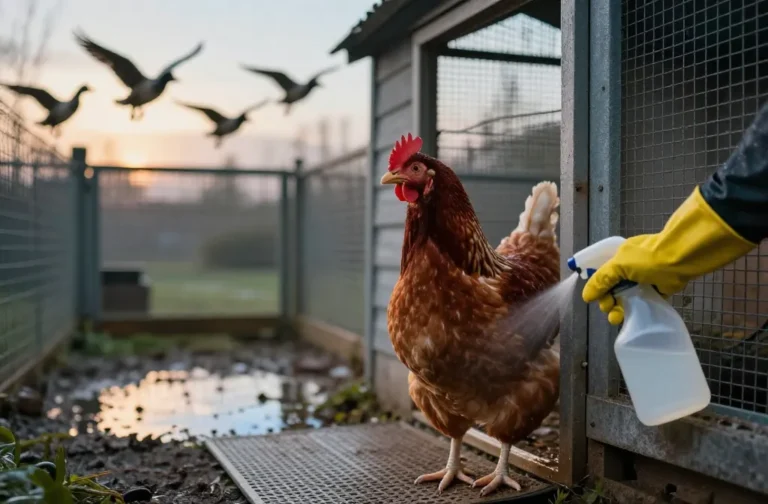
- Clean and disinfect tools weekly. A bleach solution or poultry-safe disinfectant works.
If you handle other people’s birds or go to shows? Quarantine anything you bring home. Yes, even that “free” rescue hen. Especially her.
When and How to Introduce Her (The Grand Debut)
After 30 days with zero symptoms and normal behavior, you can plan introductions. If you treated for something, restart the 30-day clock after her final dose. Harsh? Maybe. Effective? Definitely.
Steps for a smooth intro:
- See but no touch: Place her in a separate pen inside or next to the run for 3–7 days. Everyone can stare and talk trash safely.
- Supervised mingling: Let them free-range together with plenty of space and distractions (multiple food/water stations, scattered treats).
- Multiple perches and hideouts: Use pallets, branches, and barriers to break sightlines and reduce bullying.
- Move-in day at dusk: Slip her onto the roost after dark so everyone wakes up a little confused and a lot calmer.
Bullying vs. Real Aggression
Some pecking sets the pecking order. That’s normal. Red flags: blood, nonstop chasing, or a hen pinned and pecked repeatedly. Separate and try again later if it turns chaotic.
FAQ
Can I quarantine multiple new birds together?
Yes, if they come from the same source at the same time. Treat them as one unit. If they come from different places, quarantine each group separately so you don’t mix unknown risks.
What if I don’t have space for a full 30-foot separation?
Do your best. Use a garage, spare shed, or a covered dog crate as far as possible from your coop. Prioritize separate equipment and a strict care order. It’s not perfect, but it’s vastly better than nothing.
My new hen started sneezing in week three—now what?
Pause the clock. Keep her quarantined, assess symptoms, and contact a poultry-savvy vet or state lab for guidance. Treat as recommended and restart the 30-day countdown after symptoms end or treatment finishes.
Do I need to disinfect the quarantine area after?
Absolutely. Remove bedding, scrub surfaces, and disinfect feeders, waterers, and the floor. Let everything dry in sunlight if possible—UV is your friend. Future-you appreciates a clean reset.
Should I quarantine a vaccinated bird?
Yes. Vaccines reduce disease severity; they don’t magically erase every pathogen. Quarantine still protects your flock and gives you time to observe her.
How do I know if she’s actually healthy enough to join?
She eats well, drinks normally, poops consistently, stays active, has clear eyes and nostrils, no wheezing, no external parasites, and steady weight. If you want extra peace of mind, run a fecal test and, IMO, consider a respiratory panel if available.
Conclusion
Quarantine feels like a hassle until it saves your entire flock—then it feels like genius. Give your new hen 30 days of VIP solo living, watch her closely, and fix any issues before the big debut. Do that, and you’ll add birds with confidence instead of crossed fingers. Your flock—and your future egg basket—will thank you.
Share this content: