Urgent Guide Niacin Deficiency in Ducklings: Early Signs, Causes, and What to Do Fast
Ducklings grow like tiny, squeaky weeds, and they burn through nutrients fast. Miss one crucial vitamin—niacin—and things can go south quickly. If your little waddlers look wobbly or lethargic, don’t panic, but don’t wait. Here’s how to spot niacin deficiency early, why it happens, and what to do right now to fix it.
Why Niacin Matters So Much (Especially for Ducklings)
Ducklings need more niacin (vitamin B3) than chicks. Their fast growth and heavier bodies put extra pressure on developing legs and joints. Without enough niacin, their nerves and muscles don’t work right, and bones don’t form as sturdily.
Think of niacin as a must-have fuel additive. Without it, ducklings sputter. With it, they cruise.
Early Signs You’ll Notice First
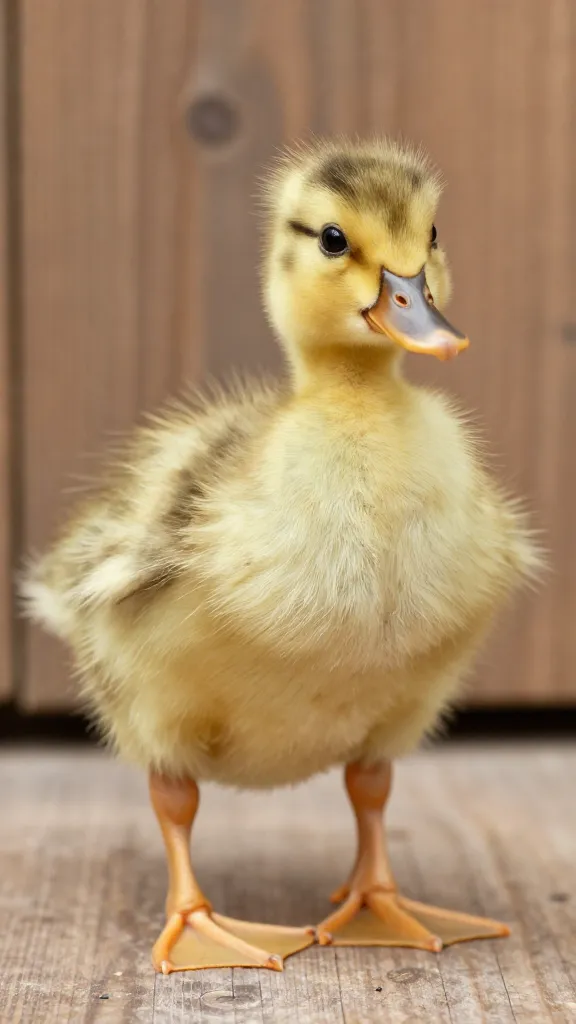
Catch these early, and you can fix the problem fast. Miss them, and you may deal with long-term leg damage.
- Wobbly walking — They stagger, splay, or walk on their hocks.
- Lameness or reluctance to move — They sit a lot, don’t explore, and may fall behind the group.
- Swollen joints — Knees and hocks can look puffy or feel warm.
- Curled or twisted toes — Not always, but it happens.
- Poor appetite and stunted growth — Everyone else grows; one or two stay tiny.
Red Flags That Mean “Act Now”
- Difficulties standing at all
- Dragging legs or splaying to the sides
- Constant tremors or head shaking
If you see these, you need to supplement immediately and adjust the diet today.
Common Causes (And How They Sneak Up on You)
Niacin deficiency usually isn’t a mystery villain—it’s diet, plain and simple.
- Feeding chick starter feed only — Most chick feeds don’t include enough niacin for ducklings.
- Using “all-flock” feed without checking labels — Some are fine, others aren’t. Read the numbers.
- Homemade mixes without balancing B-vitamins — Scratch grains and kitchen scraps won’t cut it.
- Fast growth spurts — Even a decent diet can fall short for a few days during rapid growth.
How Much Niacin Do Ducklings Actually Need?
– Aim for 55–70 mg of niacin per kg of feed for ducklings (roughly 25–32 mg per lb).
– Adult ducks need less, but growing ducklings burn through more.
– FYI: Brewers yeast and specific water-soluble niacin supplements make dialing this in much easier.
What To Do Fast (Step-by-Step)
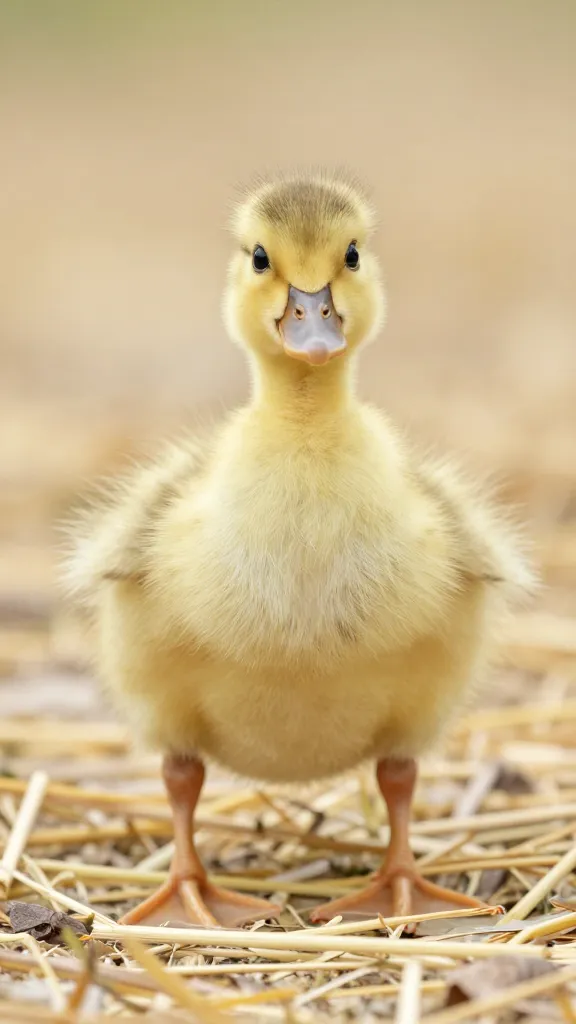
You noticed wobbly legs or reluctance to move? Here’s your immediate action plan.
- Start niacin supplementation today. Use a water-soluble poultry B-complex or straight niacin (nicotinic acid). Avoid “flush-free” or “no-flush” forms like inositol hexanicotinate; ducks can’t use those well.
- Dosage target: Provide about 10–25 mg niacin per duckling per day for 1–2 weeks, then taper as they improve. For flock water, follow the label dosing for water-soluble B-complex aimed at poultry and refresh daily.
- Switch feed if needed. Move to a duck starter or a verified all-flock feed with 55–70 mg/kg niacin. If you can’t switch today, add brewers yeast at about 1–2 tablespoons per cup of feed until you can.
- Limit treats. Too many peas, corn, or scratch dilute the vitamins. Keep treats under 10% of diet while you fix the issue.
- Give supportive care. Provide easy traction (rubber mat/towel), keep them warm and dry, and reduce slippery surfaces. Gentle, short supervised swims can help strengthen legs once they perk up.
How Fast Will They Improve?
Many ducklings perk up within 48–72 hours after correct supplementation. Severe cases take longer and may leave lingering leg quirks. Keep going with balanced feed even after they look better—IMO two extra weeks of good nutrition beats a relapse.
Brewers Yeast vs. Niacin Supplements (What Actually Works)
Both can help, but they’re not the same tool.
- Brewers yeast — Easy to mix into feed; adds protein, B-vitamins, and that yeasty goodness. Niacin content varies by brand, so treat it as a booster, not a cure, if symptoms already show.
- Niacin powder or B-complex — Best for fast correction. You control the dose. Add to water or give directly (follow product directions for birds).
Forms of Niacin to Use (And Avoid)
– Use: Nicotinic acid or standard B-complex for poultry.
– Avoid: Niacinamide alone (helps but not as effective for legs) and “flush-free” niacin (poorly utilized).
– If a product doesn’t say what form it is, skip it and find one that does. Label clarity = less guesswork.
Set Up a Diet That Prevents the Problem
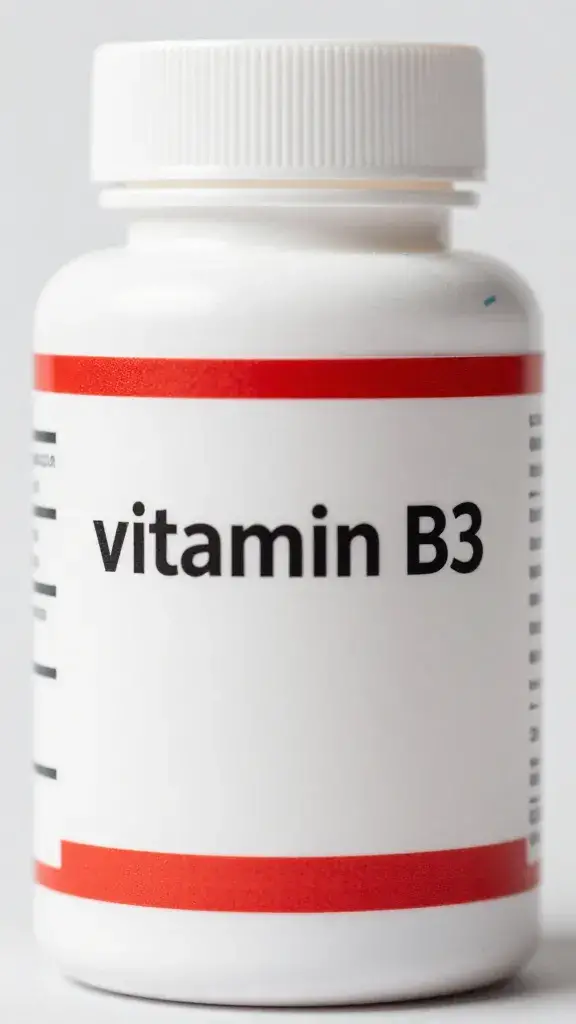
Prevention beats rehab every time. Here’s the easy formula:
- 0–3 weeks: Duck starter crumble with adequate niacin (check the tag).
- 3–8 weeks: Grower or all-flock feed that still meets niacin targets.
- Always: Fresh water, deep enough to dunk nares, changed daily (vitamins can funk up water fast).
- Supplements: If you must use chick starter, add niacin daily for the first 6–8 weeks.
Label-Reading Cheat Sheet
– Look for “Niacin: 55–70 mg/kg” or “Vitamin B3: 55–70 mg/kg.”
– If the tag lists only “vitamin premix,” call the manufacturer or check their website. Annoying? Yes. Worth it? Also yes.
When to Call a Vet
Most mild cases respond quickly to diet fixes. But get veterinary help if:
- No improvement after 3–4 days of correct dosing
- Severe swelling, open sores, or inability to stand
- You suspect concurrent issues (injury, infection, or coccidiosis)
A vet can advise on dosing, rule out fractures or infections, and help with pain or anti-inflammatories. Don’t feel weird calling; duck legs are high-stakes.
FAQ
Can I use human niacin tablets?
Yes, if they’re plain nicotinic acid without “flush-free” formulas or time-release coatings. Crush and dissolve accurately, and dose based on mg per duckling per day. When in doubt, a poultry B-complex is easier and safer to measure.
How long should I supplement niacin?
Keep therapeutic dosing for 1–2 weeks or until they walk normally, then maintain with a balanced feed. You can continue a light supplement for another week as insurance, FYI.
Will a niacin deficiency stunt growth permanently?
If you catch it early, most ducklings bounce back fine. Long or severe deficiencies can leave lasting leg issues or smaller size. Early action is everything.
Is brewers yeast enough on its own?
For prevention, often yes. For active symptoms, it might not deliver consistent doses. Combine it with a direct niacin or B-complex supplement until they recover.
What about adding peas or veggies for vitamins?
Veggies are fun snacks, but they don’t deliver the niacin punch you need during deficiency. Keep treats minimal until everyone walks solidly again.
Can chicks and ducklings share the same brooder feed?
They can share space, but not necessarily the same feed. If you only have chick starter, you must add niacin for the ducklings. Or use an all-flock feed that meets both species’ needs.
Bottom Line
Niacin deficiency looks scary, but you can fix it fast with the right plan. Spot the wobbles, add a proper niacin source, and switch to a feed that actually supports duck growth. Keep the floor non-slip, keep the water fresh, and keep your cool. Your little quackers will thank you—with louder quacks, IMO.
Share this content: