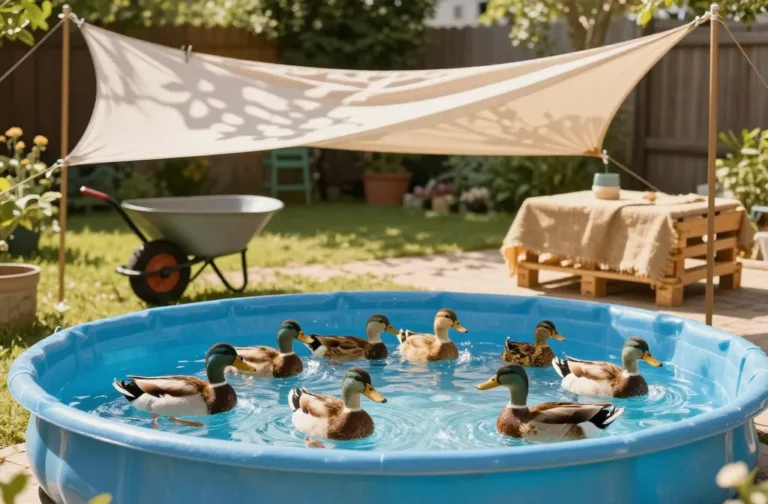
Stop the Egg Drought Why Are My Ducks Not Laying Eggs? Common Reasons and Fixes
Your ducks stopped laying and you’re staring into the coop like it personally betrayed you. Been there. The good news? Ducks aren’t mysterious egg machines—they’re animals with needs and moods. Fix the basics, and you’ll usually see eggs again. Let’s troubleshoot like a pro without making this harder than it needs to be.
Check the Calendar: Age and Season Matter
Ducks don’t read productivity blogs. They follow daylight and biology. Most breeds start laying at 5–7 months old, and they lay best their first 2–3 years before tapering off.
Daylight drives laying. Ducks need about 14–16 hours of light to keep eggs coming. In fall and winter, they naturally slow down or stop.
Fixes
- Too young? Chill. Give them time.
- Short days? Add a safe, low-watt light on a timer in the morning to extend daylight. Aim for 14 hours total. FYI: Don’t blast bright light 24/7—that’s stressful.
- Older girls? Expect fewer eggs. You can rehome, retire, or add new pullets/ducklings to the flock.
Nutrition: Eggs Don’t Appear Out of Thin Air

If your ducks eat like toddlers at a birthday party, they won’t lay. They need protein, calcium, and clean water to build eggs consistently.
What to feed, actually
- Layer feed (16–18% protein) for adult laying ducks. If you keep drakes, go with an all-flock feed and offer oyster shell on the side.
- Niacin matters. Ducks need more than chickens. Look for feed formulated for waterfowl or add brewer’s yeast (about 1–2 tablespoons per cup of feed for growing ducks; adults on proper feed usually don’t need extra).
- Calcium builds shells. Free-choice oyster shell solves soft or thin shells fast.
- Water 24/7. No water = no laying. They need water deep enough to dunk bills while eating.
Red flags
- Soft, thin, or shell-less eggs
- Ragged feathers or weight loss
- Endless treats (corn, scratch) replacing real feed
Nesting Drama: Privacy, Comfort, and “Where Did She Hide It?”
Sometimes ducks lay just fine—somewhere you haven’t looked. They love hidden nests in tall grass, under decks, or behind the compost bin. Meanwhile, your nest boxes sit there feeling unappreciated.
Make nest boxes irresistible
- Low, dark, and cozy. Ducks prefer ground-level boxes with a lip to keep bedding in.
- Deep bedding. Pile in straw or shavings. Keep it dry and clean.
- Fake eggs. Ceramic or wooden eggs in boxes scream “Lay here!”
- Morning confinement. Keep them in the coop until mid-morning. Most lay early.
Find the secret stash
If they free-range, scout for:
- Trampled grass “bowls”
- Quiet corners under shrubs
- That one spot you never check because you’re sure they wouldn’t—yeah, that one
Stress and Safety: Ducks Don’t Lay When They Feel Hunted

Predators, barking dogs, loud yard work, or bully flockmates can shut down laying fast. Even constant drake attention can tank egg production. Stress = no eggs.
How to create a chill environment
- Secure housing. Predator-proof coop and run, especially at night.
- Stable routine. Same feeding times, same bedtime. Ducks love patterns.
- Manage drakes. Keep ratios around 1 drake to 4–6 ducks. Too many drakes = chaos.
- Limit disruptions. Rehoming, new flockmates, or construction? Expect a pause.
Molting and Health: The Body Takes a Break
Ducks molt once or twice a year. During molt, they redirect protein to grow new feathers, not eggs. You’ll see lots of fluff and a break in laying—totally normal.
But illness or parasites can also stall eggs. Worms, lice/mites, or infections sap energy needed for laying. IMO, a quick health check solves a lot of mysteries.
What to look for
- Molt: Patchy feathers, down everywhere, but bright eyes and normal appetite.
- Parasites: Weight loss, dirty vents, ragged feathers, lethargy.
- Reproductive issues: Straining, penguin posture, swollen belly—call a vet ASAP.
Support during molts or recovery
- Higher protein (18–20%) temporarily
- Fresh greens and bugs for a nutrient boost
- Clean bedding and low stress to help them bounce back
Weather and Comfort: Heat, Cold, and Wet Bedding
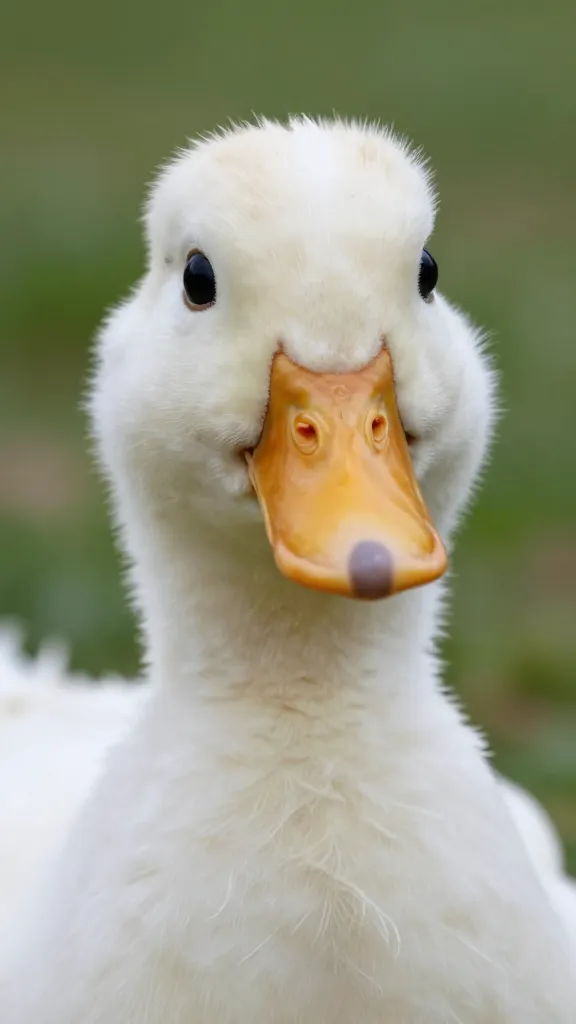
Extreme heat or cold can flip the “nope” switch on laying. Heat stress kills appetite and water intake. Cold snaps reduce production, especially with short days.
Keep them comfortable
- Heat: Shade, ventilation, multiple water stations, frozen water bottles in bowls, and shallow pools.
- Cold: Dry bedding, draft-free housing, and extra calories. Don’t overheat the coop—ventilation beats dampness every time.
- Always dry. Wet bedding = respiratory issues and stress = fewer eggs.
Breed Reality Check: Some Ducks Just Lay Less
Not all ducks roll like Khaki Campbells and Welsh Harlequins, which can pump out 250–320 eggs a year. Muscovies, Runners, and Calls can vary widely. Some go broody often and stop laying while they daydream about motherhood.
Know your breed’s baseline
- High layers: Khaki Campbell, Welsh Harlequin
- Moderate: Pekin, Ancona, Saxony
- Broody/inconsistent: Muscovy, Call Duck, some Runners
If your expectations don’t match your breed, that’s on the brochure, not your birds. FYI: Broody ducks will sit and hiss instead of lay. Gently break broodiness by removing eggs and limiting access to cozy nest spots for a few days.
Quick Diagnostic Checklist
Run through this when eggs stop:
- Age and season: Are they mature? Is daylight short?
- Feed and water: Proper protein? Oyster shell available? Clean water?
- Nesting: Boxes comfy? Fake eggs? Any hidden nests outside?
- Stress: Predators, drake ratio, changes in routine?
- Health: Molting, parasites, or illness signs?
- Weather: Too hot, too cold, or damp housing?
- Breed: Are your expectations realistic?
FAQ
How long after adding light will ducks start laying again?
If daylight caused the slowdown, expect improvement within 1–3 weeks after you hit 14–16 hours consistently. Make changes gradually—add 15–30 minutes of morning light every few days to avoid stress.
Can I feed chicken layer feed to ducks?
Yes, with caveats. Use a waterfowl-friendly layer feed if possible. If you use chicken layer feed, ensure constant access to water and add separate oyster shell. For mixed flocks with drakes, switch to an all-flock feed and keep oyster shell on the side.
Why are my ducks laying soft-shelled eggs?
That screams calcium deficiency or stress. Offer oyster shell free-choice, ensure enough protein, and confirm they drink plenty of water. Young layers also lay a few weird eggs at first—give them a couple weeks.
Do ducks need a pond to lay well?
Nope. They love water, but a small tub or kiddie pool works great. They just need water deep enough to dunk their bills and keep their nostrils clear. A full pond doesn’t equal more eggs.
My duck is broody and not laying—what now?
Remove eggs daily, block off favorite nest spots temporarily, and give her more daylight and activity. Some breeds, like Muscovies, are relentless. Breaking broodiness can take a week or two—stay consistent.
How often should I check for hidden nests?
Daily during free-range season. If eggs suddenly “disappear,” leash your inner detective and scan the yard. Once you find the stash, move the eggs and confine ducks to the coop until mid-morning for a week to reset habits.
Conclusion
Ducks don’t stop laying out of spite. They stop because something in the big seven—light, age, nutrition, nesting, stress, health, weather, or breed—fell out of balance. Tweak the setup, keep things calm, and offer great feed and clean water. Do that, and, IMO, your egg basket will fill back up before you can say “who hid the nest this time?”
Share this content: