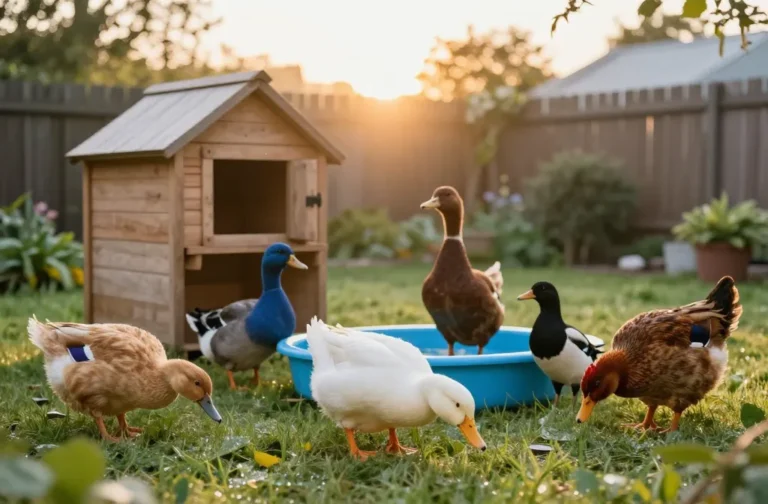
The Secret to How to Keep Ducks Cool in Summer Without Fancy Equipment
Summer hits, and your ducks look at you like you control the thermostat. Spoiler: you don’t. But you can keep them comfy without buying fancy misters or high-end pond pumps. A few cheap tricks and a little timing go a long way. Let’s keep those waddlers cool, happy, and not plotting your downfall.
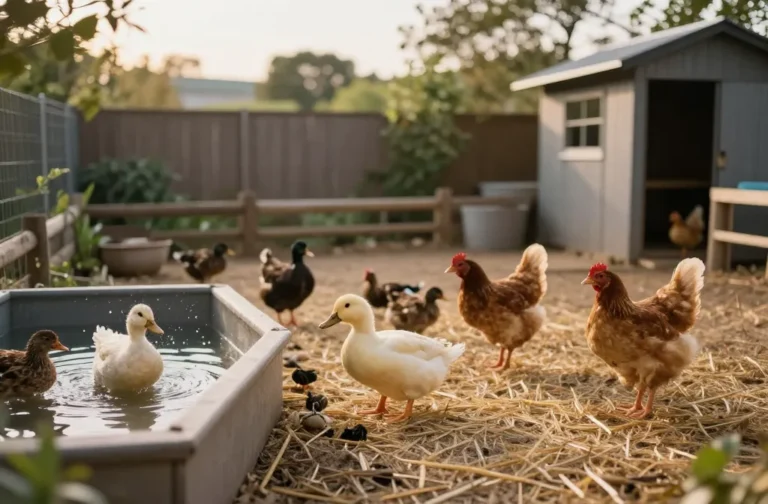
Cooling ducks gets trickier in a mixed yard, so it helps to know whether ducks and chickens can live together safely.
For hot days, the right water setup helps a lot; these duck pool ideas focus on keeping things cleaner in summer.
Shade First, Always
Ducks handle cold better than heat, so shade becomes your MVP. If you don’t have trees, fake it till you make it. Toss up a tarp, old bedsheet, or a reflective emergency blanket over a simple frame.
Easy shade ideas that work:
- Stretch a light-colored tarp between fence posts or T-posts.
- Lean pallets together and drape burlap or fabric over them.
- Park a big piece of plywood on cinder blocks for an instant shade deck.
Aim for shade that moves with the sun, or set up multiple zones. Ducks will self-regulate if you give them options. And yes, afternoon shade beats morning shade, IMO, because that late-day sun hits hard.
Portable Shade Hack
Clip a light tarp to a garden cart or wheelbarrow handle and roll it where you need it during the day. It looks goofy. It works.
Water, Water, Everywhere (But Clean-ish)
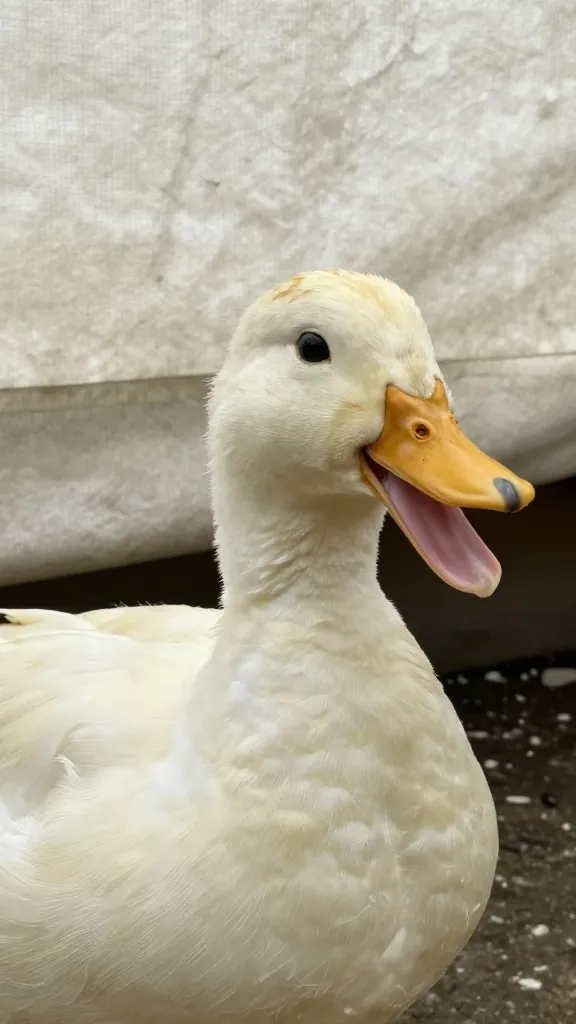
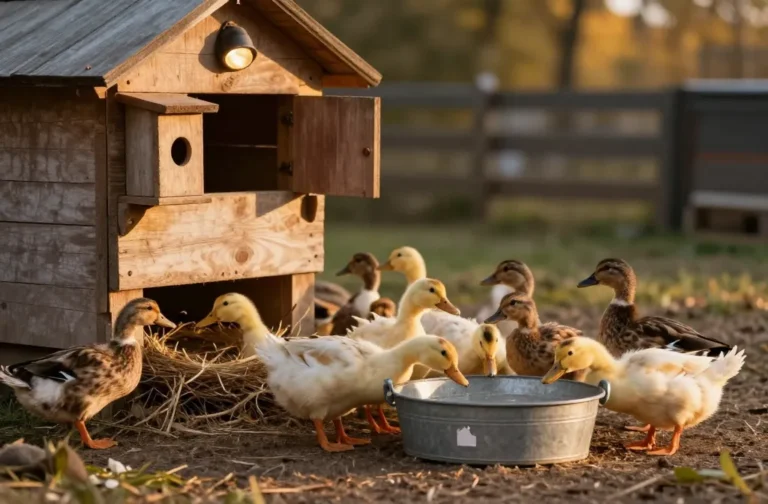
You don’t need a pond. You just need shallow water that ducks can sit in and splash. Kiddie pools, mortar mixing tubs, under-bed storage bins—ducks don’t care as long as they can dunk and chill.
How to make basic tubs work better:
- Depth: 6–10 inches lets them sit comfortably and cool their bellies.
- Placement: Keep tubs in shade so the water doesn’t turn into duck tea.
- Rotation: Swap water daily. On brutal days, refresh mid-afternoon.
DIY Chiller Move
Freeze water in old juice bottles or milk jugs. Toss one into a tub like a giant ice cube on the worst days. It won’t last forever, but it buys time during peak heat.
Keep the Air Moving
You don’t need a barn fan to make a difference. Airflow matters because it helps moisture evaporate off feathers and skin.
Low-tech airflow tricks:
- Open vents on opposite sides of the coop to create a cross-breeze.
- Prop coop doors open with hardware cloth barriers to keep predators out.
- Position coops to catch prevailing winds (FYI, this pays off year-round).
If you have power, a cheap box fan set on low and aimed across—not directly into—their hangout zone helps. Keep cords out of splash zones and elevate the fan. Ducks + electricity + puddles = obvious no.
Wet Ground = Natural AC
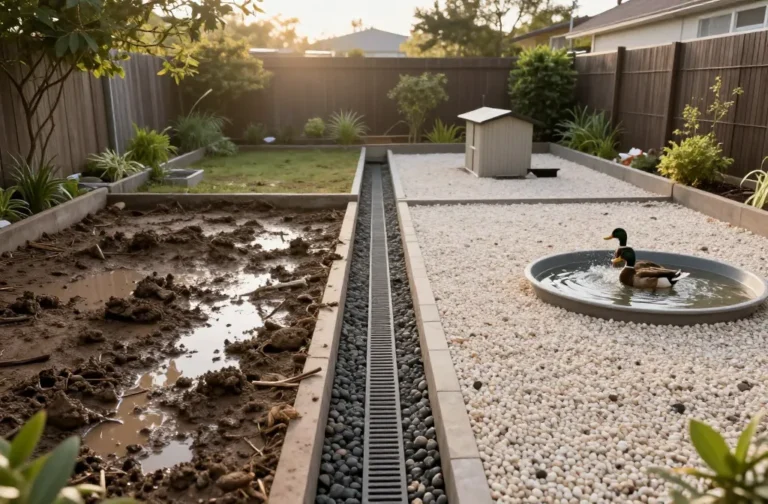
Lightly hose down a patch of dirt or sand in the shade. Wet soil cools their feet and drops the ambient temperature a notch. Don’t make mud soup—just damp, not swamp.
Hydrate Like It’s a Sport
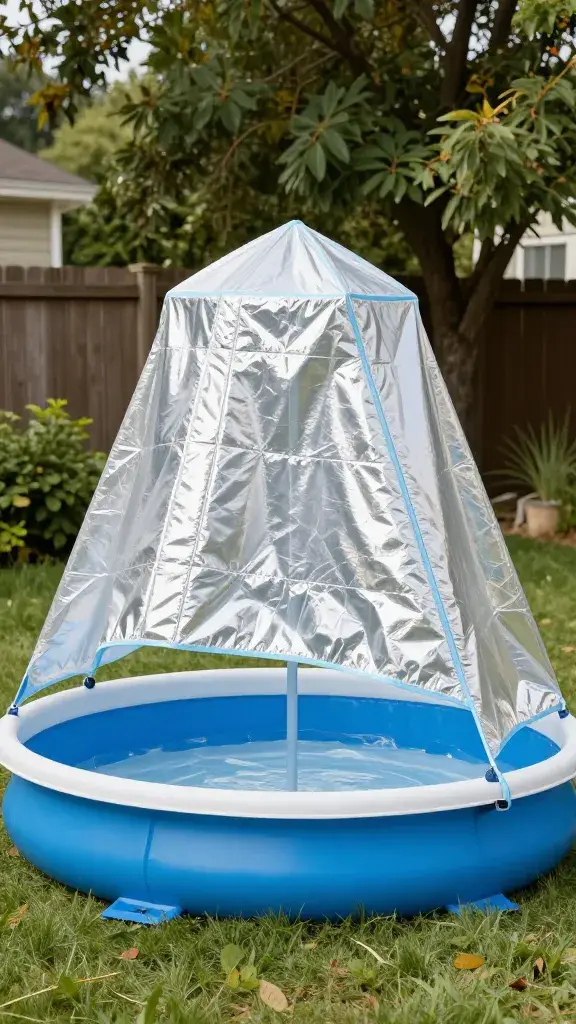
Warm water is unappealing, and ducks lose interest fast. Keep water cool and accessible, everywhere they wander.
Smart water setup:
- Use wide bowls or buckets they can dunk their bills in (they need that to clear sinuses).
- Place multiple water stations in shade to reduce crowding and bullying.
- Refill at noon and late afternoon, when temps peak.
Add a few clean marbles or smooth stones to water tubs to slow splashing and keep water from warming too fast. It also saves you a few bucket runs. Not magic, but it helps.
Feed Smarter in the Heat
Heat and digestion don’t mix well. Ducks eat less during hot days, so help them out with timing and moisture.
Simple feeding tweaks:
- Feed early morning and late evening when it’s cooler.
- Offer wet mash—just enough water to make feed soft. Easier to eat, easier to digest.
- Give water-heavy treats like cucumber, watermelon (no rind), and lettuce in moderation.
Skip corn-heavy treat piles when it’s scorching. Corn ramps up internal heat. Save the corn fiestas for fall, IMO.
Electrolytes: Worth It?
On heat-wave days, add a poultry-safe electrolyte mix to one waterer (leave another plain). It helps with recovery and hydration. Don’t DIY with sports drinks—too much sugar, not the right balance.
Coop Comfort: Strip It Down
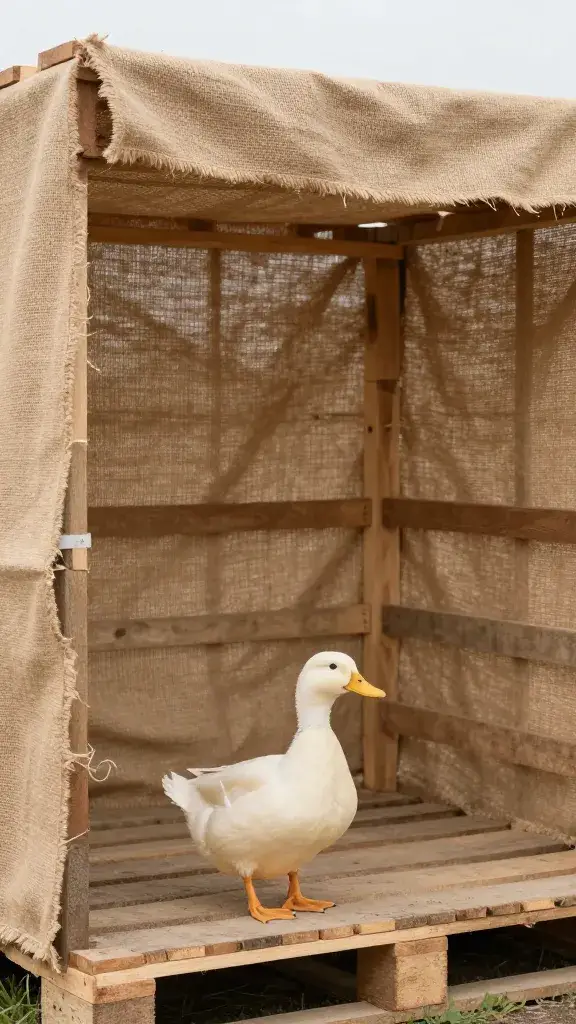
Your goal at night? Maximum airflow and minimum body heat buildup. Think airy beach cabana, not cozy bunker.
Nighttime cool-down checklist:
- Open ventilation high and low—hot air escapes up, cool air slides in below.
- Use wire mesh doors or windows with predator-proof hardware cloth (1/2-inch).
- Remove thick bedding layers and go thin with wood shavings or sand.
- Skip heat-trapping plastic covers; use breathable shade cloth if you need privacy.
If your coop traps heat, let them sleep in a safe, covered run with a dry, draft-free corner. Zero shame in that during heat waves.
Watch Their Body Language
Ducks tell you when they feel crummy. You just have to pay attention. They won’t text you, sadly.
Signs they’re too hot:
- Panting with open bills and rapid breathing
- Wings held away from the body
- Lethargy, wobbling, or lying down a lot
- Not interested in food or water (red flag!)
If a duck gets wobbly or glassy-eyed, move fast. Bring them into a cool, shaded spot. Offer cool (not icy) water to drink. Wet their feet and chest with cool water. Don’t dunk their whole body suddenly—that shock can cause problems.
Create a “Cool-Down Corner”
Set up a shaded crate or pen with a damp towel on the floor, a small fan nearby (if safe), and a shallow dish of water. When someone looks rough, you’ve got a triage zone ready.
Cheap Gear That Punches Above Its Weight
You don’t need fancy, but a few low-cost items make life easier.
My go-to list:
- Two kiddie pools or mortar tubs to rotate daily
- Reflective emergency blankets for instant shade
- Clip-on tarps and bungee cords (you can never have too many)
- Frozen water bottles/jugs for tub-cooling
- Electrolyte powder for heat-wave days
- Hardware cloth for safe, ventilated coop doors
FYI, spend the money on predator-proofing and shade first. Everything else stacks on top.
FAQ
Can I just spray my ducks with the hose?
Light misting is fine if they don’t hate it, but focus on wetting the ground and offering shallow baths. Spraying directly can stress them, and stress plus heat equals bad combo. Let them choose how wet to get.
How often should I change pool water?
Daily, minimum. In serious heat or heavy use, refresh mid-day too. Dirty, warm water does nothing for cooling and invites bacteria—no thanks.
Do ducks need ice water?
Not required, but a few ice jugs in their bath help during peak heat. For drinking, cool is good; icy can discourage them from drinking enough. Balance, always.
What breeds struggle most with heat?
Heavy and large-bodied breeds like Pekins and Muscovies get hot faster. Dark-feathered ducks also absorb more sun. Give them the shadiest spots and extra water options.
Is sand or dirt better under shade?
Sand drains well and cools quickly when damp, so it wins for me. Dirt works too, but it turns to mud fast. If you’ve got both, rotate areas to keep things fresh.
Can I feed frozen treats?
Small frozen fruit chunks or peas are great in moderation. Avoid anything salty or sugary. Also, keep portions small—treats should never replace balanced feed.
Conclusion
You don’t need a resort-style duck spa to beat summer heat. Give solid shade, cool water to splash and drink, airflow, and smart feeding times. Watch their signals and act fast when someone looks off. Do those basics well, and your flock will sail through summer like tiny, quacking lifeguards—minus the whistles.
Share this content: