Can Ducks and Chickens Live Together? What Actually Works and What Fails Exposed
Ducks and chickens can share a backyard without turning it into a feathery war zone. But it doesn’t happen by accident. You need the right setup, the right expectations, and a plan for when the drama inevitably starts. Ready for the good, the bad, and the splashy?
If ducks and chickens will share the same backyard, plan the wet zone carefully; these outdoor duck enclosure ideas help keep the duck area safer and cleaner.
If ducks share space with chickens, summer comfort matters even more; here is how to keep ducks cool in summer.
Quick Answer: Yes, But With Rules
You can keep ducks and chickens together and still sleep at night. They’ll free-range side by side, share a run, and even forage as a squad. The catch? Ducks are wet, chickens like it dry, and drakes can be a problem. So you have to design your space and routines thoughtfully.
Temperament: Are They Even Compatible?
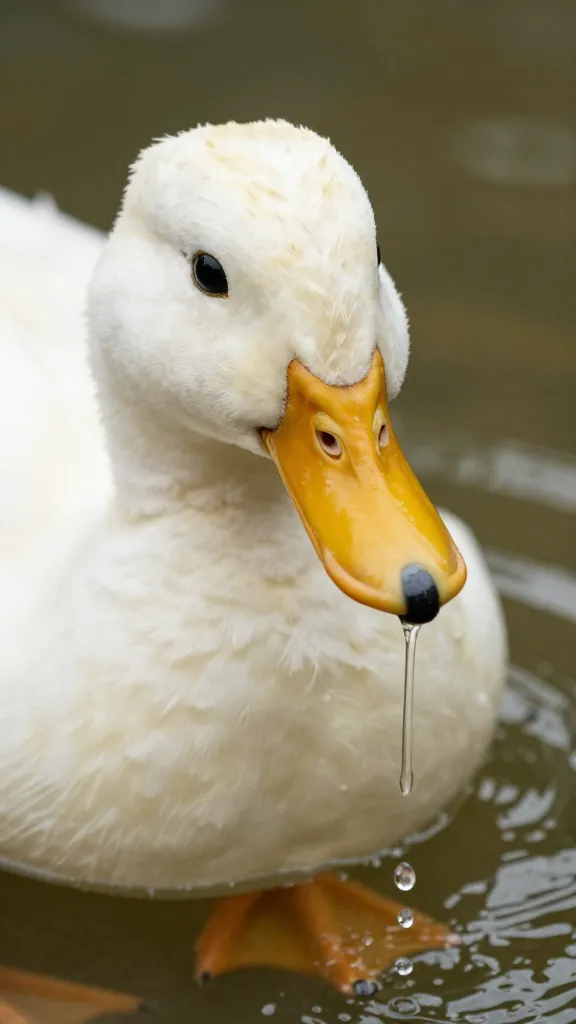
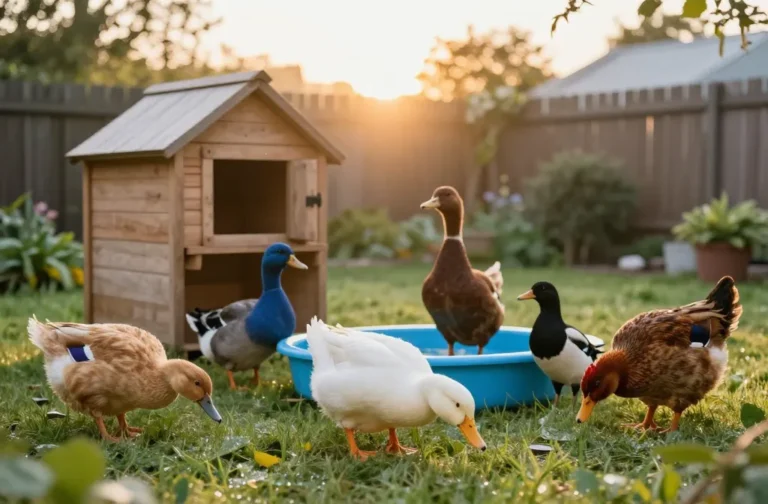
Chickens rule the roost (literally), and ducks just want snacks and water. As a vibe check, most backyard breeds mix fine. Ducks act goofy and social, while chickens focus on their pecking order.
What Usually Works
- Mixed-age flocks with docile breeds (e.g., Buff Orpington chickens, Pekin or Khaki Campbell ducks).
- Plenty of space to avoid territorial squabbles.
- Side-by-side integration so they see each other before full contact.
What Fails Fast
- Cramped coops that force close quarters.
- Pushy roosters and hormonal drakes in the same pen during mating season.
- No water management (ducks flood, chickens hate soggy).
Housing: Dry Beds vs. Splash Zones
Here’s where most people mess up. Chickens like a dry, draft-free coop with roosts. Ducks snub roosts and sleep in a fluffy heap. Mix them mindlessly and you get damp litter, ammonia smell, and cranky birds.
The Setup That Actually Works
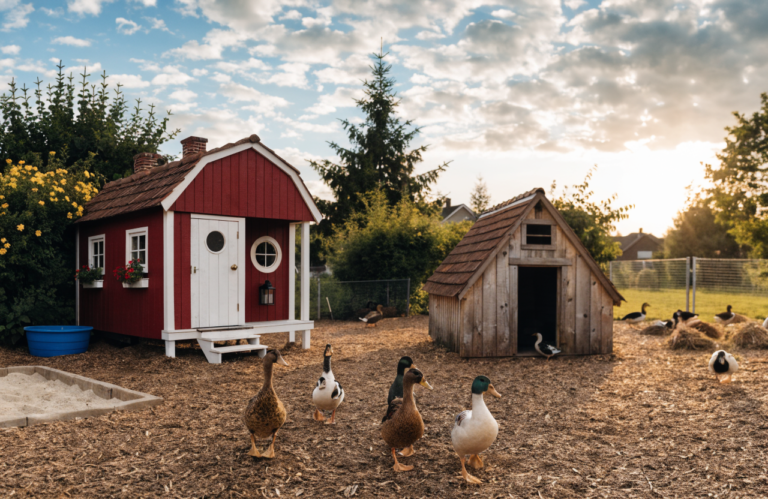
- Shared run, separate sleeping areas. Keep one coop with roosts and nest boxes for chickens. Give ducks a low, ventilated shelter with deep bedding.
- Solid ventilation in both spaces. Ducks breathe out moisture like tiny steam engines.
- Elevate chicken entrances. Ducks won’t climb a ramp easily; chickens will. Win-win separation at night.
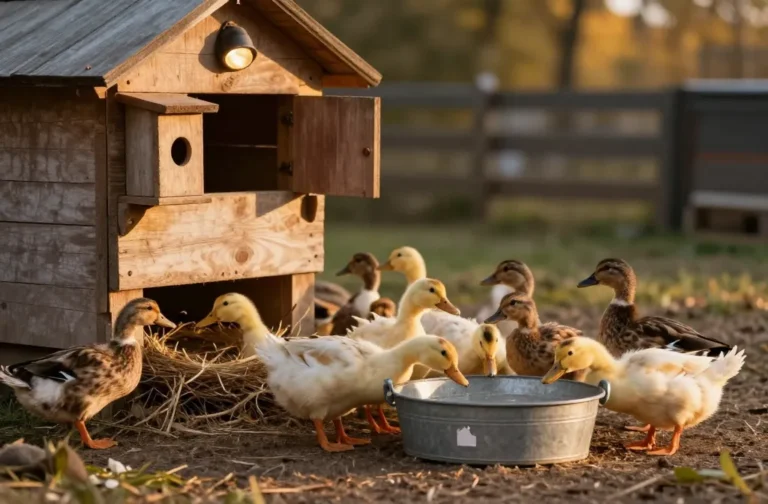
- Deep-litter method with frequent turn-overs for chickens; absorbent bedding (wood shavings, straw) and more frequent refreshes for ducks.
Space Guidelines (IMO, don’t skimp)
- Chickens: 4 sq ft per bird in the coop, 8–10 sq ft in the run.
- Ducks: 5–6 sq ft per bird in shelter, 10–15 sq ft in the run.
- More space = fewer fights and less mess. FYI, overcrowding guarantees chaos.
Water: Ducks Need It, Chickens Hate It
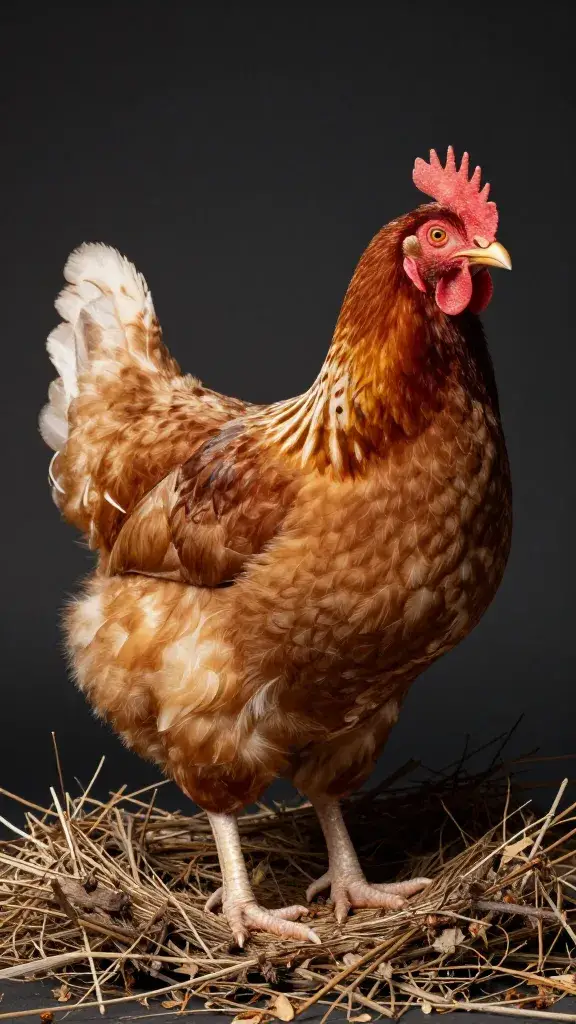
Ducks treat water like a lifestyle. Chickens treat it like quicksand. You can’t compromise here.
Smart Water Management
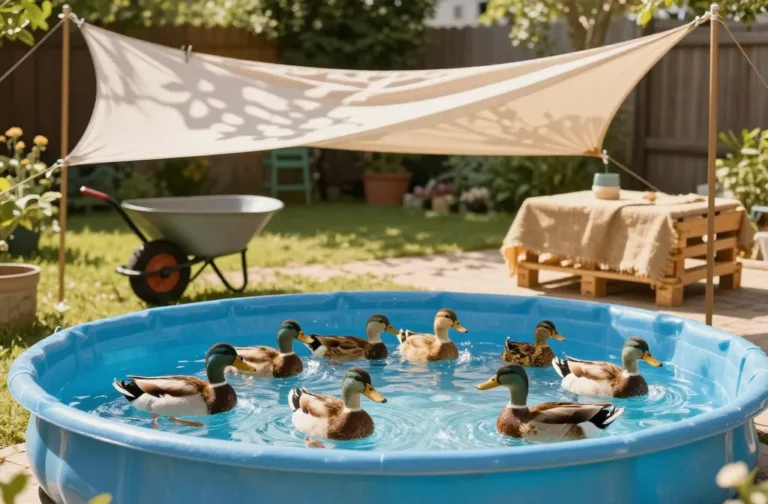
- Dedicated duck splash zone with a kiddie pool or stock tank. Put it on gravel or a drain area so you don’t make a swamp.
- Separate drinkers. Ducks need deep water to dunk their bills; chickens do best with clean, no-splash nipples or standard waterers up on blocks.
- Contain the mud: rubber mats, pea gravel, and regular draining/refills keep the run sane.
What Fails
- Putting the duck pool next to the coop door. Enjoy your indoor bog.
- One shared open waterer. It becomes soup. Your chickens’ health will hate you.
Feed and Nutrition: Close, But Not the Same
Chickens and ducks will happily eat each other’s food, which is cute until it isn’t. Ducklings require extra niacin, or they risk leg issues. Adult ducks still do better with it than chickens.
Feeding That Works
- All-flock or grower feed (15–18% protein) for mixed flocks, plus a separate calcium source (oyster shell) free-choice for laying hens.
- Niacin supplement (brewer’s yeast or dedicated duck supplement) especially for ducklings or active layers.
- Elevate chicken feeders so ducks don’t hog it. Ducks eat like they’re in a contest.
What Fails
- Layer feed for ducklings. Calcium overload = kidney problems. Hard pass.
- One big communal bucket. Ducks churn it into paste.
Breeding Season and Behavior: The Spicy Part

Let’s talk drakes. Never keep a drake with only chickens. Drakes will attempt to mate chickens, which can cause serious injury or death due to anatomy mismatches. Roosters and drakes also may brawl.
Rules That Keep Birds Safe
- Keep proper ratios: 1 drake for 4–6 ducks. No single drake with hens only, ever.
- Separate during mating season if tensions spike. A temporary partition saves lives.
- Monitor for bullying: toe-pecking, feather loss, chasing, and guarding feed or water.
Noise and Nightlife
- Hens cluck and murmur; female ducks quack loudly. Your neighbors might learn all your birds’ opinions in real-time.
- Ducks stay active at dawn/dusk. Chickens clock out at sunset. Plan lock-up times accordingly.
Health and Cleanliness: Prevent the Gross Stuff
Mixed flocks share germs. Manage cleanliness like a hawk (or you know, a responsible human).
- Rotate wet areas and refresh bedding often. Wet litter = bumblefoot, ammonia burn, respiratory issues.
- Foot health checks for both species weekly. Ducks get soft feet in wet zones; chickens get bumblefoot on sharp perches or rough ground.
- Parasite control: keep dust-bathing areas dry for chickens; ducks bathe in water but still benefit from clean, dry lounging spots.
- Biosecurity basics: dedicated boots, limit visitors, quarantine new birds for 2 weeks.
Integration Game Plan (Step-by-Step)
- Week 1: See, no touch. Adjacent pens so they can eyeball each other safely.
- Week 2: Supervised mingling in a large run. Add multiple feed and water stations.
- Nights separate for at least two weeks. Let everyone settle.
- Watch for bullies. Remove offenders temporarily if they start turf wars.
FAQ
Can ducks and chickens share the same coop?
They can share a run, but give them separate sleeping spaces. Chickens need roosts and dry nest boxes. Ducks sleep on the floor, track moisture, and make things damp. Separate doors and bedding styles keep everyone healthier.
Do I need a pond for ducks?
Nope. A kiddie pool or deep tub works great. They need water deep enough to dunk their bills and clean their eyes/nares, not a full-blown lake. Just manage drainage so you don’t build a swamp.
What should I feed a mixed flock?
Use an all-flock or grower feed with 15–18% protein, put oyster shell out free-choice for laying hens, and add niacin for ducklings or working adults. Separate feeders and elevate chicken feeders to reduce duck hogging. Simple and effective, IMO.
Will they fight?
Expect minor skirmishes as they sort the pecking order. Real fights usually mean crowding, one food/water station, or a hormonal drake. Fix the setup first, then separate hotspots if needed.
Are drakes safe with hens?
No. A drake can seriously injure or kill a chicken during mating attempts. Either keep drakes with enough duck hens or house them separately during breeding season. Non-negotiable.
How messy do ducks get?
On a scale of 1 to “why is everything damp,” ducks rank “bring towels.” Plan for splash zones, gravel, and frequent water changes. Keep chicken areas dry and elevated, and the mess becomes manageable.
Conclusion
Ducks and chickens can absolutely live together if you respect their differences. Give chickens dry roosts and clean nest boxes; give ducks water, space, and a mud-tolerant zone. Manage drakes wisely, separate sleeping areas, and feed smart. Do that, and you’ll enjoy a hilarious, productive, mixed flock—less barnyard drama, more breakfast eggs. FYI: once you dial it in, it’s way easier than it looks.
Share this content: