Save Your Hen Fast How to Tube Feed a Sick Chicken (Step-by-Step with Photos)
Your chicken won’t eat, looks droopy, and you’re spiraling on Google at 2 a.m.? Breathe. You can safely tube feed a sick chicken and buy time for meds, digestion, and healing. It looks intimidating, but once you learn the steps, you’ll do it calmly and quickly. I’ll walk you through the gear, the “how,” and the small tricks that make a big difference—photos would help, and I’ll note exactly where to snap them.
When Tube Feeding Makes Sense (and When It Doesn’t)
You don’t need to tube feed every picky eater. But you should step in if your bird can’t maintain hydration or calories.
- Good reasons: crop stasis/slow crop, severe weight loss, heat stress, coccidiosis recovery, egg yolk peritonitis, after surgery, or severe dehydration.
- Not-so-good reasons: the hen skipped breakfast once, or you just feel “meh” about her appetite today.
- Hard no: suspected obstruction you haven’t assessed (foreign body in crop), active vomiting, or severe respiratory distress. Call a vet, FYI.
Quick safety check
If the bird gurgles, coughs, or breathes open-mouthed at rest, pause. You don’t want to risk the trachea. You can still hydrate under the skin at a vet’s office if needed.
What You’ll Need (Simple and Sanitary)
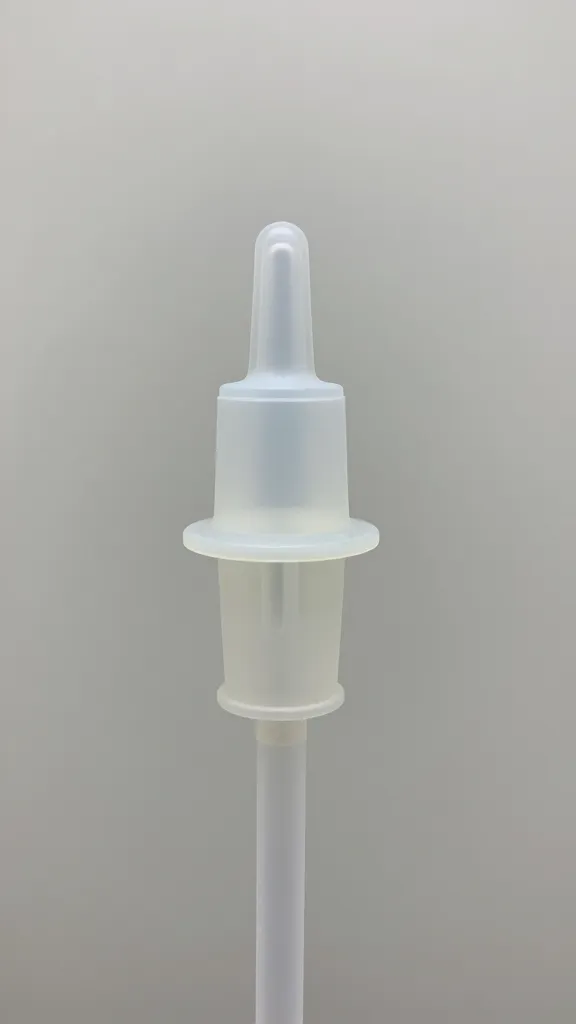
You don’t need a hospital. You just need the right size tube and a calm setup.
- Feeding tube: soft silicone or polyurethane, rounded tip, 12–16 French for standard hens, 8–12 French for bantams. Crop needles (metal) work too, but silicone feels friendlier IMO.
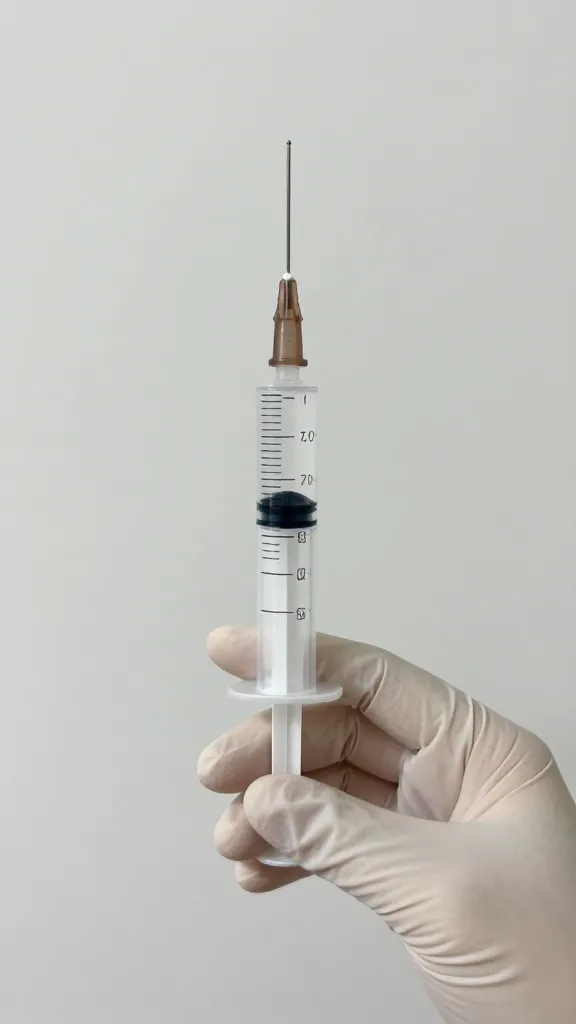
- Syringe: 20–60 mL Luer-lock to match your tube.
- Feed mix: warm, smooth slurry. Use a recovery formula for birds, or grind your regular feed and mix with warm water. Add electrolytes for dehydration; add probiotics after antibiotics.
- Lube: sterile water or a dab of coconut oil on the tube tip.
- Towel: to burrito-wrap the chicken.
- Scale: to monitor body weight daily (game changer).
- Disinfectant: to clean the tube and syringe after.
Photo moment: Lay out your tube, syringe, slurry, and towel for a clean gear shot.
Mixing the Feed: Texture and Temperature Matter
Your slurry needs to flow but not splash. Think thin smoothie, not milk.
- Ratio: Start around 1 part feed to 1.5–2 parts warm water. Adjust until you can push it through the syringe easily.
- Temperature: Warm to body temp (about 102–105°F). Not hot. Not cold.
- Add-ons: Electrolytes for first feeding if dehydrated; vitamins sparingly; meds only as directed.
How much per feeding?
General guideline:
- Bantams: 5–15 mL per session
- Standard hens: 15–30 mL per session
- Large roosters: 20–40 mL per session
Start on the lower end if the crop feels slow or if you’re new to this. You can do 2–4 feedings per day, based on response.
Photo moment: Show slurry thickness on a spoon and the filled syringe.
Positioning the Bird (The Calm Chicken Wins)
You can’t tube feed a flailing feathered tornado. So set the vibe.
- Wrap the bird snugly in a towel burrito with just the head out.
- Sit with the bird upright on your lap, chest against your belly. Neck long, not bent.
- Keep the head level or slightly elevated. Never tilt straight up.
Pro tip: Dim lights, talk softly, and take your time. Chickens don’t love chaos. Shocking, I know.
Photo moment: Capture the burrito wrap and head position.
Finding the Right Tube Path (Avoid the Airway)
Here’s the part everyone fears. Good news: chickens make it obvious if you watch your landmarks.
- The trachea (airway) opens at the base of the tongue in the center. You’ll see the little hole if you look.
- The esophagus runs slightly to the right side of the throat (your left when facing the bird) and leads to the crop on the bird’s right side.
Step-by-step tube placement
- Load the syringe and attach the tube. Lube the tip lightly.
- Open the beak by gently pressing the sides. Slide the tube from the left side of the beak across to the bird’s right, hugging the tongue.
- Keep the head level. Advance the tube along the right side of the throat. You should feel very little resistance.
- Watch for signs you’re in the airway: coughing, gurgling, or the bird struggling to breathe. If that happens, stop and withdraw.
- Check placement: You should see/feel the tube pass down the right side of the neck toward the crop. No coughing. Calm breathing. Perfect.
Photo moment: Show tube entering from the side of the beak and traveling along the right neck.
Feeding Into the Crop (Slow and Steady)
Once the tube sits in the crop, take it slow.
- Stabilize the tube with one hand near the beak so it doesn’t back out.
- Push the plunger slowly. Take 10–30 seconds for each 10 mL. If the bird gags or fluid backs up, pause.
- Stop at your target volume or sooner if the crop feels full but soft. Never overfill. The crop should feel like a half-full water balloon.
- Pinch the tube before removing to prevent drips into the mouth.
Photo moment: Close-up of syringe attached and plunger mid-feed.
Aftercare and monitoring
- Hold the bird upright for a minute. Gentle crop massage only if advised for slow crops.
- Return to a warm, quiet crate with fresh water.
- Log the feed: time, volume, and bird’s response.
Red flags: regurgitation, labored breathing, or crop not emptying overnight. If you see these, call a vet.
How Often and How Long?
You feed for hydration and maintenance first, then for weight gain.
- Day 1 (dehydrated birds): Prioritize electrolyte slurry, small volumes, 3–4 times.
- Days 2–3: Increase volume slightly if crop empties between feeds. Aim for 45–75 mL/day total in a standard hen, split sessions. Adjust to body size.
- After stabilization: Transition to soft foods in a dish, then regular feed.
Weigh your bird daily at the same time. If weight keeps dropping after 48 hours of adequate calories, you likely have an underlying issue that needs a vet’s input, IMO.
Troubleshooting: Common Mistakes You Can Avoid
We’ve all bungled a first feed or two. Here’s your shortcut.
- Going too fast: slows the crop and risks regurgitation. Take your time.
- Too thick: you’ll need Hulk hands to push the syringe and you’ll stress the bird. Thin it.
- Overfilling: crop should feel soft, not tight. Stop early if unsure.
- Wrong tube position: if the bird coughs, abort mission and reattempt calmly.
- Cold slurry: can chill a weak bird and slow digestion. Keep it warm.
- No cleaning: bacteria love warm feed residue. Rinse, wash, and dry your gear every time.
FAQ
How do I know I’m in the crop and not the airway?
You won’t see coughing, gagging, or panic breathing. The tube slides easily along the bird’s right side, and you can often feel it under the skin heading to the crop. If the bird vocalizes normally and breathes quietly, you placed it correctly.
What if my chicken vomits after feeding?
Stop feeding immediately, keep the bird upright, and allow it to clear. Vomiting means you fed too fast, too much, or you have delayed crop emptying. Wait, reassess crop motility, and contact a vet if it continues or if the bird aspirates.
Can I add medications to the slurry?
Yes, if your vet approves the route and dose. Some meds need an empty crop or specific timing, and some taste awful and cause refusal later. Get the plan straight first—don’t DIY dose calculations.
How long should the crop take to empty?
Typically it should empty overnight, within 8–12 hours. If the crop stays full or sour in the morning, you might have slow crop, impaction, or yeast overgrowth. Adjust volumes and seek veterinary advice.
Do I need a special recovery formula?
Not required, but they mix smoothly and digest easily, which helps weak birds. Ground layer feed with warm water works in a pinch. Add electrolytes early on and a probiotic later, FYI.
What if my bird fights me every time?
Get a helper. One person holds the towel-wrapped bird; the other places the tube. Work in short, calm sessions. Practice with water first to build confidence (and zero drama).
Conclusion
Tube feeding looks intense until you do it once—then it becomes a simple, lifesaving routine. Gather your gear, go slow, and aim for a warm, smooth slurry in the right place at the right pace. Log volumes, watch the crop, and loop in a vet if things don’t improve. You’ve got this, and your feathery patient will thank you with side-eye and, eventually, breakfast enthusiasm.
Share this content: