Fix Wry Neck (Stargazing) in Chickens: Vitamin E Protocol
Your chick keeps staring at the ceiling and walking backward like it’s rehearsing for a weird talent show? That’s wry neck (a.k.a. stargazing), and it looks scary. The good news: many birds bounce back with the right vitamins and a bit of TLC. Keep those basics in a stocked chicken first aid kit so you are not scrambling mid-emergency. Let’s walk through a simple, proven Vitamin E protocol and everything else you can do right now to help your feathered weirdo.
What Exactly Is Wry Neck (Stargazing)?
Wry neck means your chicken can’t control its head and neck normally. You’ll see twisting, tilting, or full-on “looking at the sky” behavior. They might stumble, walk backward, or struggle to eat.
It happens when the nervous system goes a bit haywire. Causes vary, but a common one? Vitamin E deficiency, often alongside selenium and sometimes thiamine (Vitamin B1) issues. It can also show up after illness, injury, or stress.
The Vitamin E Protocol (Simple, Effective, Do-This-Now)
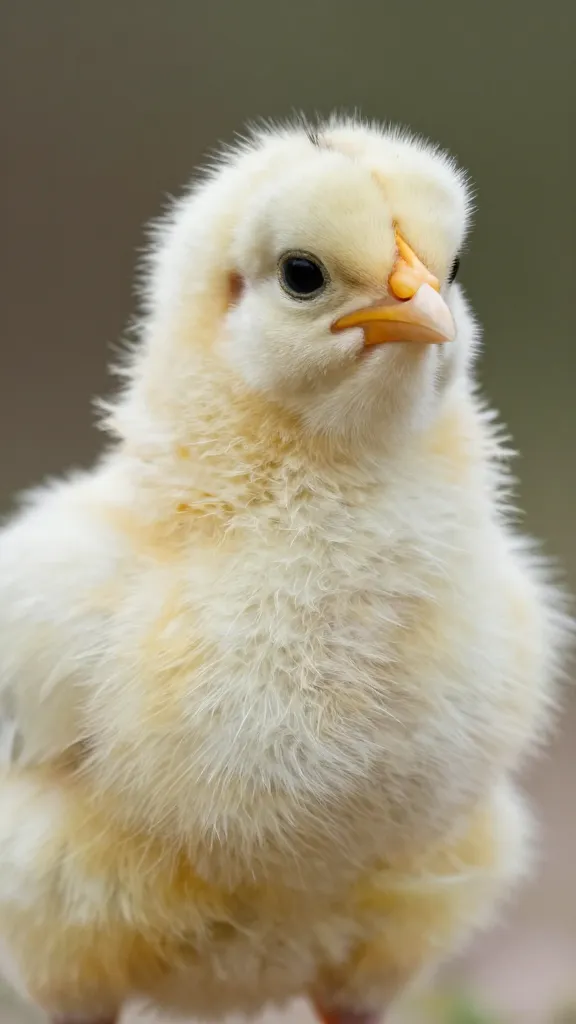
You can start this today with over-the-counter supplements. This is the core plan many backyard keepers (and vets) use when Vitamin E deficiency is likely.
Daily Dosing Guide
- Vitamin E: 200–400 IU per day for standard chicks/young birds; 400–800 IU per day for adult standard breeds. Use natural d-alpha-tocopherol if possible (it absorbs better than synthetic dl-alpha).
- Selenium: 20–50 micrograms (mcg) per day, but do not exceed 100 mcg/day. Pairing selenium with Vitamin E boosts absorption and effectiveness.
- Vitamin B-Complex: Give a poultry B-complex or a human B-complex at chick-safe doses. Focus on thiamine (B1) support. Follow label directions; typically a few drops orally or mixed into a small treats portion.
How long? Treat daily for 2–4 weeks, then taper. Many birds show improvement in 3–7 days, but nerves heal slowly, so keep going even after you see progress.
How to Actually Give It
- Use gel caps for Vitamin E. Puncture with a pin and squeeze onto a small treat (scrambled egg works great) or drip carefully along the beak line so the bird swallows.
- Use a selenium source like selenium yeast or a micro-dose of human selenium tablets crushed and measured. You can also use a tiny bit of brewer’s yeast (contains selenium), but check amounts.
- For B-complex, liquid drops are easiest. If using tablets, crush and mix with a bit of wet feed.
Safety FYI: Selenium toxicity is a thing. Measure carefully. IMO it’s better to err slightly low on selenium and keep Vitamin E on the higher side of the range.
Supportive Care: The Make-or-Break Stuff
Vitamins matter, but care in the first few days often decides the outcome. Your job: protect the bird, keep calories going in, and reduce stress.
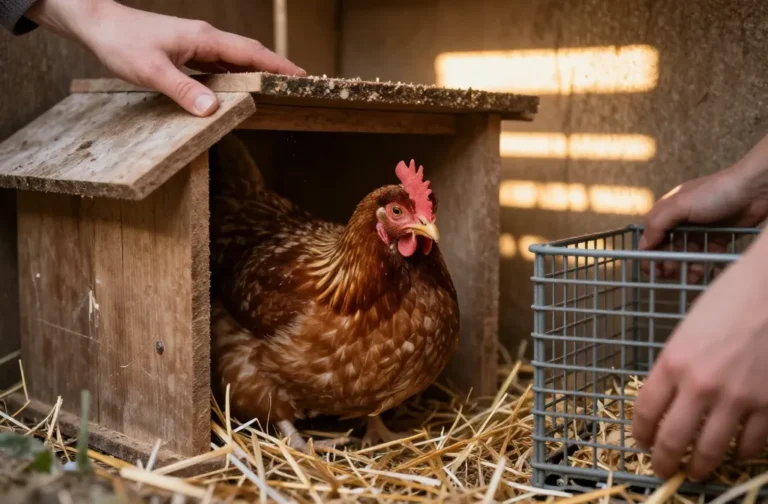
Set Up a Recovery Zone
- Separate the bird so flockmates don’t bully or trample it.
- Use a small crate or box with soft towels to prevent neck banging and rolling.
- Keep it warm and calm: 75–80°F for youngsters; comfortable, draft-free area for adults.
Feeding and Hydration Tips
- Offer wet, mashed feed in a shallow dish. Thicker than soup, thinner than paste.
- Add scrambled egg or tuna in water for protein and natural selenium.
- Hand-water if needed: drip along the beak, let them swallow. Never force it straight down.
- If the bird can’t self-feed, try 1–2 teaspoons of mash every few hours. Small, frequent, calm sessions.
Gentle Physical Help
- Support the neck when you handle the bird. Think “soft towel burrito,” not wrestling match.
- Short, gentle “reset” holds: cradle the head in a neutral position for 10–20 seconds a few times daily. Don’t force a straight position.
- Minimize bright lights and chaos. Anxious birds spasm more.
Common Causes (So You Can Fix the Root)
Why did this happen? Sometimes it’s a mystery, but usually one or more of these:
- Poor diet: Old or rancid feed loses Vitamin E fast. FYI, heat and time nuke E levels.
- Illness: Respiratory infections, Marek’s disease, or head injuries can trigger wry neck-like symptoms.
- Stress: Chilling, overheating, shipping, bullying—it all piles on.
- Genetics: Rare, but certain lines show more neurologic wonkiness.
Prevention Basics
- Buy fresh, reputable feed; use within 6 weeks of milling. Store cool and dry.
- Offer a balanced starter/grower with added vitamins, especially for chicks.
- Rotate in Vitamin E-rich snacks: sunflower seeds, wheat germ, leafy greens—sparingly to keep the diet balanced.
- Keep a small poultry vitamin-electrolyte mix on hand for stressful events.
Exactly What to Buy (No Guessing)
I’m a fan of simple, available, and not-crazy-expensive. Here’s a straightforward shopping list:
- Vitamin E gel caps: 400 IU d-alpha-tocopherol. One cap = 1 day for an adult.
- Selenium: 50 mcg tablets. Crush and give about 1/2 tablet daily to hit ~25 mcg for a standard bird. Adjust for size.
- B-Complex liquid: Labeled for poultry if possible. Otherwise, human B-complex drops—give a few drops daily per label guidance.
- Scrambled eggs or sardines/tuna in water: Easy protein and natural selenium source.
- Electrolytes + vitamins for water: Use during the first 3–5 days of recovery.
Pro tip: If your bird hates hand-dosing, mix E and crushed selenium with a teaspoon of egg and hand-feed like a tiny, dramatic dinosaur.
Timeline: What Improvement Looks Like
- Day 1–3: Spasms may still happen. You should see slightly better head control or easier swallowing.
- Day 4–7: More stable stance, fewer backward steps, better aim at the food dish.
- Week 2–4: Bird looks mostly normal with occasional tremors when excited.
If you see zero improvement after a week, you might have more than a nutritional issue—time to consider a vet check.
When to Call a Vet (Yes, Sometimes You Need One)
I love a good DIY fix, but let’s stay realistic. Get professional help if:
- Severe dehydration or weight loss continues despite hand-feeding.
- No improvement after 7–10 days on the protocol.
- Head trauma or obvious infection signs: pus, foul odor, high fever (hot comb/wattles, lethargy), or head swelling.
- Flock outbreak with multiple birds affected—think toxins or a contagious disease.
A vet can rule out Marek’s, encephalitis, ear infections, or toxins and may add anti-inflammatories or antibiotics if indicated.
FAQ
Can I overdose Vitamin E?
Vitamin E has a wide safety margin in birds, especially short-term. Still, stick to the ranges: 200–400 IU for chicks/young, 400–800 IU for adults daily during treatment. Pair it with modest selenium (20–50 mcg) to avoid selenium toxicity.
What if I can’t get selenium supplements?
Use cooked egg yolk or a little tuna/sardine in water daily for natural selenium. It’s not as precise but often works well with Vitamin E. Keep portions small to avoid unbalancing the diet.
How do I keep the rest of the flock from getting this?
Feed fresh, balanced rations and store feed correctly. Add a short course (3–5 days) of vitamins/electrolytes during stress—moving, heat waves, new birds. Also, cull old feed; stale pellets are basically crunchy sadness with fewer vitamins.
Is wry neck contagious?
The symptom isn’t contagious. But the underlying cause might be—like certain infections. If several birds start wobbling, investigate toxins, bad feed, or disease, and separate affected birds.
Can I keep the bird in the flock during treatment?
You can try if it eats and drinks fine and the others act chill. But IMO, most birds do better separated for a few days. They rest more, eat better, and avoid pecking. Reintroduce once head control improves.
Does Vitamin E expire or lose potency?
Yes. Store capsules cool and dark, and replace if they’re ancient. Feed loses E fast too—buy smaller bags and rotate stock like you actually planned your life for once.
Bottom Line
Wry neck looks dramatic, but you can often fix it with a daily combo of Vitamin E, a pinch of selenium, and B-complex—plus calm housing, easy food, and patience. Start today, measure selenium carefully, and give it 2–4 weeks. With a little consistency (and maybe some scrambled-egg bribes), your stargazer can get back to normal chicken business—scratching, snacking, and judging you from the other side of the run.
Share this content: