Coccidiosis in Chicks: Catching It Before It Kills the Brooder Fast Action Guide
Chicks can go from zoomies to zombies fast when coccidiosis shows up. One minute they’re peeping and piling on the feeder, the next they’re hunched, sleepy, and not touching food. If feed type or age stage is part of the problem, check the chick feeding guide too. This parasite doesn’t wait, and neither should you. Let’s spot it early, fix it fast, and keep the brooder from turning into a sad story.
A clean, safe brooder makes chick health problems easier to prevent, so pair this with the guide to chicken brooders for chicks.
Chick emergencies move fast, so keep the essentials nearby with a stocked chicken first aid kit.
What Exactly Is Coccidiosis?
Coccidiosis is a gut infection caused by microscopic parasites called coccidia. They live in the intestines and mess with nutrient absorption. Translation: chicks stop growing, get dehydrated, and crash.
Here’s the kicker: nearly every environment has coccidia. Chicks pick it up from poop-contaminated bedding, feeders, or waterers. Some exposure helps them build immunity, but an overload or stress can trigger a full-on outbreak.
How It Spreads (So You Can Stop It)
– Chicks peck everything, including poop (adorable and horrifying).
– Oocysts (the parasite eggs) survive in moist, dirty litter.
– Shared feeders/waterers = express lane for infection.
– Stressors like chilling, overcrowding, or a sudden diet change lower immunity.
Early Signs You Should Never Ignore
You win this game by catching it early. Honestly, that’s the whole trick.
Watch for:
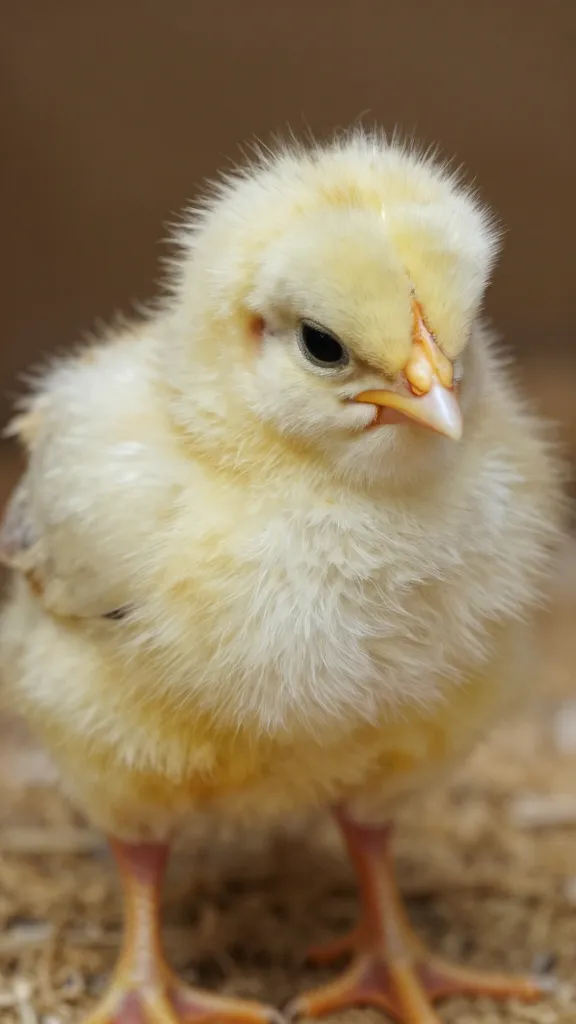
- Ruffled feathers and chicks hunching or standing still
- Lethargy — naps are cute, but not all day
- Decreased appetite and water intake
- Runny, orange or bloody droppings (not always bloody, FYI)
- Pasty vents or sticky fluff on the backside
- Weight loss and slow growth compared to flockmates
If multiple chicks show these signs, assume coccidiosis until proven otherwise. Waiting for a lab result while they fade? Hard pass.
Immediate Action Plan (Do This Now)
Fast action saves chicks. Here’s your no-panic checklist.
- Start amprolium (Corid) in the drinking water ASAP. It blocks the parasite’s access to thiamine and slows the infection. Follow label dosing for a severe outbreak for 5–7 days, then taper per instructions.
- Keep water everywhere. Multiple clean waterers with fresh medicated water — they need to drink or nothing works.
- Electrolytes for 24 hours if chicks look weak. Not with vitamins that include thiamine during treatment, because amprolium uses that mechanism. After the treatment phase, you can add a vitamin boost for a day or two.
- Clean the brooder. Replace wet litter immediately. Wipe down surfaces, feeders, and waterers. Keep things dry — moisture is coccidia’s BFF.
- Raise the temp slightly within the recommended range for their age. Cozy chicks eat and drink better.
When To Call A Vet
– Chicks still crash after 48 hours of treatment
– You see severe bloody diarrhea in multiple chicks
– You suspect a secondary bacterial infection (foul smell, severe swelling, or sudden deaths)
Prevention That Actually Works
You can’t bubble-wrap chicks, but you can set them up to win.
Smart prevention tips:
- Use medicated feed (amprolium-based) for the first few weeks, especially if you brood on used ground or add older birds nearby.
- Keep bedding dry. Spot-clean wet patches daily. Add fresh shavings often.
- Raise waterers and feeders to back height so chicks don’t kick litter into them.
- Limit crowding. Give at least 0.5–1 square foot per chick early on and expand as they grow.
- Good ventilation to reduce humidity — but no drafts. Drafts = stress = trouble.
- Gradual exposure to the outside world. Short supervised play sessions help build immunity without overwhelming them, IMO.
Medicated Feed vs. Corid: What’s The Difference?
– Medicated feed contains low-dose amprolium to reduce parasite buildup. It helps prevent, not cure.
– Corid/amprolium in water treats active outbreaks. You can use it even if you already feed medicated starter. Different purpose, different dose.
Brooder Setup Tweaks That Save Lives
Small changes pay off big when coccidia lurk.
- Warmth and space: Keep brooder temps appropriate for age and give them room to run. Overheating or chills stress them out.
- Litter management: Pine shavings beat slick paper. Deep litter can work if you dry it out and turn it daily, but don’t let wet spots linger.
- Poop control: Use a poop board or paper under roosts if they’re older. Replace paper daily. Yes, it’s gross. Yes, it helps.
- Separate the strugglers: Weak chicks need easy access to warm spots and medicated water without competition.
Outdoor Transition Without The Drama
– Introduce them to the run for short sessions on dry days.
– Avoid mud and tall wet grass for the first week or two.
– Move the whole group only when they eat, drink, and act like tiny velociraptors again.
Common Mistakes (And How To Not Make Them)
We’ve all done at least one of these. Learn, adjust, carry on.
- Waiting for “definite blood” before treating. Bloody poop doesn’t always show up. Treat based on behavior and droppings changes.
- Mixing vitamins with amprolium during treatment. Vitamin B1 (thiamine) competes with the drug. Save the vitamins for after.
- Under-dosing or stopping early. Follow the label for the full course, then do the recommended post-treatment dose if included.
- Soaking the brooder with disinfectant and leaving it damp. Moisture helps oocysts thrive. Clean, then dry thoroughly.
- One waterer for the entire group. Bullies happen. Add more stations so everyone drinks.
How Fast Should You See Improvement?
You usually spot little wins within 24–48 hours: brighter eyes, more peeping, better appetite. Poop may stay weird for a few days, so don’t panic. If chicks still slump after two days of correct dosing, escalate — dosage review, cleanliness check, or a vet visit.
Supportive Care That Speeds Recovery
– Offer easily digestible feed mash with warm water.
– Keep brooder traffic calm — no handling marathons.
– After treatment, add a short course of poultry vitamins and a probiotic to reset the gut, FYI.
FAQ
Can I use probiotics during amprolium treatment?
Yes. Probiotics won’t interfere with amprolium and can help the gut recover. If chicks look very weak, start probiotics on day two once they drink reliably.
What if I already use medicated feed?
You can still treat with amprolium water if you see symptoms. Medicated feed prevents heavy loads but won’t stop an active outbreak alone.
Do I need to treat the whole flock?
Usually, yes. If several chicks show symptoms, assume flock exposure and treat everyone. Pull the sickest few for extra TLC so they don’t get trampled or miss water.
Is bloody poop always coccidiosis?
Not always. Ceca shed lining every so often, which looks reddish-brown and stringy. But if you also see lethargy, poor appetite, or multiple weird droppings, treat for coccidiosis first and reassess.
How do I disinfect the brooder effectively?
Remove all litter, scrub with hot soapy water, rinse, then apply a poultry-safe disinfectant. Dry everything completely. Replace with fresh, dry shavings and elevate feeders/waterers.
Can adult hens give chicks coccidia?
Adult birds carry low levels without getting sick. When chicks meet adult-level oocysts too soon, they can tip into disease. Keep chicks separate until they build some age and immunity, IMO.
Conclusion
Coccidiosis hits fast, but you can beat it faster. Recognize the early red flags, start amprolium immediately, and keep the brooder clean and dry. With quick action and a few smart setup tweaks, your chicks bounce back to zoomies, fluff, and the good kind of chaos. Keep the water fresh, the litter dry, and your eyes sharp — your flock will thank you with healthy peeps.
Share this content: