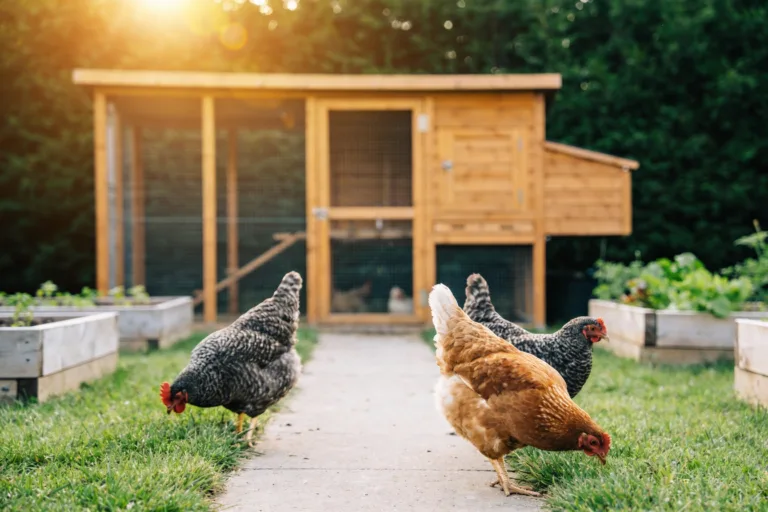
Viral 13 Summer Chicken Coop Cleaning Tips That Cut Smell and Flies Fast
Hot weather turns a cute backyard coop into a stinky fly magnet, fast. The good news? You can beat the funk and the swarm with smart, simple moves that actually work. These tips tackle smells at the source, crank up airflow, and kick flies out—without turning your weekend into a hazmat operation. Ready to make your coop smell like fresh straw instead of, well, not that?
Cleaning also helps you spot pest problems early. If you find tunnels, gnawed corners, or feed disappearing overnight, my guide to getting rid of rats around chickens walks through the next steps.
1. Scoop Daily Like a Litter Box
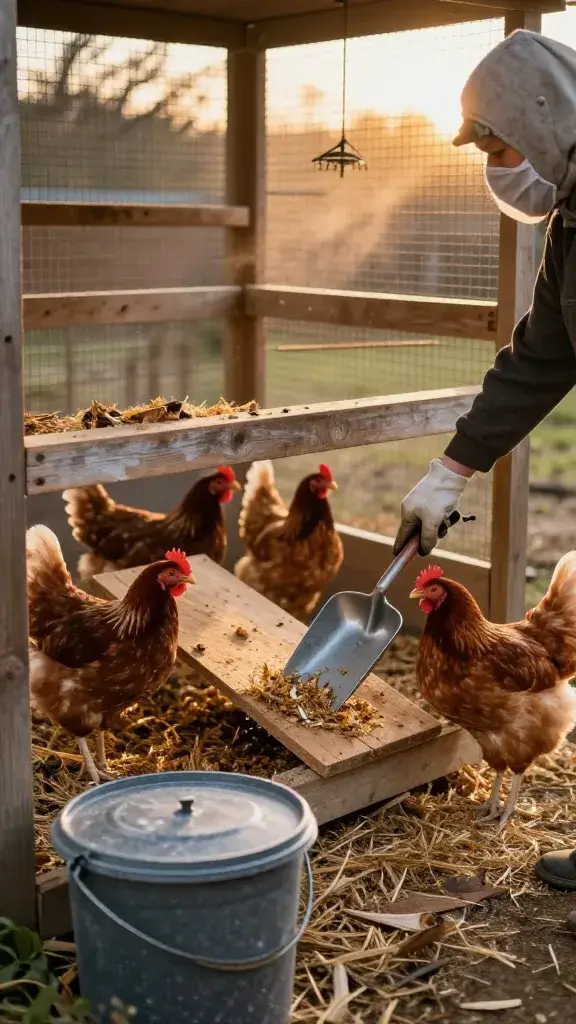
Daily poop scooping keeps ammonia and flies from throwing a party. It takes five minutes, saves your nose, and makes deep cleans easier later.
Tips
- Use a small rake or cat litter scoop for perches and poop boards.
- Wear a dust mask if it’s super dry—no one wants inhaled dander.
- Keep a covered compost bucket or bin nearby for quick dump-and-go.
Do this in the evening when droppings are freshest under the roost. Your future self will thank you, seriously.
2. Switch to Poop Boards Under the Roosts
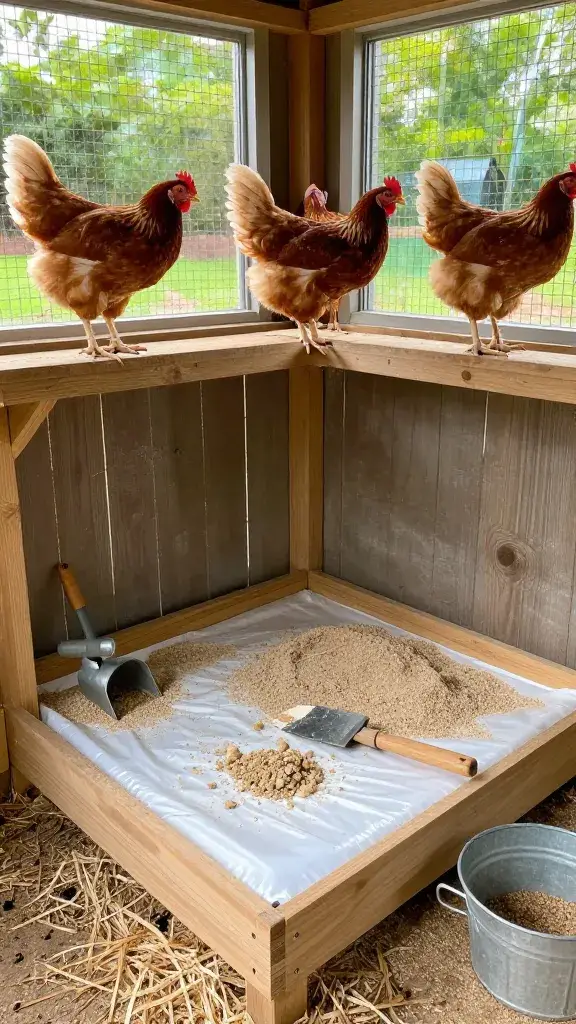
Roost droppings cause most coop stink. A poop board (a tray under the roost) catches it before it hits the bedding.
Materials
- Shallow wooden frame lined with vinyl or heavy-duty plastic
- Thin layer of PDZ or fine sand
- Putty knife or cat scoop
Scoop the board each morning and call it a win. Less smell, fewer flies, and no tedious full-floor cleanups—IMO, it’s a game-changer.
3. Use Sweet PDZ or Zeolite for Ammonia Control
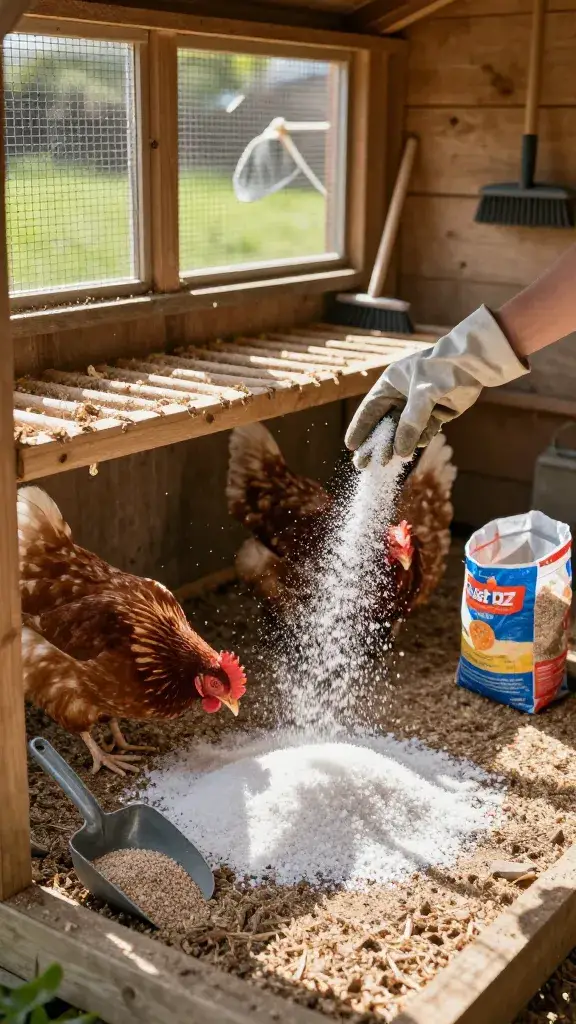
Ammonia stinks and irritates chicken lungs. Zeolite minerals like Sweet PDZ bind ammonia so you smell less and your birds breathe easier.
How to Use
- Sprinkle a light layer on poop boards and in high-traffic corners.
- Avoid dumping piles—light, even coverage works best.
- Refresh weekly or after big cleanouts.
This works great in summer heat when ammonia spikes. It keeps odors down without fragrance—just science doing its thing.
4. Deep-Litter Method, Summer Style
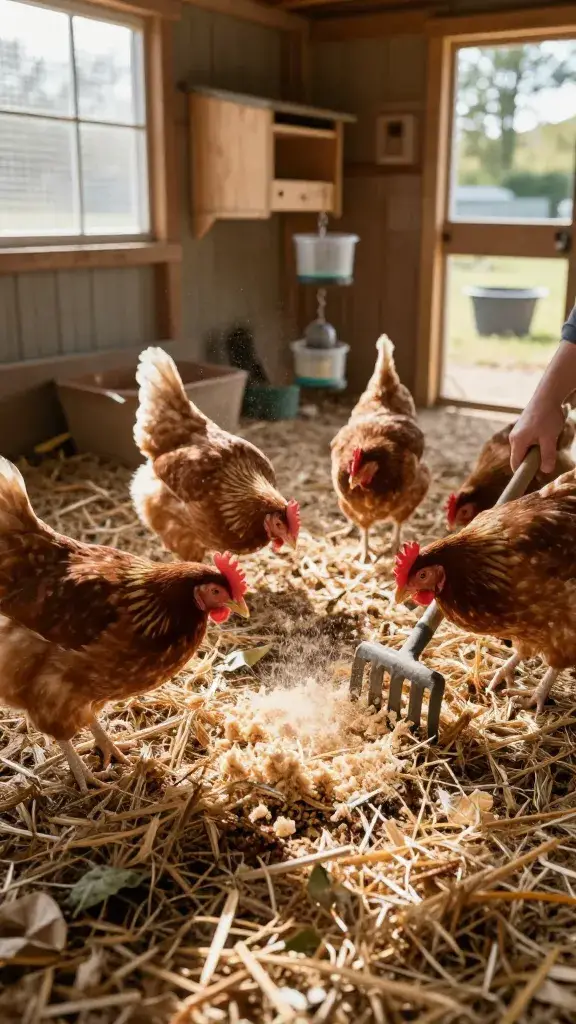
Deep litter can work beautifully in summer if you keep it dry and carbon-heavy. It turns poop into compost instead of smell fuel.
Key Points
- Start with 4–6 inches of dry carbon: pine shavings, chopped straw, or shredded leaves.
- Stir weekly with a rake to add air and break clumps.
- Add a thin layer of fresh bedding whenever it looks damp or smells “hot.”
Done right, it smells earthy instead of barnyard. Do this if you want fewer full cleanouts and a compost bonus at season’s end.
5. Go All-In on Ventilation and Shade
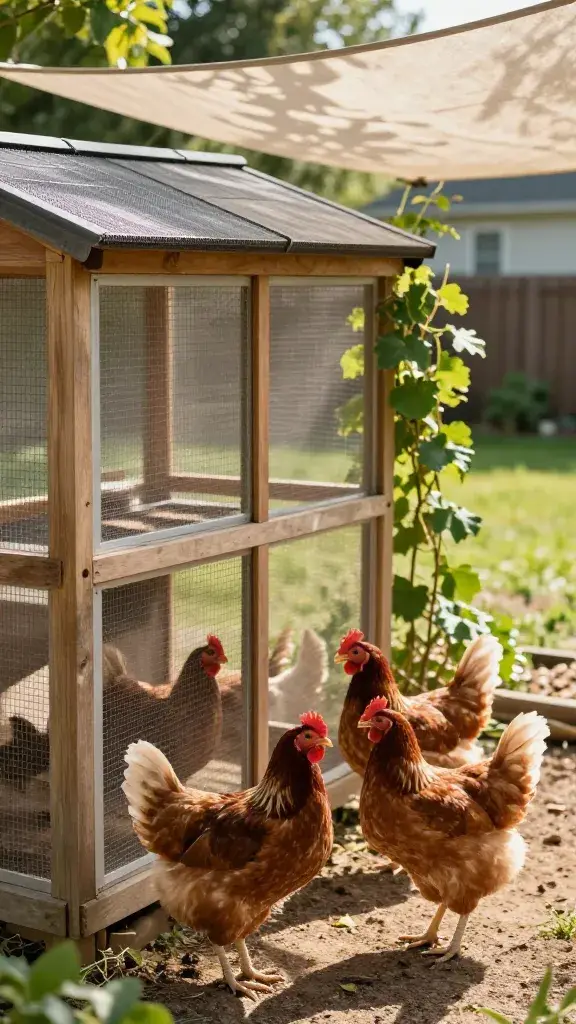
Airflow beats odor and moisture. Shade keeps bedding dry and birds cooler, which means less funky dampness. For the rest of the hot-weather routine, see my guide to keeping chickens cool in summer.
Quick Upgrades
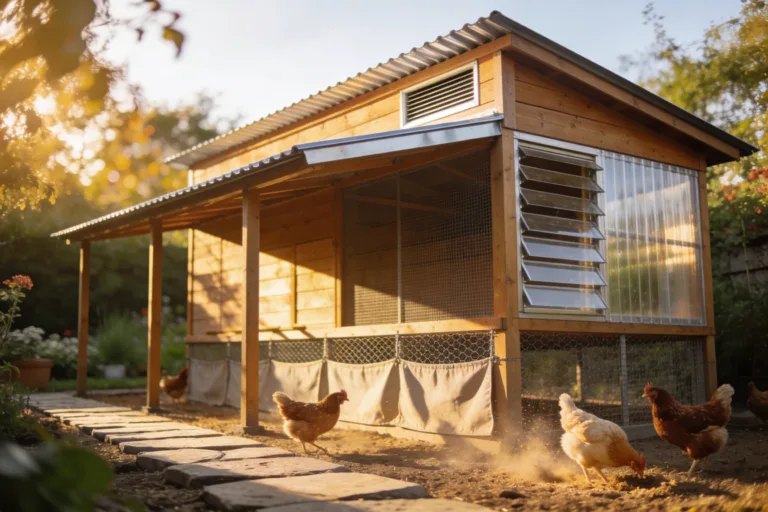
- Add extra vents near the roofline with hardware cloth, not chicken wire.
- Prop windows with secure screens for cross-breezes.
- Throw up a shade sail or plant a fast-growing vine for afternoon relief.
Air that moves doesn’t smell. Combine vents with shade and you’ll feel the difference in a day.
6. Hose the Run—But Smart
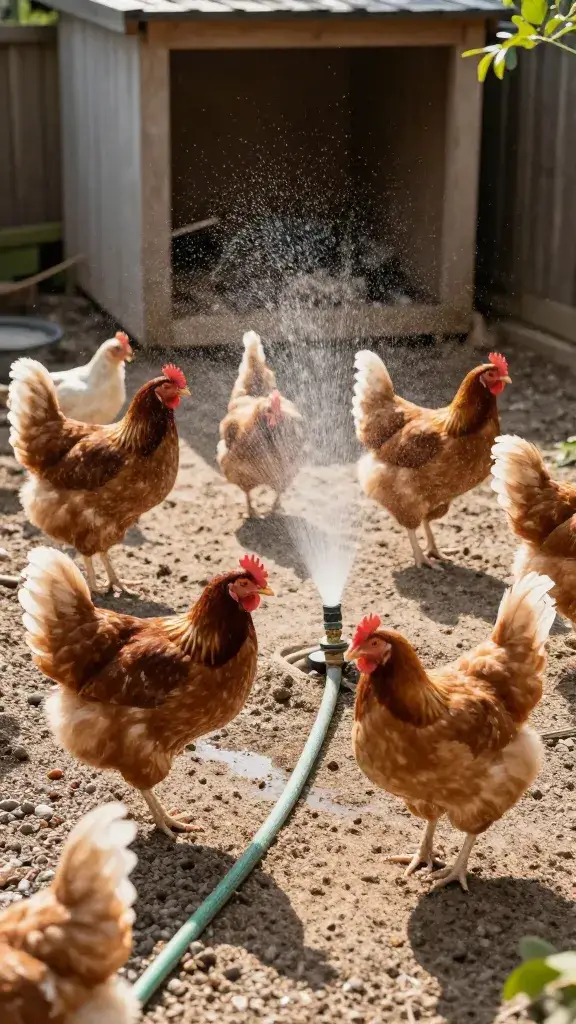
Summer dust turns to stink when wet—unless you control where water goes. Targeted rinses keep the run tidy without creating a swamp.
Do This
- Lightly mist to knock down dust and droppings in the run, not the coop floor.
- Use a soaker hose set for 10–15 minutes in the hottest part of the day.
- Ensure proper drainage; add coarse sand or pea gravel where puddles form.
Use this strategy during heatwaves when dust and smells spike. No puddles, no gnats, fewer flies.
7. Add Dry Carbon Like a Ninja
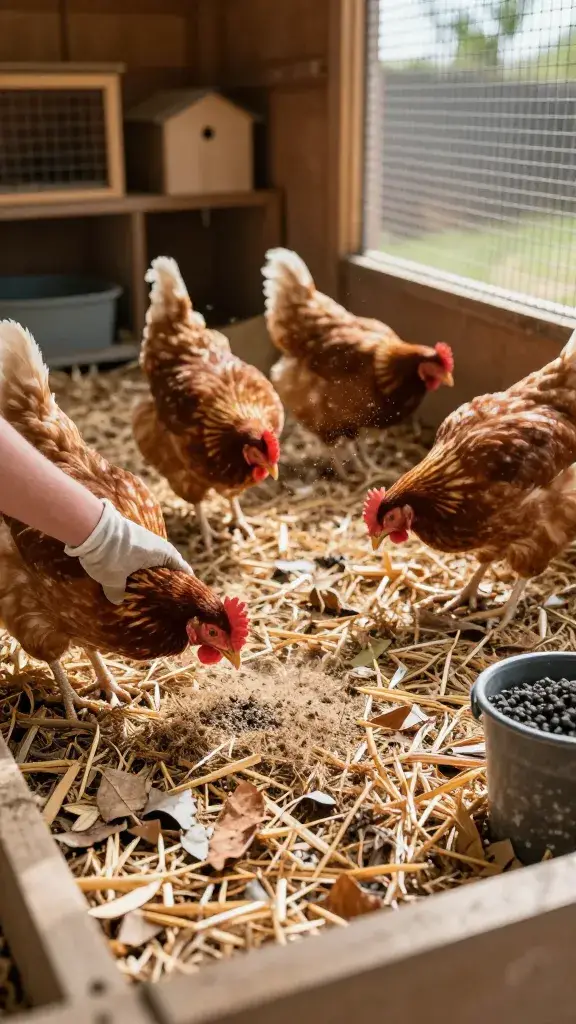
Carbon materials balance “wet” nitrogen droppings. That balance shuts down stink and makes flies bail.
Great Options
- Pine shavings (kiln-dried), chopped straw, shredded cardboard
- Leaf mold or dried leaves (break them up)
- Hemp bedding for premium absorbency
Toss a thin layer whenever you smell more than “chickeny.” It’s the quickest odor fix you can do without a full clean.
8. White Vinegar and Sun: The Power Clean Combo
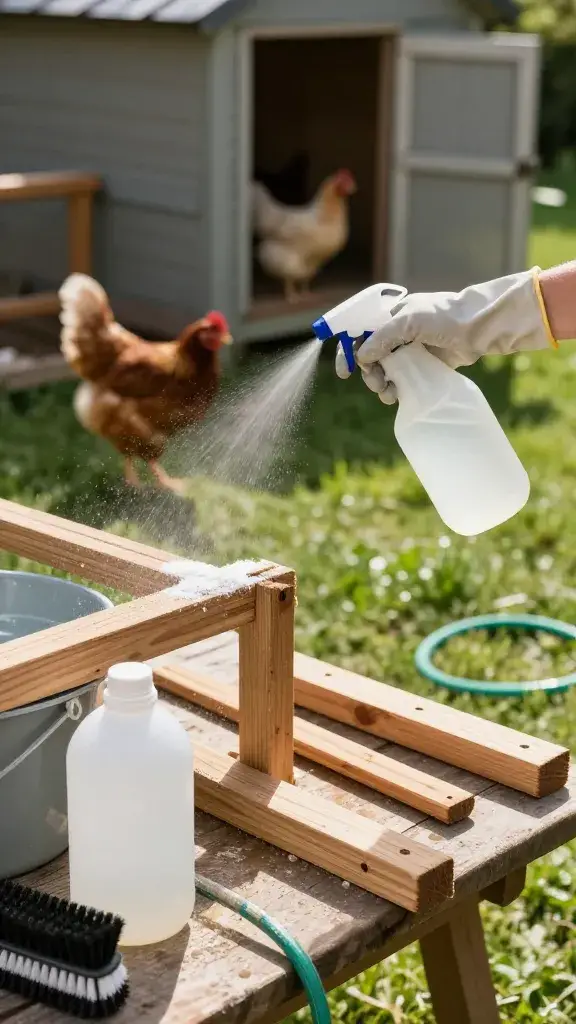
Vinegar cuts grime and neutralizes odors naturally. Sunlight sanitizes and dries—basically nature’s disinfectant tag team.
How-To
- Mix 1:1 white vinegar and water in a spray bottle.
- Remove feeders, waterers, and removable roosts. Scrub and rinse.
- Lay items in direct sun for a few hours to dry completely.
Use this after a mini cleanout or anytime the coop feels “sticky.” It’s cheap, effective, and non-toxic for your flock.
9. Lock Down Feed and Water Spills
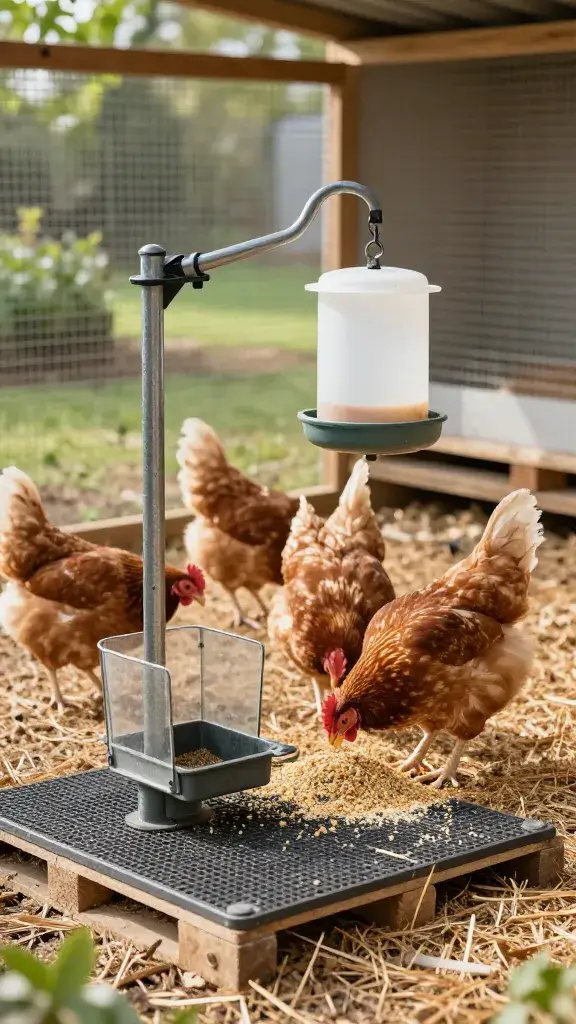
Wet feed and puddled water smell fast and attract flies. A few tweaks end the mess.
Fixes That Work
- Switch to treadle or gravity feeders with rain guards.
- Hang nipple or cup waterers slightly above back height.
- Place everything on a rubber mat or pallet platform for easy cleanup.
Target this first if your coop smells sour. Solve spills and you slash odors before they start.
10. Deploy Fly Traps—But Place Them Wisely
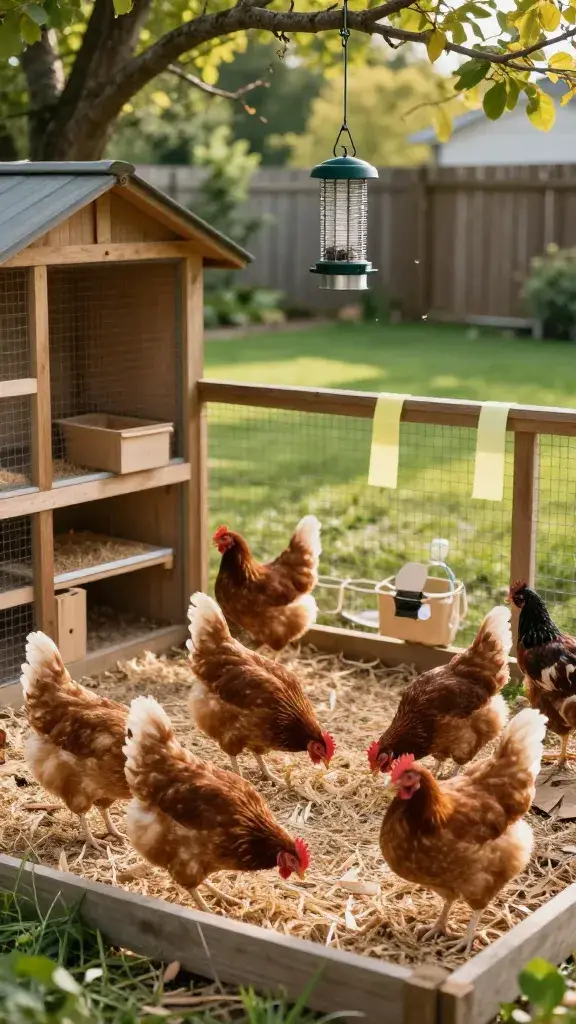
Traps work, but placement matters. Put them wrong and you’ll lure every fly to your birds like it’s a buffet.
Placement Rules
- Hang baited traps 15–30 feet away from the coop and run perimeter.
- Use sticky ribbons inside the run’s outer edges, not over perches or food.
- Empty or replace often—overflowing traps attract more flies.
Combine traps with dry bedding and you’ll see fly numbers drop in days. FYI, this is one of the fastest visible wins.
11. Add Herbs and Wood Ash Like a Spa Day
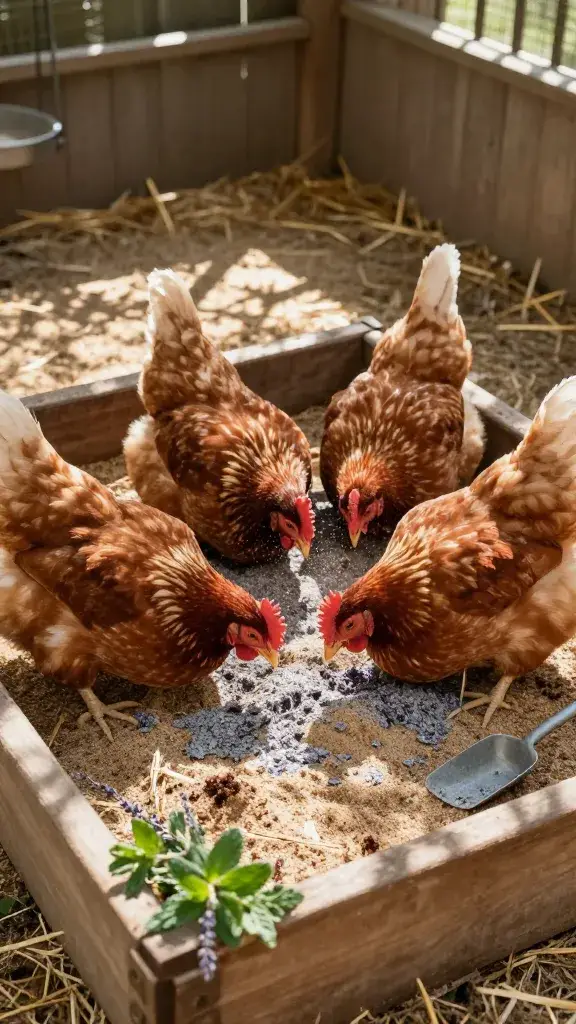
Dust baths with wood ash, sand, and a pinch of herbs keep mites down and birds clean. Cleaner birds mean less smell and fewer parasites that stress them out.
Mix For Dust Bath
- 2 parts coarse sand
- 1 part clean, sifted wood ash (from untreated wood)
- 1 part dry soil, plus dried mint or lavender
Place the bath in a shaded, dry corner. Healthier hens equals calmer coop vibes—and less funky feather smell.
12. Do a Weekly “Micro Clean” Blitz
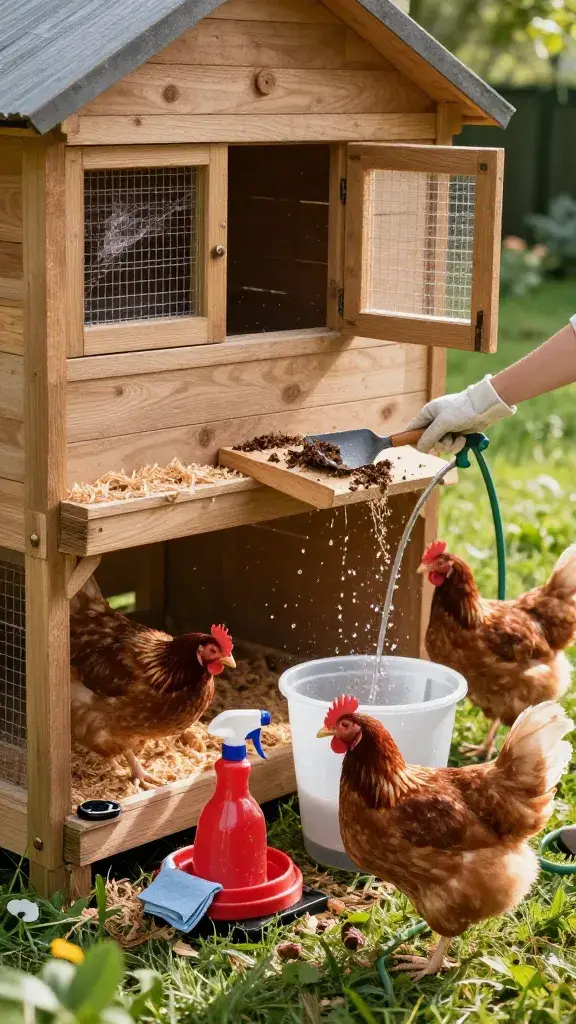
You don’t need a Saturday-long deep clean every time. A 15-minute weekly reset keeps everything fresh without drama.
Micro Clean Checklist
- Scoop roosts and poop boards.
- Top up dry bedding in damp corners.
- Rinse waterers; wipe feeders with vinegar spray.
- Check vents and pop door for airflow and cobwebs.
Set a timer, crank a podcast, done. Regular tiny maintenance beats one exhausting overhaul—trust me.
13. Secure the Perimeter Against Pests
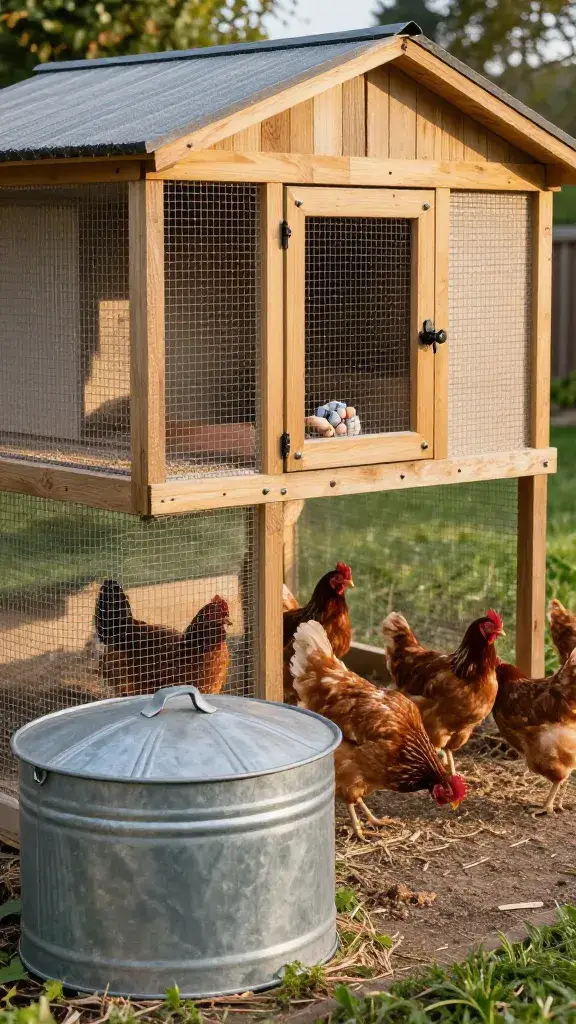
Rodents and wild birds bring flies, spilled feed, and disease. Tighten the coop’s defenses and the whole system smells better.
Quick Wins
- Use 1/2-inch hardware cloth on all openings—skip chicken wire.
- Store feed in metal bins with tight lids.
- Collect eggs daily and remove broken ones immediately.
Do this especially in peak summer when critters get bold. Fewer freeloaders means cleaner, calmer, less smelly everything.
Ready to reclaim your backyard from eau de chicken? Pick three tips and try them today—you’ll smell the difference by the weekend. Keep it dry, keep it moving, and let the flies RSVP “nope.”
Share this content: