Beat Chicken Pests Fast Scaly Leg Mites: 3 Cheap Home Treatments That Actually Work
Scaly leg mites turn lovely chicken legs into crusty, crunchy nightmares. They burrow under the leg scales, lay eggs, and make your hens miserable. The good news? You can fix it without torching your wallet or your sanity. Let’s walk through cheap treatments that actually work—and yes, you can start tonight.
Scaly leg mite treatment is one reason to keep basic supplies ready; this checklist shows what to stock in a chicken first aid kit.
How to Spot Scaly Leg Mites Before They Take Over
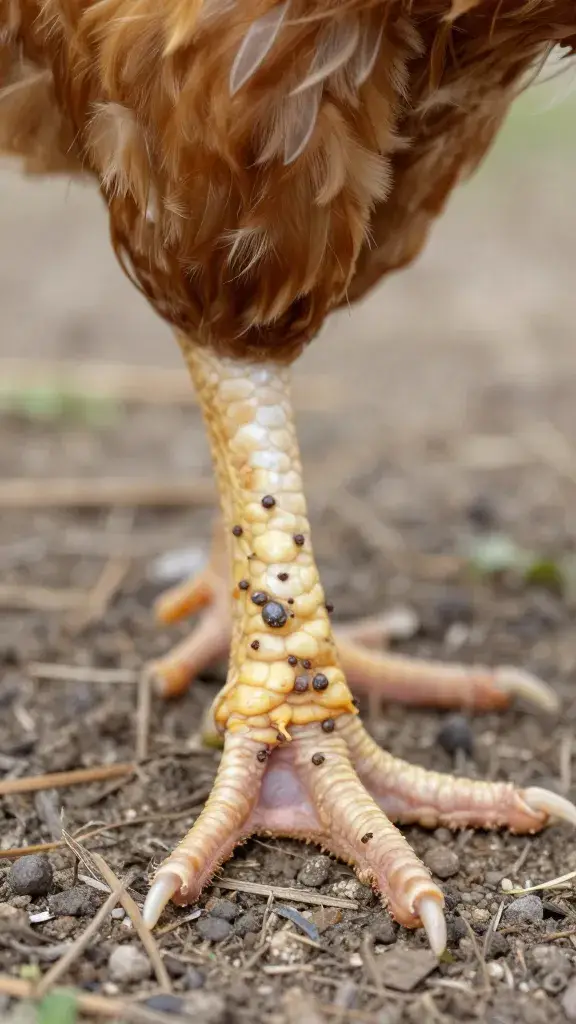
You’ll notice raised, crusty scales on legs and feet first. The legs might look thick, lumpy, and a little alien. Chickens may limp or pick at their legs because, surprise, it itches like crazy.
Check your whole flock, even if only one bird looks rough. Mites spread by contact and shared roosts. Early action saves time, money, and feathers (well, scales).
Quick Visual Checklist
- Flaky, crusty buildup under leg scales
- Swollen, bumpy legs that feel rough
- Limping or pecking at legs
- Thin birds that avoid the roost (advanced cases)
Cheap Treatment #1: The Classic Oil Rub (Coconut or Vegetable)
This is the old-school fix—and IMO, the best starting point. Oil suffocates the mites and softens the scales so healthy skin can grow back. Coconut oil smells nicer, but vegetable oil works just fine.
What you need:
- Any food-grade oil (coconut, olive, or vegetable)
- Soft toothbrush or gloved fingers
- Warm water and mild soap for pre-cleaning
How to do it:
- Soak legs in warm, soapy water for 5–10 minutes to loosen the crust.
- Gently brush off loose debris—don’t go full lumberjack. Be kind.
- Dry thoroughly. Water under oil = nope.
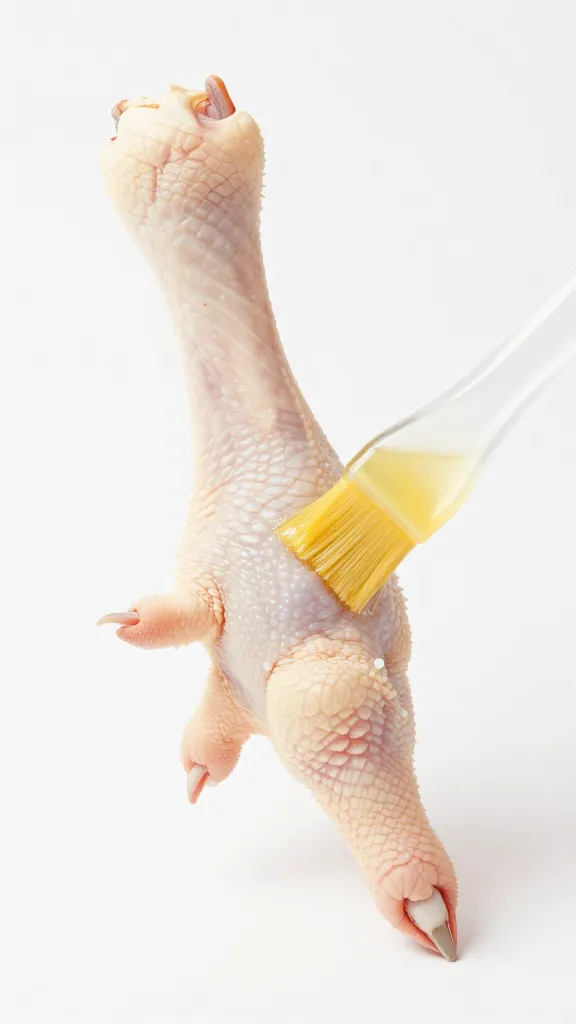
- Massage oil into legs, under and around each scale. Get every nook.
- Repeat every 2–3 days for 2–3 weeks.
Why it works: You starve mites of oxygen and comfort. Consistency beats brute force. FYI, scales may look worse before they look better because the crud lifts as the skin heals.
Pro Tips for the Oil Method
- Do treatments at night on the roost—birds stay calmer.
- Warm the oil slightly so it penetrates better.
- Keep birds on dry bedding so the oil doesn’t collect grit.
Cheap Treatment #2: Petroleum Jelly (The Sticky Miracle)
If oil drips everywhere and makes a mess, try petroleum jelly. It sticks better, lasts longer, and suffocates mites just as effectively.
What you need:
- Petroleum jelly (yep, the normal stuff)
- Optional: a dab of tea tree oil mixed in (1 drop per tablespoon) for extra oomph
How to do it:
- Clean and dry the legs first—always.
- Glop on a good layer of jelly. Think “frosting,” not “glaze.”
- Reapply every 2–4 days for 2–3 weeks.
Why it works: Petroleum jelly creates a barrier the mites can’t handle. It also softens those crusty scales so they lift gently over time.
When to Choose Jelly Over Oil
- Cold weather: jelly stays put better than runny oil.
- Wiggly birds: you can work faster with thicker product.
- Severe cases: longer contact helps more.
Cheap Treatment #3: DIY Sulfur Dip or Powder
Elemental sulfur has been used forever against mites. It’s cheap, effective, and safe when used correctly. It doesn’t smell great, but neither does your coop on a rainy week, so we’re fine.
Option A: Sulfur Dip
- Mix a small amount of garden or “wettable” sulfur powder into warm water (a pale yellow solution is enough).
- After cleaning the legs, dip from toes to hock for 2–3 minutes.
- Let air-dry in a clean, draft-free spot.
- Repeat weekly for 2–3 weeks.
Option B: Sulfur Powder Dusting
- Lightly dust legs and feet after cleaning and drying.
- Reapply weekly, and pair with oil or jelly for best results.
Why it works: Sulfur disrupts the mites’ ability to live their best (parasitic) lives. It pairs beautifully with oil or jelly for a one-two punch.
Safety Notes
- Avoid eyes and nostrils.
- Use gloves; sulfur can dry out your skin.
- Don’t overconcentrate the dip—more isn’t better.
Supportive Care: Make Healing Fast and Easy
You can’t fix mites on legs while your coop hosts a mite rave. Cleanliness and roost care make or break results.
Do these alongside any treatment:
- Scrub and disinfect roosts—especially the undersides—weekly for a month.
- Dust roosts with diatomaceous earth or sulfur lightly after cleaning.
- Swap bedding, rake runs, and remove damp spots.
- Boost nutrition: good protein feed, fresh greens, and a poultry vitamin in water for a week.
What Not to Do
- Don’t rip off thick scales. You’ll cause bleeding and infection.
- Don’t stop after one week. Mite eggs hatch on a schedule you don’t control.
- Don’t ignore the rest of the flock—treat exposed birds, at least lightly.
When You Need to Level Up (And Spend a Bit More)
Sometimes home remedies need backup. If legs stay swollen, birds limp badly, or you see bleeding cracks, call a poultry-savvy vet. Severe cases can lead to infection or permanent scale damage.
Reasonable add-ons:
- Topical ivermectin drops (off-label in many places—ask a vet)
- Antibiotic ointment on open cracks (no pain relievers like “-caine” in birds)
- Anti-inflammatory support if a vet recommends it
How Long Until You See Results?
You’ll often see less picking and calmer birds in a week. Scales take longer. Expect 4–8 weeks for legs to look truly normal again. Old, thick scales may never look perfect, but comfort and function matter most.
Putting It All Together: A Simple 3-Week Plan
Week 1
- Night 1: Soak, gently brush, dry, then apply oil or petroleum jelly.
- Night 3: Reapply oil/jelly. Dust roosts and refresh bedding.
- Night 5 or 6: Reapply. Do a light sulfur dust or dip once.
Week 2
- Reapply oil/jelly every 2–3 days.
- Sulfur dust/dip once.
- Disinfect roosts again. Treat flockmates lightly as a precaution.
Week 3
- Keep up oil/jelly if scales still raised.
- Final sulfur application.
- Switch to weekly maintenance on roosts.
Maintenance tip: After recovery, dab oil or jelly on legs once every few weeks during mite season. Prevention beats drama.
FAQ
Can scaly leg mites spread to humans or other pets?
Nope. These mites specialize in birds, especially chickens, turkeys, and gamefowl. They won’t infest you or your dog. You might feel itchy from the idea of mites (relatable), but they won’t move in.
Do I need to quarantine the affected chicken?
If you can, separate severely affected birds on dry, clean bedding to reduce spread and stress. But IMO, treat the whole flock’s legs lightly and focus on coop sanitation. That’s where the real win happens.
How do I know the mites are gone?
Your bird stops picking, the legs look less puffy, and scales start to lie flatter. You won’t see the mites themselves. Keep treating for at least a week after improvement because eggs love a comeback tour.
Is diatomaceous earth enough on its own?
Not for scaly leg mites living under scales. DE helps on surfaces like roosts and bedding, but you still need oil, jelly, or sulfur on the legs themselves. Think of DE as a bouncer, not the whole security team.
What if the scales look worse after the first few treatments?
That can happen as gunk loosens and old scales lift. Keep treatments gentle and steady. If you see bleeding, foul odor, or severe swelling, pause and talk to a vet—possible infection needs attention.
Can I use essential oils instead of petroleum jelly or coconut oil?
Use them cautiously and always diluted. A single drop of tea tree or neem in a tablespoon of carrier oil can help, but straight essential oils can burn. When in doubt, stick with plain oil or jelly—cheap and safe wins.
Conclusion
Scaly leg mites look scary, but you’ve got this. Grab oil or petroleum jelly, add a little sulfur backup, and clean the roosts like you mean it. Stay consistent for a few weeks, and your flock will strut again. Cheap, simple, and effective—FYI, that’s my favorite trifecta.
Share this content: