Stop This Now Fatty Liver Syndrome in Hens: the Overfeeding Mistake You’Re Probably Making Now
Your hens don’t need second helpings of everything—no matter how cute they look when they beg. Fatty Liver Hemorrhagic Syndrome (FLHS) sneaks up on flocks that get a little too spoiled at the feeder, and it can turn fatal fast. The kicker? Most backyard keepers cause it without realizing. Let’s fix that before your birds pay the price.
What Is Fatty Liver Syndrome, Really?
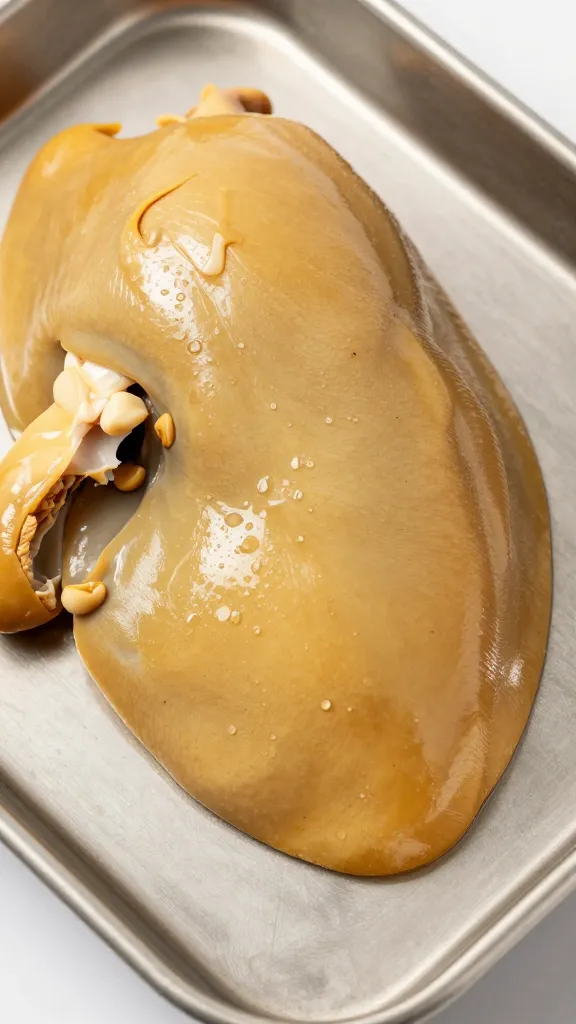
FLHS happens when hens store too much fat in their livers. The liver swells, turns yellow and greasy, and can literally rupture and bleed internally. That’s not dramatic language—it’s exactly what happens.
You’ll see it most in well-fed, high-producing layers. Translation: your favorite girl who lays like a champ and loves kitchen scraps sits right in the danger zone.
How Overfeeding Sets the Trap
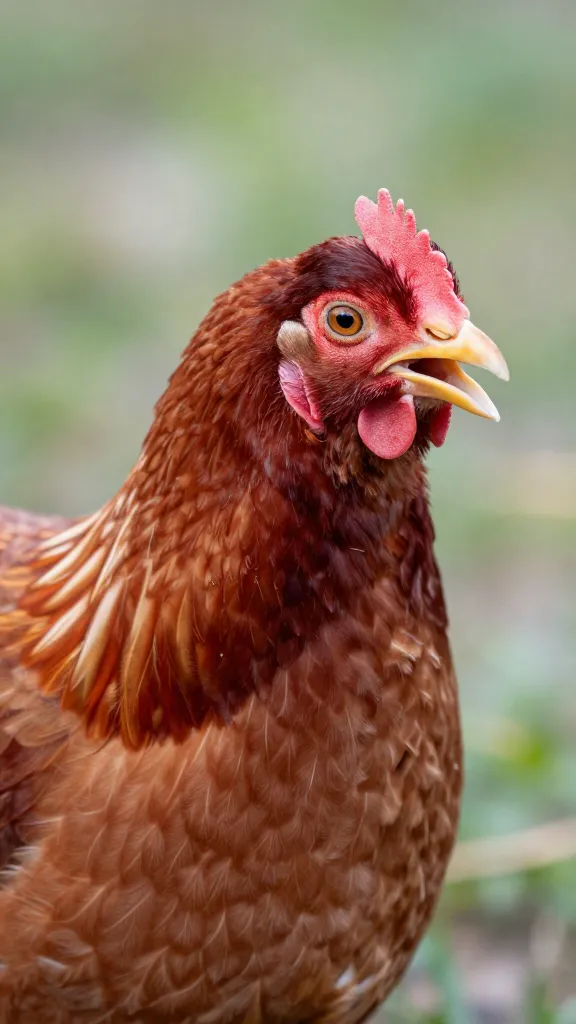
You don’t need a degree in poultry nutrition to spot the problem. Overfeeding—especially with treats high in fat and carbs—drives excess calories straight to the liver. Combine that with long daylight hours and strong laying genetics, and you’ve got a perfect storm.
Top culprits you probably hand out like candy:
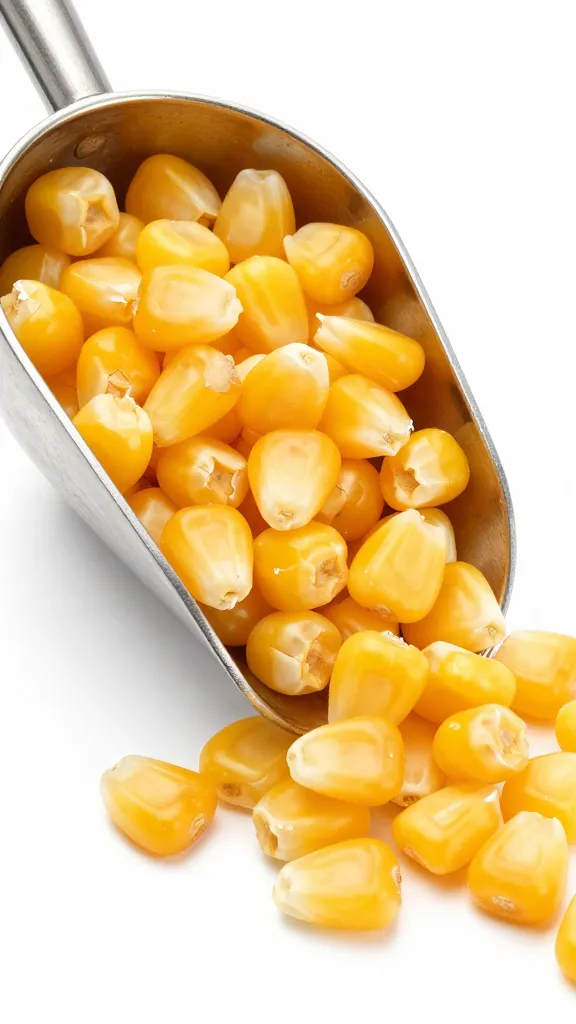
- Scratch grains (corn-heavy mixes = hen junk food)
- Bread, pasta, rice, and cereal “leftovers”
- Sunflower seeds and fatty treats
- Mealworms by the handful (sorry, I don’t make the rules)
FYI: Even “healthy” snacks add up. A little over the daily requirement, day after day, equals liver fat that shows up months later.
Red Flags You Can Actually Spot
Hens don’t file complaint tickets, so you have to read the room. FLHS often hides until it turns serious, but you can catch early hints.
Common signs to watch:
- Soft or loose droppings, sometimes yellowish
- Reduced egg production or weird shells
- Bird tires easily, prefers to lounge, gets puffier
- Sudden death in otherwise “healthy” hens (harsh, but true)
What You Might Notice in a Fatal Case
A hen can die suddenly, often a good layer with a bright red comb. If a necropsy happens, you’ll see a friable (crumbly), yellow, greasy liver and blood in the body cavity. Gruesome? Yes. Preventable? Also yes.
Fix the Feed: Simple Rules That Save Hens
You don’t need a master plan. Just tighten the basics and stick to them.
Base diet matters:
- Give a balanced layer ration (16–18% protein) as the main course, anytime access.
- Offer oyster shell on the side, not mixed in.
- Provide fresh water always—liver health loves hydration.
Treat limits (the part nobody wants):
- Keep snacks to no more than 10% of daily intake.
- Scratch: a tiny handful per 5–6 birds, max, and not daily.
- Mealworms: think garnish, not entrée. A tablespoon per bird, tops.
Better Treat Alternatives
If you must spoil them (same), at least choose lighter options:
- Finely chopped leafy greens or herbs
- Vegetable trimmings (skip onions/avocado)
- Small portions of fruit—not daily
- Black soldier fly larvae in moderation (higher calcium, IMO a smarter “worm”)
Environment and Management: The Quiet Multiplier
Overfeeding + low activity = liver fat city. Change the vibe.
Make them move:
- Give space to roam or rotate runs for fresh ground.
- Scatter a tiny amount of feed widely to encourage foraging behavior.
- Add perches and obstacles—yes, chicken parkour helps.
Manage light and heat:
- Long days push egg output, which can strain metabolism. Keep supplemental light reasonable (14–16 hours total, not 18+).
- Heat stress amps up risk. Provide shade, airflow, and cool water in summer.
Weight Checks Without a Scale
Your hands work fine. Feel the keel bone (the breastbone) weekly:
- Too sharp? She’s underweight.
- Buried in squish? She’s overweight—and a candidate for FLHS.
Short, regular checks beat guessing. It takes 10 seconds per bird.
When You Need to Intervene
Suspect FLHS? Act now. You can’t “cure” it at home, but you can slam the brakes on progression.
Immediate steps:
- Switch to a balanced ration only—no treats, no scratch.
- Provide vitamin support, especially biotin and choline (liver helpers).
- Add a poultry-safe electrolyte/vitamin mix during heat waves.
- Encourage movement with enrichment and space.
Vet time if you see:
- Sudden weakness, pale combs, or collapse
- Rapid drop in laying across multiple birds
- Deaths with no obvious cause
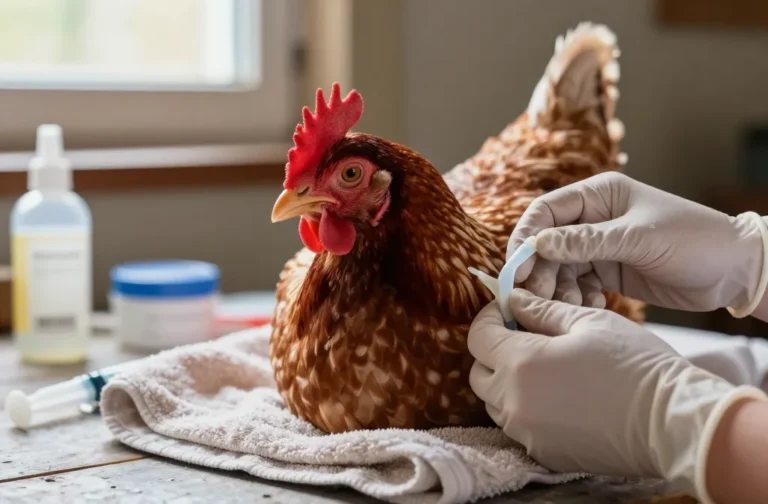
A vet can confirm with necropsy or bloodwork and recommend targeted supplements. Yes, backyard hens deserve that level of care. IMO, they’ve earned it.
Breeds, Age, and Other Risk Factors
Not all hens roll the dice the same way. High-production hybrids (think modern layers) face more risk because they convert calories into eggs like machines. Add rich diets and minimal exercise, and the odds get worse.
Extra risk factors:
- Older layers (after their first year of heavy production)
- Winter overfeeding + spring light increase
- High-energy rations for birds that don’t need them
- Stress from crowding or sudden diet changes
Seasonal Strategy
Winter often tricks us into tossing more scratch “for warmth.” Reality check: hens need consistent energy, not calorie bombs. Use a proper ration and block wind instead of fattening them for insulation.
FAQ
Can I reverse fatty liver once it starts?
You can reduce risk and support recovery, but severe FLHS with hemorrhage needs veterinary care. Tighten the diet, boost choline/biotin, cut treats, and increase activity. Some hens bounce back if you catch it early; others need professional treatment.
How much scratch is actually okay?
Think seasoning, not side dish. A small handful for the whole flock a few times a week, max. If you toss scratch daily, you basically feed dessert for dinner.
Do free-range hens avoid FLHS?
They have lower risk because they move more and nibble more greens and bugs. But free-range hens still get FLHS if you pour on the corn and mealworms. Freedom doesn’t cancel calories—sorry.
What supplements help the liver?
Look for poultry supplements with choline, methionine, biotin, and sometimes vitamin E and selenium. These support fat metabolism and antioxidant defenses. Use as directed—more isn’t better.
Is this the same as “fat hens” who just lay less?
Not exactly. Overweight hens can lay less because fat crowds the organs and messes with hormones. FLHS adds dangerous liver fat and the risk of bleeding to death. Both stink. Prevent both with the same fixes.
Should I switch to a lower-calorie feed?
Stick with a reputable layer feed that matches age and production. Don’t dilute nutrients with scratch or “fillers.” If your birds run heavy, reduce treats and increase activity before tinkering with the core ration.
Bottom Line: Feed Smarter, Not “More”
You can love your hens without loving them to death. Anchor their diet with a solid layer ration, treat like a minimalist, and make them work a little for the fun stuff. Watch body condition with your hands, not your heartstrings. Do that, and you’ll dodge fatty liver drama and keep those eggs—and your flock—rolling strong. FYI: Your hens won’t hold the treat cutback against you. Well… not for long.
Share this content: