Vent Prolapse in Hens: Causes and How to Push It Back Safely Explained
Vent prolapse looks scary, smells worse, and absolutely ruins a chill afternoon in the coop. One minute your hen’s fine, the next you’re googling “why is stuff sticking out of my chicken’s butt.” Breathe. You can handle this. With the right steps, you can help her fast and give her a solid shot at a full recovery.
What Is Vent Prolapse (And Why It’s a Big Deal)
Vent prolapse happens when the hen’s cloaca (vent) or part of the oviduct pushes outside her body after laying. It looks like pink or red tissue sticking out, sometimes with a little egg goo still around. It’s an emergency because that tissue dries out, gets dirty, and invites pecking. Chickens love red things (thanks, dino brains), so if you don’t act, the flock can make it worse fast.
Bottom line: Isolate her immediately and get to work.
Why It Happens: Common Causes You Can Actually Fix
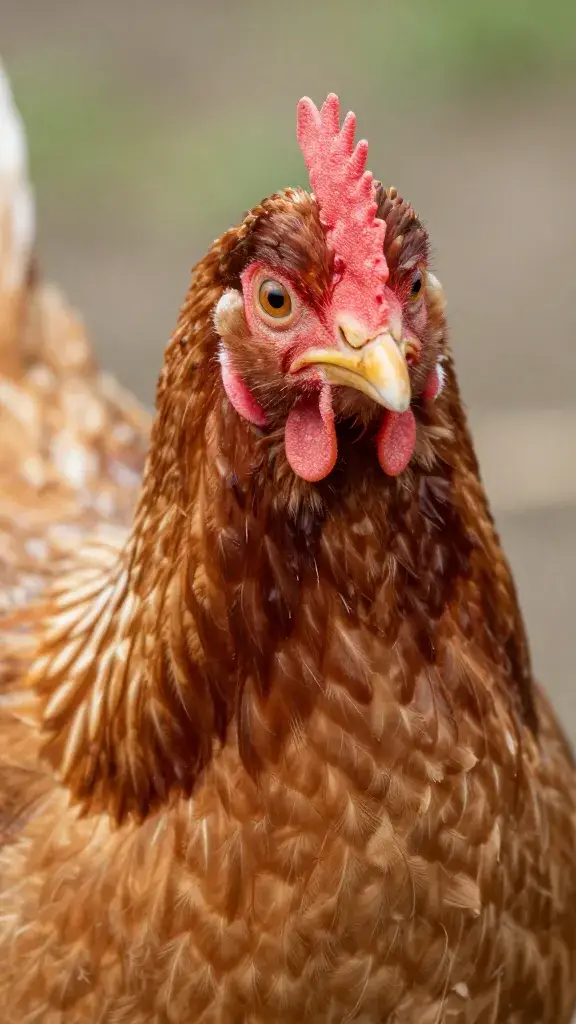
Strong opinions here, IMO: prolapse usually isn’t “just bad luck.” Something set her up for it. Look for these triggers:
- Oversized eggs or double-yolkers: Big eggs stretch tissue and make pushing harder.
- Obesity: Extra fat crowds the oviduct. Treat her like a hen, not a bread bin.
- Early laying or constant laying: Pullets pushed to lay too soon or hens kept under long light schedules lay hard and fast.
- Calcium/vitamin D imbalance: Weak shells mean more strain.
- Constipation/egg binding: Backed-up plumbing increases pressure.
- Infection or inflammation: Ventitis or oviduct issues swell tissues and invite prolapse.
Risky Management Habits (No Judgment, Just Fix ’Em)
- Excess scratch/corn and treats
- Light on protein, light on calcium feed
- Too many daylight hours (artificial lighting over 14 hours)
- Not enough nest boxes or poor nest setup causing strain
First Aid: What To Do Right Now
Move fast but don’t panic. You’ve got this.
- Isolate the hen. Quiet, dim crate or dog kennel. Soft towels. Keep other chickens away.
- Stop the pecking trigger. If she must stay near others for a minute, smear blue/purple antiseptic spray on the visible tissue. Better yet, isolate immediately.
- Check for a stuck egg. Gently feel the abdomen and just inside the vent with a lubricated, gloved finger. If an egg sits there, you’ll feel a hard, round surface.
- Clean the tissue. Warm saline or diluted chlorhexidine/Betadine (weak tea color). Pat dry—don’t rub. Remove poop, bedding, and debris.
- Reduce swelling. Apply granulated sugar or honey for 10–15 minutes. Osmotic magic pulls fluid out and shrinks tissue. FYI, it works.
- Lubricate. Water-based sterile lube or plain petroleum jelly. You want it slick, not sticky.
When To Call A Vet Right Away
- Tissue looks dark purple/black (necrosis)
- She’s egg-bound and you can’t pass it with gentle help
- Heavy bleeding or foul-smelling discharge
- She’s lethargic, droopy, or not breathing well
How To Push It Back Safely (Step-By-Step)
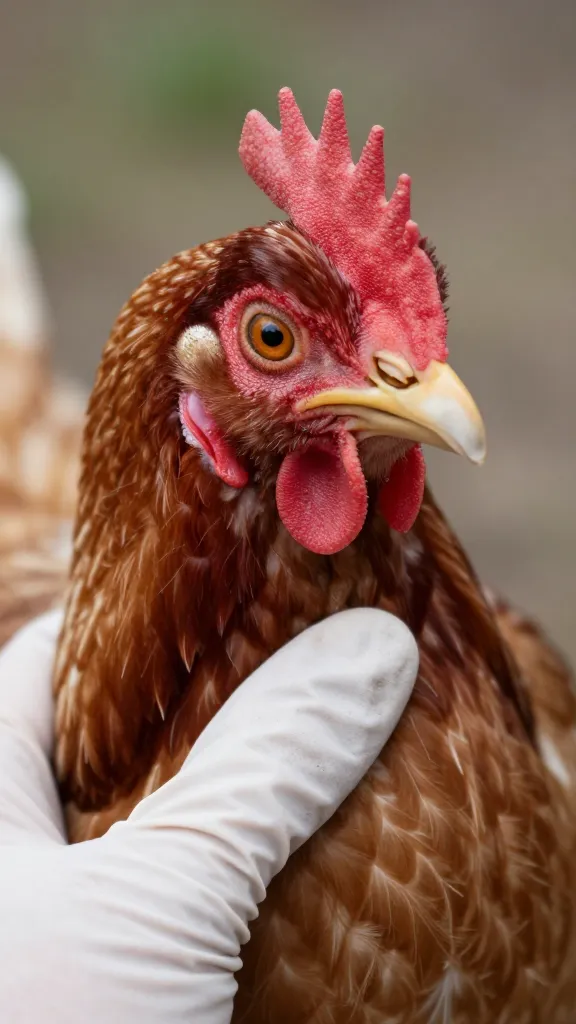
I’ll keep this super practical. Be gentle, steady, and calm.
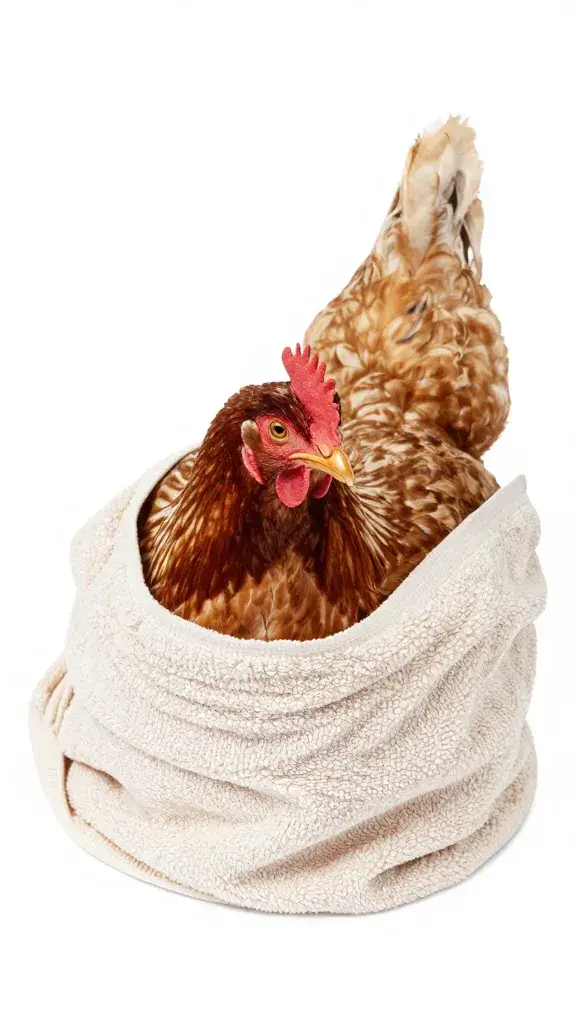
- Position the hen. Wrap her in a towel like a burrito. Keep her chest free so she breathes easily. Head up, vent facing you.
- Glove and lube. Generous lubrication on your index and middle fingers and on the prolapsed tissue.
- Guide the tissue back in. Use slow, even pressure with your fingertips to return the pink tissue through the vent. Don’t poke; press and scoop with the pads of your fingers. If you meet resistance, add more lube and pause.
- Hold it in place. Once inside, keep your fingers gently inserted for 60–90 seconds so the muscles can reset. Think “firm and kind,” not “ramming speed.”
- Encourage a gentle contraction. Stroke the area above the vent or lightly lift her abdomen to help placement. If it slips out, repeat sugar, relube, and try again.
Should You Use a Purse-String (Cloacal) Suture?
Short answer: only with vet guidance. Too tight and she can’t poop or lay; too loose and it fails. If a vet isn’t available, a temporary non-suture approach works better for most backyard keepers:
- Hemorrhoid cream (with phenylephrine) to reduce swelling
- Frequent checks and re-lubrication
- Keep her in the dark to pause laying for a few days
Aftercare: Keep It In and Keep Her Comfortable
Your hen needs TLC for 3–7 days.
- Dark, quiet rest: 10–12 hours of light max. Darkness suppresses laying and reduces strain.
- Hydration and electrolytes: Offer fresh water with poultry electrolytes for 24 hours.
- Nutritious feed: Switch to a layer feed with 16–18% protein or a high-quality all-flock feed plus free-choice oyster shell.
- Stool softeners (natural): Small amounts of soaked pellets and wet mash help; a tiny drizzle of olive oil on feed once can assist. Don’t overdo it.
- Topicals: Reapply lube or hemorrhoid cream 2–3 times daily if tissue tries to slip. Keep it clean and moist—not wet and soupy.
- Watch for relapse: If she strains, stands penguin-like, or you see pink again, repeat the reduction and call the vet if it keeps happening.
Antibiotics or Pain Relief?
– Antibiotics: Only if you see infection signs (heat, swelling, pus, foul odor) or if the tissue suffered lots of trauma—ideally under vet advice.
– Pain relief: Ask a vet. Human NSAIDs can be dangerous to birds. Don’t DIY doses.
Prevention: Stack the Deck in Her Favor
You can’t prevent every case, but you can slash the odds.
- Balanced diet: 90% complete feed, 10% or less treats. IMO, scratch is candy—use sparingly.
- Calcium support: Free-choice oyster shell and plenty of vitamin D (sunshine or correct feed).
- Manage weight: Feel the keel bone weekly. Soft, squishy hens need fewer treats and more forage time.
- Lighting discipline: Keep day length around 12–14 hours. Don’t blast pullets with early lights to force laying.
- Nesting sanity: Provide 1 box per 3–4 hens, dark and comfy. Stressy layers push harder.
- Treat constipation fast: Wet feed, electrolytes, and gentle tummy massage prevent straining.
When Laying Needs a Timeout
If she relapses or keeps straining, give her reproductive tract a vacation.
- Dark therapy: Keep her in low light (8–10 hours/day) for several days to a week.
- Lower-energy diet: Maintain protein but drop treats and high-calorie extras.
- Vet consultation: Some chronic layers benefit from hormonal therapy—strictly a vet job.
FAQ
Can I use sugar to reduce swelling every time?
Yes, for initial reduction it works great. Apply for 10–15 minutes, then rinse, lube, and reduce. Don’t cake it on for hours—you’ll just make a sticky mess that invites bacteria.
How do I know if the tissue is dying?
Healthy tissue looks moist and pink to red. Dark purple, blue, or black means compromised blood flow. That’s an urgent vet visit—don’t try to push necrotic tissue back in without professional help.
Will she lay eggs normally again?
Often, yes—if you fix the cause and give proper aftercare. Some hens relapse, especially heavy layers or older birds. If she relapses repeatedly, you may retire her from laying (reduced light, no stimulation) for her health.
Can I prevent the flock from pecking her?
Isolate her, full stop. If you must reintroduce while healing, use blue/purple antiseptic spray to mask redness and supervise. Pecking escalates fast once birds spot red tissue.
Is vent prolapse the same as egg binding?
No. Egg binding means an egg is stuck. Prolapse means internal tissue has turned inside out. They can happen together, which complicates things, but they’re different problems that both need quick action.
What supplies should I keep on hand for this?
A small “hen ER” kit helps: sterile gloves, water-based lube, saline, chlorhexidine/Betadine, sugar or honey, electrolytes, hemorrhoid cream (phenylephrine), towels, and a crate. You’ll feel like a barnyard superhero, IMO.
Conclusion
Vent prolapse looks dramatic, but you can turn it around with quick isolation, gentle cleaning, smart swelling control, and a careful reduction. Keep her quiet, keep it clean, and tweak diet and lighting so she stops straining. If the tissue looks dark, she keeps relapsing, or you suspect infection, tag in a vet. Your hen wants to get back to scratching for bugs—not starring in medical TikToks—so help her out and she’ll likely thank you with a future egg or two.
Share this content: