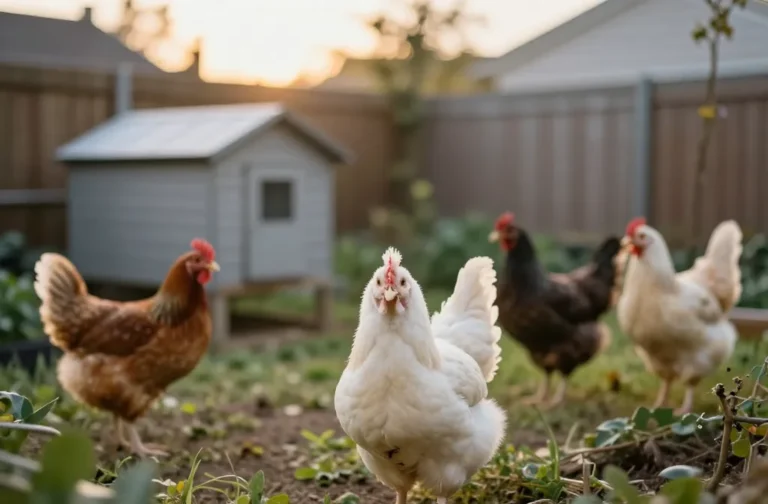
Marek’S Disease in Backyard Chickens: Vaccination Decision Guide Now
Marek’s disease creeps into flocks like a ninja—quiet, contagious, and annoyingly stubborn. One sick bird today can mean a heartbreak flock-wide in a few weeks. So, should you vaccinate your backyard chicks or skip it and roll the dice? Let’s break it down in plain English, with zero guilt trips and all the real talk.
What Exactly Is Marek’s Disease?
Marek’s is a super common viral disease in chickens caused by a herpesvirus. It spreads via feather dander—yes, the dusty fluff your coop generously produces all day. Once the virus lands, it can cause nerve damage, paralysis, weight loss, tumors, and sudden death.
Here’s the kicker: the virus persists in the environment for months. That means one exposure can haunt your coop for future flocks. Not fun.
How Big Is the Risk for Backyard Flocks?
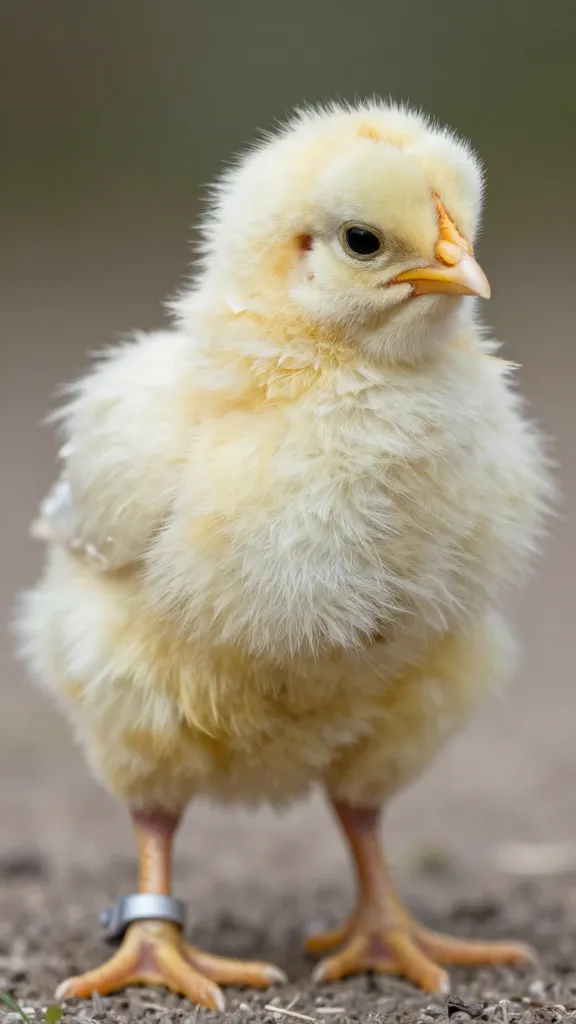
Short answer: bigger than most people think. Marek’s lives wherever chickens live—shows, swaps, neighbors, even your boots.
Higher risk if you:
- Buy started pullets or trade birds with other keepers
- Visit fairs, shows, or feed stores and don’t change clothes after
- Have a mixed-age flock (older birds can shed virus around young chicks)
- Don’t control dust or rodents well
Lower risk if you:
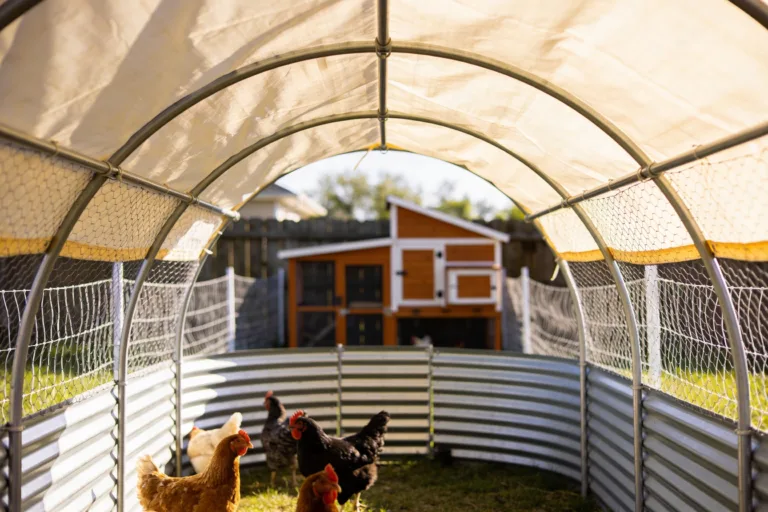
- Hatch or buy day-old chicks and raise them in a clean brooder
- Quarantine all new birds for 30+ days
- Maintain excellent coop hygiene and ventilation
FYI: “I’ve never seen it” doesn’t mean your flock’s safe. Marek’s can hide until stress brings it out.
What the Marek’s Vaccine Does (and Doesn’t)
Let’s crush a myth: the Marek’s vaccine does not prevent infection. It helps birds resist the worst outcomes—paralysis, tumors, sudden death. Think of it as body armor, not an invisibility cloak.
What it does:
- Greatly reduces clinical disease and mortality
- Helps birds live normal, productive lives even if exposed
What it doesn’t:
- Stop the virus from entering your coop
- Provide a cure for already sick birds
- Work instantly—chicks need 1–2 weeks to build protection
Types of Vaccines
Most hatcheries use a live vaccine (HVT or HVT + Rispens) given subcutaneously at hatch. Stronger combos offer better protection in high-risk areas. If you can choose, IMO pick the HVT + Rispens option for backyard flocks—it’s robust and affordable.
Should You Vaccinate? A Quick Decision Framework

If you love a decision tree, here’s your cheat sheet. If not, skip to the bullets and pretend we never met.
You should strongly consider vaccinating if:
- You live near other chicken keepers or attend swaps/shows
- You bring in older birds or mix sources
- You’ve had an unexplained paralysis or sudden death in a young bird before
- You plan to breed or keep a long-term laying flock
You might skip vaccination (with eyes open) if:
- You hatch or buy only day-old chicks, raise in strict isolation, and never add older birds
- You keep a closed flock with excellent biosecurity
- You accept some risk and value a fully “natural” approach
My take? Vaccinate unless you’re truly closed and strict with biosecurity. The cost is low. The heartbreak insurance is high. IMO it’s like seatbelts for chicks.
When and How to Vaccinate
Best practice:
- Get chicks vaccinated at the hatchery. Easiest and most reliable.
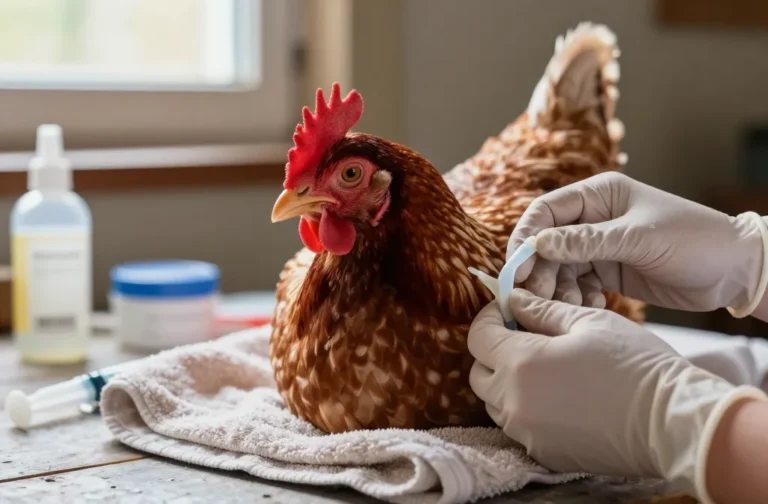
- If DIY: vaccinate on day 1 by subcutaneous injection at the back of the neck.
- Keep the vaccine cold and mixed as directed. It loses potency fast.
- Brood vaccinated chicks separately for 7–14 days to build protection before any possible exposure.
Hatchery add-on usually costs a few dollars per chick. Worth it.
What If You Already Have Marek’s in the Flock?
Deep breath. You can manage it.
Do this now:
- Stop bringing in unvaccinated birds.
- Vaccinate all future chicks and keep them separate for at least 2 weeks.
- Improve ventilation and dust control—virus rides on dust.
- Reduce stress: steady feed, clean water, stable pecking order, predator-proofing.
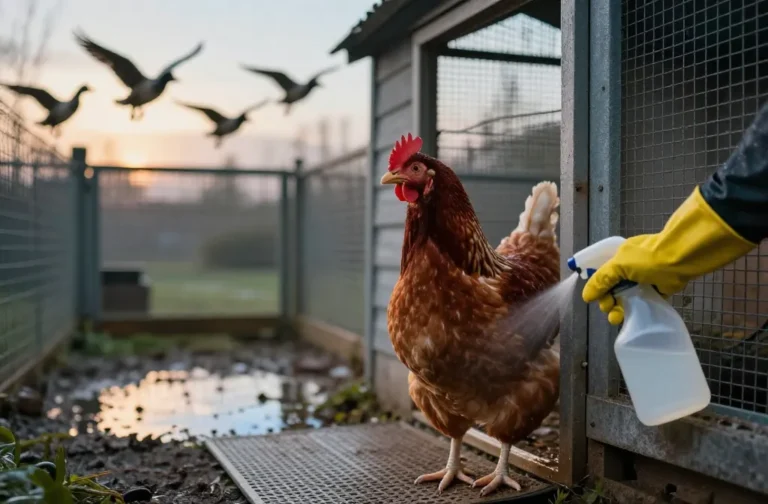
You cannot disinfect Marek’s away completely, but you can reduce viral load. Clean, dry, and ventilated beats damp, dusty, and crowded every time.
Recognizing Symptoms
Common red flags:
- Limping or one leg forward/one leg back stance
- Wings dropping, neck twist, or partial paralysis
- Sudden death in otherwise healthy juveniles (6–30 weeks)
- Weight loss, pale comb, slow growth
Confirm with a necropsy if possible. Your state lab or vet can help. It’s not fun, but knowledge saves the next batch.
Combining Vaccination with Smart Biosecurity
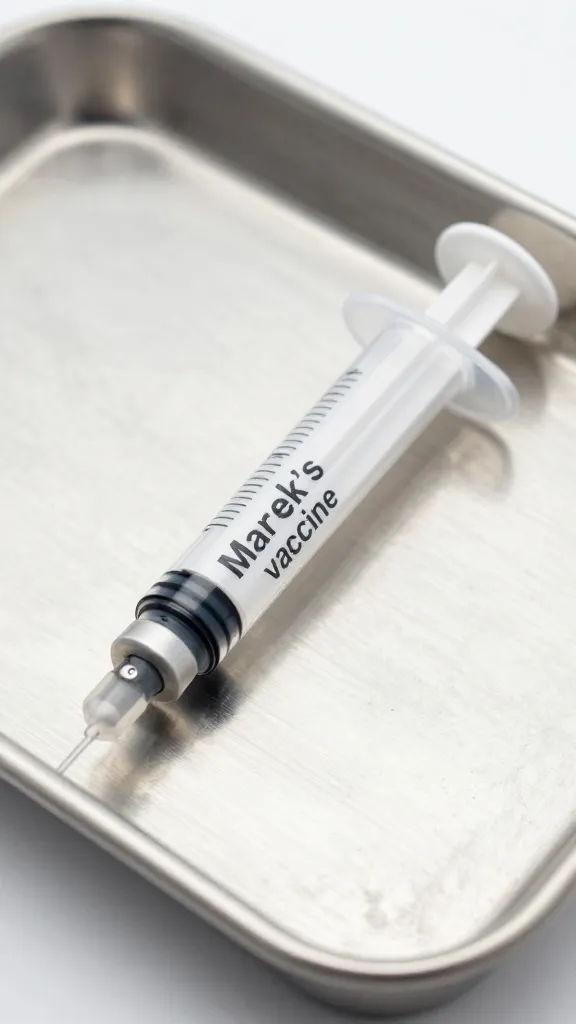
Vaccination doesn’t cancel common sense. Layer protection like an onion (without the tears).
Simple wins:
- Quarantine new birds for 30 days. Yes, really.
- Change shoes or use coop-only boots; keep a boot brush at the gate.
- Control rodents and wild bird access—big virus taxi service.
- Ventilate well and manage dust with dry bedding and regular cleanouts.
- Don’t share equipment; if you must, clean and disinfect.
FYI: Stress flips the switch on many diseases. Keep flock routines boring in the best way.
Breeding and “Natural Resistance” — Worth It?
Some keepers try to breed only from birds that survive Marek’s exposure. That can increase resistance over time, but it’s slow and unpredictable. Meanwhile, you might lose a lot of good birds.
If you breed:
- Keep meticulous records on health, age at loss, and lines
- Still vaccinate, especially for sale chicks
- Be honest with buyers about your practices
IMO small backyard programs rarely out-breed Marek’s risk. Use the vaccine and select for general hardiness.
FAQ
Can I vaccinate older birds?
You can, but results drop sharply after day one. The vaccine works best before exposure. With older birds, you often vaccinate after they’ve already met the virus, which won’t help much. Save your effort for future chicks and lock down biosecurity now.
Does the vaccine make birds spread more virus?
Vaccinated birds can still get infected and shed virus, but the vaccine doesn’t crank shedding to 11. The big difference is they don’t die from it as easily. So you protect your flock’s health while you tighten biosecurity to cut spread overall.
Is Marek’s contagious to humans or other pets?
Nope. Marek’s only infects chickens and a few close cousins (like quail/turkeys to a lesser degree). Your dog, cat, and you are safe. Wash your hands anyway—you’re still dealing with poultry dander.
How do I know if my hatchery vaccinated my chicks?
Check your order confirmation or call. Many hatcheries list “Marek’s vaccination” as an add-on. Ask which vaccine they used (HVT alone vs HVT + Rispens) and whether all breeds received it.
What’s the cost-benefit for a small flock?
We’re talking a few dollars per chick versus losing half your pullets at 12–20 weeks. Add in the emotional cost (yes, that counts), and vaccination comes out ahead fast. Cheap insurance is still insurance.
Can I mix vaccinated and unvaccinated birds?
You can, but don’t. Unvaccinated newbies face higher risk if the virus lurks in your coop. If you must mix, at least brood new chicks separately for 2 weeks post-vaccination and introduce gradually.
Conclusion
Marek’s is everywhere, persistent, and heartless. The vaccine won’t make your coop a magical forcefield, but it does keep birds alive and thriving when the virus shows up—which it probably will. Pair vaccination with clean habits, smart quarantines, and chill flock management. Do that, and you’ll stack the deck in your chickens’ favor—no drama, just healthy clucks. IMO, that’s a win.
Share this content: