Survive Coop Chaos How to Build a Chicken First Aid Kit (Exactly What to Stock)
Your chickens will absolutely pick the worst moment to get into trouble—right before a storm, when the vet’s closed, or when you’re in pajamas. That’s why you build a chicken first aid kit now, not later. We’re talking real tools, not random Band-Aids and vibes. Let’s get you stocked so you can handle cuts, scaly legs, sour crops, and whatever else your feathery gremlins dream up.
A first aid kit helps most when you know the urgent signs too, so pair it with a warning signs your chicken is sick checklist and the guide to coccidiosis in chicks.
Why You Need a Chicken First Aid Kit (Yes, Really)
You don’t prepare for “if,” you prepare for “when.” Chickens get pecked, scraped, egg-bound, and wormy. You can’t Google and dash to the store mid-crisis. A ready kit saves time, stress, and sometimes your hen’s life. Plus, having your supplies in one spot makes you look impressively competent. IMO, that’s a win.
The Container: Build a Grab-and-Go Setup
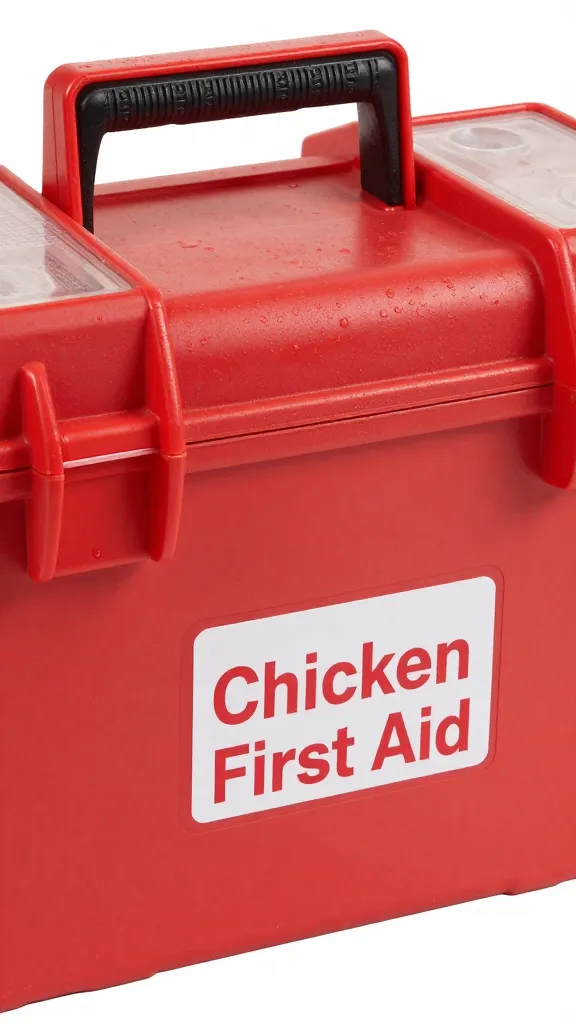
Don’t toss this stuff in a junk drawer. You want a clean, portable container you can carry to the coop.
- Hard-sided toolbox or tackle box: Durable, easy to clean, and has compartments.
- Clear plastic bins with latching lids: See everything at a glance.
- Bonus: Add a headlamp and a small clipboard with your vet’s number.
How to Organize It
Split your kit into sections:
- Wound care
- Supportive care and meds
- Tools
- Nutrition and electrolytes
- Quarantine gear
Label bags or use dividers. Future you will send you a thank-you card.
Wound and Skin Care: Your Everyday Lifesavers
Chickens live for drama. Pecking injuries happen. So do fence scrapes and predator near-misses. Stock these:
- Saline solution (sterile): For rinsing eyes and wounds.
- Diluted chlorhexidine or povidone-iodine: For cleaning wounds. Never straight hydrogen peroxide long-term—it can damage tissue.
- Vetericyn or similar poultry-safe wound spray: Easy and effective.
- Triple antibiotic ointment (no pain relief additives): “-caine” ingredients can be toxic to birds.
- Blue-Kote or similar antiseptic spray: Hides red wounds to reduce pecking.
- Non-stick pads, gauze rolls, and vet wrap: Vet wrap is the duct tape of chicken medicine.
- Styptic powder or cornstarch: Stops bleeding from broken nails or minor cuts.
- Zinc oxide cream (diaper rash): Great for chapped vents or skin irritation.
When to Bandage vs. Leave Open
– Bandage if the wound keeps bleeding, sits where dirt gets in, or other hens can peck it.
– Leave small, clean cuts open to air after disinfecting; for a bigger outbreak or illness cleanup, follow a full coop disinfection after disease routine.
– Always isolate severely injured birds.
Tools You’ll Actually Use
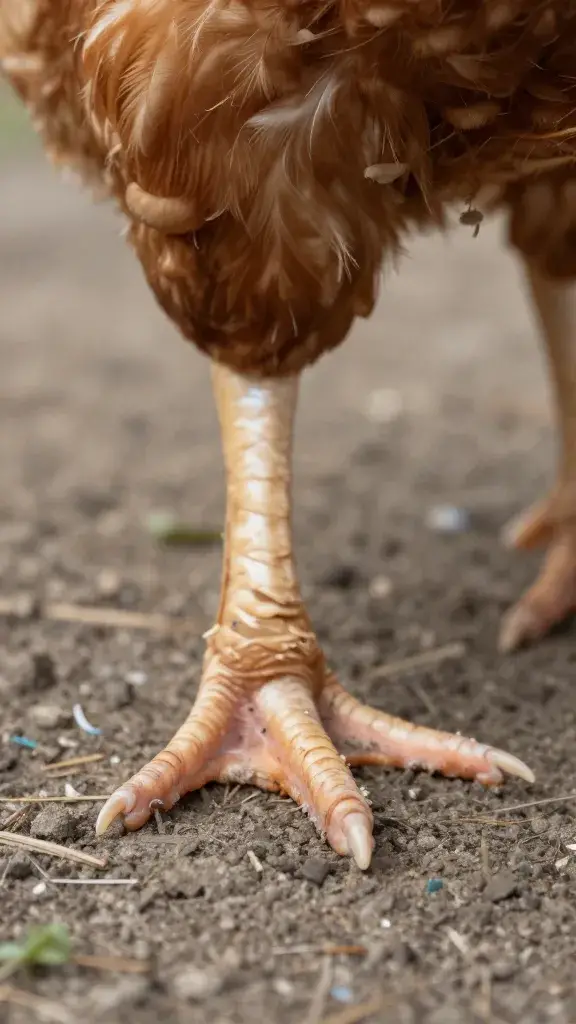
Skip the fluff. Keep sharp, clean, and specific tools ready.
- Sharp scissors and bandage shears
- Tweezers/forceps and hemostats
- Thermometer (digital): Rectal readings run 105–107°F normally.
- Nail clippers and emery board
- Small flashlight/headlamp for crop/vent checks
- Latex/nitrile gloves and hand sanitizer
- Syringes (1–10 ml) with and without needles and feeding syringe (nozzle tip)
- Eye dropper or pipette
- Magnifying glass for mites and tiny splinters
Sanitation Matters
– Clean tools with diluted chlorhexidine after use.
– Keep a few zip-top bags for biohazard trash.
– Replace anything that touches a nasty wound—cheap now, priceless later.
Medications and Treatments: What to Stock (and What to Skip)
You can’t build a veterinary pharmacy, but you can prepare for common issues. FYI, always follow label directions and consult a poultry-savvy vet for dosing.
- Electrolytes and vitamin powder (poultry-specific): For heat stress, shipping stress, or after illness.
- Poultry Nutri-Drench or similar energy supplement: Short-term support for weak birds.
- Calcium gluconate (liquid) or crushed calcium citrate: Supports suspected egg binding.
- Epsom salts: Soaks for bumblefoot or to help with constipation; never let them drink it.
- Probiotics (poultry-specific): After antibiotics or digestive issues.
- Topical antifungal (clotrimazole) and topical antibiotic: For vent area issues when advised.
- Scaly leg mite treatment: Petroleum jelly or a poultry-safe oil to smother mites; add permethrin spray for the coop, not on skin.
- Permethrin 0.5% spray or poultry dust: For lice/mites. Treat birds (per label) and the coop thoroughly.
- De-wormer (e.g., fenbendazole) only if you confirm worms, suspect a problem like gapeworm in chickens, or your vet recommends it.
- Activated charcoal powder: For suspected toxin ingestion while you call the vet.
Avoid: Pain relievers for humans (ibuprofen, acetaminophen)—not safe without vet guidance. Skip topical products with lidocaine/benzocaine. No long-term peroxide on wounds.
Egg Withdrawal Note
Some meds require you to toss eggs for a period. Write withdrawal times on the bottle with a marker. Future omelets will forgive you.
Supportive Care: The “Spa Day” That Saves Birds
Half of first aid is comfort and stabilization. Make a mini hospital.
- Small crate or tote with ventilation for isolation
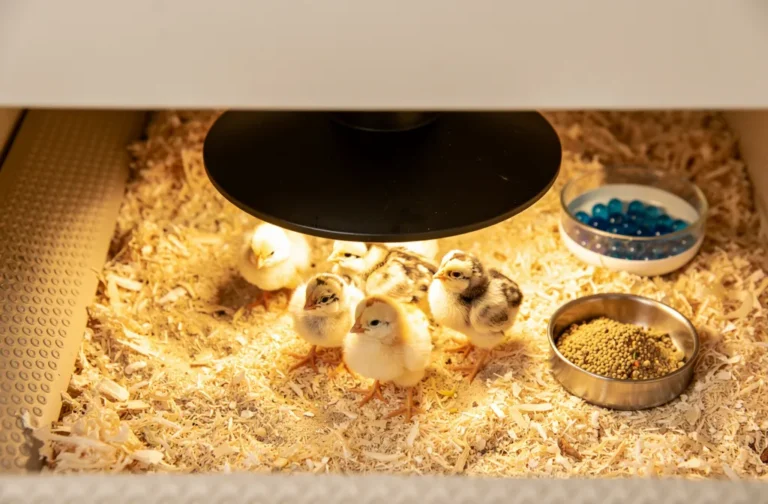
- Heat source (heating pad on low or brooder plate): Sick birds chill easily. Target 85–90°F for chicks; for adults, just warm and draft-free.
- Towels and soft bedding (paper towels for observation)
- Small bowls that won’t tip, plus honey or sugar for quick energy in water
- Oyster shell and grit on the side, always
Hydration Hacks
If a hen won’t drink, drip electrolyte solution along the beak’s edge so she swallows naturally. Never force liquids straight down—aspiration kills.
Special Scenarios You’ll Face (Sooner Than You Think)
Because chickens love plot twists.
Bumblefoot (foot pad infection)
– Soak in warm Epsom salt water, dry, disinfect.
– Apply antibiotic ointment, non-stick pad, and vet wrap “shoe.”
– Severe cases may need vet debridement and antibiotics.
Pecking injuries
– Clean, apply Blue-Kote, isolate the victim.
– Increase protein temporarily and add boredom busters (cabbage pinata, scratch hidden in litter).
Suspected egg binding
– Warm, quiet crate.
– Calcium dose.
– Lubricate the vent lightly with a water-based gel.
– If no progress in a few hours, call the vet—this gets serious fast.
Sour crop/impacted crop
– Remove food overnight, offer water/electrolytes.
– Gentle crop massage downward.
– Probiotics after things start moving.
– If the crop stays hard or pendulous for 24 hours, vet time.
Label It, Date It, Keep It Fresh
Medicines expire, syringes wander, and vet wrap disappears like socks in a dryer. Set a reminder every 6 months to:
- Check expiration dates on meds and electrolytes
- Restock gauze, saline, vet wrap, and gloves
- Clean your tools and the container
- Update your emergency vet info
FYI: Write a quick “triage checklist” and tape it inside the lid. In a panic, simple steps help.
FAQ
Can I use Neosporin on chickens?
Yes, use plain triple antibiotic ointment without any pain relief additives. Avoid anything with “-caine” (like lidocaine). Apply a thin layer after cleaning the wound.
What should I do first when I find an injured chicken?
Isolate the bird somewhere warm and quiet. Stop any active bleeding, clean the wound with saline or diluted iodine, and protect it with a non-stick pad and vet wrap. Then evaluate if it needs a vet, especially for deep or dirty wounds.
Do I really need a thermometer for chickens?
It helps a lot. A hen that feels “off” can run hot or cold. Normal internal temperature sits around 105–107°F. If she’s cool, warm her. If she’s very hot, move her to shade, offer electrolytes, and cool her gradually.
How do I know if it’s mites or lice?
Check at night with a flashlight. Mites often hide on the bird’s skin near the vent and under wings or in the coop crevices. Lice look like tan/white fast-moving specks with nits on feather shafts. Treat birds (per label) and the coop, then repeat in 7–10 days.
Which electrolytes should I buy?
Choose a poultry-specific electrolyte/vitamin mix. Use it during heat waves, after shipping, or when birds look droopy. Don’t use it nonstop—plain fresh water remains the default.
What belongs in a chick-specific mini kit?
Add a brooder thermometer, smaller syringes (1–3 ml), probiotic/electrolyte mix formulated for chicks, and a spare heat source. Keep paper towels and a tiny nail file—chick claws can snag everything.
Conclusion
A chicken first aid kit turns chaos into “I’ve got this.” Stock the basics, add a few targeted meds, and organize it so you can grab-and-go. You’ll handle pecks, bumps, and mystery meltdowns like a pro. Build it this week—your future flock (and your future self, IMO) will thank you.
Share this content: