Stop Flock Fatalities 10 Heat Stress Warning Signs in Chickens Every Beginner Should Know
Summer sneaks up fast, and heat can knock chickens down quicker than you’d think. Spot the red flags early and you’ll save your flock a ton of misery (and yourself a vet bill). This quick guide breaks down the must-know signs and what to do the second you see them. Let’s keep those clucks cool, hydrated, and happy.
If you want the prevention checklist before those warning signs show up, start with my guide to keeping chickens cool in summer, then make sure your starter setup follows the bigger raising chickens for the first time basics.
1. Gaping Beaks And Rapid Panting
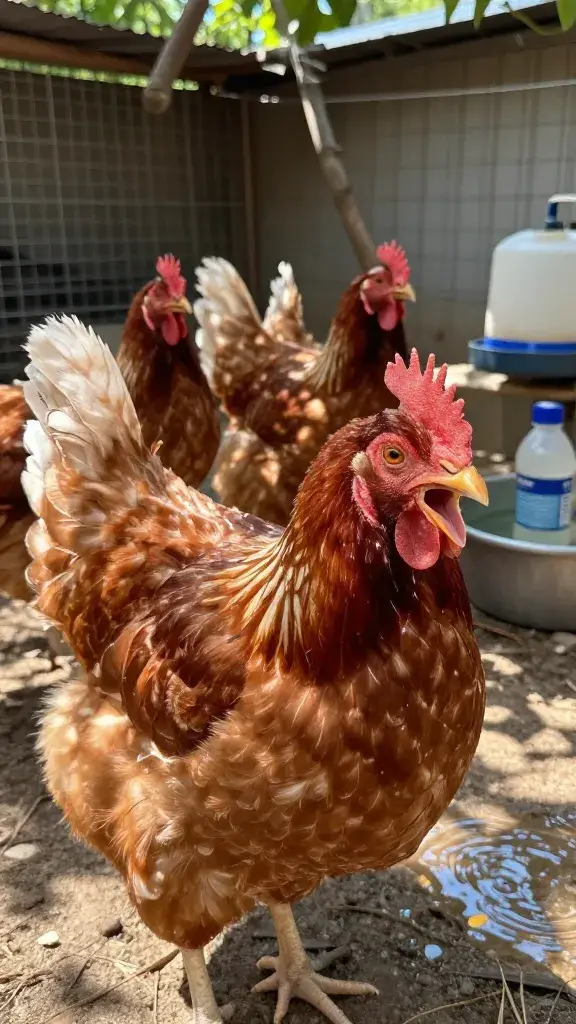
Chickens don’t sweat, so they cool off by panting. When the temperature spikes, you’ll see open beaks and fast, shallow breaths. If several birds pant at once—even in the shade—you’ve hit the danger zone.
Key Points
- Open-mouth breathing looks like a dog panting.
- Rapid chest movement means they’re working hard to lose heat.
- Often paired with wings held away from the body.
Jump in with cool water, breezy shade, and electrolytes. Catch this early and you’ll prevent a full-blown emergency.
2. Wings Held Out Like Little Air Conditioners
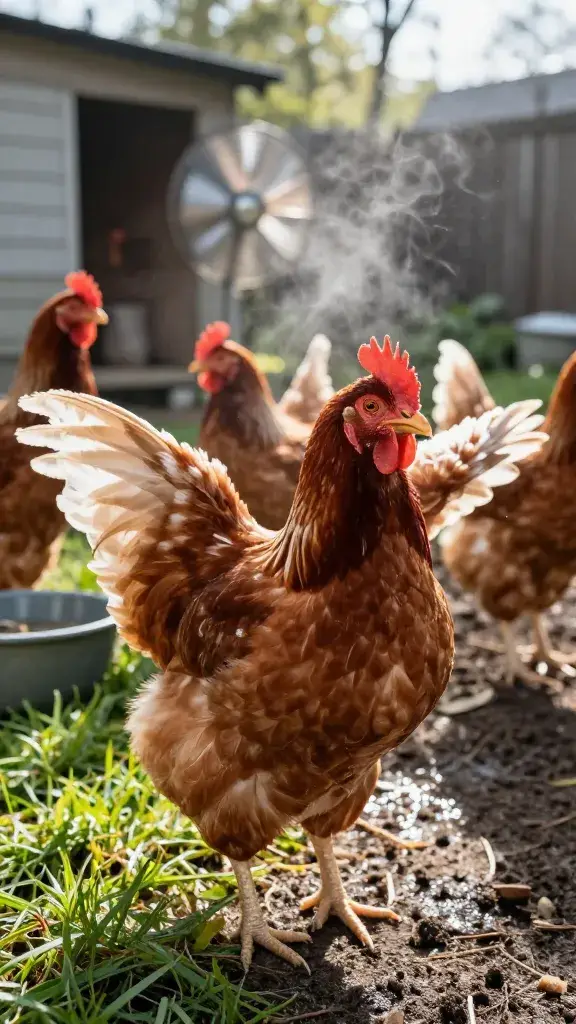
See those wings flared out from the body? That’s a chicken’s DIY fan mode. They expose more skin to dump heat fast.
When It Matters
- If they hold wings out while resting in shade, heat stress is escalating.
- Droopy wing tips often mean exhaustion or dehydration.
Offer cooler ground (damp soil or shaded grass) and increase airflow with fans. This simple move helps them cool through evaporation.
3. Lethargy And “Nope, Not Moving” Behavior
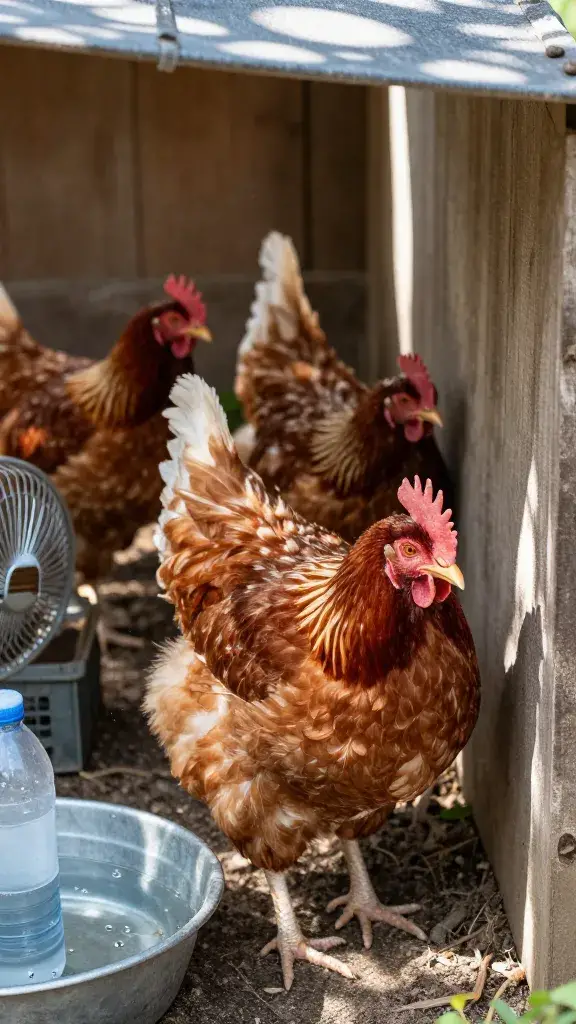
Active hens that suddenly slump into quiet corners? Big clue. Heat-drained birds cut foraging, stand still, or lie down more than usual.
Tips
- Watch for slow waddles to water or food, then long pauses.
- Note hens avoiding the flock’s rhythm—they conserve energy to survive heat.
Move them to cooler zones ASAP. A calm, shaded rest with water breaks can keep them from tipping into serious distress.
4. Pale, Dry, Or Darkened Combs And Wattles
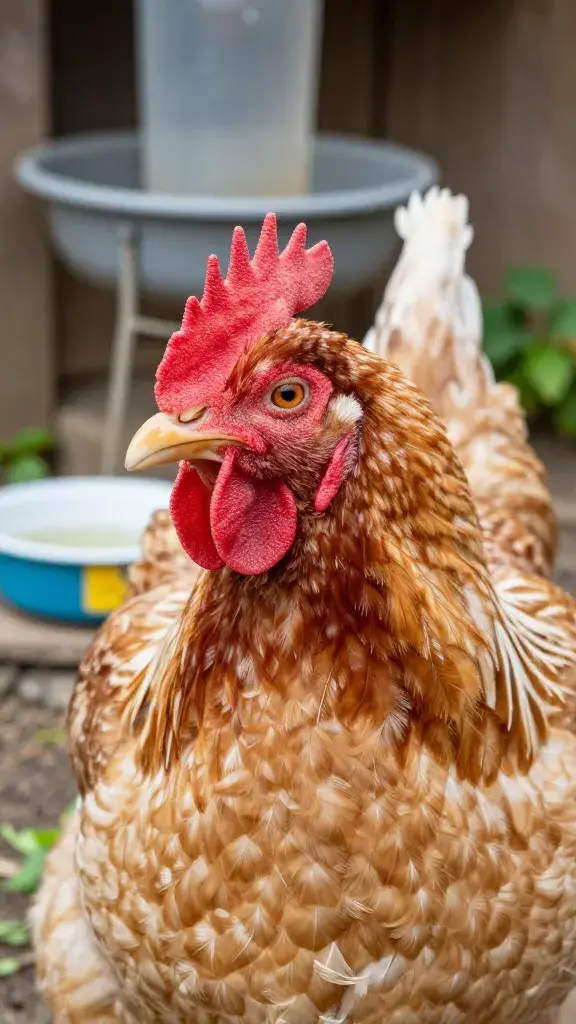
Combs and wattles tell you a lot about circulation and hydration. In heat stress, they can look pale and shriveled from dehydration or sometimes darkened if circulation gets weird.
What To Look For
- Pale or ashy red signals dehydration.
- Purplish/dark red can point to oxygen stress—urgent situation.
- Feel them—dry and warm backs up heat stress.
Rehydrate with cool water plus electrolytes. If color stays off or worsens, cool the bird gradually and consider a vet consult.
5. Diarrhea Or Watery, Chalky Droppings
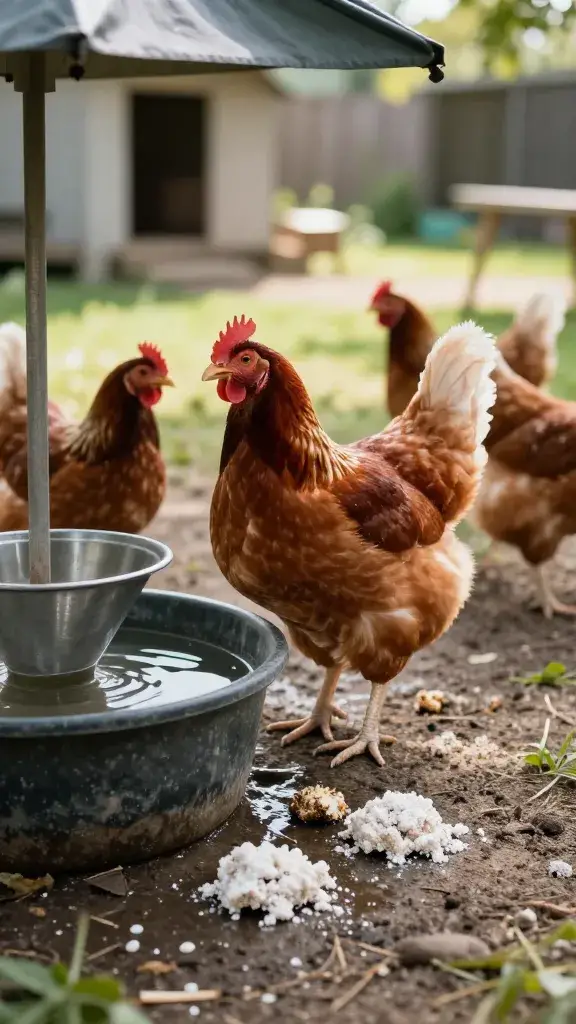
Gross but important: heat can make droppings look watery or chalky white. Chickens drink more to cool down, and that extra water shoots straight through.
Fast Checks
- Multiple birds with very watery poops on hot days = classic heat response.
- If you spot green, foamy, or bloody droppings, that’s a separate issue—seek help.
Keep water fresh and shaded. Add a second or third water station so the bossy hens don’t gatekeep the hydration bar, seriously.
6. Reduced Appetite And “Not Today” Egg Laying
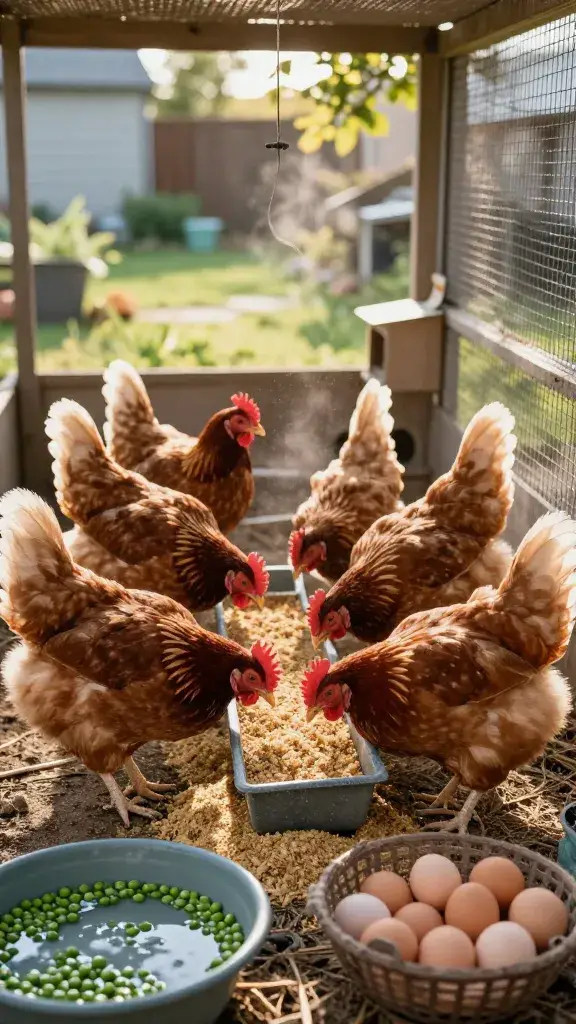
Hot hens eat less to reduce internal heat. That means slow feeder traffic and lighter feed bins. Laying also dips because their bodies prioritize survival over eggs.
Make It Easier
- Offer feed during early morning and late evening when it’s coolest.
- Switch to wet mash or add cold veggies (frozen peas = hen popsicles).
- Provide layer feed with balanced minerals to support recovery.
Expect fewer eggs during heat waves. It’s normal, and it bounces back when temps chill out—IMO not worth stressing over.
7. Excessive Thirst And Crowded Waterers
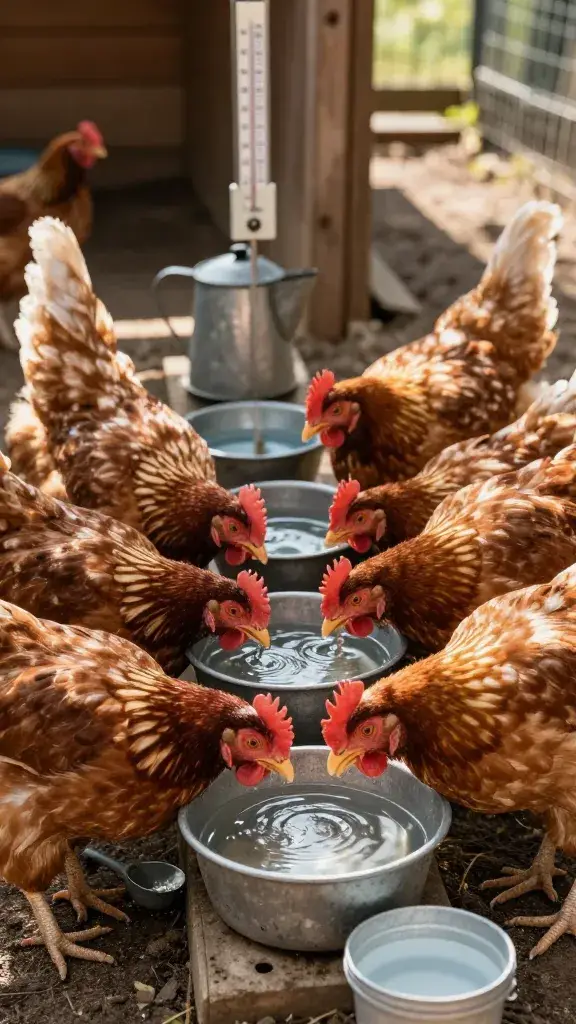
Heat-stressed birds swarm waterers like it’s a holiday sale. You might catch them dunking beaks constantly or standing guard near the bowl.
Pro Moves
- Offer multiple waterers—one per 5–6 birds works great.
- Keep water cool but not icy. Ice-chilled is fine; just avoid shocking overheated birds.
- Add electrolytes during heat waves, plain water the rest of the time.
Well-hydrated birds tolerate heat better and recover faster after peak temperatures pass.
8. Open-Wing Perching And Sprawling On Cool Ground
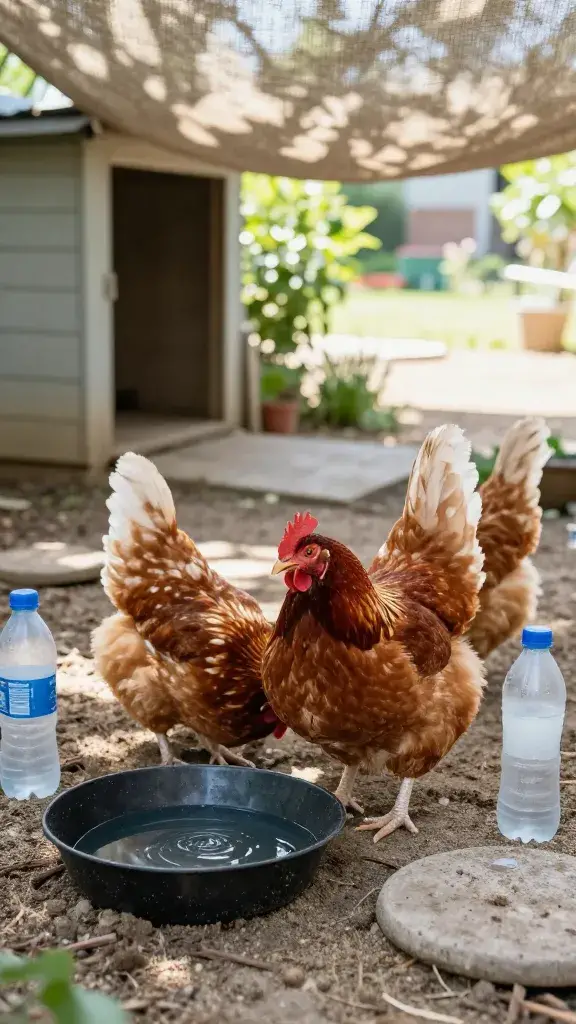
Chickens know the best chill spots. You’ll see them sprawl on damp soil, under shrubs, or on shaded concrete to wick heat away.
Help Them Out
- Create a cool zone: damp sand, shaded pavers, or a shallow pan with cool water for quick foot dips.
- Place frozen water bottles near favorite hangouts for a DIY chill station.
- Provide deep shade that moves with the sun—tarps or shade cloth work wonders.
Encouraging this behavior keeps core temps down and reduces risk of heat stroke.
9. Tucked Tail, Drooped Posture, And Off-Balance Stance
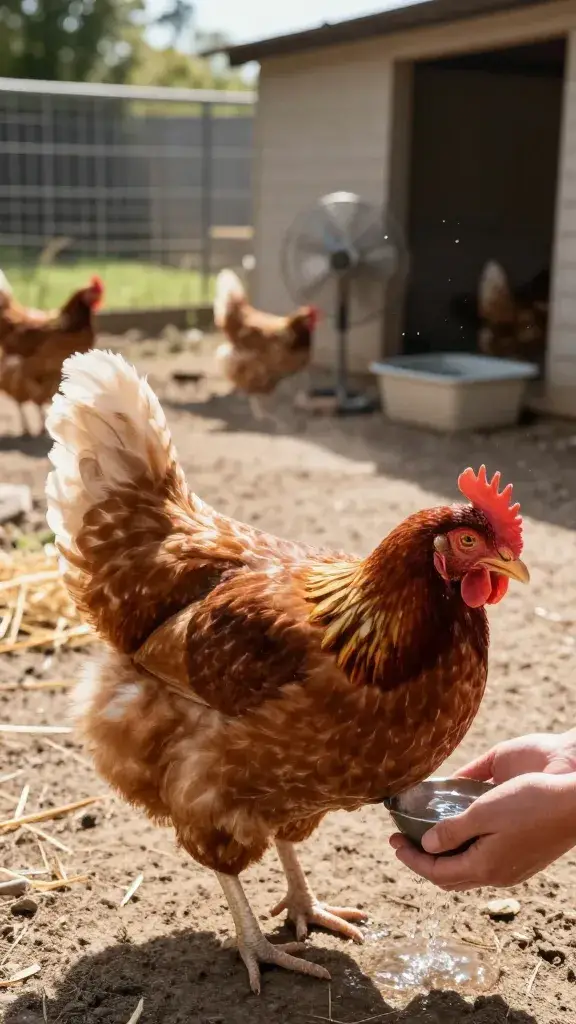
When heat gets serious, posture tells on them. You’ll see a tucked tail, drooped head, and maybe a wobble while standing.
Red Flags
- Glassy eyes or slow blinking.
- Staggering or sitting back on hocks.
- Quiet, isolated bird in a corner.
This is your cue for immediate intervention: cool the bird gradually (shade, fan breeze, cool—not cold—water on legs and under wings). Benefits? You might prevent collapse.
10. Collapse, Seizures, Or Unresponsive Birds (Emergency Mode)
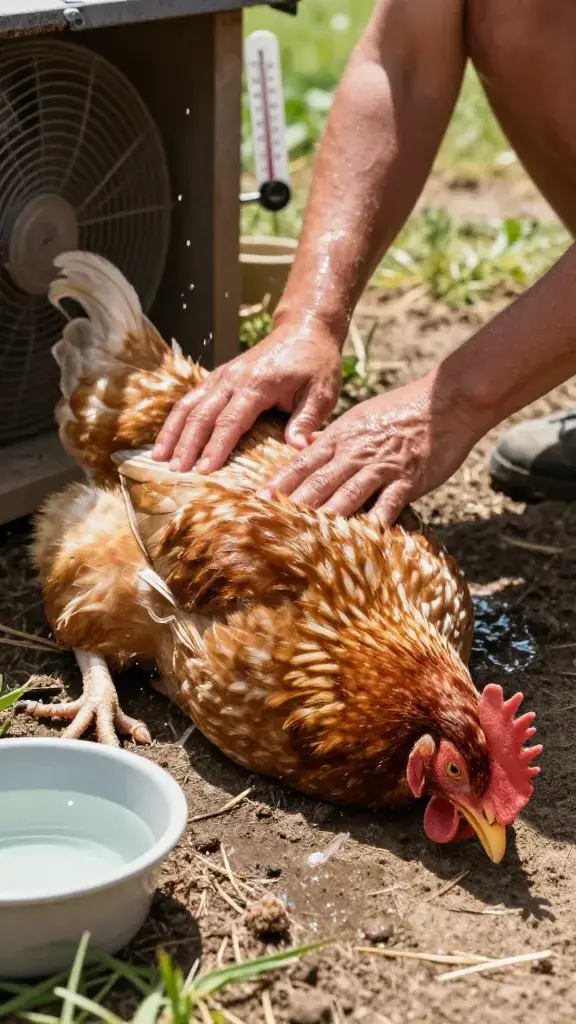
If a chicken goes down, you’re in heat stroke territory. You may see seizure-like tremors, slow or gasping breaths, or no response when you pick them up. Time matters—don’t wait and hope.
What To Do Right Now
- Move to deep shade or an air-conditioned room if available.
- Cool gradually: apply cool (not icy) water to legs, under wings, and comb; place in front of a fan.
- Offer small sips of water with electrolytes; do not force it into the airway.
- Contact a poultry-savvy vet if possible—this can be life-threatening.
Fast action here can be the difference between recovery and loss. FYI, prevention beats emergency care every time.
Bonus Know-How: Heat-Proofing Your Coop
Okay, not a numbered sign, but you’ll thank yourself later. Set your flock up so heat stress never gets a foothold.
Simple Upgrades
- Ventilation: Add upper vents and a box fan to move hot air out.
- Shade cloth (40–60%): Drop coop temps several degrees without making it stuffy.
- Midday misters: Light mist cools the run; keep bedding dry to avoid ammonia.
- Frozen treats: Watermelon wedges, frozen berries, or ice blocks in shallow pans.
- Electrolyte rotation: Use during heat waves, then switch back to plain water.
Do these and your birds will handle summer like champs, trust me.
Quick Reference: When To Worry
Not sure if you’re seeing normal summer behavior or trouble? Here’s your cheat sheet.
- Mild Stress: Panting, wings out, less activity. Action: shade, airflow, cool water.
- Moderate Stress: Watery droppings, pale combs, lethargy. Action: electrolytes, cooling zones, monitor closely.
- Severe Stress: Collapse, seizures, dark combs, unresponsive. Action: emergency cooling, vet support.
Catching issues at “mild” keeps your flock safe and summer drama-free.
Smart Hydration Hacks For Hot Days
Water is your best tool. Make it appealing, abundant, and accessible.
- Refresh containers twice daily; scrub slime to prevent bacteria.
- Place waterers in multiple shaded spots so everyone drinks more.
- Add ice jugs during peak heat; swap as they melt.
Hydration boosts resilience, egg quality, and recovery time. Win-win.
Electrolytes And Feed Tweaks That Actually Help
Electrolytes replace salts lost through panting. They also encourage drinking when birds feel blah.
- Use poultry-specific electrolytes per label during heat spikes.
- Offer wet feed or chilled mash in the cool hours.
- Avoid heavy corn-only treats at noon—they add body heat.
Small changes keep energy up without overheating the flock.
Shade And Airflow: The Dynamic Duo
Shade stops solar bake; airflow strips away trapped heat. Together, they transform your run into a breezy oasis.
- Install shade cloth over the run; move with the sun if possible.
- Set a box fan to pull air across the ground where birds hang out.
- Open upper vents in the coop so hot air escapes at night.
Better environment = fewer heat stress signs. Simple as that.
When To Call The Vet
Sometimes you need backup. If a bird stays wobbly, stops eating, or keeps panting at night, it’s time.
- Persistent dark combs or bluish tint.
- Neurological signs: seizures, head tilts, collapse.
- Zero improvement after cooling and electrolytes.
A quick call can save a bird and your sanity. Better safe than sorry, right?
Final Thoughts: You’ve Got This
Heat stress looks scary, but you can outsmart it with quick checks and simple fixes. Keep shade deep, water cool, and your eyes sharp for the early warning signs. Your flock will thank you with happy clucks and healthier summers—seriously, you’ll feel like a chicken whisperer.
Share this content: