Spot Trouble Fast Warning Signs Your Chicken Is Sick: a Visual Symptom Checker
Your flock doesn’t come with a check-engine light. One day your hen struts like a runway model, the next she’s hunched in a corner giving you side-eye. When chickens get sick, they hide it—because, well, nature. So let’s make it easy: here’s a visual, plain-English symptom checker to spot trouble fast and help you act before small issues snowball.
First Look: Posture, Energy, and “Vibe Check”
You can spot a lot with a 30-second glance. A healthy chicken moves with purpose, scratches, preens, and stays curious. A sick one often looks… wrong.
- Hunched posture: Neck tucked, feathers puffed, tail low? That’s a classic “I feel lousy.”
- Lethargy: Hanging back from the flock or sitting a lot means trouble brewing.
- Isolation: Chickens hate missing out. If one avoids the group, pay attention.
- Unsteady walking: Wobbly steps or favoring a foot could signal pain, injury, or illness.
Quick Action
Separate the bird into a warm, quiet space, offer fresh water with electrolytes, and observe closely for the next signs below.
Eyes, Comb, and Face: The Express Lane to Clues
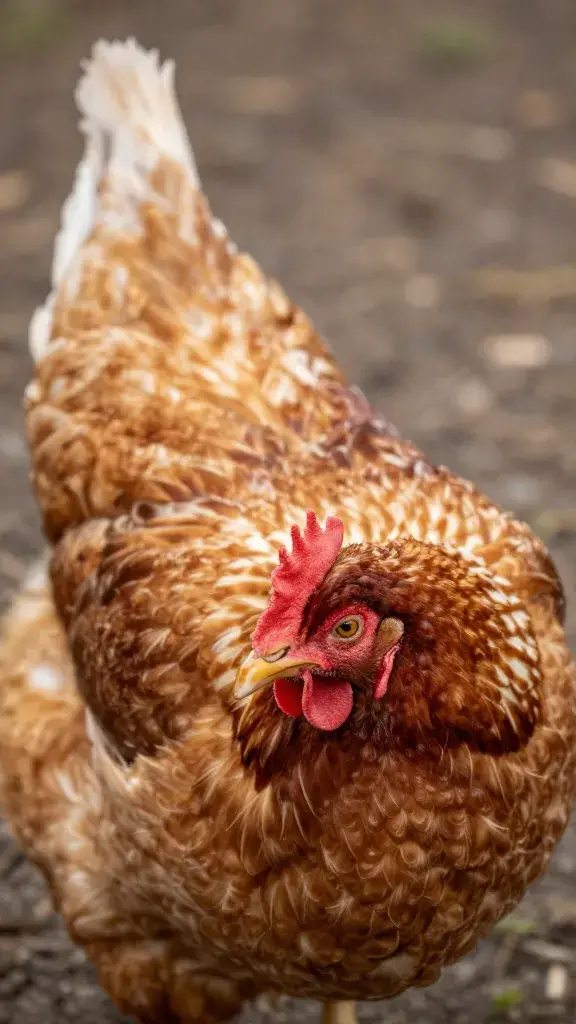
The head tells stories. You just have to read them.
- Eyes: Bright and clear = good. Foamy, bubbly, swollen, or closed = respiratory or infection flag.
- Comb and wattles: Bright red is healthy in laying hens. Pale can mean anemia, parasites, or heat stress. Blue/purple can signal circulation or respiratory problems. Black scabs might be peck injuries or fowl pox.
- Nostrils and beak: Discharge, crusts, sneezing, wheezing, or open-mouth breathing point to respiratory disease—or bad air quality.
- Facial swelling: Especially around eyes/cheeks = infection alert.
Sniff Test (Yes, Seriously)
A foul, sweet, or sour smell around the face can indicate infection. Not glamorous, but it works.
Feathers, Skin, and Parasites: The Undercarriage Report
Feathers should look smooth and tidy. A molting bird looks rough, but a sick bird looks ragged in a different way.
- Constant scratching or feather loss around vent, neck, or back = mites/lice. Check for tiny scurrying bugs or eggs glued to feather shafts.
- Dirty, pasted vent: Diarrhea or vent gleet (a fungal infection) often leaves the back end messy.
- Red, irritated skin: Mites and lice love the vent, under wings, and near the tail.
- Broken, dull feathers: Parasites, poor diet, or bullying may be the culprit.
What You Can Do (IMO, do this ASAP)
– Dust birds and coop with an appropriate poultry-safe mite/lice treatment.
– Clean the coop thoroughly, replace bedding, and treat roosts.
– Add a balanced feed and oyster shell for nutrition support.
– For vent gleet, gently clean the area and consider antifungal guidance from a vet.
Breathing, Coughing, and Weird Noises
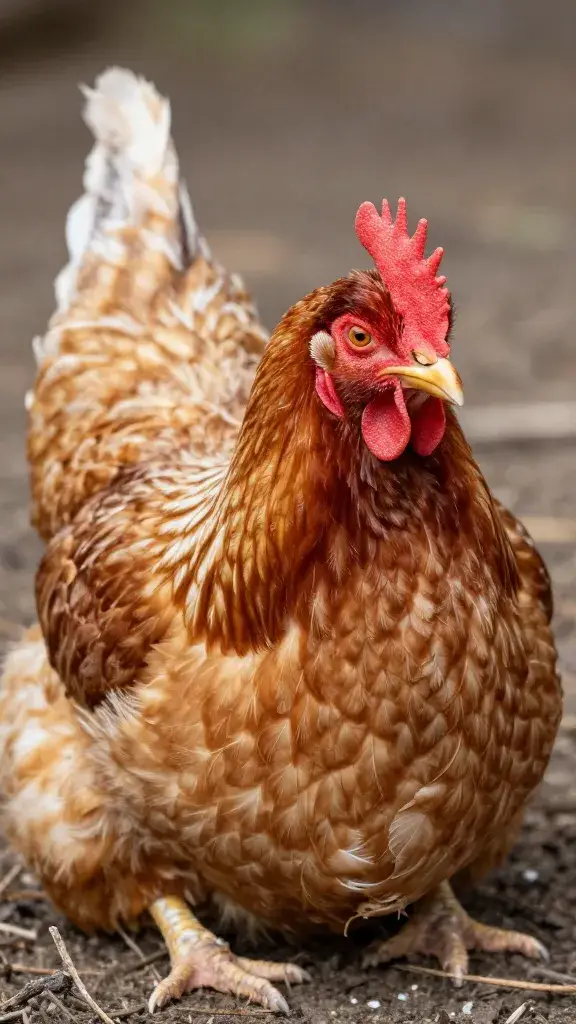
If your hen sounds like a tiny accordion, that’s not normal.
- Open-mouth breathing or gasping: Heat stress, respiratory disease, or severe distress.
- Rattling, wheezing, or gurgling: Classic respiratory signs—think Mycoplasma, infectious bronchitis, or poor ventilation.
- Neck stretching and head shaking: Trying to clear airways, dealing with general distress, or, in some cases, a parasite issue like gapeworm in chickens.
Environment Check
– Improve ventilation immediately (no drafts on birds, just better airflow).
– Reduce dust; switch to low-dust bedding.
– Isolate the bird to prevent spread.
– Consider vet help for antibiotics or dewormers as appropriate—don’t shotgun meds blindly.
Crop, Poop, and the Glamorous World of Poultry Digestion
Yes, you should feel your chicken’s crop. And yes, you should look at poop. Welcome to chicken parenthood.
- Crop: Morning crop should feel flat/empty. Hard, sour, or squishy and full in the morning suggests impacted or sour crop.
- Poop: Normal varies, but bright green, yellow foamy, bloody, or watery poops are red flags.
- Loss of appetite or weight: Combine that with weird poop and you’ve got GI trouble.
Simple Checks
– Take food away overnight, then check crop at sunrise. Still full? Address crop issues.
– Keep probiotics handy (poultry-safe).
– Hydrate, hydrate, hydrate—add electrolytes if the bird looks weak.
– Bloody droppings can signal coccidiosis; contact a vet about appropriate treatment ASAP.
Egg Laying Oddities: The Repro Radar
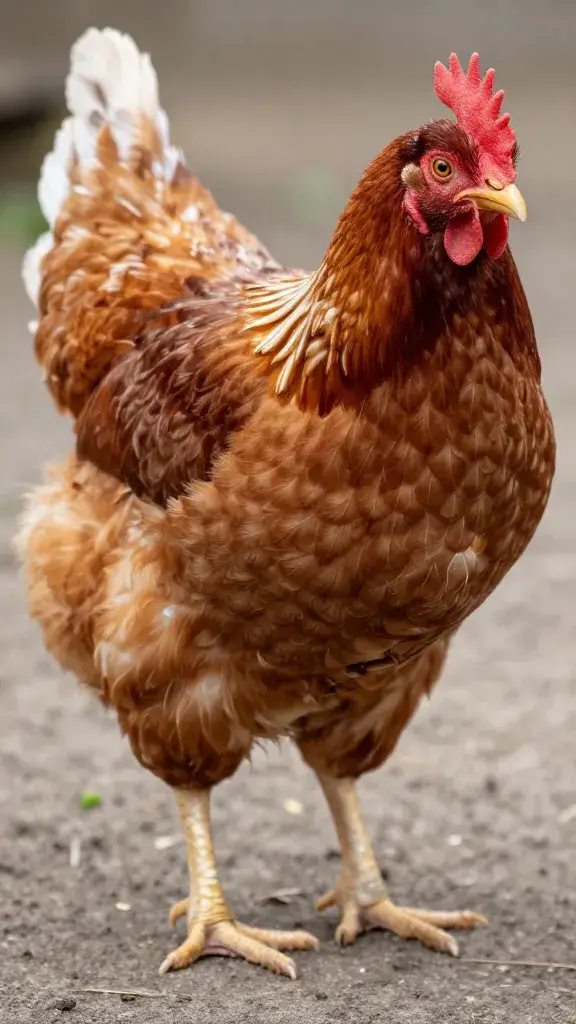
Layers put a lot of energy into eggs. When something’s off, the eggs often tell you first.
- Soft-shell or shell-less eggs: Calcium deficiency, stress, or illness.
- Sudden stop in laying: Molt or season change is normal. Stop + lethargy + swollen abdomen can mean egg binding or reproductive disease.
- Penguin stance: Upright, waddling, tail down = possible egg binding.
Immediate Steps for Egg Binding Concerns
– Warm, quiet isolation and a shallow warm bath can relax muscles.
– Lubricate vent externally with a small amount of sterile, water-based lube.
– If no egg within a few hours or bird worsens, that’s a vet visit, FYI.
Feet, Legs, and Mobility: Ground Support Issues
Chickens use their feet all day. Problems there escalate fast.
- Hot, swollen joints: Infection or injury.
- Black scab on the pad: Classic bumblefoot (a staph infection).
- Limping or toe curling: Injury, vitamin deficiency, or nerve issues.
- Scaly, raised leg scales: Scaly leg mites—treatable but annoying.
What Helps
– For bumblefoot, clean and assess; severe cases need vet care and possible debridement.
– Add a poultry vitamin supplement with B vitamins for leg/nerve support.
– Treat scaly leg mites with a gentle topical like petroleum jelly or approved oils, repeated weekly, and sanitize roosts.
Behavioral Red Flags You Might Miss
Sometimes the only clue is a vibe shift.
- Not roosting at night: Pain, weakness, or vision issues.
- Over-preening or pecking self: Parasites or stress.
- Excessive thirst: Heat, kidney issues, or dietary imbalance.
Feed and Water Audit (IMO, do this monthly)
– Fresh feed within 6 weeks of milling.
– Clean, cool water daily.
– Grit and oyster shell available to layers.
– Shade and dust-bathing spots for sanity and parasite control.
DIY Visual Symptom Checklist
Use this quick-hit list during morning rounds:
- Posture: Upright or hunched?
- Eyes/comb: Bright and clean or swollen/pale?
- Nostrils/breathing: Clear or snotty/wheezy?
- Feathers/skin: Smooth or crawling with mites?
- Crop: Empty in AM or still full?
- Poop: Normal or watery/bloody/odd colors?
- Movement: Steady or limping/wobbly?
- Eggs: Normal shells and schedule or chaos?
FAQ
How do I know if it’s just heat stress?
Heat-stressed birds pant, hold wings slightly away, and drink tons of water. Move them to shade, add electrolytes, and cool the coop. If you still see lethargy, pale comb, or open-mouth breathing at rest after cooling, consider illness.
When should I call a vet?
If you see rapid breathing, severe weakness, bloody droppings, swollen face, egg binding signs, or a worsening bird after 24 hours of supportive care, call a poultry-savvy vet. Fast help saves birds—and sometimes the whole flock.
Can I treat respiratory issues with home remedies?
You can improve ventilation, cleanliness, hydration, and stress reduction, which helps a lot. But many respiratory diseases need specific meds and can spread. Get a diagnosis when possible rather than guessing; IMO, that beats throwing random treatments at the wall.
What’s normal chicken poop supposed to look like?
It varies by diet and time of day. Most droppings are brown with white urates. Cecal poops (soft, stinky, brown blobs) happen a few times a day—gross but normal. Consistently watery, green, yellow, foamy, or bloody poops warrant attention.
How often should I check my flock for parasites?
Do a quick visual check weekly and a deeper check monthly. Look under wings, around the vent, and at the base of feathers. If one bird has mites or lice, assume the whole flock needs treatment and the coop needs a deep clean.
Is molting the same as being sick?
Nope. During molt, birds look rough, may stop laying, and act a bit cranky, but eyes stay bright, breathing stays clear, and posture looks normal. Illness usually brings that hunched, sleepy look and other red flags from the checklist.
Bottom Line
You don’t need a lab coat to spot a sick chicken—you just need a good eye and a routine. Watch posture, check faces, peek at poop (sorry), and trust your gut when a bird acts “off.” Catch problems early, isolate as needed, and adjust care fast. Your flock will thank you—with eggs, sass, and fewer surprise vet bills, FYI.
Share this content: