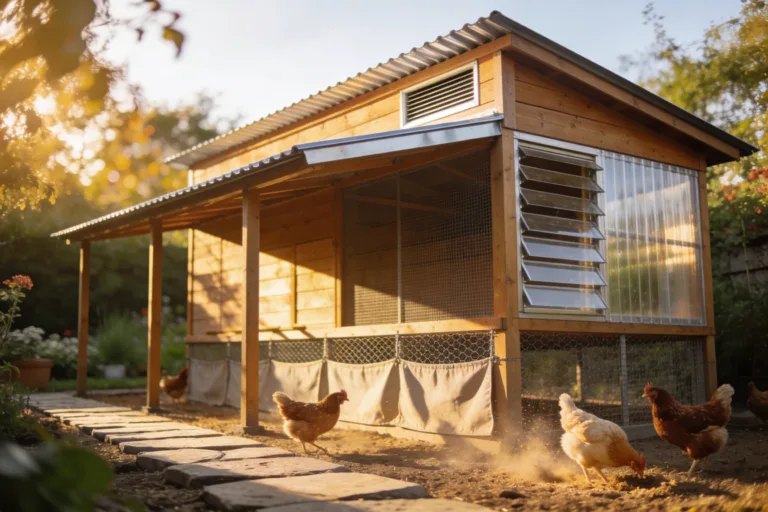
Best Coop Setup for Silkie Chickens
Silkies steal hearts with their pom-pom heads and teddy-bear fluff… and then promptly walk into walls because they can’t see, can’t fly, and kind of float when they jump. If you’re setting up a coop for these feathered marshmallows, you need different rules than you would for standard breeds. Let’s build a space that keeps them safe, comfy, and drama-free. Spoiler: ramps beat ladders every time.
If you are still deciding whether this breed fits your flock before building around them, start with the pros and cons of keeping Silkie chickens.
Why Silkie Coops Need Special Tweaks
Silkies don’t fly. At all. They also have extra toes, feathered feet, and poofy crests that block their vision. That combo makes them clumsy climbers and easy targets.
So your setup should favor low, gentle access, soft landings, and tight predator security. If you already picture ramps, low roosts, and zero steep edges, you’re on the right track.
Coop Size and Layout That Actually Works
Silkies stay small, but they fluff out. They also hate crowding. Give them room to waddle, dust bathe, and gossip.
- Indoor space: Aim for 3–4 sq ft per bird in the coop. More if you live somewhere with harsh winters or wet seasons.
- Run space: 8–10 sq ft per bird minimum. Double it if they won’t free-range.
- Door openings: Keep pop doors low. Silkies don’t do leaps of faith.
- Clear pathways: Avoid clutter and narrow edges. Think “Silkie highway,” not obstacle course.
Flooring and Bedding
Go for soft, dry, and grippy.
- Best picks: Pine shavings, hemp, or chopped straw. These give traction and cushion.
- Avoid: Slick plywood or rubber mats alone. Add bedding on top if you use mats.
- Moisture control: Ventilate well and stir bedding often. Feathered feet trap muck fast.
Roosts, Ramps, and Nesting: Keep It Low and Friendly
Silkies often prefer to sleep in piles, not on high perches. That’s fine. Your job: give choices and make everything easy to reach.
- Roost height: 6–18 inches off the floor. Yes, that low. Silkies don’t need skyscrapers.
- Roost style: 2–3 inch wide, flat-topped boards work better than skinny round perches. Balance > grip for their feathered feet.
- Nest boxes: Ground level or with a gentle ramp. Interior lip 2–3 inches to hold bedding.
- Box size: 12×12 inches fits one fluffy queen. Add a privacy curtain if you want fewer egg hunts.
Ramps That Don’t Feel Like Slides
Build ramps they can actually use.
- Angle: Keep it 30–40 degrees max. Flatter if you can.
- Cleats: Add 1×1 inch rungs every 3–4 inches for traction.
- Width: 8–10 inches so they don’t bail halfway.
- Surface: Paint + sand or stick-on grip tape under the bedding dust.
Predator-Proofing for Ground-Huggers
Silkies won’t fly to safety. So you must overbuild your defenses. Paranoid? Good.
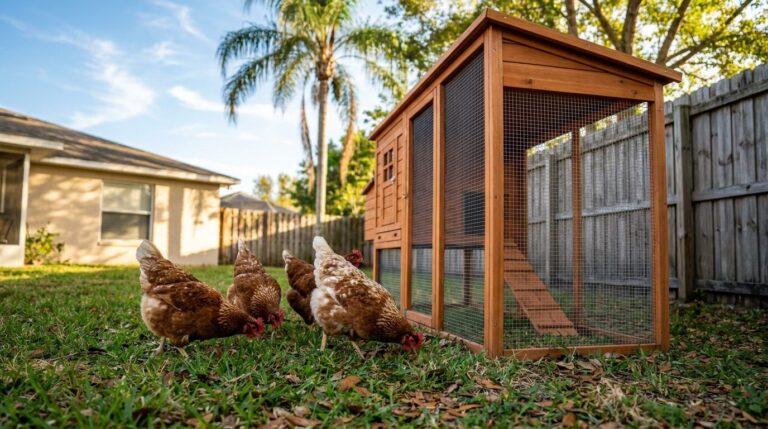
- Wire: 1/2-inch hardware cloth, not chicken wire. Chicken wire keeps chickens in; it does not keep predators out. FYI.
- Burrow guard: 12–18 inch hardware cloth apron around the run, laid flat and buried shallow or pinned with landscape staples.
- Roof the run: Solid roof or wire cover. Hawks love fluff balls.
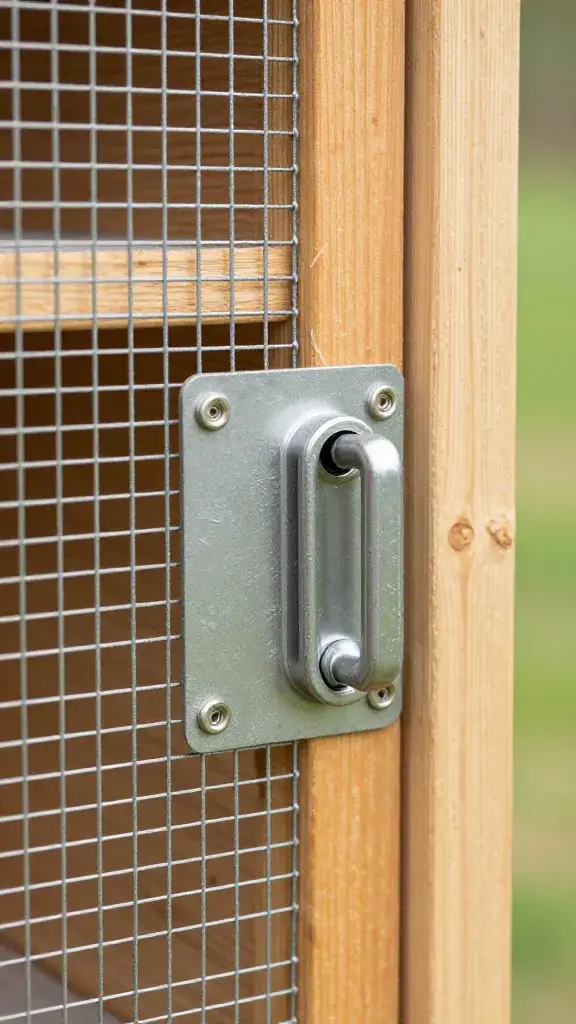
- Locks: Use two-step latches (carabiner + barrel bolt). Raccoons treat simple latches like kindergarten puzzles.
- Night checks: Patch gaps larger than a dime. Seriously.
Weather Shielding
Silkies handle cold better than wet. Those fluffy feathers don’t shed rain well.
- Windbreaks: Cover at least two run walls with clear poly panels in winter.
- Dry zone: A solid roof over a portion of the run keeps mud from feathered feet.
- Drainage: Gravel base + raised run edges stop puddles.
Vision, Lighting, and Safety Inside
That adorable pom-pom blocks their view. Help them navigate like the VIPs they are.
- Lighting: Soft, even light inside the coop helps them find food, water, and ramps. Avoid harsh spotlights.
- Obstacle-free paths: Keep feeders off the floor path. Tuck them along a wall.
- Trim crests (optional): A light tidy around eyes can improve visibility. Don’t go full poodle cut.
Feeder and Waterer Placement
Position matters more than brand.
- Height: Chest level. Too high = no reach, too low = bedding soup.
- Nipple waterers: Great for cleanliness; show them how to use them.
- Winter tip: Heated base under a covered corner. Silkies + ice = chaos.
Run Surfacing and Enrichment (Because Bored Silkies Plot Drama)
A bland run turns into a mud pit. Upgrade it a little and your Silkies will vibe.
- Best footing: Coarse sand, pea gravel borders, and a deep litter corner (wood chips) for scratching.
- Dust bath: Big shallow tub with sand, sifted ash, and a bit of diatomaceous earth. Keep it covered from rain.
- Shade + perches: Low stumps or platforms 6–12 inches high. Skip the tall jungle gym.
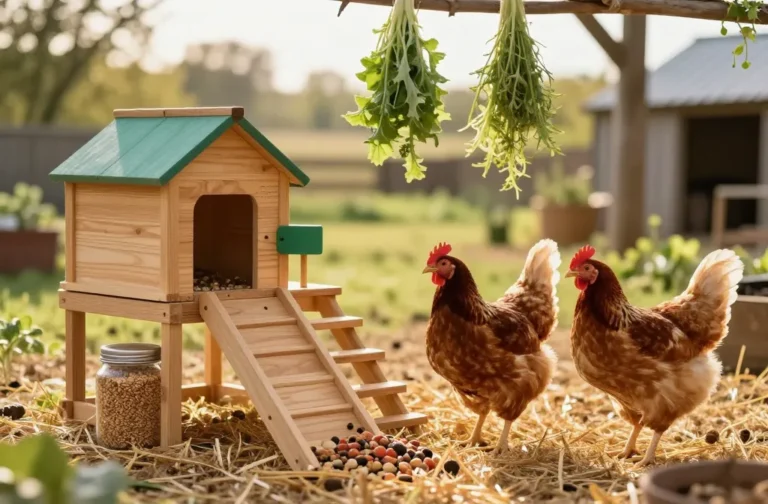
- Greens and treats: Hang leafy bundles at beak height. Scatter scratch only on dry ground, not daily.
Breeds, Flock Dynamics, and Mixing With Others
Silkies stay docile. Bullies love docile birds. If you mix flocks, plan with care.
- Similar friends: Bantams or mellow standard breeds (Cochins, Brahmas) usually play nice.
- Avoid brutes: High-energy, pecky breeds can harass Silkies. IMO, separate if in doubt.
- Integration: Use a see-no-touch pen for a week. Add extra feeders to prevent gatekeeping.
Broodies Gonna Brood
Silkie hens love sitting on eggs, rocks, you name it.
- Nest overflow: Provide extra boxes so the non-broody gals can lay in peace.
- Broody pen: A ground-level crate inside the coop works for safe hatching.
Sample Silkie-Friendly Coop Plan
Here’s a simple blueprint you can adapt:
- Coop: 4×6 feet for 5–6 Silkies. Pop door 6 inches off ground with a 36-inch ramp (cleats every 3 inches).
- Roosts: Two flat 2x3s at 10 and 14 inches high, 12 inches from the wall.
- Nest boxes: Two 12×12 boxes at floor level with a 6-inch-wide ramp.
- Run: 6×12 feet, roofed, with 1/2-inch hardware cloth, buried apron, and a sand/dry-litter mix.
- Utilities: Feeder and waterer at chest height along the long wall; a covered dust bath in the driest corner.
Common Mistakes to Avoid
- High perches and ladders: They’ll sprain something or just… not use them.
- Chicken wire-only runs: That’s just decor, not security.
- Muddy floors: Feathered feet + mud = infections and stink.
- Cramped layouts: Silkies pile up and overheat. Space solves so many issues, FYI.
- No shade or rain cover: Wet Silkie equals sad Silkie.
FAQ
Do Silkies need roosts if they prefer to sleep on the floor?
Offer low roosts anyway. Some will use them, and it keeps birds off damp bedding. Add a cozy corner with extra shavings so floor-sleepers stay dry and warm.
How cold is too cold for Silkies?
Healthy adults handle cold down to the teens (F) if they stay dry and out of drafts. Focus on ventilation, not insulation. Block wind at bird level and keep bedding deep and dry.
Can Silkies free-range safely?
They can, but they stay slow and oblivious. Supervise, provide shrubs for cover, and skip free-ranging during peak hawk hours. If predators stay active in your area, a covered run wins.
What should I put on the coop floor?
Use pine shavings or hemp for cushion and odor control. Stir it weekly and top up as needed. Avoid bare wood or slick rubber—add bedding for traction.
How high should nest boxes be for Silkies?
Ground level or just a few inches up with a ramp. Keep access easy and add a lip to hold bedding so eggs don’t roll out.
Do Silkies need special feeders or waterers?
Not special, just well-placed. Set them at chest height, keep the path clear, and use a covered area so rain doesn’t turn feed into paste. Nipple waterers help keep beards and feet cleaner.
Conclusion
Silkies thrive in coops that keep everything low, gentle, and dry. Give them wide ramps, short roosts, secure fencing, and a mud-free run, and they’ll reward you with fluffy waddles and tiny dinosaur sounds. Build for their quirks, not generic chickens, and your Silkie setup will be drama-proof, IMO.
Share this content: