Best Chicken Brooders for Chicks in 2026: Heat Plates, Lamps, and What to Avoid
The best chicken brooders for chicks have changed — and heat lamps are no longer the right answer. A chicken brooder heating plate uses 90% less electricity, eliminates fire risk, and produces calmer, healthier chicks. The question is which brooder to buy for your flock size and budget.
Brooder setup and chick health go together, so learn how to spot coccidiosis in chicks before it gets serious.
This guide covers the best chicken brooders and heating plates for 2026, what size you actually need, and what the heat lamp vs. heating plate debate looks like once you do the math. For the bigger first-flock setup, pair it with the guide to raising chickens for the first time, then use the chick feeding guide to match feed to each growth stage.
We may earn a commission from qualifying purchases made through links on this page, at no extra cost to you.
Why the Best Chicken Brooders Use Heating Plates, Not Heat Lamps
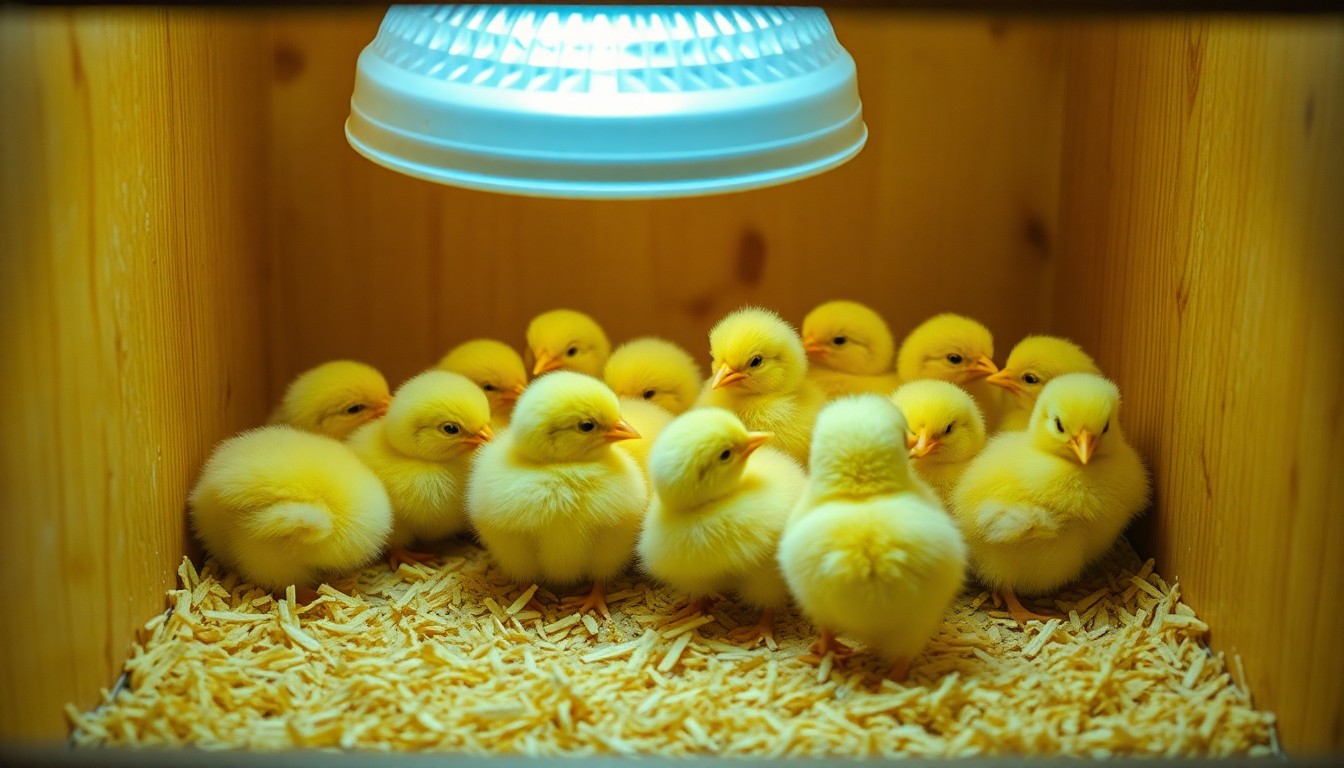
Safety: A heat lamp runs at 250 watts and produces enough heat to ignite dry bedding if it falls or tips. The best chicken brooders today run at 12–22 watts and sit directly above the chicks — no dangling cord, no radiant fire risk.
Energy use: At 250 watts vs. 15–22 watts, a heating plate uses roughly 90% less electricity for the same warming effect. Across a 6-week brooding period, that gap adds up significantly on your electric bill.
Chick behavior: Under a heat lamp, the entire brooder heats uniformly — chicks can’t choose their temperature. Under a heating plate, they nestle under it when cold and move away when warm, the same self-regulating behavior they’d use under a mother hen.
The main trade-off: chicken brooder heating plates have a capacity limit. A 10×10″ plate warms around 15 chicks. A 12×12″ plate handles up to 20–25. For large hatches, you need multiple plates or a purpose-built brooder cabinet.
The 5 Best Chicken Brooders for Chicks in 2026
1. Brinsea EcoGlow Safety 600 — Best Overall Chicken Brooder
Brinsea’s EcoGlow Safety 600 is the chicken brooder most recommended by experienced keepers — built to last, easy to clean, and doesn’t run hot enough to be dangerous. The ABS plastic housing handles the wear of multiple brooding seasons, and the clear cover lets you check on chicks without disturbing them.
At 12 watts, it’s the most energy-efficient chicken brooder on this list. Adjustable height settings accommodate chicks as they grow. Fits up to 15 chicks comfortably. Higher price than budget alternatives, but durability over 3–5 seasons makes it the best value long-term.
- Wattage: 12W
- Capacity: Up to 15 chicks
- Best for: Small to medium hatches, safest and most durable chicken brooder option
2. RentACoop 10×10″ Adjustable Heating Plate — Best Value Chicken Brooder
The RentACoop heating plate is the best chicken brooder for most backyard keepers on a budget. The 10×10″ plate warms up to 15 chicks at just 15 watts. Twenty-five height settings spanning 1–9 inches let you raise it incrementally as chicks grow. Thousands of Amazon reviews, consistent 4.5+ star ratings. There’s also a 20×20″ version for larger hatches.
- Wattage: 15W
- Capacity: Up to 15 chicks (10×10″), up to 35 chicks (20×20″)
- Best for: Most backyard flock sizes, first-time chick keepers
3. My Favorite Chicken 12×12″ Heating Plate — Best for Medium Hatches
This 12×12″ chicken brooder plate earns its place when you’re brooding 20–25 chicks at once. At 22 watts, still far below the draw of a heat lamp. Height-adjustable, comes with an anti-roost cone, and reviews consistently note it runs evenly across the plate surface without hot spots.
- Wattage: 22W
- Capacity: Up to 20–25 chicks
- Best for: Medium hatches, seasonal breeders brooding multiple batches
4. Premier 1 Chick Brooder Heating Plate — Best Heavy-Duty Option
Premier 1 is a farm supply company with a loyal following among serious poultry keepers. This 12×12″ chicken brooder plate is built heavier than consumer-grade options — designed for years of repeated seasonal use. Holds up to 20 chicks. The right choice if you’re brooding 2–3 batches per year and want a plate that won’t need replacing.
- Wattage: Under 25W
- Capacity: Up to 20 chicks
- Best for: Dedicated breeders, repeated seasonal brooding
5. Pitalok 10×10″ Brooder Heater — Best Budget Chicken Brooder
For keepers moving away from heat lamps without committing to a premium chicken brooder, the Pitalok 10×10″ is the most affordable entry point. Holds up to 15 chicks, 15 watts, 25 height settings. Lighter build than the Brinsea or Premier 1, but a genuine step up from a heat lamp in both safety and efficiency.
- Wattage: 15W
- Capacity: Up to 15 chicks
- Best for: Small first-time hatches, budget-conscious keepers
Chicken Brooder Comparison: All Plates at a Glance
| Model | Wattage | Capacity | Best For |
|---|---|---|---|
| Brinsea EcoGlow Safety 600 | 12W | 15 chicks | Safety-first, long-term use |
| RentACoop 10×10″ | 15W | 15 chicks | Best value for most keepers |
| My Favorite Chicken 12×12″ | 22W | 20–25 chicks | Medium batches |
| Premier 1 12×12″ | <25W | 20 chicks | Heavy-duty breeders |
| Pitalok 10×10″ | 15W | 15 chicks | Budget pick |
How to Set Up a Chicken Brooder Correctly
Brooder size: Allow at least 6 square inches of floor space per chick in week one, expanding to 1 square foot per chick by week four. Overcrowding in a chicken brooder causes temperature stress, disease spread, and pecking issues.
Bedding: Pine shavings are the standard — 2–4 inches deep, replaced when wet or soiled. Avoid cedar (toxic fumes) and newspaper (too slippery for young chicks’ legs).
Feed: Chick starter with 18–20% protein for the first 8 weeks. Non-medicated starter works for vaccinated chicks; medicated starter is standard for unvaccinated batches to prevent coccidiosis.
Ventilation: Every chicken brooder needs air circulation to prevent ammonia buildup. A screened lid works well — enough airflow, not a draft.
Chicken Brooder Temperature Guide: Week by Week
| Week | Target Temp Under Plate |
|---|---|
| Week 1 | 95°F (35°C) |
| Week 2 | 90°F (32°C) |
| Week 3 | 85°F (29°C) |
| Week 4 | 80°F (27°C) |
| Week 5 | 75°F (24°C) |
| Week 6 | 70°F (21°C) — begin transition outdoors |
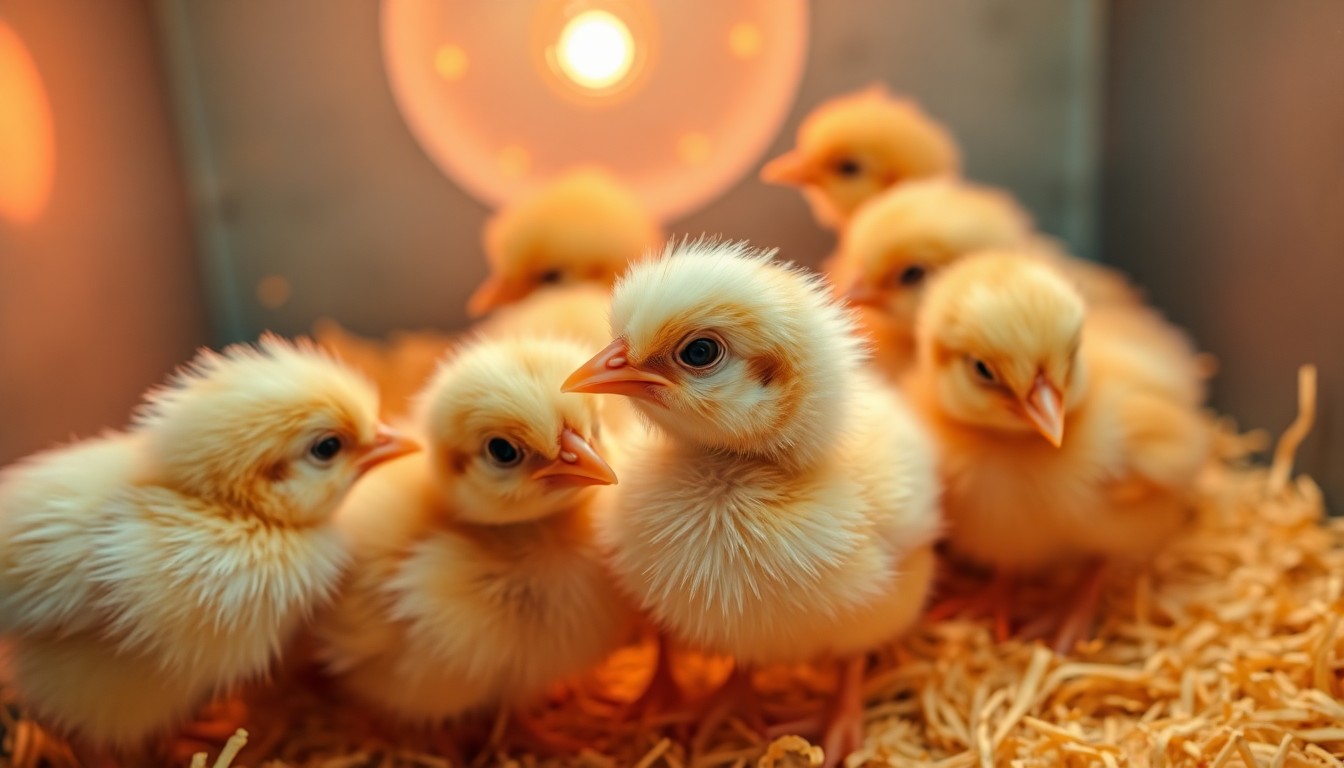
With a heating plate chicken brooder, you don’t need a thermometer as obsessively as with a heat lamp. Watch the chicks: huddling under the plate means too cold, scattered to the far edges means too hot, spread comfortably with some under and some away means the temperature is right.
When Can Chicks Leave the Chicken Brooder?
Fully feathered chicks can handle outdoor temperatures down to around 50°F (10°C). Most breeds are fully feathered by 6–8 weeks. Start with short supervised outdoor periods in week 5 or 6 during warm daytime weather, then transition to the coop fully once nighttime temps stay above 50°F.
The Bottom Line
Drop the heat lamp — the fire risk alone justifies switching to a proper chicken brooder heating plate, and your chicks will be healthier for it.
For most backyard keepers hatching 10–15 chicks at a time, the RentACoop 10×10″ chicken brooder plate is the best value. For 20+ chicks or repeated seasonal use, step up to the Brinsea EcoGlow Safety 600 or Premier 1 plate.
Share this content: