10 Chicken-Safe Ground Covers to Plant Around the Coop This Summer
If the ground around your chicken coop looks like a dusty little disaster zone by July, you are not alone.
Ground covers pair well with useful border plants, including these summer herbs to grow near the coop.
Ground covers are one piece of the layout; for the bigger picture, see these garden and chicken coop combo ideas.
Chickens scratch. They dig. They dust bathe. They nibble. And somehow, they always find the one plant you were emotionally attached to.
That is why ground covers can be so helpful around a chicken coop. The right plants can soften bare soil, make the coop area look prettier, support pollinators, and give your flock safe greenery to explore. But here is the honest part: chicken-safe does not mean chicken-proof.
Most ground covers do best around the coop, along the outside of the run, near walkways, beside fencing, or in rotated chicken areas. If you plant soft little seedlings inside a busy run and let ten hens loose immediately, congratulations — you have made them a salad bar.
So let’s talk about the best chicken-safe ground covers to plant around the coop this summer, where to use them, and how to keep your flock from turning your hard work into poultry confetti.
Can You Really Grow Ground Covers Around Chickens?
Yes, but you need to be realistic.
Chickens can eat low to moderate amounts of forage when they have access to pasture or planted areas, but forage should be treated as a supplement, not a complete diet replacement. Poultry Extension notes that forage intake can vary by system, season, forage type, and how birds are managed.
That means your flock still needs proper feed, clean water, grit, calcium when appropriate, and safe housing. Ground covers are more of a coop landscaping upgrade than a feeding plan.
The best results usually come from planting ground covers:
- Outside the run fence where chickens can nibble through the wire
- Around the coop perimeter
- In temporary grazing patches
- Along walkways and borders
- In protected corners with wire cloches or hardware cloth
- In areas chickens only access part-time
Think of these plants as a way to make the coop area prettier, greener, and less bare — not as magical armor against chicken feet.
What Makes a Ground Cover Chicken-Safe?
A good chicken-safe ground cover should be:
- Non-toxic if chickens nibble it
- Low-growing or easy to trim
- Useful for covering bare soil
- Able to handle some summer stress
- Free from pesticides, herbicides, and chemical lawn treatments
- Easy to protect while it gets established
Important safety note: Before planting anything, double-check that it is safe for chickens in your area. Some common garden plants are not chicken-friendly. The British Hen Welfare Trust lists plants such as foxglove, hemlock, rhododendron, rhubarb, tulip, and water hemlock among plants considered poisonous to chickens.
1. White Dutch Clover

White Dutch clover is one of the best ground covers to plant around a chicken coop because it is low-growing, useful for soil coverage, and easy to recognize.
It also has real garden value. University of Minnesota Extension notes that white clover can fix nitrogen, break up compacted soil, work as a ground cover, and attract pollinators.
Around a chicken coop, clover works well in sunny lawn edges, bare patches near the coop, and areas where chickens only have part-time access.
Best place to plant it: Coop perimeter, lawn edges, rotated chicken areas, and outside the run fence.
Summer tip: Keep it watered while it establishes. Once the roots are stronger, it usually handles normal lawn conditions better than many soft annual plants.
Chicken-proofing tip: Let clover grow in before giving chickens access. If your hens are heavy scratchers, fence off part of the patch and rotate access.
2. Creeping Thyme
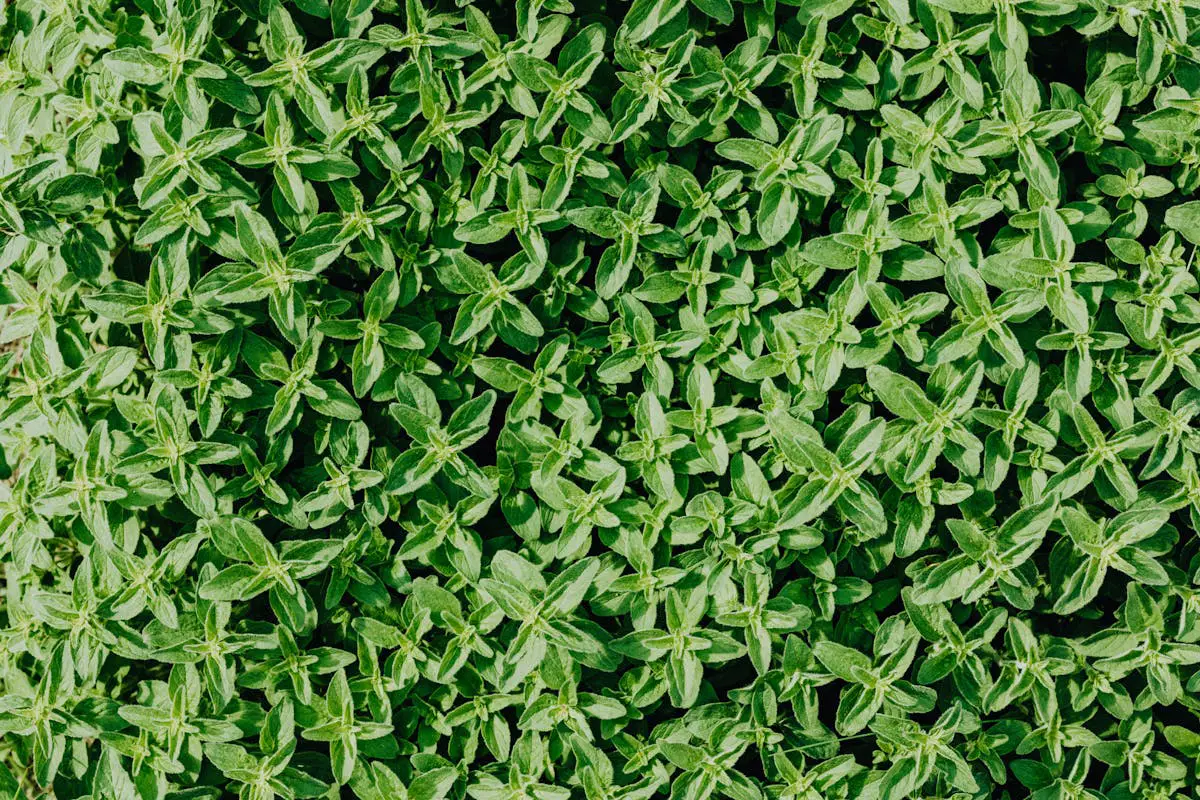
Creeping thyme is perfect for chicken keepers who want the coop area to look intentional instead of like the backyard lost a fight.
It grows low, smells beautiful, and works especially well around stones, borders, and sunny walkway edges. NC State Extension notes that creeping thyme prefers full sun, tolerates poor soil, and can do well in sandy, gritty, or rocky soil. It is also drought tolerant once established.
This is not the plant I would throw directly into a busy chicken run. It is better used around the edges where chickens can occasionally nibble it but not destroy the roots.
Best place to plant it: Sunny coop paths, stepping stone cracks, dry borders, and decorative edges.
Summer tip: Avoid soggy areas. Creeping thyme prefers well-drained soil.
Chicken-proofing tip: Plant it between stones or along the outside of the run where chickens cannot scratch the whole root system loose.
3. Yarrow

Yarrow is a tough summer plant for dry, sunny spots near the coop.
It is not a flat carpet like clover, but low-growing yarrow varieties can fill edges beautifully and bring that wild cottage-garden look chicken keepers love on Pinterest. Clemson Extension notes that yarrow is commonly found in open grasslands and disturbed soils, and it performs best in full sun if you want a more compact form. Source: Clemson Cooperative Extension.
Best place to plant it: Dry coop borders, sunny fence lines, pollinator strips, and rough garden edges.
Summer tip: Use it where the soil drains well. Yarrow does not love wet, soggy ground.
Chicken-proofing tip: Protect young plants until they are rooted. Once established, yarrow is tougher than many soft garden plants.
4. Oregano

Oregano is a great herb to grow around the coop because it looks good, smells good, and can handle regular trimming.
PoultryDVM lists oregano as a supplement used for chickens and references poultry research around oregano in chicken diets. Do not oversell this plant as a miracle health cure. Keep it practical: oregano is a chicken-friendly herb that can be grown near the coop for occasional nibbling and fresh greenery.
Best place to plant it: Herb borders, raised edges, containers, and protected corners near the coop.
Summer tip: Oregano likes sun and well-drained soil. Trim it regularly to keep it bushier.
Chicken-proofing tip: Plant oregano just outside the run fence so chickens can peck a few leaves through the wire without digging the whole plant out.
5. Mint
Mint is useful around the coop, but it comes with one warning: it spreads like it has a five-year expansion plan.
That is not always bad. If you have a rough edge near the coop where you want greenery, mint can fill in fast. But if you plant it in a tidy garden bed, do not act surprised when it starts colonizing everything like a tiny green empire.
Best place to plant it: Containers, buried pots, shady edges, or rough corners where spreading is not a problem.
Summer tip: Mint usually appreciates more moisture than drought-loving herbs like thyme.
Chicken-proofing tip: Grow it in a container near the coop and trim handfuls for the run instead of planting it directly where hens can dig the roots.
6. Plantain Weed
Plantain is one of those “weeds” that can actually be useful in a chicken-friendly yard.
PoultryDVM notes that plantain leaves are edible and contain vitamins A and C, as well as calcium. That makes it a good candidate for naturalized lawn patches or forage strips near the coop.
It is not fancy. It is not glamorous. It will not make your yard look like a magazine cover. But chickens are not exactly requesting formal landscaping, are they?
Best place to plant it: Natural lawn patches, mixed clover areas, low-maintenance forage strips, and rough coop edges.
Summer tip: Plantain can handle normal yard conditions and often appears naturally in lawns.
Chicken-proofing tip: Let it grow in mixed patches instead of trying to keep one perfect plant alive.
7. Dandelion

Dandelions are one of the easiest chicken-safe plants to work with because many yards already have them.
Wisconsin Horticulture notes that nearly all parts of the dandelion plant can be eaten, but also warns that dandelions should not be eaten if they have been treated with chemicals. That chemical warning matters around chickens too. Never let your flock forage where herbicides, pesticides, or treated lawn products have been used.
Best place to plant it: Natural lawn areas, coop edges, and casual forage zones.
Summer tip: Let a few dandelions stay in untreated lawn areas instead of removing every single one.
Chicken-proofing tip: Use dandelions as part of a mixed “forage lawn” with clover and plantain.
8. Purslane
Purslane is a low-growing summer plant that thrives when many other greens are struggling.
Wisconsin Horticulture notes that common purslane grows best in warm weather and can tolerate drought, even though it prefers regular water. NC State Extension describes purslane as a prostrate annual succulent with fleshy oval leaves.
This makes it a useful option for hot, dry coop edges — but only if you are confident with plant identification. Do not casually forage or feed unknown weeds to chickens unless you know exactly what they are.
Best place to plant it: Sunny dry edges, hot bare patches, and casual naturalized areas.
Summer tip: Purslane can reseed and spread, so use it where you do not mind a self-sowing plant.
Chicken-proofing tip: Let it grow in a protected patch first. Chickens may quickly nibble tender stems.
9. Chickweed
Chickweed has a very convenient name for this topic, but it is usually better in cooler, moist conditions than brutal summer heat.
NC State Extension notes that chickweed stems, leaves, and flowers are edible, while Cornell’s weed profile notes that common chickweed is shade tolerant and grows well in partial shade.
For a summer coop post, I would frame chickweed as a good choice for shady, cooler, or damp coop edges rather than a blazing-hot full-sun ground cover.
Best place to plant it: Moist shade, cooler coop edges, and early-season forage patches.
Summer tip: In hot climates, chickweed may fade when summer heat gets intense.
Chicken-proofing tip: Grow it as a seasonal patch rather than expecting it to stay perfect all summer.
10. Alpine or Wild Strawberries
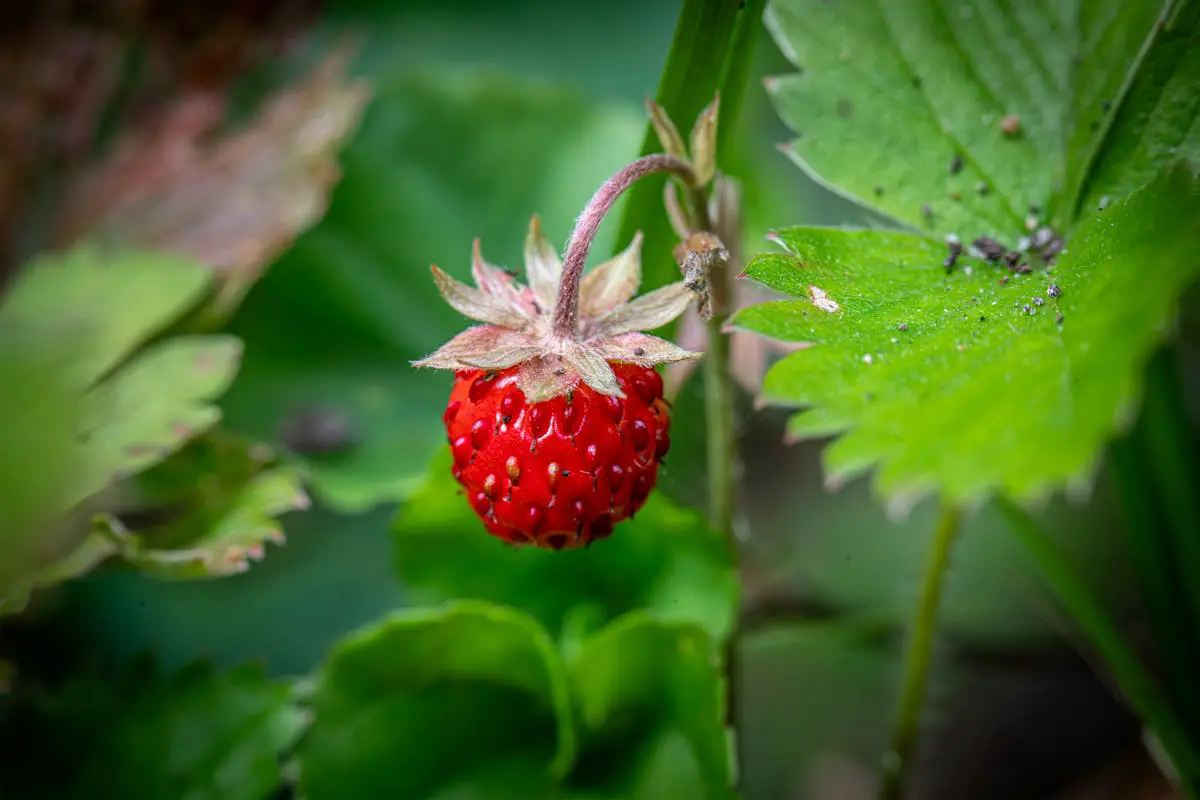
Alpine or wild strawberries are beautiful, low-growing, and very Pinterest-friendly.
They can work well along protected coop borders, outside the run fence, or near pathways where chickens can occasionally nibble leaves without destroying the crown of the plant. A University of Florida document describes alpine strawberries as producing edible, aromatic fruit.
These are not the toughest option on the list, but they are one of the prettiest. If your audience loves cute coop landscaping, strawberries deserve a place in the post.
Best place to plant it: Protected borders, outside the run fence, low edging beds, and containers near the coop.
Summer tip: Keep them watered during hot spells, especially while they establish.
Chicken-proofing tip: Protect the crowns with stones, low fencing, or wire plant cages.
How to Keep Chickens From Destroying Ground Covers
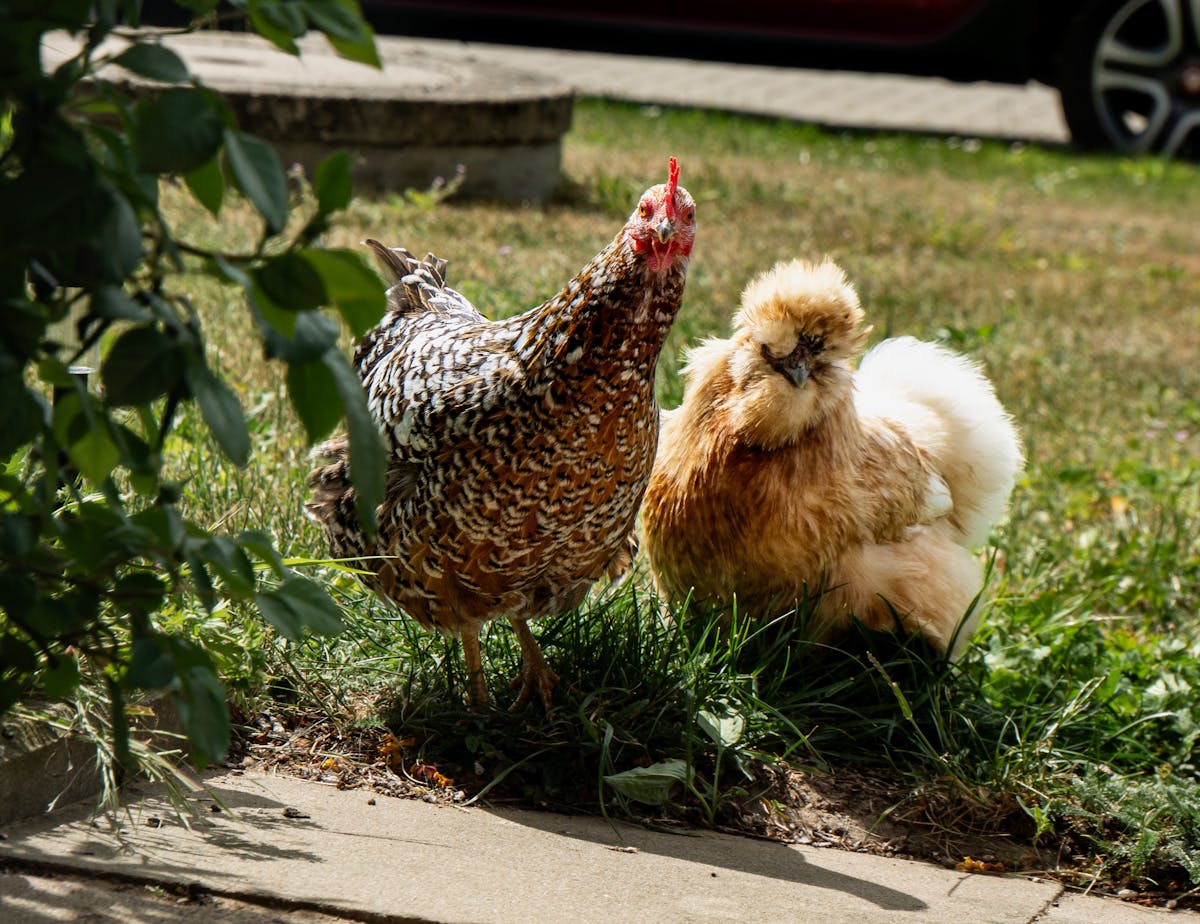
The biggest mistake is planting new ground covers and immediately letting chickens have full access.
That is like putting a cake on the floor and asking toddlers to respect boundaries. Technically possible? Maybe. Wise? Absolutely not.
Here is how to protect your plants:
- Let plants establish before chickens access them.
- Use temporary fencing around new patches.
- Plant ground covers outside the run fence.
- Add stones or logs around roots.
- Use hardware cloth cages over young plants.
- Rotate chicken access instead of letting them camp on one spot.
- Water deeply while plants are young.
- Mix several plants together instead of relying on one.
If your run is already bare dirt, start small. Plant one protected strip outside the fence, then expand once you see what survives in your yard.
Best Beginner Combination
If you want the easiest starter mix, I would begin with:
- White Dutch clover for broad green coverage
- Creeping thyme for sunny walkway edges
- Yarrow for dry pollinator-friendly borders
- Oregano in a protected herb strip
- Dandelion and plantain in untreated lawn patches
This gives you a practical mix of pretty, useful, and easy-to-grow plants without relying on one delicate ground cover to do everything.
Plants to Avoid Around Chicken Coops
Not every pretty plant belongs near a flock.
Avoid planting questionable or known-toxic plants where chickens can reach them. The British Hen Welfare Trust lists several plants as poisonous to chickens, including foxglove, hemlock, rhododendron, rhubarb, tulip, and water hemlock. PoultryDVM also maintains a toxic plant database for chickens and ducks, which is useful when checking individual plants before adding them near a coop.
Common plants to double-check or avoid include:
- Foxglove
- Rhododendron
- Azalea
- Oleander
- Yew
- Nightshade
- Hemlock
- Water hemlock
- Lily of the valley
- Rhubarb leaves
- Daffodils
- Tulips
- Castor bean
Also avoid letting chickens forage in areas treated with lawn chemicals, weed killers, pesticides, or unknown sprays.
Quick Planting Tips for Summer
Summer can be tough on new plants, especially around a chicken coop where the soil may already be compacted or scratched up.
Use these tips:
- Plant early in the morning or evening, not in harsh midday heat.
- Water deeply while plants establish.
- Add stepping stones where people walk often.
- Use compost only where chickens cannot immediately scratch it everywhere.
- Protect roots with rocks, edging, or wire cages.
- Start with small test patches before planting a large area.
- Match the plant to the spot: thyme for dry sun, chickweed for cooler shade, clover for lawn-style patches.
Final Thoughts
Chicken-safe ground covers can make the coop area look greener, softer, and more intentional in summer. They can also give your flock safe plants to nibble when managed properly.
Just remember: chickens are not gentle garden guests. They are tiny feathered excavators with beaks.
Start with tough, useful plants like white clover, creeping thyme, yarrow, oregano, plantain, and dandelion. Protect them while they establish, rotate access when possible, and plant outside the run fence when you want the best chance of success.
A chicken coop does not have to sit in a bare patch of dirt all summer. With the right ground covers, it can look like part of the garden — not the place where plants go to meet their dramatic end.
Image Attribution List
- Featured coop image: Photo by Rachel Claire on Pexels — source.
- White clover image: Photo by Imad Clicks on Pexels — source.
- Thyme image: Photo by Kaboompics.com on Pexels — source.
- Yarrow image: Photo by Daniel Sperindeo on Pexels — source.
- Oregano image: Photo by Ri Yad on Pexels — source.
- Dandelion image: Photo by Eugene Golovesov on Pexels — source.
- Wild strawberry image: Photo by Erik Karits on Pexels — source.
- Chicken garden image: Photo by Butwhosamy on Pexels — source.
Share this content: