10 Signs Your Chicken Coop Has Too Much Moisture—and the Fixes That Save Flocks
If your coop smells funky, feels clammy, or looks like it’s trying to become a swamp, listen up. Too much moisture turns a cozy chicken home into a mold factory with a side of frostbite. The good news? Your flock usually drops plenty of clues before things get truly gross.
Here are the signs to watch for and the fixes that actually work. Trust me, a drier coop means happier hens, fewer headaches, and way less scrubbing for you.
1. That Musty, Wet-Basement Smell Hits You First
Your nose often spots trouble before your eyes do. If the coop smells sour, stale, or like old laundry left in a gym bag, moisture probably lingers in the bedding, walls, or corners.
What It Usually Means
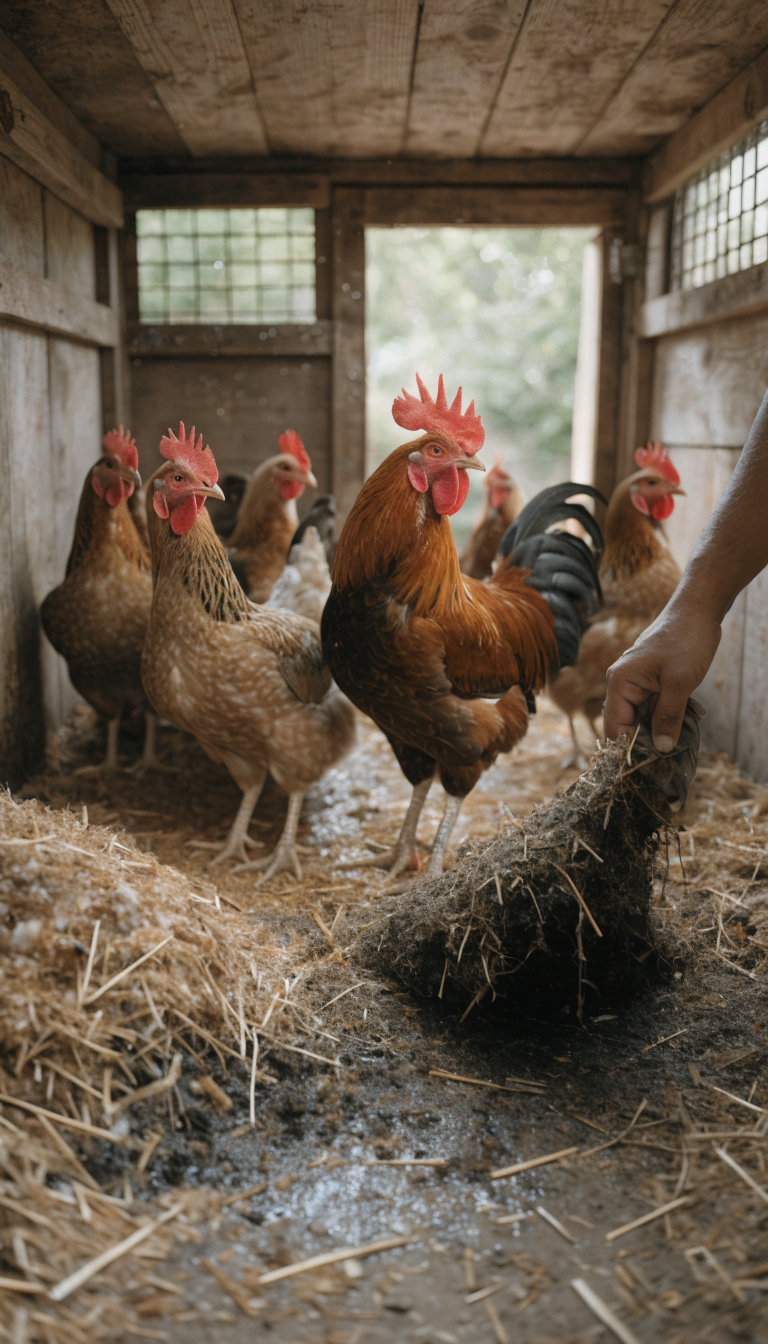
- Wet bedding that never fully dries
- Poor airflow around the coop
- Ammonia building up from droppings
Fix it: Strip out damp bedding, add fresh absorbent material, and improve ventilation without creating a direct draft on roosts. A dry smell beats a swamp smell every single time.
2. Bedding Feels Clumpy, Heavy, or Cold
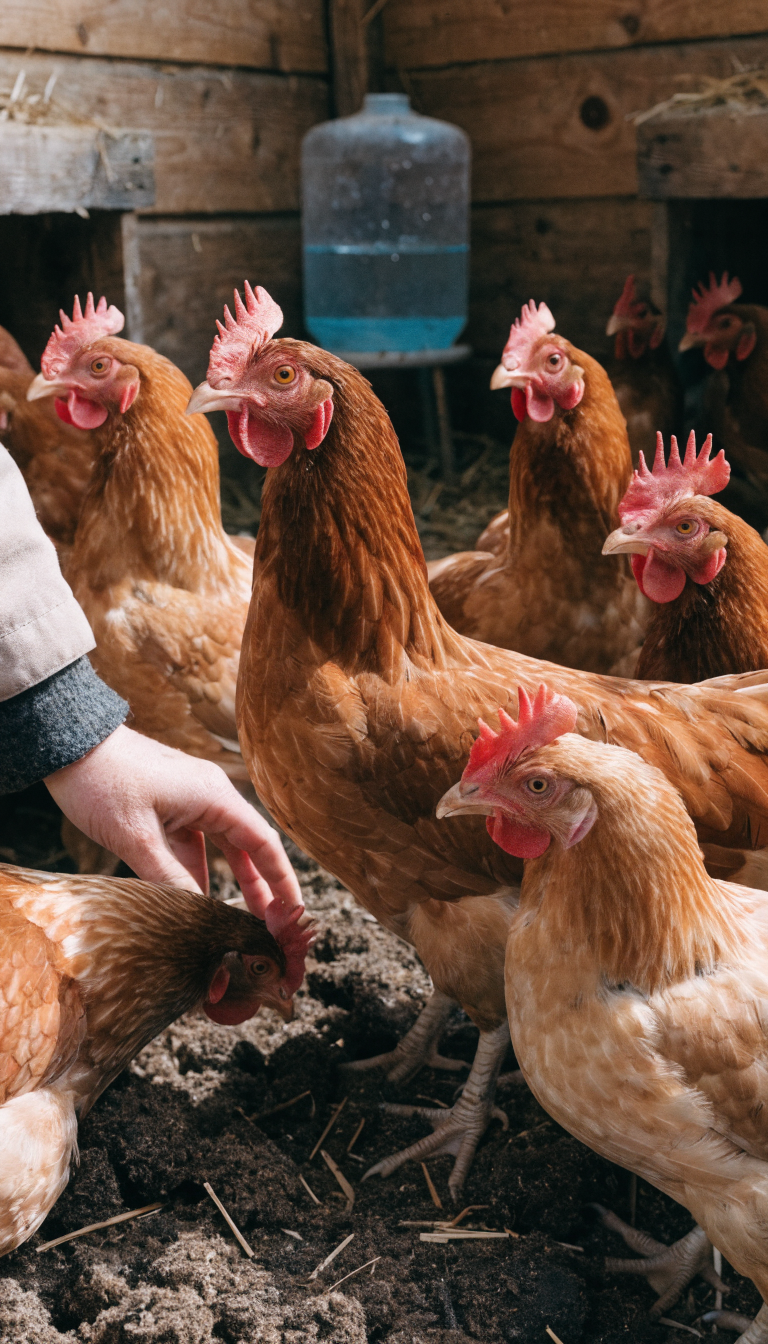
Healthy bedding should feel fluffy and dry, not like it needs a forklift. If straw, shavings, or pellets turn dark and clump together, moisture has already moved in and made itself at home.
Quick Check
- Press your hand into the bedding
- Look for damp spots under waterers
- Check corners and nesting boxes first
Fix it: Remove the wet layer, then add fresh bedding with better absorbency. Raise waterers if they splash, and place them where chickens can’t kick moisture everywhere like tiny chaos goblins.
3. Windows, Walls, or Roof Panels Show Condensation
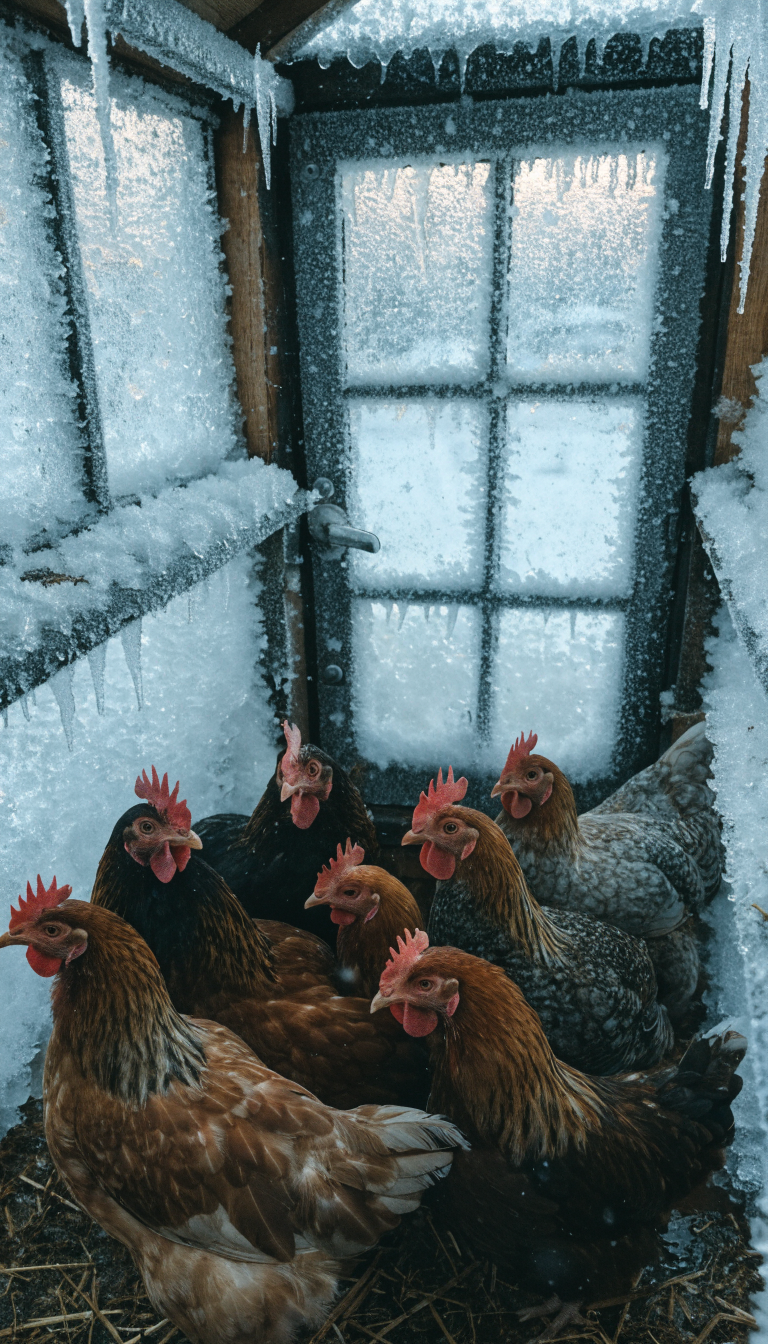
See droplets on cold surfaces? That’s your coop telling you the air holds too much moisture. Condensation often shows up in winter when warm chicken breath meets cold metal, wood, or plastic.
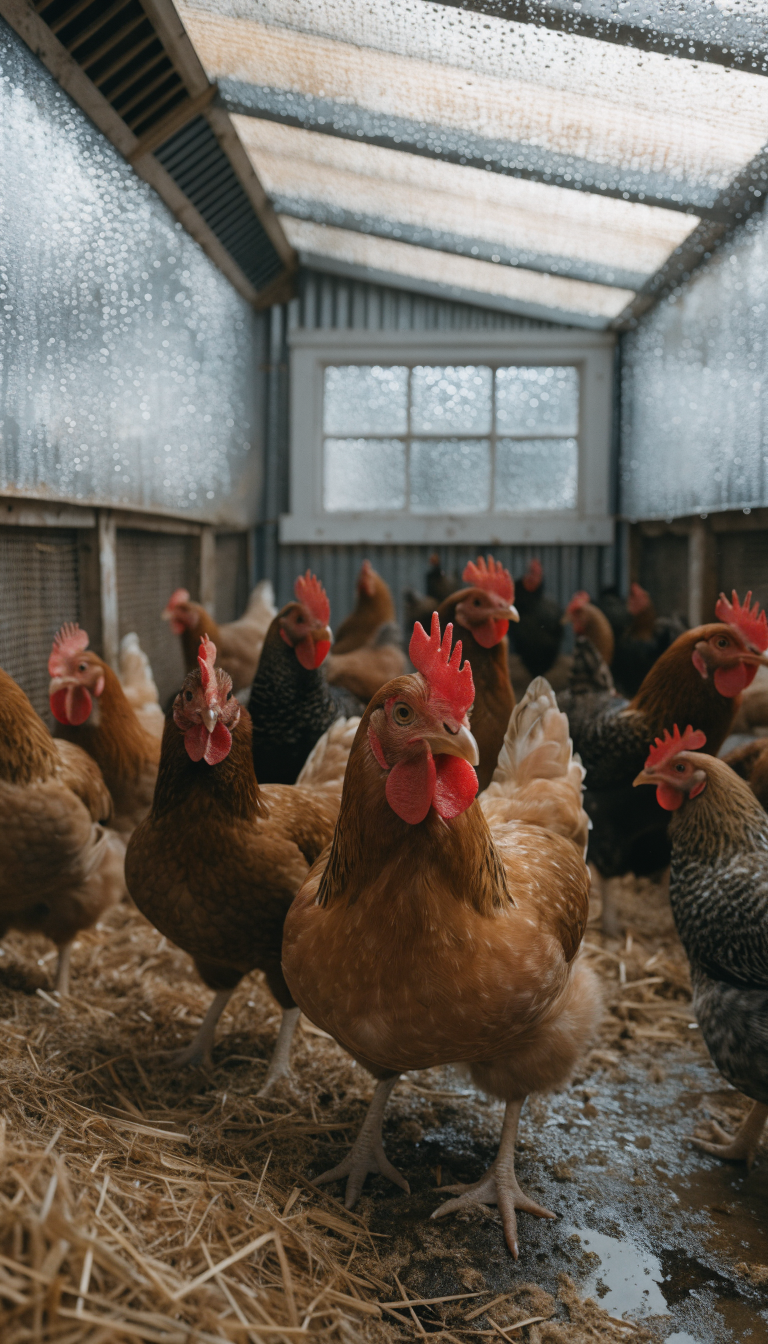
Why it matters: Condensation leads to dripping, wet bedding, and moldy surfaces. It also tells you the coop needs better airflow, not just more insulation.
Fix It Fast
- Add adjustable vents near the roofline
- Keep lower openings protected but not sealed shut
- Use insulation carefully so you don’t trap damp air inside
FYI, ventilation and insulation should work together, not fight each other like stubborn relatives at Thanksgiving.
4. Feathers Look Dirty, Clumpy, or Damp
Chickens should look fluffy and well-groomed, not like they lost a battle with a raincloud. Damp feathers often mean the coop stays too humid or the birds keep brushing against wet bedding and splash zones.
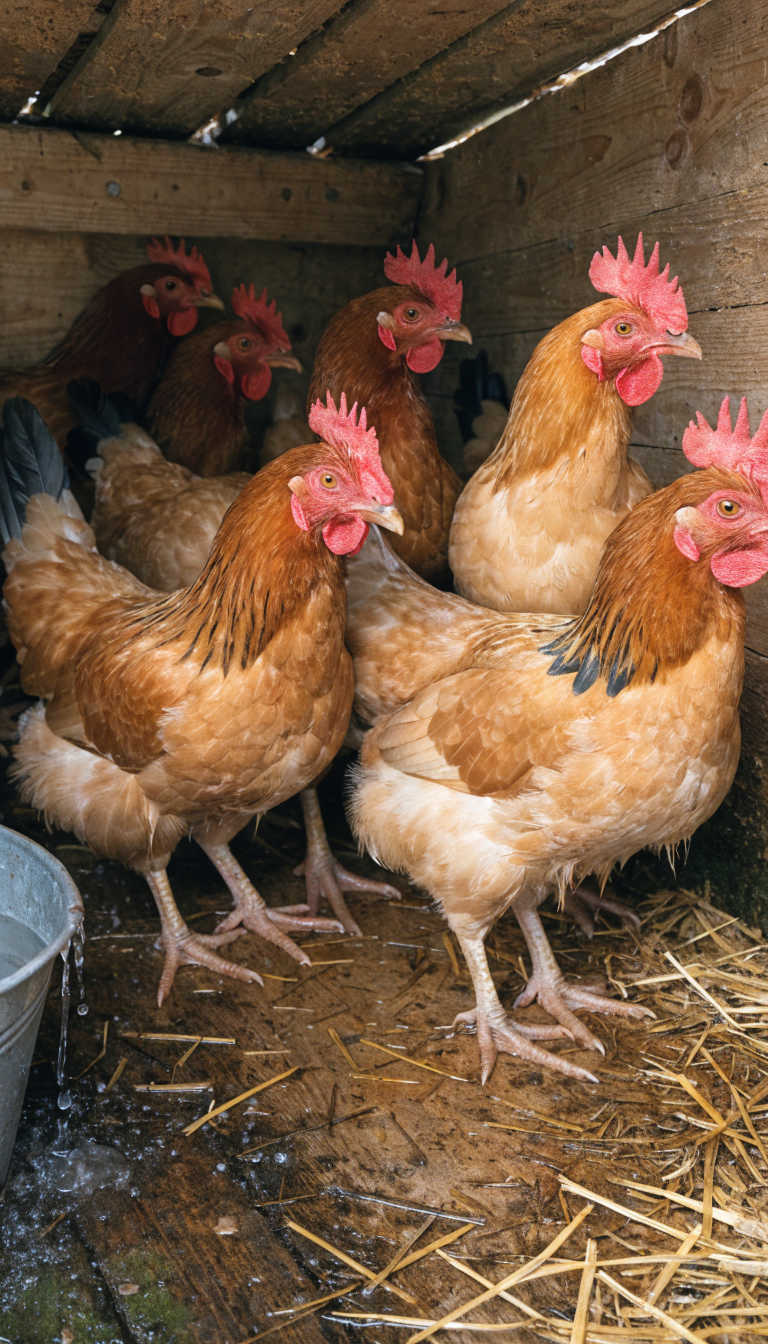
Watch For
- Feathers sticking together around the chest or belly
- Birds huddling away from damp corners
- Feather loss around wet areas from irritation
Fix it: Dry the coop out, replace soggy bedding, and check for leaks around the roof, walls, or water containers. A dry coop helps feathers stay insulating and keeps birds more comfortable.
5. Mold Shows Up on Wood, Bedding, or Feed Containers
Once mold appears, moisture has already won a few rounds. You might spot fuzzy patches, dark staining, or that lovely science-experiment look on wood, corners, or feed bins.
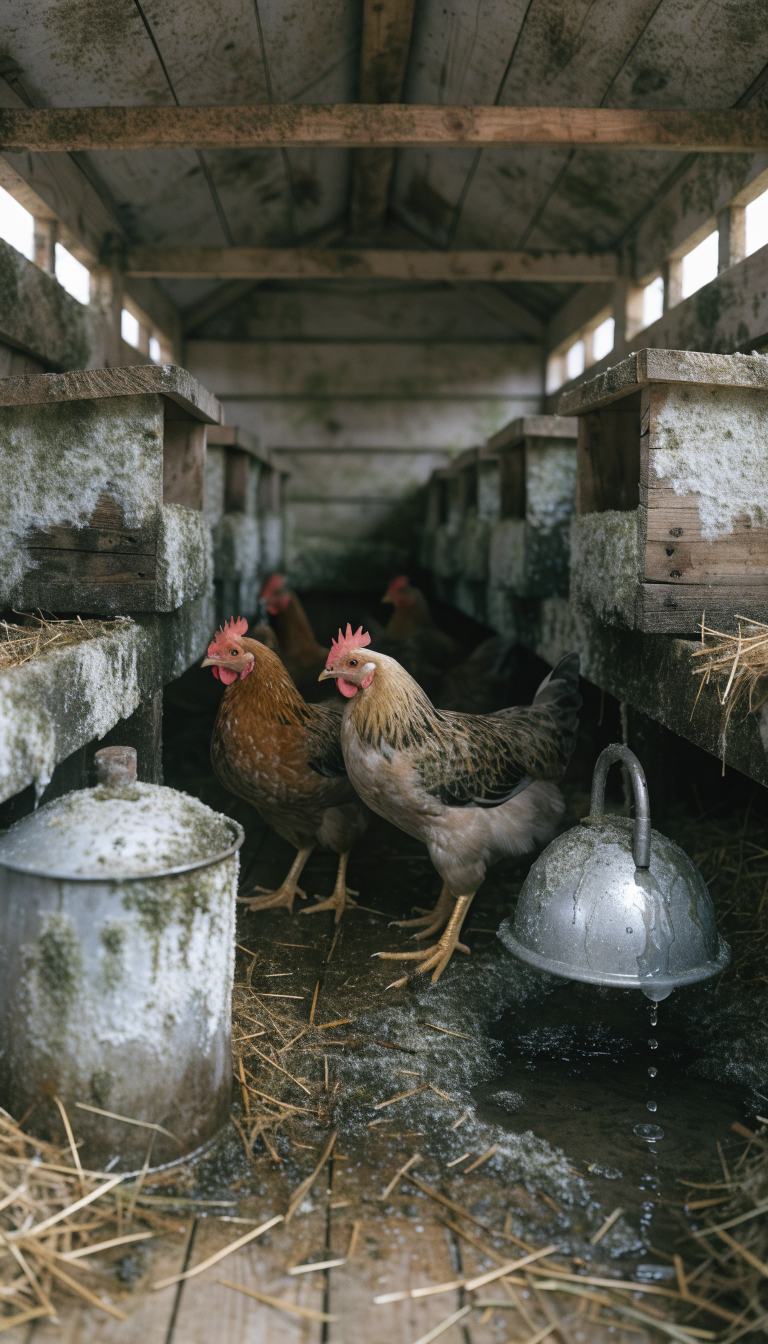
Where Mold Loves to Hide
- Behind nesting boxes
- Under roosts
- Near leaking waterers
- In tightly sealed, poorly ventilated corners
Fix it: Scrub affected surfaces, discard moldy bedding, and keep feed in sealed containers away from damp walls. If the coop stays humid, add more airflow and inspect for leaks every week.
6. Your Chickens Sneeze, Cough, or Seem Extra Irritated
Moisture doesn’t just annoy you; it can bother the flock too. Damp conditions let dust, ammonia, and mold spores hang around longer, which can irritate a chicken’s breathing and eyes.
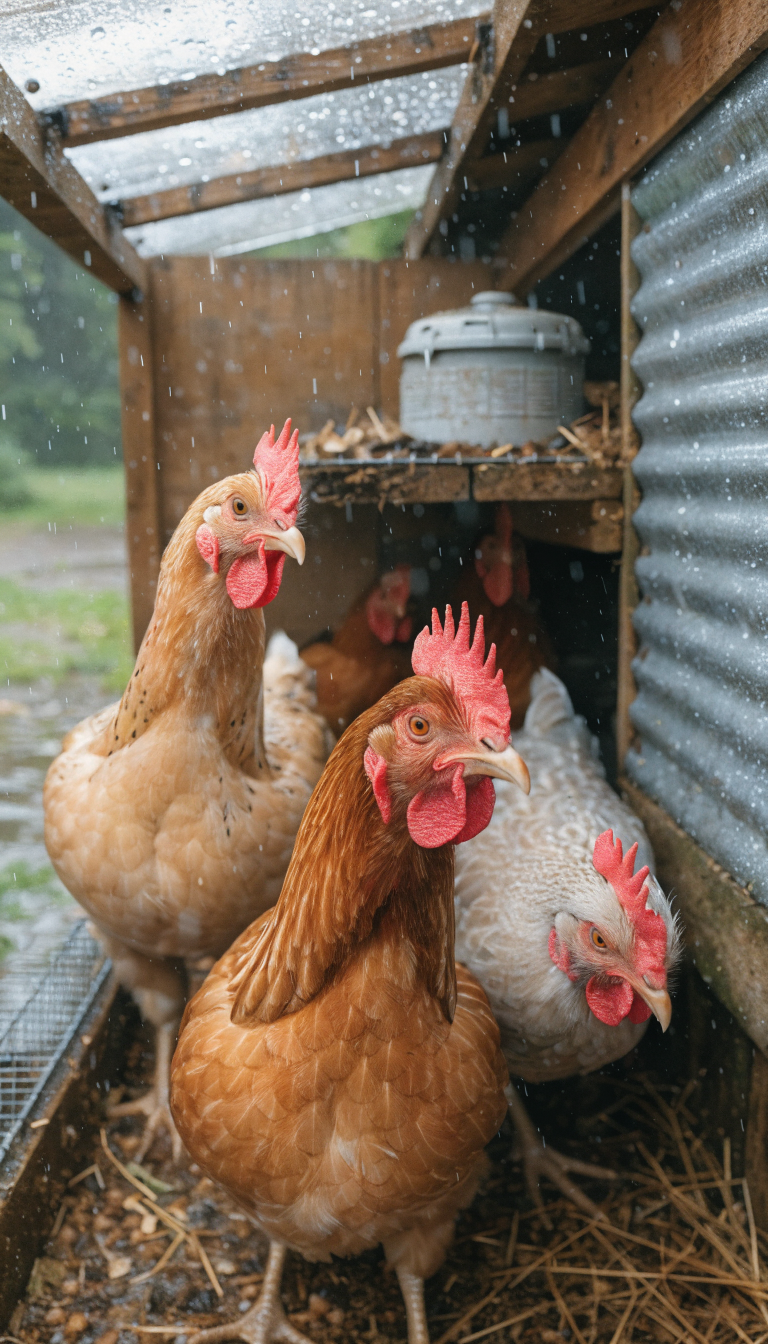
Possible Clues
- Frequent sneezing
- Watery eyes
- Head shaking or beak rubbing
- Noticeable breathing trouble
Fix it: Improve airflow, remove wet litter, and keep feed dry so mold doesn’t spread. If birds keep coughing or struggling, call a poultry-savvy vet because respiratory issues do not need your DIY optimism.
7. Frost Forms Inside the Coop in Cold Weather
Yes, frost indoors sounds dramatic, but it happens when moist air freezes on cold surfaces. That frost later melts and adds even more dampness to the coop floor and bedding. If the floor itself is part of the problem, review these DIY coop flooring options before replacing bedding again. Fun, right? Not really.
Why This Is a Big Deal
- Melting frost soaks bedding
- Wet surfaces increase the risk of frostbite
- Cold, damp air makes birds miserable fast
Fix it: Vent the coop properly so moisture escapes before it freezes. Keep the coop dry enough that warm air from the birds doesn’t turn the whole place into a tiny indoor winter storm.
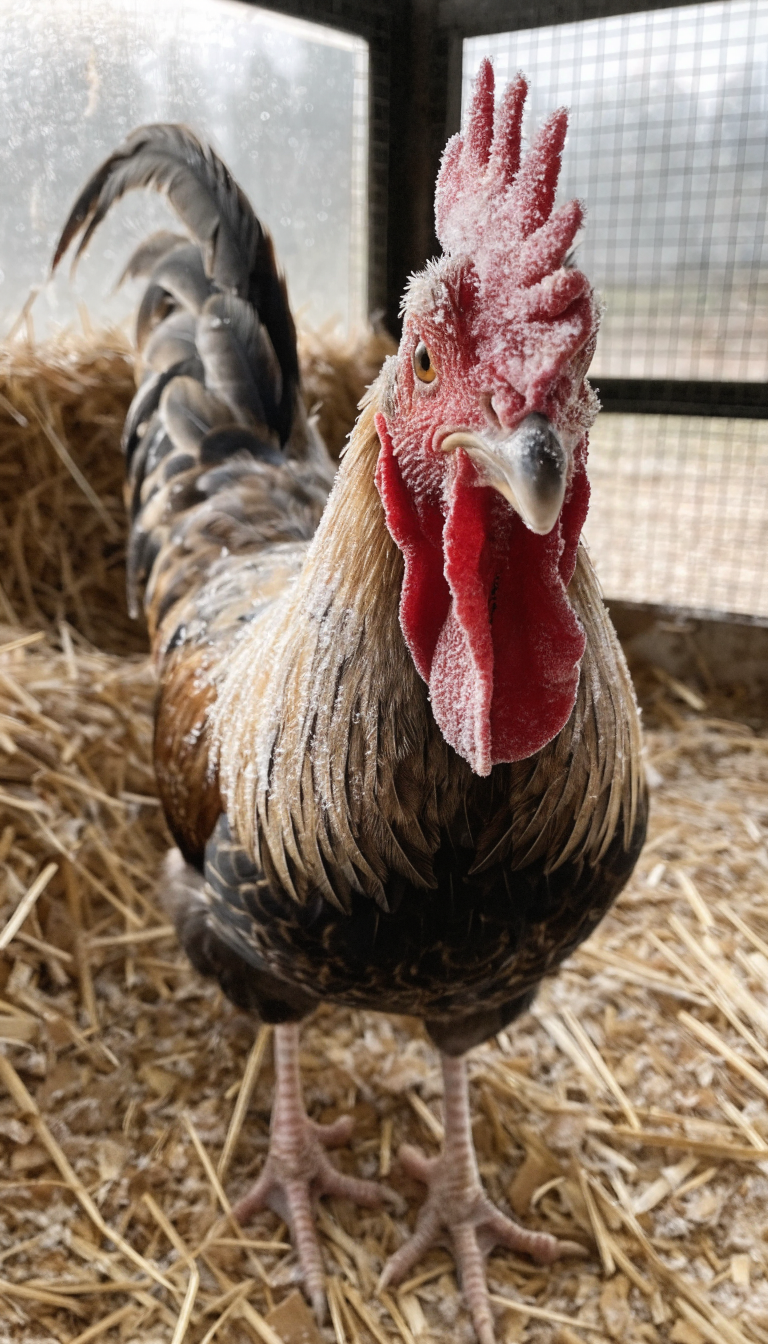
8. Comb and Wattle Tips Look Pale, Chapped, or Damaged
Moisture and cold together can mess with the most exposed parts of a chicken’s body. If combs and wattles look pale, rough, or blistered, frostbite may already be creeping in.
Important Note
Large combs and wattles need extra attention in freezing weather because they lose heat fast. Damp air, drafts, and wet roosting areas make the problem worse.
Fix it: Keep the coop dry, use deep dry bedding, and avoid sealing the space so tightly that humidity builds up. Dry air plus good ventilation gives your birds a much better shot at staying warm.
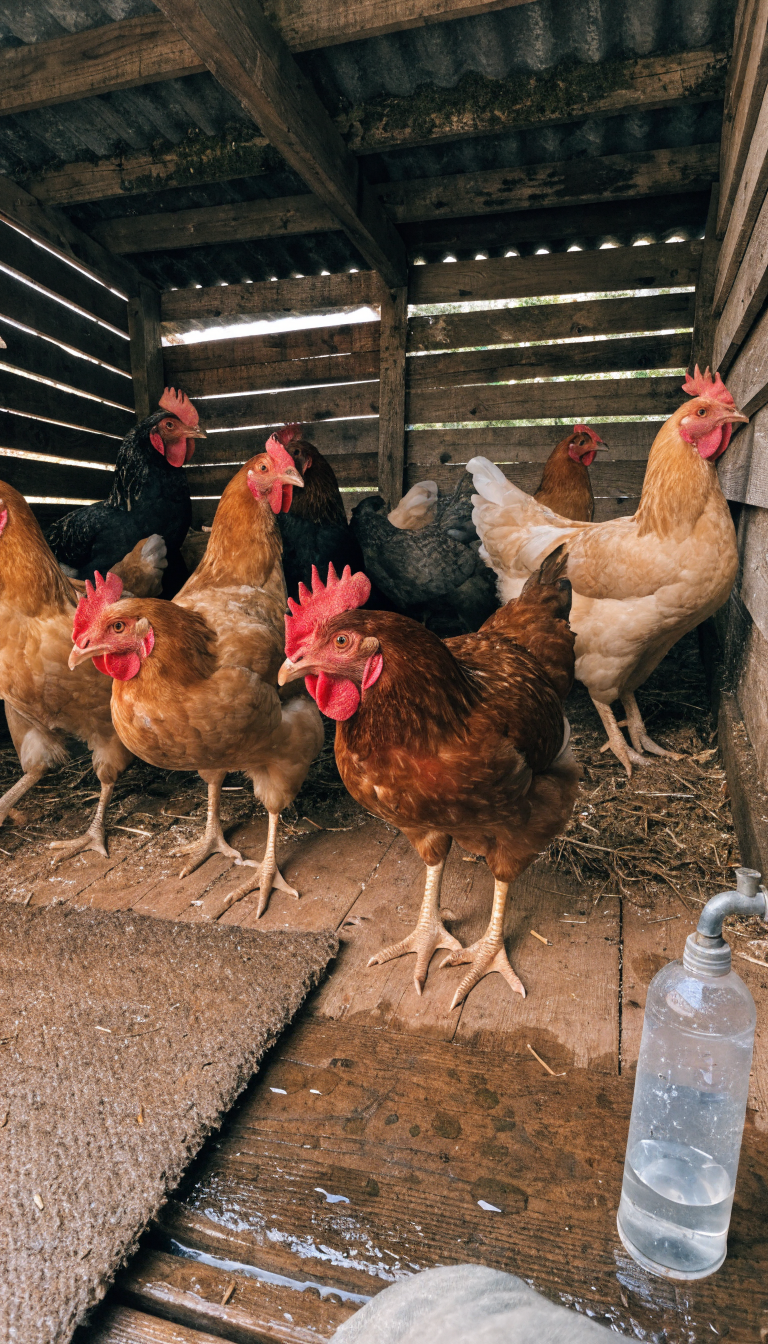
9. The Coop Floor Feels Spongy or Damp Underfoot
If the floor feels soft, cool, or squishy, moisture has seeped deep into the setup. That usually means repeated leaks, spilled water, or bedding that never gets fully replaced.
Try This Check
- Walk the coop after watering the birds
- Look for soft wood or stained spots
- Check beneath mats or removable flooring
Fix it: Repair leaks, replace damaged boards, and add a moisture-resistant layer where appropriate. IMO, catching floor problems early saves a lot of money and a whole lot of regret.
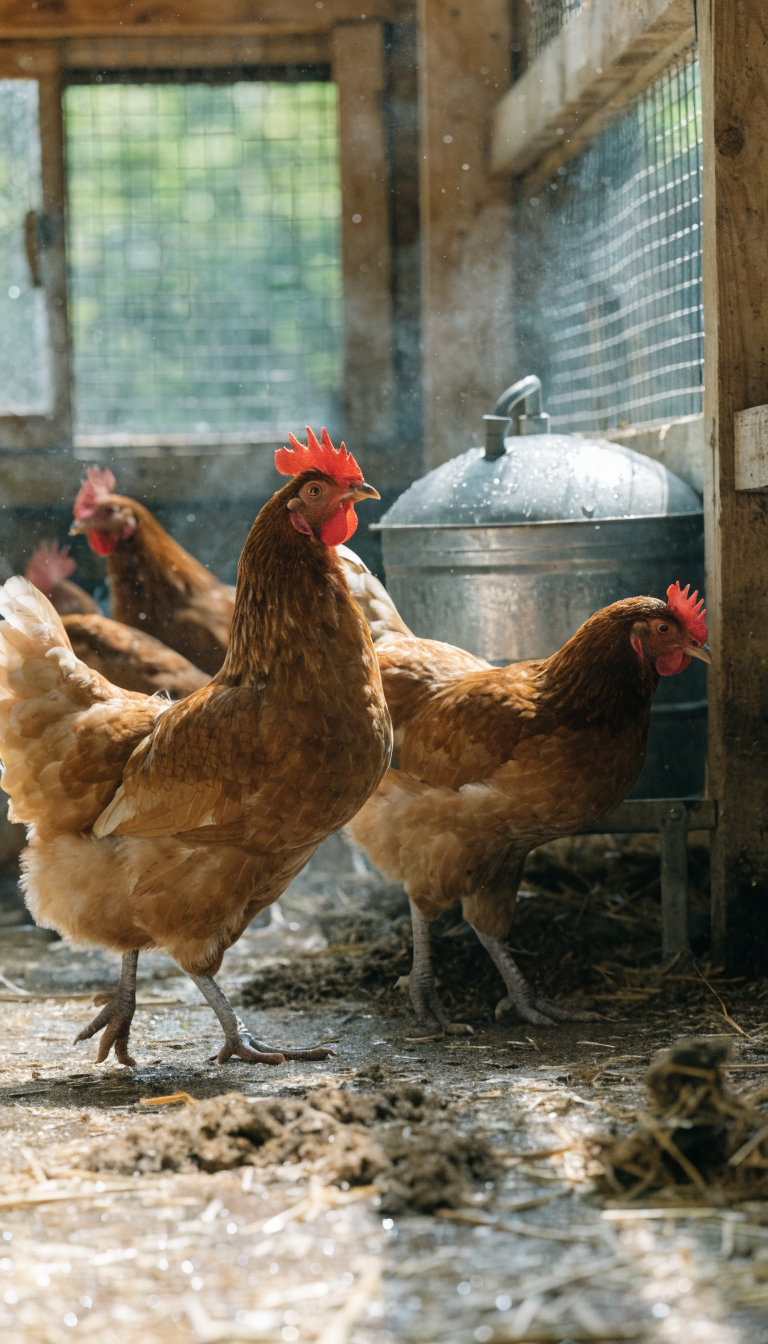
10. The Coop Feels Humid Even on Dry Days
This one sneaks up on people. If the coop still feels sticky or damp when the weather looks fine outside, the moisture probably comes from inside the structure itself.
Common Causes
- Too many birds for the space
- Poor ventilation
- Waterers spilling regularly
- Wet bedding left too long
Fix it: Rebalance flock size, improve airflow, and tighten up your cleaning routine. A coop should feel fresh and breathable, not like it needs a dehumidifier and a pep talk.
Moisture issues rarely fix themselves, but they also rarely win when you stay on top of them. Watch for the warning signs, make small changes early, and your hens will stay drier, healthier, and a lot less dramatic all winter long.
Share this content: