Best Chicken Breeds for Beginners: 25 Breeds Compared
The best chicken breeds for most beginners are Buff Orpington, Australorp, Plymouth Rock, Rhode Island Red, and Easter Egger. These breeds balance friendly temperaments, reliable egg laying, backyard hardiness, and manageable care needs.
If you want the safest first flock, start with Buff Orpingtons or Plymouth Rocks. If eggs are your top priority, choose Australorps, Rhode Island Reds, or ISA Browns. If you want colorful eggs, add Easter Eggers or Ameraucanas.
The rest of this guide compares 25 popular backyard breeds across eggs, temperament, climate, space, and beginner-friendliness so you can match a breed to your yard, your weather, and your goals. Once you pick a breed, use this raising chickens for the first time guide to avoid the common setup mistakes.
The Best Chicken Breeds Overall
Skim this list if you want a fast recommendation:
- Best overall: Buff Orpington
- Best egg layer: Australorp
- Best hardy beginner bird: Plymouth Rock
- Best productive brown egg layer: Rhode Island Red
- Best colorful egg breed: Easter Egger
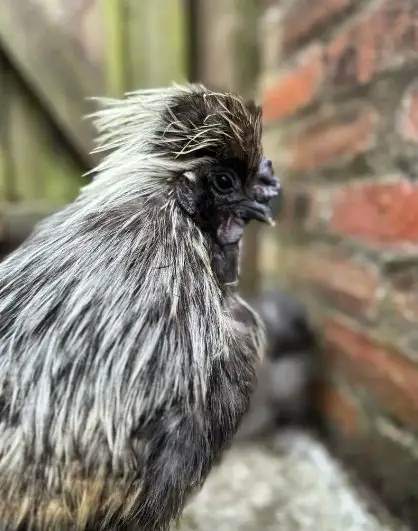
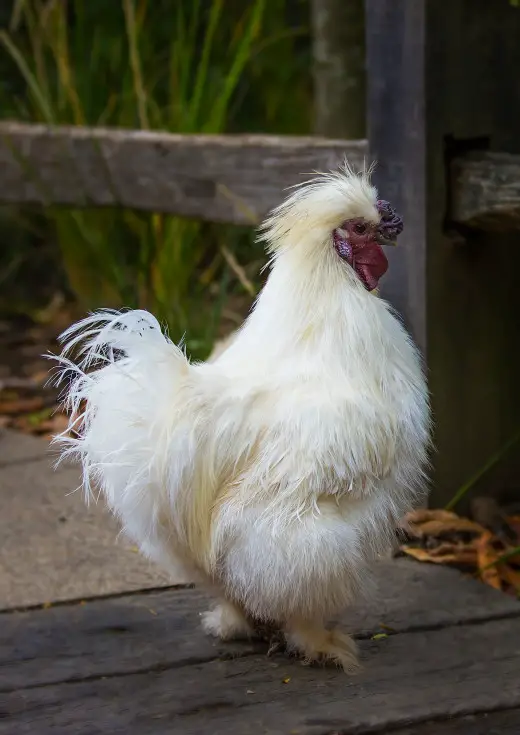
- Best for kids: Buff Orpington or Silkie
- Best for small backyards: Bantam Australorp or Silkie
- Best for cold climates: Wyandotte or Plymouth Rock
- Best for hot climates: Leghorn or Easter Egger
- Best dual-purpose breed: Plymouth Rock or Delaware
Already know your situation? You may also want our guides to small backyard chicken breeds, dual-purpose chicken breeds, chickens for kids, and heat-hardy chicken breeds.
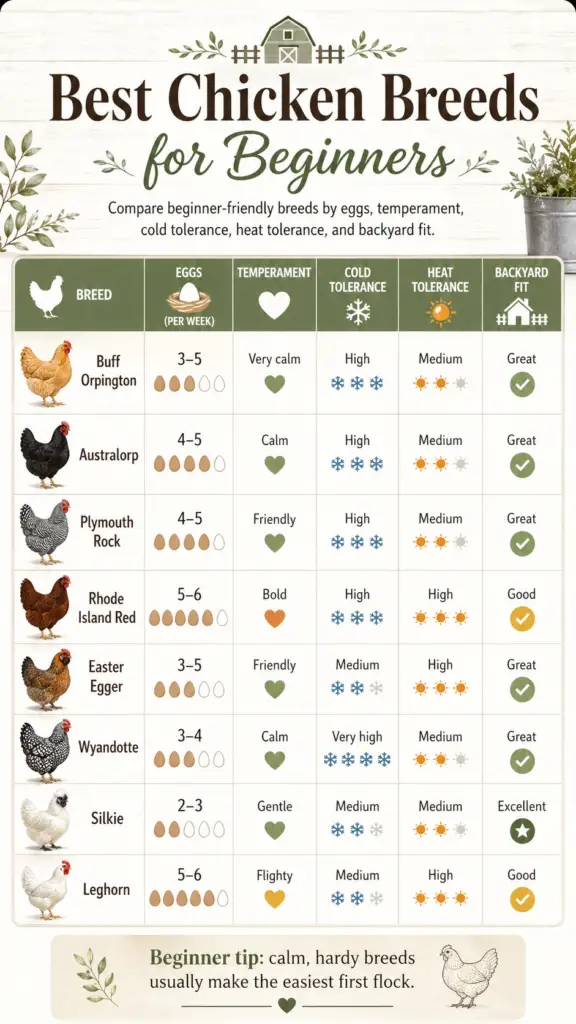
This chicken breed comparison chart summarizes the best beginner-friendly breeds by eggs per week, temperament, cold tolerance, heat tolerance, and backyard fit. Buff Orpington, Australorp, Plymouth Rock, Rhode Island Red, Easter Egger, Wyandotte, Silkie, and Leghorn are compared so new chicken keepers can quickly choose a breed that matches their space, climate, and egg goals.
Best Chicken Breeds Comparison Table (25 Backyard Breeds)
This table is the fastest way to compare. Egg numbers are typical ranges for healthy, well-fed hens in their first two laying years. Real production varies by strain, age, daylight, season, feed, and health.
| Breed | Best For | Eggs / Week | Egg Color | Temperament | Heat Tolerance | Cold Tolerance | Small Backyard Fit | Beginner Score |
|---|---|---|---|---|---|---|---|---|
| Buff Orpington | Best overall beginner breed | 3–5 | Brown | Very calm, cuddly | Medium | High | Good | 10/10 |
| Australorp | Best all-around egg layer | 4–5 | Light brown | Calm, easygoing | Medium | High | Good | 9/10 |
| Plymouth Rock | Best hardy backyard breed | 4–5 | Brown | Friendly, steady | Medium | High | Good | 9/10 |
| Rhode Island Red | Best productive brown egg layer | 5–6 | Brown | Confident, sometimes pushy | High | High | Medium | 8/10 |
| Easter Egger | Best colorful egg starter | 3–5 | Blue, green, tinted, or brown | Curious, friendly | High | Medium | Good | 8/10 |
| Wyandotte | Best cold-climate beginner bird | 3–4 | Brown | Independent, calm | Medium | Very High | Good | 8/10 |
| Silkie | Best small-yard pet | 2–3 | Cream / tinted | Gentle, very docile | Medium | Medium | Excellent | 9/10 (as pet) |
| Leghorn | Best high-volume layer | 5–6 | White | Active, flighty | High | Medium | Medium | 6/10 |
| ISA Brown | Best hybrid layer for eggs | 5–6 | Brown | Calm, friendly | Medium | Medium | Good | 8/10 |
| Golden Comet | Best beginner-friendly hybrid | 5–6 | Brown | Calm, sweet | Medium | Medium | Good | 8/10 |
| Brahma | Best gentle giant for cold | 3–4 | Brown | Calm, slow-moving | Low–Medium | Very High | Medium | 8/10 |
| Cochin | Best feather-footed pet | 2–3 | Brown | Sweet, broody | Low | Very High | Good | 7/10 |
| Speckled Sussex | Best dual-purpose with personality | 4–5 | Cream / brown | Friendly, curious | Medium | High | Good | 8/10 |
| Delaware | Best calm dual-purpose | 4–5 | Brown | Calm, friendly | Medium | High | Medium | 8/10 |
| New Hampshire | Best meaty brown egg layer | 3–4 | Brown | Active, can be assertive | Medium | High | Medium | 7/10 |
| Sussex | Best foraging dual-purpose | 4–5 | Cream / light brown | Calm, alert | Medium | High | Good | 8/10 |
| Ameraucana | Best true blue egg layer | 3–4 | True blue | Reserved, friendly | Medium | High | Good | 7/10 |
| Araucana | Best rumpless blue egg breed | 2–3 | Blue | Active, alert | Medium | Medium | Medium | 6/10 |
| Olive Egger | Best olive egg layer | 3–4 | Olive green | Variable, often friendly | Medium | Medium | Good | 7/10 |
| Marans | Best dark chocolate egg layer | 3–4 | Dark brown | Calm, quiet | Medium | High | Medium | 7/10 |
| Welsummer | Best terracotta-egg breed | 3–4 | Dark speckled brown | Friendly, alert | Medium | High | Medium | 7/10 |
| Naked Neck (Turken) | Best hot-climate oddity | 3–4 | Light brown | Calm, hardy | Very High | Medium | Good | 7/10 |
| Andalusian | Best Mediterranean heat layer | 3–4 | White | Active, alert | High | Medium | Medium | 6/10 |
| Bantam Cochin | Best tiny pet for kids | 2–3 (small) | Cream / tinted | Very gentle | Low–Medium | High | Excellent | 8/10 (as pet) |
| Bantam Australorp | Best small-yard layer | 3–4 (small) | Light brown | Calm, friendly | Medium | High | Excellent | 9/10 |
Heat and cold tolerance ratings reflect typical breed characteristics, not guarantees. Housing, ventilation, shade, water, and flock management affect outcomes more than breed alone.
How to Choose the Right Chicken Breed
Picking a breed is mostly about matching the bird to your climate, your space, and what you actually want from your flock. Here is what matters in plain English.
Egg Production
High-production breeds like Leghorn, ISA Brown, and Golden Comet lay the most eggs but are usually flightier and burn out faster. Heritage-style breeds like Australorp and Plymouth Rock lay fewer eggs per year but tend to lay for more years. Hybrid layers are excellent if eggs are the only goal, but they are not always the best fit if you want a long-lived pet hen. Production estimates from Poultry Extension are guidelines, not guarantees.
Temperament
Calm breeds are easier for first-time keepers, easier on kids, and easier in small yards where birds and people share space.
Buff Orpington, Australorp, Plymouth Rock, Cochin, and Silkie consistently land on “friendly” lists. Active Mediterranean breeds like Leghorn or Andalusian lay beautifully but tend to dodge handling.
Climate
Larger-bodied breeds with rose or pea combs (Wyandotte, Brahma, Chantecler) handle cold better and resist frostbite. Lighter-bodied breeds with large single combs (Leghorn, Andalusian) shed heat more easily but suffer in deep cold. Naked Neck birds tolerate heat exceptionally well because they have less feather coverage. The University of Minnesota Extension’s backyard chicken guide covers shelter and ventilation basics that matter as much as breed choice.
Space
Bantams and calm standards work better in small yards. As a rough rule of thumb, plan on at least 3–4 square feet per standard bird inside the coop and 8–10 square feet per bird in the run. Bantams need a bit less. No breed thrives in a cramped coop.
Purpose
Decide what you actually want before you order chicks:
- Eggs only: ISA Brown, Golden Comet, Leghorn, Australorp, Rhode Island Red
- Pets and eggs: Buff Orpington, Plymouth Rock, Speckled Sussex
- Kids: Buff Orpington, Silkie, Plymouth Rock
- Small backyards: Bantam Australorp, Silkie, Easter Egger
- Cold weather: Wyandotte, Brahma, Plymouth Rock
- Hot weather: Leghorn, Naked Neck, Andalusian
- Dual-purpose flocks: Plymouth Rock, Delaware, Sussex, New Hampshire
- Colorful eggs: Easter Egger, Ameraucana, Marans, Welsummer, Olive Egger
Best Overall Chicken Breeds for Beginners
Buff Orpington
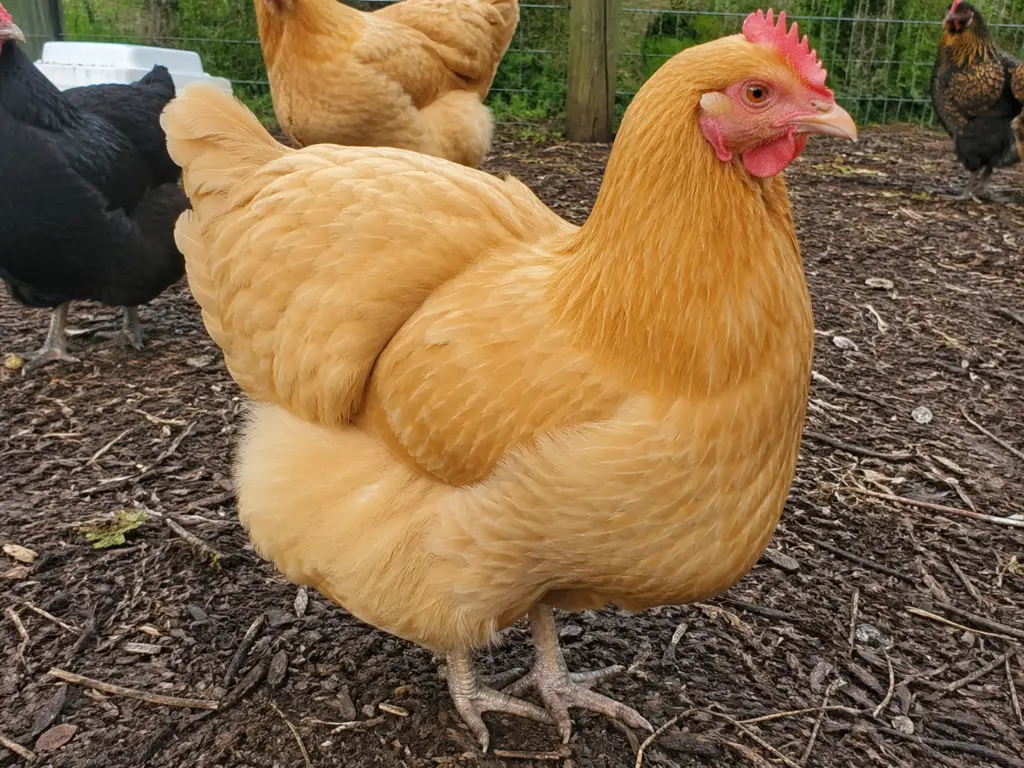
Best for: First-time keepers, families with kids, mixed-breed backyard flocks.
Avoid if: You live somewhere extremely hot with limited shade, or you want maximum egg numbers.
Eggs: 3–5 large brown eggs per week, roughly 150–200 per year.
Temperament: Calm, friendly, often described as the golden retriever of chickens.
Climate: Excellent in cold; tolerable in moderate heat with shade.
Beginner verdict: Top pick. Forgiving of beginner mistakes and easy to handle.
Buff Orpingtons are the breed I would put in almost every starter flock. They tolerate handling, settle in small yards, and stand up to cold winters thanks to their loose, fluffy plumage. They are not the heaviest layers and they can go broody, but those are minor trade-offs for how easygoing they are. For a deeper breakdown, read our guide to the pros and cons of keeping Buff Orpington chickens.
Australorp
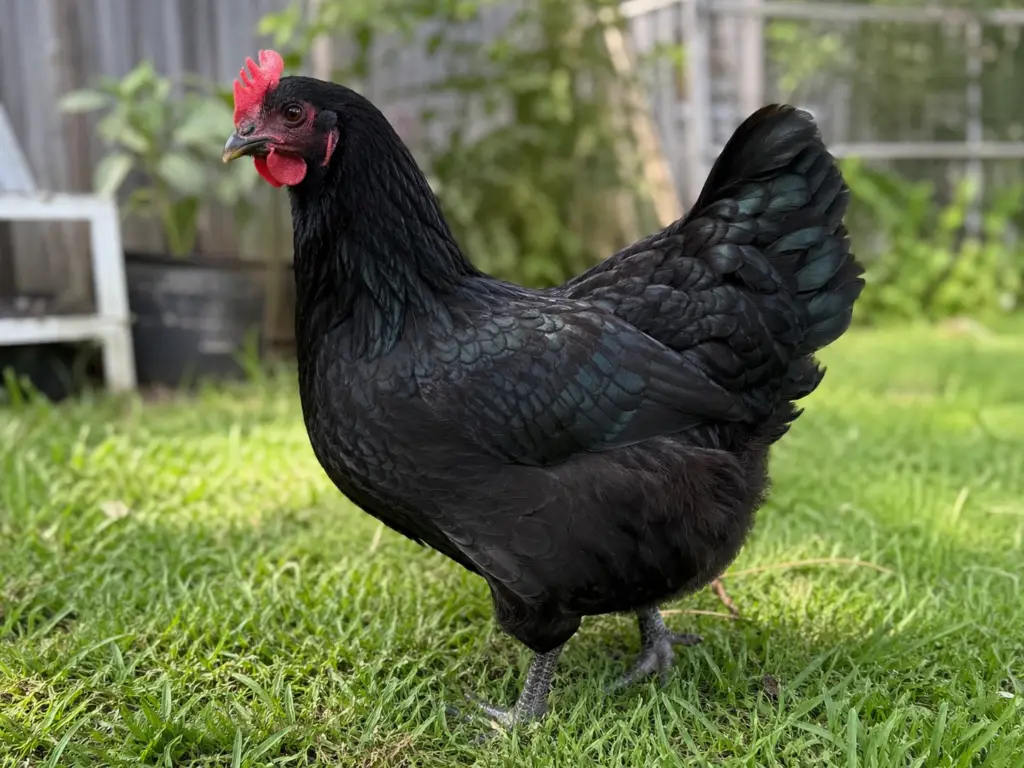
Best for: Beginners who want a calm hen and reliable eggs.
Avoid if: You live in a hot region with no shade. Their black plumage absorbs heat.
Eggs: 4–5 large light-brown eggs per week, often 250+ per year in good conditions.
Temperament: Calm, quiet, easygoing.
Climate: Strong in cold. Needs shade and water in heat.
Beginner verdict: Hard to beat if you want a balanced bird.
According to The Livestock Conservancy, Australorps were developed in Australia from English Orpington stock and bred specifically for laying performance. One famous Australian hen laid 364 eggs in 365 days during a contest. Modern backyard Australorps will not match that, but they are still one of the most consistent heritage-style layers you can buy.
Plymouth Rock (Barred Rock)
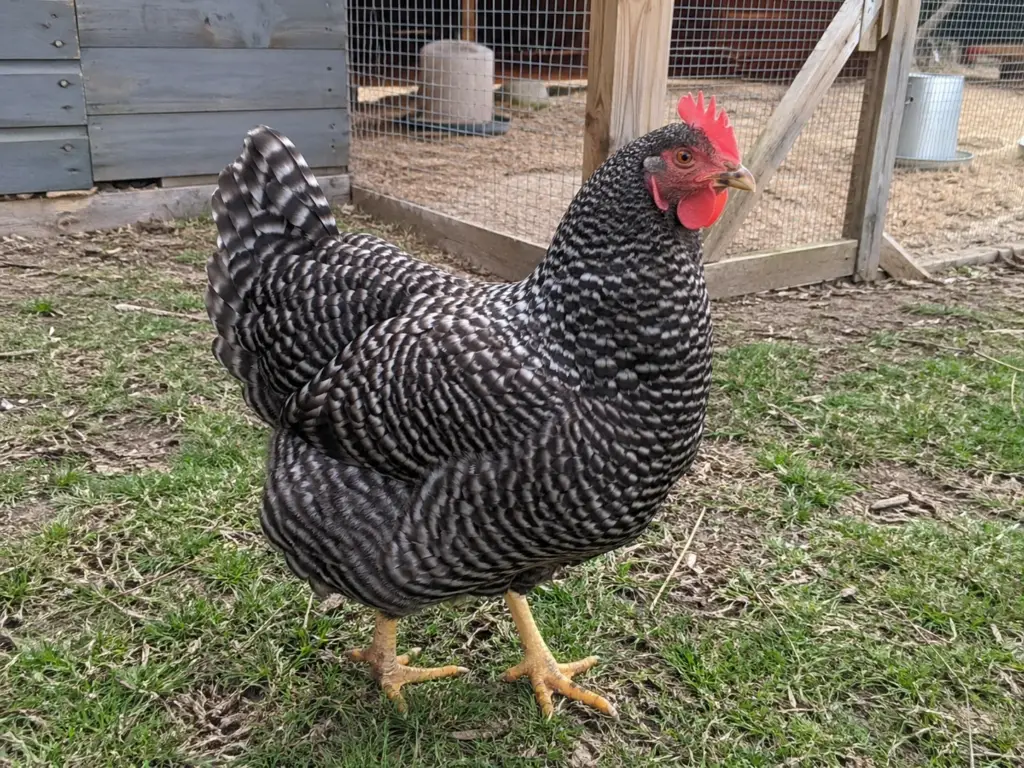
Best for: Beginners who want a hardy, dual-purpose bird.
Avoid if: You want a lap chicken; Rocks are friendly but more independent than Orpingtons.
Eggs: 4–5 large brown eggs per week, around 200–280 per year.
Temperament: Friendly, steady, foragers.
Climate: Excellent cold tolerance. Manages heat reasonably well.
Beginner verdict: The most “no-fuss” backyard breed in the United States.
Plymouth Rocks are the workhorse of American backyard flocks. They forage well, lay through cold winters better than most, and rarely cause flock drama. For a focused breed profile, read our Barred Plymouth Rock pros and cons guide.
Rhode Island Red
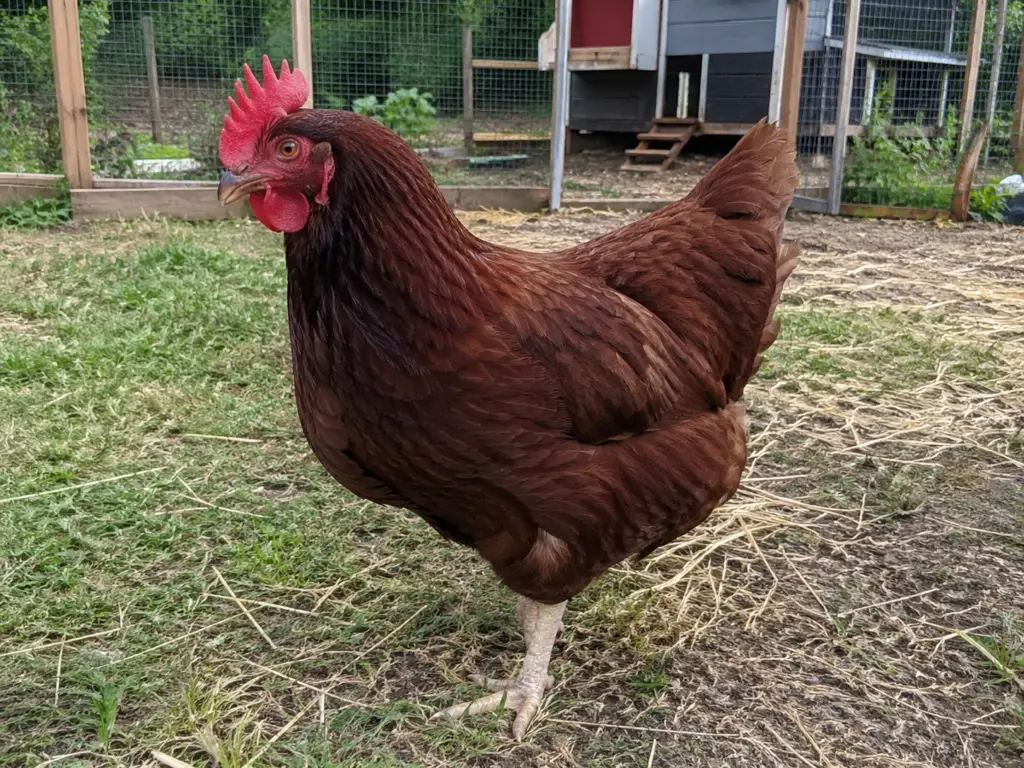
Best for: Keepers who want maximum brown eggs from a heritage-style breed.
Avoid if: You want a calm, cuddly flock; production-line Reds can be assertive and sometimes bully calmer breeds.
Eggs: 5–6 large brown eggs per week, often 250–300 per year.
Temperament: Confident, active, occasionally pushy.
Climate: Tolerates both heat and cold well.
Beginner verdict: Excellent producer. Mix with calm breeds carefully.
Rhode Island Reds earn their reputation, but the production strains sold by most hatcheries are not the same calm heritage Reds described in old poultry books. If you mix Reds with Silkies or Cochins, watch flock dynamics for the first few weeks.
Easter Egger
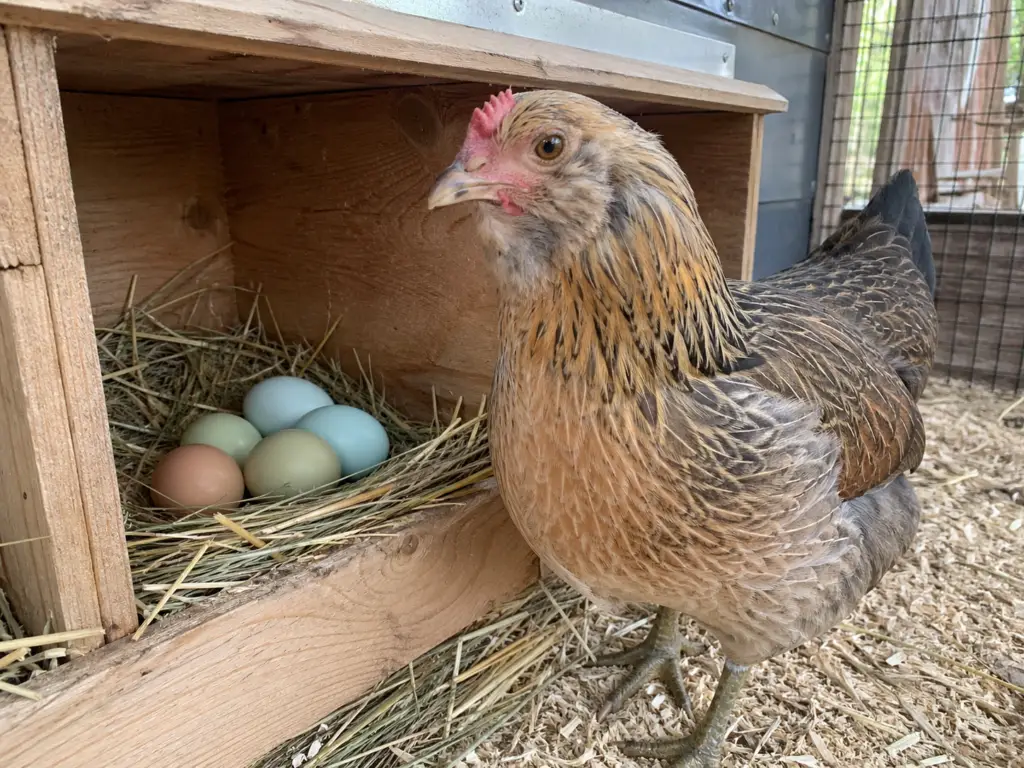
Best for: Backyard keepers who want colorful eggs without a deep dive into breed standards.
Avoid if: You want guaranteed blue eggs from a recognized breed.
Eggs: 3–5 medium-to-large eggs per week in blue, green, tinted, or brown.
Temperament: Curious, friendly, varies because they are not a standardized breed.
Climate: Good in heat, decent in cold.
Beginner verdict: Fun, hardy, and a great way to add egg basket variety.
Easter Eggers are not a true breed. They are a mixed-genetics bird carrying the blue-egg gene, usually crossed from Ameraucana or Araucana stock. That is why their eggs and looks vary so much. If blue eggs are your goal, compare Easter Egger vs. Ameraucana vs. Araucana before buying chicks.
Best Chicken Breeds by Goal
Best Chicken Breeds for Eggs
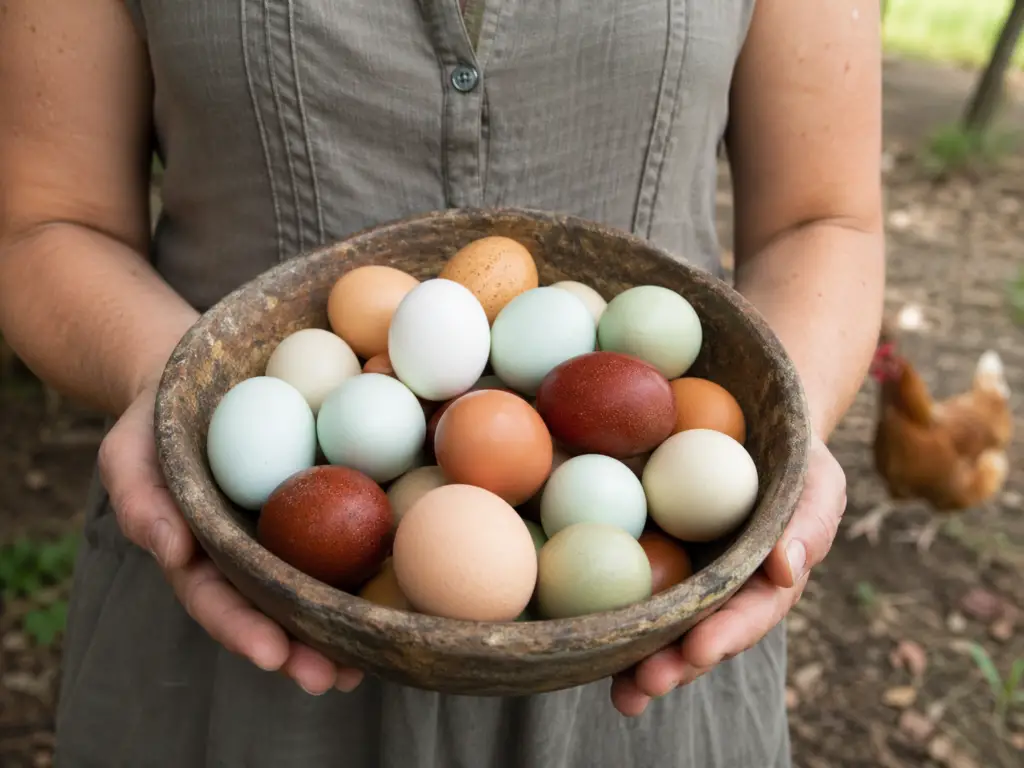
If eggs are the primary goal, these breeds consistently deliver:
| Breed | Eggs / Year (Estimate) | Egg Color | Notes |
|---|---|---|---|
| ISA Brown | 300+ | Brown | Hybrid; lays heavily for 1–2 years, then drops sharply. |
| Golden Comet | 280–320 | Brown | Hybrid; sweet temperament, similar laying curve to ISA Brown. |
| Leghorn | 280–320 | White | Top white-egg layer. Active and flighty. |
| Australorp | 250–280 | Light brown | Best heritage-style layer. |
| Rhode Island Red | 250–300 | Brown | Hardy and productive. |
| Plymouth Rock | 200–280 | Brown | Slightly fewer eggs but lays for more years. |
Hybrids out-lay heritage breeds short term but typically slow down faster. If you want eggs into year four or five, lean toward Plymouth Rock or Australorp.
Best Friendly Chicken Breeds
For lap chickens and quiet backyard birds: Buff Orpington, Australorp, Plymouth Rock, Speckled Sussex, Silkie, and Cochin. These breeds tolerate handling, rarely panic, and are the easiest to integrate into a family flock.
Best Chicken Breeds for Kids
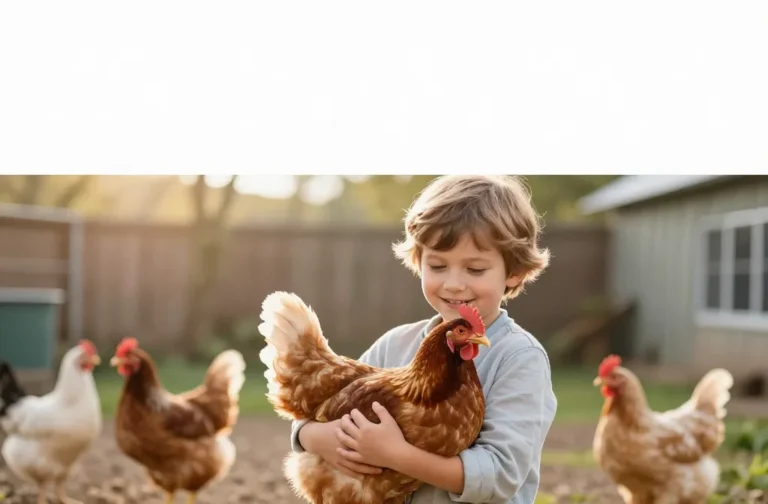
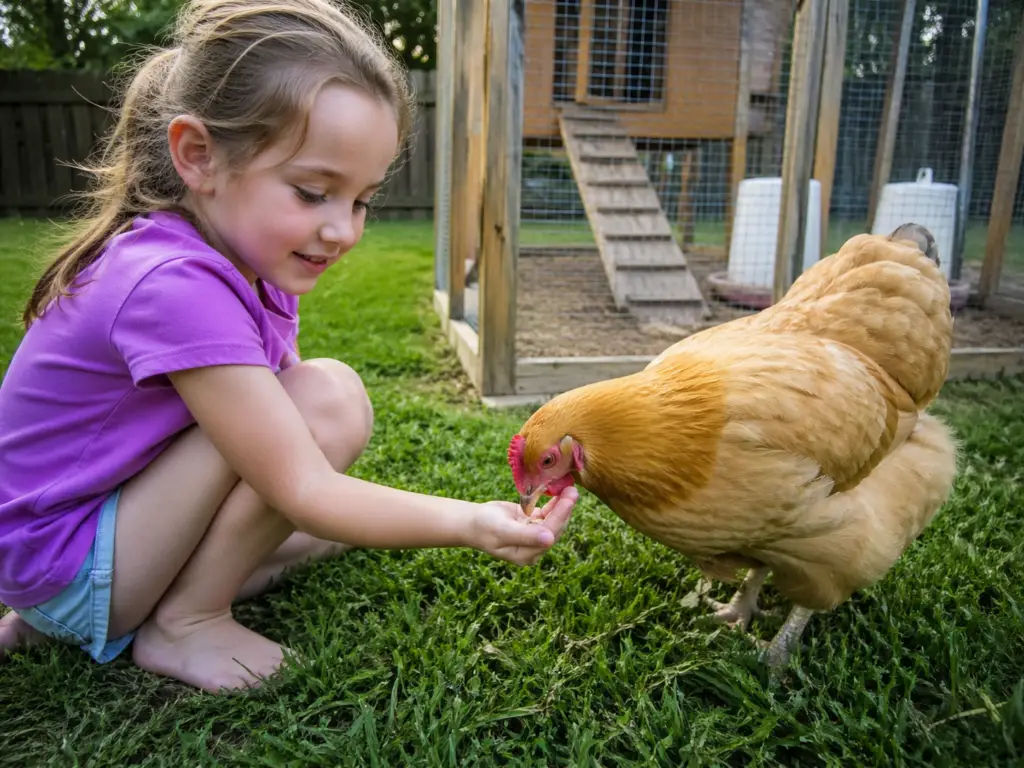
If kids will help with chores: Buff Orpington, Silkie, Plymouth Rock, Australorp, and Wyandotte. Avoid flighty Mediterranean layers in this scenario. For a deeper list, see our 5 best chickens for kids guide.
If you want a chicken your kids can help feed without chaos every morning, Buff Orpingtons and Plymouth Rocks are safer picks than Leghorns. Leghorns are fantastic layers, but they are usually more active and dodge being held.
Best Chicken Breeds for Small Backyards
Bantam Australorp, Silkie, Bantam Cochin, Easter Egger, Plymouth Rock, and ISA Brown are the most realistic picks. Bantams need less space, eat less, and are quieter. Silkies in particular do well in small enclosed runs. For urban-style flocks, read our guide to chicken breeds for small backyards.
Best Chicken Breeds for Hot Climates
Leghorn, Easter Egger, Rhode Island Red, Andalusian, and Naked Neck handle heat well. Lighter bodies and larger combs help dump heat. Dark, fluffy, feather-footed breeds (Australorp, Cochin, Brahma) struggle in hot, humid weather without serious shade and ventilation. If you live in a hot, humid state, see our Florida heat and humidity chicken breed guide.
Best Chicken Breeds for Cold Climates
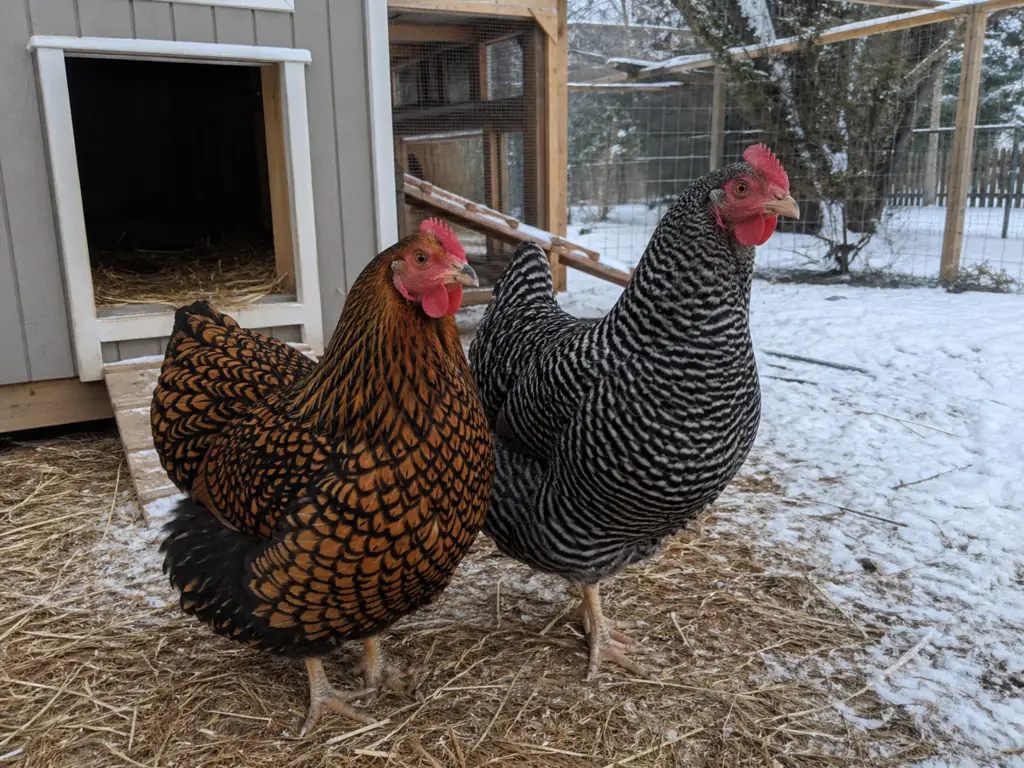
Wyandotte, Plymouth Rock, Buff Orpington, Australorp, Brahma, and Chantecler are the standouts. Rose and pea combs resist frostbite, and dense feathering keeps body heat in. For winter laying performance, see our 11 best winter egg laying chickens roundup.
Best Dual-Purpose Chicken Breeds
Plymouth Rock, Rhode Island Red, Delaware, New Hampshire, Sussex, Wyandotte, and Orpington are the classic dual-purpose breeds. They lay enough eggs to justify keeping and grow large enough to be useful as table birds. For the deeper list, see our 12 best dual-purpose chicken breeds for eggs and meat.
Best Chicken Breeds for Colorful Eggs
Easter Egger (blue, green, tinted), Ameraucana (true blue), Araucana (blue, rumpless), Olive Egger (olive green), Marans (dark chocolate brown), and Welsummer (terracotta with speckles). A flock of three or four of these gives you a rainbow egg basket without sacrificing too much production.
Backyard Beginner Score: How We Rated Each Breed
Generic breed lists are a dime a dozen. To make this article more useful (and quotable), every breed gets a Backyard Beginner Score out of 100 based on six categories:
| Category | Points |
|---|---|
| Beginner friendliness | 25 |
| Egg production | 20 |
| Temperament | 20 |
| Climate hardiness | 15 |
| Small backyard suitability | 10 |
| Availability | 10 |
| Total | 100 |
Backyard Beginner Score: Top 15 Breeds
| Breed | Beginner | Eggs | Temperament | Climate | Space | Availability | Total |
|---|---|---|---|---|---|---|---|
| Buff Orpington | 25 | 16 | 20 | 13 | 8 | 9 | 91 |
| Australorp | 23 | 19 | 18 | 13 | 8 | 9 | 90 |
| Plymouth Rock | 23 | 18 | 18 | 14 | 8 | 9 | 90 |
| Bantam Australorp | 22 | 14 | 18 | 13 | 10 | 7 | 84 |
| Speckled Sussex | 22 | 17 | 18 | 12 | 8 | 6 | 83 |
| Easter Egger | 20 | 16 | 17 | 11 | 9 | 9 | 82 |
| Wyandotte | 20 | 15 | 16 | 14 | 8 | 8 | 81 |
| Rhode Island Red | 19 | 19 | 14 | 13 | 7 | 9 | 81 |
| ISA Brown | 22 | 20 | 17 | 10 | 8 | 8 | 85 |
| Golden Comet | 22 | 20 | 17 | 10 | 8 | 8 | 85 |
| Silkie | 23 | 10 | 20 | 11 | 10 | 9 | 83 |
| Brahma | 20 | 14 | 18 | 14 | 6 | 7 | 79 |
| Delaware | 20 | 17 | 17 | 13 | 7 | 5 | 79 |
| Cochin | 22 | 10 | 19 | 13 | 8 | 7 | 79 |
| Leghorn | 15 | 20 | 10 | 11 | 7 | 10 | 73 |
Scores are based on backyard suitability, not show standards. Individual birds can vary by hatchery line, handling, housing, climate, and flock dynamics.
Quick Answers Block
- Best overall chicken breed for beginners: Buff Orpington.
- Best chicken breed for eggs: Australorp or Rhode Island Red (heritage), ISA Brown or Golden Comet (hybrid).
- Best chicken breed for kids: Buff Orpington or Silkie.
- Best chicken breed for small backyards: Bantam Australorp or Silkie.
- Best chicken breed for colorful eggs: Easter Egger.
- Best chicken breed for cold climates: Wyandotte or Plymouth Rock.
- Best chicken breed for hot climates: Leghorn or Naked Neck.
Frequently Asked Questions
What is the best chicken breed for beginners?
The best chicken breeds for beginners are Buff Orpington, Plymouth Rock, and Australorp. They are calm, cold-hardy, and lay reliably without needing advanced care. Buff Orpington is usually the safest first pick because it tolerates handling well and adapts to small backyards.
What chicken breed lays the most eggs?
ISA Brown, Golden Comet, and Leghorn typically lay the most eggs, often 280 to 320 eggs per year in good conditions. Australorp and Rhode Island Red are the top heritage-style layers. Exact production varies by strain, age, season, daylight, feed, and health.
What is the friendliest chicken breed?
Buff Orpington is widely considered the friendliest standard breed. Silkie, Australorp, Cochin, and Speckled Sussex are also known for calm, people-oriented personalities. Individual temperament varies, but these breeds are consistently easier to handle than flighty high-production layers.
What chicken breed is best for kids?
Buff Orpington and Silkie are the most popular choices for kids because they are calm and tolerate gentle handling. Plymouth Rock and Australorp are also good family birds. Avoid flighty breeds like Leghorn if young children will be helping with chores.
What chicken breed is best for small backyards?
Bantam Australorp, Silkie, Bantam Cochin, and Easter Egger work well in small yards. Calm standard breeds like Plymouth Rock and ISA Brown also adapt to limited space if coop and run sizing is right. All chickens still need proper coop, run, and ventilation.
What chicken breed is best for hot climates?
Leghorn, Easter Egger, Rhode Island Red, Andalusian, and Naked Neck handle heat better than heavy, dark, or feather-footed breeds. Lighter bodies and larger combs help dissipate heat. All chickens still need shade, deep ventilation, and constant cool water in hot weather.
What chicken breed is best for cold climates?
Wyandotte, Plymouth Rock, Buff Orpington, Brahma, and Australorp handle cold winters well. Rose combs, pea combs, and dense feathering reduce frostbite risk. Provide a dry, draft-free coop with good ventilation. Single-comb breeds may need petroleum jelly on combs in deep cold.
What is the best chicken breed for colorful eggs?
Easter Egger is the easiest colorful-egg starter, laying blue, green, or tinted eggs. Ameraucana and Araucana lay true blue eggs. Olive Egger lays olive green. Marans lay dark chocolate brown, and Welsummer lays terracotta with speckles.
Final Recommendation: My Beginner Flock of Five
If I were building a beginner flock from scratch, I would start with two Buff Orpingtons, two Plymouth Rocks, and one Easter Egger. That mix gives you calm personalities, reliable brown eggs, a splash of colorful eggs, and a flock that almost manages itself once it settles. Add a Silkie if kids are involved. Add a Wyandotte if you live somewhere genuinely cold. Add a Leghorn or ISA Brown if you mainly want eggs and you do not mind a flightier bird. Before you lock in a flock size, check how many hens your town actually allows, since some cities tie the limit to your lot size, as our guide to backyard chickens in Tampa explains.
Whatever you pick, remember that the coop, the run, and your daily attention matter more than the breed badge on the chick label. A well-housed Leghorn will out-lay a stressed Australorp every time.
Sources and Further Reading
- Poultry Extension: Selecting a chicken breed for small or backyard poultry flocks
- University of Minnesota Extension: Raising chickens for eggs
- Mississippi State Extension: Choosing the right breed for your backyard flock
- Ohio State Extension: Chicken breed selection
- The Livestock Conservancy: Australorp breed page
This guide is updated periodically as new extension research, hatchery data, and reader feedback come in. If your favorite backyard breed is missing, drop a comment and we will consider it for the next revision.
Share this content: