Should You Stop Free-Ranging During Bird Flu Season Try This Instead
Your hens love their yard time. You love the quiet when they’re busy demolishing bugs. But bird flu headlines keep popping up, and suddenly that open gate feels like a risky move. So… should you stop free-ranging during bird flu season? Short answer: probably, or at least tweak your setup for a while. Let’s break it down without the doom spiral.
What “Bird Flu Season” Actually Means
Bird flu (avian influenza) usually surges during migration periods when wild waterfowl move through and shed the virus in droppings, water, and on surfaces. That contamination can land anywhere: your lawn, the pond edge, your shoes, your birds’ run.
Think of migration windows as higher-risk times, not year-round panic mode. You don’t need to bubble-wrap your coop. But you do need a smarter plan for those months.
The Big Question: Free-Range or Lock Down?
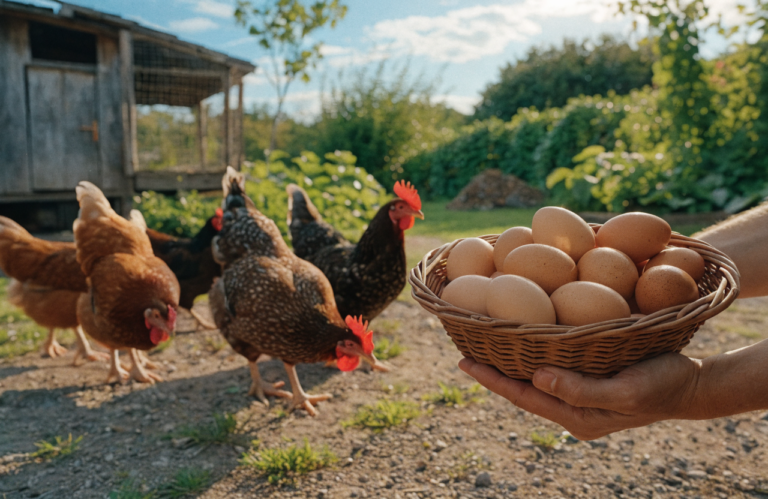
If bird flu is active in your region, I’d pause full free-ranging. Not forever—just while risk runs hot. Why? Because free-ranging increases contact with wild-bird droppings and contaminated puddles. That’s the main risk vector.
If your local risk is low and you want to compromise, consider “supervised roaming” in a cleaned, dry, contained area. But if migrating ducks love your yard? Yeah, call it and keep the gate closed for now.
Quick Risk Check
- High risk: You’re near ponds, rivers, or wetlands. Wild waterfowl visit your property. Local cases reported recently.
- Moderate risk: Occasional wild birds, but not many waterfowl. No recent local cases, but regional alerts exist.
- Lower risk: Urban or fenced yard with minimal wild-bird presence. Dry ground. No active cases nearby.
Smart Alternatives to Full Free-Range
You can protect your flock and keep them (mostly) happy. Replace open roaming with enrichment and controlled exposure. Chickens care about novelty more than real estate, IMO.
Upgrade the Run
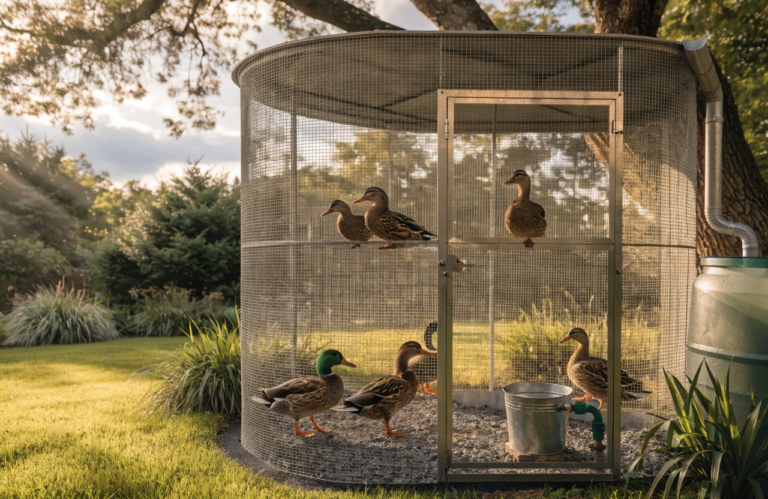
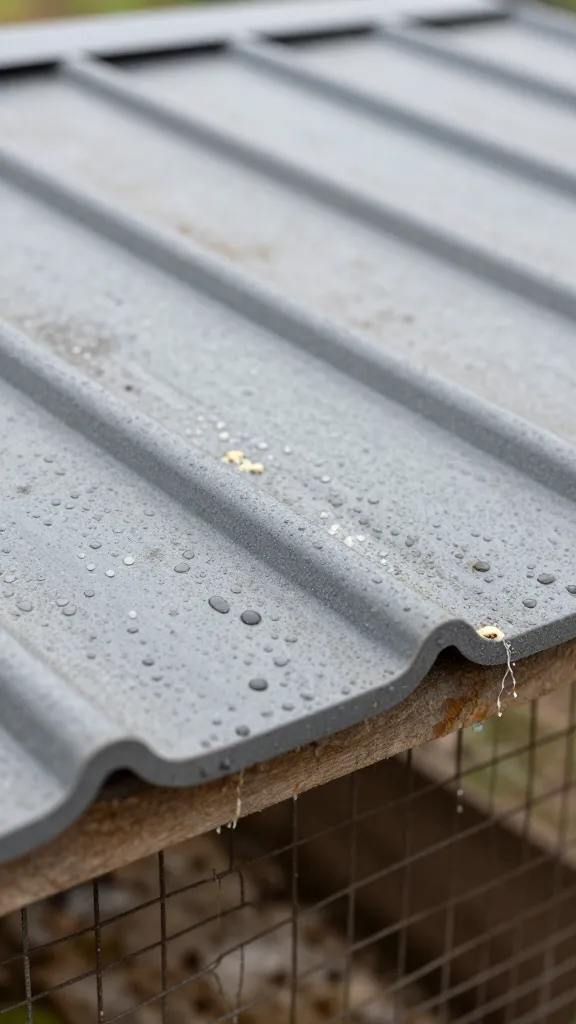
- Cover the run with solid roofing or tight mesh plus a tarp. No gaps for droppings from above.
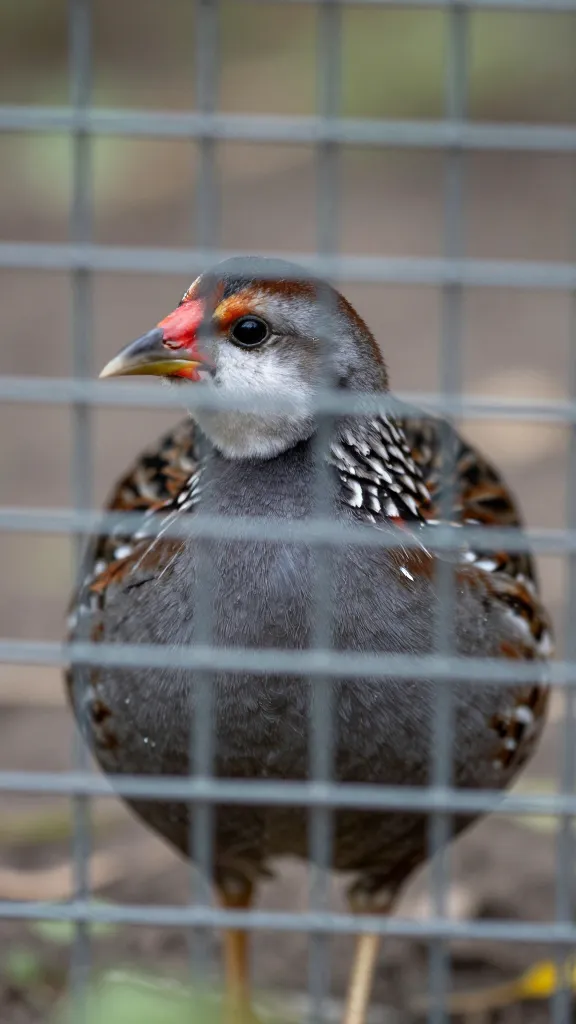
- Use hardware cloth (not flimsy chicken wire) to keep wild birds out. 1/2-inch mesh or smaller.
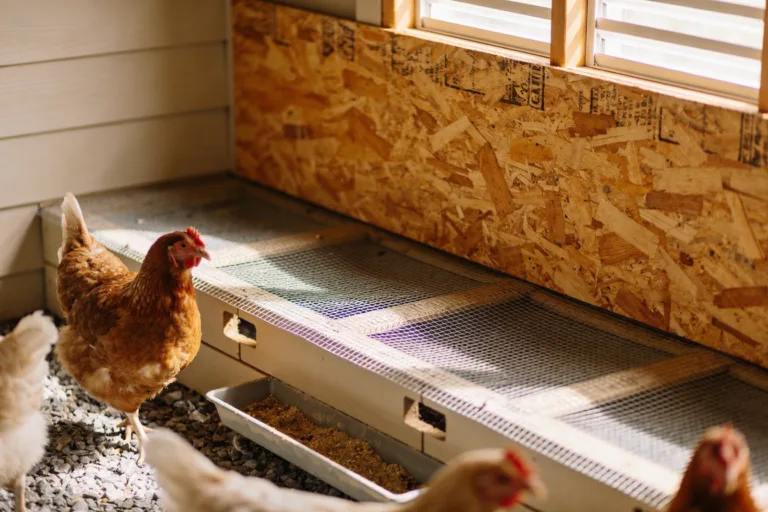
- Raise feed and water under cover. Wild birds love free snacks—don’t invite them.
Enrichment That Actually Works
- Forage frames: Build shallow frames with hardware cloth on top, sow greens underneath, and let birds pick safely.
- Compost corner: Add a contained compost bin inside the run for supervised bug hunting.
- Hang treats and scatter feed in deep litter to encourage scratching and movement.
- Dust baths with ash/sand/DE mix in a covered tub. Chick spa day, every day.
Biosecurity Without Becoming a Germ Goblin
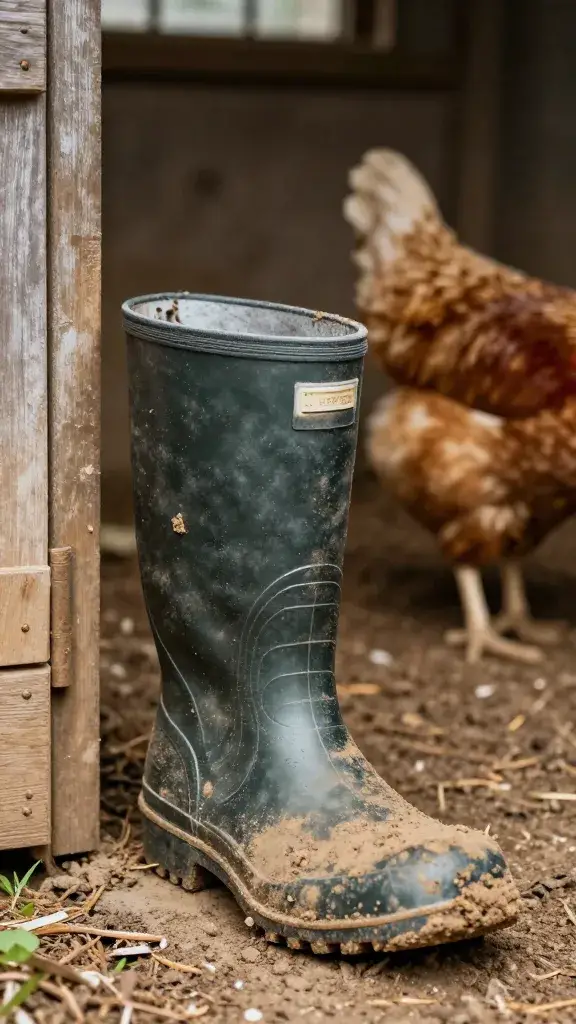
You don’t need a hazmat suit. Just tighten a few habits. These changes deliver the biggest payoff with minimal effort.
Your New Non-Negotiables
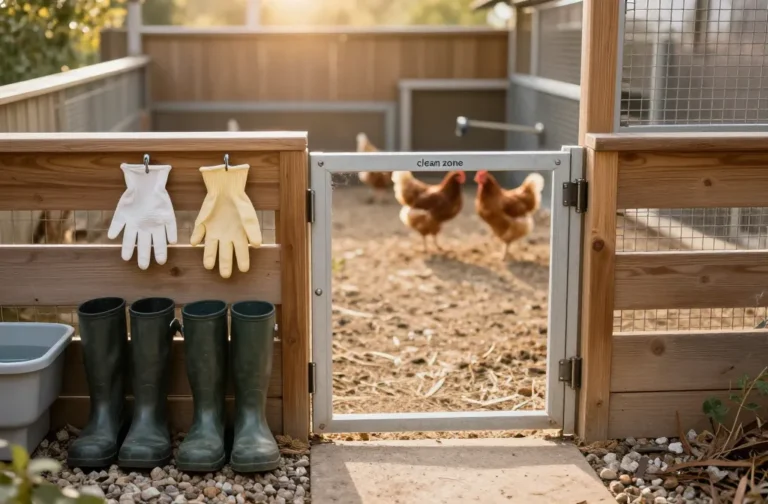
- Footwear protocol: Keep coop/run-only boots by the door. Dip in a disinfectant tray or scrub soles after visits.
- Close the buffet: Store feed in sealed bins, clean spills daily, and don’t leave scraps out overnight.
- Water matters: Offer fresh, covered water. Avoid standing puddles and open containers that attract wild birds.
- Block wild-bird access: Net or cover areas where your birds spend time. Remove or cover open water sources.
- Limit visitors and mixing: No bird swaps, no shows, and quarantine any new or returning birds for at least 2 weeks.
Reading the Signs: When to Worry
Bird flu can hit fast. Don’t panic over one off day, but keep a sharp eye. Early action protects the whole flock.
Red Flags to Act On
- Sudden drop in appetite or water intake
- Severe lethargy, unsteady gait, or twisting neck
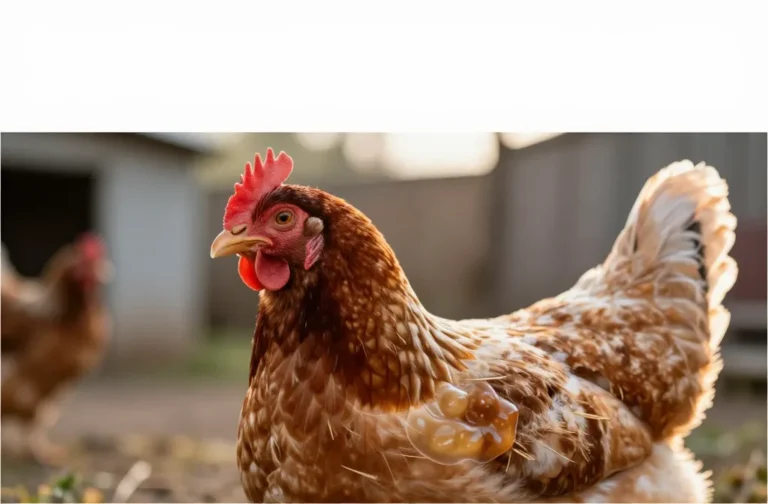
- Respiratory signs: coughing, sneezing, swollen sinuses
- Egg changes: soft shells, weird shapes, major drop in lay rate
- Unexplained death in an otherwise healthy bird
If you see multiple symptoms or a sudden loss, contact your state vet or animal health hotline ASAP. FYI, many regions require reporting suspected cases.
How Long Should You Pause Free-Ranging?
Think in seasons, not minutes. You can reassess after migration peaks pass or after your area reports a consistent decline in cases.
A Simple Timeline
- During active outbreaks or migration surges: Keep birds confined to a covered run.
- Two to four weeks after last local case: Consider supervised yard time in a controlled, cleaned zone.
- Off-peak months: Gradually extend free-range windows, still avoiding areas with wild-bird traffic.
Use common sense here. If geese are still partying in your field, your flock stays in their VIP section.
What If Your Setup Makes Confinement Hard?
Not everyone can build Fort Knox overnight. You still have options.
- Temporary pens: Use poultry netting plus a roof tarp to make a mobile covered paddock.
- Rotate clean zones: Mow and rake an area, let sun dry it for a few days, then allow short, supervised stints.
- Avoid water edges: Keep birds away from ponds, ditches, and soggy ground—these hold virus longer.
- Time it smart: Let birds out mid-day when wild-bird traffic dips and dew has evaporated.
FAQ
Can I free-range if my birds never go near water?
Water increases risk, but it’s not the only problem. Wild-bird droppings on grass or patio stones can still transmit the virus. If local risk runs high, keep them in a covered run regardless of ponds.
Do ducks and geese in my backyard automatically mean danger?
They raise the risk, especially during migration. Their droppings can carry the virus even if they look healthy. If waterfowl visit, I’d go full no free-range until the season calms down.
Is there a vaccine I can just use and move on?
For most backyard flocks, vaccines for highly pathogenic avian influenza aren’t broadly available or recommended in many regions. Policies vary by country. Your state vet or extension office can give region-specific guidance.
How do I entertain bored chickens while confined?
Rotation of treats and textures works wonders: forage frames, cabbage hangers, deep-litter scratching, logs or branches to hop on, and mealworm “treasure hunts.” Novelty beats square footage, IMO.
What disinfectant should I use for boots and tools?
Use a poultry-safe disinfectant labeled for avian influenza (e.g., oxidizing agents like Virkon S). Mix per label, refresh regularly, and remove organic crud first—dirt and poop make disinfectants way less effective.
When is it safe to resume normal free-ranging?
Wait until migration eases and your area reports no new cases for several weeks. Start small with supervised sessions in a cleaned, dry area away from wild-bird hangouts. Keep feed and water under cover even after you reopen.
Conclusion
Pressing pause on free-ranging during bird flu season isn’t overkill—it’s a temporary swap: free roam for safer enrichment. You’ll cut the biggest risks by covering the run, blocking wild-bird access, and tightening your boot-and-feed routine. When the season shifts and reports drop, ease back into yard time. Your birds will forgive you. Especially if you bribe them with a cabbage on a string—scientifically proven to heal all chicken grudges, FYI.
Share this content: