7 Signs Your Rooster Is A Real Flock Protector, Not Just A Feathered Menace
If your rooster struts around like he owns the place, you’re not alone. The big question is whether he’s being a noisy show-off or actually keeping the flock safe.
Some roosters act like loud little supervisors with zero follow-through. Others? They’re basically feathered security guards with excellent timing and a dramatic flair.
1. He Sounds The Alarm At The Right Moments
A good protector doesn’t crow for no reason all day long. He makes noise when something actually feels off, like a hawk overhead, a strange dog nearby, or a person approaching too fast.
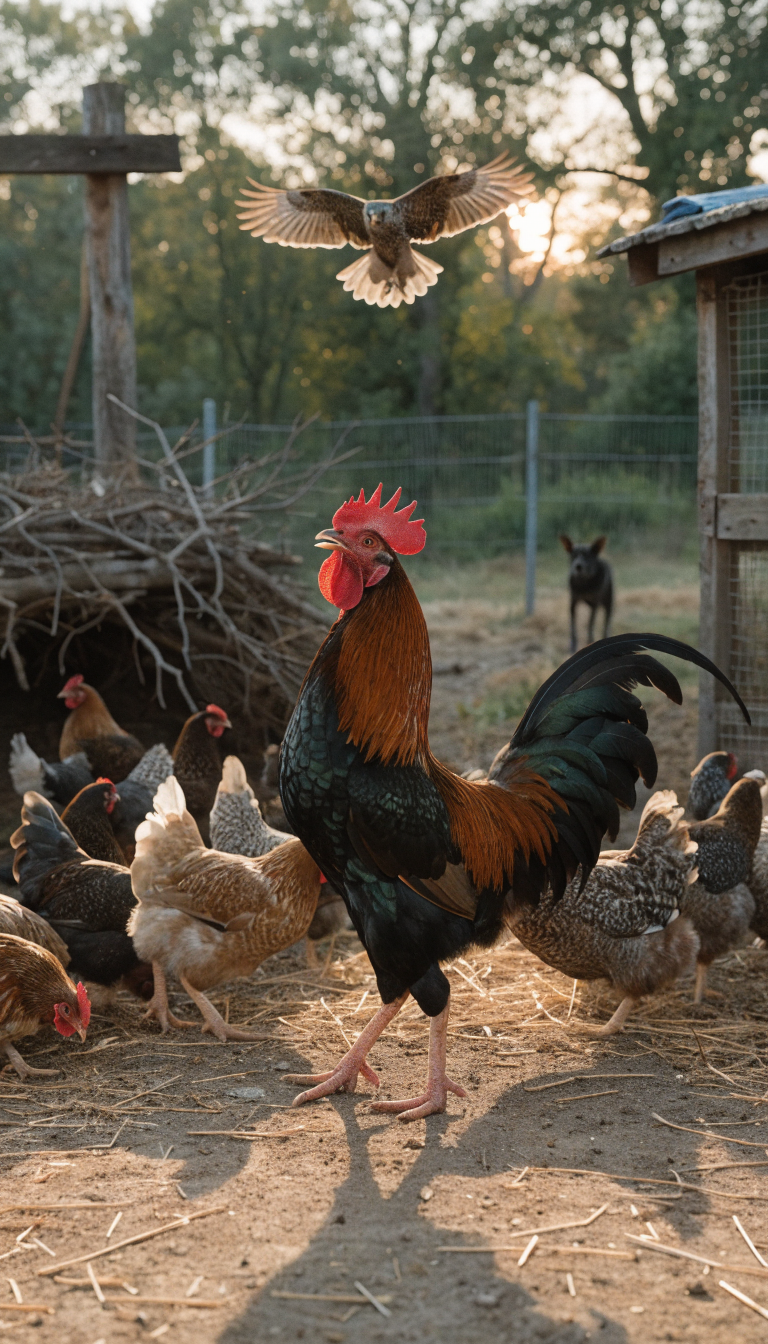
That kind of vocal timing matters. He isn’t just being annoying; he’s trying to warn the flock and get everyone to pay attention.
- Sharp, sudden alarm calls
- Different sounds for different threats
- Quieter behavior once the danger passes
FYI, a rooster who notices trouble early can give hens the precious seconds they need to scatter or hide. That’s not pushy. That’s useful.
2. He Stays Between Danger And The Flock
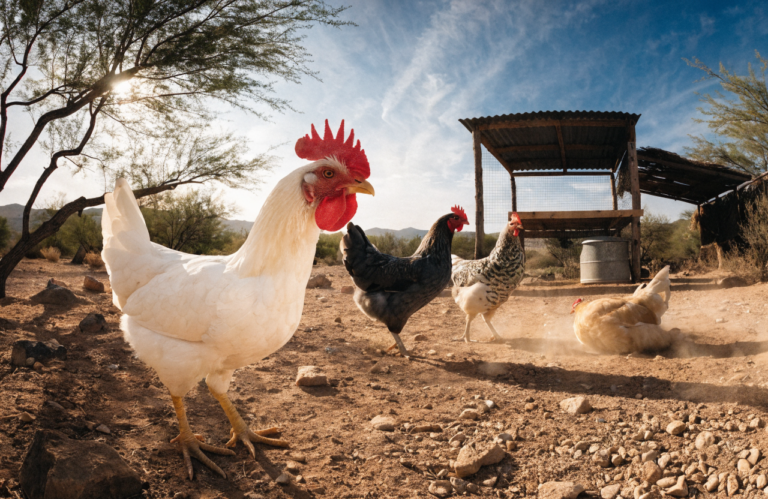
Watch where he places himself when something spooks the birds. A protective rooster often moves to the front, side, or edge of the flock instead of bolting away.
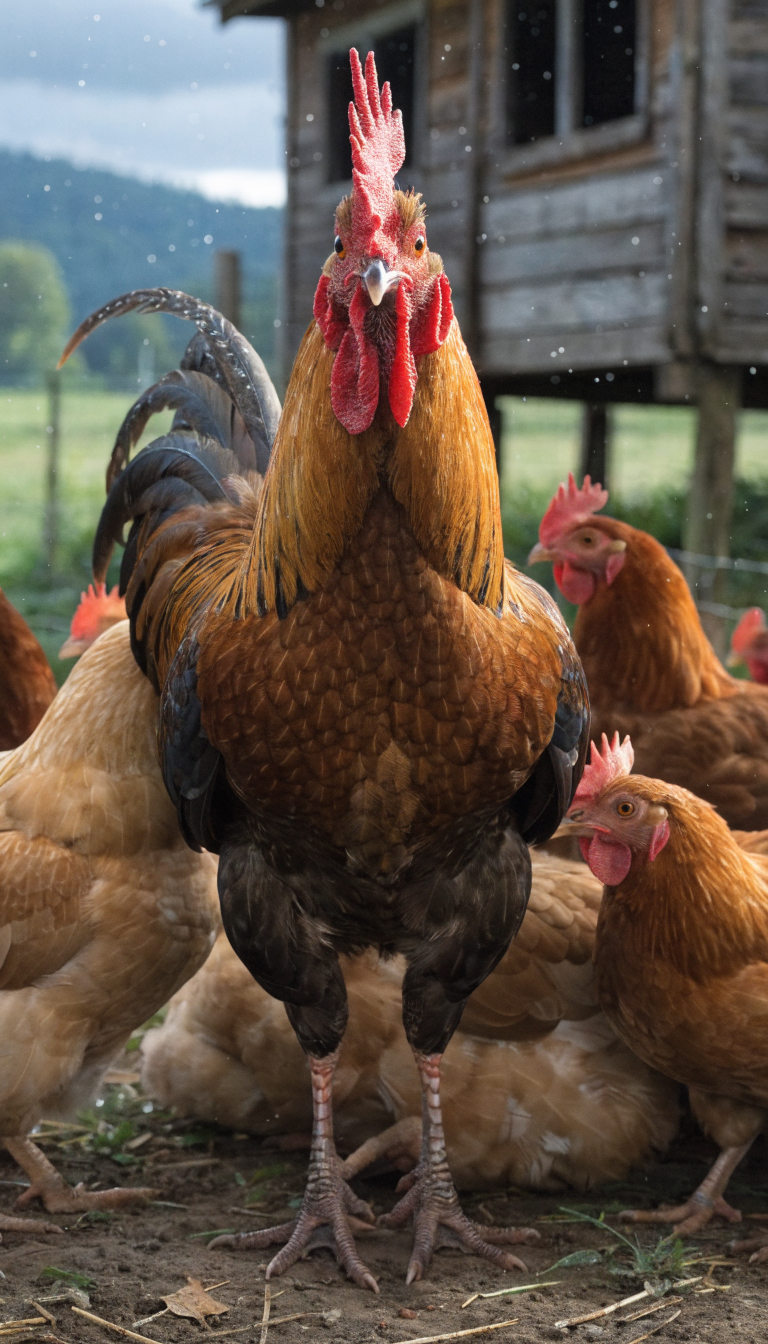
He basically says, “If this gets weird, it gets weird through me first.” Dramatic? Sure. Effective? Absolutely.
What To Look For
- He faces the threat directly
- He keeps hens behind him
- He holds his ground instead of panicking
This behavior shows confidence, awareness, and a real instinct to shield the birds he watches over.
3. He Keeps A Close Eye On The Hens
A strong flock protector doesn’t wander off into his own little rooster universe for hours. He checks on the hens, tracks where they move, and seems to know when one separates from the group.
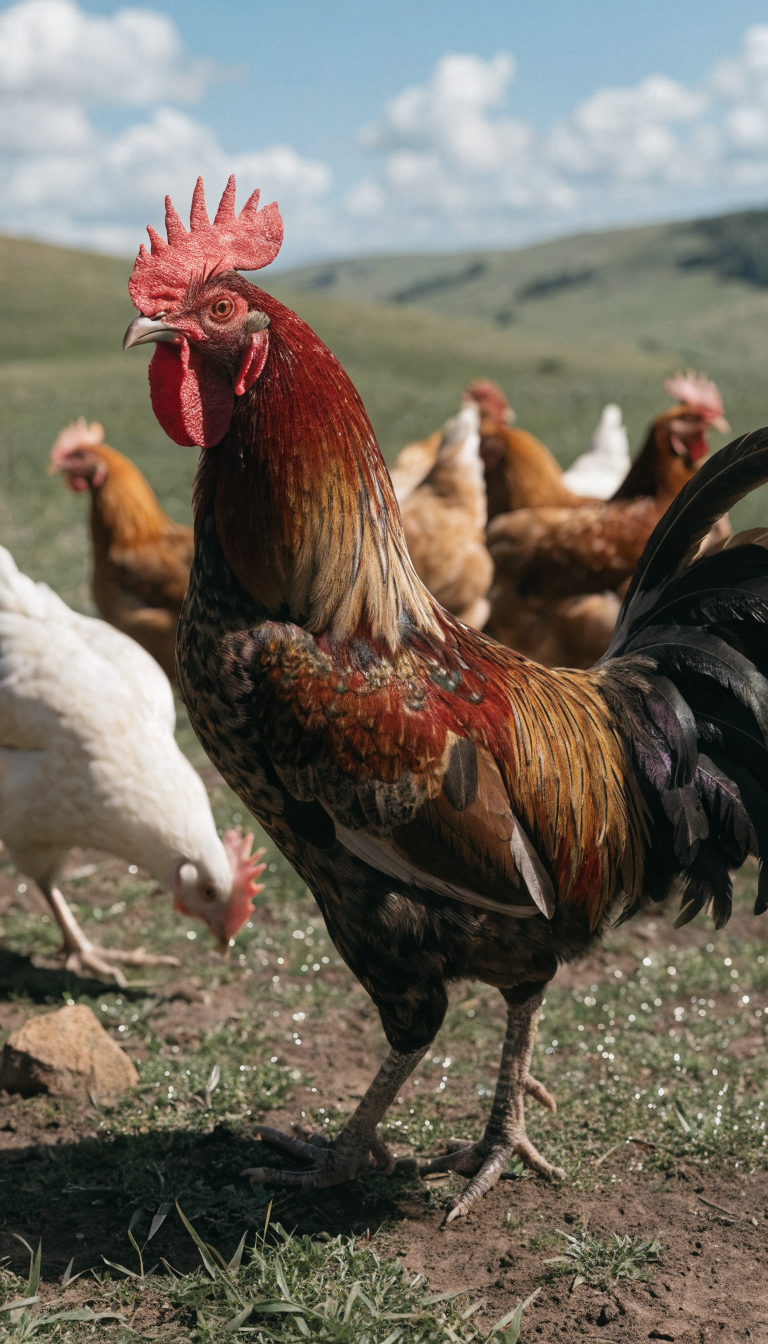
That constant visual monitoring can look bossy, but it often means he’s doing his job. Seriously, he may look like the neighborhood hall monitor, but he’s usually keeping count.
- He follows the flock during free-range time
- He notices when one hen gets isolated
- He stays alert while the hens scratch and peck
This kind of attention helps him respond fast if a predator or bully shows up.
4. He Breaks Up Trouble Without Going Overboard
Good roosters don’t always fight everything head-on. Sometimes they use body language, quick pecks, or a firm step-in to settle arguments before they escalate.
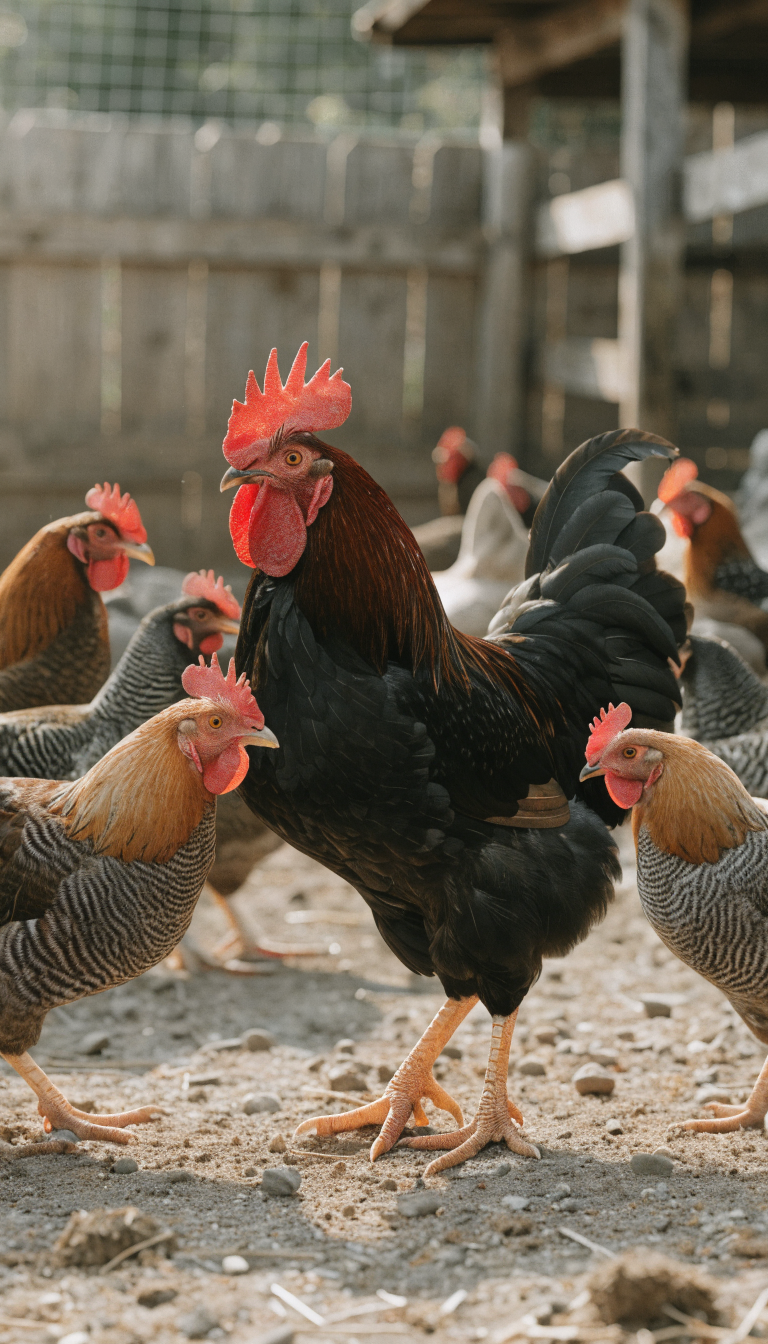
That balance matters. A rooster who protects the flock knows how to correct behavior without turning the coop into a boxing ring.
Signs Of Smart Flock Management
- He redirects squabbles between hens
- He stops aggressive birds from causing chaos
- He uses posture more than brute force
IMO, this is one of the clearest signs you’re looking at a steady leader, not a rooster with a temper problem.
5. He Leads The Flock To Safer Spots
Protective roosters often guide the group, especially when they sense danger or a change in the environment. You may notice him moving first to shade, cover, or a more secure area.
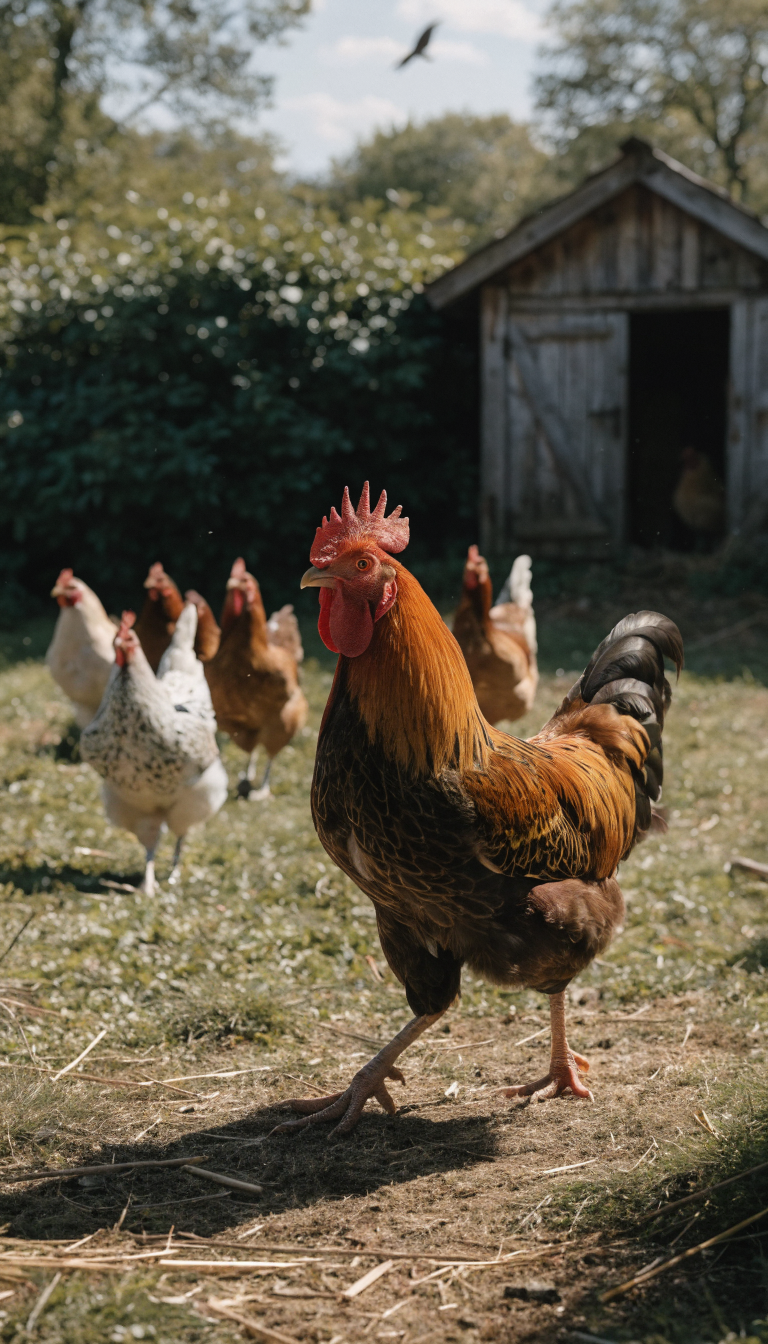
That’s not random wandering. He’s making decisions that help the whole flock stay calmer and safer.
- He chooses cover during hawk activity
- He steers hens away from open ground
- He moves the group with purpose
This habit comes in handy during free-ranging, especially if your yard has lots of hiding spots or risky open spaces.
6. He Watches The Sky Like It Owes Him Money
Predator-aware roosters spend a lot of time scanning overhead. They catch shadow movement, sudden silence, and the tiny changes that hens often miss while busy doing chicken things.
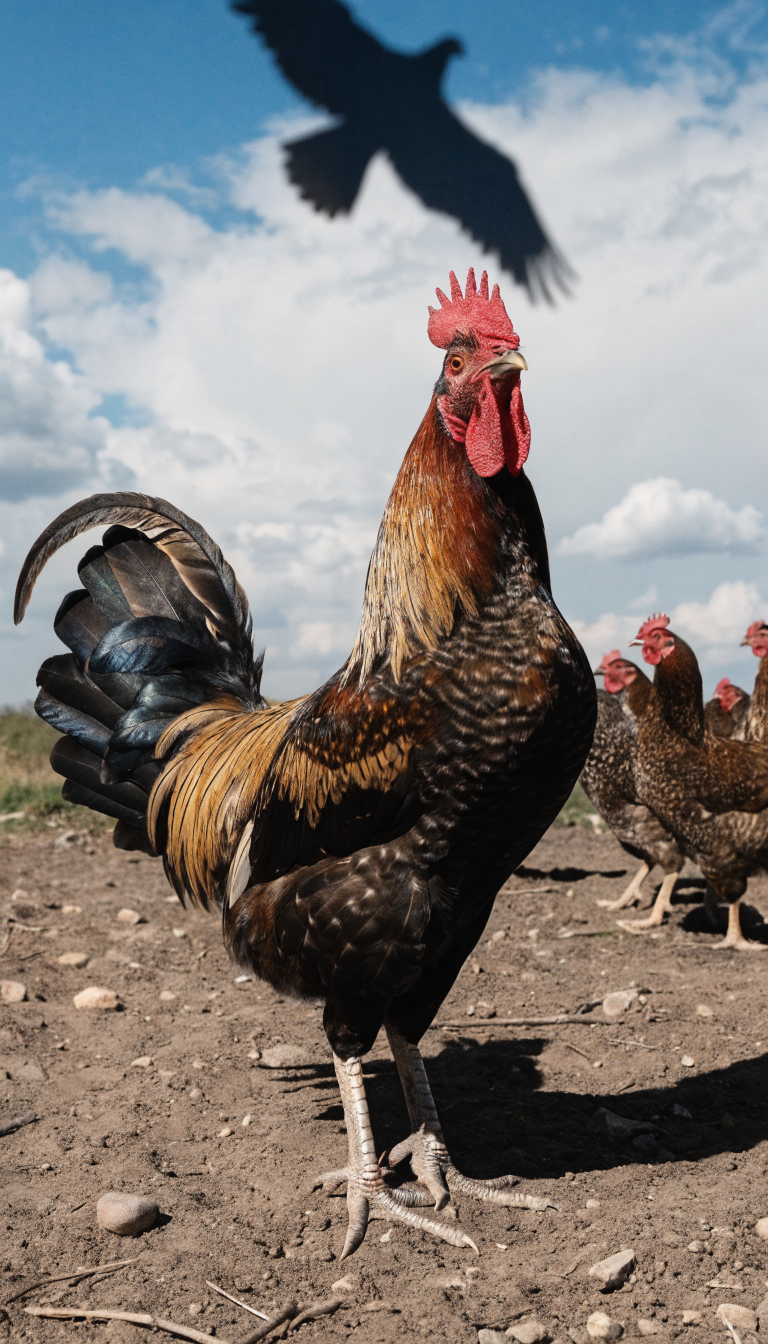
That sky-watching habit might look like paranoia, but it often saves the flock from aerial surprises. Trust me, hawks do not care about your coop’s aesthetic.
Key Details
- He freezes when a shadow passes
- He gives warning calls before the hens panic
- He watches open spaces more than the average chicken does
This alertness helps the flock react faster and stay safer in wide-open yards.
7. He Settles Back Down After The Threat Passes
A real protector knows when the danger is gone. He doesn’t stay hyper, chase shadows forever, or keep the entire flock on edge for no reason.
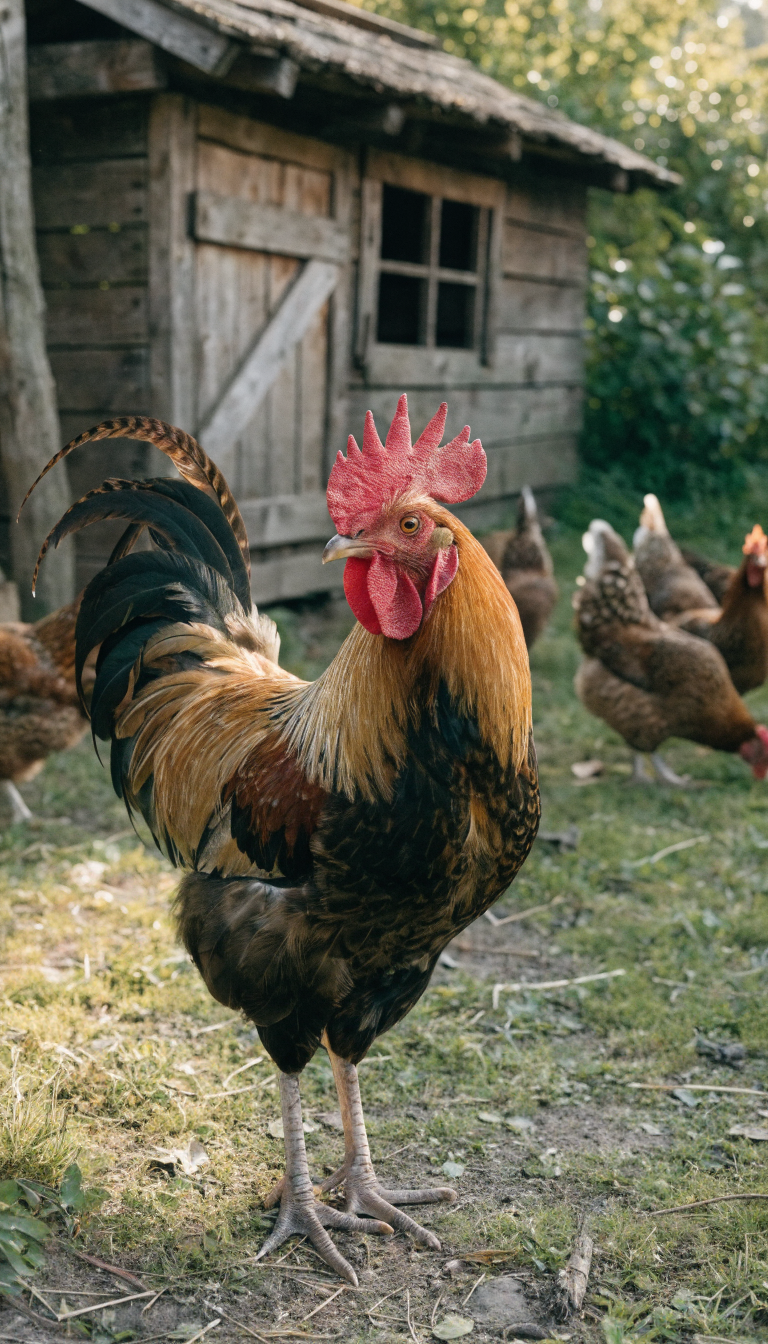
Once things calm down, he returns to normal patrol mode and lets the hens relax again. That emotional control matters more than most people realize.
- He stops sounding the alarm when the coast looks clear
- He resumes calm patrol behavior
- He doesn’t create unnecessary chaos
This is the difference between a helpful guardian and a rooster who just loves the sound of his own voice.
If your rooster shows several of these signs, congratulations: you may have a genuinely useful flock protector on your hands. He might still be loud, a little dramatic, and weirdly full of himself, but hey, at least he’s doing the job.
Next time he crows like he’s announcing the end of civilization, take a closer look. He may not just be making noise—he may be keeping everyone safe.
Share this content: