10 Nesting Box Mistakes That Lead To Dirty Eggs And Sleeping Hens
If your eggs look like they went mud wrestling before breakfast, your nesting boxes probably need a tune-up. Dirty shells, cracked eggs, and hens crashing in the boxes at night all point to a few common setup mistakes. The good news? Most of them take a quick fix, not a full coop renovation.
Let’s go through the biggest nesting box blunders and how to clean them up fast. FYI, your hens will absolutely act like the whole coop belongs to them anyway, so you might as well stay one step ahead.
1. Putting Nesting Boxes Too High
Hens love a dramatic entrance, but nesting boxes do not belong up near roost height. When boxes sit too high, birds hop in and out, spill bedding, and sometimes decide the box makes a better bedtime perch than the roost.
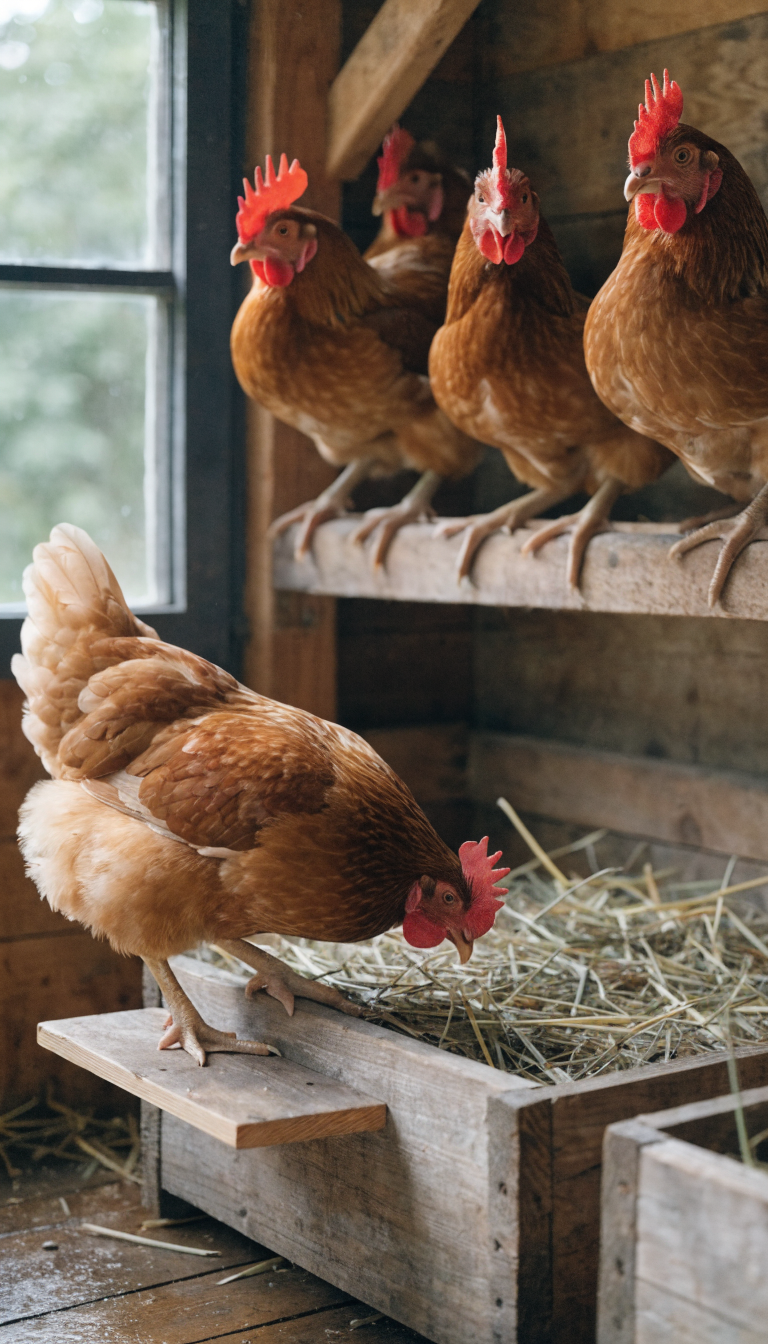
That leads to dirty eggs, broken shells, and a lot of unnecessary mess. Keep boxes lower than the roosts so hens choose the roost for sleeping and the box for laying.
What Works Best
- Place boxes lower than the main roost bars
- Give hens an easy step or landing area
- Make sure the box still sits off the damp floor
This simple swap often solves the sleeping-inside problem almost immediately.
2. Skimping On Bedding
A nesting box without enough bedding turns into a little egg rink. Eggs roll around, crack against hard surfaces, and come out covered in whatever dust or droppings the box picked up last week.
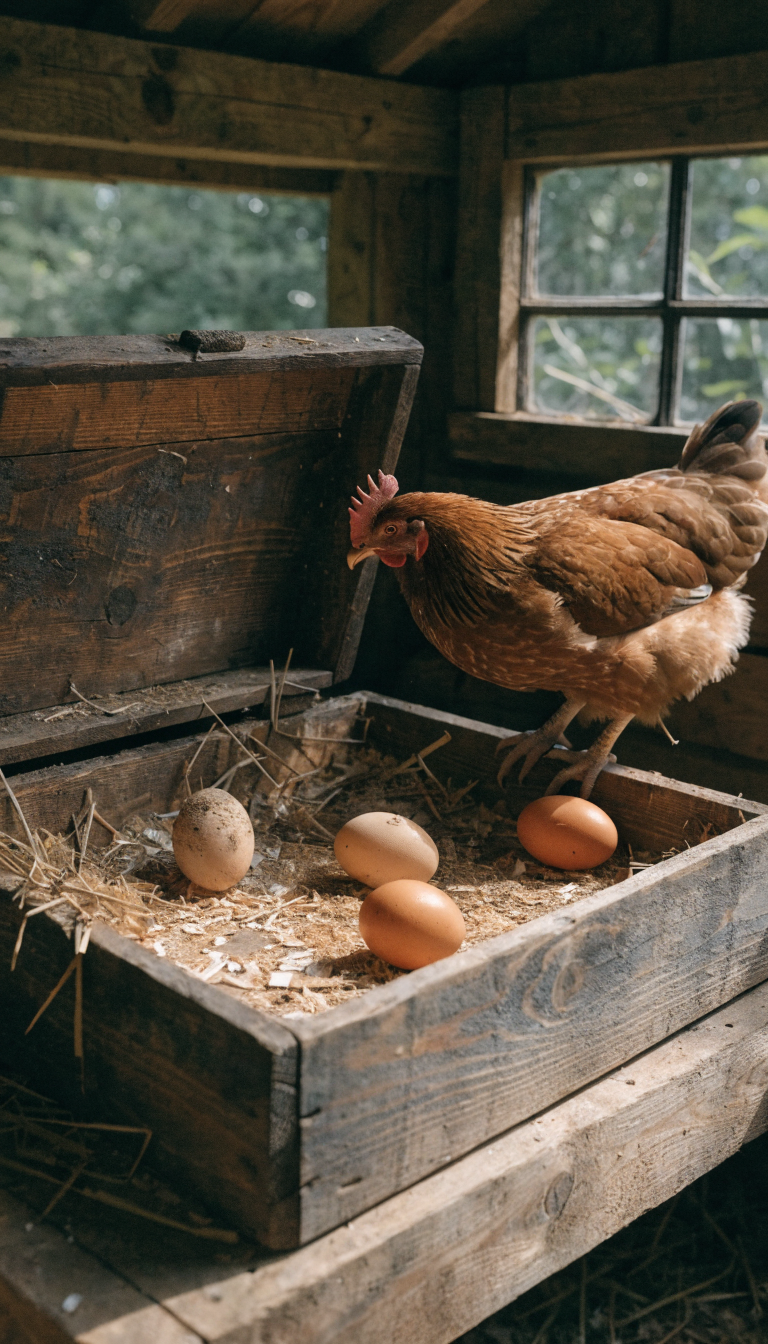
Use enough clean bedding to cushion the eggs and give hens a soft, inviting spot. Straw, pine shavings, or chopped bedding all work well if you keep them dry and fluffy.
Quick Bedding Rule
- Fill the box generously
- Fluff it often
- Replace wet or compacted bedding right away
A soft nest keeps eggs cleaner and cuts down on breakage, which is a very nice bonus when you want breakfast instead of cleanup.
3. Making Boxes Too Small
Cramped boxes create chaos. Hens shuffle around, kick bedding out, and sometimes crush eggs because they can’t settle comfortably.
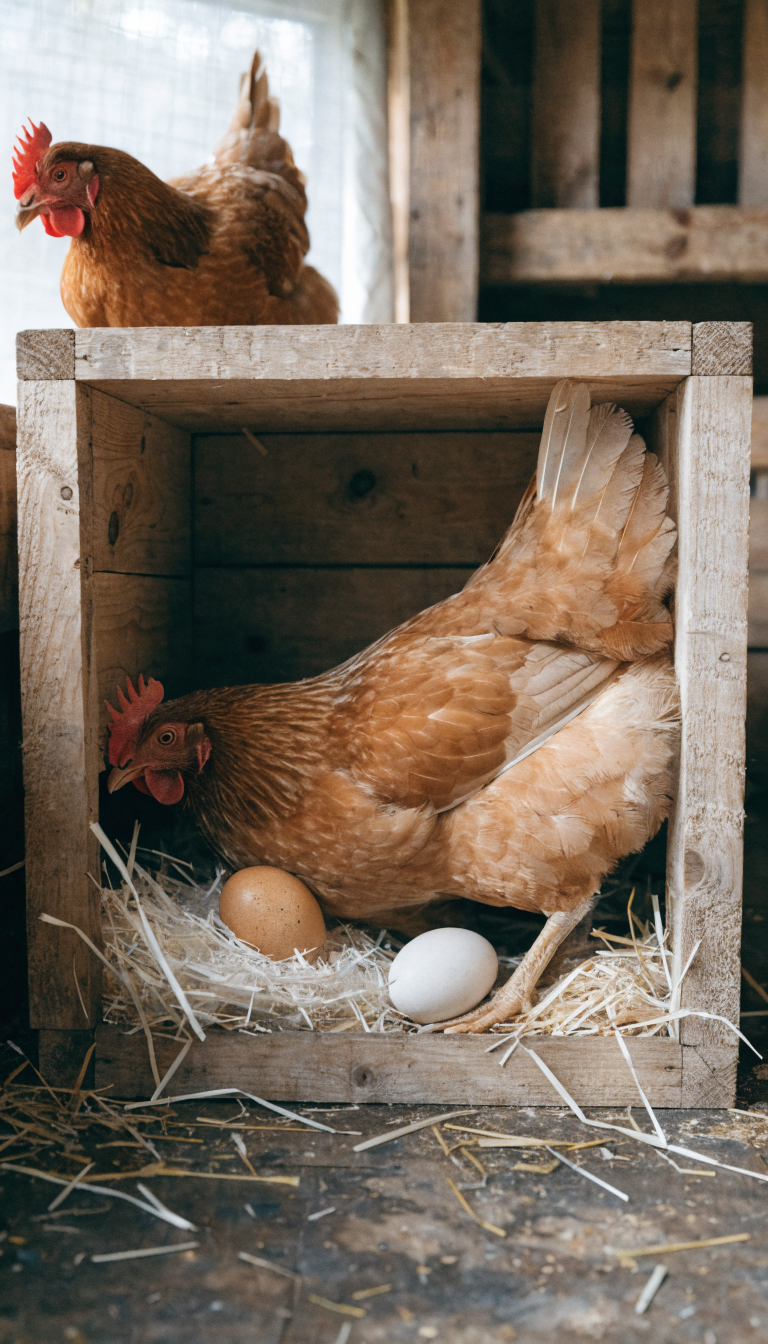
When a box feels too tight, hens also hesitate to use it and may lay somewhere weird, like a corner or feed bin, because apparently they enjoy making you guess. Aim for enough space for one hen to turn around and settle without bumping everything.
Good Sizing Signs
- One hen fits comfortably at a time
- She can stand, turn, and sit without squeezing
- The opening feels roomy but not huge
Proper sizing reduces fighting, mess, and that weird egg scavenger hunt you never asked for.
4. Using Too Much Light In The Coop
Bright light in the nesting area can make hens feel exposed, and exposed hens get picky. If the box feels too open, they may avoid it, lay elsewhere, or use it like a daytime lounge instead of a private laying spot.
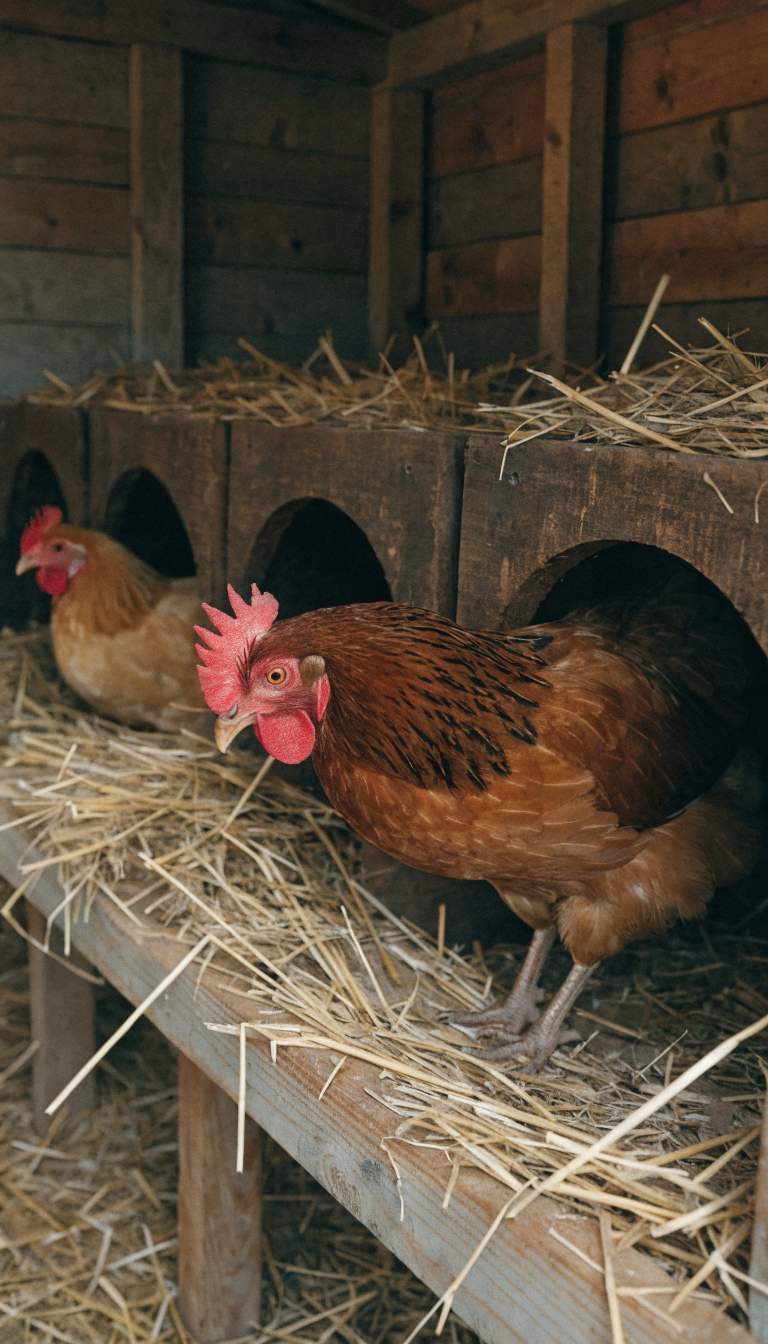
Give nesting boxes a dim, calm feel. A darker area encourages laying and makes the box feel safer, which is exactly what a nesting box should do.
Light Control Tips
- Place boxes in a quieter, shaded part of the coop
- Avoid direct sunlight blasting the opening
- Keep nearby openings from making the area too bright
When hens feel settled, they use the boxes more correctly and leave fewer surprises behind.
5. Letting Bedding Stay Wet Or Dirty
Wet bedding turns a nesting box into a gross little swamp, and no hen wants to lay in that. Once moisture builds up, eggs get dirty fast and bacteria have a field day.
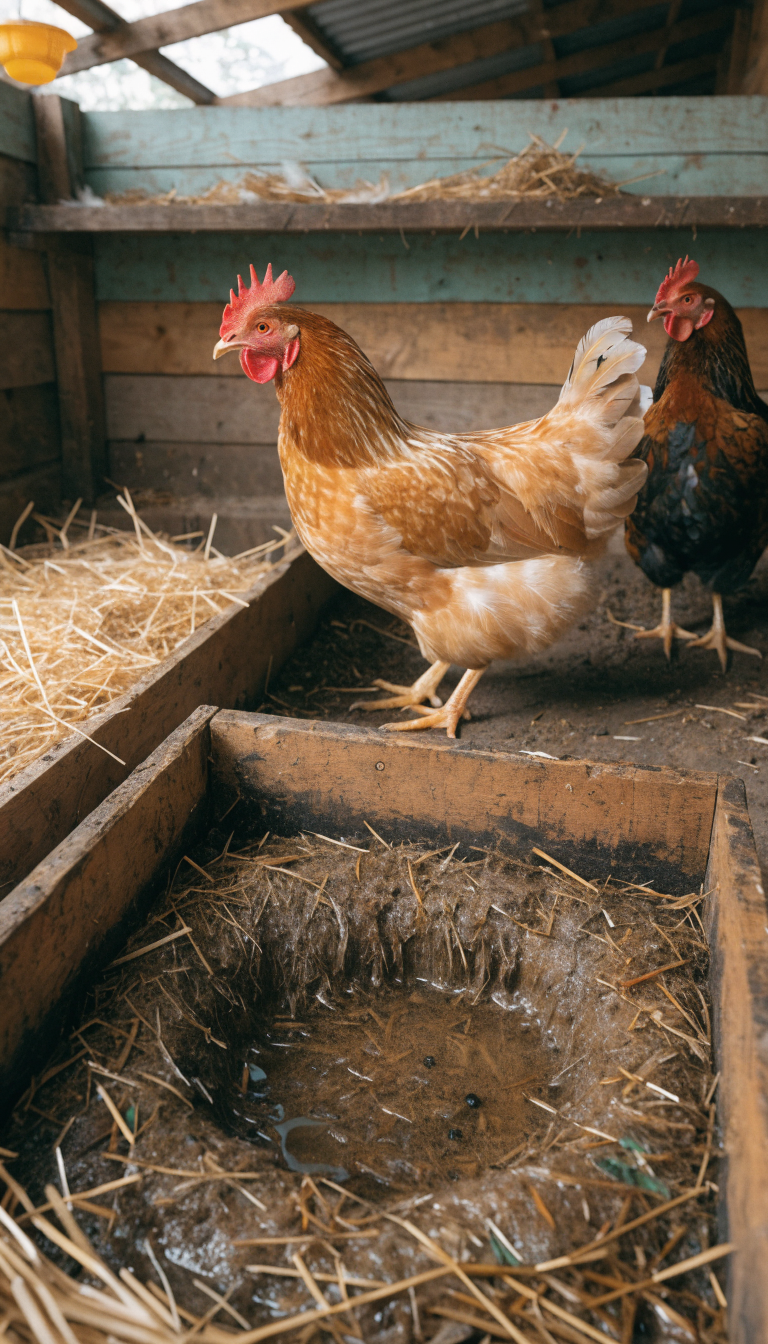
Change bedding often and check for leaks, damp walls, or droppings that sneak into the box. Seriously, clean bedding makes a bigger difference than most people expect.
Watch For
- Damp spots under the box
- Matted bedding that smells off
- Droppings from roosts above the nesting area
Dry bedding protects the eggs and keeps the whole coop much healthier.
6. Installing Boxes Under Roosts
This one causes instant regret. If roost bars sit above the boxes, hens poop directly into the nesting area while they sleep, and your clean eggs never stood a chance.
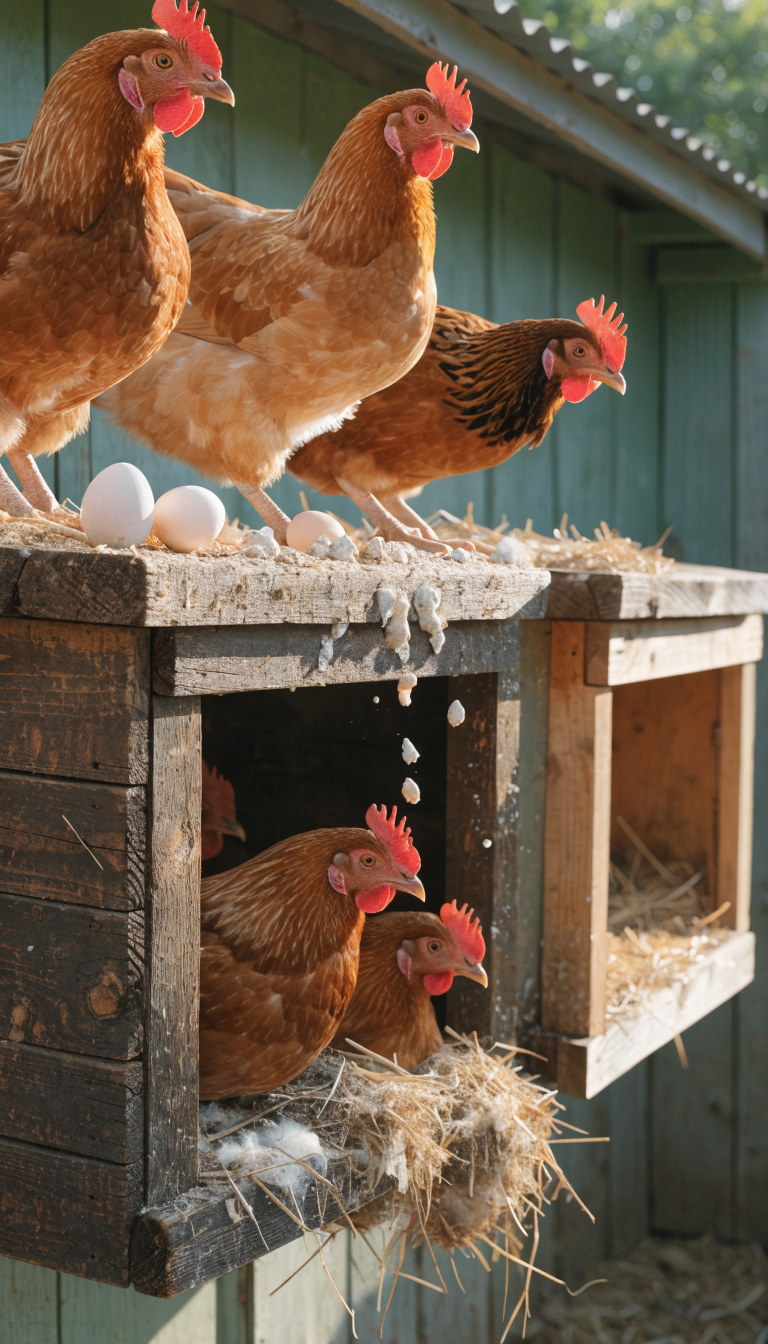
Move nesting boxes away from anything that hangs above them. Hens should not treat the nesting box like a bathroom stall, no matter how committed they are to the bit.
Better Placement Ideas
- Put boxes away from roost droppings
- Use a wall that stays protected from falling mess
- Angle nearby structures so nothing lands inside the box
This setup keeps eggs cleaner and makes morning collection way less unpleasant.
7. Not Offering Enough Nesting Boxes
Too few boxes create traffic jams. Hens crowd into one or two favorite spots, and that leads to crushed eggs, dirty bedding, and plenty of squabbling.
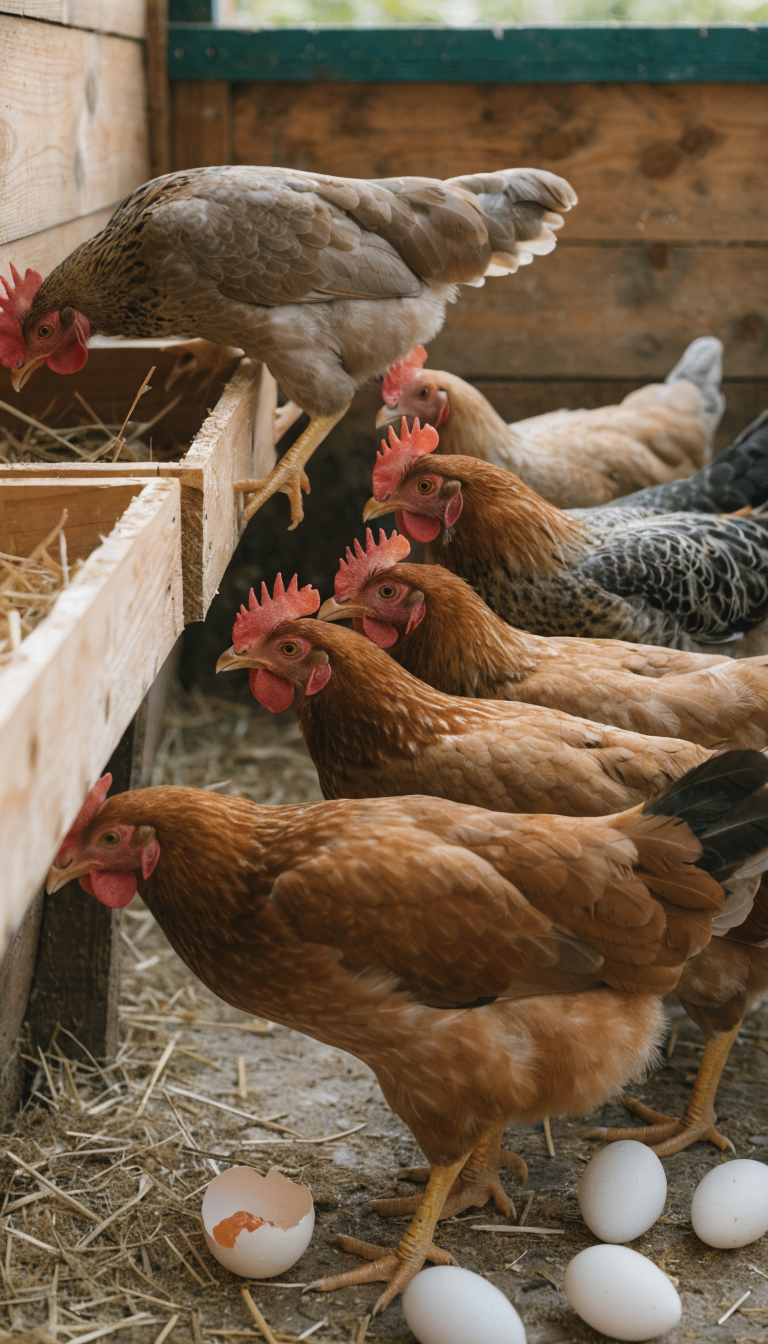
Give the flock enough options so everyone can lay without a standing-room-only situation. A good rule of thumb helps, but watch your flock too, because some groups act like one box is a luxury resort.
Signs You Need More Boxes
- Hens wait in line for a box
- Eggs appear on the coop floor
- One box always looks overloaded
More boxes usually mean less crowding and fewer broken shells. Easy win.
8. Choosing The Wrong Nesting Material
Some bedding looks cute but works terribly in real life. Slippery, thin, or dusty material can shift around too much, leaving eggs exposed and hens annoyed.
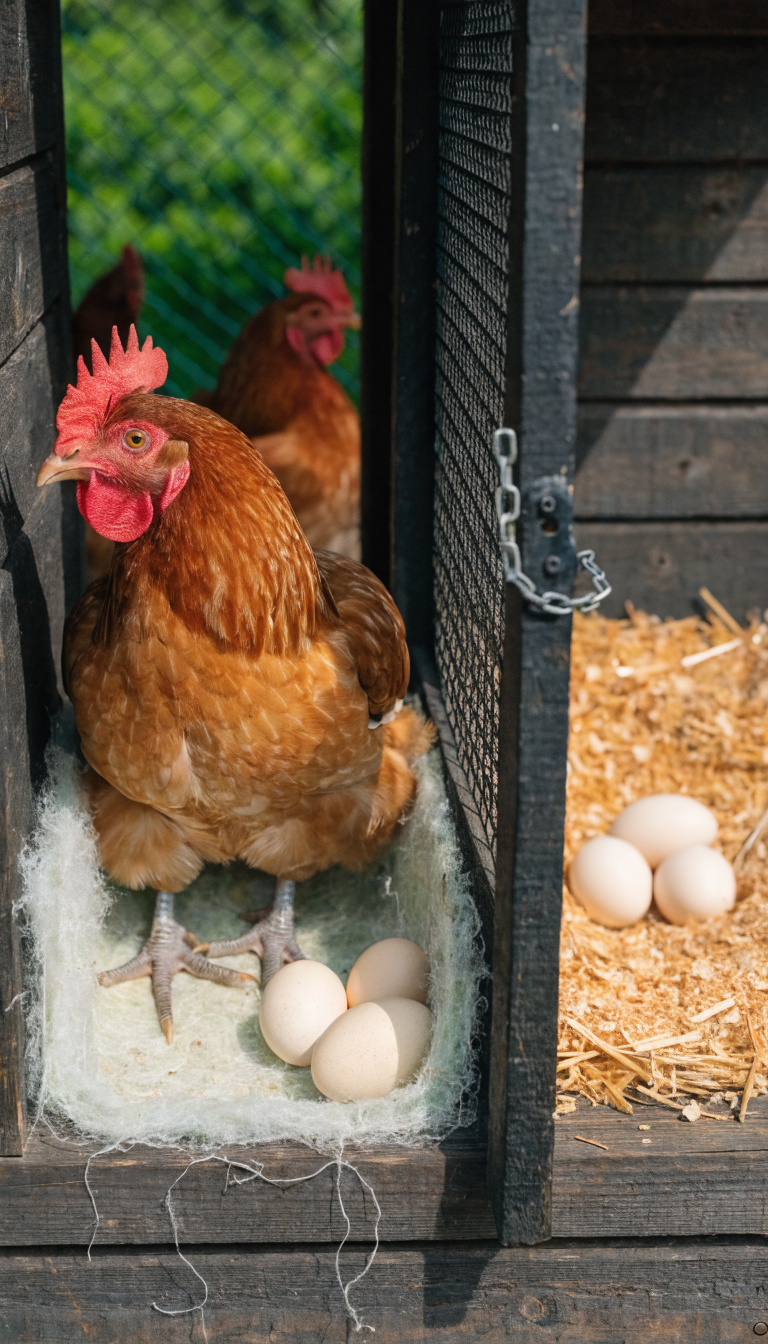
Choose material that cushions eggs, stays in place, and feels comfortable. Hens love consistency, and your eggs love not rolling into a corner like they have somewhere urgent to be.
Better Material Options
- Pine shavings
- Clean straw
- Chopped nesting pads or similar soft liners
The right material helps hens settle in and keeps eggs protected until you collect them.
9. Ignoring Privacy And Nest Feel
Hens like a little privacy when they lay. If boxes feel wide open, noisy, or easy for other birds to invade, hens may avoid them or rush through the process.
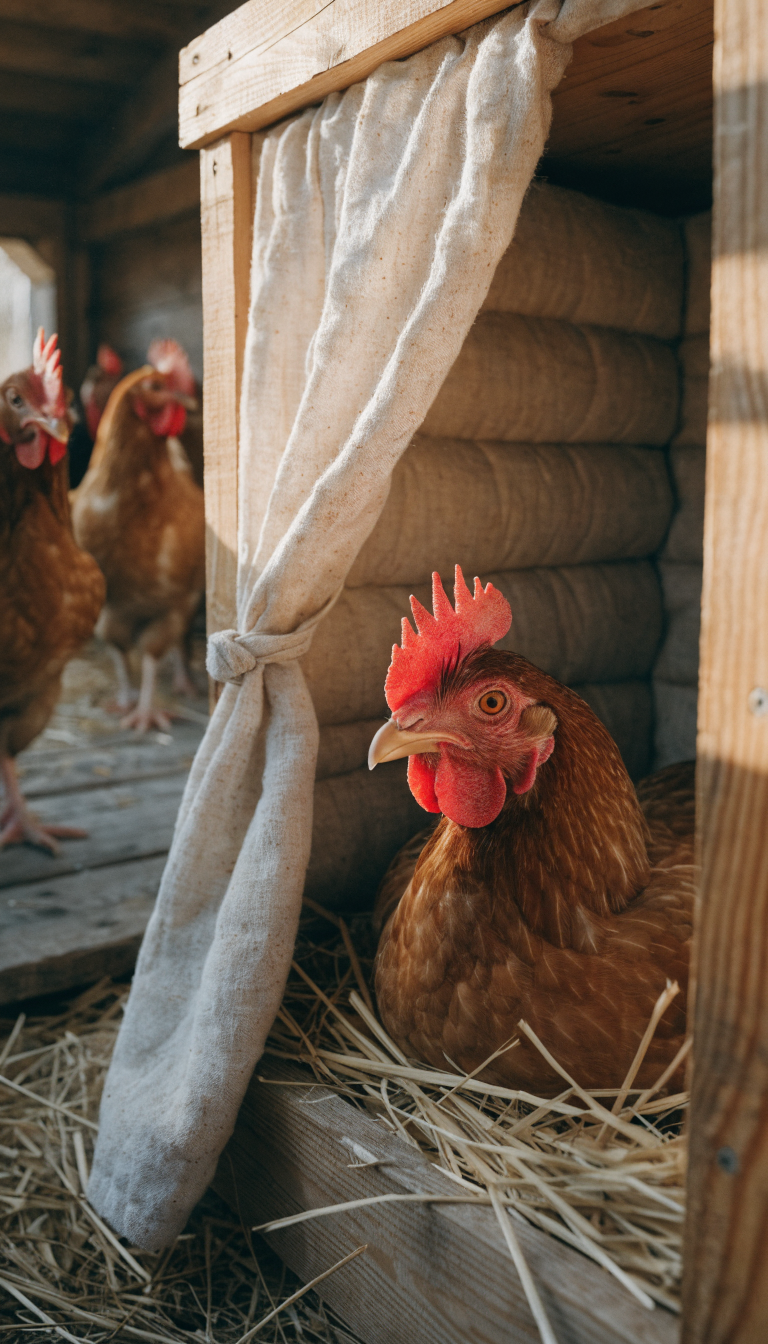
Add sidewalls, curtains, or partial dividers to make the box feel calm and private. IMO, a cozy nest works better than a flashy one every single time.
Privacy Boosters
- Partial fronts or curtains
- Divided sections between boxes
- Placement away from heavy foot traffic
More privacy often means more consistent laying and fewer hens trying to sleep in the box just because it feels safe.
10. Forgetting Routine Maintenance
Even the best nesting box setup falls apart if you ignore it. Bedding compacts, droppings build up, and small problems turn into dirty eggs before you know it.
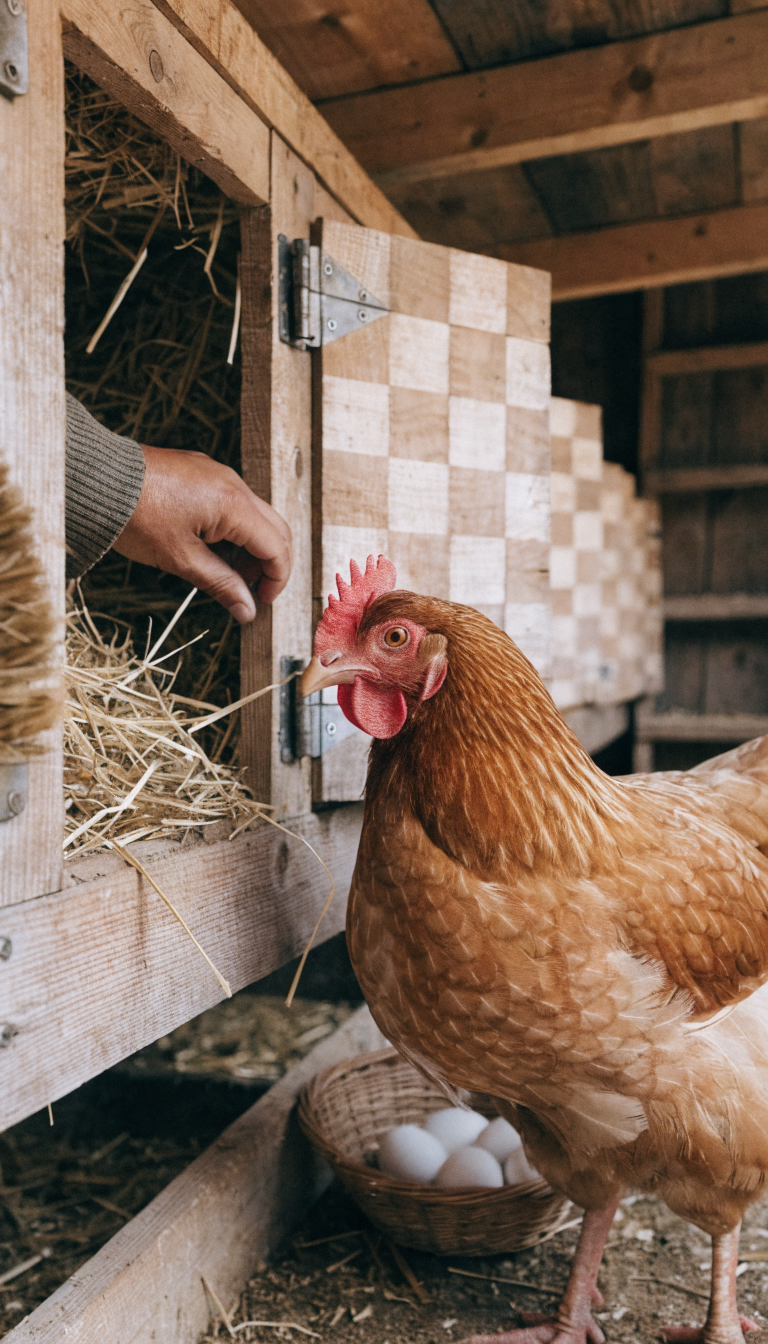
Check boxes often, refresh bedding, and fix loose boards or worn edges before they become issues. Trust me, a five-minute check saves a lot of egg-related drama later.
Simple Maintenance Habits
- Collect eggs daily
- Fluff or replace bedding often
- Inspect for cracks, dampness, and dirt buildup
A little upkeep keeps boxes inviting, eggs cleaner, and hens where they belong.
Clean nesting boxes do not need to be fancy. They just need the right size, the right placement, and a little regular attention. Get those basics right, and your eggs will look a whole lot better tomorrow morning.
Share this content: