Why Do Silkie Chickens Go Broody So Often? Causes + What to Do Now
Silkies act like tiny feathered marshmallows with strong opinions. And one opinion they hold dearly? Sitting on eggs. If your Silkie hen keeps going broody every other Tuesday, you’re not imagining it. These fluffballs treat motherhood like a full-time sport—and yes, it gets intense. Let’s talk about why they do it, what’s normal, and how to handle the broody drama without losing your mind (or all your eggs).
What “Broody” Actually Means (And Why It’s a Big Deal)
When a hen goes broody, she decides it’s hatch time—whether or not eggs exist. She camps on a nest, puffs up, growls at your hand, and stops laying. It’s not just a mood; it’s a full hormonal shift.
Key signs your Silkie is broody:
- Stays glued to the nest—day and night
- Fluffs up and does the dinosaur hiss when approached
- Pulls breast feathers to create a warm “brood patch”
- Stops laying and barely eats or drinks
- Makes low, grumbly clucks like a tiny dragon
FYI: This can last 3–6 weeks or longer if you let her sit. That’s a long time for one chicken to be on strike.
Why Silkies Go Broody So Often
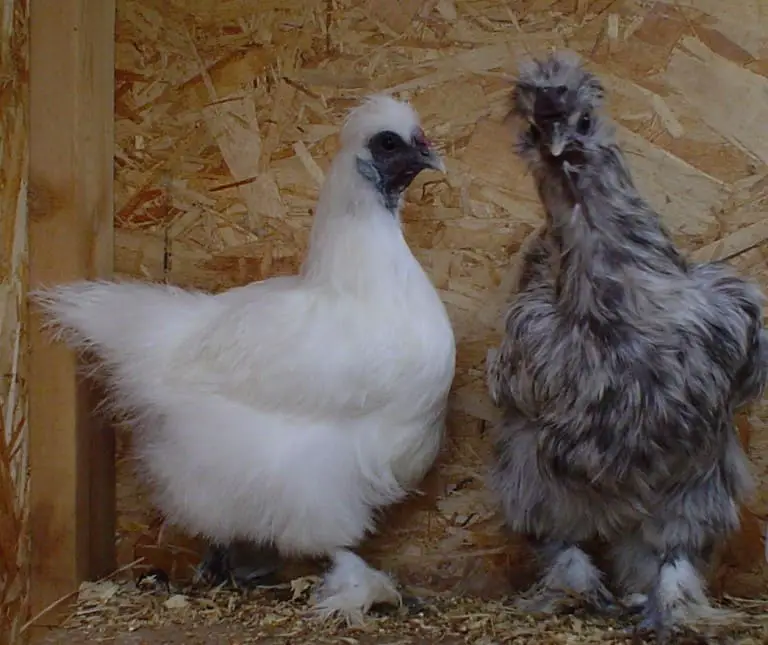
Silkies didn’t read the memo about balanced schedules. They were bred for broodiness. Seriously—people historically used Silkies as living incubators.
Main reasons Silkies overachieve at broodiness:
- Genetics: Silkies carry strong broody instincts. Their brains say “nest now” like it’s a reflex.
- Feather type: Their fluff traps warmth like a blanket, which helps incubate eggs and encourages the sit-and-stay behavior.
- Hormones: Prolactin spikes when they accumulate eggs, sit longer, or even see a cozy nest.
- Environmental triggers: Dark, comfy nest boxes, fake eggs, or a pile of real ones scream “MOM TIME.”
- Seasonal cues: Spring and summer increase daylight, which ramps up laying—and broodiness rides that wave.
How Often Is “Normal” for Silkies?
Short answer: ridiculously often. Many Silkie hens go broody multiple times a year—some every couple of months. IMO, if you have Silkies, plan for broodiness like you plan for taxes.
Pros and Cons of Letting Her Sit
You can work with her broodiness or stop it. Both options come with trade-offs.
Pros of letting her brood:
- Natural hatching: She’ll incubate, hatch, and mother chicks like a pro.
- Low-maintenance raising: No heat lamps or brooders if she does the job.
- Happy hen vibes: Some Silkies thrive when allowed to brood occasionally.
Cons you should consider:
- Weight loss and dehydration: Broody hens eat and drink less—watch her condition.
- Fewer eggs: She stops laying for weeks, sometimes months.
- Health risks: Mites love warm nest boxes, and sitting still can lead to muscle loss or constipation.
When It Makes Sense to Say “Yes”
Let her brood if you want to hatch eggs, if she’s in good condition, and if you can monitor her. No rooster? You can still give her fertile eggs from elsewhere—or let her “fake brood” for a short period and then gently break it.
How to Let a Silkie Successfully Hatch Chicks
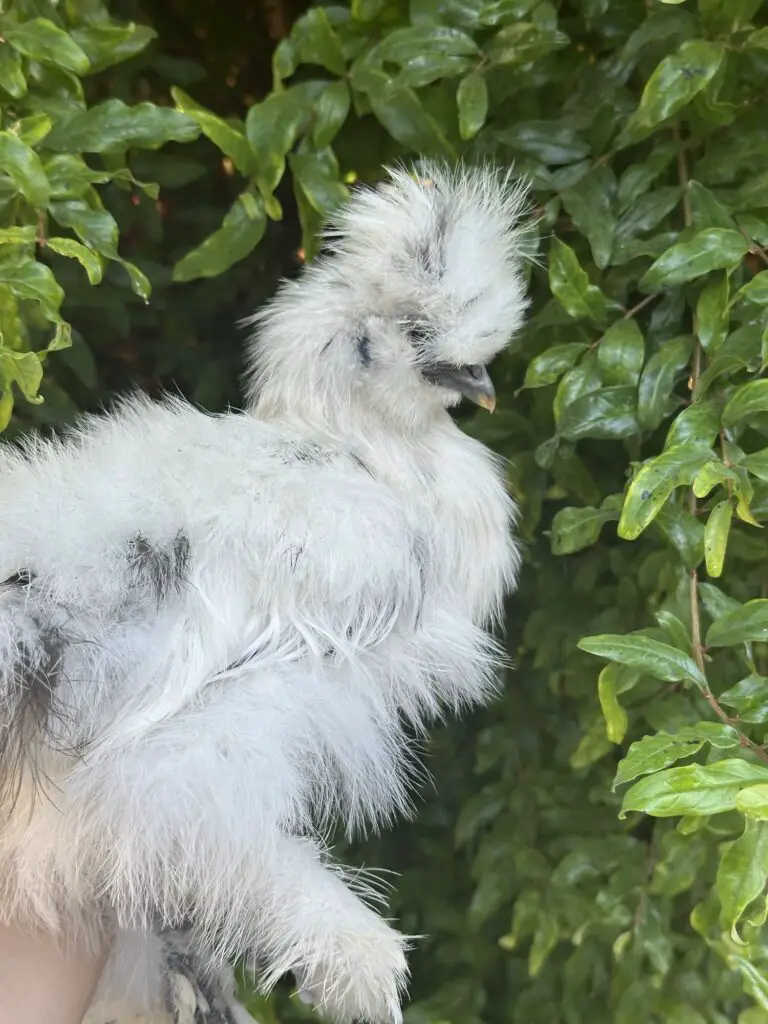
If you’re into baby fluffballs, set her up for success.
Set up a safe brooding area:
- Separate space: Use a small pen or dog crate with ventilation to keep other hens from adding eggs.
- Nest basics: Low nest, dry bedding, and a lip to keep eggs from rolling out.
- Food and water nearby: Keep them within pecking distance to encourage eating/drinking.
Eggs and timing:
- Use 6–8 eggs max for a Silkie’s size.
- Mark the set with a pencil so you can remove extras.
- Expect 21 days for chicken eggs; longer for ducks or other species.
Daily checks:
- Look for mites and clean the nest if needed.
- Encourage a short daily break for food, water, and a poop (it’ll be epic—brace yourself).
- Candle at day 7 and day 14 to remove clears or quitters.
After Hatch: The Mom-and-Chick Suite
Keep mom and babies separate from bullies for at least a week. Provide chick starter feed within reach, water in a shallow dish with marbles, and secure flooring so tiny feet don’t slip. Silkie moms usually crush it—just give them space and watch for chilled chicks.
How to Break a Broody Silkie (Gently but Firmly)
Not hatching? No problem. You can “reset” her hormones.
Top methods that actually work:
- Broody breaker crate: A wire-bottom crate raised on blocks with food and water. No bedding. Good airflow cools the brood patch and lowers prolactin.
- Remove nest temptations: Collect eggs often, block dark boxes, and don’t leave fake eggs or golf balls in nests.
- Cool her core (safely): Offer a cool—not cold—tile or frozen water bottle wrapped in a towel under her belly for short periods. Do not soak her; we’re cooling, not dunking.
- Daytime distractions: Extra yard time, scatter treats, and rearranged coop furniture can help break the “sit” loop.
How long it takes:
- Most break within 2–4 days in a broody crate.
- Stubborn Silkies may need a week. Yes, they’re dramatic.
- Keep her in the crate 24/7 until she stops pancaking and returns to normal behavior between checks.
Signs She’s Officially Un-Broody
She leaves the crate and ignores nests. She moves, forages, talks more, and her comb color improves. Eggs return in a week or three—don’t panic if laying takes time.
Preventing Constant Broodiness (As Much as You Can)
You can’t delete instincts, but you can dial them down.
Make nests less seductive:
- Keep boxes bright and airy; add more light to the coop.
- Use minimal bedding and remove fake eggs promptly.
- Close nest boxes in the afternoon after egg-laying winds down.
Change routines:
- Daily supervised free-range time burns off nest obsession.
- Rotate perches and add enrichment—hang greens, toss scratch, add dust baths.
- Collect eggs 2–3 times daily, especially in peak season.
Mind the flock mix:
- Too many broody-prone breeds together can create a “broody wave.”
- Mix in reliable layers to keep egg production sane (FYI: Leghorns rarely commit to brooding).
Health Checks During Broody Season
Broody hens can slide into poor condition fast. Feel her keel bone weekly, check for mites/lice, and ensure clean, dry bedding. If she loses too much weight or sits in heat waves, break the brood—health first, eggs second.
FAQ
How long will a Silkie stay broody if I do nothing?
Some hang on for 3–6 weeks, but Silkies can push longer. If she looks thin, droopy, or dehydrated, intervene. Long broods without hatching usually aren’t worth the health cost, IMO.
Can a Silkie hatch other breeds’ eggs?
Absolutely. Silkies make fantastic surrogate moms. Just size the clutch to her body—6–8 medium eggs max—and plan for breed differences in chick growth and energy.
Do I need a rooster for my broody Silkie?
Only if you want fertile eggs from your own flock. She’ll brood unfertilized eggs endlessly, but they won’t hatch. You can source fertile eggs locally or online if you want chicks without keeping a rooster.
Is broodiness contagious?
Kind of. Other hens see a comfy, occupied nest and think it’s a trend. Reduce triggers: collect eggs often, block favorite broody spots, and separate the broody hen early.
Why does my broody Silkie bite me?
She’s defending the nest. It’s normal. Wear gloves, lift her gently from behind, and keep movements calm. If she’s persistent and you’re not hatching eggs, use a broody breaker crate to reset the behavior.
Will breaking broodiness hurt her?
No—done right, it protects her. You’re reversing a hormone loop that can drain her body. Provide shade, airflow, food, and water, and she’ll bounce back faster than you’d expect.
Conclusion
Silkies go broody often because nature programmed them that way—cozy feathers, strong instincts, and a serious case of Baby Fever. You can lean into it and hatch chicks, or you can break the cycle and keep eggs flowing. Either way, set her up safely, watch her health, and don’t let the fluff fool you—these birds run the coop with tiny, determined feet. And hey, if you ever wanted a chicken who mothers your entire backyard, you picked the right breed.
Share this content: