Why Do Chickens Bully and Peck Each Other the Real Reasons
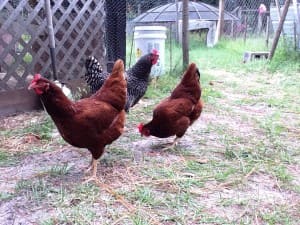
Chickens look cute and harmless, right up until one of them decides to go full mean-girl mode and peck a flockmate’s feathers out. If you’ve watched your birds squabble and thought, “What is wrong with you little dinosaurs?”, you’re not alone. Chickens bully and peck for reasons that actually make sense to them—even if it stresses us out. Let’s decode the drama so you can keep the peace in your coop.
Pecking Order: The Original Office Hierarchy
Chickens live by a social ladder called the pecking order. Someone sits on top, someone gets bossed around, and everyone else falls somewhere in between. It’s not personal; it’s survival-level stuff for them.
New birds, young pullets, or timid hens often catch the worst of it. The flock sorts out who eats first, who roosts where, and who gets the prime dust-bath spot. Once they settle the rankings, life gets quieter—usually.
When the Ranking Turns Rough
The pecking order should look like quick pecks and stern looks—not full-on harassment. Chronic chasing, feather pulling, and blood means the “order” turned into bullying. That’s when you intervene.
The Big Triggers: Why Chickens Start Pecking Hard

Pecking rarely comes out of nowhere. Your hens probably yell about one of these:
- Overcrowding: Too many birds, not enough space. Think rush-hour subway with beaks.
- Boredom: Nothing to do, nowhere to explore. They “entertain” themselves by picking on each other. Cute.
- Resource shortages: Single feeder, one waterer, one nest box? Recipe for squabbles.
- Diet issues: Low protein or mineral imbalances can trigger feather pecking. Feathers = protein, unfortunately.
- Bright lights or heat: Harsh lighting and hot temps crank up irritability.
- Stress and change: New birds, predator scares, noisy dogs, or a coop cleanout spree can stir the pot.
- Injury or blood: Chickens fixate on red and wounds. One small injury can snowball fast.
Fix the Coop: Environment First, Drama Second
Start with the basics. You can’t reason with a hen, but you can set up a coop that discourages fights.
- Space: Aim for 4 sq ft per bird in the coop and 10+ sq ft per bird in the run. More if possible.
- Perches and barriers: Add multiple roosts at similar heights and visual breaks (pallets, brush, panels). Give timid birds escape routes.
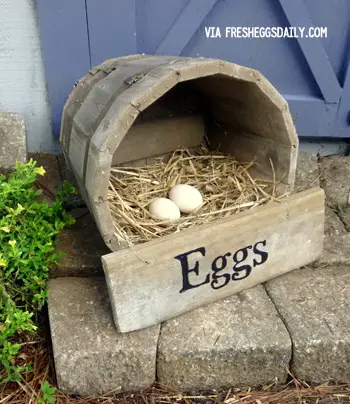
- Nest boxes: One box per 3–4 hens. Block the “favorite box monopoly.”
- Lighting: Use softer, warmer bulbs. Keep day length reasonable (14–16 hours for layers, not a stadium spotlight).
- Ventilation, not drafts: Fresh air calms temp spikes and reduces odor stress.
Enrichment That Actually Works
Bored birds bully. Give them harmless hobbies:
- Hang a cabbage or lettuce head for pecking.
- Toss a flake of straw and scatter scratch grain inside it.
- Add dust-bath zones with sand, soil, and wood ash.
- Rotate logs, branches, and platforms to explore.
Feed Them Right: Diet Makes or Breaks Behavior
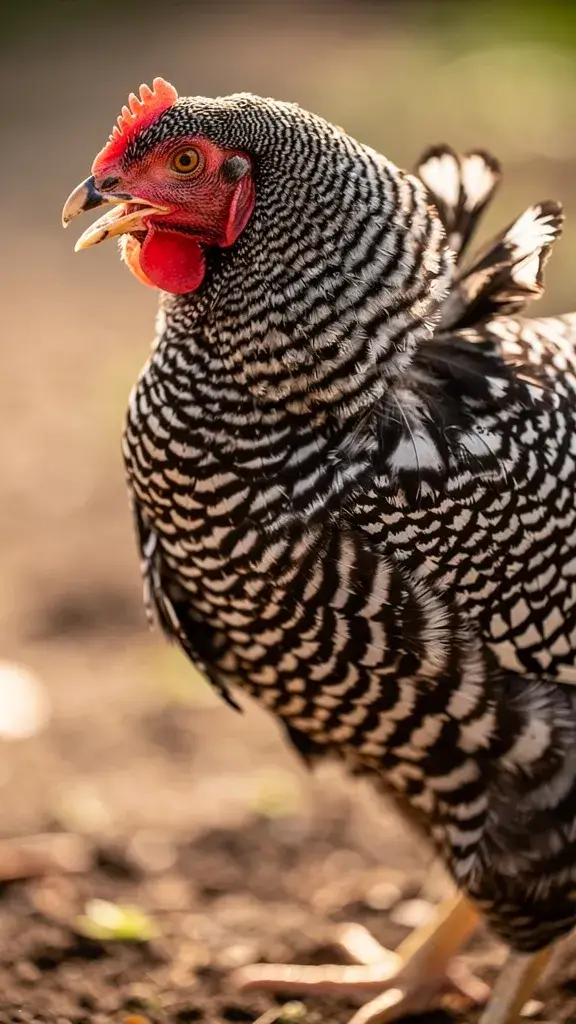
You can’t out-discipline a nutrient problem. Feed a complete ration with adequate protein and amino acids, especially methionine. For layers, stick with a proper layer feed and offer free-choice oyster shell for calcium.
Snack Smart, Not Chaos
Treats should stay under 10% of the diet. High-carb goodies (bread, corn overload) can make pecking worse. If feather pecking pops up, consider:
- Boosting protein a bit (e.g., high-quality feed or a touch of mealworms).
- Adding a poultry vitamin/mineral supplement temporarily if you suspect gaps.
FYI, salt or weird homebrew additives won’t “cure” pecking. Save yourself the headache.
Introducing New Birds Without Chaos
You can’t just toss newbies in and say “play nice.” Chickens will chickens.
- See-but-no-touch: Keep new birds adjacent in a secure pen for 1–2 weeks. Let them learn faces first.
- Mix at night: Add them to the roost after dark. They wake up together—less drama.
- Double up resources: Extra feeders, waterers, and hideouts reduce targeting.
- Match sizes/ages: Giant hens vs. tiny bantams? That’s a mismatch, IMO.
When a Bully Won’t Quit
Some hens love power a little too much. Try:
- Time-out pen for the bully for 3–5 days. It knocks her down the ladder.
- Pin-less peepers to limit forward pecking (if local rules allow).
- Rehoming chronic offenders if they keep drawing blood. Tough call, sometimes necessary.
Spotting Trouble Early
Pecking escalates fast. Train your eyes:
- Feather loss patterns: Back, tail, vent, and head pecking all hint at different dynamics.
- Redness or scabs: Treat immediately and isolate if you see blood.
- Hiding or reluctance to eat: Submissive birds often starve out quietly.
First Aid 101
For wounds:
- Clean gently with saline.
- Apply a poultry-safe antiseptic.
- Use a blue or purple spray to mask redness and deter pecking.
- Isolate severe cases until healed and reintroduce carefully.
Special Cases: Molt, Roosters, and Seasonal Mood Swings
Molt makes everyone grumpy. New pin feathers hurt, so birds avoid touch and peckers cause real pain. Increase protein slightly and provide extra space.
Roosters can help or hurt. A good roo keeps order and breaks up fights. A jerky one incites chaos. If he harasses hens or allows bullying, he’s not the hero you need.
Seasonal changes matter too. Heat waves spike irritability; winter confinement boosts boredom. Adjust enrichment and ventilation with the seasons. Easy win.
My Take: Prevention Beats Punishment
You can’t lecture a hen into kindness. But you can design a setup that makes bullying boring and food plentiful. Space, nutrition, enrichment, and smart introductions fix 90% of problems. The other 10%? Individual personalities. Some birds just love drama, IMO.
FAQ
Is pecking always bad?
No. Light pecks and brief chases help maintain the pecking order. It turns bad when you see feather pulling, blood, or one bird repeatedly cornering another. That needs action fast.
How much space do chickens really need?
Aim for at least 4 sq ft per bird inside and 10+ sq ft per bird outside. More space almost always equals fewer fights. If you free-range, great—still make the coop comfy and not cramped.
Will adding more feeders actually help?
Yes, massively. Provide at least two feeding and watering stations, ideally more than the number of “cliques” in your flock. Bullies can’t guard everything at once, so low-ranking birds finally eat in peace.
Do certain breeds bully more?
Some high-energy or tightly feathered breeds peck more, and flightier birds get picked on more. That said, flock dynamics and environment matter more than breed stereotypes. Manage space, diet, and introductions first.
Can I stop pecking with anti-pick lotions or sprays?
They help in the short term, especially to hide redness. But they don’t fix the root cause. Use them alongside environmental fixes, better diet, and—if needed—temporary separation.
Should I separate a wounded chicken?
If you see blood, yes. Separate, treat, and let her heal. Keep her within sight of the flock if possible to ease reintroduction, and use purple/blue spray when she returns.
Conclusion
Chickens peck and bully because they’re wired for rank, resources, and routine—and they freak out when any of those wobble. You calm the chaos by giving them space, food access, and stuff to do, then introducing newcomers like a diplomat. Watch for early signs, treat wounds fast, and don’t tolerate chronic bullies. Do that, and your tiny dinosaurs will act a lot more like charming backyard roommates and a lot less like feathered tyrants.
Share this content: