Viral Guide How to Build a Biosecurity Plan for a Small Backyard Flock (Free Checklist)
Backyard chickens don’t come with a force field. One bad microbe can wipe out months of care, eggs, and your sanity. The fix? A simple biosecurity plan you’ll actually use. No lab coat required—just a few clear habits that keep your flock healthy and drama-free.
Why Biosecurity Matters (Even for Tiny Flocks)
You don’t need 300 birds to have 300 problems. Germs hitchhike on shoes, hands, wild birds, and even feed sacks. One sick hen can mean vet bills, egg drop, and heartbreak.
The good news: you control most entry points. A backyard-friendly plan cuts risk fast. And yes—you can absolutely keep things simple, cheap, and effective.
The Backyard Biosecurity Mindset
Think of biosecurity like locking your front door. You’re not building a bunker—you’re making it inconvenient for pathogens.
Adopt these three rules:
- Keep germs out: Control what (and who) enters the coop area.
- Stop spread inside: Separate sick birds and sanitize.
- Watch early: Catch problems before they snowball.
Sounds obvious, right? Cool. Now let’s make it real.
Set Up Your “Clean Zone”
Create a clear boundary between the outside world and your flock’s space. You want a spot where you switch from “street mode” to “coop mode.”
Build a simple entry station
At the entrance to your run or coop area, set up:
- Dedicated boots or shoe covers (cheap garden clogs work great)
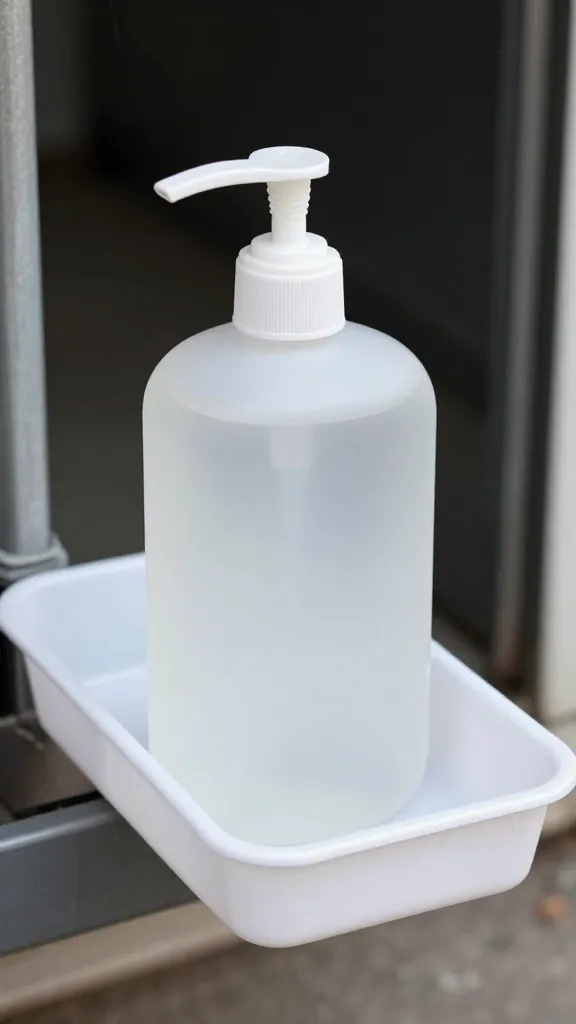
- Hand sanitizer or a handwashing station with soap
- Boot brush and a shallow tray with disinfectant for soles
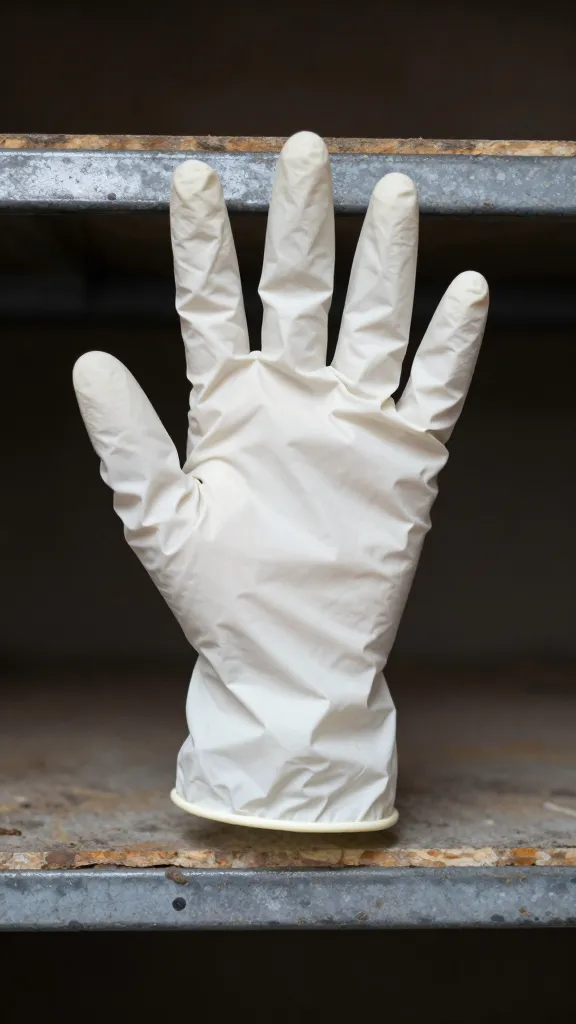
- Hooks for coop-only gear (bucket, scraper, brush, gloves)
Label it if you want. Or just tell visitors, “Boots on or birds off.” Your coop, your rules.
One-way gear policy
Don’t cross-contaminate:
- Use coop-only tools—don’t borrow or lend equipment.
- After visiting another farm or feed store, change clothes before handling birds.
- Wash egg baskets and crates weekly (hot, soapy water, then disinfectant).
FYI, “I’ll do it later” usually means “I forgot.” Put the brush and sanitizer where you can’t miss them.
Smart Feeding and Watering (Where Most People Slip)
Feed and water systems can turn into germ buffets if you let them.
Keep wild birds and rodents out
- Use rodent-proof metal bins with tight lids for feed.
- Hang feeders or use treadle feeders to reduce spills.
- Collect leftovers every evening—no free midnight snacks for mice.
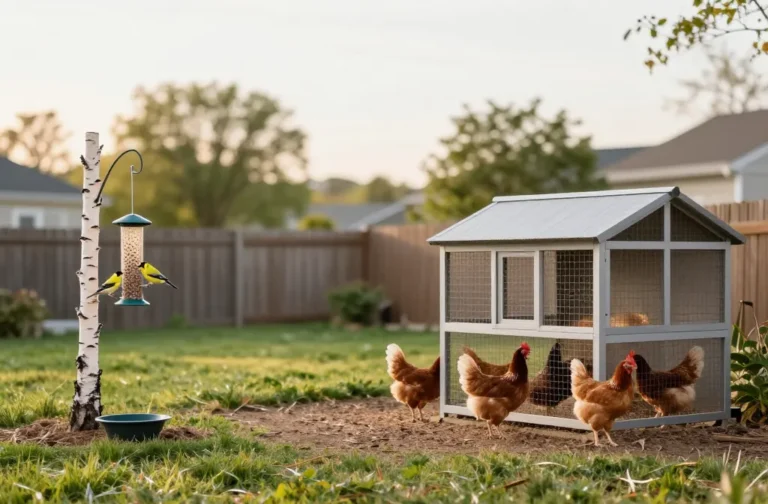
- Cover the run top if wild birds frequent your area (even simple netting helps).
Water hygiene basics
- Scrub waterers with a diluted bleach solution (1 tbsp per gallon) weekly.
- In hot weather, change water daily to stop algae and bacteria.
- Keep waterers off the ground to avoid poop splash-back. Gross, but true.
Quarantine Like You Mean It
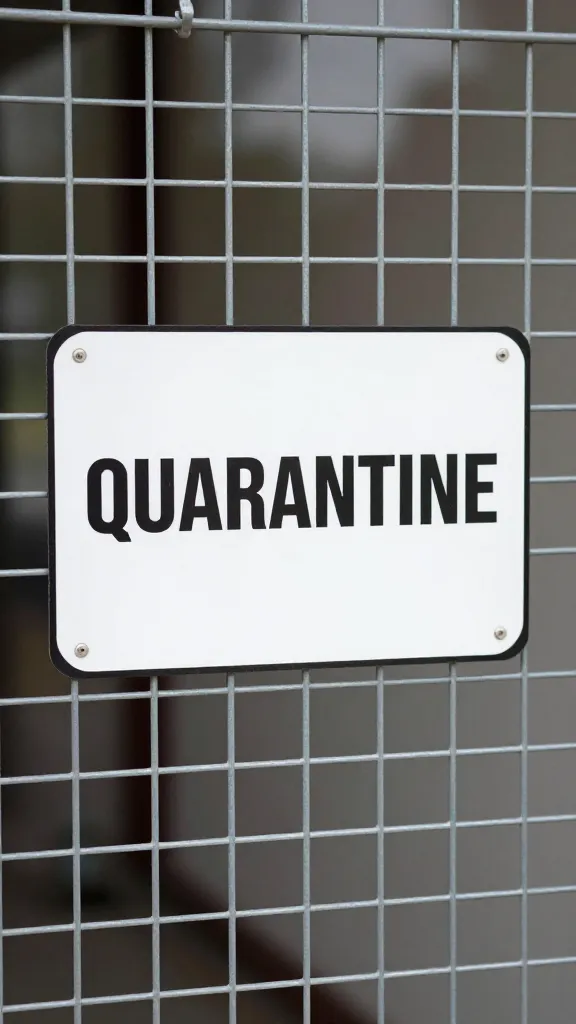
For the full setup, use this guide to quarantine a new chicken before mixing flocks.
New birds = new microbes. Same for birds returning from shows or boarding.
The 30/10 rule
- 30 days separate housing at least 30 feet away.
- 10-minute daily health check for sneezing, swollen eyes, diarrhea, weight loss, or weird behavior.
Care for your main flock first, quarantine birds last. Change clothes or at least wash hands between groups. IMO, this one habit saves more flocks than fancy supplements ever will.
What to monitor during quarantine
- Eating, drinking, and droppings (snap a quick daily pic—easy tracking)
- Respiratory signs: coughing, nasal discharge, rattly breathing
- External parasites: mites and lice checks under wings and around vents
Daily, Weekly, Monthly: Your Biosecurity Routine
You don’t need a hazmat calendar. Just build a rhythm.
Daily
- Boots on, sanitize hands.
- Quick headcount and behavior scan—anyone acting off?
- Remove wet litter, poop from roosts, and spilled feed.
- Top off clean water; refresh if it looks cloudy.
Weekly
- Scrub feeders and waterers.
- Rake or replace bedding in high-traffic spots.
- Inspect for entry points (gaps, chew marks, holes).
- Check first-aid kit: electrolytes, syringe, saline, vet wrap, styptic powder.
Monthly
- Deep clean coop: remove bedding, scrape, wash, disinfect, dry, replace.
- Inspect flock for parasites; treat if needed.
- Review vaccination status and notes on egg production and weight.
Sick Bird? Act Fast, Keep Calm
You’ll spot trouble early if you watch your flock daily. Don’t wait to see “if it passes.”
Immediate steps
- Isolate the bird in a warm, quiet crate (separate air if possible).
- Disinfect your hands and tools before returning to the flock.
- Offer fresh water with electrolytes; monitor droppings and appetite.
- Call a poultry-savvy vet if you see respiratory signs or sudden decline.
Record-keeping saves time
Keep a simple log:
- Date, symptoms, temperature changes, treatments
- Photos of eyes, nostrils, droppings (yes, poop pics—welcome to chicken life)
- Response to care within 24–48 hours
FYI, notes help you decide when to escalate and make vet calls faster.
Biosecurity Free Checklist
Print this, tape it to your coop door, and you’re golden.
- Entry Station: boots/shoe covers, hand sanitizer, boot brush, disinfectant tray.
- Coop-Only Gear: labeled tools, gloves, buckets—no sharing, no borrowing.
- Quarantine: 30 days for new/returning birds, 30 feet minimum separation.
- Daily Check: headcount, behavior scan, clean spills, refresh water.
- Feed Security: rodent-proof bins, hang/treadle feeders, remove leftovers nightly.
- Water Hygiene: elevate waterers, scrub weekly, change daily in heat.
- Wildlife Control: netting/cover, secure gaps, clean up scattered feed.
- Cleaning Rhythm: spot clean daily, scrub weekly, deep clean monthly.
- Health Log: symptoms, photos, treatments, results.
- Emergency Kit: electrolytes, saline, syringes, vet wrap, styptic, gloves, disinfectant.
FAQ
Do small backyard flocks really need biosecurity?
Yes. Pathogens don’t check flock size before causing chaos. Simple habits—clean boots, quarantines, and regular cleaning—cut your risk massively with almost no extra time.
What disinfectant should I use?
Use a poultry-safe disinfectant or diluted bleach (1 tbsp per gallon). Clean surfaces first with soap and water, then disinfect, and let everything dry before birds return.
How far should quarantine housing be?
Aim for 30 feet or more, and ideally downwind from your main coop. Handle your main flock first, wash up, then care for quarantined birds last.
How do I keep wild birds away?
Use overhead netting or wire, cover feeders, clean up spills, and keep waterers inside the run. Wild birds love free buffets—don’t host one.
Should I vaccinate my flock?
Talk to a local poultry vet or extension office. Many hatcheries vaccinate for Marek’s by default. Regional risks vary, so local advice beats internet guesswork, IMO.
What are early signs my chicken might be sick?
Watch for lethargy, tail held low, wheezing, runny eyes or nose, diarrhea, pale combs, or sudden drop in appetite or eggs. If your gut says “something’s off,” trust it.
Wrap-Up: Keep It Simple, Keep Them Safe
You don’t need a lab—or a spreadsheet addiction—to protect your birds. Build a clean zone, quarantine newcomers, feed smart, clean on a schedule, and move fast when something looks wrong. That’s the whole game. Stick to the checklist, and your flock will reward you with healthy clucks and breakfast on repeat.
Share this content: