5 Things Chicken Keepers Won’T Tell You
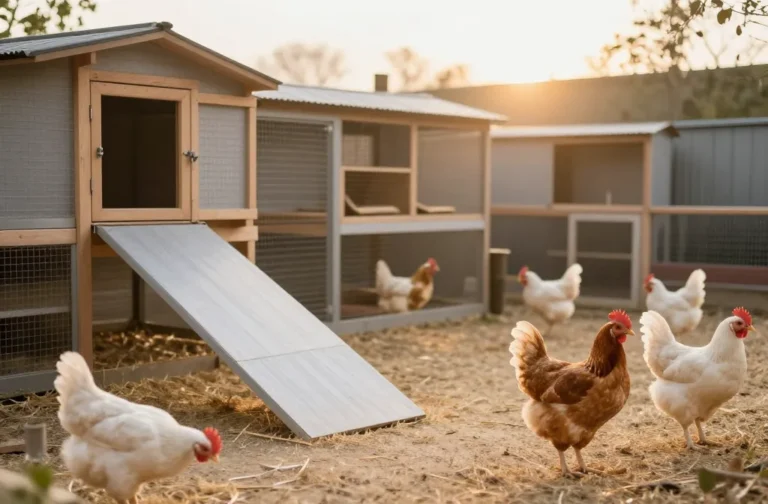
You picture fluffy hens, pastel eggs, and a charming little coop at golden hour. Cute, right? Well, backyard chickens deliver all that… and a few surprises chicken keepers gloss over when they post those dreamy Instagram reels. Want the real tea before you dive in? Pull up a perch—here’s what folks don’t tell you until you’ve already named your favorite pullet.
Your Mornings Will Never Be the Same
You think coffee comes first? Nope. Chickens do. They wake up with the sun and expect service, and yes, they complain when you’re late. You’ll shuffle out in slippers, half-asleep, and your flock will greet you like feathery alarm clocks.
Winter adds spice. Frozen waterers happen. You’ll smash ice with a stick and wonder how you became a farm goblin. FYI: a heated base for the waterer will save your sanity, your fingers, and your mood.
How to make mornings easier
- Automatic coop door: Worth it. Your birds get out on time, and you sleep in occasionally.
- Two waterers: Rotate them so you always have one thawed and ready.
- Feed in metal bins: Keeps feed dry, fresh, and un-raided by raccoons with PhDs.
Egg Math Doesn’t Always Egg-Sist
You see “five hens = five eggs a day” and think you’ll never buy eggs again. Cute. Hens take breaks. They molt, they age, they get broody, they plot union strikes during heat waves. Some breeds lay like champs, some lay like artists—sporadically and when the muse strikes.
Also, short winter days mean fewer eggs unless you add supplemental light. IMO, let them rest. A little patience beats hens burning out early.
The hidden costs nobody budgets
- Feed and bedding add up. Many folks spend more on upkeep than they’d ever pay for store eggs.
- Coop upgrades happen. You’ll “just add” hardware cloth, a better roof, a bigger run, and suddenly you’re an amateur contractor.
- Vet care. Not every area has poultry vets, and when you find one—prepare your wallet.
Predators Study Your Coop Like It’s a Heist
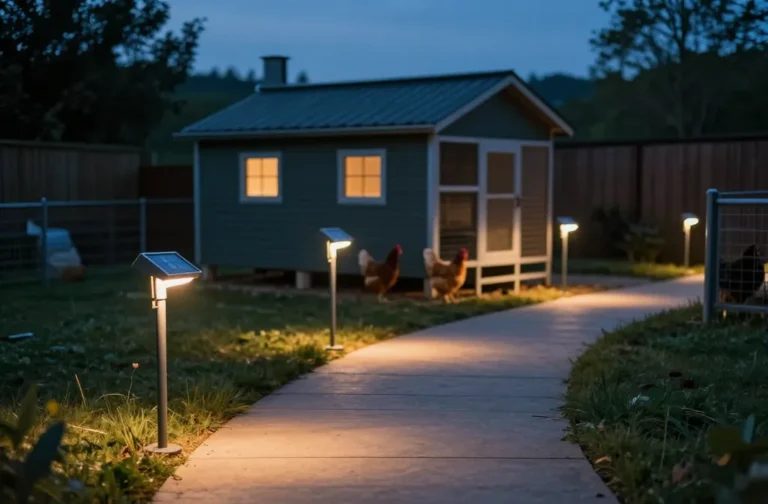
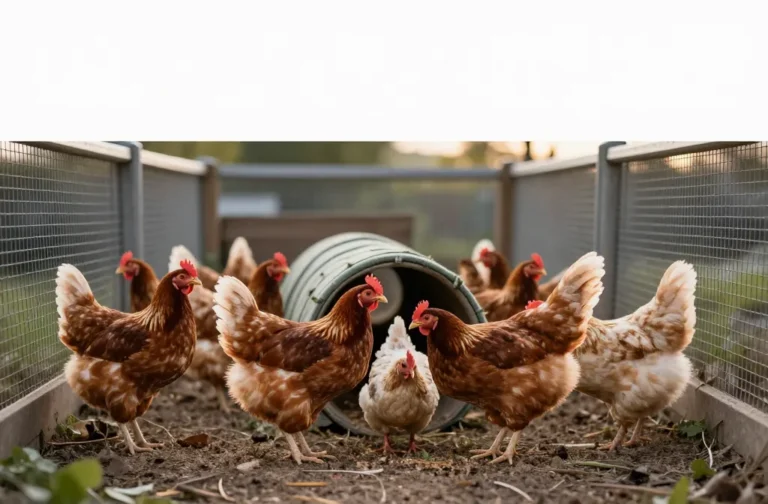
Raccoons, foxes, hawks, neighborhood dogs, even rats—everyone wants in. Security beats aesthetics every time. Cute chicken wire? That stuff’s a suggestion, not protection. Use hardware cloth (1/2-inch) and bury it around the run to stop diggers. Think Fort Knox, not fairy garden.
Lock up religiously. Predators test your setup at 2 a.m. They learn latches, pry open weak spots, and dig under fences like tiny furry excavators. They don’t quit.
Must-do predator-proofing
- Bury a 12-inch apron of hardware cloth around the run.
- Cover the top of the run with wire or netting to block hawks.
- Use real locks on doors, not flimsy hook-and-eye latches.
- Store feed indoors in metal cans to avoid attracting critters.
Chickens Come With Soap-Opera Drama
They look sweet, but pecking order is real. Someone always plays mean girl, someone always ends up bottom hen, and you’ll referee more than you planned. New birds? Expect squabbles. Add them gradually or watch chaos bloom.
Health quirks happen too: mites, bumblefoot, sour crop, egg binding. Not constant—but when things go wrong, you can’t ignore it. Are you prepared to soak a chicken’s foot in Epsom salts like a tiny spa day? Because you will.
Integration without carnage
- See-but-no-touch: House new birds in a separate pen inside the run for a week.
- Multiple feeders and waterers: Reduces bullying and resource guarding.
- Nighttime sneak-in: Place newcomers on the roost after dark. Chickens wake up like, “We’ve always been roommates, right?”
Poop. Everywhere. All the Time.
We need to talk about the poop. It’s prolific and weirdly strategic—on the roost, in the nesting box, directly on your boot. Backyard bliss also means regular cleaning. Ignore it, and your coop becomes a fly Airbnb.
Good news: Compost turns that chaos into garden gold. Chicken manure needs to age before you use it, but once it’s ready, your tomatoes will write you a thank-you note, FYI.
Keep the stink down, keep morale up
- Deep litter method: Layer carbon materials (shavings, straw) and turn weekly. Clean out seasonally.
- Poop board under roosts: Scrape daily. Sounds extra; saves hours.
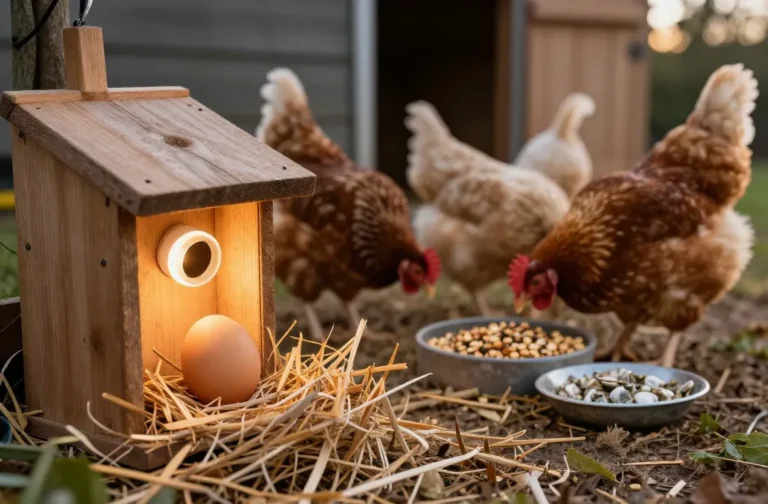
- Nesting box hygiene: Fresh shavings stop egg smears and your existential dread.
You Will Get Attached (And Make Weird Chicken Sounds)
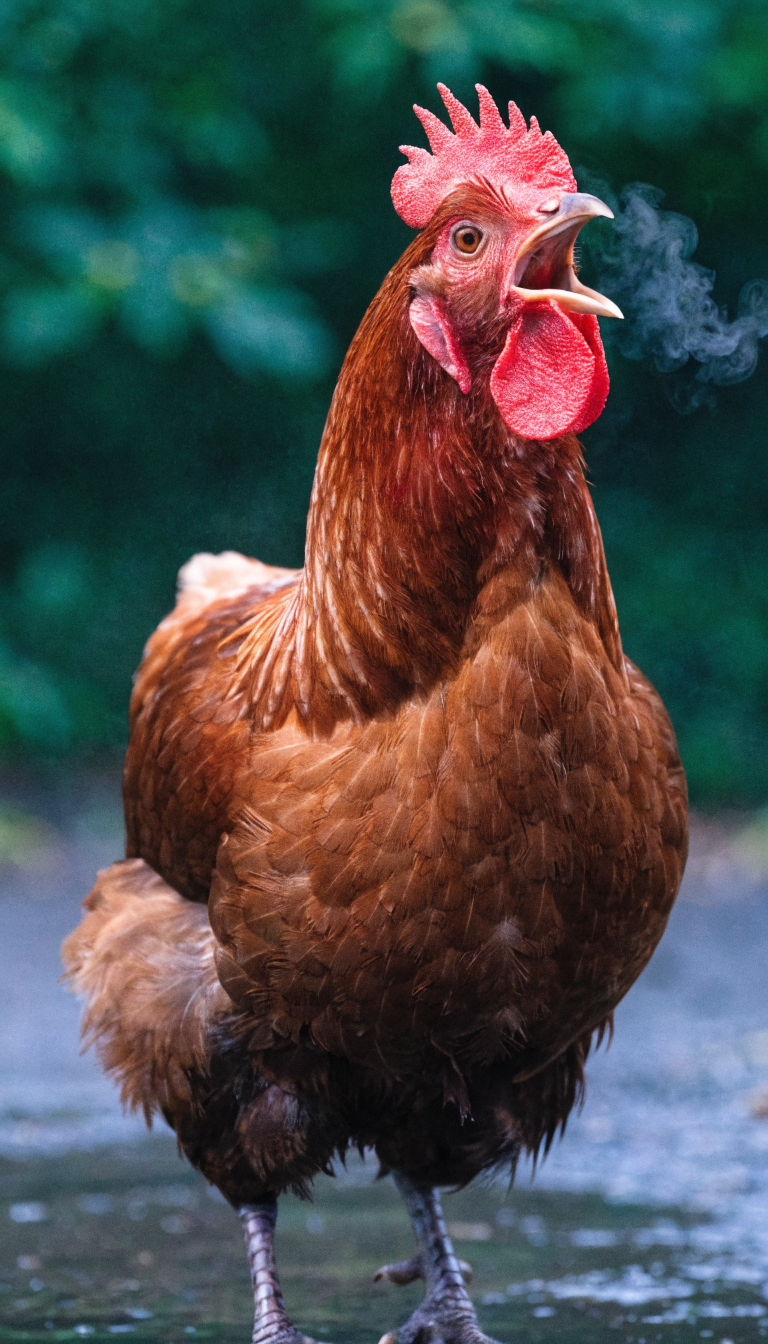
You’ll swear you won’t name them, then you’ll have a hen called Nugget who follows you like a dog. They learn routines, voices, and treat bags. They hop on your lap. They sunbathe like tiny beachgoers. You will cluck back at them. Your neighbors will hear you. Sorry.
Also, chickens don’t live forever. Illness or predators can break your heart fast. Having a plan for end-of-life care matters more than you think. It’s the unglamorous part, but it proves you’re a responsible keeper.
Boundaries that help
- Set a treat budget: Too many snacks = fewer eggs and health issues.
- Routine health checks: Pick up each hen weekly, check feet, vent, weight, and comb color.
- Emergency kit: Electrolytes, Blu-Kote, vet-wrap, saline, Epsom salts, and a small dog crate for isolation.
FAQs
How many chickens should a beginner start with?
Start with 3–6 hens. That gives a stable social group and enough eggs without overwhelming you. Smaller flocks stress more, and single hens get lonely. Roosters? Optional and loud—your neighbors may vote no.
Do I need a rooster for eggs?
Nope. Hens lay eggs without a rooster. You only need a rooster if you want fertilized eggs for hatching or you enjoy a 5 a.m. crow that sounds like a kazoo learning to scream, IMO.
What’s the best bedding for the coop?
Pine shavings hit the sweet spot: absorbent, easy to clean, and affordable. Straw works if you keep it dry and turn it often. Skip cedar—its oils can irritate chickens’ respiratory systems.
How much space do chickens actually need?
Aim for at least 4 square feet per bird inside the coop and 10 square feet per bird in the run. More space reduces bullying and keeps the flock healthier. Free-ranging helps, but still give them a solid run for bad weather and hawk patrol.
Can I keep chickens if I work full-time?
Yes, with planning. Use an automatic door, large feeder and waterer, and do quick checks morning and evening. Batch-clean on weekends. Build systems so you don’t sprint home at dusk like a poultry Uber driver, FYI.
What do I do if a hen stops laying?
First, check her age—production drops after 2–3 years. Molting, stress, heat, parasites, and low daylight can pause laying too. Inspect her health, adjust diet, and add light in winter if you choose. Sometimes, she just needs a break—just like the rest of us.
Conclusion
Chickens bring delight, drama, and a surprising amount of daily ritual. You’ll earn eggs the honest way—with mud on your boots and a flock that recognizes the crinkle of a mealworm bag from 400 feet. If you’re cool with early mornings, meticulous security, poop management, and the occasional hen who thinks your porch is a restroom, you’ll love it. And when you crack that first golden yolk from your own birds? Worth every cluck. IMO, that’s the secret chicken keepers keep—despite the chaos, they’d do it all again.
Share this content: