How to Treat Bumblefoot in Chickens?
Your chicken is limping, glaring at you like you owe it rent, and you just spotted a nasty scab on the bottom of its foot. Yep—classic bumblefoot. It sounds cute, but it’s basically a painful foot infection that needs your attention ASAP. The good news? You can treat most cases at home with patience, clean tools, and a calm bird. Let’s fix those feathery feet.
What Is Bumblefoot, Really?
Bumblefoot (aka pododermatitis) is a bacterial infection in a chicken’s foot pad. It usually starts when bacteria sneak in through a tiny cut or pressure sore.
You’ll spot it by a dark scab on the bottom of the foot, swelling, heat, and sometimes limping. The center often hides a plug of infected gunk—fun times. FYI, Staphylococcus often causes it, so wash your hands and keep things clean.
How to Spot It Early (Before It Gets Ugly)
Catch it early and you’ll save yourself (and your chicken) a lot of pain. Look for:
- Slight limping or reluctance to jump off the roost
- Redness or heat on the foot pad
- Small black scab on the bottom of the foot
- Swelling that feels firm to the touch
If it’s advanced, you might see significant swelling or that cheesy core under the scab. IMO, don’t wait—start treatment if you’re suspicious.
Set Up Your Treatment Station
You can absolutely handle mild to moderate bumblefoot at home. Gather:
- Warm water + Epsom salt (for soaking)
- Clean towels and nitrile gloves
- Chlorhexidine or povidone-iodine for disinfecting
- Sterile gauze, vet wrap, and waterproof tape
- Triple antibiotic ointment (no pain reliever) or medical honey
- Sterile tweezers and small scissors
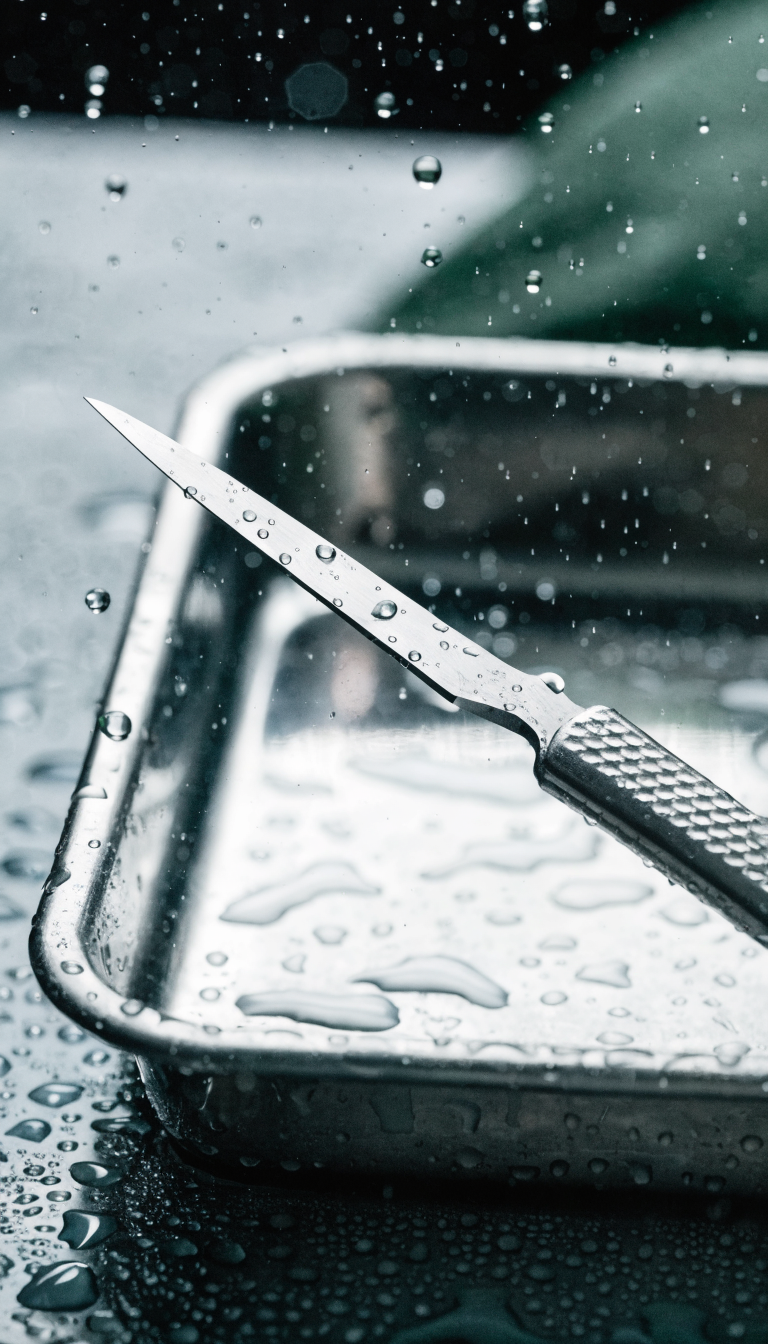
- Optional: curved scalpel or sterilized razor blade for tougher cores
Pro tip: Work in good light and keep everything clean. You’re not performing open-heart surgery, but we respect the foot.
Calm Chicken = Easier Procedure
Wrap your chicken like a burrito in a towel so just one foot sticks out. A helper makes life easier. Talk softly, scratch the wattles—make it a spa day… kind of.
Step-by-Step Bumblefoot Treatment
Here’s the home-care routine most backyard keepers use. If anything feels above your skill level, call a vet. No shame in that game.
- Soak the foot in warm Epsom salt water for 10–15 minutes. This softens the scab and relaxes the bird.
- Disinfect the foot with diluted chlorhexidine or iodine. Let it air-dry briefly.
- Assess the scab. If it’s small and loose, you can often lift it gently with sterile tweezers.
- Remove the core (if present). You’re looking for a firm, cheesy plug. If it doesn’t lift easily, you may need a tiny incision around the scab to free it. Keep it minimal. If you see a lot of bleeding or your bird freaks out, stop and re-evaluate.
- Flush the pocket with antiseptic solution. You want clean tissue, no debris.
- Pack and protect. Apply a thin layer of antibiotic ointment or medical honey. Place a gauze pad over the area, wrap with vet wrap snugly (not tight), and finish with a bit of waterproof tape on the bottom for a “shoe.”
When to Skip Cutting
If the scab won’t budge, swelling runs up the leg, or you’re uncomfortable making an incision, do daily soaks, disinfect, and bandage. Sometimes the core loosens over a few days. Otherwise, get a vet involved for antibiotics or a proper debridement.
Aftercare: Where the Real Healing Happens
This part matters as much as the removal. Don’t skimp.
- Change bandages daily for the first 3–4 days, then every other day until healed.
- Keep the bird on clean, dry bedding. A crate with towels or puppy pads works great.
- Watch for redness, heat, or bad smell. That screams infection.
- Limit jumping and rough perches. Lower roosts and soft landings help.
- Continue Epsom soaks for 5–10 minutes daily for the first few days.
Most mild cases improve in 1–2 weeks. If your chicken still limps after that or the swelling persists, call a poultry vet. FYI, advanced infections need antibiotics—don’t wing it.
Prevention: Stop It Before It Starts
No one wants to repeat this foot fiasco. Here’s how you lower the odds:
- Fix perch height and texture: 12–18 inches high for heavy breeds, with wide, rounded edges (2×4 on the flat works well).
- Keep litter dry: Wet, poopy bedding = bacteria playground. Stir and refresh often.
- Remove hazards: Nails, sharp wire, splinters, rough ramps—out.
- Mind the landing zone: Give soft bedding under roosts to cushion jumps.
- Check feet weekly: Catch tiny scabs early and treat right away.
- Manage weight: Overweight hens put more pressure on feet. Balanced diet, less treat buffet.
Perch and Run Upgrades That Pay Off
– Sand or deep-litter systems keep surfaces drier and softer.
– Ramps with grip strips reduce big drops for heavy breeds.
– Smooth any wood with sandpaper; seal splinters.
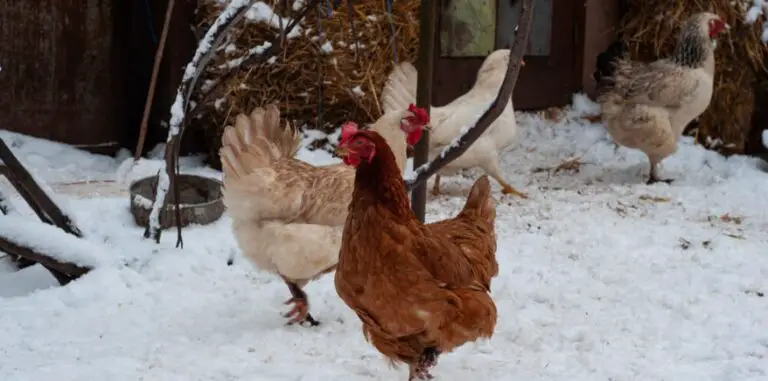
– In winter, keep snow and ice out of the run—slips cause bruising that turns into bumblefoot.
Tools and Products I Actually Like (IMO)
– Vet wrap: clings to itself, not feathers.
– Medical-grade honey: great for nasty wounds—stays put and fights bacteria.
– Chlorhexidine solution: gentle and effective for flushing.
– Waterproof tape “sole”: keeps bandages clean longer.
Skip pain-relief ointments with “-caine” ingredients (like benzocaine). They can be toxic to birds.
When to Call a Vet
I’m all for DIY, but sometimes you need backup. Get professional help if:
- Swelling spreads up the leg or you see red streaks.
- Your hen won’t bear weight after initial treatment.
- There’s a foul smell or persistent discharge.
- You can’t remove the core after several tries and soaks.
- Multiple birds start showing symptoms—check your setup ASAP.
A vet can debride properly, prescribe antibiotics, and save you time and stress.
FAQ
Can bumblefoot heal without cutting?
Sometimes, yes. Early cases respond to daily Epsom soaks, disinfecting, and diligent bandaging. The scab can soften and lift over a few days. If swelling persists or your bird limps after a week, get a vet’s advice.
Is bumblefoot contagious to my flock?
Not exactly contagious like a cold, but the conditions that cause it affect everyone—wet litter, sharp perches, hard landings. Fix the environment, and you protect the whole flock. Wash your hands and supplies between birds just to be safe.
Do I need antibiotics?
Not always. Many mild cases clear with cleaning and bandaging alone. If you see spreading swelling, feverish heat, or your hen looks unwell, a vet may prescribe antibiotics. Please don’t use random leftovers—wrong meds make things worse.
What if the scab keeps coming back?
Recurrent bumblefoot screams “pressure problem.” Check perch shape, height, and landing spots. Also rule out obesity or arthritis that changes how your chicken stands. Re-treat, then upgrade the setup so it stays gone.
How tight should I wrap the foot?
Snug enough to keep the gauze in place, but not so tight that toes feel cold or look puffy. After wrapping, check circulation by pressing a toe tip—the color should return quickly. Rewrap if it looks constricted.
Can I use drawing salves?
Some folks use Ichthammol or similar. They can help soften the scab, but they’re messy and not magic. I prefer Epsom soaks + antiseptic + honey or antibiotic ointment. Keep it simple and clean.
Conclusion
Bumblefoot looks scary, but you can handle most cases with calm steps: soak, clean, remove the core if present, and bandage like a pro. Then keep everything dry and cushy while it heals. Fix the coop setup so you never meet that gnarly scab again. Your chicken will strut pain-free soon—and maybe forgive you for the spa session, eventually.
Share this content: