How to Keep Your Chickens Entertained: Fun & Smart Hacks
Chickens aren’t just barnyard roommates with a loud alarm clock. They’re curious, goofy, feathered comedians who deserve a little daily entertainment. If your coop has turned into a snooze-fest, you’ve got options. Let’s turn those clucks into a quirky, cheerful routine your flock will actually enjoy.
Create a playground they can explore on their own
Chickens love to scratch, peck, and forage. A dynamic environment keeps their brains busy and their feet busy—less boredom, more pecking excitement. Start by stocking the coop with a mix of safe, intriguing materials.
– Scatterable goodies: puzzle feeders, treat balls, or hanging greens that require a tiny bit of effort.
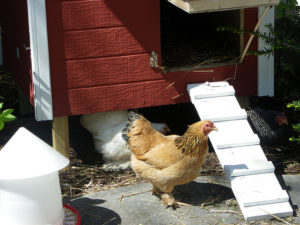
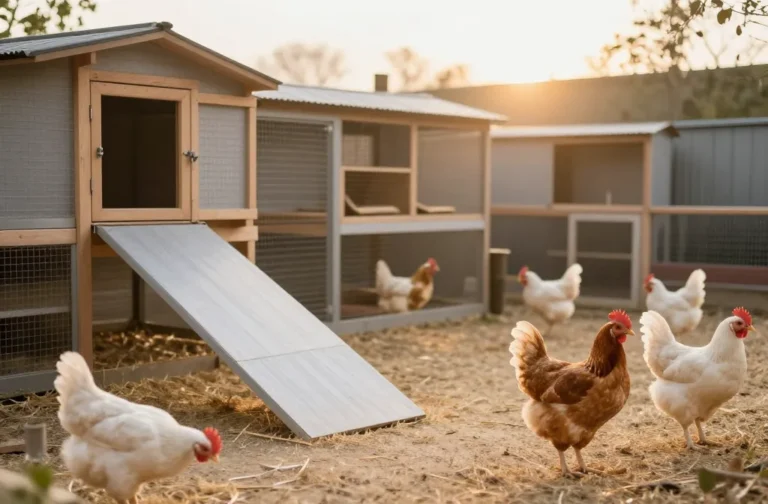
– Layers of stimulation: add a low platform, a ramp, and a few perches at different heights.
– Ground cover that matters: straw, wood chips, or leaf litter let them scratch without turning the entire yard into a dust storm.
Why it works? Chickens are natural problem solvers. Give them small mysteries, and they’ll solve them with gusto. FYI, boredom often leads to feather picking or excessive pecking at each other. Keep them engaged, and you’ll see calmer days and happier hens.
DIY enrichment: simple toys they can actually use
Who needs fancy gadgets when you’ve got a bit of imagination and a cheap shopping list?
Foraging toys
– Treat-dispensing jars: poke holes just big enough for some grains to tumble out. Shake gently, and let them sniff out the bounty.
– Hanging greens: tie lettuce or kale to a rope at chicken head height. They’ll tug, twist, and master the art of the pull.
Interactive scrapers and scrapes
– Scratching mats: place a sturdy mat with different textures. They’ll scratch like tiny feathered archaeologists.
– Sand baths with flair: a shallow tub full of sand or dirt lets them dust themselves while keeping mites at bay.
Keep toys seasonal. Change the layout every couple of weeks so the flock doesn’t clock out on you. IMO, variety is the spice of poultry life.
Healthy pecking order: enrichment that respects their social side
The coop isn’t just a playhouse; it’s the stage for a tiny soap opera called the pecking order. You can enrich their social life without turning it into a soap drama.
– Rotate roosting spots: move a perch or two a few inches. The drama of “who sleeps where” stays minimal if everyone gets a fair shot.
– Mini puzzles for the boss hen: give the top hen a food puzzle in a separate corner. It keeps her from monopolizing resources while giving others a chance to shine.
– Gentle introductions: when you add new birds, do it gradually. A slow, friendly integration beats chaos and stress.
Would you believe a little structure can actually boost overall happiness? It’s like giving them a social calendar they can actually enjoy.
Outdoor adventures: safe exploration beyond the run
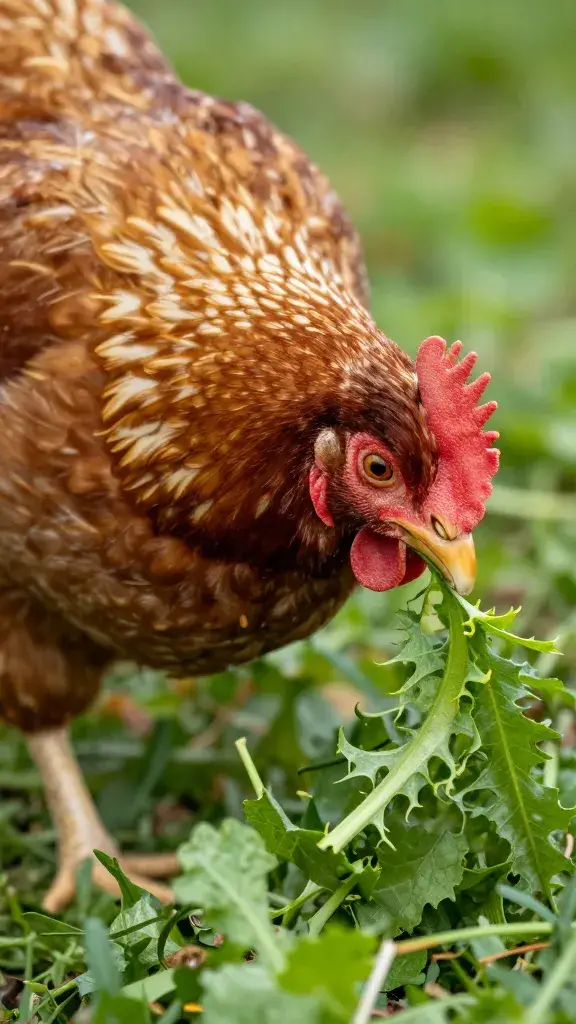
Time outside lifts moods faster than a crowing rooster at sunrise. A secure, enriching outdoor space gives chickens the chance to roam, dust-bathe, and sunbathe.
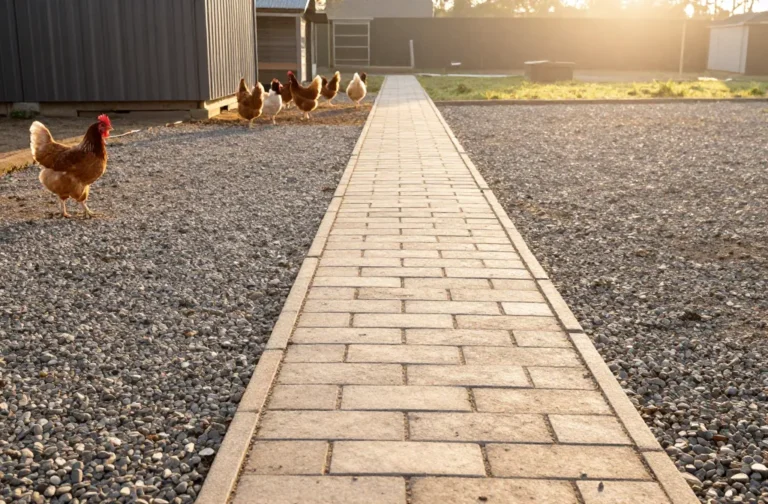
– Supervised free-ranging: start with short intervals in a secure area. Increase as the flock proves they can handle it.
– Natural scenery: add a few shrub clumps, a shallow dish of dirt for dust baths, and a shallow mud pit for those who love to get messy.
– Predator-proofing: sturdy fencing, a secure gate, and a covered run keep the adventure from turning into a heart-stopping event.
If you’re worried about predators, set up a motion-activated light or alarm and keep the area well-lit at dusk. It’s not dramatic—just practical.
A little coop couture: comfort that translates to happiness
Happy chickens start with a comfy home. The coop should feel like a cozy apartment, not a prison cell.
– Ventilation is everything: good airflow prevents stuffiness and odor buildup. Still, don’t blast them with cold drafts in winter.
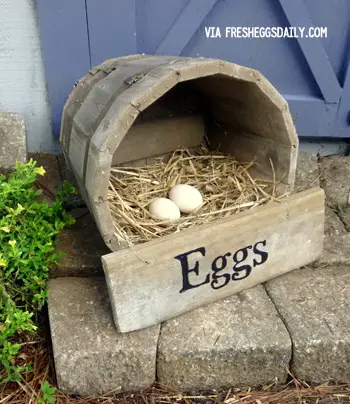
– Quiet corners: a secluded nesting box or two helps shy birds feel safe to lay eggs and relax.
– Clean, easy maintenance: removable roosts, washable waterers, and simple feeder access save you time and stress.
Rookie mistake: overcrowding. If the flock feels cramped, they’ll act out. Space and air = calmer birds.
Nutritional curiosity: feed that doubles as enrichment
Food isn’t just fuel; it’s a daily puzzle, a scavenger hunt, and a tiny bite of brain candy.
– Varied textures: mix in whole grains, cracked corn, and leafy greens. The texture variety keeps beaks busy.
– Slow-release feeders: these frustrate the lazy among them in a good way, turning rations into mini games.
– Hidden treasure days: sprinkle treats in different spots or under hay for a treasure-hunt vibe.
Smart tip: always provide fresh water and keep treats limited to a portion of their daily intake. FYI, a bored chicken will eat more for comfort—addressing boredom reduces wasteful snacking.
Seasonal spins: adapting entertainment as the weather changes
Chickens adapt to humidity, cold, heat, and rain like furry little weather reporters. Tailor playtime to the season.
– Summer: shaded zones, fans, and plenty of water. Add shallow sprinklers or a kiddie pool on hot days for cooling fun.
– Fall: harvest leftovers from the garden and add dried corn stalks for foraging texture.
– Winter: more roost space, extra perches, and puzzle feeders to keep minds busy when outside time drops.
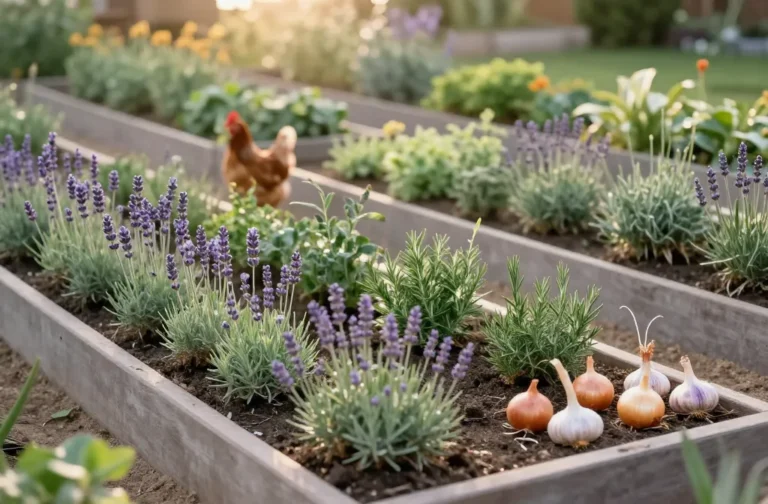
– Spring: introduce new scents—fresh herbs or safe aromatic greens—to stimulate curiosity.
Do you ask yourself, “Will they enjoy it in winter?” Yes, and they’ll appreciate a warmer, stimulating space even when the days are gray.
Maintenance mindset: consistency beats chaos
Entertainment works best when it’s part of a routine, not a one-off stunt.
– Set a weekly “play day” routine: rotate toys, switch up treats, and tweak layouts.
– Observe, don’t nag: watch for signs of boredom or aggression. Tweak the setup based on what you see, not what you guess.
– Keep safety front and center: all materials should be non-toxic, sturdy, and free of sharp edges. If it sounds questionable, it probably is.
A predictable schedule makes training easier for you and happier for them.
FAQ
What if my chickens aren’t interested in new toys?
Some birds take their sweet time. Start with passive enrichment—like a treat-dispensing jar placed near their favorite corner—and gradually introduce more interactive options. Patience pays off. If you see zero interest after a couple of weeks, switch up the item or position.
How much space do chickens need for optimal entertainment?
Healthy enclosures vary by breed, but a good rule of thumb is at least 4 square feet per bird inside the coop and 10 square feet per bird in the outdoor run. More space equals more exploration, which equals more happiness. If you’re tight on space, focus on vertical options: perches, ladders, and hanging toys.
Is it ok to use human toys for chickens?
Yes, as long as they’re safe and non-toxic. Avoid anything with small parts they could swallow, cords they might chew, or paint that could chip off. Simple, sturdy options work best—think optical puzzles, untreated wood, and safe fabrics.
How do I know if the flock is bored or stressed?
Look for feather pecking, decreased foraging, or constant agitation. If you spot red flags, swap in more enrichment, add more perches, or give them a dust bath. A calm flock typically shows balanced pecking, steady appetite, and relaxed roosting behavior.
Can I overdo enrichment?
Overdoing it can backfire. Too many new items at once can stress shy birds. Introduce new toys slowly, rotate them every couple of weeks, and keep your cool if the flock ignores something. IMO, subtlety wins.
Do I need to spend a ton on enrichment?
Not at all. Simple, affordable ideas do the trick. Treat balls, DIY foraging toys, safe herbs, and a few sturdy perches can transform a dull yard into a playground without breaking the bank.
Conclusion
Keeping chickens entertained isn’t about turning your coop into a circus. It’s about giving them a brain-boosting, body-stimulating daily routine that fits into real-life chickenkeeping. A few thoughtful upgrades, a sprinkle of seasonal variety, and a dash of humor go a long way. Your flock will strut, scratch, and scribble their way through each day with more personality than a breakfast meme. So grab a treat, a toy, and a sunny afternoon—your chickens are ready for their next big adventure.
Share this content: