Can Silkie Chickens Live with Other Breeds Without Drama
Silkies look like feathered teddy bears and act like sweet little grandmas. But can they hang with your bossy Rhode Island Reds or sprinty Leghorns? Short answer: yes—with caveats. You can mix Silkies with other breeds if you manage pecking order, housing, and care intentionally. Let’s talk strategy so your fluffballs don’t get bulldozed.
What Makes Silkies Different (and Why It Matters)
Silkies don’t just look different—they behave differently too. They’re calm, cuddly, and a little slower than standard breeds. That combo makes them lovable and, unfortunately, easy targets.
Key differences you need to plan around:
- Size: Silkies are bantam or bantam-ish in many regions. Bigger breeds can push them around.
- Vision: Their poofy crests can block their view, which makes dodging pecks harder.
- Feather type: Silkie feathers lack barbicels (the “hook” structure), so they can’t repel water and get soaked easily.
- Temperament: Chill and friendly—great for kids, not great in a rough crowd.
Translation for Real Life
You can mix them, but you must curate the flock vibe like a party host who knows who shouldn’t sit together. Choose gentle breeds and give Silkies a few advantages.
Best (and Worst) Breeds to House With Silkies
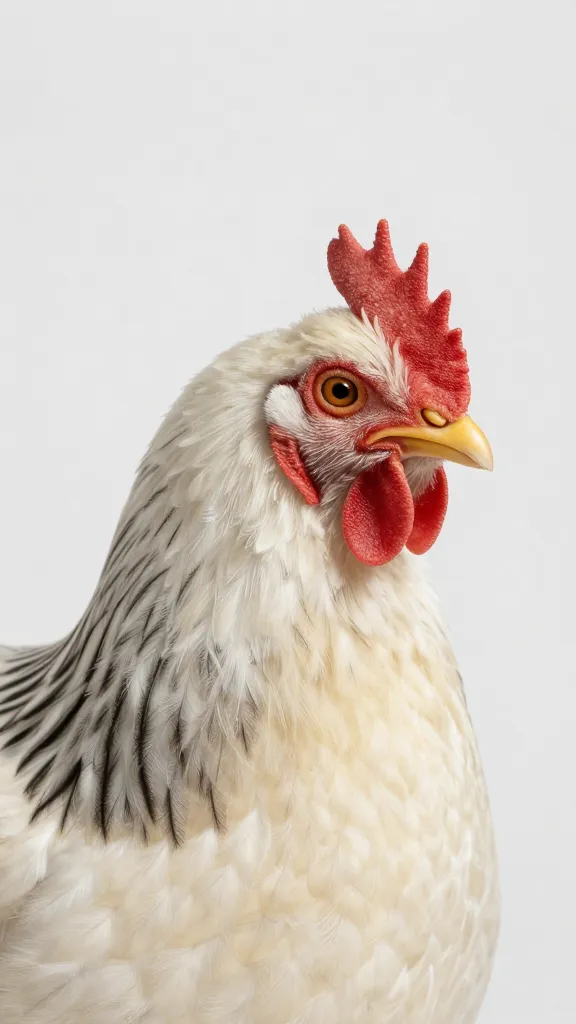
Some breeds vibe with Silkies; others act like the lunchroom bullies. Pick wisely.
Breeds that usually get along (IMO):
- Orpingtons (Buffs especially)
- Cochins
- Brahmas (watch size, but they’re gentle giants)
- Wyandottes (can be assertive but often manageable in spacey setups)
- Easter Eggers (mixed results, but many flocks do fine)
Breeds to approach with caution:
- Leghorns (speedy and pecky)
- Rhode Island Reds (can be bossy)
- Plymouth Rocks (hit or miss—some are saints, some are mean girls)
- Game breeds (often too intense)
The Rooster Factor
Roosters can keep order—or ruin everything. A gentle rooster can protect Silkies. An aggressive one can injure them, especially during mating. FYI: Silkie roosters can be brave but small; don’t expect them to police a flock of tanks.
Housing Hacks That Keep Peace
Your setup can make or break a mixed flock. Think like a tiny real estate developer who cares about fluffball safety.
Non-negotiables for mixed flocks:
- Space: Aim for 4 square feet per bird in the coop and 10+ in the run. More space = fewer pecking matches.
- Multiple feed/water stations: Put bowls in separate zones so no one guards resources like a dragon.
- Low roosts: Silkies often don’t roost high. Provide sturdy, low perches (or even platforms) they can reach.
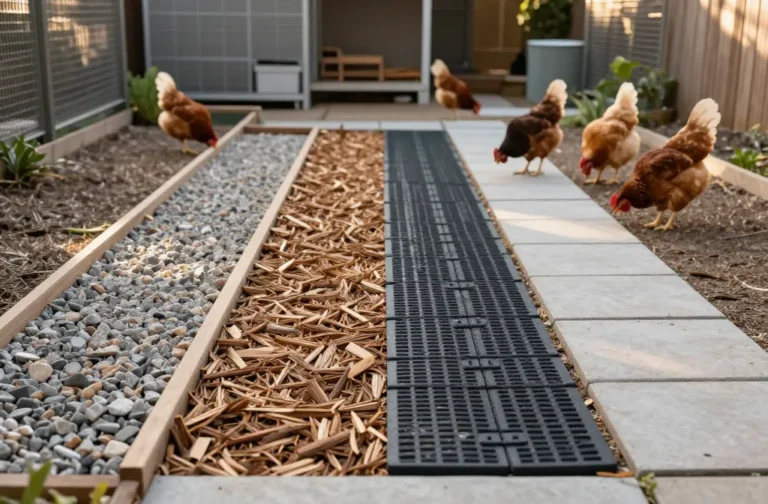
- Sheltered run: Silkies hate being wet. Cover part of the run and add windbreaks.
- Safe retreats: Use visual barriers (shrubs, pallets, Ikea bag holder—kidding, kind of) to break line of sight.
Nesting and Nighttime Arrangements
Offer extra nest boxes so no one queues up and gets pecked. At night, check for pile-ons or bullying. If bullies block Silkies from the coop, you need to rearrange perches or add an alternate entrance.
Introducing Silkies to an Existing Flock
Don’t just toss them in and hope for the best. That’s how you get drama and vet bills.
Step-by-step intro plan:
- Quarantine: 2–4 weeks to prevent spreading illness. Yes, it’s annoying. Do it anyway.
- See but no touch: Use a wire divider for a week so everyone can stare and gossip safely.
- Supervised mingling: Let them free-range together with distractions like greens, scratch, and perches.
- Time and timing: Do initial mix-ups during daylight and then let them roost near each other at night (still separated if needed).
- Monitor: A few pecks = normal. Pinning, blood, or relentless chasing = separate and slow down.
When to Hit Pause
If a Silkie shows ripped skin, blood on the crest, or won’t eat because she’s too stressed, pull her out. Try again after a few days with more space and distractions.
Feeding, Grooming, and Extra Care for Silkies in Mixed Flocks
Silkies need a bit more pampering. Not spa-level, but close.
Feeding tips:
- Use wide, low troughs so Silkies don’t get shouldered out.
- Spread scratch across the run so everyone forages instead of fights.
- Provide quality grower or layer feed as appropriate; add oyster shell in a separate dish for layers.
Grooming and health:
- Trim crests around eyes if vision seems blocked. Better sight = fewer ambushes.
- Check for lice/mites more often; fluffy plumage hides pests like a magic trick.
- Keep them dry. Provide deep, dry bedding and covered spaces outside.
Winter and Weather Watch
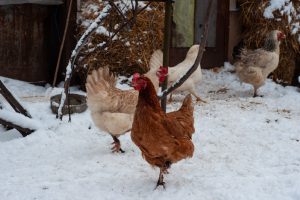
Wet + cold = disaster for Silkies. They don’t shed water well, so add covered runs, extra dry bedding, and draft-free ventilation. In heat, prioritize shade and electrolytes—fluff traps heat.
Dealing With Bullying (Without Losing Your Mind)
Even well-matched flocks can feud. You’ve got options beyond ranting to your chicken-keeping group chat.
Fast fixes:
- Remove the top bully for a few days to reset the pecking order.
- Add boredom busters: hanging cabbages, treat blocks, leaf piles, perches at different heights.
- Use pinless peepers as a last resort for chronic peckers.
- Partition the run to create a Silkie-only lounge if needed.
Know When to Separate for Good
If bullying turns persistent or bloody despite interventions, split the flock. A peaceful Silkie sub-flock beats daily stress and injuries, IMO.
Common Mistakes to Avoid
Let’s skip the learning-the-hard-way montage.
- Throwing Silkies in with large, aggressive breeds and hoping “they’ll work it out.” They won’t.
- High roosts only. Ground-loving Silkies get trampled or freeze out.
- One feeder, one waterer. That’s an open invitation to resource guarding.
- Ignoring the weather factor. Wet, muddy runs make Silkies miserable and sick.
- No quarantine. One sick bird = a sick flock. FYI, it’s not worth the gamble.
FAQ
Can Silkies free-range safely with larger breeds?
Yes, if you supervise at first and your space has hiding spots. Free-ranging often reduces tension since birds can spread out. Watch for hawks though—Silkies can’t see as well with big crests, so add cover like shrubs or netting.
Do Silkies need special feed compared to other breeds?
Not usually. Give them the same age-appropriate feed as your flock. If your Silkies get pushed away at mealtime, add extra stations or feed them separately for a few minutes so they actually eat.
Will a Silkie rooster protect standard hens?
He’ll try, but physics exists. A small Silkie rooster can’t out-muscle large bullies or predators. For flock harmony, prioritize temperament over heroics when choosing a rooster.
Can Silkies handle rain or snow?
They hate it. Their feathers soak through, which chills them fast. Provide covered runs, deep bedding, and draft-free coops with good ventilation. In snow, give them shoveled, dry paths or mats so they don’t stand in slush.
Do Silkies go broody more often, and is that a problem in mixed flocks?
Yes, Silkies go broody like it’s their job. It’s not a problem if you plan for it. Give broody Silkies a safe, quiet nest and make sure other hens don’t pile in and peck them. Separate the broody zone if chaos erupts.
What signs mean my Silkies aren’t coping?
Watch for hiding all day, missing feathers on the head or back, weight loss, or refusing the coop at night. Any blood on the crest or face deserves an immediate separation and a slower reintroduction plan.
Conclusion
Silkies can absolutely live with other breeds—if you match personalities, design the space smartly, and supervise introductions. Give them dry shelter, low roosts, and multiple feeding spots, and don’t tolerate bullies. Do that, and your fluffballs will thrive alongside the big kids. Mixed flock bliss? Totally doable, IMO.
Share this content: