4 Best Quiet Chicken Breeds for Close Neighbors You’Ll Love
Want backyard eggs without a chorus of clucks announcing every sunrise? You’re in the right coop. These four chicken breeds keep it low-key, lay reliably, and won’t get you side-eyed by the neighbor who sleeps with the window open. Let’s build a flock that stays chill, looks gorgeous, and still fills your egg basket.
1. Silkie
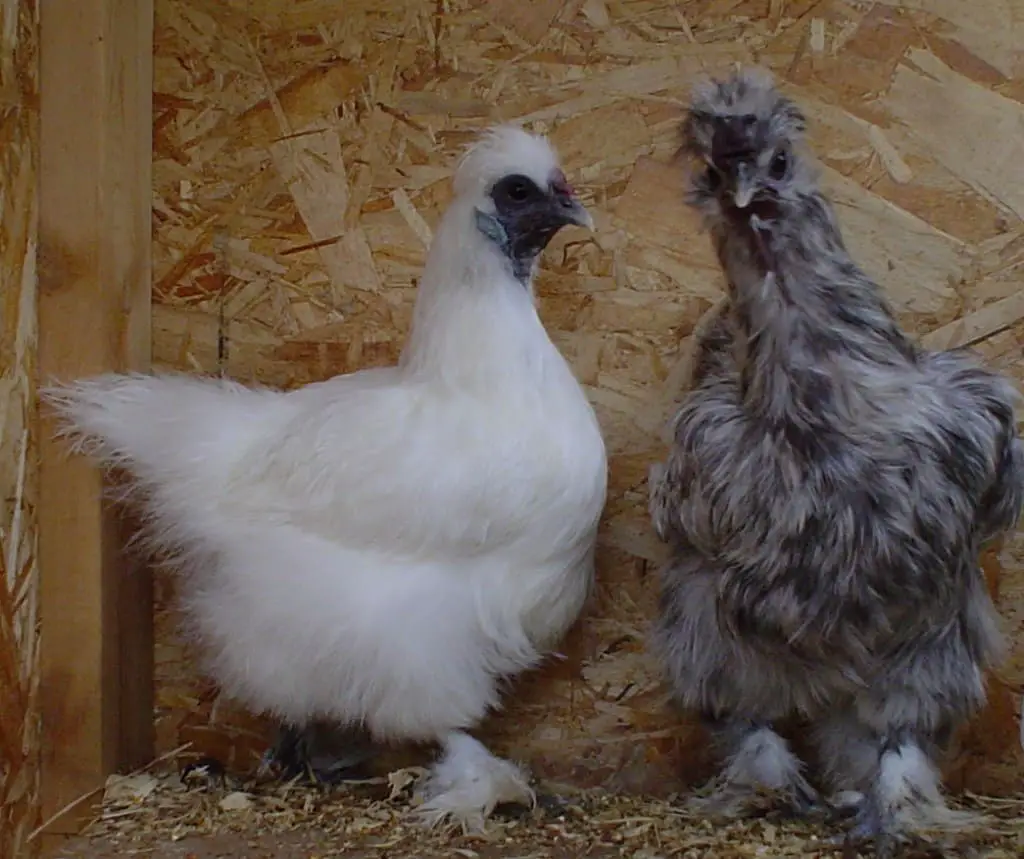
Silkies look like feathered pom-poms with legs, and they act like lap dogs. They coo and murmur more than they cluck, which makes them perfect for tight-knit neighborhoods where sound travels. Their vibe? Gentle, quirky, and endlessly pettable.
Why They’re Awesome
- Ultra-quiet temperaments that lean toward soft chatter over attention-seeking squawks.
- Great with kids and small yards thanks to their small size and docile nature.
- Cold-tolerant-ish due to fluff, but they need dry conditions since that fluff isn’t waterproof.
Silkies don’t lay tons of eggs—think 3–4 cream-tinted eggs per week—but they make up for it with personality.
They also go broody often, so if you want a natural mama, this is your gal. Need cuddles after a long day? Scoop a Silkie. FYI, they’ll probably fall asleep in your hands.
Care Tips
- Keep them dry: Provide a covered run and lots of dry bedding.
- Predator-proof the coop: Silkies have poor vision due to crests and can’t fly well.
- Trim around the eyes if needed to help them see feeders and ramps.
Best for small backyards where charm matters as much as eggs, and for keepers who want quiet birds that double as fluffy therapy.
2. Orpington

Orpingtons bring that teddy-bear energy. They’re large, laid-back, and more likely to hum than holler. If your HOA hears everything, an Orpington flock keeps the decibels down while still delivering a steady egg supply.
Why They’re Awesome
- Chill personalities that reduce squabbles and noise spikes.
- Solid layers: About 4 large brown eggs per week in peak season.
- Cold-hardy with their dense feathering, so they stay comfy and quiet year-round.
Buff Orpingtons are the classic, but lavender and black varieties look stunning. They tolerate handling well, so they’re great for families or new keepers. Noise-wise, you’ll hear soft “bawk-bawk” updates during treat time, not full-on arias.
Keep It Quiet
- Provide boredom busters like hanging cabbage, scattered scratch, or foraging trays to prevent loud complaining.
- Space matters: Aim for 4–5 square feet per bird in the coop and 10+ in the run for calm vibes.
- Nest box privacy reduces the infamous “egg song” theatrics—think darker, cozy boxes.
Choose Orpingtons if you want a steady household egg budget, a cuddle-friendly hen, and a flock that respects naptime—yours and the neighbor’s.
3. Australorp
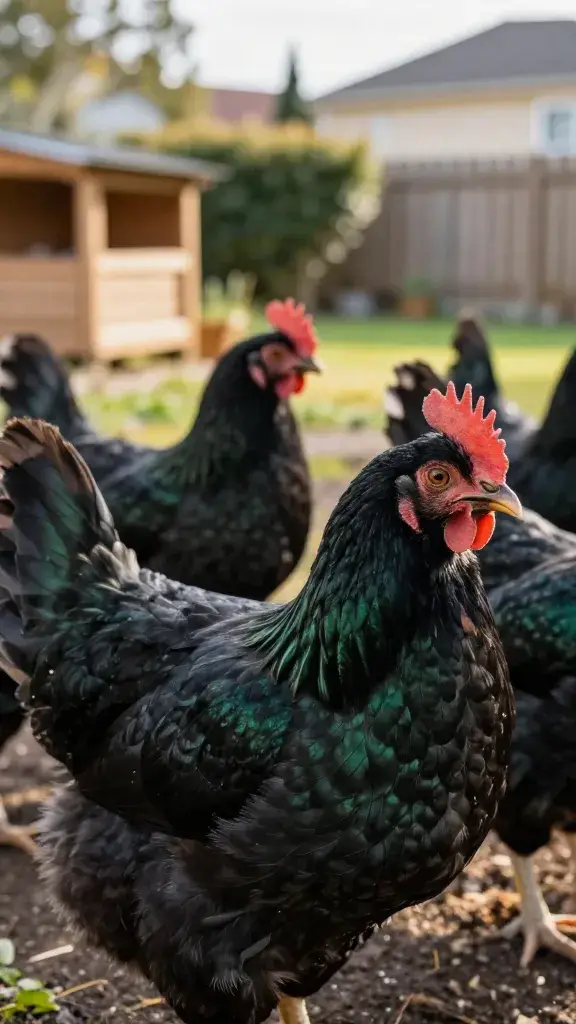
Australorps are like Orpingtons’ athletic cousins—still sweet, just sportier. They’re famous for incredible laying records, yet they keep their soundtrack on low. If you want eggs galore without the gossip, these birds deliver.
Why They’re Awesome
- Top-tier layers: Often 5–6 brown eggs per week in their prime.
- Calm and trainable: They respond well to routine and gentle handling.
- Glossy black feathers with beetle-green sheen—seriously stunning in sunlight.
Noise profile? Minimal. A little murmuring in the morning, a dignified announcement post-lay, then they’re back to patrolling for snacks. Their efficiency shines in suburban setups because they get down to business without the drama.
Pro Tips For Peak Quiet
- Regular schedule: Consistent feeding and let-out times reduce anxious calling.
- Early-morning light control: Block dawn light in the coop so they wake up at a neighbor-friendly hour.
- Balanced feed: Keep protein adequate to prevent hangry clucks and feather picking.
Australorps suit anyone who wants the “quiet overachiever” of chickens. Great for egg lovers, efficiency fans, and folks who appreciate sleek good looks with low noise.
4. Brahma
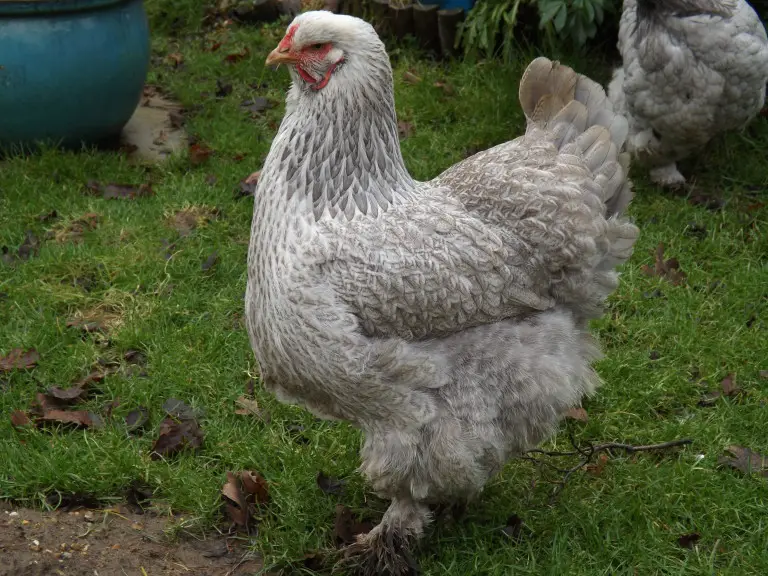
Brahmas look like they stomped out of a fantasy novel—massive bodies, feathered feet, and surprisingly soft voices. Their calm, slow-moving nature keeps the coop serene, and their size deters squabbles that might trigger loud protests.
Why They’re Awesome
- Exceptionally docile with a near-zen presence in mixed flocks.
- Winter-friendly layers: 3–4 brown eggs per week, often steady in colder months.
- Low drama: Less flighty, less “HEY LOOK AT ME” energy.
Brahmas handle confinement well and won’t test the fence like a bored teenager. They walk, they snack, they vibe—quietly. The trade-off for their size? They eat more and need sturdier roosts, but peace has a price, right?
Setup Essentials
- Wide roosts (at least 3–4 inches) to support their heft and feathered feet.
- Gentle ramps for coop access—avoid steep climbs to prevent foot injuries.
- Room to chill: Their bodies are big; give them space to turn gracefully.
Pick Brahmas if you want calm leaders for a quiet flock dynamic, chilly-climate reliability, and hens that look majestic but sound like they’re whispering secrets.
Quick Reality Check: Hens vs. Roosters
- Hens only if you want low noise. Roosters crow—early, often, and unapologetically.
- Some cities ban roosters outright. Check your local ordinances before you adopt a “surprise tenor.”
Noise-Lowering Hacks That Work For Any Breed
- Sound-absorbing coop: Use solid wood, deep bedding, and weatherstripping to dampen early chatter.
- Enrichment daily: Rotating perches, dust baths, and treat puzzles keep them engaged and quiet.
- Consistent routines: Predictability reduces “Where’s breakfast?!” yelling. Seriously.
- Strategic coop placement: Put the coop farthest from neighbor windows and behind fences or shrubs.
- Limit dawn light: Dark-out panels keep the wake-up calls at sane hours. IMO, this hack is gold.
Choosing Your Quiet Dream Team
- Tiny yard? Go Silkie + Australorp for cute + productive.
- Family with kids? Orpingtons and Silkies for cuddle factor and low noise.
- Colder climate? Brahmas and Australorps for winter-friendly laying and calm vibes.
- Egg basket priority? Lean Australorp with a side of Orpington.
Bottom line: You can absolutely keep hens without becoming the neighborhood’s 6 a.m. alarm clock. Pick mellow breeds, dial in your coop setup, and keep routines tight. Your neighbors will hear… nothing—and maybe ask for eggs instead of filing complaints. Trust me, that’s a win.
Share this content: